Tag: TV

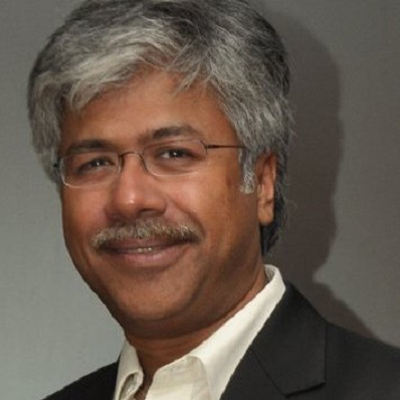
  • ‘Channels will stop chasing TRPs if we had a proper subscription revenue model:’ Vikram Chandra

    ‘Channels will stop chasing TRPs if we had a proper subscription revenue model:’ Vikram Chandra

    In an industry where people change jobs every few years in order to quickly climb the ranks, his association spanning more than two decades with Dr Prannoy Roy’s NDTV Group speaks volumes about his commitment and stability. One of India’s leading journalists, he now helms NDTV Group as executive director and CEO. He is also the executive chairperson of the company’s online venture – NDTV Convergence.


    What’s more, even with the increasing managerial responsibilities, he manages to find time to anchor shows like Gadget Guru and The Big Fight and therein reflects his love for the Fourth Estate. He also flirted with the pen when he wrote his first fiction thriller titled The Srinagar Conspiracy in the year 2000. He is none other than Vikram Chandra.


    With many a feathers in his cap, Chandra is now well poised to take NDTV to newer heights with the expansion in the digital space. Tapping new avenues, NDTV now has its fingers dipped in multiple segments like wedding, fashion, auto, gadgets et al… and all under Chandra’s stewardship.


    In a chat with Indiantelevision.com’s Megha Parmar, Chandra sheds light on his journey, NDTV’s businesses ventures, cable TV digitisation, social media and the road ahead for the company.


    Read on for excerpts:


    NDTV is now expanding its digital footprint with gadgets, auto and retail. What drives you towards digital despite being a traditional broadcaster?


    This has been one of NDTV’s key strategies from a long time. Going digital is a key part of NDTV from several years. Way back in 1999 and 2000s, we started to believe that Internet is going to be a dominant part of our lives. While TV is still a core part of our DNA and plays an important role in everything that we do, we then wanted to expand into digital from a long time.


    Today, people can consume the same NDTV news though different streams. You can watch it on your TV, phone and the NDTV app. There are different ways to get the content that we are enabling for people. Going forward, we took a decision that there were individual niche areas where we want to make a major impact. That is what we are building on from the past couple of years; be it food, auto, wedding, retail and there are other things also coming into place.


    How much does digital contribute towards the company’s revenue?


    Digital’s contribution to the company’s revenues has been growing. It used to be around three – four per cent sometime back, but today because digital revenues are growing at a faster rate, digital accounts 20 – 22 per cent of NDTV’s revenue. The number is growing rapidly.


    What was the idea behind NDTV entering the online wedding market?


    Everything that we are doing in these areas has a very specific planned execution strategy. We thought it is a good proposition to be in and we got into it. We followed the same thing with Gadgets360 and the other portals. In weddings, we have found the same niche that we think is going to be very attractive. 


    Are revenues from television on the decline?


    The revenue from TV has grown over the years and will continue to grow. It’s just that the revenues from digital are growing at a faster rate almost at 15 per cent a year from a long period of time. While the share of digital revenue is increasing, it’s not that the TV revenues are declining.


    How long before revenue from digital will surpass that from television?


    We’re a long way from there. There is a lot of action going on TV also and we are also expecting regulatory changes to happen soon. If everything goes fine, the revenues from TV will also grow at a faster rate. There is no competition between the two. As long as the both are growing and are doing well, that is what we want.


    What are your plans with Gadgets360 and Auto? Do you see enough monetisation opportunities?


    Gadgets360 is by now a very dominant property. It is not just the number one gadget site in the country, it’s four or five times far than the number two in the entire world and has gained a very massive position. With Gadgets360, we tend to hold a position of considerable dominance in the space. If the people want to buy a gadget and want to know about anything related to it be it news or reviews, they have to refer to some or the other NDTV’s properties. It gives us a good position to build a strong community around the gadget loving and gadget dying population. We have now started to do some select launches of individual products that we think are interesting on the website. Many e-commerce transactions have also started to happen on Gadgets360 and the initial response has been quite astonishing. The first two three phones that we tried to sell were sold out in a month’s time, which surprised us. So now we are planning to do more such things, which will surprise us in many other ways.


    Auto is an area where we have built a powerful franchise over a long period of time. We have a good combination of content like carandbike.com and technology package combined with good engineering. This will help the auto portal also scale up both from the content side and from the transactions point of view.


    Do you see enough monetisation opportunities in Gadgets360 and Auto?


    Gadgets360 is doing well for us and has stayed ahead of our expectations. The monetisation is coming in. Once you have strong communication in various communities, it’s not just an attractive proposition from the revenue point of view but also from advertising. From an advertiser’s perspective, where else would you want to put your money than on a leading portal in that space? If you have a leading tech, auto or food content portal, that’s where you will want to put your money. Auto is also emerging successfully.


    What kind of investment is being pumped in for these new ventures?


    Well these have raised funds already. Food is the recent one, which has raised funds to the tune of $12 million roughly. Each of these have been visualised as an individual entity and they have a life of their own. Each of them have been done in a very entrepreneurial manner like start-ups. We don’t have the group dynamics playing; it’s all done by individual entrepreneurial team. They have raised their own money including some of the top investors.


    Can you share your overall plans for NDTV Convergence? It’s already the leader in its space but now there have been others joining in too.


    There will always be competition and that’s good. We are not scared of the competition. The more the activity and action in the field, the more it will help in growing the market. Today, only a small fraction of our population has access to the internet but the number of people who are going to use the service five years down the line is huge. It’s a vast untapped market. If more people come in, it will just expand the market. So far, with competition, it has not changed our position, market share or even the traffic that we get. We are in a comfortable position.


    In the age of clutter, competition & multiple start-ups mushrooming in the country, how does NDTV plan to have an edge over the others in the new areas that it has ventured into? 


    There are things that we do and focus on. So far we have managed the competition right. If you look at the page views or the traffic, it’s clear that there are a couple of clear leaders and while a few competitors are at some distance behind. We know how to manage the space.


    How do you see digitisation changing the game in India for broadcasters in terms of content, revenues, etc?


    Digitisation was always anticipated to be a game changer but to some extent we are disappointed. What is causing disappointment in the market is that the business models have not changed after digitisation.


    Digitisation was supposed to transform the business models for broadcasters where distribution revenues start to become a very major contributor, where subscription money starts to flow and also lower the reliance on advertising. That was the logic that digitisation was supposed to drive.


    There was also a strong economic business rational for this that in analog systems you only had 40 slots for 200 channels but now you have no capacity constraints. What we really would want to see in 2016 is concerting actions to be taken especially by the government and the regulators to try and persuade people that the model needs to change and formulate what the correct model should be.


    There is an effect on the content model as well. If subscription revenues were robust, then it sets up a business model where quality channels will have money to invest in quality content and a channel’s revenue will be based on subscription and not around chasing the advertising. Then what will be the need of content if one is chasing advertising? It’s not only chasing advertising; the channels are chasing TRPs, which is to some extent evident in the news space. They are clearly following tabloid type of news content, creating sensationalism and other things that are basically designed to get more TRPs. If you had a proper model wherein channels could make money from subscription, then people will not want to chase the TRP game. They will do good quality content and would gain some money from subscription.


    How much importance do you give social media? Do social media insights play a vital role in penning down your strategy?


    Social media is a very powerful tool and helps people connect with each other. There are obviously issues around and you should not think that social media is everything, which sometimes you pretend to do. Social media sometimes acts as a platform for the loudest voices but with a disproportionate scare. For a journalist too, it’s one of the first bases where you might get breaking news and information about what’s happening around you. But you do need to be careful about how you use social media and how you engage with social media. You should not believe on everything that goes around.


    Having said that, I don’t think social media plays any key role in driving our strategy back at NDTV.


    The credibility of a news story is now defined by a trending hashtag. If your story leads to a trending tag, it’s a successful story, otherwise it’s not. Is it a fair proposition?


    I don’t agree to that. It’s good to have your story trending but you can do a very successful strong and powerful story, which does not necessarily need to trend. It should not be the only metric. As a journalist, I think that it’s not necessary that something that drives more clarity or will trend means that it’s the only form of journalism you can do. You can still do very powerful journalism in various areas, which may not drive TRPs or trend on Twitter.


    Do trending #tags like presstitutes bother you?


    I think on social media a lot of the language and discourses have become disappointing. The language used, at times, is inappropriate. There are some people using abusive language. I think this is dangerous as at times you will find accusations, which aren’t true. People are straightforward and mature and also are definitely using social media for the right purpose but there is a possibility that they sometimes might pick up something, which is incorrect or not accurate and is a total fabrication. Someone will put something on social media and then it will be re-tweeted repeatedly and will be passed around, which is not true and will cause damage. 


    Social media has helped us in democratically using the voice of the people. Anyone can access it and express their views on anything, which should be rolled forward. But everything has a sad part attached to it and here the issue is about how we control the worst impulses of a few people putting something, which is invalid or not factual. We have to find a solution to how we can control such things from taking place on social media.


    Suppose a journalist is doing a hard hitting story like on child smuggling or malnutrition or about what is going in the Vidarbha region; these are not negative stories but are strong powerful development stories and may lead to some transformation happening in one place or other.


    We often hear people commenting on why we don’t publish positive stories or development stories. The answer is, these stories are done but are not the kind of social stories that will either make TRPs or be trending on Twitter. You do a great story on solar power and publish it; it will not work that much. But the story should be done. We should find ways to tweak the model that those stories are done on and are broadcast without anyone worrying about TRPs or trends.


    How important are ratings in the larger scheme of things?


    Ratings are a currency. TRPs will always reward a certain type of content over another type of content. That is one another intrinsic problem with the rating system. Now we are seeing new methods of measurement also coming out with a much larger monitoring system and a larger sample of people, which is interesting. At some point, I am sure BARC India and others will start monitoring digital data as many consume news not only from television but also from live streams.


    For a long time, NDTV has not been trying to sell on the basis of TRPs alone. I think the sales team has done a great job. Many of the powerful and important brands are keen to be a part of NDTV now.


    Is digital gradually taking over TV when it comes to news? What should TV players be doing to keep the audience intact?


    I don’t think it is going to be an either or situation… just as television and print have co-existed from such a long time. It’s not that after the invention of TV the newspapers shut down. Digital is another facet of it.


    We at NDTV are content providers and will provide content to  consumers in whichever format we can. It will be on TV, desktops, mobiles, etc. Wherever the consumer is consuming content, we will be there in that space. We are visible in most of the areas. So I think TV and digital will go together.


    From Doon School to journalism to Chief Executive Officer, how would you define your journey so far?


    Well, it’s been an interesting journey. I have worn so many hats so far. I have always enjoyed my years as a journalist and I still enjoy my anchoring. I get a lot of satisfaction especially from things like the special projects that I do and the big campaigns in which I play an active role as an anchor.


    Other than Gadget Guru and The Big Fight, I don’t get to do so much journalistically, which taps some area of regret within me. 


    What role has Dr Prannoy Roy played in your career?


    He has been a guide and a mentor in more ways than one. I went to TV because I saw Prannoy anchoring a show. That’s when I decided to make a career in the same field. He has been a role model for me and many of us. I wouldn’t have been a journalist if it wouldn’t have been for him.


    What can we expect from NDTV in the coming year?


    We are hoping for another change in the TV business model in 2016. On TV, we will continue to target growth and profitability. We will focus on our three basic aspects of TV, i.e. digital content, TV  and e-commerce business. Each have their own targets and matrices against which we will be evaluating them. We will go to the bottom line and get the profitability up as much possible.


    In digital content, we will try to consolidate our leadership position. On the e-commerce side, this is a crucial and critical year of all our new ventures that we are launching and we are hoping that the success that they have seen in the initial stage will turn into strong marketing business model.
  • Challenges behind setting up BARC India & the way forward

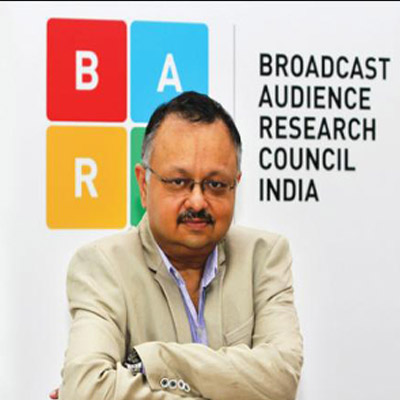
    Challenges behind setting up BARC India & the way forward

    The launch of Broadcast Audience Research Council (BARC) India, a joint industry body, in 2015 was one of the biggest developments of the year in the media industry. Its launch was proof that the three stakeholders, namely the broadcasters, advertisers and media agencies could come together and set up a robust and transparent system in the quickest possible time.

    The key to BARC India’s successful rollout was in building a strong team along with top-notch vendor partners who understood our needs. The advantage was that we were able to find the right resources who ensured that the smooth ratings rollout happened within the shortest possible time.

    BARC India was formed with an aim to bring in robustness and transparency to the whole television viewership measurement system. This was achieved by introducing the sector to the new Watermarking technology for measuring TV viewing habits and also using the New Consumer Classification System (NCCS) for understanding the lifestyle of the viewer. The sector now gets a more inclusive and fair representation of  “What India Watches.

    BARC India has been set up at the back of huge expectations from the industry that needed a new TV viewership measurement body, which was representative and robust. This meant that we had to ensure that each and every step by BARC India was being taken in the right direction. It was for this that we decided to make technology our differentiator to give precise and high fidelity ratings. We also opted for a multi-vendor model, instead of a single vendor who could do everything. The reason for this was that we wanted to make the system more robust, high integrity and cost efficient. This has worked in our favour. 

    The other big challenge we faced was funding. We innovated here as well and ensured a smooth financial closure without the stakeholders investing cash in the business. 

    2015 was the year for the launch of a new television viewership measurement system in the country and now in 2016, we will only grow better and bigger. The first in the pipeline is the rollout of the meter management company, which we had announced last year as a JV with TAM India. The year will see the industry using television viewership data on the go with our new BARC India app. The work on Universe Estimation Study has begun and the findings will throw relevant insights on the landscape of television viewership measurement in the country.   

    The year 2016 will see the industry try another innovation christened as VAL-ID (Video Asset Linked ID), which will make life easier for the ecosystem for monitoring and measuring commercials.

    After a fruitful 2015, BARC India is all geared up for a great 2016.

    (These are purely personal views of Broadcast Audience Research Council (BARC) India CEO Partho Dasgupta and Indiantelevision.com does not necessarily subscribe to these views.)

  • 2015: The year of nip & tuck for Hindi GECs

    2015: The year of nip & tuck for Hindi GECs

    MUMBAI: Ratings, ratings from the BARC, who’s the leader of them all?

    ‘Twas the question on many a lips as the new Indian television ratings body –  Broadcast Audience Research Council India launched earlier this year and within just a few months of operations created waves in the industry by throwing up All India data comprising urban and rural numbers. The dynamics of the Indian television market changed and old programming and marketing strategies were scrapped for newer ones. Many a channel executives went back to the drawing board to figure out what India wanted to watch on television.

    The year 2015 was also when Hindi general entertainment channels (GECs) slugged it out to attain the top slot by moving away from the typical saas-bahu sagas and explored other genres from horror to mythology to reality in order to provide viewers with wholesome entertainment. The fight had never been tougher for as the year drew to a close, it was nip and tuck as to which channel would lead the ratings race week on week. The undisputed leader of the genre – Star Plus could no longer be complacent as Zee Entertainment Enterprises Ltd’s (Zeel) underdog Zee Anmol gave the market leader a run for its money.

    Moreover, channels no longer have the luxury to run non-delivering shows. If a show isn’t working, it’s pulled off air. It’s as simple as that. Gone are the days when a show would endlessly run for years and years. Now, the fight is no longer limited to the top three – Star Plus, Colors and Zee TV. In light of the rural ratings data, free to air (FTA) channels like Zee Anmol, Star Utsav and Rishtey have managed to find their place under the sun and emerge in the list of the Top 10 Hindi GECs. Since week 41, FTA channels started dominating the Top 10 channels’ list. In just eight weeks’ time, Zee Anmol climbed up to the number one spot from the third position, pushing erstwhile market leader Star Plus to the third spot.

    On the programming front, if there was a genre apart from drama and reality shows that ruled the airwaves this year on Hindi GECs, it was mythology and historical shows. While some shows proved to be game changers for the channels, some failed to garner ratings.

    The year also witnessed some successful partnerships reunite. Star Plus and Amitabh Bachchan came together once again after a span of 15 years for Aaj Ki Raat Hai Zindagi. However, the hype that was created for the show subsided as quickly as the show’s content failed to impress the audience. On the other hand, actor Iqbal Khan, who started his television career with Ekta Kapoor’s show Kaisa Yeh Pyaar Hai on Sony Entertainment Television, made a comeback after 10 years with Pyar Ko Ho Jaane Do.

    Even as Priyanka Chopra rocked the international television circuit with her fiction debut in ABC’s high-octane drama series Quantico, closer home there was no dearth of star power on the small screen this year as movie stars from Bachchan, Shah Rukh Khan, Salman Khan, Shahid Kapoor, Hrithik Roshan, Sonakshi Sinha, Farhan Akhtar, Bipasha Basu, Arbaaz Khan to Malaika Arora Khan descended on television with a single minded vision to entertain the audience.

    Additionally, adaptations of international format shows, which have become an important part of Hindi GECs, also saw an increase this year. While adaptations of reality and non-fiction shows have been seen on Indian television for some years now, what was special this year was that for the first time, an international fiction format was adapted. India got its very own Everybody Loves Raymond in the form of Sumit Sambhal Lega. Other non-fiction adaptations that made their presence felt this year were India Poochega – Sabse Shaana Kaun?, Bigg Boss Season 9, I Can Do That, Aaj Ki Raat Hai Zindagi and Power Couple to name a few.

    The year 2015 also saw Zeel launching a new Hindi GEC under the ‘&’ brand name. Ten months into launch, &TV is striving to carve a niche for itself in the already busy GEC space.

    Let’s now take a look at some of the key happenings across the genre in 2015:

    Star Plus

    The beginning of 2015 was good for Star Plus as it performed well in terms of ratings according to TAM Media Research data. The happy saga continued for a few weeks even after the introduction of BARC data. However, from week 34 onwards, Star Plus witnessed many ups and downs and was in close competition with Colors. Come week 41, which was when BARC released its rural data, the channel faced double trouble with introduction of FTA channels in the tally. As per the latest week data, Star Plus stood in the third spot with Zee Anmol in the top slot followed by Colors.

    That said, 2015 will remain memorable for Star Plus as it roped in Bachchan as the host of Aaj Ki Raat Hai Zindagi.

    The channel’s long running show including Saath Nibhaana Saathiya, Yeh Hai Mohabbatein, Diya Aur Baati and Yeh Rishta Kya Kehlta hai are among the top five programmes of Hindi GECs.

    After the successful execution of Mahabharat, Star Plus launched another mythological show Siya Ke Ram on 16 November, which is produced by Triangle Film Company. A reality show called Dance Plus also made its presence felt on the small screen.

    The year gone by also saw a number of shows launching and going off air in a period of three – six months. Shows like Manmarziyan, Gulmohar Grand, Badtameez Dil, Kuch Toh Hai Tere Mere Darmiyaan and Tere Mere Shehar Mein were pulled off because of poor ratings.

    Colors

    2015 has been a good year for Colors even as the tug of war with Star Plus to claim the leadership position kept both players on their toes. Many a times Colors successfully grabbed the lead position inching ahead of the market leader. So, what worked for the channel in 2015?

    Every year Salman Khan says he won’t host the next season of Bigg Boss and every year the channel manages to lure him back on the small screen’s biggest reality show. Colors launched the ninth season Bigg Boss Double Trouble with Khan. However, not wanting to disturb the timings of its prime time fiction shows, which was raking in the ratings, Bigg Boss 9 was placed in the late prime time slot of 10.30 pm on weekdays and 9 pm on weekends.

    Colors also experimented with its weekend time slot and launched the supernatural fiction show Naagin, which proved to be a game changer for the channel and was perched on the top rung of the ladder in week 50.

    Some of the other notable shows, which have been performing well for the channel are the historical Chakarvartin Ashoka Samrat produced by Contiloe Entertainment as well as two fiction shows produced by Rashmi Sharma Telefilms namely Sasural Simar Ka and Swaragini.

    On the non-fiction front, apart from Bigg Boss 9 Colors also launched the second season of its chat show The Anupam Kher Show: Kucch Bhi Ho Sakta Hai and the eighth season of Jhalak Dikhlaa Jaa Reloaded. Experimenting with a celebrity cooking show, Colors roped in Farah Khan and launched Farah Ki Dawat.

    While the year saw Colors acquiring some flagship properties like the IIFA Awards and the Box Cricket League, the earlier editions of which were aired on different broadcasters, the channel also launched its first live event property called Suro Ke Rang Colors Ke Sang to celebrate the world of Indian music industry.

    Zee TV

    The year saw Zee TV struggling to hold on to its position in the third and fourth slots. Even as the channel saw some instability on the ratings chart, the year was sprinkled with a few new launches. The channel, known for its original content formats like Dance India Dance, Sa Re Ga Ma and India’s Best Dramebaaz, experimented this time round with an international format called I Can Do That.

    In the fiction genre, the year saw launches like Kaala Teeka, Ek Tha Raja Ek Thi Raani, Sarojini, Laajwanti and Yeh Vaada Raha. On the other hand, the channel’s fiction show Kumkum Bhagya managed to garner high ratings and was amongst the top 5 shows across Hindi GECs.

    On the non-fiction front, Zee TV launched the second season of India’s Best Dramebaaz as well as the fifth season of Dance India Dance.

    Further strengthening its weekend, the year saw the channel experimenting with the slot with the launch of Neeli Chatri Waale produced by Ashwini Dhir at 8 pm on Saturdays and Sundays. Apart from this, the channel also took its Sunday programming a notch higher with the new adventurous show Janbaaz Sinbad in the 7 pm time slot.

    Zee TV also extended its weekday primetime shows to six days a week from Monday to Saturday. From 28 November onwards, the shows on the channel’s 7 – 9 pm time slot were also telecast on Saturdays.

    Sony Entertainment Television

    In the year 2015, Sony completed two decades of its broadcast operations in India. The year was marked by a new team, new shows and even a new name… 2015 can well be called as the year of everything new for Sony Entertainment Television.

    The channel’s mother company Multi Screen Media India was rechristened as Sony Pictures Networks India.

    That said, even though the channel launched many new shows in the year in a bid to strengthen its programming, unfortunately not one managed to create the much required magic for the channel. The channel has a long way to go if it wants to make its presence felt in the Top 5 Hindi GECs. As of week 50, Sony stood at number seven in the pecking order according to BARC data.

    On the programming front, the channel launched a couple of fiction shows like Parrvarish season 2 and Pyaar Ko Ho Jane Do. On the other hand, hopping on to the mythology bandwagon, Sony too launched two shows in the genre namely Suryaputra Karn and Sankat Mochan Mahabali Hanuman. Going by the popularity of the genre on Indian television, Sony might as well latch on these two shows and offer content that the Indian viewer is readily lapping up.

    On the non-fiction front, the channel launched the second season of Junior Indian Idol, which also saw the television debut of actress Sonakshi Sinha as judge along with Vishal Dadlani and Salim Merchant.

    Even though the current fare on the channel may not be whetting viewers’ appetite, Sony has been known as a pioneer in bringing cutting edge programming to Indian television screens. After introducing shows like Indian Idol, Jhalak Dikhlaa Jaa and Khatron Ke Khiladi, the channel brought another international format -Power Couple to India. Produced by Colosceum Entertainment the show was adaptation of Israeli format launched on 12 December.

    Another major highlight for the channel has been its longest running show CID, which entered in its 19th year in 2015 as well as the hugely successful Crime Patrol,which is all set to follow suit.

    Sab TV

    Sony Entertainment Television’s sister channel Sab TV is one of India’s most loved comedy channel. Though many shows this year failed to garner sustainable ratings, the channel did not hold back when it came to experimenting with content.

    Sab’s comedy show Peterson Hill produced by Garima Productions, was pulled off air due to low ratings despite having a cast like Rohit Roy, Sucheta Khanna and Ashwin Mushran. What’s more, as a part of its programming strategy, the channel also pulled down four of its shows on 19 July this year. The first one to bite the dust was the weekend show Hansi Hi Hansi Mil Toh Lein, which was launched on 29 March. The second show titled Rumm Pumm Po hit screens on 6 June and was wrapped up within 43 days. The game show titled Sab Ka Sapna Money Money, which started from 26 April went off-air in four months too. Rukawat Ke Liye Khed Hai, which launched on 26 April, was the fourth show that ended on the same date.

    However, Sab TV also tried some new formats to keep the spirit alive. Taking the route of advertiser funded programming (AFP), the channel launched Chalti Ka Naam Gadi, which was produced by Deepti Bhatnagar production and funded by Maruti Suzuki.

    The channel’s longest running show Tarak Mehta Ka Oolta Chashma continued to impress the audience with its comic trails. Additionally, in the last year, Sab TV also made its maiden foray into a big ticket reality show called Comedy Superstar with celebrity judges.

    In terms of new offerings, Sab presented Yum Hai Hum, Sahib Biwi Aur Boss and Police Factory  to the audience in 2015.

    Life OK

    2015 saw multiple new show launches across channels and not to be left behind, Star India’s Hindi GEC Life OK too contributed its share to the ecosystem by brining in new shows, which worked slowly but steadily for the channel.

    Dream Girl, Zindagi Baki Hai Mere Ghost, Roshini, Ek Tha Chandar were among the few shows that were launched this year.

    &TV

    Zeel’s new Hindi GEC &TV began beaming from 2 March, 2015. Coming into an already cluttered space with established players in place, the newest baby in the Hindi GEC made its presence felt from the word go!

    It’s been only ten months since launch but &TV has already managed to carve a niche for itself. From the big bang launch of the Shah Rukh Khan hosted show India Poochega: Sabse Shaana Kaun? as its flagship property to its popular fiction drama Begusarai, the sailing has so far been smooth for the channel. In a span of ten months, &TV launched as many as 17 shows across genres.

    In the non-fiction category, the channel brought Deal or No Deal back on Indian television with Ronit Roy as host as well as launched the singing reality show The Voice India.

    This year, the popular television awards show – the 14th Indian Telly Awards 2015, which is hosted by Indiantelevision.com hopped on board &TV.

    In the fiction space, the year saw some fabulous shows like Ganga, Begusarai, Bhabhi Ji Ghar Par Hai, Yeh Kahan Agaye Hum, which managed to create the required magic for the channel.

    &TV also launched its first socio-mytho show Santoshi Maa produced by Rashmi Sharma Telefilms.

    What’s more, Bollywood diva Bipasha Basu also made her television debut this year on &TV’s horror show Darr Sabko Lagta Hai.

    As the industry readies to usher in 2016 as well as the completion of the third phase of Indian cable television digitisation, the mass entertainer Hindi GECs are well poised to go on a growth trajectory. Moreover, as the months go by, the All India ratings data by BARC India will also steadily provide a clearer picture of trends and analysis of what a diverse country like India is actually watching thus making it easier for the channels to put in place bespoke programming strategies.

  • &TV’s Rakesh Jain joins Life OK as VP – fiction

    &TV’s Rakesh Jain joins Life OK as VP – fiction

    MUMBAI: &TV associate vice president Rakesh Jain has joined Life OK as vice president – fiction. 


    “In his new role, he will be looking after Life OK’s fiction content. He will also play a vital role in starting new fiction content for the channel,” a source close to the development informed Indiantelevision.com.


    Jain was a part of &TV since inception, and was handling Bhabhi Jhi Ghar Pe Hai.

  • After ‘Breaking Bad’, 5 TV shows that can turn into Bollywood movies

    After ‘Breaking Bad’, 5 TV shows that can turn into Bollywood movies

    MUMBAI: After news broke that Bollywood superstar Shah Rukh Khan is keen to acquire the rights for the popular American crime drama series Breaking Bad and wants to make it into a Hindi movie, there’s been a somewhat mixed reaction from the audience at large.


    While some are looking forward to the Bollywood spin, some others are reluctant towards the quality of the new conversion.


    We at Indiantelevision.com decided to sift out five widely loved English television series that successfully penetrated in the Indian market, which have the potential to be made into Bollywood movies.


    Read on…


    1. Doctor Who


    Doctor Who is a British science-fiction television, which successfully ran for a period of 26 seasons with nine series and approximately 825 episodes. This series shows the adventures of the Doctor, a Time Lord—a space and time-travelling humanoid alien exploring the universe. The series has become a cult television favourite and seeing its popularity amongst the audience globally would definitely earn a million bucks if converted into a Bollywood film.


    2. Quantico


    This Priyanka Chopra starrer is a much talked about series in the society with a crazy following. Quantico, recently launched, is an American television thriller series revolving around a group of young FBI recruits; each having a specific reason for joining. Flashbacks detail their previous lives, while the recruits battle their way through training at the academy in Quantico. With the buzz and the following the series has created, it will definitely touch new heights of fame if converted into a movie. And on the top, this series would not even face actress issues.


    3. Game of Thrones


    This series has to be in the list seeing the crazy following the show has achieved. Game of Thrones is an American fantasy drama television series and has attracted record numbers of viewers on HBO and attained an exceptionally broad and active international fan base. Seeing the already high level of curiosity amongst the audience for the show, it will, without doubt, be a movie to die for.


    4. How I Met Your Mother


    Sure, it will be quite a stunt if Bollywood can pull off a mammoth of a series such as How I Met Your Mother into a film even by our standards of a long movie; but the result could be more relatable to the Indian audience than we think. If looked at in a nutshell How I Met Your Mother works on that perfect romantic comedy formula – a formula we have seen plenty of filmmakers use and reap in millions at the box office. It has friendship, comedy, romance, some drama and a multi star cast — a combination that directors like Rohit Shetty would kill for!


    5. Dexter

    Like Breaking Bad, the concept of anti-hero has off-late appealed to the Indian audience. A different side of it could be seen in films like Drishyam and Kickk where the hero takes on the ‘bad guy’ role, to cleanse the society off its evil doers. In short, a vigilante. Add a badass lead, some serial killers, unsolved murder mysteries, and blood and gore to the formula and you have a Bollywood equivalent of the popular thriller series Dexter. Though we can’t predict if India is ready to cheer for a serial killer yet, Bollywood’s attempt at Dexter is certainly something to look forward to.

  • TAM week 49: Colors replaces Star Plus as No. 1 in Hindi GECs

    TAM week 49: Colors replaces Star Plus as No. 1 in Hindi GECs

    MUMBAI: In week 49, Colors once again moved ahead and emerged as the number one channel in Hindi general entertainment channel (GECs) genre, while Star Plus saw a decline in ratings. However, it managed to garner the second slot according to TAM Media Research data.


    Colors bagged the first spot with 236 GRPs in week 49. Star Plus witnessed a decline in ratings to settle at the second slot with 230 GRPs as against 251 GRPs in previous week, followed by Sab TV in the third spot with 146 GRPs and Zee TV in the fourth place with 141 GRPs.


    Life OK secured fifth position in the genre with 123 GRPs. Sony Entertainment TV with 119 GRPs came in at the sixth place, whereas &TV was at the seventh position in the genre with 71 GRPs.

  • Indiantelevision.com’s ‘The 14th edition of the Indian Telly Awards’ now on &TV

    Indiantelevision.com’s ‘The 14th edition of the Indian Telly Awards’ now on &TV

    MUMBAI: It’s time for the television industry to rejoice, stand tall and cheer! &TV, the youngest member in the Hindi GEC space that represents New Age India is all set to showcase the most celebrated awards from Indiantelevision.com – The Indian Television Telly Awards. 


    In its fourteenth year – Indiantelevision.com’s The Indian Telly Awards will see over 80 categories covering technical, programming, popular and digital awards, with winners chosen by both an eminent jury and the public. With Ching’s as the presenting sponsor &TV will air Indiantelevision.com’s The Fourteenth Indian Telly Awards this December taking the celebrations of the year end a few notches higher.


    Applauding the achievements of the best on television, the viewers will be entertained with a host of performances and acts by their favourite television stars like Jennifer Winget, Krystle D’Souza, Mouni Roy, Sanaya Irani, Karan Patel, Ritwik Dhanjani, Shakti Arora, Mahima Makwana amongst others. Anchored by the popular cast of &TV’s Bhabi Ji Ghar Par Hai! – Shilpa Shinde, Asif Sheikh and Rohitash Gaud, the evening will witness a host of emotions and a sense of achievement amidst much fanfare and aplomb.


    Talking about the Indian Telly Awards, &TV business head said, “We are very excited to partner with one of the most reputed awards honoring the television industry. The Indian Telly Awards is an embodiment of work and talent that has entertained viewers and we are certain that the audiences will enjoy the awards nights as they witness a whole new side of their favourite stars.”


    “Over the years the awards have retained the utmost integrity and credibility. And that’s thanks to our respectable juries – like this year – consisting of industry professionals,” said Indiantelevision.com group and The Indian Telly Awards founder, CEO and editor-in-chief Anil Wanvari.  “We are delighted to say that we have taken Indiantelevision.com’s The Indian Telly Awards event to a very different scale this year with fabulous sets, performances and acts. We are also proud to announce a new telecast partner in &TV – the fast growing channel from Zee Entertainment Enterprises – in our fourteenth year.” 


    The Indian Telly Awards are the first awards for television which were started in 2001 by Indiantelevision.com and are known for being the most credible television awards in India. In its Fourteenth year the premier awards will set new standards in quality, grandeur and scale.

  • &TV’s socio-mythology series Santoshi Maa to unfold from November 30

    &TV’s socio-mythology series Santoshi Maa to unfold from November 30

    MUMBAI: Indian television audiences are about to be wowed by a story of devotion and divinity. Starting November 30th, &TV presents a socio-mythology ‘Santoshi Maa’, the story of Goddess Santoshi and her ardent devotee’s undying belief.

    The show marks the comeback of popular Bollywood actress Gracy Singh as Santoshi Maa and the very talented Ratan Rajput as her devotee. Produced by Rashmi Sharma Telefilms, Santoshi Maa is the story of Santoshi, a loving girl with a heart of gold who has been a worshipper of the Goddess since childhood. Much like the Goddess of santosh or contentment, Santoshi has no malice or greed in her heart and believes in respecting every individual.

    The show will chart her journey and how her unfaltering faith in the Goddess bails her out of the most difficult situations. Tune into this divine intervention as Santosh ka path padhane aa rahi hai Santoshi Maa starting 30th November, every Mon-Fri at 9:00PM only on &TV!

    Other than the two stellar performers, the show brings together some of the best names in the industry to essay pivotal roles. The ensemble cast includes popular faces such as Ayaz Ahmed, Sayantani Ghosh, Sachin Shroff, Juhi Parmar, Kiran Janjani, and veterans including Parikshit Sahani, Upasna Singh and Onkardas Manekpuri among many others.

    Talking about the show, TV business head Rajesh Iyersaid “Santoshi Maa marks our foray into the socio-mytho genre thereby strengthening our programming slate. The concept of Santoshi Maa is introspective and very relevant given today’s evolving times. Furthermore, its universal theme and relatable plot will only enable us to reach out to a wider set of audience at a 9:00PM primetime slot.”

    Actress Gracy Singh who portrays Goddess Santoshi said “All these years I received so many offers for TV shows but nothing appealed to me. But I loved the concept of Santoshi Maa. It has a great storyline, much relevance in today’s times and is being made with a lot of sincerity. Portraying a Goddess on the small screen is extremely challenging but also satisfying at the same time. I am a believer myself and given the competitive environment that we are in, I don’t let negativity affect me, but I take time off to relax and enjoy and be content with what I have achieved. That’s what the show is also about.  I look forward to receiving a positive response from the viewers.”

    Talking about the show, Ratan Rajput, who will be seen as the key protagonist – the devotee Santoshi said, “I’m a big devotee of Santoshi Maa in real life too so when I was approached to play the role, I was immediately convinced about it. My character and the story of the devotee is a journey that I could completely relate to, which is why I chose to take up the show. From a broad perspective, the show gives out a message on contentment which is sorely missing… we all are so busy chasing most materialistic things and bigger goals that no one is satisfied with what they have achieved. We tend to ignore what we already have with us hence – Santosh ka paath padhane aa rahi hai Santoshi Maa… the show will help us realise and appreciate the positives in life.”

    The show that boasts of a great production, storyline, characters will be one of the most relatable shows that will have the audiences enamored! Stay tuned and watch Santoshi Maa starting 30th November every Mon-Fri at 9:00PM only on &TV!

  • “There is a market for “failed” and low-budget films on OTT”

    “There is a market for “failed” and low-budget films on OTT”

    Netflix shook up the cinema establishment in the US when it had the temerity to release Beast of No Nation simultaneously in theaters and on its streaming platform. The movie, acquired at a cost of Rs 78 crore, did not do well at the theatrical box office (less than $100,000 gross), but it got more than 3 million views on the Netflix app.


    However, CEO Reed Hastings are going ahead with their strategy of doing simultaneous releases of future projects like The Ridiculous Six, Crouching Tiger Hidden Dragon II in the coming months.


    Indiantelevision.com got in touch with Essel group OTT player ditto TV CEO Debashish Ghosh on what he thought about Netflix ‘s bold gambit, whether it would be tried in India, and whether it would work with Indian viewers.  Read on to hear his views in one of the more entertaining interviews we have had in some time.


    Excerpts:


    Q: Were you stunned by Netflix’s move to do an OTT release for Beast of  no Nation simultaneous with the theatres like the mainline exhibition community in the US was- so much so that they refused to release the film and it got a limited release?

    “Stunned” may well be too sharp a rhetoric – since its not unnatural for subscription OTT platforms to find ways to showcase content PRIOR to standard and accepted platforms. Otherwise why would a consumer pay?

    That’s one of the reasons we at DittoTV are also looking at driving “content before TV / Anywhere” as a proposition as well. Significantly before!

    But please don’t ask for more details as of now – give me 15 days and then we shall give you an exclusive if you want it.


    India is in the nascent phase of OTT. But it has a strong heritage of filmmaking and is probably the largest producer of films worldwide.

    No doubt about that. But the mindset of film producers understandably is different here – especially the mainline ones – as they prefer making money upfront rather than later.  While we understand why, it is still a limiting factor as well – for most OTT platforms – which are not also producers of films as well.


    How large is your film catalogue for OTT both Bollywood and  international?

    We do not yet have a significant International Catalogue of movies but there are some imminent actions on that soon.  As far as Bollywood is concerned – we can only put up content on our platform – for which we have rights. And we have a library of around 3000 movies – which are already up and running.


    Does films get views? How much of your audience watches catalog films on OTT? How much time? And how often?

    Not really – if you ask me. Especially Bollywood – most of those movies are already available in myriad other platforms – and there is no REAL Uniqueness here. And thanks to Pirates and Torrents there will never really be.  So playing the game with the strengths of Movies alone – is not a viable proposition – at least today. And even platforms like YRF or Eros are struggling on account of that fact.

    Having said that – it’s not as though people don’t watch movies on OTT platforms – but it’s few and infrequent and essentially driven by some sort of unique demand – on the part of the consumer (note: NOT the platform). For example : “ I am having a debate about a particular dialogue with my friend and I want to prove a point about a move when I am outside at a bar!” Such scenarios are so infrequent that they don’t drive business case – frankly.


    OTT players have just begun their run in the space with original content for television shows. Is acquiring films exclusively for premieres the logical next step? How far are the Indian players from doing something like Netflix did?

    This question you have to ask Netflix actually. Are THEY making money for the movies that they are acquiring at huge costs and efforts? Or are they doing it because they today have money to spare? And can using it for drumming up PR mileage like your article will serve to do?

    Though that’s strictly not a bad strategy – if you ask me. But then you need to have international valuation and dollars to burn. Most OTT platforms cannot afford it. So it won’t be commonplace. And Business case will NOT let even Netflix sustain the movie strategy for too long.


    Will there be sufficient views for a movie released on an OTT platform? Will there be enough ROI on big-ticket movies on OTT?

    Well not really. But someone like Netflix can surely show the way and experiment – (Thanks to their success and surplus funds) – so that all other platforms can learn at their expense 😉


    Will the exhibition industry accept film premieres on OTT? Or will they revolt like they did in Kamal Hassan’s case?

    Ask the industry – they are the rich folk! OTT people are poor and struggling anyways – don’t rub salt on their wounds.


    Will premiering films on OTT affect the revenue flows from theaters?

    Not at all – to my mind. Theatres and OTT are not just about content – it’s about their respective experiences – and there is nothing overlapping about those distinct experiences.  I won’t say that the audiences are different – because that’s too passe 🙂

    How can Bollywood use OTT platforms better?

    By synergising and using OTT for its advantages. Theatrical and Satellite releases are all about the movie in itself. So instead of treading that trodden path – OTT platforms and Producers can synergise and think together to bring greater value to the consumer. Like releasing unseen footage, shooting goof-ups, candid reactions of stars (post doing a tough shot for instance) etc. – on OTT platforms – over and above the film – or contextual to the film. Digital OTT platforms have many intrinsic advantages that need to be leveraged – which unfortunately neither the Film Industry understands nor do the OTT platforms innovate sufficiently enough – mostly since they are so fund strapped – thanks to paying huge content rights monies to producers.


    There are 800 films released each year. Many don’t make it to the theaters. Some disappear after day 1. Do you think there is a market for such films on OTT? Would it make sense for smaller budget films to take this route? Will you premiere such niche content on your platform? What would the deals look like: revenue shares, or minimum guarantees (MGs) or outright purchases?

    Too many questions in one!  But yes – there is surely a market (even if that’s not a big one) for theatrically “failed” or smaller budget films on OTT. And yes OTT platforms should premiere such content – but as I said producers (big or small) are looking at quick upfront returns. And if their need can be logically channelised – all of this is possible and even more. But mindsets need to change (for the better) for that – and change is always very difficult.

    Such deals should be revenue share and not MG / outright – as the risk is equal on both sides.


    Will films work in SVOD or T-VOD? Or AVOD?

    TVOD or AVOD is where it works for the consumer as of now. But AVOD does not really pay for its costs.  SVOD for movies has not really worked – even for Netflix (remember Game of Thrones?).