Tag: TV

  • New iGameLeague allows advertisers to sponsor individual players

    New iGameLeague allows advertisers to sponsor individual players

    MUMBAI: iGameLeague – a platform through which mobile games for all age groups can be played offline or online professionally anytime and anywhere, aims at revolutionizing the industry as it allows advertisers to become sponsors of individual players.

    The platform has been created by four experts – serial entrepreneur Devesh Gupta, sales and marketing maverick Nilesh Thakkar, animation and VFX industry veteran Susanta Dutta and Nishith Maheshwari. “IGameLeague is first and sole professional mobile gaming platform in India. How YouTube is a platform for video the same we are for gaming industry with monopoly,” said co-founder NIlesh Thakkar.

    “Apart from print, TV, outdoor, radio and online, IGameLeage will add as yet another medium for advertising, where users not only play and win cash, the media partners and advertiser also reach their target audience,” Thakkar shared, adding, “Being a sole platform, brands like Citrus will give our users Rs 50 per players as sponsors. So we bring ready advertiser with us.”

    As per Thakkar, the startup is already valued at Rs 70 crore after investment from venture capitals.

    Bringing alive the idea of ‘Play Mobile games –Win Real Cash’, the platform has more than 20 popular mobile games on the platform. With a very simple and easy to use interface, players can download, register and start winning cash from their favourite games.

    After testing the waters through a beta launch in Mumbai where more than 2300 students from 18 top colleges including HR, Nationals, Thakur, KJ Somaiya, etc participated,  iGL is in the process of doing a massive national launch of the platform through Brand, Media and Celebrity partnerships.

    Various business houses have evinced interest in buying the territorial rights of various regions of the platform.

    Since it has brought to the fore a completely new age medium for mass engagement, it is expected to be lapped up by the Smartphone and IT industry. 

  • New iGameLeague allows advertisers to sponsor individual players

    New iGameLeague allows advertisers to sponsor individual players

    MUMBAI: iGameLeague – a platform through which mobile games for all age groups can be played offline or online professionally anytime and anywhere, aims at revolutionizing the industry as it allows advertisers to become sponsors of individual players.

    The platform has been created by four experts – serial entrepreneur Devesh Gupta, sales and marketing maverick Nilesh Thakkar, animation and VFX industry veteran Susanta Dutta and Nishith Maheshwari. “IGameLeague is first and sole professional mobile gaming platform in India. How YouTube is a platform for video the same we are for gaming industry with monopoly,” said co-founder NIlesh Thakkar.

    “Apart from print, TV, outdoor, radio and online, IGameLeage will add as yet another medium for advertising, where users not only play and win cash, the media partners and advertiser also reach their target audience,” Thakkar shared, adding, “Being a sole platform, brands like Citrus will give our users Rs 50 per players as sponsors. So we bring ready advertiser with us.”

    As per Thakkar, the startup is already valued at Rs 70 crore after investment from venture capitals.

    Bringing alive the idea of ‘Play Mobile games –Win Real Cash’, the platform has more than 20 popular mobile games on the platform. With a very simple and easy to use interface, players can download, register and start winning cash from their favourite games.

    After testing the waters through a beta launch in Mumbai where more than 2300 students from 18 top colleges including HR, Nationals, Thakur, KJ Somaiya, etc participated,  iGL is in the process of doing a massive national launch of the platform through Brand, Media and Celebrity partnerships.

    Various business houses have evinced interest in buying the territorial rights of various regions of the platform.

    Since it has brought to the fore a completely new age medium for mass engagement, it is expected to be lapped up by the Smartphone and IT industry. 

  • &TV way of entertainment completes one glorious year

    &TV way of entertainment completes one glorious year

    MUMBAI: The &TV way of entertainment has completed one year in the most competitive of all television genres – Hindi General Entertainment Channels (HGEC). Despite having a HGEC, Zee TV media Mogul Dr Subhash Chandra’s media and entertainment conglomerate Essel Group lead by MD Punit Goenka decided to launch one more and that’s how the &TV came being.
    Rajesh Iyer was roped in as the business head and he got the perfect combination of programming, distribution and marketing in place to give the channel a perfect ignition. The launch stage was ready and Shah Rukh Khan was the gear-up factor to the ignition. The Fauzi was back on television and a new channel was on air. Sab Se Shaana Kaun generated the much needed buzz. 

    From the shows like India Poochega… Sab Se Shaana Kaun ,which was produced by Big Synergy, to Deal or No Deal and The Voice produced by Endemol, the channel has left no stone unturned in making its one year journey glorious.  

    Produced by Edit II Production, Bhabhi Ji Ghar Par Hai, was another stepping stone for the channel. This high rated show has created the trend and made other channels to follow the vibes. 

    In crime thriller space, Contiloe Entertainment’s Agent Raghav was another successful show for the channel which has also won the 14th Indian Telly Awards 2015 for the ‘best thriller programme.’

    “&TV launched as the sixteenth Hindi GEC channel in one of the most competitive and high-stake television genres in India, which was a big risk in itself. The channel had one of the best take-offs a Hindi GEC could have, with an average OTS of 72 per cent (which means 72 per cent of Hindi Speaking Population had access to the channel at launch across all forms of linear TV). To cite an example for comparison, EPIC channel, another competitor in the HGEC genre, had an OTS of 42 per cent during its week of launch. The credit for the channel’s high availability and viewership goes to the distribution team, but must also be shared with the content team. With high interest content like India Poochhega…Sabse Shaana Kaun? at the time of the launch and its highest rated show Gangaa, along with airing mass entertainers like Chennai Express, Entertainment and Agneepath, &TV has struck the perfect balance between off and on-air strategies, resulting in stickiness as well as reach” explains Chrome DM CEO and founder Pankaj Krishna.

    Hefty investment in order to get out quality content was the way forward for &TV from it’s very beginning. “The channel forayed to thriller with Agent Raghav , produced by Contiloe Entertainment with an investment of between Rs 20 – 25 lakhs per episode. The top viewed shows Begusarai and Gangaa were created at a cost of Rs 8 – 9 lakhs per episode, whereas the Nivedita Basu’s upcoming show Meri Awaaz Hi Paihchaan Hai will easily make the channel dish out over Rs 10 lakh per episode. 

    On the other hand, Bhabhi Ji Ghar Par Hai, didn’t start off very expensive but now the show is doing really good hence the production cost has gone up to 15 lakh per episodes. Whereas its show historical show Razia Sultan was created at the cost of 15 lakhs per episodes.  The biggest spend was IPSSK where excluding host over Rs 40 lakhs per episode was spent. So quality was always a priority and the network backed the priority with necessary investments. The channel should be proud of where it stands today” asserts a media observer on condition of anonymity.    

    The ad rate card of the channel has seen a 25 per cent hike over the last year and advertisers’ traction has also been evolving thick and fast as per media planners’ insights.

    Industry reaction on the channel’s voyage so far 

    Dentsu Aegis Network chairman and CEO South Asia Ashish Bhasin: “It has done better than what was expected. I do feel it has more scope to grow as time goes by. Ultimately, its ability to sustain good content on a continuous basis will work for the channel. The content was well connected with the consumer and that’s one of the reasons why the channel is running successfully. Another, it was also well distributed as a new channel, right from the beginning”

    Industry expert and Purple Canvas founder Gaurav Seth: “&TV made a very promising start a year ago, with a fresh slate of content and differentiated offerings catering to every section of the GEC audience. Shows like Gangaa and Bhabhiji were especially entertaining and made extremely well. They have not however been able to crack the weekend primetime band which is critical to any GEC’s success and that, along with a couple of new weekday primetime hits should be on their wishlist for the coming year. But it’s been a reasonably successful launch year overall, considering the highly competitive space it has entered.”

    Big Snyergy co-founder and director Anita Kaul Basu: “India Poochega Sabse Shaana Kaun? was our first show with Zee, though we had worked together with Zee in past before satellite. Rajesh Iyer is a great guy to work with. He is very sorted and precise when it comes to content and programming. Then there was Sunanda with whom we have worked before at the time of India’s Got Talent when she was in Colors. &TV  took a little time to decide about what they wanted to do but when it happened it happened very fast. It was great working with the team. For a new channel and a GEC channel of that scale it takes time, but &TV in one year has made a mark. The channel brought a big international format to India Who’s Asking? which Zee Network  has never done before. Hence, The  channel has a great lineup of shows and will soon make great impact in the industry.” 

    The House of Originals director Nivedia Basu: “I have a very good experience of working with them, in fact when we came with the idea they were so open minded and they have given me as a first timer to do things according to the way I want. They helped me get all these actors on board for the Meri Awaaz Hi Pechan Hai. Many say that they want to work with the top three broadcasters, but I think & TV soon will be among the top five broadcasters”
    The journey travelled so far certainly signifies that there is a long way to go, meanwhile the air is all filled with the perfume of promise that reminds one of the Robert Frost quote, “I have miles to go and promises to keep before I sleep.”

    Viewership data from week 41, 2015 to week 7, 2016 period

    Source : BARC


    TG : 4+ HSM


    Period : Wk 41 – Wk 07’2016


    Analysis : Impressions (000s) (Weighted Average for the above mentioned period)

  • &TV way of entertainment completes one glorious year

    &TV way of entertainment completes one glorious year

    MUMBAI: The &TV way of entertainment has completed one year in the most competitive of all television genres – Hindi General Entertainment Channels (HGEC). Despite having a HGEC, Zee TV media Mogul Dr Subhash Chandra’s media and entertainment conglomerate Essel Group lead by MD Punit Goenka decided to launch one more and that’s how the &TV came being.
    Rajesh Iyer was roped in as the business head and he got the perfect combination of programming, distribution and marketing in place to give the channel a perfect ignition. The launch stage was ready and Shah Rukh Khan was the gear-up factor to the ignition. The Fauzi was back on television and a new channel was on air. Sab Se Shaana Kaun generated the much needed buzz. 

    From the shows like India Poochega… Sab Se Shaana Kaun ,which was produced by Big Synergy, to Deal or No Deal and The Voice produced by Endemol, the channel has left no stone unturned in making its one year journey glorious.  

    Produced by Edit II Production, Bhabhi Ji Ghar Par Hai, was another stepping stone for the channel. This high rated show has created the trend and made other channels to follow the vibes. 

    In crime thriller space, Contiloe Entertainment’s Agent Raghav was another successful show for the channel which has also won the 14th Indian Telly Awards 2015 for the ‘best thriller programme.’

    “&TV launched as the sixteenth Hindi GEC channel in one of the most competitive and high-stake television genres in India, which was a big risk in itself. The channel had one of the best take-offs a Hindi GEC could have, with an average OTS of 72 per cent (which means 72 per cent of Hindi Speaking Population had access to the channel at launch across all forms of linear TV). To cite an example for comparison, EPIC channel, another competitor in the HGEC genre, had an OTS of 42 per cent during its week of launch. The credit for the channel’s high availability and viewership goes to the distribution team, but must also be shared with the content team. With high interest content like India Poochhega…Sabse Shaana Kaun? at the time of the launch and its highest rated show Gangaa, along with airing mass entertainers like Chennai Express, Entertainment and Agneepath, &TV has struck the perfect balance between off and on-air strategies, resulting in stickiness as well as reach” explains Chrome DM CEO and founder Pankaj Krishna.

    Hefty investment in order to get out quality content was the way forward for &TV from it’s very beginning. “The channel forayed to thriller with Agent Raghav , produced by Contiloe Entertainment with an investment of between Rs 20 – 25 lakhs per episode. The top viewed shows Begusarai and Gangaa were created at a cost of Rs 8 – 9 lakhs per episode, whereas the Nivedita Basu’s upcoming show Meri Awaaz Hi Paihchaan Hai will easily make the channel dish out over Rs 10 lakh per episode. 

    On the other hand, Bhabhi Ji Ghar Par Hai, didn’t start off very expensive but now the show is doing really good hence the production cost has gone up to 15 lakh per episodes. Whereas its show historical show Razia Sultan was created at the cost of 15 lakhs per episodes.  The biggest spend was IPSSK where excluding host over Rs 40 lakhs per episode was spent. So quality was always a priority and the network backed the priority with necessary investments. The channel should be proud of where it stands today” asserts a media observer on condition of anonymity.    

    The ad rate card of the channel has seen a 25 per cent hike over the last year and advertisers’ traction has also been evolving thick and fast as per media planners’ insights.

    Industry reaction on the channel’s voyage so far 

    Dentsu Aegis Network chairman and CEO South Asia Ashish Bhasin: “It has done better than what was expected. I do feel it has more scope to grow as time goes by. Ultimately, its ability to sustain good content on a continuous basis will work for the channel. The content was well connected with the consumer and that’s one of the reasons why the channel is running successfully. Another, it was also well distributed as a new channel, right from the beginning”

    Industry expert and Purple Canvas founder Gaurav Seth: “&TV made a very promising start a year ago, with a fresh slate of content and differentiated offerings catering to every section of the GEC audience. Shows like Gangaa and Bhabhiji were especially entertaining and made extremely well. They have not however been able to crack the weekend primetime band which is critical to any GEC’s success and that, along with a couple of new weekday primetime hits should be on their wishlist for the coming year. But it’s been a reasonably successful launch year overall, considering the highly competitive space it has entered.”

    Big Snyergy co-founder and director Anita Kaul Basu: “India Poochega Sabse Shaana Kaun? was our first show with Zee, though we had worked together with Zee in past before satellite. Rajesh Iyer is a great guy to work with. He is very sorted and precise when it comes to content and programming. Then there was Sunanda with whom we have worked before at the time of India’s Got Talent when she was in Colors. &TV  took a little time to decide about what they wanted to do but when it happened it happened very fast. It was great working with the team. For a new channel and a GEC channel of that scale it takes time, but &TV in one year has made a mark. The channel brought a big international format to India Who’s Asking? which Zee Network  has never done before. Hence, The  channel has a great lineup of shows and will soon make great impact in the industry.” 

    The House of Originals director Nivedia Basu: “I have a very good experience of working with them, in fact when we came with the idea they were so open minded and they have given me as a first timer to do things according to the way I want. They helped me get all these actors on board for the Meri Awaaz Hi Pechan Hai. Many say that they want to work with the top three broadcasters, but I think & TV soon will be among the top five broadcasters”
    The journey travelled so far certainly signifies that there is a long way to go, meanwhile the air is all filled with the perfume of promise that reminds one of the Robert Frost quote, “I have miles to go and promises to keep before I sleep.”

    Viewership data from week 41, 2015 to week 7, 2016 period

    Source : BARC


    TG : 4+ HSM


    Period : Wk 41 – Wk 07’2016


    Analysis : Impressions (000s) (Weighted Average for the above mentioned period)

  • ‘Not taking anything for granted is our guiding philosophy’: Maxus MD Kartik Sharma

    ‘Not taking anything for granted is our guiding philosophy’: Maxus MD Kartik Sharma

    ‘No room for complacency’ is a motto Maxus South Asia managing director Kartik Sharma as well as his team follow strongly when it comes to upholding the philosophy of not taking their position in the market for granted. In a market where traditional media practices are being challenged every now and then by a new start up or biz solutions provider, Maxus isn’t too worked up, says Sharma, but is definitely not taking it easy.

    With client retention being top priority, the media agency has heavily invested in new and innovative services in the last few years… while some have worked, others have taught team Maxus what to work on next… the next innovation.

    In an interview with Indiantelevision.com’s Papri Das, Sharma speaks on the company’s future initiatives that not only prepares Maxus as an agency of tomorrow but also forms yardsticks for the dynamic current media ecosystem.

    Excerpts:

    How was 2015 for Maxus in terms of new businesses and mandates?

    2015 was a challenging as well as gratifying year. We have been successful in achieving our business goals. We have picked up a fair amount of new businesses as well. But that is part and parcel of our business. We did some landmark work in the area of sports where we helped our client Paytm bag the BCCI home series sponsorship rights of 84 matches. We also set up a new marketing command centre called Mesh that reads signals from social media and other data platforms to help brands to come up with real time interventions and help campaigns.

    What were the challenges that you faced in 2015?

    The first quarter was a bit slow and I think this was uniform across all agencies last year. Therefore business was slow but it picked up in the latter half of the year. There was also this sentiment about the new government and what it can do, which drove a lot of the business decisions as well. We had mixed feelings through the year regarding how our clients will end up spending and whether they would be making cuts, because that directly impacts our business. Having said that, things were looking better by the end of the year.

    How useful has Mesh proved for you and your clients?

    We launched Mesh around April – May last year with two centres in Mumbai and Delhi, and very soon we will set up one in Bangalore as well. The idea was to set it up internally and have a culture change within Maxus. Parallelly, we also got multiple projects at the back of Mesh. A lot of clients are already using Mesh in various ways, be it ad-hoc or continual projects.

    It actually started much earlier in a different avatar when we deployed a similar service with Nestle as a client. We did some interesting work with L’oreal on the same principles where we continued to monitor all the social media pages and activities on the brand, understand the top influences and the kind of content that was working for the brand. The engagement analysis told us which part of India was giving us response on a particular product. It was immensely helpful in understanding what consumers feel about various brands.

    With the technology evolving and the ecosystem becoming more dynamic, do you think advertisers’ dependency on media agencies has increased?

    More than dependency, I think we work with clients as partners so it’s all about being equal in that. We have been able to demonstrate the real value of what we call the command centre. It’s about telling really powerful and relevant stories, which you can actually take back as an impact on your business.

    We must also take into consideration the number of new pitches that happened globally. Last year, around 20 million plus pitches took place globally. Fortunately for us, we weren’t part of it as you can never really predict how these additions will work out. As an agency, I would rather focus on current clients doing a great job than pitching. I think that having a few new strategic pitches are fine as long as it doesn’t effect your loyalty to your current clients.

    Don’t you think Maxus as a group has the capability to take on new clients without disappointing the existing ones?

    I have mentioned this again and I will repeat it yet again, Maxus as a group never takes its position in the market for granted. We have to earn what we are standing on and demonstrate every single day to all our stakeholders. That is critical to Maxus’ functioning. Not taking anything for granted is our guiding philosophy. It is also about the changing environment and Maxus needs to be forward facing to some extent. Mesh is a project keeping that in mind. If we don’t invest in Mesh and prepare ourselves for the future, then we can’t make that transition.

    Do you sense competition from all the ‘marketing solutions’ providers that have mushroomed in the industry recently? Some of them claim to provide similar services that Maxus has.

    Competition is always welcome. It builds a certain degree of positive energy for everyone to do better. Having said this, we have our own vision. It is a very inspiring vision that leans in to change. If you look at how we work, the entrepreneurial streak is very strong within Maxus. The DNA of Maxus is all about innovation, doing new things and evolving. So I am not overtly worried about the competition, yet we will keep a watch. We will not become complacent for sure.

    We see several big agencies collaborating with start-up agencies for specific skill sets. Do you think it reflects the lack of certain skills within the big media agencies to take on the changing market dynamics?

    Firstly, the skill set factor is not affecting just the agencies, I think it is across the board. As the market landscape changes, there are two ways to deal with it – either incorporate and evolve all the skill sets internally, which requires its own time and effort, or partner with someone who has these skill sets in a focused area still relevant to you. It is always going to be hybrid between building yourself and partnering with others.

    Can it be considered a shortcut way out?

    I don’t think it’s a shortcut. Once a client comes on board an agency, we want to give them the best possible solution. Clients don’t really worry too much on where that solution is coming from. There will always be something like a super specialisation, which an agency might not require for all its clients. Therefore it is better to partner, for a particular client or for a brief period of time.

    We too work with multiple partners. For example, we introduced a tool called Synapse last year, which marries television ratings with social buzz. We work with our partner Frrole to develop that. Frrole has certain proprietary technology for which it makes immense sense for us to partner with them.

    Within the WPP ecosystem we work with the research agency Kantar because it gives us certain specialisations. Rather than replicating the same skills within the agencies, it’s better to work with the experts.

    How do you ensure client’s faith in television, especially for advertisers who are heavily dependent on the television medium when there is all this talk about television losing importance in the advertising space?

    Firstly, we will continue to use the industry endorsed television rating system, which is currently Broadcast Audience Research Council (BARC) India. Secondly, as I mentioned earlier, we have the tool Synapse that helps marry television ratings with the social buzz. For particularly niche brands, which have a well defined target group, sometimes only TV ratings may not work. It may be that a certain type of channel, say a niche channel with a very targeted audience will work for them. We can identify them by listening to the social buzz. So in many ways, we are supporting the need for television through these new initiatives.

    Agencies are increasingly facing the ‘4 second challenge’ digital platforms with this current ADHD generation. How can the industry deal with this?

    First and foremost, one needs to take a hard look at the communication created for television and have an open conversation with the client and the creative agency on whether the same communication will hold true in a digital environment.

    The second thing is about doing a lot of experiment and a bit of trial and error at low cost to see what works and then tweaking it accordingly. Keeping an eye on what’s happening globally and learning from best practices or successful examples there and contextualising in the Indian market is also necessary.

    Any new services or products that are in the pipeline from Maxus?

    There are at least four or five big initiatives that we have in mind but it’s a little premature to talk about it now. By end March or early April we will be able to give a proper communication on the same.

    We keep innovating on our product front and learn from the previous launches. If certain things haven’t worked, we go back to the black board and think on what needs to change. At this point in time, I can say that we will soon be introducing an improved version of our T2D tool that was launched last year targeting the eCommerce community. We have received good feedback on it and will build on it to develop it into a more powerful tool.

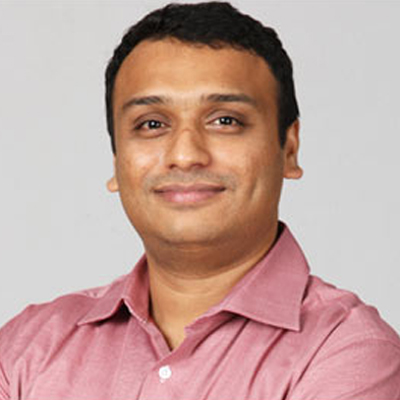
  • ‘Not taking anything for granted is our guiding philosophy’: Maxus MD Kartik Sharma

    ‘Not taking anything for granted is our guiding philosophy’: Maxus MD Kartik Sharma

    ‘No room for complacency’ is a motto Maxus South Asia managing director Kartik Sharma as well as his team follow strongly when it comes to upholding the philosophy of not taking their position in the market for granted. In a market where traditional media practices are being challenged every now and then by a new start up or biz solutions provider, Maxus isn’t too worked up, says Sharma, but is definitely not taking it easy.

    With client retention being top priority, the media agency has heavily invested in new and innovative services in the last few years… while some have worked, others have taught team Maxus what to work on next… the next innovation.

    In an interview with Indiantelevision.com’s Papri Das, Sharma speaks on the company’s future initiatives that not only prepares Maxus as an agency of tomorrow but also forms yardsticks for the dynamic current media ecosystem.

    Excerpts:

    How was 2015 for Maxus in terms of new businesses and mandates?

    2015 was a challenging as well as gratifying year. We have been successful in achieving our business goals. We have picked up a fair amount of new businesses as well. But that is part and parcel of our business. We did some landmark work in the area of sports where we helped our client Paytm bag the BCCI home series sponsorship rights of 84 matches. We also set up a new marketing command centre called Mesh that reads signals from social media and other data platforms to help brands to come up with real time interventions and help campaigns.

    What were the challenges that you faced in 2015?

    The first quarter was a bit slow and I think this was uniform across all agencies last year. Therefore business was slow but it picked up in the latter half of the year. There was also this sentiment about the new government and what it can do, which drove a lot of the business decisions as well. We had mixed feelings through the year regarding how our clients will end up spending and whether they would be making cuts, because that directly impacts our business. Having said that, things were looking better by the end of the year.

    How useful has Mesh proved for you and your clients?

    We launched Mesh around April – May last year with two centres in Mumbai and Delhi, and very soon we will set up one in Bangalore as well. The idea was to set it up internally and have a culture change within Maxus. Parallelly, we also got multiple projects at the back of Mesh. A lot of clients are already using Mesh in various ways, be it ad-hoc or continual projects.

    It actually started much earlier in a different avatar when we deployed a similar service with Nestle as a client. We did some interesting work with L’oreal on the same principles where we continued to monitor all the social media pages and activities on the brand, understand the top influences and the kind of content that was working for the brand. The engagement analysis told us which part of India was giving us response on a particular product. It was immensely helpful in understanding what consumers feel about various brands.

    With the technology evolving and the ecosystem becoming more dynamic, do you think advertisers’ dependency on media agencies has increased?

    More than dependency, I think we work with clients as partners so it’s all about being equal in that. We have been able to demonstrate the real value of what we call the command centre. It’s about telling really powerful and relevant stories, which you can actually take back as an impact on your business.

    We must also take into consideration the number of new pitches that happened globally. Last year, around 20 million plus pitches took place globally. Fortunately for us, we weren’t part of it as you can never really predict how these additions will work out. As an agency, I would rather focus on current clients doing a great job than pitching. I think that having a few new strategic pitches are fine as long as it doesn’t effect your loyalty to your current clients.

    Don’t you think Maxus as a group has the capability to take on new clients without disappointing the existing ones?

    I have mentioned this again and I will repeat it yet again, Maxus as a group never takes its position in the market for granted. We have to earn what we are standing on and demonstrate every single day to all our stakeholders. That is critical to Maxus’ functioning. Not taking anything for granted is our guiding philosophy. It is also about the changing environment and Maxus needs to be forward facing to some extent. Mesh is a project keeping that in mind. If we don’t invest in Mesh and prepare ourselves for the future, then we can’t make that transition.

    Do you sense competition from all the ‘marketing solutions’ providers that have mushroomed in the industry recently? Some of them claim to provide similar services that Maxus has.

    Competition is always welcome. It builds a certain degree of positive energy for everyone to do better. Having said this, we have our own vision. It is a very inspiring vision that leans in to change. If you look at how we work, the entrepreneurial streak is very strong within Maxus. The DNA of Maxus is all about innovation, doing new things and evolving. So I am not overtly worried about the competition, yet we will keep a watch. We will not become complacent for sure.

    We see several big agencies collaborating with start-up agencies for specific skill sets. Do you think it reflects the lack of certain skills within the big media agencies to take on the changing market dynamics?

    Firstly, the skill set factor is not affecting just the agencies, I think it is across the board. As the market landscape changes, there are two ways to deal with it – either incorporate and evolve all the skill sets internally, which requires its own time and effort, or partner with someone who has these skill sets in a focused area still relevant to you. It is always going to be hybrid between building yourself and partnering with others.

    Can it be considered a shortcut way out?

    I don’t think it’s a shortcut. Once a client comes on board an agency, we want to give them the best possible solution. Clients don’t really worry too much on where that solution is coming from. There will always be something like a super specialisation, which an agency might not require for all its clients. Therefore it is better to partner, for a particular client or for a brief period of time.

    We too work with multiple partners. For example, we introduced a tool called Synapse last year, which marries television ratings with social buzz. We work with our partner Frrole to develop that. Frrole has certain proprietary technology for which it makes immense sense for us to partner with them.

    Within the WPP ecosystem we work with the research agency Kantar because it gives us certain specialisations. Rather than replicating the same skills within the agencies, it’s better to work with the experts.

    How do you ensure client’s faith in television, especially for advertisers who are heavily dependent on the television medium when there is all this talk about television losing importance in the advertising space?

    Firstly, we will continue to use the industry endorsed television rating system, which is currently Broadcast Audience Research Council (BARC) India. Secondly, as I mentioned earlier, we have the tool Synapse that helps marry television ratings with the social buzz. For particularly niche brands, which have a well defined target group, sometimes only TV ratings may not work. It may be that a certain type of channel, say a niche channel with a very targeted audience will work for them. We can identify them by listening to the social buzz. So in many ways, we are supporting the need for television through these new initiatives.

    Agencies are increasingly facing the ‘4 second challenge’ digital platforms with this current ADHD generation. How can the industry deal with this?

    First and foremost, one needs to take a hard look at the communication created for television and have an open conversation with the client and the creative agency on whether the same communication will hold true in a digital environment.

    The second thing is about doing a lot of experiment and a bit of trial and error at low cost to see what works and then tweaking it accordingly. Keeping an eye on what’s happening globally and learning from best practices or successful examples there and contextualising in the Indian market is also necessary.

    Any new services or products that are in the pipeline from Maxus?

    There are at least four or five big initiatives that we have in mind but it’s a little premature to talk about it now. By end March or early April we will be able to give a proper communication on the same.

    We keep innovating on our product front and learn from the previous launches. If certain things haven’t worked, we go back to the black board and think on what needs to change. At this point in time, I can say that we will soon be introducing an improved version of our T2D tool that was launched last year targeting the eCommerce community. We have received good feedback on it and will build on it to develop it into a more powerful tool.

  • Q3-2016: Radio City revenue up 15%

    Q3-2016: Radio City revenue up 15%

    BENGALURU: Music Broadcast Limited (MBL), which runs Radio City, reported 14.9 YoY (year-on-year) growth in operating revenue (OpRev) for the quarter ended 31 December, 2015 (Q3-2016, current quarter) at Rs 64.80 crore as compared to Rs 56.39 crore for the corresponding prior year quarter. Revenue in Q3-2016 was 16.7 per cent higher QoQ (quarter-on-quarter) as compared to Rs 55.54 crore in the immediate trailing quarter.

    Note: (1) 100,00,000 = 100 lakh = 10 million = 1 crore

    (2) Margins have been calculated on operating revenue in this report.

    For the nine month period ended 31 December, 2015, (9M-2016, year to date or YTD), MBL reported 11.3 per cent higher OpRev at Rs 167.72 crore as compared to Rs 150.65 crore in the corresponding prior year nine month period. Though PAT in the current quarter and nine month period has reduced as compared to corresponding prior year periods, operating profit (Operating revenue minus expenses) has increased.

    The company’s profit after tax (PAT) in Q3-2016 declined 5.4 per cent YoY to Rs 16.17 crore (25 per cent margin) as compared to Rs 17.10 crore (30.3 per cent margin), but increased by more than a third (increased by 34.2 per cent) from Rs 12.05 crore (21.7 per cent margin). PAT for 9M-2016 declined 30.7 per cent to Rs 25.99 crore (15.5 per cent margin) from Rs 37.53 crore (24.9 per cent margin) in the corresponding period of the previous year.

    As mentioned above, Operating profit increased 22.1 per cent in the current quarter YoY to Rs 25.40 crore (39.2 per cent margin) as compared to Rs 20.80 crore (36.9 per cent margin) and increased 59.7 per cent QoQ from Rs 16.09 (29 per cent margin). Operating profit in 9M-2016 increased 17.6 per cent to Rs 56.01 crore (33.4 per cent margin) from Rs 47.63 crore (31.6 per cent margin) in 9M-2015.

    Expenses in Q3-2016 were 10.7 per cent higher YoY at Rs 39.40 crore (60.8 per cent of OpRev) as compared to Rs 35.59 (63.1 per cent of OpRev) and almost flat (reduced by 0.1 per cent) QoQ as compared to Rs 39.45 crore (71 per cent of OpRev). Expenses in 9M-2016 increased 8.4 per cent to Rs 111.71 crore (66.6 per cent of OpRev) from Rs 103.02 crore (68.4 per cent of OpRev).

    Jagran Prakashan numbers in brief

    MBL’s parent company, Indian publishing company Jagran Prakashan Limited (JPL) reported 22.5 per cent increase in YoY consolidated operating revenue in Q3-2016 to Rs 576.36 crore as compared to Rs 470.46 crore. JPL’s advertising revenue increased 28.5 per cent YoY to Rs 434.82 crore from Rs 338.35 crore. Circulation revenues increased two per cent to Rs 102.02 crore from Rs 100 crore. JPL’s PAT in Q3-2016 increased 40.1 per cent YoY from Rs 66.62 crore.

    For 9M-2016, JBL reported 17.1 per cent increase in operating revenue to Rs 1577.02 crore from Rs 1347.02 crore in the corresponding prior year nine month period, advertising revenue increased 22.6 per cent to Rs 1169.36 crore from Rs 954.17 crore, circulation revenue increased 3.5 per cent to Rs 302.36 crore from Rs 292.15 crore. PAT in 9M-2016 after extraordinary item (Rs 116.30 crore) more than doubled (up 104.3 per cent) to Rs 364.52 crore from Rs 178.43 crore in 9M-2015.

  • Q3-2016: Radio City revenue up 15%

    Q3-2016: Radio City revenue up 15%

    BENGALURU: Music Broadcast Limited (MBL), which runs Radio City, reported 14.9 YoY (year-on-year) growth in operating revenue (OpRev) for the quarter ended 31 December, 2015 (Q3-2016, current quarter) at Rs 64.80 crore as compared to Rs 56.39 crore for the corresponding prior year quarter. Revenue in Q3-2016 was 16.7 per cent higher QoQ (quarter-on-quarter) as compared to Rs 55.54 crore in the immediate trailing quarter.

    Note: (1) 100,00,000 = 100 lakh = 10 million = 1 crore

    (2) Margins have been calculated on operating revenue in this report.

    For the nine month period ended 31 December, 2015, (9M-2016, year to date or YTD), MBL reported 11.3 per cent higher OpRev at Rs 167.72 crore as compared to Rs 150.65 crore in the corresponding prior year nine month period. Though PAT in the current quarter and nine month period has reduced as compared to corresponding prior year periods, operating profit (Operating revenue minus expenses) has increased.

    The company’s profit after tax (PAT) in Q3-2016 declined 5.4 per cent YoY to Rs 16.17 crore (25 per cent margin) as compared to Rs 17.10 crore (30.3 per cent margin), but increased by more than a third (increased by 34.2 per cent) from Rs 12.05 crore (21.7 per cent margin). PAT for 9M-2016 declined 30.7 per cent to Rs 25.99 crore (15.5 per cent margin) from Rs 37.53 crore (24.9 per cent margin) in the corresponding period of the previous year.

    As mentioned above, Operating profit increased 22.1 per cent in the current quarter YoY to Rs 25.40 crore (39.2 per cent margin) as compared to Rs 20.80 crore (36.9 per cent margin) and increased 59.7 per cent QoQ from Rs 16.09 (29 per cent margin). Operating profit in 9M-2016 increased 17.6 per cent to Rs 56.01 crore (33.4 per cent margin) from Rs 47.63 crore (31.6 per cent margin) in 9M-2015.

    Expenses in Q3-2016 were 10.7 per cent higher YoY at Rs 39.40 crore (60.8 per cent of OpRev) as compared to Rs 35.59 (63.1 per cent of OpRev) and almost flat (reduced by 0.1 per cent) QoQ as compared to Rs 39.45 crore (71 per cent of OpRev). Expenses in 9M-2016 increased 8.4 per cent to Rs 111.71 crore (66.6 per cent of OpRev) from Rs 103.02 crore (68.4 per cent of OpRev).

    Jagran Prakashan numbers in brief

    MBL’s parent company, Indian publishing company Jagran Prakashan Limited (JPL) reported 22.5 per cent increase in YoY consolidated operating revenue in Q3-2016 to Rs 576.36 crore as compared to Rs 470.46 crore. JPL’s advertising revenue increased 28.5 per cent YoY to Rs 434.82 crore from Rs 338.35 crore. Circulation revenues increased two per cent to Rs 102.02 crore from Rs 100 crore. JPL’s PAT in Q3-2016 increased 40.1 per cent YoY from Rs 66.62 crore.

    For 9M-2016, JBL reported 17.1 per cent increase in operating revenue to Rs 1577.02 crore from Rs 1347.02 crore in the corresponding prior year nine month period, advertising revenue increased 22.6 per cent to Rs 1169.36 crore from Rs 954.17 crore, circulation revenue increased 3.5 per cent to Rs 302.36 crore from Rs 292.15 crore. PAT in 9M-2016 after extraordinary item (Rs 116.30 crore) more than doubled (up 104.3 per cent) to Rs 364.52 crore from Rs 178.43 crore in 9M-2015.

  • Balaji Telefilms’ ‘Naagin,’ a slithering success for Colors

    Balaji Telefilms’ ‘Naagin,’ a slithering success for Colors

    MUMBAI: Balaji Telefilms’ fiction show Naagin has swiftly slithered above competition with its special effects, storyline and star cast. Just 30 episodes old, Naagin has left behind all the saas-bahu dramas and has been the number one show with maximum ratings proving to be a game changer for Colors.

    In the first week of launch itself, the weekend fiction show Naagin overtook the top five programmes on Hindi general entertainment channels (GECs). Additionally, Naagin also became one of the first weekend shows, which totted more ratings than top rated weekdays shows.

    A source close to the development informs Indiantelevision.com that the per episode expenditure of the show is between Rs 20 – 25 lakh. On the ad rates front, Naagin commands Rs 1.5 lakh for a 10 second slot.

    Colors has roped in Chutki as the presenting sponsor for the show.

    A media planning expert on condition of anonymity said, “Fifty per cent of the ad inventory must have been allotted to the sponsors and the remaining 50 per cent is what Colors is selling at around Rs 1.5 lakh per 10 second. My assessment suggests that from the 50 per cent, Colors could easily be raking in around Rs 50 lakh, which is a great number and that is why we are seeing multiple channels bringing in the same concept in different ways.”

    Though the concept is not new to the audience, Balaji Telefilms’ portrayal of the story is commendable, which is what sets it apart from the others. The show is loaded with outstanding VFX effects, offering an authentic film-like experience, which only means more cost.

    Another senior media planner opined, “Just because one show is working, we cannot generalise. Different genres are working so the content has to be strong, interesting and has to be told in a different manner. That said, if Naagin is working, it doesn’t mean that the supernatural trend is working on Indian television. It has a supernatural element but it’s all about the presentation and storyline, hence everything has to work together.”

    As was earlier reported by Indiantelevision.com, Naagin glided to the numero uno position in the Top 5 programs on Hindi GECs with 15676 (‘000s) in its launch (week 44 of 2015) beating Star Plus’ prime time show Saath Nibhaana Saathiya, Zee TV’s Kumkum Bhagya, Colors’ weekday prime time show Sasural Simar Ka and Zee Anmol’s Ek Se Bhale Do. Naagin show saw a rise in ratings in its first day telecast in its second week (week 45) with 16,741 (‘000s) while on the second day telecast, the ratings fell to 12,761 (‘00os).

    That said, according to the latest week BARC India ratings data (week 6 of 2016), Naagin is still comfortably coiled on top of the chart with 20680 (‘000s).

  • Balaji Telefilms’ ‘Naagin,’ a slithering success for Colors

    Balaji Telefilms’ ‘Naagin,’ a slithering success for Colors

    MUMBAI: Balaji Telefilms’ fiction show Naagin has swiftly slithered above competition with its special effects, storyline and star cast. Just 30 episodes old, Naagin has left behind all the saas-bahu dramas and has been the number one show with maximum ratings proving to be a game changer for Colors.

    In the first week of launch itself, the weekend fiction show Naagin overtook the top five programmes on Hindi general entertainment channels (GECs). Additionally, Naagin also became one of the first weekend shows, which totted more ratings than top rated weekdays shows.

    A source close to the development informs Indiantelevision.com that the per episode expenditure of the show is between Rs 20 – 25 lakh. On the ad rates front, Naagin commands Rs 1.5 lakh for a 10 second slot.

    Colors has roped in Chutki as the presenting sponsor for the show.

    A media planning expert on condition of anonymity said, “Fifty per cent of the ad inventory must have been allotted to the sponsors and the remaining 50 per cent is what Colors is selling at around Rs 1.5 lakh per 10 second. My assessment suggests that from the 50 per cent, Colors could easily be raking in around Rs 50 lakh, which is a great number and that is why we are seeing multiple channels bringing in the same concept in different ways.”

    Though the concept is not new to the audience, Balaji Telefilms’ portrayal of the story is commendable, which is what sets it apart from the others. The show is loaded with outstanding VFX effects, offering an authentic film-like experience, which only means more cost.

    Another senior media planner opined, “Just because one show is working, we cannot generalise. Different genres are working so the content has to be strong, interesting and has to be told in a different manner. That said, if Naagin is working, it doesn’t mean that the supernatural trend is working on Indian television. It has a supernatural element but it’s all about the presentation and storyline, hence everything has to work together.”

    As was earlier reported by Indiantelevision.com, Naagin glided to the numero uno position in the Top 5 programs on Hindi GECs with 15676 (‘000s) in its launch (week 44 of 2015) beating Star Plus’ prime time show Saath Nibhaana Saathiya, Zee TV’s Kumkum Bhagya, Colors’ weekday prime time show Sasural Simar Ka and Zee Anmol’s Ek Se Bhale Do. Naagin show saw a rise in ratings in its first day telecast in its second week (week 45) with 16,741 (‘000s) while on the second day telecast, the ratings fell to 12,761 (‘00os).

    That said, according to the latest week BARC India ratings data (week 6 of 2016), Naagin is still comfortably coiled on top of the chart with 20680 (‘000s).