Tag: TV

  • &TV’s new show ‘Tere Bin’ replaces ‘Meri Awaaz Hi Pechan Hai’ at 8pm time band

    &TV’s new show ‘Tere Bin’ replaces ‘Meri Awaaz Hi Pechan Hai’ at 8pm time band

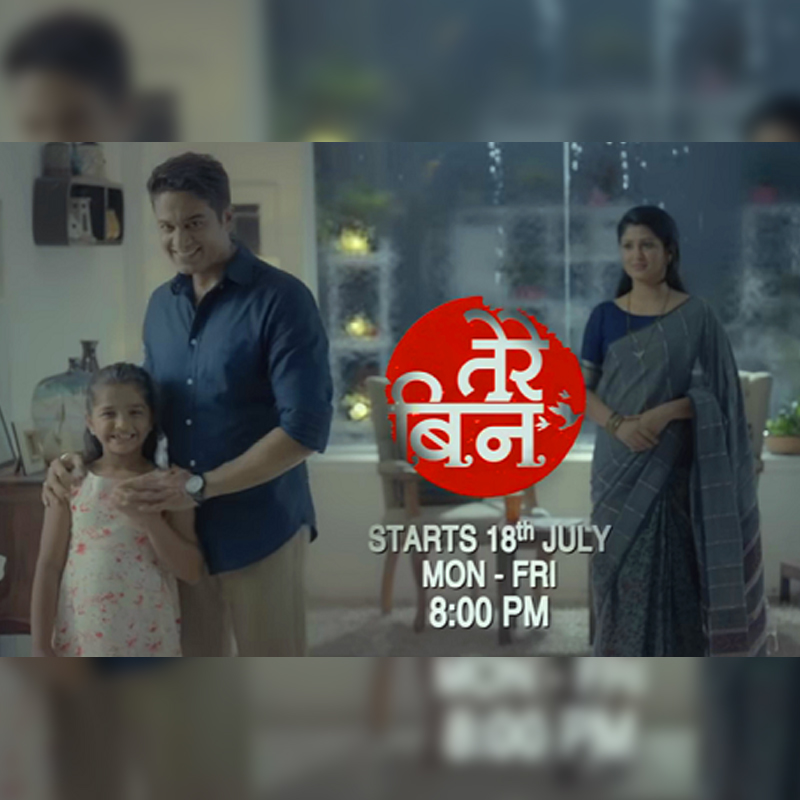
    MUMBAI: After launching new shows like Waaris, Life Ka Recharge and The Voice India, Zee Entertainment Enterprises Limited (ZEEL)’s other Hindi general entertainment channel (GEC) &TV is all set to launch a new show Tere Bin. Starting from 18 July, it will be aired from Monday – Friday at 8 pm.

    Produced by Shree Sidhivinayak Chitra, Tere Bin will replace the Nivedita Basu led House of Originals’ Meri Awaaz Hi Pechaan Hai at the primetime band. Launched on 7 March, 2016 the show is a finite series which marked the television debut of Bollywood actress Amrita Rao, who portrays the character of Kalyani, whereas Aditi Vasudev will be seen as her younger sister Ketaki will come to its logical end in July.

    The new show on &TV, is about a complex mature love story of two people. Tere Bin is based on love and separation. Gaurav Khanna and Shefali Sharma have been roped in as the lead actors of the show.

    &TV’s new offering Tere Bin will be pitched against Zee TV’s Tashan-e-ishq, Colors’ new offering Shakti- Astitva Ke Eshaas Ki, Star Plus’ mythological show Siya Ke Ram, Sony TV’s Sankatmochan Mahabali Hanuman, Life OK’s Bahu Hamari Rajnikant and Sab TV’s Bal Veer in the 8 pm time slot. &TV seems to be betting high with its new offering but only time will show how it will work for it.

  • &TV’s new show ‘Tere Bin’ replaces ‘Meri Awaaz Hi Pechan Hai’ at 8pm time band

    &TV’s new show ‘Tere Bin’ replaces ‘Meri Awaaz Hi Pechan Hai’ at 8pm time band

    MUMBAI: After launching new shows like Waaris, Life Ka Recharge and The Voice India, Zee Entertainment Enterprises Limited (ZEEL)’s other Hindi general entertainment channel (GEC) &TV is all set to launch a new show Tere Bin. Starting from 18 July, it will be aired from Monday – Friday at 8 pm.

    Produced by Shree Sidhivinayak Chitra, Tere Bin will replace the Nivedita Basu led House of Originals’ Meri Awaaz Hi Pechaan Hai at the primetime band. Launched on 7 March, 2016 the show is a finite series which marked the television debut of Bollywood actress Amrita Rao, who portrays the character of Kalyani, whereas Aditi Vasudev will be seen as her younger sister Ketaki will come to its logical end in July.

    The new show on &TV, is about a complex mature love story of two people. Tere Bin is based on love and separation. Gaurav Khanna and Shefali Sharma have been roped in as the lead actors of the show.

    &TV’s new offering Tere Bin will be pitched against Zee TV’s Tashan-e-ishq, Colors’ new offering Shakti- Astitva Ke Eshaas Ki, Star Plus’ mythological show Siya Ke Ram, Sony TV’s Sankatmochan Mahabali Hanuman, Life OK’s Bahu Hamari Rajnikant and Sab TV’s Bal Veer in the 8 pm time slot. &TV seems to be betting high with its new offering but only time will show how it will work for it.

  • Hindi GECs set sights on ad revenues

    Hindi GECs set sights on ad revenues

    MUMBAI: Change is the only constant is an oft-repeated cliché. And we have seen Hindi general entertainment channels brining in their changing streaks of programming every year. Known for setting trends and bold moves, Star India’s Hindi GEC Star Plus was the first broadcaster to open a new slot by extending its early fringe primetime from 5.30 pm onwards on 15 June, 2015 with Mere Angne Mein (MAM). The show failed to generate positive ratings, and hence later the channel changed the time slot and made it a half hour show and started airing it at 6pm.

    On May 9 Star Plus had reopened the slot with Beyond Dreams’ Jana Na Dil Se Door but later it changed the show’s timings and started airing it at the 10.30 pm time band. On the other hand, Zee TV extended its early primetime to the 6.30 slot with Vishkanya. Colors’ early primetime starts at the 6 pm time band whereas Sony Entertainment channel’s primetime starts from 8pm. Zee Network’s new entrant &TV has recently forayed into 7pm time band with its new show Waaris.

    The channels are not only experimenting with the content but also experimenting by expanding their primetime slot to increase ad revenue. Speaking about the extended primetime to Indiantelevision.com, Sunshine Productions founder Sudhir Sharma said, “It’s a good thing for producers and for the viewers as well. Instead of producing four hours of content they are now going to produce five to six hours of it. That also means that the business and the industry is improving and advertising revenue is coming up that is the reason why I think all the broadcasters have started increasing their primetime. There is the availability of clients/advertisers hence they are increasing their primetime slots.”

    Early time slots budgets are different and advertising fee for the ten second slot is different as compared to regular primetime. “This is a business decision that they are doing shows at 6pm or 630 pm. Now on every channel you will see there are the shows on early primetime. It will always be a fight to get ratings on early the primetime slot but that is what the challenge is about. There is a requirement and there are advertisers available. They will not pay the broadcaster as much as the 9 – 10 pm time slot, but that is business strategy,” Sharma further added.

    BBC Worldwide India SVP and GM Myleeta Aga added, “Extending primetime is a welcome thing. Different day parts will have different kinds of audiences. Of course the early fringe and primetime part will be more family co-viewing and maybe during the late part one can try some edgier content, but it’s not a huge change. It’s been there, everybody is trying things one project at a time to see what works.”

    It’s clear that the broadcasters’ decision to extend their primetime slot is not to garner more eyeballs but to attract additional advertising revenue. “Channels claim that 7 pm -12pm is their primetime while earlier it was 7pm – 11pm and even before that it was 8-10pm. It has changed with time and it has changed because of revenue pressure and not because of garnering more eyeballs. The audiences have not particularly increased during those time slots. If you look at the consumer class, it is larger in the metros. They have more money to spend in the larger towns than the smaller towns,” explained a media planner.

    On an average, the 10 second slot ad rate could be between Rs 7000 to Rs 10,000 for 5pm-6pm time band and Rs 15000 Rs 17000 for 6pm and 6.30 pm time slot. But the media planning fraternity believes that the placement of a show majorly depends on its content. “Star Plus has done a lot as a first mover and if the show is good you will find the audience. There is a sizable audience at 500 or 5.30pm, though it’s not as big as the primetime audience, but I think the slot offers a lot more potential. If the show is good then I am sure it will find the audience as well,” the media planner added.

    Undoubtedly, content is the king. The whole money game largely depends on what kind of content the channel is feeding to its consumer. Sharma further explained, “The latest release on Star Plus or Colors, Life OK, Zee or &TV for that matter — Humari Bahu Rajnikant or may be Ishqbaaz, which is launching today, there is a definite change in terms of storytelling, they are not only about a small town girl, how she survives or how she is in Sasural. Various topics are being taped which is a fantastic sign. There is a definite demand and need for different kind of programming.”

    “The main current trend in the industry that we are seeing about the kind of content is supernatural. That is certainly one trend. I think there continue to be attempts to have slightly different ways of storytelling. For example a new show on Life OK has a male lead as also on Star Plus’s Ishqbaaz. There is an appetite to try different things, but it’s not a huge change, it’s very small and subtle moves that broadcasters are making. The more bolder stuff is not necessaril resonating with the audience,” Aga opined.

    Weekend programming is another new trend that is affecting the Hindi GEC waves. Sunshine Productions is among the few production houses which tried to experiment with Gulmohar Grand.

    Sharma said, “We are one of the few production companies that have done many weekend shows. In India we haven’t tried fully and effectively weekend programming. Either the shows have not been marketed properly or they are too expensive to begin with. It’s a question of the viability for the producers and broadcasters versus popularity, there is no perfect match is what we have found.”

    “Weekend programming is still not a part of our viewing habits and it will take some time. We need some more consistent programming on weekends. We do it for a while and change and come back to nonfiction and back again to the daily shows on Saturday and Sunday. Unless you are doing it long enough for habits to form, it will be difficult to get good audiences on weekends for the episodic dramas,” Aga explained.

    Will this new trend of coining new slots as primetime work for the broadcasters? Is it sustainable? Will it work this time around? And though Content is King, the Advertiser is Emperor for the broadcaster and the Viewer is God for all these players. So will the King maker be able to convince the emperor and god/s on a sustainable repeatable basis? Only God can tell, or maybe even she/he/it can’t? Only time will, that is for sure! In the meantime hats off to the industry for making story telling so innovative, older stories more interesting, from another perspective, looking at a Ramayana from Sita’s angle or a Mahabharata from Karna’s point of view are cases in point, for creating additional jobs, for helping in the circulation of money, for …. The benefits go a long way across the value chain.

    Also read

    http://www.indiantelevision.com/television/tv-channels/gecs/star-plus-reopens-530pm-primetime-band-with-jana-na-dil-se-door-160509

    http://www.indiantelevision.com/television/tv-shows/fiction/zee-tv-joins-weekend-ratings-battle-with-amma-at-1030pm-time-slot-160616

  • Hindi GECs set sights on ad revenues

    Hindi GECs set sights on ad revenues

    MUMBAI: Change is the only constant is an oft-repeated cliché. And we have seen Hindi general entertainment channels brining in their changing streaks of programming every year. Known for setting trends and bold moves, Star India’s Hindi GEC Star Plus was the first broadcaster to open a new slot by extending its early fringe primetime from 5.30 pm onwards on 15 June, 2015 with Mere Angne Mein (MAM). The show failed to generate positive ratings, and hence later the channel changed the time slot and made it a half hour show and started airing it at 6pm.

    On May 9 Star Plus had reopened the slot with Beyond Dreams’ Jana Na Dil Se Door but later it changed the show’s timings and started airing it at the 10.30 pm time band. On the other hand, Zee TV extended its early primetime to the 6.30 slot with Vishkanya. Colors’ early primetime starts at the 6 pm time band whereas Sony Entertainment channel’s primetime starts from 8pm. Zee Network’s new entrant &TV has recently forayed into 7pm time band with its new show Waaris.

    The channels are not only experimenting with the content but also experimenting by expanding their primetime slot to increase ad revenue. Speaking about the extended primetime to Indiantelevision.com, Sunshine Productions founder Sudhir Sharma said, “It’s a good thing for producers and for the viewers as well. Instead of producing four hours of content they are now going to produce five to six hours of it. That also means that the business and the industry is improving and advertising revenue is coming up that is the reason why I think all the broadcasters have started increasing their primetime. There is the availability of clients/advertisers hence they are increasing their primetime slots.”

    Early time slots budgets are different and advertising fee for the ten second slot is different as compared to regular primetime. “This is a business decision that they are doing shows at 6pm or 630 pm. Now on every channel you will see there are the shows on early primetime. It will always be a fight to get ratings on early the primetime slot but that is what the challenge is about. There is a requirement and there are advertisers available. They will not pay the broadcaster as much as the 9 – 10 pm time slot, but that is business strategy,” Sharma further added.

    BBC Worldwide India SVP and GM Myleeta Aga added, “Extending primetime is a welcome thing. Different day parts will have different kinds of audiences. Of course the early fringe and primetime part will be more family co-viewing and maybe during the late part one can try some edgier content, but it’s not a huge change. It’s been there, everybody is trying things one project at a time to see what works.”

    It’s clear that the broadcasters’ decision to extend their primetime slot is not to garner more eyeballs but to attract additional advertising revenue. “Channels claim that 7 pm -12pm is their primetime while earlier it was 7pm – 11pm and even before that it was 8-10pm. It has changed with time and it has changed because of revenue pressure and not because of garnering more eyeballs. The audiences have not particularly increased during those time slots. If you look at the consumer class, it is larger in the metros. They have more money to spend in the larger towns than the smaller towns,” explained a media planner.

    On an average, the 10 second slot ad rate could be between Rs 7000 to Rs 10,000 for 5pm-6pm time band and Rs 15000 Rs 17000 for 6pm and 6.30 pm time slot. But the media planning fraternity believes that the placement of a show majorly depends on its content. “Star Plus has done a lot as a first mover and if the show is good you will find the audience. There is a sizable audience at 500 or 5.30pm, though it’s not as big as the primetime audience, but I think the slot offers a lot more potential. If the show is good then I am sure it will find the audience as well,” the media planner added.

    Undoubtedly, content is the king. The whole money game largely depends on what kind of content the channel is feeding to its consumer. Sharma further explained, “The latest release on Star Plus or Colors, Life OK, Zee or &TV for that matter — Humari Bahu Rajnikant or may be Ishqbaaz, which is launching today, there is a definite change in terms of storytelling, they are not only about a small town girl, how she survives or how she is in Sasural. Various topics are being taped which is a fantastic sign. There is a definite demand and need for different kind of programming.”

    “The main current trend in the industry that we are seeing about the kind of content is supernatural. That is certainly one trend. I think there continue to be attempts to have slightly different ways of storytelling. For example a new show on Life OK has a male lead as also on Star Plus’s Ishqbaaz. There is an appetite to try different things, but it’s not a huge change, it’s very small and subtle moves that broadcasters are making. The more bolder stuff is not necessaril resonating with the audience,” Aga opined.

    Weekend programming is another new trend that is affecting the Hindi GEC waves. Sunshine Productions is among the few production houses which tried to experiment with Gulmohar Grand.

    Sharma said, “We are one of the few production companies that have done many weekend shows. In India we haven’t tried fully and effectively weekend programming. Either the shows have not been marketed properly or they are too expensive to begin with. It’s a question of the viability for the producers and broadcasters versus popularity, there is no perfect match is what we have found.”

    “Weekend programming is still not a part of our viewing habits and it will take some time. We need some more consistent programming on weekends. We do it for a while and change and come back to nonfiction and back again to the daily shows on Saturday and Sunday. Unless you are doing it long enough for habits to form, it will be difficult to get good audiences on weekends for the episodic dramas,” Aga explained.

    Will this new trend of coining new slots as primetime work for the broadcasters? Is it sustainable? Will it work this time around? And though Content is King, the Advertiser is Emperor for the broadcaster and the Viewer is God for all these players. So will the King maker be able to convince the emperor and god/s on a sustainable repeatable basis? Only God can tell, or maybe even she/he/it can’t? Only time will, that is for sure! In the meantime hats off to the industry for making story telling so innovative, older stories more interesting, from another perspective, looking at a Ramayana from Sita’s angle or a Mahabharata from Karna’s point of view are cases in point, for creating additional jobs, for helping in the circulation of money, for …. The benefits go a long way across the value chain.

    Also read

    http://www.indiantelevision.com/television/tv-channels/gecs/star-plus-reopens-530pm-primetime-band-with-jana-na-dil-se-door-160509

    http://www.indiantelevision.com/television/tv-shows/fiction/zee-tv-joins-weekend-ratings-battle-with-amma-at-1030pm-time-slot-160616
  • &TV strengthens its weekend with ‘The Voice India’ Kids

    &TV strengthens its weekend with ‘The Voice India’ Kids

    MUMBAI: With only the voice as the stepping stone to realizing one’s musical dreams, The Voice India enthralled the nation with superlative talent from across the country, giving them the much required platform and mentors who have inspired many. What followed is immense liking towards the format that showcased the hard work and determination of contestants translating into some exceptional performances on screen.

    Taking this ahead, &TV is all set to extend this popular format with its first kid’s reality – The Voice India Kids. From the house of Talpa Media and produced by Endemol Shine India, the kids format will see participants from across the country in the age group of 6 – 14 years serenade one and all throughout Blinds, Battles and LIVE. As the panel of esteemed mentors, the channel has roped in ace singer-composer Shekhar Ravjiani; the most charming and effervescent singer Shaan; the versatile Neeti Mohanas ‘Coaches’ and popular actor Jai Bhanushali and singer-comedian Sugandha Mishra to take on the mantle as hosts. The Voice India Kids is all set to take the nation by storm starting 23rd July every Saturday – Sunday at 9:00PM only on &TV.

    Speaking on the development, &TV business head Rajesh Iyer , “The Voice India proved to be a clutter breaking format in the singing reality genre and we felt the need to build the franchise further. We believe that The Voice India Kids serves as a platform in not just highlighting the young talent but also in encouraging children to be trained under mentors of high caliber like Shekhar, Shaan and Neeti.”

    The Voice India Kids is a reality TV singing competition, based on the concept of finding diverse vocal talent contested by children, who will be selected from public auditions. Staying true to the popular international format – of selecting talent based solely on their voice, The Voice India Kids remains similar to that of The Voice India.

    It will be interesting to watch these little wonders, however little in size, manage to make heads turn with the power of their Voice!


  • &TV strengthens its weekend with ‘The Voice India’ Kids

    &TV strengthens its weekend with ‘The Voice India’ Kids

    MUMBAI: With only the voice as the stepping stone to realizing one’s musical dreams, The Voice India enthralled the nation with superlative talent from across the country, giving them the much required platform and mentors who have inspired many. What followed is immense liking towards the format that showcased the hard work and determination of contestants translating into some exceptional performances on screen.

    Taking this ahead, &TV is all set to extend this popular format with its first kid’s reality – The Voice India Kids. From the house of Talpa Media and produced by Endemol Shine India, the kids format will see participants from across the country in the age group of 6 – 14 years serenade one and all throughout Blinds, Battles and LIVE. As the panel of esteemed mentors, the channel has roped in ace singer-composer Shekhar Ravjiani; the most charming and effervescent singer Shaan; the versatile Neeti Mohanas ‘Coaches’ and popular actor Jai Bhanushali and singer-comedian Sugandha Mishra to take on the mantle as hosts. The Voice India Kids is all set to take the nation by storm starting 23rd July every Saturday – Sunday at 9:00PM only on &TV.

    Speaking on the development, &TV business head Rajesh Iyer , “The Voice India proved to be a clutter breaking format in the singing reality genre and we felt the need to build the franchise further. We believe that The Voice India Kids serves as a platform in not just highlighting the young talent but also in encouraging children to be trained under mentors of high caliber like Shekhar, Shaan and Neeti.”

    The Voice India Kids is a reality TV singing competition, based on the concept of finding diverse vocal talent contested by children, who will be selected from public auditions. Staying true to the popular international format – of selecting talent based solely on their voice, The Voice India Kids remains similar to that of The Voice India.

    It will be interesting to watch these little wonders, however little in size, manage to make heads turn with the power of their Voice!


  • Star Sports signs Rana Daggubati, Puneeth Rajkumar &  Diljit Dosanjh to push ProKabaddiLeague

    Star Sports signs Rana Daggubati, Puneeth Rajkumar & Diljit Dosanjh to push ProKabaddiLeague

    MUMBAI: It has been quite evident since the launch of its in-house campaign #AsliPanga that Star Sports is going out guns blazing to promote the fourth leg of its flagship sports IP, Pro Kabaddi League (PKL).

    The three promo videos that the channel released last month quite frankly make fun of the currently popular tropes in Hindi GECs, and caricatures the showdowns in the prime time news channels and doesn’t spare the overly VFX-fied south Indian films.

    And when we thought the network couldn’t get more mass than this, with less than two days  for the tournament to go on air, the channel has roped in three major personalities as its brand ambassadors — Rana Daggubati, Puneeth Rajkumar and Diljit Dosanjh.

    While Rana Daggubati of  ‘Bahubali’ fame is pleased to renew his association with the sport this season as well, Karnataka’s Puneeth Rajkumar, often touted as the region’s power star  is also all charged up to give a leg up to rustic sport as well.

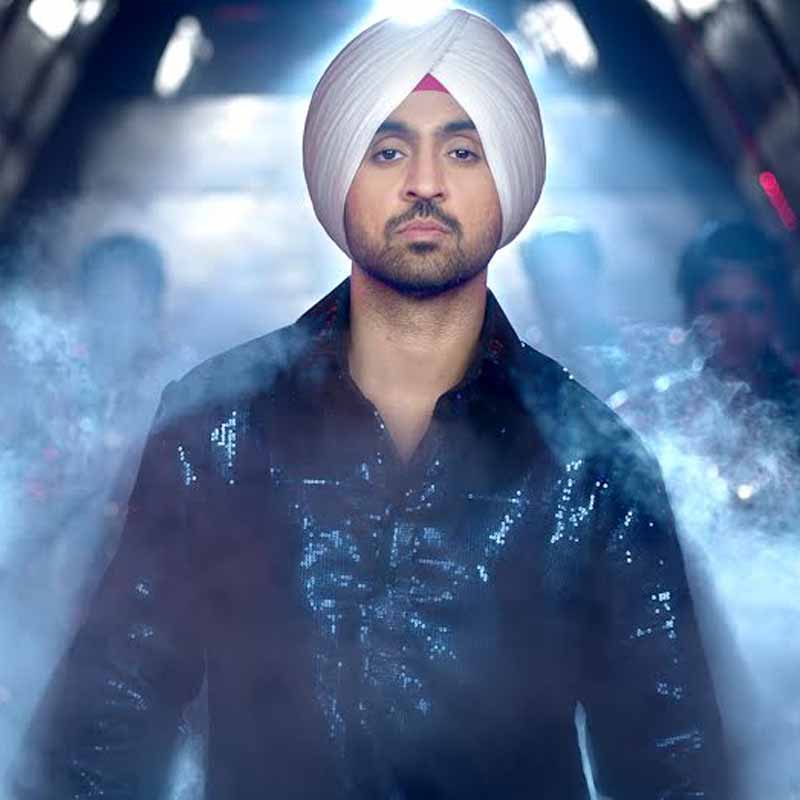
    On the other hand,  Diljit Dosanjh-  singer, actor and television presenter from the Punjabi music industry who recently rose to fame with ‘Udta Punjab’ —  is also looking forward to witness many super raids, super tackles and other super moves of Kabaddi.

    In fact a promotional  music video starring Diljit Dosanjh and released on 21 June is already garnering massive eyeballs on social media courtesy his tremendous popularity in the north and now in the Hindi speaking regions of the rest of India as wel, following the Udta Punjab controversy. 

    Subsequently, the channel today released similar music videos featuring Rana Daggubati and Puneeth Rajkumar on 23  June.

    Speaking on its aggressive marketing strategy towards Star Sports Pro Kabaddi a Star India spokesperson said, “The first three seasons of the league saw an overwhelming response from TV viewers, stadium spectators and sports enthusiasts. There is a growing passion for the sport and this success helps us in our goal of encouraging sporting talent and nurturing heroes. Our brand ambassadors Rana Daggubati, Puneeth Rajkumar and Diljit Dosanjh lend their bold, powerful image to Star Sports Pro Kabaddi and re-iterate the spirit of Kabaddi. The fact that Kabaddi is now the country’s second most viewed sport, second only to cricket, brings us great pride.”

    The fourth season is set to take place a couple of days from now –  25 June to 31 July  with the existing eight teams participating. It will be the first time for an Indian league to be held two times in the same year.

     “Unlike cricket and football, in the case of kabaddi, fans have limited opportunities to engage with the live sport. So, we decided to have the league twice a year,” said Star India sports president and head Nitin Kukreja. The reason: the channel has more faith in the IP, thanks to the year on year growth of the franchise. 

    As per ESP properties SportzPower report 2016, PKL has seen a whooping 300 percent growth, pushing its revenue to Rs 480 million in 2015, that too without a title sponsor.

    The league has attracted premium brands – State Bank of India, TVS Motor, Bajaj Electricals, Flipkart. It added Gionee Mobiles and Idea Cellular as associate sponsors and got three new commercial partners in the form of PepsiCo, Indo Nissin Foods and Fair & Lovely Men Facewash in Season 3. Not to mention, Force Motors has recently announced itself as the principal sponsor for the Puneri Paltans for Season 4.

  • Star Sports signs Rana Daggubati, Puneeth Rajkumar &  Diljit Dosanjh to push ProKabaddiLeague

    Star Sports signs Rana Daggubati, Puneeth Rajkumar & Diljit Dosanjh to push ProKabaddiLeague

    MUMBAI: It has been quite evident since the launch of its in-house campaign #AsliPanga that Star Sports is going out guns blazing to promote the fourth leg of its flagship sports IP, Pro Kabaddi League (PKL).

    The three promo videos that the channel released last month quite frankly make fun of the currently popular tropes in Hindi GECs, and caricatures the showdowns in the prime time news channels and doesn’t spare the overly VFX-fied south Indian films.

    And when we thought the network couldn’t get more mass than this, with less than two days  for the tournament to go on air, the channel has roped in three major personalities as its brand ambassadors — Rana Daggubati, Puneeth Rajkumar and Diljit Dosanjh.

    While Rana Daggubati of  ‘Bahubali’ fame is pleased to renew his association with the sport this season as well, Karnataka’s Puneeth Rajkumar, often touted as the region’s power star  is also all charged up to give a leg up to rustic sport as well.

    On the other hand,  Diljit Dosanjh-  singer, actor and television presenter from the Punjabi music industry who recently rose to fame with ‘Udta Punjab’ —  is also looking forward to witness many super raids, super tackles and other super moves of Kabaddi.

    In fact a promotional  music video starring Diljit Dosanjh and released on 21 June is already garnering massive eyeballs on social media courtesy his tremendous popularity in the north and now in the Hindi speaking regions of the rest of India as wel, following the Udta Punjab controversy. 

    Subsequently, the channel today released similar music videos featuring Rana Daggubati and Puneeth Rajkumar on 23  June.

    Speaking on its aggressive marketing strategy towards Star Sports Pro Kabaddi a Star India spokesperson said, “The first three seasons of the league saw an overwhelming response from TV viewers, stadium spectators and sports enthusiasts. There is a growing passion for the sport and this success helps us in our goal of encouraging sporting talent and nurturing heroes. Our brand ambassadors Rana Daggubati, Puneeth Rajkumar and Diljit Dosanjh lend their bold, powerful image to Star Sports Pro Kabaddi and re-iterate the spirit of Kabaddi. The fact that Kabaddi is now the country’s second most viewed sport, second only to cricket, brings us great pride.”

    The fourth season is set to take place a couple of days from now –  25 June to 31 July  with the existing eight teams participating. It will be the first time for an Indian league to be held two times in the same year.

     “Unlike cricket and football, in the case of kabaddi, fans have limited opportunities to engage with the live sport. So, we decided to have the league twice a year,” said Star India sports president and head Nitin Kukreja. The reason: the channel has more faith in the IP, thanks to the year on year growth of the franchise. 

    As per ESP properties SportzPower report 2016, PKL has seen a whooping 300 percent growth, pushing its revenue to Rs 480 million in 2015, that too without a title sponsor.

    The league has attracted premium brands – State Bank of India, TVS Motor, Bajaj Electricals, Flipkart. It added Gionee Mobiles and Idea Cellular as associate sponsors and got three new commercial partners in the form of PepsiCo, Indo Nissin Foods and Fair & Lovely Men Facewash in Season 3. Not to mention, Force Motors has recently announced itself as the principal sponsor for the Puneri Paltans for Season 4.

  • Wadhwa says Siti Cable is continually looking for acquisitions

    Wadhwa says Siti Cable is continually looking for acquisitions

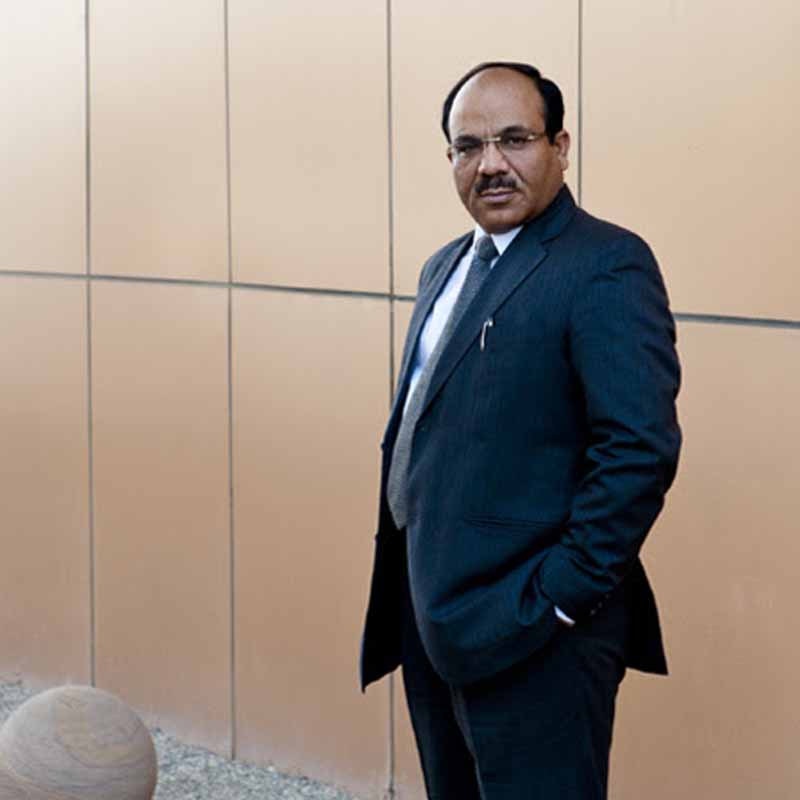
    MUMBAI: Siti Cable, part of the Essel group is not going to immediately get the benefits of the 100 per cent FDI relaxation in the TV distribution sector. This was revealed by Siti Cable executive director & CEO VD Wadhwa to TV channel Bloomberg TV a couple of days ago.

    Wadhwa said that the promoters own 71 per cent of Siti Cable Networks; with the non-promoter holding standing at 29 per cent. “At least for the next two to four quarters I don’t see any major benefits coming out to the government in terms of foreign currency inflows into the business,” he told Bloomberg TV.

    He added that the company would continue to grow both organically and inorganically in FY 2017. “The industry is going through a tight cash situation. The industry has largely been fragmented,” he stated. “Now consolidation is happening at the cable operator level, it is happening at the regional level. It is only a matter of time before it starts happening at the national level as well.”

    He revealed that his company was participating in the consolidation as post digitization it was becoming difficult for the cable operator to survive alone. “We are keeping our eye open because we have identified some of the geographies wherever we would like to expand by acquisition and wherever we see a strategic fit,” he explained.

    He pointed out to the network’s acquisitions recently in Maharashtra and Gujarat where Siti Cable was relatively weak.

    “In both these places we have expanded through partnerships. In Mumbai, we acquired 600,000 subscribers by acquiring 76 per cent in a local network Scod18. In Gujarat, we have acquired 700,000-800,000 subscribers by doing a 51:49 per cent joint venture in Gujarat,” he revealed.

    He said Siti Cable had agreed to take a 50 per cent stake in Assam-based Axom Communications as the existing promoter was comfortable in partaking of only that much equity. “The new Companies Act allows us to control an organization either through an equity stake or through the composition of the board. We chose to get a majority on the board and will be consolidating the results with Siti Cable’s financials on account of that,” he disclosed.

    Wadhwa explained that Siti Cable would be more open to taking anywhere between 51 per cent and 76 per cent stakes in cable TV ventures as it makes sense to have a partner who knows the local territory well to still be involved in the business even after acquisition or a partnership.

  • Wadhwa says Siti Cable is continually looking for acquisitions

    Wadhwa says Siti Cable is continually looking for acquisitions

    MUMBAI: Siti Cable, part of the Essel group is not going to immediately get the benefits of the 100 per cent FDI relaxation in the TV distribution sector. This was revealed by Siti Cable executive director & CEO VD Wadhwa to TV channel Bloomberg TV a couple of days ago.

    Wadhwa said that the promoters own 71 per cent of Siti Cable Networks; with the non-promoter holding standing at 29 per cent. “At least for the next two to four quarters I don’t see any major benefits coming out to the government in terms of foreign currency inflows into the business,” he told Bloomberg TV.

    He added that the company would continue to grow both organically and inorganically in FY 2017. “The industry is going through a tight cash situation. The industry has largely been fragmented,” he stated. “Now consolidation is happening at the cable operator level, it is happening at the regional level. It is only a matter of time before it starts happening at the national level as well.”

    He revealed that his company was participating in the consolidation as post digitization it was becoming difficult for the cable operator to survive alone. “We are keeping our eye open because we have identified some of the geographies wherever we would like to expand by acquisition and wherever we see a strategic fit,” he explained.

    He pointed out to the network’s acquisitions recently in Maharashtra and Gujarat where Siti Cable was relatively weak.

    “In both these places we have expanded through partnerships. In Mumbai, we acquired 600,000 subscribers by acquiring 76 per cent in a local network Scod18. In Gujarat, we have acquired 700,000-800,000 subscribers by doing a 51:49 per cent joint venture in Gujarat,” he revealed.

    He said Siti Cable had agreed to take a 50 per cent stake in Assam-based Axom Communications as the existing promoter was comfortable in partaking of only that much equity. “The new Companies Act allows us to control an organization either through an equity stake or through the composition of the board. We chose to get a majority on the board and will be consolidating the results with Siti Cable’s financials on account of that,” he disclosed.

    Wadhwa explained that Siti Cable would be more open to taking anywhere between 51 per cent and 76 per cent stakes in cable TV ventures as it makes sense to have a partner who knows the local territory well to still be involved in the business even after acquisition or a partnership.