Tag: TV commercials

  • Ad wars 2024: Who ruled TV screens and who got washed away?

    Ad wars 2024: Who ruled TV screens and who got washed away?

    MUMBAI: Television advertising in 2024 wasn’t just background noise—it was prime-time gold, stealing the spotlight from even the most dramatic soap operas. According to TAM AdEx – 2024 Television Advertising Recap, TV ad volumes surged 14 per cent compared to 2020, proving that the battle for consumer eyeballs is still raging.

    Globally, television ad spending is expected to touch $177 billion, with India alone seeing a nine per cent rise in TV ad expenditures compared to 2023. The second quarter alone saw a six per cent growth over the first, while the fourth quarter took a six per cent dip—probably because people were too busy binge-watching holiday specials to pay attention to ads.

    But who poured in the most cash? Which industries turned up the volume? And which brands refused to be skipped? Buckle up—this one’s a wild ride through the world of TV ads.

    Who was buying all that airtime?

    If you turned on your TV in 2024, you were likely bombarded with ads from the food & beverages sector, which took a massive 21 per cent share of ad volumes, proving that snack cravings and screen time go hand in hand. Not far behind, personal care/personal hygiene lathered up with 16 per cent. The household products sector scrubbed in at 9 per cent, because apparently, nothing pairs better with your TV drama than a cleaner floor.

    But who ruled the ad wars? Hindustan Unilever dominated with 16 per cent of all ad volumes, closely followed by Reckitt Benckiser (India), which boasted five out of the top ten most advertised brands. If you feel like every other commercial was selling you a soap or detergent, you weren’t wrong.

    If you thought soap operas were dramatic, the real drama happened in the soap advertising department. Toilet Soaps dominated the charts yet again, refusing to be flushed away. Laundry detergents, toothpastes, and floor cleaners scrubbed into the top 10, proving that cleanliness is next to advertising greatness.

    Quarterly showdowns

    2024 was a tale of peaks and dips. The second quarter flexed its muscles, rising by six per cent over Q1, only for Q4 to slump by six per cent compared to Q3. Maybe by year’s end, consumers had perfected the art of muting commercials.

    Despite the dips, 92 per cent of all TV ad volumes came from just five channel genres—dominated, unsurprisingly, by general entertainment channels (GECs) and news. If nothing else, advertisers know exactly where the eyeballs are.

    Which brands stole the spotlight? The award for most persistent ad on TV goes to Harpic Power Plus 10x Advanced, which climbed over 60 spots to claim the top brand of the year. It was followed closely by Dettol Toilet Soaps, Dettol Antiseptic Liquid, and Jiocinema App. Because what’s better than watching ads? Watching ads about an app that shows more ads!

    Surprisingly, digital brands also made a larger impact, with e-commerce and fintech stepping up their ad spends. The TV ad game isn’t just about FMCG anymore; the tech world wants a piece of your screen time too.

    Co-branding went bonkers. Indian cinema blockbusters and brands continued their love affair in 2024, with Pushpa 2 leading the charge, accounting for 21 per cent of co-branded ads. The film with the most brands fighting for screen time? Fighter, which partnered with a record 13 brands—making sure even if the movie didn’t knock out box-office records, it definitely conquered ad slots.

    Who surprised us?

    While the usual suspects stayed strong, some underdogs made surprising leaps. Paints saw a 51 per cent increase in ad secondages, because who doesn’t love a fresh coat of paint before their favourite reality show? Travel and tourism ads doubled, surging by 100 per cent, as people started daydreaming about vacations rather than just watching them on TV. But the real showstopper? Beauty accessories/products grew a jaw-dropping 303 times, proving that looking good isn’t just for movie stars anymore.

    And the exclusive advertisers? Over 4,010+ new advertisers joined the television ad game in 2024. Leading the pack was Velnik India, proving that fresh faces aren’t just for reality TV anymore. From fintech to online shopping platforms, new players saw TV as the ultimate stage to make their mark.

    If you thought TV ads were taking a back seat, think again—because brands are still duking it out for your attention like it’s prime-time gladiator combat. As long as there are eyeballs to mesmerise and remotes to misplace, ad makers will be there, squeezing their pitches between your favourite shows. Industry experts predict that 2025 will bring even smarter AI-driven ad placements, hyper-personalised content, and interactive ads that might just talk back if you ignore them.

    So, buckle up for more soaps (literally and figuratively), more snacks (because snack ads are never going away), and an avalanche of co-branded spectacles. If 2024 was a preview, 2025 is shaping up to be the full-length feature film of advertising dominance.

  • BBH India launches ad campaign for Mumbai eatery – Gustoso

    BBH India launches ad campaign for Mumbai eatery – Gustoso

    MUMBAI: BBH India has launched an ad campaign for Gustoso, the latest addition to Mumbai’s fine dining scene.

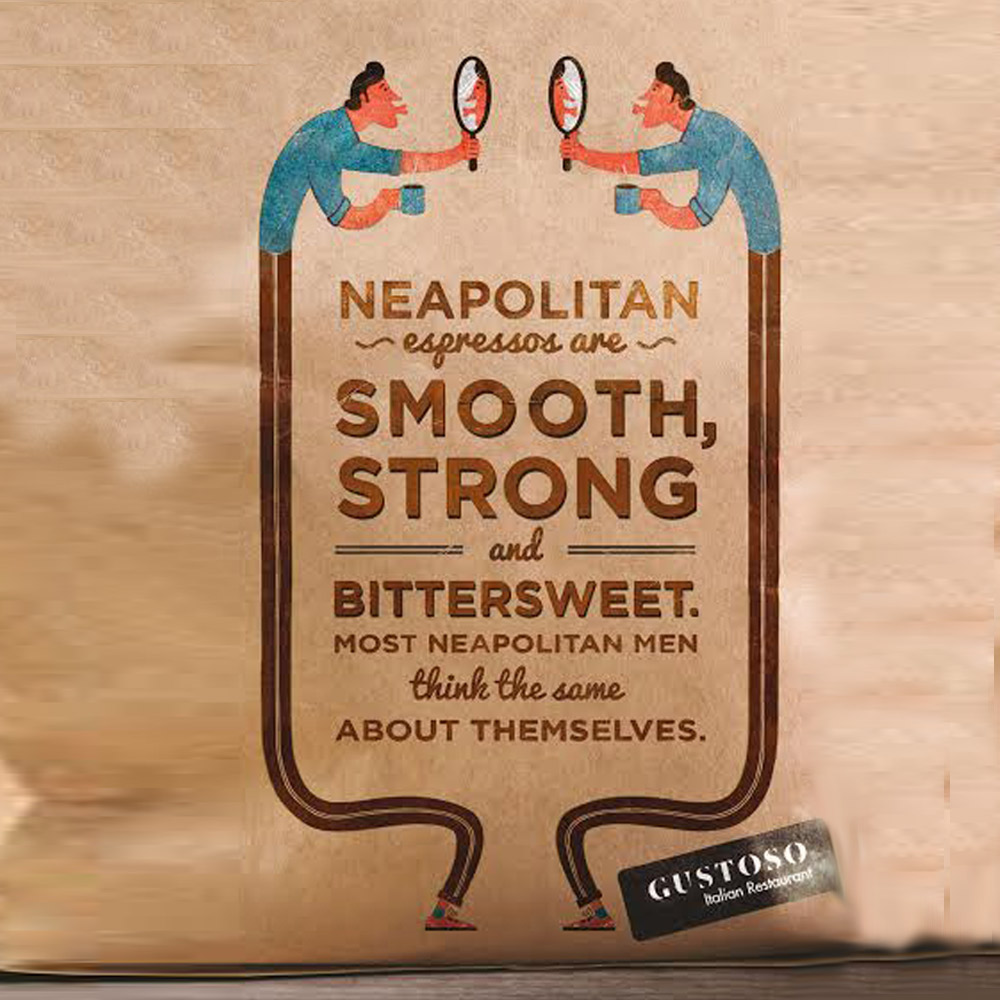
    The insights for the campaign came from common misconceptions people have about Neapolitan food. Statements like, ‘pizza’s need to be thin and crispy or they need to be laden with ketchup or Tabasco’, ‘pasta needs to soft’ and so on were common fallacies appearing as part of reviews across popular food listing websites. BBH decided to use quirk and wit to educate people about authentic Neapolitan cuisine.

    The press ads display artistic illustrations of Neapolitan stereotypes and food paired with humorous headlines.

    The campaign will employ an integrated strategy that includes print ads, posters, outdoor, radio and digital activations.

    Speaking about the campaign, BBH India managing partner and chief creative officer Russell Barrett said: “Print ads in mainstream media have either become dull reminders of TV commercials (read key visuals) or purely functional reminders that you’d rather forget. We wanted to ensure we communicated, engaged and entertained people while still only doing print. Because it’s possible.

    Gustoso is unique in that it doesn’t cater to what we’re used to in Italian food. The food here is lovingly crafted to taste like genuine Italian cuisine. Whether you like it or not. We hope to have captured the spirit of the offering and the spirit of the people of Naples as well. Most importantly we hope we’ve been able to create enough curiosity for the growing tribe of foodies in this city to visit Gustoso.”

    Indianapoli Hospitality partrner Arja Shridhar says “At Gustoso, we want our patrons to experience food that pleases all their senses. We have taken great effort in designing the menu with the help of Chef GiulioAdriani to ensure that we provide dishes with freshest ingredients at the same time are lip smacking, as you would experience in Naples. The team at BBH has skillfully put together communication that helps us convey this and break the clutter with jest.”

    The campaign is created by BBH. Sapna Ahluwalia is the Art director and Yohan Daver, Shivani Krishan are copuwriters for the campaign.

  • BBH India launches ad campaign for Mumbai eatery – Gustoso

    BBH India launches ad campaign for Mumbai eatery – Gustoso

    MUMBAI: BBH India has launched an ad campaign for Gustoso, the latest addition to Mumbai’s fine dining scene.

    The insights for the campaign came from common misconceptions people have about Neapolitan food. Statements like, ‘pizza’s need to be thin and crispy or they need to be laden with ketchup or Tabasco’, ‘pasta needs to soft’ and so on were common fallacies appearing as part of reviews across popular food listing websites. BBH decided to use quirk and wit to educate people about authentic Neapolitan cuisine.

    The press ads display artistic illustrations of Neapolitan stereotypes and food paired with humorous headlines.

    The campaign will employ an integrated strategy that includes print ads, posters, outdoor, radio and digital activations.

    Speaking about the campaign, BBH India managing partner and chief creative officer Russell Barrett said: “Print ads in mainstream media have either become dull reminders of TV commercials (read key visuals) or purely functional reminders that you’d rather forget. We wanted to ensure we communicated, engaged and entertained people while still only doing print. Because it’s possible.

    Gustoso is unique in that it doesn’t cater to what we’re used to in Italian food. The food here is lovingly crafted to taste like genuine Italian cuisine. Whether you like it or not. We hope to have captured the spirit of the offering and the spirit of the people of Naples as well. Most importantly we hope we’ve been able to create enough curiosity for the growing tribe of foodies in this city to visit Gustoso.”

    Indianapoli Hospitality partrner Arja Shridhar says “At Gustoso, we want our patrons to experience food that pleases all their senses. We have taken great effort in designing the menu with the help of Chef GiulioAdriani to ensure that we provide dishes with freshest ingredients at the same time are lip smacking, as you would experience in Naples. The team at BBH has skillfully put together communication that helps us convey this and break the clutter with jest.”

    The campaign is created by BBH. Sapna Ahluwalia is the Art director and Yohan Daver, Shivani Krishan are copuwriters for the campaign.

  • Omron partners with Bhaag Milkha Bhaag, launches campaign for brand awareness

    Omron partners with Bhaag Milkha Bhaag, launches campaign for brand awareness

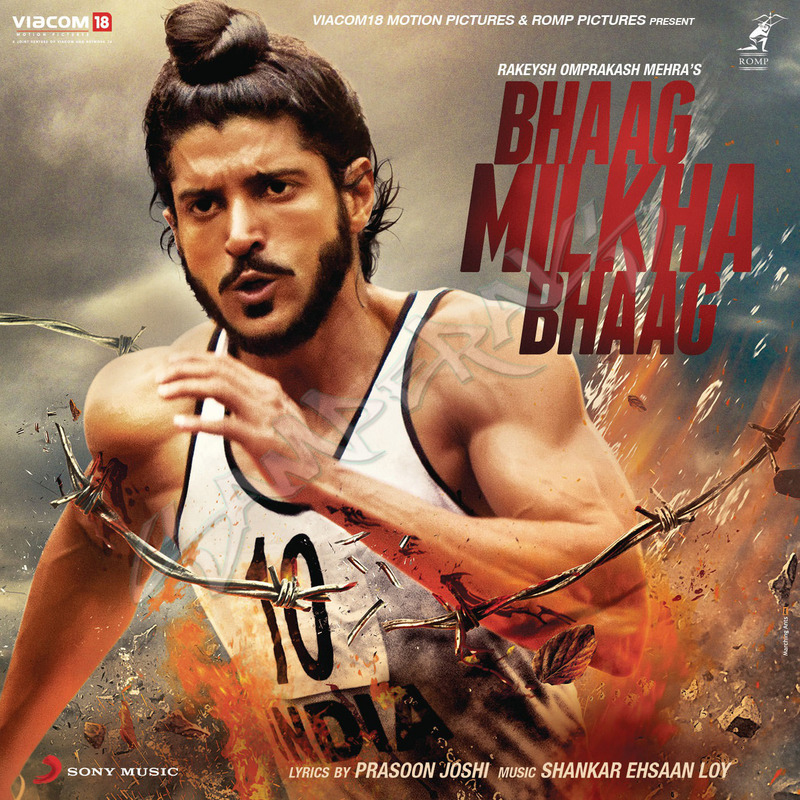
    NEW DELHI: Omron has associated with Bhaag Milkha Bhaag as the technology partner and promote the partnership via TV commercials, social media platforms and online portals.

    Farhan Akhtar as the brand ambassador of Omron has been endorsing the brand for the last two years and the association with his movie is an effort to broaden the ways to accentuate brand awareness by further utilising the rapport shared by him with the Indian audience at large.

    The movie, based on the life of the legendary athlete Milkha Singh, talks about challenging spirit, perseverance and inspiration which has a huge connect with Omron‘s legacy, philosophy and vision.

    Just as Milkha inspired the future generations by becoming the first athlete to represent India in Olympics with grit and conviction, Omron also has been introducing many first of its kind technology- based solutions touching and inspiring millions of lives in healthcare and industrial automation domains.

  • Phase II of ad cap comes into effect; channels follow TRAI mandate

    Phase II of ad cap comes into effect; channels follow TRAI mandate

     NEW DELHI: Indian TV viewers are going to be a delighted bunch. Reason: the number of TV commercials being bombarded at them on TV channels just got reduced.


    The Telecom Regulatory Authority of India (TRAI) ad cap regime imposed on news and general entertainment channels came into force today with an upper limit of 20 and 16 minutes per hour respectively. This will run till 30 September, following which the 12-minute rule will come into play from 1 October.


    Both Indian Broadcasting Foundation (IBF) and the News Broadcasters Association (NBA) have said their members are following the regime, the first phase of which came into effect on 29 May when its members agreed not to exceed 30 minutes of advertising per hour. IBF president Man Jit Singh and NBA president K V L Narayan Rao told indiantelevision.com that the TV channels would stand by their commitment to the government since this was now the law.


    The final decision of 29 May had taken a lot of wrangling, with the matter also going to the Telecom Disputes Settlement & Appellate Tribunal against TRAI which insisted that it was only implementing a regulation which was part of the Cable TV Networks Rules 1994.


    Following this, the IBF Board finally appointed a committee of five persons – K V L Narayan Rao, Zee Entertainment CEO Puneet Goenka, Asianet managing director K Madhavan and Disney UTV media managing director K Anand with the assistance of secretary general Shailesh Shah – to research, debate, consult and arrive at what will work.


    The committee admitted in its report that some channels especially those in regional languages ran more than 30 minutes of advertising per hour. Shah, however, claimed to indiantelevision.com that the per hour ad time works out to just over 11 minutes if a full-day average is taken.


    The TRAI, however, says it is going to keep a sharp eye on each channel to ensure that there is no violation of the time cap set on the TV broadcast industry. “TRAI would continue to monitor the timing of commercials per hour by various channels,” says TRAI principal advisor on broadcasting and media N Parameswaran.


    It is quite likely that the air time reduction, could result in revenue losses for the channels. Though none of the broadcast bodies have clearly highlighted how much this erosion could be, media buyers do acknowledge that broadcasters will no doubt hike ad rates with the implementation of 12 minute ad cap on 1 October.
    “The impact cannot be felt as of now. Once the ad time comes down to 12 minutes (across GECs) in October that is when the crunch will be felt,” said an executive from a leading media buying and planning company. June to September is a lean period for advertising on channels, especially considering it is the monsoon season all over India.


    There are also few who believe that the ad cap restriction will improve quality of viewing. Madison Group COO- buying Neel Kamal Sharma opines, “It is a win-win situation. On one hand the advertisers will benefit as now they can target their audiences in an effective way. The broadcasters will also increase their ad rates. Parallel to this even digitisation will bring in extra revenue for the broadcasters, decreasing their dependence on ad revenue.”


    Sharma hopes for the transition to take place in a fair manner, which has been recognized by all without shifting the entire burden onto advertisers. “We must take a long term view of the situation and handle it carefully as some people may try to take advantage of the situation to increase rates disproportionately which may neither be good for them nor good for TV industry’s growth in the long run as many advertisers have already started exploring alternative options,” he adds.


    The message for broadcasters is clear: take tiny steps – together with your advertising partners. Don’t go for the long jump; you might end up jumping alone.