Tag: TV channels

  • TV channels requested to telecast video “Azadi ke rang” by Defence and Textile Ministries

    TV channels requested to telecast video “Azadi ke rang” by Defence and Textile Ministries

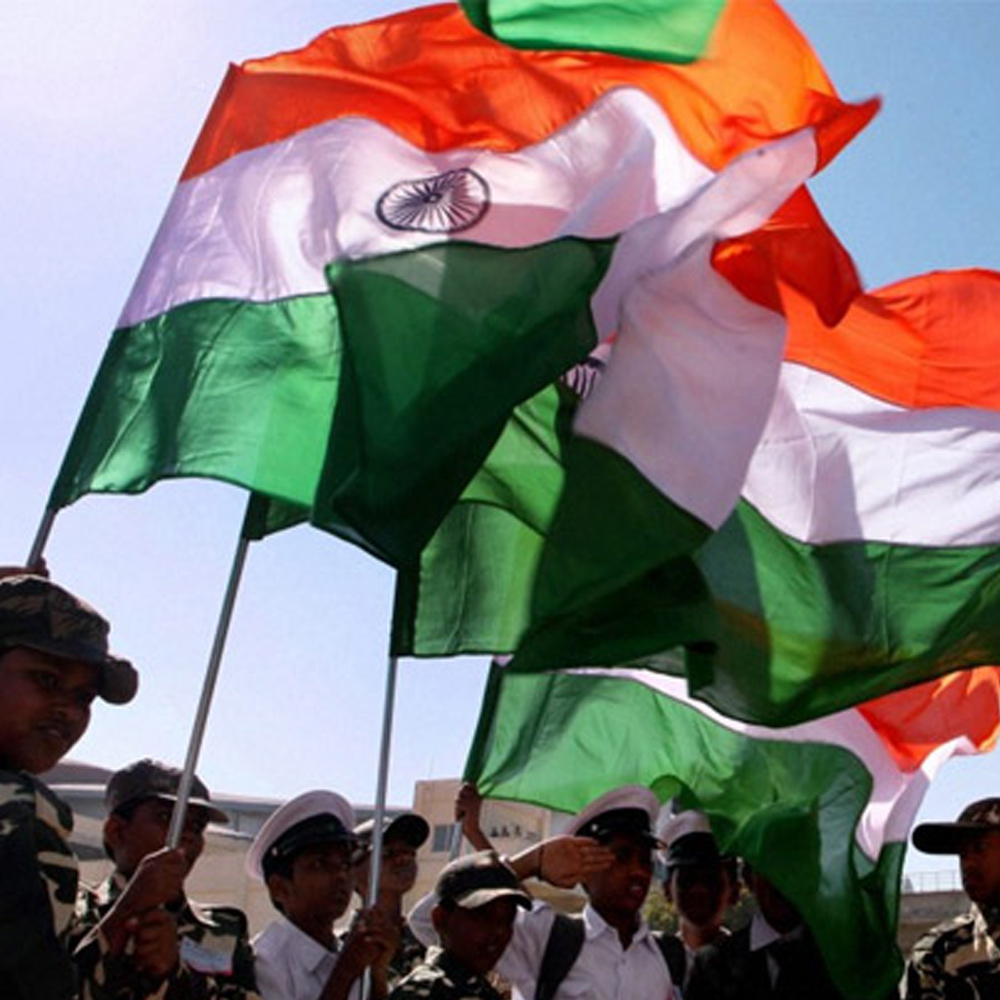
    NEW DELHI: All television channels were today requested by the Information and Broadcasting Ministry to telecast the “Aazadi Ke Rang” video that has been prepared by the Ministries of Defence and Textiles.

    The video is available on the link https://we.tl/FxNz8EcuV4 free of cost.

    The note from the I and B Ministry said the video (in HD quality) in celebration of the Independence Day with a view to infuse the message of patriotism across the nation. The said video sends out a strong message of unity, strength, patriotism with a sense of discipline.

    The Ministry noted that electronic media has always been in the forefront to carry such message as it is a powerful tool to reach out to the millennia of people.

    It said: “Keeping in view the spirit of nationalism and patriotism, all TV channels are requested to carry the said video as part of celebration of the festival of Independence so as to spread the message to the farthest corner of the nation.”

  • TV channels requested to telecast video “Azadi ke rang” by Defence and Textile Ministries

    TV channels requested to telecast video “Azadi ke rang” by Defence and Textile Ministries

    NEW DELHI: All television channels were today requested by the Information and Broadcasting Ministry to telecast the “Aazadi Ke Rang” video that has been prepared by the Ministries of Defence and Textiles.

    The video is available on the link https://we.tl/FxNz8EcuV4 free of cost.

    The note from the I and B Ministry said the video (in HD quality) in celebration of the Independence Day with a view to infuse the message of patriotism across the nation. The said video sends out a strong message of unity, strength, patriotism with a sense of discipline.

    The Ministry noted that electronic media has always been in the forefront to carry such message as it is a powerful tool to reach out to the millennia of people.

    It said: “Keeping in view the spirit of nationalism and patriotism, all TV channels are requested to carry the said video as part of celebration of the festival of Independence so as to spread the message to the farthest corner of the nation.”

  • Actors shown in smoking scenes in films or TV should promote anti-smoking

    Actors shown in smoking scenes in films or TV should promote anti-smoking

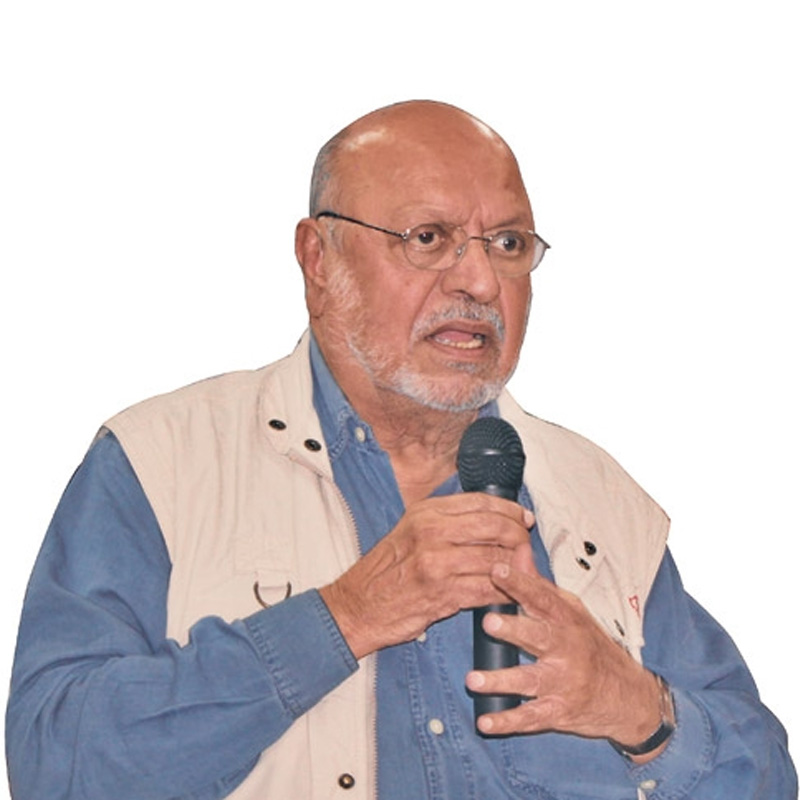
    NEW DELHI: The Shyam Benegal Committee on Film Certification, which earlier recommended that alterations or changes in any film can be made by the Central Board of Film Certification only with the consent of the rights holder, has now said that a “meaningful static disclaimer in the beginning of the film with standard visual background approved by the Ministry of Health may be shown for a minimum time period along with an audio backing it.”

    SMOKING SCENES

    In a supplementary report dealing only with smoking scenes and depiction of animals in films, it has said the disclaimer should be made in all Indian languages and made applicable to all Media Platforms.
    However, the periodicity of scenes depicting smoking should be avoided keeping in view the legislations in this regard.  
    The Committee also suggested that as an option, producers of that film can make a short film conveying an anti-smoking message ‘by the same actor who is depicted as smoking in the film’.  
    It also said the Film Industry should produce small films on anti-tobacco/smoking with popular actors on their own for screening in cinemas halls and on TV Channels. These may replace the present films in the Theatres and TV Channels shown after obtaining clearance from the Health & Family Welfare Ministry.

    SCENES SHOWING ANIMALS

    Referring to animal welfare and in response to the views of the Animal Welfare Board of India (AWBI), the Committee was of the view that there is a need to bring about further clarity and  simplification of the process to allow film producers the operational flexibility that is critically required in any film project. Besides, a better and comprehensive definition of “performing animals” is needed.

    The Committee said there should be “licensed suppliers” of Performing Animals (PA) who are qualified in handling various animals and taking care of them as per requirement of the law, whose services can be hired by the Producers.

    Such a mechanism would be of great benefit to all stakeholders who need to engage such services. This type of facilitation is available internationally and could be supported by AWBI for adoption, it added.
    As an interim measure to cut down the time consumed, the Committee said that a directory of “certified (approved) personnel” of AWBI including veterinary personnel on the list of AWBI in different parts of the country may be published, enabling producers to intimate them the time of their shooting and, who would then be present at the time of shooting the performing animal scenes.

    Based on the report of such certified (approved) personnel, AWBI could issue the NOC. An appropriate fee for the services rendered by such AWBI empanelled experts could also be finalised by AWBI enabling the applicant / producers to remit the same directly to AWBI while availing the services of such empanelled persons.
    The Committee said often notices were issued by AWBI with regard to numerous instances where animals in normal settings during the course of shooting are interpreted as “performing animals”.

    In order to have some clarity on this, Committee said a “performing animal” in case of films may be defined as an animal which is written into the script of the movie, and is required to perform an act which it would not normally do. Such a clarification will allow automatic clearance for scenes of cows, goats, etc. apart from birds which often appear when picturising scenes in villages, small towns etc.

    However, it cautioned that it had to be kept in mind whether it is a genuine natural shot or staged for filming which would involve the hiring, transportation, etc. of the animal/s.

    The Committee suggests that in such situations, a self-declaration by the producers to this effect be submitted at the time of application to CBFC in lieu of an NOC from the AWBI.

    The Committee made its recommendations in the light of the current practice in both smoking scenes and those with animal depiction.  

    At present, the shorts on smoking are prepared by the Health Ministry under the Cigarettes and other Tobacco, Products (Prohibition of Advertisement and Regulation of Trade and Commerce, Production, Supply and Distribution) Amendment Rules 2012.

    These rules say that all new Indian or foreign films and television programmes displaying tobacco products or their use shall have a strong editorial justification explaining the necessity of the display of the tobacco products or their use in the film, to the CBFC; and anti-tobacco spots of minimum 30 seconds duration each at the beginning and middle of the films and television programmes; apart from anti-tobacco health warning as a prominent static message at the bottom of the screen during the period of display of the tobacco products or their use in the film and television programme. It is also stated that an audio-visual disclaimer on the ill-effects of tobacco use of minimum twenty seconds duration each in the beginning and middle of the film and television programme.

    The present rules with regard to use of animals flow from the Prevention of Cruelty to Animals Act, 1960 and Performing Animals (Registration) Rules 2001 and also the Bombay High Court Judgment on 22 August 2005 in the PETA case.  
    These require a Pre-shooting Permission and a No Objection Certificate (NOC) and then it is left to AWBI to accept or deny permission.

    In its first report submitted to the Information and Broadcasting Ministry on 26 April 2016 but placed on the Ministry’s website in late June, the Committee said that there should be no system of imposing excisions (as is practiced at present) and the CBFC must transition into solely becoming a film certification body, as indeed the name of the institution suggests.

    In recommendations that are bound to stir a major debate among moralists and others, the Government-appointed Committee was of the “unanimous view that the rights owner has complete rights over his/her film.”
     

  • Actors shown in smoking scenes in films or TV should promote anti-smoking

    Actors shown in smoking scenes in films or TV should promote anti-smoking

    NEW DELHI: The Shyam Benegal Committee on Film Certification, which earlier recommended that alterations or changes in any film can be made by the Central Board of Film Certification only with the consent of the rights holder, has now said that a “meaningful static disclaimer in the beginning of the film with standard visual background approved by the Ministry of Health may be shown for a minimum time period along with an audio backing it.”

    SMOKING SCENES

    In a supplementary report dealing only with smoking scenes and depiction of animals in films, it has said the disclaimer should be made in all Indian languages and made applicable to all Media Platforms.
    However, the periodicity of scenes depicting smoking should be avoided keeping in view the legislations in this regard.  
    The Committee also suggested that as an option, producers of that film can make a short film conveying an anti-smoking message ‘by the same actor who is depicted as smoking in the film’.  
    It also said the Film Industry should produce small films on anti-tobacco/smoking with popular actors on their own for screening in cinemas halls and on TV Channels. These may replace the present films in the Theatres and TV Channels shown after obtaining clearance from the Health & Family Welfare Ministry.

    SCENES SHOWING ANIMALS

    Referring to animal welfare and in response to the views of the Animal Welfare Board of India (AWBI), the Committee was of the view that there is a need to bring about further clarity and  simplification of the process to allow film producers the operational flexibility that is critically required in any film project. Besides, a better and comprehensive definition of “performing animals” is needed.

    The Committee said there should be “licensed suppliers” of Performing Animals (PA) who are qualified in handling various animals and taking care of them as per requirement of the law, whose services can be hired by the Producers.

    Such a mechanism would be of great benefit to all stakeholders who need to engage such services. This type of facilitation is available internationally and could be supported by AWBI for adoption, it added.
    As an interim measure to cut down the time consumed, the Committee said that a directory of “certified (approved) personnel” of AWBI including veterinary personnel on the list of AWBI in different parts of the country may be published, enabling producers to intimate them the time of their shooting and, who would then be present at the time of shooting the performing animal scenes.

    Based on the report of such certified (approved) personnel, AWBI could issue the NOC. An appropriate fee for the services rendered by such AWBI empanelled experts could also be finalised by AWBI enabling the applicant / producers to remit the same directly to AWBI while availing the services of such empanelled persons.
    The Committee said often notices were issued by AWBI with regard to numerous instances where animals in normal settings during the course of shooting are interpreted as “performing animals”.

    In order to have some clarity on this, Committee said a “performing animal” in case of films may be defined as an animal which is written into the script of the movie, and is required to perform an act which it would not normally do. Such a clarification will allow automatic clearance for scenes of cows, goats, etc. apart from birds which often appear when picturising scenes in villages, small towns etc.

    However, it cautioned that it had to be kept in mind whether it is a genuine natural shot or staged for filming which would involve the hiring, transportation, etc. of the animal/s.

    The Committee suggests that in such situations, a self-declaration by the producers to this effect be submitted at the time of application to CBFC in lieu of an NOC from the AWBI.

    The Committee made its recommendations in the light of the current practice in both smoking scenes and those with animal depiction.  

    At present, the shorts on smoking are prepared by the Health Ministry under the Cigarettes and other Tobacco, Products (Prohibition of Advertisement and Regulation of Trade and Commerce, Production, Supply and Distribution) Amendment Rules 2012.

    These rules say that all new Indian or foreign films and television programmes displaying tobacco products or their use shall have a strong editorial justification explaining the necessity of the display of the tobacco products or their use in the film, to the CBFC; and anti-tobacco spots of minimum 30 seconds duration each at the beginning and middle of the films and television programmes; apart from anti-tobacco health warning as a prominent static message at the bottom of the screen during the period of display of the tobacco products or their use in the film and television programme. It is also stated that an audio-visual disclaimer on the ill-effects of tobacco use of minimum twenty seconds duration each in the beginning and middle of the film and television programme.

    The present rules with regard to use of animals flow from the Prevention of Cruelty to Animals Act, 1960 and Performing Animals (Registration) Rules 2001 and also the Bombay High Court Judgment on 22 August 2005 in the PETA case.  
    These require a Pre-shooting Permission and a No Objection Certificate (NOC) and then it is left to AWBI to accept or deny permission.

    In its first report submitted to the Information and Broadcasting Ministry on 26 April 2016 but placed on the Ministry’s website in late June, the Committee said that there should be no system of imposing excisions (as is practiced at present) and the CBFC must transition into solely becoming a film certification body, as indeed the name of the institution suggests.

    In recommendations that are bound to stir a major debate among moralists and others, the Government-appointed Committee was of the “unanimous view that the rights owner has complete rights over his/her film.”

     

  • Telangana state government sets up committees to track the television sector

    Telangana state government sets up committees to track the television sector

    MUMBAI: This is one state which is taking the central government’s order to keep a check on the content being aired satellite TV channels following the hue and cry which was raised after the Peace TV controversy. We are referring to the Telangana state government.

    Yesterday it constituted the State and District level monitoring committees whose job will be to ensure effective implementation of the Cable Television Network (Regulation) Act.

    The committees are expected to meet at least once a year and submit a detailed annual report for Telangan, including district-wise data of cable operators registered within the state and estimated number of TV homes/viewers, to the I&B ministry before 31 December 31 annually. Their job would also be to recommend action and forwarding complaints against satellite television channels that are violating the government’s orders on the programme and advertising codes to the I&B ministry, to ensure that respect, dignity and self-esteem of children and women and other sections of society are duly protected, to see whether the authorised officers are effectively performing their duties, to see how many cases are handled by them and what decisions are arrived at, to give suggestion/ guidance to district/ local level committee, to take decision on the matters referred to it by district/ local level committee, to collect data/ information from district/ local level committee and forward it to I&B secretary.

    On the state level committee would be the following: the principal secretaries of revenue and home, secretary and commissioner of I&PR department, Doordarshan Kendra Hyderabad director and commercial taxes commissioner.

    The district level committee would have the following members: district collector, superintendent of police, commercial taxes deputy commissioner or his representative and the district public relations officer.

    Observers believe that the setting up of the committees is a step in the right direction, but the state would have done well to have other representatives from society and the private sector to give a more holistic perspective.

  • Telangana state government sets up committees to track the television sector

    Telangana state government sets up committees to track the television sector

    MUMBAI: This is one state which is taking the central government’s order to keep a check on the content being aired satellite TV channels following the hue and cry which was raised after the Peace TV controversy. We are referring to the Telangana state government.

    Yesterday it constituted the State and District level monitoring committees whose job will be to ensure effective implementation of the Cable Television Network (Regulation) Act.

    The committees are expected to meet at least once a year and submit a detailed annual report for Telangan, including district-wise data of cable operators registered within the state and estimated number of TV homes/viewers, to the I&B ministry before 31 December 31 annually. Their job would also be to recommend action and forwarding complaints against satellite television channels that are violating the government’s orders on the programme and advertising codes to the I&B ministry, to ensure that respect, dignity and self-esteem of children and women and other sections of society are duly protected, to see whether the authorised officers are effectively performing their duties, to see how many cases are handled by them and what decisions are arrived at, to give suggestion/ guidance to district/ local level committee, to take decision on the matters referred to it by district/ local level committee, to collect data/ information from district/ local level committee and forward it to I&B secretary.

    On the state level committee would be the following: the principal secretaries of revenue and home, secretary and commissioner of I&PR department, Doordarshan Kendra Hyderabad director and commercial taxes commissioner.

    The district level committee would have the following members: district collector, superintendent of police, commercial taxes deputy commissioner or his representative and the district public relations officer.

    Observers believe that the setting up of the committees is a step in the right direction, but the state would have done well to have other representatives from society and the private sector to give a more holistic perspective.

  • TV, Radio urged to mark International Yoga day in befitting manner

    TV, Radio urged to mark International Yoga day in befitting manner

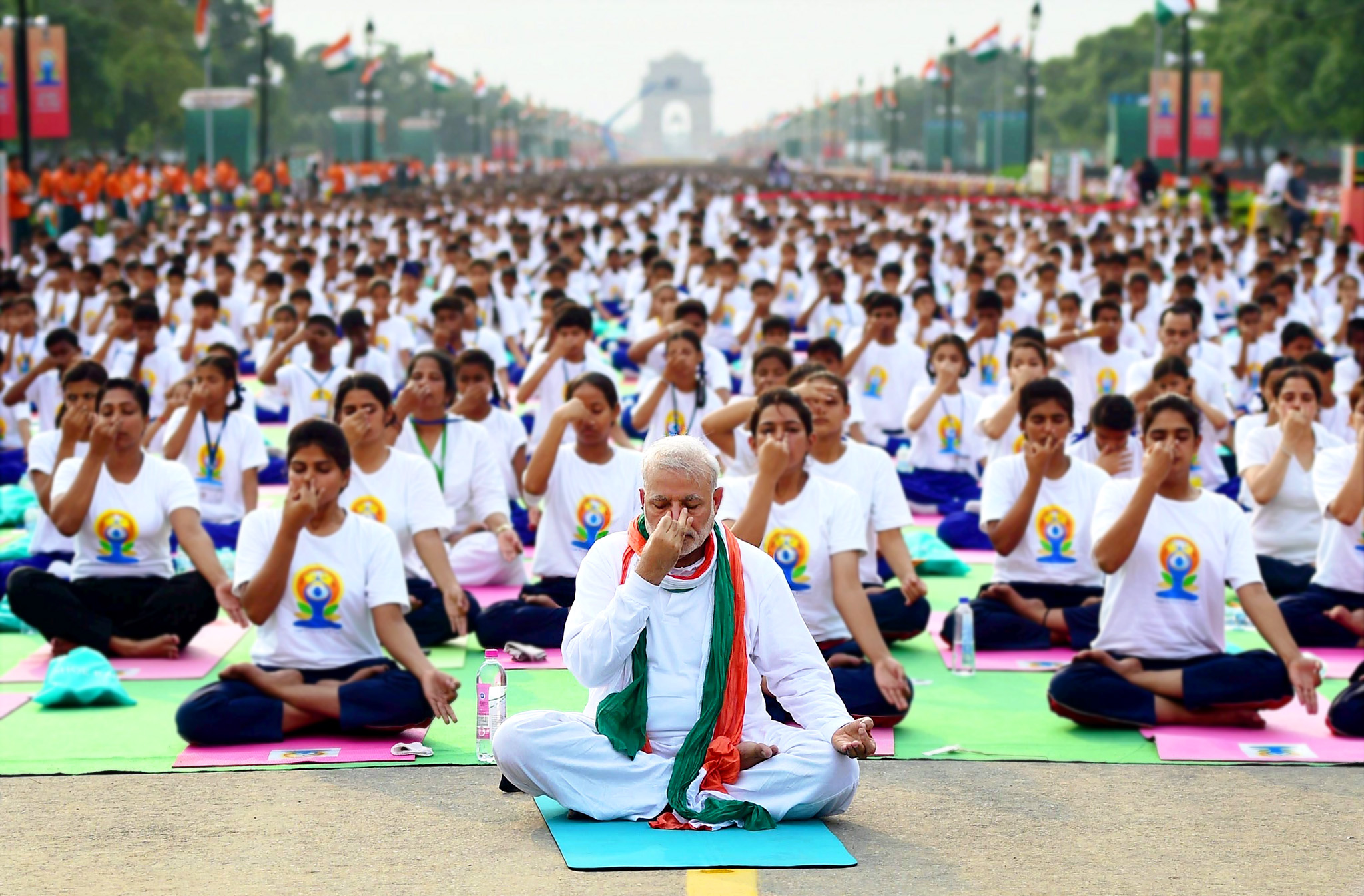
    NEW DELHI: All television channels, FM Radio, and Community Radio stations are expected to take ‘all possible steps this year also to promote the International Yoga Day (lYD) on 21 June by carryrng special features or in any other befitting manner during the period leading to the occasion’.

    In a note on the Information and Broadcasting Ministry website, it has been pointed out that all TV channels, FM channels and community radio stations have contributed immensely to the cause of promotion of Yoga and International Day of Yoga in the past.

    The message from the ministry says that it has special significance for India to mark the day in a befitting manner since the genesis of Yoga is associated with this country.

    Meanwhile Ayush Minister Shripad Naik said while the Government was prepared to consider the demand for declaring the day as a holiday, no such demand had come so far as Yoga gets over before 8 am in the morning and so there is no need for a holiday

    As part of the Internatinal Yoga Day, video clips of 20 celebrity endorsements including Amitabh Bachchan, Shilpa Shetty, Virat Kohli, etc. will be telecast on multiple channels.

    Video spots of thirty secnds each on important Yog Asnanas will be telecast on Doordarshan as Asana of the Day. 

    There will be articles in the print media and social media is expected to carry blogs, on mobile apps, Twitter, Facebook etc.

    A new dynamic and interactive IDY Web Portal has been launched on 25 May and carries interesting online quizzes and contests. 

    The I and B note says that the United Nations General Assembly had on 11 December 2014 declared 21 June to be celebrated as the International Yoga Day (lYD) each year, after the call in this regard by Prime Minister Narendra Modi during his address to the UN General Assembly on 27 September 2O14. Modi had stated that “Yoga is an invaluable gift of India’s ancient tradition which embodies unity of mind and body that provides a holistic approach to health and well-being.”

    The note said several initiatives have been taken by institutions, both public and private, to promote the cause.

  • TV, Radio urged to mark International Yoga day in befitting manner

    TV, Radio urged to mark International Yoga day in befitting manner

    NEW DELHI: All television channels, FM Radio, and Community Radio stations are expected to take ‘all possible steps this year also to promote the International Yoga Day (lYD) on 21 June by carryrng special features or in any other befitting manner during the period leading to the occasion’.

    In a note on the Information and Broadcasting Ministry website, it has been pointed out that all TV channels, FM channels and community radio stations have contributed immensely to the cause of promotion of Yoga and International Day of Yoga in the past.

    The message from the ministry says that it has special significance for India to mark the day in a befitting manner since the genesis of Yoga is associated with this country.

    Meanwhile Ayush Minister Shripad Naik said while the Government was prepared to consider the demand for declaring the day as a holiday, no such demand had come so far as Yoga gets over before 8 am in the morning and so there is no need for a holiday

    As part of the Internatinal Yoga Day, video clips of 20 celebrity endorsements including Amitabh Bachchan, Shilpa Shetty, Virat Kohli, etc. will be telecast on multiple channels.

    Video spots of thirty secnds each on important Yog Asnanas will be telecast on Doordarshan as Asana of the Day. 

    There will be articles in the print media and social media is expected to carry blogs, on mobile apps, Twitter, Facebook etc.

    A new dynamic and interactive IDY Web Portal has been launched on 25 May and carries interesting online quizzes and contests. 

    The I and B note says that the United Nations General Assembly had on 11 December 2014 declared 21 June to be celebrated as the International Yoga Day (lYD) each year, after the call in this regard by Prime Minister Narendra Modi during his address to the UN General Assembly on 27 September 2O14. Modi had stated that “Yoga is an invaluable gift of India’s ancient tradition which embodies unity of mind and body that provides a holistic approach to health and well-being.”

    The note said several initiatives have been taken by institutions, both public and private, to promote the cause.

  • TDSAT wants to know from MIB if it can adjudicate on denial of security clearances to new TV channels

    TDSAT wants to know from MIB if it can adjudicate on denial of security clearances to new TV channels

    New Delhi: With the Home ministry holding that the Telecom Disputes Settlement and Appellate Tribunal does not have the jurisdiction to examine the validity of denial of security clearances, the Information and Broadcasting Ministry has been asked to present its point of view.

    In a petition filed by Positiv TV Pvt. Ltd, chairman Aftab Alam and member B B Srivastava said: “Before taking up the matter any further, we would like the Ministry of Information and Broadcasting also to make its stand clear. We accordingly direct Rajeev Sharma to file the reply on behalf of the ministry and listed the matter for 26 April.

    The Home ministry had filed its reply in which apart from contesting the petition on merits, it had raised objections to the maintainability of the petition before the tribunal taking the position that the tribunal does not have the jurisdiction to examine the validity of denial of security clearance to the petitioner.

    Earlier last year, the I and B ministry had said the Home ministry had in principle agreed that security clearances would not be needed for multi-system operators, but no such assurance was given with regard to those who had applied to start new television channels. 

  • TDSAT wants to know from MIB if it can adjudicate on denial of security clearances to new TV channels

    TDSAT wants to know from MIB if it can adjudicate on denial of security clearances to new TV channels

    New Delhi: With the Home ministry holding that the Telecom Disputes Settlement and Appellate Tribunal does not have the jurisdiction to examine the validity of denial of security clearances, the Information and Broadcasting Ministry has been asked to present its point of view.

    In a petition filed by Positiv TV Pvt. Ltd, chairman Aftab Alam and member B B Srivastava said: “Before taking up the matter any further, we would like the Ministry of Information and Broadcasting also to make its stand clear. We accordingly direct Rajeev Sharma to file the reply on behalf of the ministry and listed the matter for 26 April.

    The Home ministry had filed its reply in which apart from contesting the petition on merits, it had raised objections to the maintainability of the petition before the tribunal taking the position that the tribunal does not have the jurisdiction to examine the validity of denial of security clearance to the petitioner.

    Earlier last year, the I and B ministry had said the Home ministry had in principle agreed that security clearances would not be needed for multi-system operators, but no such assurance was given with regard to those who had applied to start new television channels.