Tag: TV channels

  • Pak penalises three TV channels

    Pak penalises three TV channels

    MUMBAI: It is a season of penalties against television channels — in India and the neighbouring country. Pakistan last week suspended the licences of two TV channels for allegedly levelling baseless allegations against the judge of its Supreme Court.

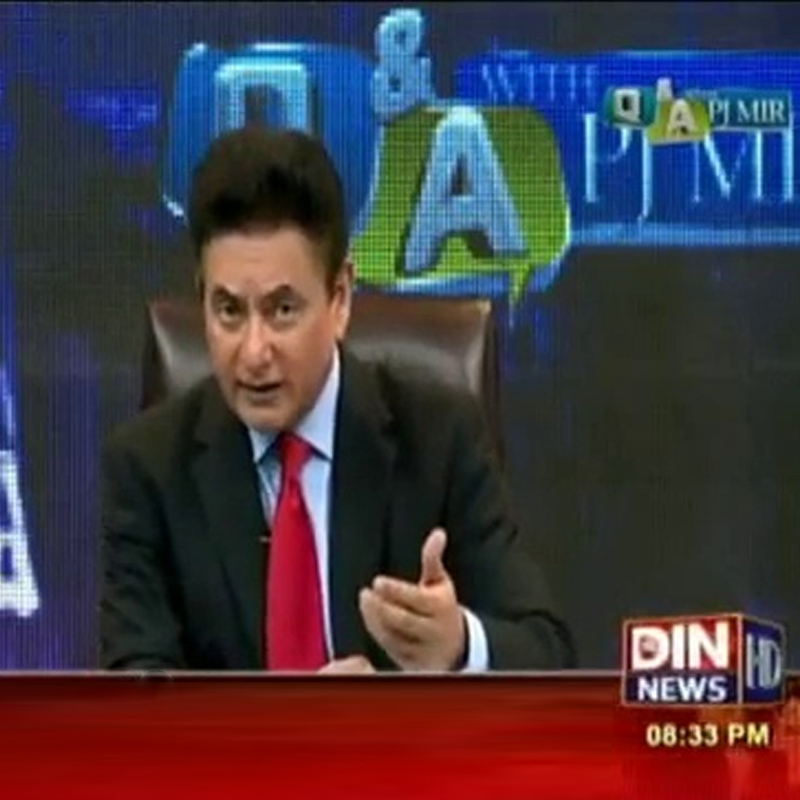
    Pakistan Electronic Media and Regulatory Authority (PEMRA) last Saturday took the action against Din News and Neo TV, and fined them PKR 1 million each. Similarly, Such TV was fined Rs 1 million for airing inappropriate comments of a caller against a judge during a live program, Pakistani newspapers reported.

    PEMRA suspended the licenses of Din News for 30 days and Neo TV for seven days. In a statement, it said the suspension will come into effect from the first of the next month. The channels will also telecast an apology after resumption.

    The three channels were issued notices on 19 November for airing irresponsible analysis and were asked to submit a reply on 26 November, 2016. Channel representatives failed to defend themselves.

  • Pak penalises three TV channels

    Pak penalises three TV channels

    MUMBAI: It is a season of penalties against television channels — in India and the neighbouring country. Pakistan last week suspended the licences of two TV channels for allegedly levelling baseless allegations against the judge of its Supreme Court.

    Pakistan Electronic Media and Regulatory Authority (PEMRA) last Saturday took the action against Din News and Neo TV, and fined them PKR 1 million each. Similarly, Such TV was fined Rs 1 million for airing inappropriate comments of a caller against a judge during a live program, Pakistani newspapers reported.

    PEMRA suspended the licenses of Din News for 30 days and Neo TV for seven days. In a statement, it said the suspension will come into effect from the first of the next month. The channels will also telecast an apology after resumption.

    The three channels were issued notices on 19 November for airing irresponsible analysis and were asked to submit a reply on 26 November, 2016. Channel representatives failed to defend themselves.

  • DD reaches 92 per cent of India; FreeDish 30 million homes

    DD reaches 92 per cent of India; FreeDish 30 million homes

    NEW DELHI: Doordarshan in terrestrial mode is estimated to be available to about 92 per cent population spread over 81 per cent area of the country, the Parliament has been told.

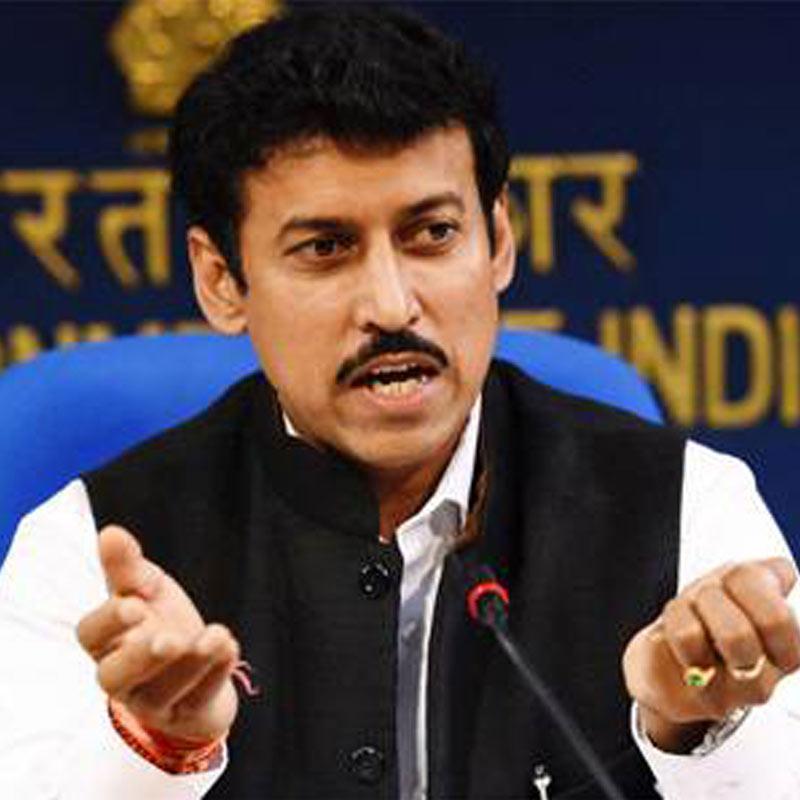
    However, in satellite mode, multichannel TV coverage of Doordarshan reaches all the areas of the country through Doordarshan’s free-to-air DTH service FreeDish. It is possible to receive DTH signals anywhere in the country with the help of a small-sized dish receive unit, the minister of state for information and broadcasting Rajyavardhan Rathore said.

    Modernisation of Doordarshan network by utilising modern techniques and equipment is a continuous process. Schemes in this regard have been formulated and implemented from time to time. The modernisation plan covers a broad spectrum, which includes digitalisation, adoption of new technologies, upgradation and replacement of old ageing equipment, etc.

    According to industry estimates, DD FreeDish has reached about 20 to 30 million homes with 80 TV channels and 32 radio channels. This information is based on the KPMG- FICCI (Klynveld Peat Marwick Goerdeler – Federation of Indian Chambers of Commerce and Industry) Indian Media and Entertainment Industry Report 2016.

    The minister said there was no restriction on any channel for obtaining a slot on DD FreeDish through e-auction as DD Free Dish Platform was Free-to-Air and no subscription was charged by Doordarshan from viewers.

    The minister said, in the e-auction held so far by Doordarshan, no pay channel had participated. (However, it is learnt that Zee News and Big TV which are pay channels successfully bid for beaming free to air on FreeDish).

  • DD reaches 92 per cent of India; FreeDish 30 million homes

    DD reaches 92 per cent of India; FreeDish 30 million homes

    NEW DELHI: Doordarshan in terrestrial mode is estimated to be available to about 92 per cent population spread over 81 per cent area of the country, the Parliament has been told.

    However, in satellite mode, multichannel TV coverage of Doordarshan reaches all the areas of the country through Doordarshan’s free-to-air DTH service FreeDish. It is possible to receive DTH signals anywhere in the country with the help of a small-sized dish receive unit, the minister of state for information and broadcasting Rajyavardhan Rathore said.

    Modernisation of Doordarshan network by utilising modern techniques and equipment is a continuous process. Schemes in this regard have been formulated and implemented from time to time. The modernisation plan covers a broad spectrum, which includes digitalisation, adoption of new technologies, upgradation and replacement of old ageing equipment, etc.

    According to industry estimates, DD FreeDish has reached about 20 to 30 million homes with 80 TV channels and 32 radio channels. This information is based on the KPMG- FICCI (Klynveld Peat Marwick Goerdeler – Federation of Indian Chambers of Commerce and Industry) Indian Media and Entertainment Industry Report 2016.

    The minister said there was no restriction on any channel for obtaining a slot on DD FreeDish through e-auction as DD Free Dish Platform was Free-to-Air and no subscription was charged by Doordarshan from viewers.

    The minister said, in the e-auction held so far by Doordarshan, no pay channel had participated. (However, it is learnt that Zee News and Big TV which are pay channels successfully bid for beaming free to air on FreeDish).

  • Limited punitive action taken against 31 TV channels in 11 years

    Limited punitive action taken against 31 TV channels in 11 years

    NEW DELHI: As many as 31 TV channels were asked to stop transmission for specific period of time ranging from one day to 60 days including news channel for 30 days between 2005 and 2016.

    Minister of State for Information and Broadcasting Ministry Rajyavardhan Rathore told the Parliament that 22 private television channels including one channel for three different programmes and another for two programmes were asked to suspend transmission for duration ranging from one day to 30 days for telecasting content in violation of the Programme Code during the last three years and the current year.

    This included 14 in 2013, one in 2014, four in 2015, and three in 2016 (till November), Rathore said.

    The three in the current year are — NDTV India and Care World India with one violation each, and News Time Assam for three violations. The orders relating to NDTV and Care World India have been challenged in the courts of law. Earlier, in 2014, Manoranjan TV was punished twice.

    The channels punished in 2014 and 2015 are — Enterr 10, Zing, Mahua, SS TV, AXN, FTV, Movies OK, Comedy Central, Zoom TV, ABN Andhra Jyoti, UTV Bindass, WB, NTV, Big CBS Love, Jai Hind, Al Jazeera, and Satlon News.

    Action is taken against TV channels whenever any violation of the Programme and Advertising Codes is noticed or brought to the notice of the Ministry. The Ministry generally issues warnings or advisories to comply with the Codes or asks the channels to run an apology scroll on their channel.

    But, Rathore said the channels are occasionally taken off air temporarily for a limited period depending on the gravity of the violation.

  • Limited punitive action taken against 31 TV channels in 11 years

    Limited punitive action taken against 31 TV channels in 11 years

    NEW DELHI: As many as 31 TV channels were asked to stop transmission for specific period of time ranging from one day to 60 days including news channel for 30 days between 2005 and 2016.

    Minister of State for Information and Broadcasting Ministry Rajyavardhan Rathore told the Parliament that 22 private television channels including one channel for three different programmes and another for two programmes were asked to suspend transmission for duration ranging from one day to 30 days for telecasting content in violation of the Programme Code during the last three years and the current year.

    This included 14 in 2013, one in 2014, four in 2015, and three in 2016 (till November), Rathore said.

    The three in the current year are — NDTV India and Care World India with one violation each, and News Time Assam for three violations. The orders relating to NDTV and Care World India have been challenged in the courts of law. Earlier, in 2014, Manoranjan TV was punished twice.

    The channels punished in 2014 and 2015 are — Enterr 10, Zing, Mahua, SS TV, AXN, FTV, Movies OK, Comedy Central, Zoom TV, ABN Andhra Jyoti, UTV Bindass, WB, NTV, Big CBS Love, Jai Hind, Al Jazeera, and Satlon News.

    Action is taken against TV channels whenever any violation of the Programme and Advertising Codes is noticed or brought to the notice of the Ministry. The Ministry generally issues warnings or advisories to comply with the Codes or asks the channels to run an apology scroll on their channel.

    But, Rathore said the channels are occasionally taken off air temporarily for a limited period depending on the gravity of the violation.

  • TV channels’ annual renewal abolished; 963 companies to benefit

    TV channels’ annual renewal abolished; 963 companies to benefit

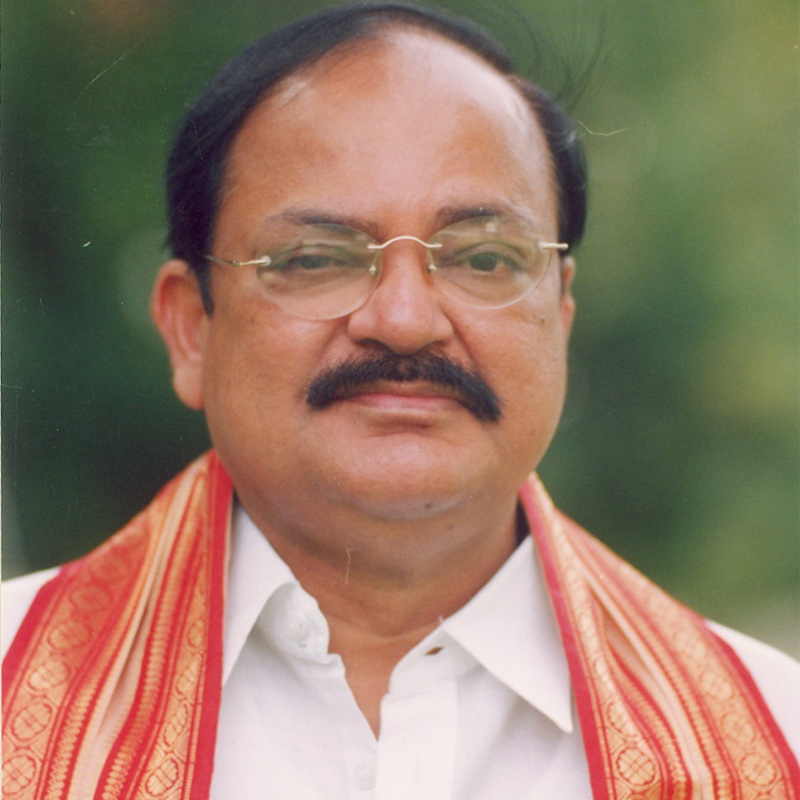
    MUMBAI: The Indian Government has decided to ease the annual renewal norms for TV channels, Information and Broadcasting Minister M Venkaiah Naidu has said. About 963 channels, including teleports, are going to be benefitted by this decision.

    The government is committed to the vision of Prime Minister Narendra Modi to promote ease of doing business, PTI. reported. “As part of the government’s initiative of ease of doing business, the Ministry has completely done away with the process of obtaining an annual renewal for TV channels in the current form,” he said while addressing the Economic Editors’ Conference in New Delhi.

    The government has decided to ease the “annual renewal” norms for TV channels and existing broadcasters can continue operations by simply paying annual permission fee 60 days before the due date, Naidu said on Friday.

    Naidu said that “broadcasters who have been given the permission for uplinking or downlinking can continue their operations by simply paying the annual permission fee which by itself will be treated as permission for continuation of a channel for a further period of one year.”

    Naidu hailed Modi’s move to demonetise Rs 500 and Rs 1,000 notes saying that it was being appreciated by all excepted a few with “vested” interests. Terming the move as an “historic” step, Naidu said that it was fine for TV channels to show the inconvenience caused to the people after the announcement was made but was not fair to “dwell” on it.

  • TV channels’ annual renewal abolished; 963 companies to benefit

    TV channels’ annual renewal abolished; 963 companies to benefit

    MUMBAI: The Indian Government has decided to ease the annual renewal norms for TV channels, Information and Broadcasting Minister M Venkaiah Naidu has said. About 963 channels, including teleports, are going to be benefitted by this decision.

    The government is committed to the vision of Prime Minister Narendra Modi to promote ease of doing business, PTI. reported. “As part of the government’s initiative of ease of doing business, the Ministry has completely done away with the process of obtaining an annual renewal for TV channels in the current form,” he said while addressing the Economic Editors’ Conference in New Delhi.

    The government has decided to ease the “annual renewal” norms for TV channels and existing broadcasters can continue operations by simply paying annual permission fee 60 days before the due date, Naidu said on Friday.

    Naidu said that “broadcasters who have been given the permission for uplinking or downlinking can continue their operations by simply paying the annual permission fee which by itself will be treated as permission for continuation of a channel for a further period of one year.”

    Naidu hailed Modi’s move to demonetise Rs 500 and Rs 1,000 notes saying that it was being appreciated by all excepted a few with “vested” interests. Terming the move as an “historic” step, Naidu said that it was fine for TV channels to show the inconvenience caused to the people after the announcement was made but was not fair to “dwell” on it.

  • US polls: TV channels, social media & streaming – all broke their own viewership records

    US polls: TV channels, social media & streaming – all broke their own viewership records

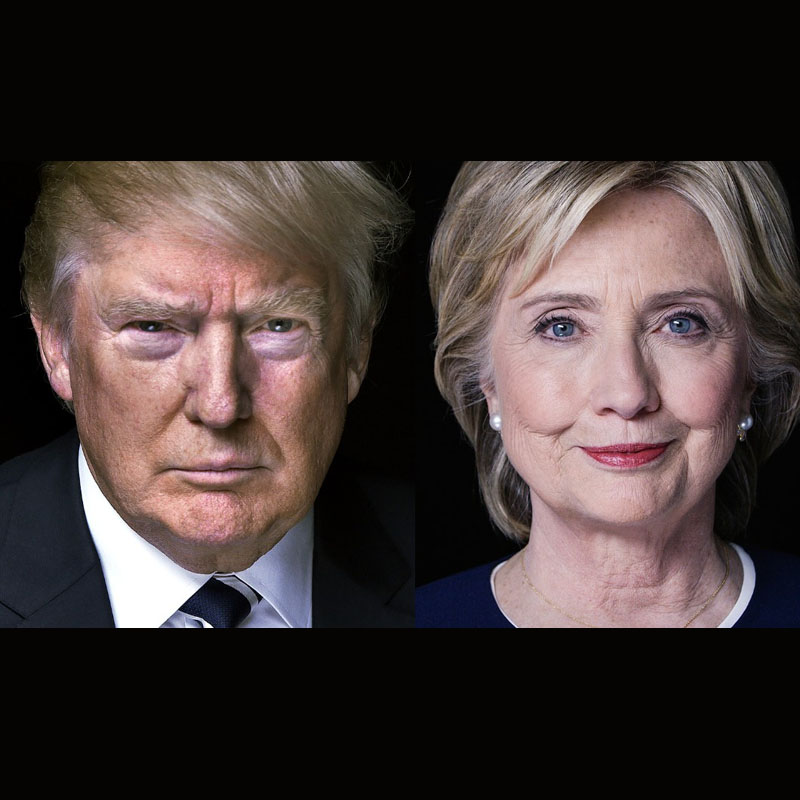
    MUMBAI: It’s an example of how significant is television when it comes to national and international events. In what was one of the most surprising US election results in history, Donald Trump defeated Hillary Clinton to become the 45th president of the United States. Tuesday was the most-watched night in the US in both CNN and Fox News’ histories.

    Around 72 million Americans watched the poll results on broadcast or cable television during primetime, according to TV viewership agency Nielsen. This year’s tight race has been good for ratings all fall, delivering an average audience of 74 million for the presidential debates, including a record-setting 84 million for Trump’s first faceoff with Hillary Clinton.

    Considered by many poll and media pundits to have had no chance at victory, Trump’s message of political change and fighting for the masses resonated with more than 58 million Americans. It’s clear that the social media played a crucial part in Trump’s rise to power. The actual part that media played in the process will be debated for years, but it’s interesting to look at the basic outline of what the new media landscape means for the electoral process and how it played out across the various platforms.

    On the election night, The Young Turks – targeted at those who consume content on digital – broke records with 4.5 million views, according to Tubefilter. On 8 November, the news channel had a big night; across three separate live streams — on YouTube, Facebook, and Twitter — it drew more than 4.5 million total hits, breaking its own viewership record.

    The television number — 72 million — includes CBS, NBC, ABC, Fox, Univision, Telemundo, MSNBC, Fox Business Network, CNN, Fox News, CNBC and TV One but does not include PBS. This number compares well with with a similar number of Americans who witnessed Barack Obama become the first African-American person elected as the president in 2008, according to Nielsen tally of 14 networks’ viewership.

    Election night was an apt conclusion to a campaign that intrigued television viewers for over a year. Two of the three most-watched presidential debates in history were between Trump and Clinton. Trump’s proven value as a ratings-grabber led to cable networks giving what some critics regarded as an inordinate amount of attention to his appearances as his campaign was first catching on.

    Excluding PBS, Nielsen’s final count for 2016 included viewership on Lifetime’s live “The View” special. The average audience for the 2012 election was 66.8 million when viewing across 13 networks was tallied by Nielsen.

    All networks’ coverage except Fox broadcasting continued into the small hours. The Democrat nominee Hillary Clinton did not concede to the Republican nominee until after 2am EST, and Trump did not gave his victory speech till 3am.

    CNN had the biggest night of all the networks in primetime, drawing an average audience of 13.26 million from 8-11 pm EST. Fox News followed with 12.11 million total viewers. MSNBC came in third in the cable race with 5.95 million. The same pecking order followed in the coveted-by-news-advertisers 25-54 demographic: CNN had 6.66 million viewers in that demo, Fox News had 4.64 million, and MSNBC had 2.37 million.

    In coverage from 7pm–3am, the numbers were slightly different. Fox News drew the biggest total audience in that time-frame, with 12.2 million viewers. CNN came in with an average audience of 11.17 million during that time, and MSNBC had an audience of 5.2 million. CNN did still lead in the 25-54 demo, though, with 5.65 million to Fox News’ 4.76 million. (MSNBC brought in 2.13 million viewers in the 25-54 demo in that period.)

    However, viewers did begin tuning out after seeing several key swing states called, and by the time the 2 a.m. hour rolled around, viewership on the three big cable nets was at 19.1 million. Fox News had the most, with 9.78 million. CNN followed with 6.45 million, with MSNBC coming in at 2.86 million.

    Another 38.67 million watched the election results come in on one of the broadcast networks. That number, from Nielsen’s final primetime ratings, includes ABC, CBS, NBC, Fox (from 8-10 p.m.), Univision and Telemundo. ABC had an average audience of 9.23 million viewers. CBS pulled in 8.09 million. Fox’s two hours of results coverage drew 4.28 million. NBC had the largest total audience, 11.15 million. Telemundo averaged 2.02 million.

    These ratings don’t include viewers who streamed election night coverage.

    Here’s how the broadcast networks’ election coverage ranked in total viewership:

    CNN 13.26 million
    Fox News 12.11 million
    NBC 11.97 million
    ABC 9.68 million
    CBS 8.8 million
    MSNBC 5.95 million
    Fox 4.27 million
    Univision 3.89 million
    Telemundo 2.16 million
    Fox Business Network 1.07 million
    CNBC 319,000

    Social media too was inundated on election night and through the campaign. According to available data, 75 million tweets were sent out on #electionnight up to the time Trump came and made his winning address – more than double the previous day stats of 31 million done in 2012. Overall, through the campaign since the primary debates began in August last year more than a billion election-related tweets were generated, according to social media today. Facebook traffic increased by 30 per cent during this period.

    And lo and behold one fact that has emerged according to research from the University of Southern California is the use of bots on social media by the two camps, (though Trump used them more) according to Social Media Today. According to the research, millions of election-related tweets were posted by more than 400,000 social bots during the campaign. The USC research also found that many of these shared highly positive messages about either candidate, which may actually have influenced voter outcomes by creating “the false impression that there’s grassroots, positive, sustained support for a certain candidate”. So while bot traffic no doubt contributed to the overall share of voice stats, it may actually have been beneficial, even if it was coming non-human operators.
  • US polls: TV channels, social media & streaming – all broke their own viewership records

    US polls: TV channels, social media & streaming – all broke their own viewership records

    MUMBAI: It’s an example of how significant is television when it comes to national and international events. In what was one of the most surprising US election results in history, Donald Trump defeated Hillary Clinton to become the 45th president of the United States. Tuesday was the most-watched night in the US in both CNN and Fox News’ histories.

    Around 72 million Americans watched the poll results on broadcast or cable television during primetime, according to TV viewership agency Nielsen. This year’s tight race has been good for ratings all fall, delivering an average audience of 74 million for the presidential debates, including a record-setting 84 million for Trump’s first faceoff with Hillary Clinton.

    Considered by many poll and media pundits to have had no chance at victory, Trump’s message of political change and fighting for the masses resonated with more than 58 million Americans. It’s clear that the social media played a crucial part in Trump’s rise to power. The actual part that media played in the process will be debated for years, but it’s interesting to look at the basic outline of what the new media landscape means for the electoral process and how it played out across the various platforms.

    On the election night, The Young Turks – targeted at those who consume content on digital – broke records with 4.5 million views, according to Tubefilter. On 8 November, the news channel had a big night; across three separate live streams — on YouTube, Facebook, and Twitter — it drew more than 4.5 million total hits, breaking its own viewership record.

    The television number — 72 million — includes CBS, NBC, ABC, Fox, Univision, Telemundo, MSNBC, Fox Business Network, CNN, Fox News, CNBC and TV One but does not include PBS. This number compares well with with a similar number of Americans who witnessed Barack Obama become the first African-American person elected as the president in 2008, according to Nielsen tally of 14 networks’ viewership.

    Election night was an apt conclusion to a campaign that intrigued television viewers for over a year. Two of the three most-watched presidential debates in history were between Trump and Clinton. Trump’s proven value as a ratings-grabber led to cable networks giving what some critics regarded as an inordinate amount of attention to his appearances as his campaign was first catching on.

    Excluding PBS, Nielsen’s final count for 2016 included viewership on Lifetime’s live “The View” special. The average audience for the 2012 election was 66.8 million when viewing across 13 networks was tallied by Nielsen.

    All networks’ coverage except Fox broadcasting continued into the small hours. The Democrat nominee Hillary Clinton did not concede to the Republican nominee until after 2am EST, and Trump did not gave his victory speech till 3am.

    CNN had the biggest night of all the networks in primetime, drawing an average audience of 13.26 million from 8-11 pm EST. Fox News followed with 12.11 million total viewers. MSNBC came in third in the cable race with 5.95 million. The same pecking order followed in the coveted-by-news-advertisers 25-54 demographic: CNN had 6.66 million viewers in that demo, Fox News had 4.64 million, and MSNBC had 2.37 million.

    In coverage from 7pm–3am, the numbers were slightly different. Fox News drew the biggest total audience in that time-frame, with 12.2 million viewers. CNN came in with an average audience of 11.17 million during that time, and MSNBC had an audience of 5.2 million. CNN did still lead in the 25-54 demo, though, with 5.65 million to Fox News’ 4.76 million. (MSNBC brought in 2.13 million viewers in the 25-54 demo in that period.)

    However, viewers did begin tuning out after seeing several key swing states called, and by the time the 2 a.m. hour rolled around, viewership on the three big cable nets was at 19.1 million. Fox News had the most, with 9.78 million. CNN followed with 6.45 million, with MSNBC coming in at 2.86 million.

    Another 38.67 million watched the election results come in on one of the broadcast networks. That number, from Nielsen’s final primetime ratings, includes ABC, CBS, NBC, Fox (from 8-10 p.m.), Univision and Telemundo. ABC had an average audience of 9.23 million viewers. CBS pulled in 8.09 million. Fox’s two hours of results coverage drew 4.28 million. NBC had the largest total audience, 11.15 million. Telemundo averaged 2.02 million.

    These ratings don’t include viewers who streamed election night coverage.

    Here’s how the broadcast networks’ election coverage ranked in total viewership:

    CNN 13.26 million
    Fox News 12.11 million
    NBC 11.97 million
    ABC 9.68 million
    CBS 8.8 million
    MSNBC 5.95 million
    Fox 4.27 million
    Univision 3.89 million
    Telemundo 2.16 million
    Fox Business Network 1.07 million
    CNBC 319,000

    Social media too was inundated on election night and through the campaign. According to available data, 75 million tweets were sent out on #electionnight up to the time Trump came and made his winning address – more than double the previous day stats of 31 million done in 2012. Overall, through the campaign since the primary debates began in August last year more than a billion election-related tweets were generated, according to social media today. Facebook traffic increased by 30 per cent during this period.

    And lo and behold one fact that has emerged according to research from the University of Southern California is the use of bots on social media by the two camps, (though Trump used them more) according to Social Media Today. According to the research, millions of election-related tweets were posted by more than 400,000 social bots during the campaign. The USC research also found that many of these shared highly positive messages about either candidate, which may actually have influenced voter outcomes by creating “the false impression that there’s grassroots, positive, sustained support for a certain candidate”. So while bot traffic no doubt contributed to the overall share of voice stats, it may actually have been beneficial, even if it was coming non-human operators.