Tag: Turner

  • Turner launches HBO Defined & HBO Hits on Hathway & GTPL

    Turner launches HBO Defined & HBO Hits on Hathway & GTPL

    MUMBAI: Turner International India has announced the launch of HBO Defined and HBO Hits on two of the country’s leading digital cable platforms, Hathway and GTPL. With this HBO’s two premium advertising-free movie channels will be available to digital cable subscribers for the first time.

    The channels are available for a free preview in the initial phase of the launch. Turner International, the distributor for HBO Defined and HBO Hits will soon have the channels available on other digital cable platforms as well.

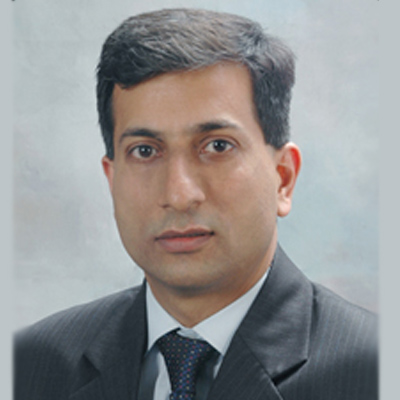
    “With the successful on-going digitisation of the Indian television industry, Turner is committed to continue bringing compelling content inside homes of consumers in India and on any device they own. HBO Defined and HBO Hits signify a new era of television viewing for the Indian consumer. We have received a very enthusiastic response from all platforms and are happy to have, Hathway and GTPL, two of the leading cable platforms partner with us,” said Turner International India MD Siddharth Jain.

    “The launch of HBO Hits and HBO Defined on our digital platforms is a reinforcement of our belief in the power of compelling content which can drive customer value and realisations. Hathway and GTPL have a foot-print of more than seven million addressable customers. We are delighted to partner with Turner in our on-going endeavour of delivering premium services to our discerning customers” said Hathway Cable and Datacom CEO & MD Jagdish Kumar.

  • Why Pogo and CN got a ratings spike in TAM week 18

    Why Pogo and CN got a ratings spike in TAM week 18

    MUMBAI: Week 18 of TAM Media Research’s weekly TV ratings monitor turned up a surprise for Turner International India which runs the kids channels Pogo and Cartoon Network.


    Pogo notched up 183 GRPs (4-14 all C&S homes), the highest GRPs for any kids channels in the past seven years. Cartoon Network (CN) on its part also reported high GRPs of 134 placing it at the number 2 spot. They also grabbed a combined near 50 per cent of the viewership share of the kids channel genre – Pogo had a share of 28.7 per cent and Cartoon Network of 21.1 per cent. This data was provided to indiantelevision.com by a channel.


    What happened? What got it those unexpected numbers at a time of an intense focus on cricket courtesy the IPL and when the GEC genre has been losing ratings and viewer share?


    “The kids genre on the whole did really well in week 18. The summer vacations are on and kids are home from school,” explains Turner senior director & head of kids vertical south Asia Krishna Desai. “Also, Chota Bheem did very well for us on Pogo. We had Chota Bheem’s birthday celebrations in week18 which ran through the week like previous years. On 1 May, we premiered the movie ‘Chota Bheem and The Crown of Valhalla’ which also contributed to the record setting GRPs.”


    “Kids like to watch marathons of two to three of their favourite shows. Increasing the frequency of these shows leads to higher viewership for the channel,” adds Turner vice president ad sales south Asia Juhi Ravindranath.


    Juhi says the high viewership despite, the kids channel genre and pricing for it needs to be looked at with a different set of eyeglasses.


    “The kids channel genre accounts for approximately six per cent of overall viewership (CS 4+ All India). In terms of revenue share, it is around 2.5 to three per cent,” she highlights. “So yes, it is definitely underpriced as a genre. If one looks at the past few weeks’ data, Pogo and CN are ranked at number 11 and number 12 respectively in terms of viewership amongst all channels. Unfortunately the rates commanded by the genre are not at par. However, year on year, there is growth in effective rates for the genre. We are, however, pushing for very aggressive rate hikes this year and are seeing success.”


    She says her team is increasingly getting aggressive on bringing in non-traditional advertisers to hoick revenues. “While kids form the core audience, any household with kids would also see substantial viewership coming from parents. For example, Pogo and Cartoon Network would be ahead of most news channels in the male 15+ target group. Categories like computers, telecom and other durables are forming areas of growth for us. Apart from this, we are actively using non-FCT areas like licensing of our characters, vignettes, on-ground events and our online websites to help us drive revenues.”


    Will week 19 of TAM’s ratings see Pogo and CN maintaining the tempo? Desai says the team is gung-ho about this. “We put in our best, however, we leave to the kids’ audience the rest,” he ends with a smile.

  • Turner, NCTC reach deal

    Turner, NCTC reach deal

    MUMBAI: US broadcaster Turner Broadcasting and NCTC have reached a long-term distribution agreement.

    The renewal grants NCTC members continued access to Turner‘s portfolio of networks including CNN, TBS, TNT and Cartoon Network. Financial terms were not disclosed.

    Under the terms of the agreement, Turner‘s portfolio of networks including CNN, HLN, TNT, TBS, Cartoon Network/Adult Swim, Turner Classic Movies (TCM), truTV, CNN International, CNN en Espa?ol and Boomerang will continue to be carried by NCTC‘s nearly 1,000 independent cable operator members across the US.

    As part of the deal, NCTC members will have rights to carry a myriad of entertainment, kids, news, sports and young adults programming, as well as on-demand content that is available across the Turner networks, including award-winning news and information from CNN, marquee sports programming such as the NBA and NCAA® Division I Men‘s Basketball Championship, TBS‘s ‘Conan‘ and TNT‘s ‘Rizzoli and Isles‘ and ‘Falling Skies‘ and Cartoon Network‘s ‘Regular Show‘ and ‘Adventure Time‘.

    Turner Broadcasting System president of sales, distribution and sports David Levy said, “The extension of our comprehensive renewal agreement with the NCTC highlights the growing value of the Turner portfolio and drives home our commitment to deliver marquee content to their customers. We‘re proud to continue our long relationship with the NCTC and the viewers they serve.”

  • Turner appoints Glenn Bartlett as APAC creative director

    Turner appoints Glenn Bartlett as APAC creative director

    MUMBAI: Turner Broadcasting System Asia Pacific has announced the appointment of Glenn Bartlett as creative director, to lead the company‘s on-air and off-air creative direction.

    Based in Hong Kong and reporting to Lucien Harrington, VP of Branding and Communications, Glenn is responsible for managing the creative strategy for Turner‘s entertainment portfolio including Cartoon Network, Pogo, Boomerang, truTV and Turner Classic Movies, while supporting the development of key kids‘ franchises such as Ben 10 and The Amazing World of Gumball.

    “Glenn is a creative leader in its broadest sense who will inspire those he works with and take the creative execution associated with our brands to the next level”, said Harrington. “Brands no longer live on a single platform and Glenn‘s agency and digital experience will ensure that we continue to over deliver on consumers‘ high expectations of how they can engage with our brands.”

    Prior to joining TBSAP, Glenn was the senior/executive creative director at I&S BBDO/Proximity in Tokyo for four years and earlier in Shanghai for two years. There he built the creative team from the ground up, turning it into a world-class, award-winning agency in no time.

    A native Canadian, Glenn started his career in Toronto, where he spent years working his way up through various creative roles including creative director at Modem Media, from where he transferred to Asia.

  • Turner appoints Jeff Zucker as CNN Worldwide prez

    Turner appoints Jeff Zucker as CNN Worldwide prez

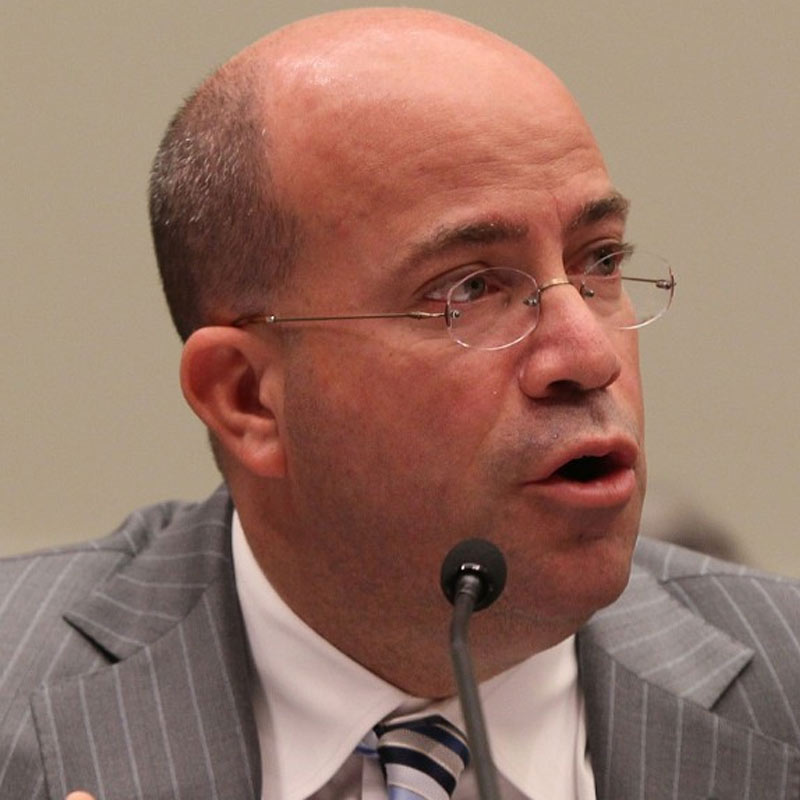
    MUMBAI: Turner Broadcasting System has appointed Jeff Zucker as the president of its multi-platform global news enterprise CNN Worldwide. Zucker will report to Turner Broadcasting System chairman and CEO Phil Kent and will be based at CNN in New York.

    In January 2013, Zucker will assume executive oversight of a portfolio of 23 branded news and information businesses that includes CNN/US, CNN International, CNN.com and HLN and reaches to over two billion people in some 200 countries around the world.

    Zucker takes charge at a time when CNN is facing challenges in the American market, trailing behind Fox and MSNBC. CNN has followed a neutral policy while Fox and MSNBC have a confrontational approach through their talk shows.

    He started his 25-year career with NBC as a researcher for NBC Sports‘ coverage of the 1988 Summer Olympic Games and rose to president and chief executive officer of NBC Universal.

    He was named executive producer of ‘Today‘ in January 1992; under his eight-year leadership, the program was the most-watched morning news show and the most profitable program on television. Zucker went on to executive-produce NBC Nightly News with Tom Brokaw and the network‘s coverage of the Persian Gulf War, the 1993 and 1997 presidential inaugurations and the 2000 elections.


    He was promoted to president of NBC Entertainment, president of the NBC Entertainment, News & Cable group and president and CEO of the NBC Universal Television Group. Currently, Zucker is executive producer of the syndicated daytime show Katie.

    “Jeff‘s experience as a news executive is unmatched for its breadth and success,” said Kent. “He built and sustained the number-one brand in morning news, and under his watch NBC‘s signature news programming set a standard for quality and professionalism. As a programmer, a brand-builder and a leader, he will bring energy and new thinking to CNN. I couldn‘t be happier to welcome him or more excited about what he‘ll accomplish here.”

    “I am thrilled to join the distinguished team of journalists across the worldwide platforms of CNN,” said Zucker. “The global reach and scale of the CNN brand is unparalleled in all of news. Outside of my family and the Miami Dolphins, there is nothing I am as passionate about as journalism. I spent the most rewarding years of my career as a journalist, and it‘s where I look forward to spending many more. I am grateful to Phil Kent for this opportunity, and I‘m excited to return to daily newsgathering and compelling storytelling in a place that values those above all else.”

    The original 24-hour news network CNN has the greatest reach of any domestic news network. The CNN brand on television extends to 100 million households in the U.S. and 265 million households abroad, with significant online and mobile reach and a global newsgathering network with 45 locations.

    CNN signatures include Anderson Cooper 360, The Situation Room with Wolf Blitzer, Piers Morgan Tonight, State of the Union, Amanpour and Quest Means Business, as well as award-winning documentaries, unrivaled breaking news coverage and peerless political reporting.


  • ‘With the launch of the kids channel, we are ready to scale up the verticals’ : Rajiv Sangari- Spacetoon India MD & CEO

    ‘With the launch of the kids channel, we are ready to scale up the verticals’ : Rajiv Sangari- Spacetoon India MD & CEO

    It has been a long wait outside the ring. After building up verticals in the licensing, publishing and merchandising space, Spacetoon has launched its kids channel to combat against multinationals like Turner, Walt Disney and Viacom in the tough Indian market.


    A licensing and merchandising deal with Emerging Media, owner of the IPL winning team Rajasthan Royals, has put the company on a totally different pedestal. Talks are also on with a few other sporting goliaths to expand the L&M portfolio.


    Spacetoon Kids TV, however, will evolve as the prime property and will guzzle over 50 per cent of the company’s Rs 1 billion investment plan.


    In India, the group has floated Kids Media India (KMI), a company that will take care of the TV and licensing business. Kids Animation India is the other arm that will look after the publishing activities.


    The shareholding has also been restructured with Japanese firm Animation International holding 51 per cent stake in KMI. Dubai-based Spacetoon Media Group holds the remaining with a small stake as sweat equity resting with Spacetoon India managing director and CEO Rajiv Sangari.


    In an interview with Indiantelevision.com’s Anindita Sarkar, Sangari talks about the company’s growth plans across the verticals.


    Excerpts:

    What took you so long to launch in India?
    Since the germination of the idea way back in 2004-end, we have spent a long time testing the market. As the Indian economy and the TV industry went on a zoom and prices skyrocketed, we had to rethink our strategies as we were going to occupy a niche space. With distribution, marketing and all kinds of operational spends going beserk as Hindi general entertainment channels got launched, it would have made no business sense to launch a kids channel. Frankly, it would have been a business hara-kiri. Now the prices have corrected and things are much more in control. Despite an overall bleak scenario and a tough advertising market, launching at this moment definitely makes more business sense.

    The shareholding for the Indian venture has changed with Japanese firm Animation International (AI) holding 51% stake in Kids Media India. Was the delay partly caused by this?
    Both Spacetoon and AI have relations since the last 25 years and they have been partnering and co-operating with each other on many businesses together. Hence, changing of the hands in shareholding doesn’t have much to do with any kind of interest level subsiding or increasing. It is a strategic move by both partners of re-strategising and restructuring their operations amongst themselves. Most of the East and South East Asian operations, for example, will be monitored by AI, while most of the Western Asian, European and Eastern European operations will come directly under Spacetoon. I would term this as strategic restructuring.

    Spacetoon was in talks with investors to raise money. Is that plan still on?
    Spacetoon was in talks with a few players and we had already determined 3-4 of them at various stages of our discussions. But most of them wanted to basically take advantage of the position of our fund raising, rather than sharing our passion. Either they wanted majority stake or at some point they wanted us to exit. This did not go with our strategy for India.


    Though we realise that for taking our verticals to the next level we require some support, we are equipped as of now to handle it on our own. But if we get an extra push in terms of a partner who can value our strength, experience and hard work which has gone behind making the company and the brand what it is today, we will definitely look at the possibility. India’s economy and retail can only grow and we have 360 million kids. We require a partner who thinks and aligns with us for long term.

    Did you first focus on developing the licensing, publishing and merchandising platform before stepping into the kids broadcasting space?
    That is the business model Spacetoon has followed in other markets. We are doing the same thing here. For over a period of 3 years now, other than TV launch, we have successfully launched our licensing, publishing and merchandising divisions and are very soon launching our own IP programmes.


    We are glad that we did not divest then. We have done the tough job of laying out a platform for licensing and merchandising. After the launch of the kids channel, the time has come for us to scale up the verticals.

    How much is Spacetoon investing in India?
    We plan to invest Rs 1 billion over three years. Out of this, about 50 per cent upwards will be consumed by the TV operations.

    Why did KMI decide to launch a kids channel when the genre has actually shrunk a bit last year and the revenue size at Rs 150 crore is still too small to take in so many players?
    We need to realise that kids business is not driven completely by TV broadcasting. Unlike general entertainment channels, ad revenue is important but not the only source of income in the kids genre. It’s always the ancillary units like merchandising, publishing, etc. which will help it take to the next level. And TV business is a long term game.

    Kids business is not driven completely by TV broadcasting. Ad revenue is important but not the only source of income in the kids genre. It’s always the ancillary units like merchandising and publishing which will help it take to the next level

    Earlier, Spacetoon Kids TV was looking at investing Rs 250 million for carriage in delivery platforms such as cable TV networks and DTH. However, that number has been scaled down. Why?
    Haven’t others too? It’s simple, the market today doesn’t allow us or anyone to do so. I hear from some sources that most of the top to small TV channels have slashed down their distribution disbursements. And, especially in kids genre, you just can’t support such a large distribution budget.

    The channel is still not well distributed. How are you planning to tackle this and by when do we see it more visible?
    Our focus is not only to tap the Tam cities but also other markets. As of today, our estimates are that we have penetrated over 10 million homes and we expect to do over 15 million by the middle of this year. By year-end, we should be touching 25 million homes. And, don’t forget, it’s only four weeks since we launched. We realise it will take minumum 3-4 months before we start getting visible across all markets.

    What are the distribution deals you with stitched with the MSOs and the DTH operators?
    We are in talks with the direct-to-home operators. As far as cable goes, we are available in some Hathway Cable & Datacom networks. We have also signed up other cable operators, particularly for their digital viewers. Distribution is a gradual build-up.

    Spacetoon Kids TV will have to jostle with seven existing channels to tap into 360 million kids in India. How do you find space in this tough market?
    Each one of us has a different style, programming methodologies, and formats. Our channel will be focusing a lot on moral and social values, packaged with lots of entertainment content.

    What is the different positioning you are taking?
    Spacetoon will divide the day into 10 planets. Unlike running half-hour episodes back to back, we will be giving the kids a mix of several things. There will be fillers which are moral based, messages, ads, packaging, promos, etc. This will ensure a different look during the whole day.

    Do we also get to see localised content as part of the programming mix?
    We definitely are looking towards creating localised programming very soon. This will be mostly live action-based programming. There are discussions going on with various producers to this effect.

    What are your other marketing plans and spends for the channel?
    We will be creating a touch base by tapping thousands of schools in India. We realise that if we have to tap the minds of the kids, there is no better place than their learning ground – school. We are creating a very good value-based school-contact programme, a key area where most of our energy is going to be focused in the first year.


    We will also be having events from April onwards in high public areas like malls.

    What is the revenue Spacetoon is projecting and how does it break up in terms of the channel and other verticals?
    I would not want to put across numbers now. Nobody can predict the forthcoming financials in today’s market. But our major revenue driver will be merchandising, which is in full throttle. Following that are our publishing and licensing activities. As for TV revenue, we are expecting it to start from the later part of the year. It will take us some time to penetrate the market and grab space in the minds of the kids.

    What are your expansion plans in terms of licensing and merchandising?
    We have tapped over 69 licensees in the last 14 months. These are translating into products that will get into the market during the course of this year. We already represent some top companies in the world for licensing and there are few more coming our way in the next few months to make our portfolio more robust and meaningful.


    We observed that our portfolio was tilted more towards the boy category. But now with Hello Kitty and Garfield coming our way, I think we have one of the best characters in the girls genre.

    What are your plans with Rajasthan Royals?
    We are in hot pursuit to come out with products before the first week of April when the IPL kicks off. We have already worked out our strategies to tap the right licensees who will be able to add value to this fantastic brand on the ground level through merchandising.


    We have a three-year deal with Emerging Media and are targeting Rs 200 million of retail business in the first year. Since the time is very short, we are channelising all our resources towards this.


    We are also in discussions with few more goliaths from other sports, especially big international clubs. We hope to stitch deals with some of them soon.

  • ‘Indian promoters have build a scale where they can attract foreign media companies’ : Ravi Sardana – ICICI Securities Limited Vice President

    ‘Indian promoters have build a scale where they can attract foreign media companies’ : Ravi Sardana – ICICI Securities Limited Vice President

     Foreign media companies like Walt Disney and Turner have entered into equity deals with Indian firms to grow their business in India.


    The last two years has seen a spate of equity deals, changing the media landscape in India. Indian promoters have raised money to build scale and also brought in corporate structures.


    In an interview with Sibabrata Das, ICICI Securities vice president Ravi Sardana talks about the immense potential that the media sector offers to investors and the consolidation that is waiting to happen.


    Excerpts:

    Multinational media companies like Walt Disney and Turner had come to India on their own. Why are they now entering into JVs with local partners?
    When the foreign players entered the market, there was no Indian media company of size to attract a buyout. Besides, the market has become too crowded today. It is better for them to build on whatever is available. Managing the government and distribution on cable networks is also difficult.

    Why are the Indian media companies becoming attractive to financial and private equity investors as well?
    Indian promoters have taken their companies to a scale where even Walt Disney and Time Warner have gone ahead to do equity deals with them. The business has become scalable with the opening of multiple platforms. There are also lots of markets in India which are still under penetrated. Media companies can expand their business by entering into new geographies.

    Which are the segments in the media sector that are proving lucrative?
    In the broadcasting space, every big player wants to build a full boutique. Even smaller TV production companies like Miditech and BAG Films are getting into broadcasting. All of this will require funding.


    Distribution is also becoming a big value driver and a new segment that investors have started looking into as the revenue leakages are getting plugged with digitalisation. The regional space is another interesting segment and will see higher growth compared to Hindi and English media. Regional TV has not build scale like print has, but there is a serious interest. Growth is faster in tier-II and tier-III towns.

    But aren’t DTH companies saddled with losses?
    In the short run, they may not be attractive for investors. But DTH service providers are mopping up subscribers. That will add value and open up the space for investors.

    Aren’t investors shying away from cable companies as digitalisation is slow?
    Cas (conditional access system) has been introduced in pockets of Delhi, Mumbai and Kolkata. Consolidation is also happening at the multi-system operator (MSO) level in analogue cable. The process is underway to convert this to digital. We are already getting feelers from investors who are exploring options to put money behind cable networks.

    Since the size and scale of the movie business has shot up, there is a need for capital. While good financing sources for debt are being made available, there is a requirement of providing risk capital for this business

    Only one media company raised money through an initial public offering in 2007. Why are IPOs drying up in the media sector?
    The first wave of IPOs happened when companies like Mukta Arts and Creative Eye tapped the market. It was a pre-matured phase. Now Indian media companies have set up corporate systems from being just promoter-led. But there are not many large media companies that are privately held.

    The economy is slowing down and interest rates are hardening. Do you see media organisations being cash strapped to fund their growth?
    Companies have chalked out aggressive growth plans. They believe the wider pull of channels they have, the easier it will be to sort out distribution issues. But to expand their presence in all genres of broadcasting, they need capital. Fund raising for some companies has definitely slowed down. But they can tap alternate sources of funding like debt, private equity and convertible instruments.

    Is the broadcasting space heading for consolidation?
    In every genre, the top 3-5 channels will make money. There will be a huge competition to reach those levels. We will see some consolidation and there will be pressure to differentiate content.

    Are news channels getting bogged down by a steep rise in operational costs?
    More than operational expense, it is distribution costs that are inflating and going to hurt.

    Is the news channel space getting too cluttered with companies from all sectors wanting to rush into it?
    Historically, the journalist-led channels have done well. Already there is a clutter and there are a large number of strongly entrenched players. New entrants will have a challenging task; they will have to create a new niche space.

    Will there be room for so many regional news channels?
    If they are able to get market share, then in 2-3 years they will break even. The big players can also amortise their costs with the main channels.

    Do you see the other revenue streams growing for news broadcasters?
    The other revenue streams in India are still very small. News channels should focus on kicking in subscription revenues.

    How are the movie companies shaping up in India and what are the challenges they face?
    In the movie business, there are already the four tigers – UTV, Adlabs, Eros and Studio18. Multiplex operator PVR is also into movie production. For a pure film exhibition company, profitability could be range bound. So there is need to enter into other streams like film production and distribution.
    What are the new financing options available for companies?
    For the film business, Indian companies have tapped the Alternative Investment Market (AIM) of the London Stock Exchange. Since the size and scale of the business has shot up, there is a need for capital. While good financing sources for debt are being made available, there is a requirement of providing risk capital for this business.
  • ”Music channels need to differentiate themselves’ : Amit Jain- MTV India managing director

    ”Music channels need to differentiate themselves’ : Amit Jain- MTV India managing director

    Viacom’s channels in India have not had an easy time in the last couple of years. For starters, the music genre has been stagnating in terms of viewership. Nick, which is being given a push now, had also failed to compete with the likes of Turner and Disney.

    The company’s recent focus has been to improve operating margins by removing unproductive costs. It is also looking at its brand solutions business as a way forward.

    Indiantelevision.com’s Ashwin Pinto caught up with MTV India MD Amit Jain to find out more about the company’s growth plans.

    Excerpts:

    MTV globally has positioned itself as a brand solutions provider. What is the strategy to transpose that to India?
    As a backgrounder, we have brands in the music, kids and entertainment space. The challenge is to evolve this into a business model which is viable, profitable and works in the long-term. MTV globally is different from other channels. We don’t believe that we simply air content. We are brands. Our channels stand for a specific brand promise to a specific audience.

    We are not about simply putting a pipe out and putting in content that tests well. We have a whole consumer focus which is investment in consumer insight, investigating tastes and preferences of audiences, their lifestyles. We are then able to take decisions based on insight as opposed to taking a show concept and doing research.

    We looked at whether we could take the attitudes of our listeners which is talent, careers and getting double big results in half the time and use that as an insight into our positioning and channels.

    You have brands, research and most importantly in-house creativity. A typical channel thinks of a show concept and gives it out to a production house.

    We, however, have a deep rooted philosophy where we create our own content. 90 per cent of our content is in-house and this allows us to get more aggressive in our programming. We have only outsourced news from a learning perspective. You have everything from A-Z under one roof. On Nick, while we haven’t done local productions before we now have the confidence to do it ourselves.

    Finally instead of being space sellers our team over a period of time has been very client focussed in terms of offering solutions and client integration. While everybody does it here you have a small repertoire of clients. Our managers sit down and discuss with them. They are invited to meetings.

    Agencies take us for client meetings. We are invited to talk about youth branding. We are in a position to understand consumers and clients requirements when we create solutions in-house. We are not a middleman who puts things together and gives it somebody else.

    We use our VJs, events, international properties to create solutions. We are in a position to create value for clients that goes beyond plain vanilla advertising.

    In this manner, we are feeding of our own competence. Viacom Brand Solutions is a premium service for select clients. We are not going out there and making pitches. We work with clients who seek us out and want to do innovations. Our top 10 clients want to work with us in a more effective manner.

    When was the service launched and who are the clients?
    We launched it in January. We have a roster of over five clients. We have worked with Cadbury’s, Unilever, Nokia. The most interesting one was what we did for xBox.

    xBox invited us to popularise the concept of gaming. With MTV we did a short film. It was featured on MSN’s desktop ads. VH1 created modified videos which had gaming characters. Nick had Jimmy Neutron making gaming simple for children. We extended this to the web and now we are looking at other applications. Nokia wanted to position a phone brand strongly in the music space. We tied up with a band pentagram and they gave us the music score. We invited user generated content and a video was to be created. We were stunned at the sheer creativity of untrained minds. The rub off that VHI and Nokia got through the advertising, on the website was good. VH1 did a creative job of making the first user generated music video in the country. Any of around 50-60 entries could have been used.

    Cadbury’s was very different. They wanted to do an innovation around Bytes. It launched with a new package and on purchase of the package it gave the consumer an opportunity to download an MTV ringtone.

    It brings together our expertise in partnerships in the mobile space, our creative expertise. We got seven mobile operators for this deal and around 85-90 per cent of the country’s mobile users were covered by the promotion. Cadbury’s also asked us to work with agency and create a commercial spot. This is an A-Z solution. The technical delivery across different platforms was very good. We had some operators calling up and complaining that the download of the ring tone was not working.

    Our guys were scrambling in places like Madhya Pradesh where the ringtone was not activated on Idea Cellular. There were tense moments but when it came together it rocked. Most recently we worked with HLL. This was Lux Body Wash. They worked with our team to create music videos. They wanted to own the space of dancing, music. We created a music video for them based on their brand positioning. The music video is called Friday Night Fever. The song was written in-house and produced within our own studios. They have asked to make one more video and this time around we are working with an internationally famous VJ. We have international scriptwriters. While it is early days if clients are saying that they want to do more, it is a pretty good report card. We have three more upcoming projects.

    So a recent media report that says that MTV is looking to outsource ad sales is rubbish?
    Yes! You could not have summarised it better. I don’t know where that came from. It doesn’t make logical sense. The beauty of the Brand Solutions division is that we are not in conflict with anyone. The client and media agency welcome us. We are in a joint venture with the creative agency. It is a truly collaborative effort and we are not substituting anyone at anytime. Brand managers constantly look at ways to activate consumers in a unique way. There aren’t too many options of activating consumers in a relevant manner. We offer solutions to address youth and kids. The solution will never be mass market though.


    MTV globally is in restructuring mode. Is this impacting India in any way?
    We now report directly to MTV international. Earlier we reported to London. Bob Bakish who is the head of MTV International is my boss. There is better focus and we get a lot of support from MTV International. For a lot of our brand solutions we are getting excellent help from our global digital team. There is a lot of sharing of experience.


    Could you talk about the new team that has been put in place?
    This is my favourite topic. The big challenge is that while we have always had a creative team, how do you convert it into a business? We have put in place a completely empowered matrix structure. There are three general managers. They are Ashish, Keertan and Nina. Then you have functional experts – head of ad sales, distribution. The general manager and functional expert jointly run the channel. This is the innovation that we have brought in. I do not make too many decisions.

    I set the policy and hire people. My job is to drive the culture and set a course for the future direction. I look at the vision three months to a year. We are a collaborative organisation. I run a skip level lunch for those who have been with the company for a couple of months. There are no bosses and no hierarchy. Everybody for a secretary to a general manager attends the lunch. We have freewheeling dialogue about how the experience has been. We are a young organisation. All our general managers are in their mid-30s. Sanjeev Hiremath and myself are the only 40 plus grey hairs in this organisation.

    One of MTV’s key goals globally is to increase operating margins. What is the gameplan in this regard in India?
    It is simple. Identify unproductive costs and convert them into productive costs. Drive the yields. We used to outsource 40 per cent of production, editing and post production work. We have invested in an integrated production and editing facility. The easiest thing that I see people do is outsource jobs that they do not want to do. That is not what we are doing. We are among the most cost effective content producers in the country today. We also cut costs. Last year the entire leadership team including myself did not stay in a five star hotel or fly business class. While these measures will not affect the bottomline, they are symbols of the importance of belt tightening.

    We took out overheads and invested them back into the business. We focussed on remunerative clients. We were not afraid of letting clients go who were not paying us a remunerative rate. We improved our client mix in a challenging year. We brought down our inventory by 30 per cent as we wanted to clean the environment. We took down our inventory and took up our use. We now have a strong revenue line on the back of less inventory, We are looking at a high double digit revenue growth.

    Tam data indicates that ratings for music channels are falling. What is the way forward for MTV?
    This is the most important question. The genre has been stagnating for quite a while. So what do you do about it? There is a lot of fragmentation happening in this genre. Last year four more music channels launched. We have held on to our share. Now you have 16 music channels. Typically the leader gets affected. We have however managed to avoid that.

    In difficult times Ashish and his team have done a creditable job in keeping up in the midst of competitive pressures. After eight years what generally happens is that new entrants take bites out of the leader. It is never number three or four that is hit. We however have not been hit despite being the leader. We are sitting on 34 per cent of viewership.

    A few things need to happen. From an industry point of view music channels need to differentiate themselves. This is critical. Being the leader, we have to show the way. Consumers listen to Bollywood music. You cannot be presumptuous and tell them to listen to other stuff like ghazals instead of Bollywood music. Led by consumer insight, we found that for youngsters getting up in the mornings is the most dreary part of the day. Getting a lift is very important.

    So we launched MTV Kickass Mornings. It starts with a high energy promotion with two ninjas. We have hits, humour, horoscopes and health. Most content here is audio driven. For instance health tips like how to cut down on spicy food, how much water to drink are spoken. Whatever you are doing, you will not miss out.

    Music channels get 30 second, 60 second clips as an entry point. As they do not have to pay, they are happy to play them. We are investing in content though. We are doing full length music videos. Thanks to our relationship with music labels we normally get a first look. The entire Kickass Mornings is about new music. From 100 videos a maximum of 30 are chosen. We are offering a newer and richer music experience than anybody else. And we are packaging the whole proposition. MTV helps your day get brighter and better. This is our message.

    We also recently started Soundcheck. As a leader we want to take a call and put our reputation on the line by saying what works and what does not. It is a music ratings service. There are speakers that determine the rating. Music experts are helping us make these choices as to what is emerging music as opposed to what is selling. We are not afraid to take on big names saying that their music is absolute rubbish. Some popular videos have been thrashed by us.

      http://www.indiantelevision.com/sites/drupal7.indiantelevision.co.in/files/styles/large/public/Amit%20copy.jpg?itok=e0oJYruk

    How important is MTV’s reality portfolio in the programming mix and is it mostly males tuning for this?
    Research shows that youth are tiring of fiction. They genuinely see soaps as there is no alternative. If they are given quality programming in their space they will switch despite the presence of single TV homes. Last year we took a punt on ramping up Roadies. There was an 18 city audition and covered 3600 km from Kerala to Kashmir down to Sikkhim. It was niot stage managed. We did not handpick good looking faces.

    There were kids selected by the sheer dint of their talent. We had a fantastic partnership with Hero Honda. Their ability to manage large selection was invaluable. The show had a rating of 1.9 in the metros which is really good for a special interest channel. The Roadies finale got a rating of six. Reality among the urban youth is a conceopt that will work really well.

    How would you describe your relationships with the Indian music labels and film producers who always want more in terms of license fees?
    We have a win-win relationship with them. A lot of labels look at us as an extension of them. That is because we are careful about partners. We see ourselves as a marketing arm. If you look at the likes of Yash Raj Films most of them give us a first look.

    We premiered the making of Tara Rum Pum on MTV. If it is in the youth space, film producers give us a first look. We are not victims of hard bargaining. They see the value we deliver in marketing to the right audiences. We do not have the buyer seller relationship. It is a genuine partnership.

    Could you talk about how taking up social causes like Aids has helped boost MTV’s brand image and perception?
    In terms of perception it come down to whether it is fun and frolic or does MTV have a larger meaning. It adds a reason for our existence. We are now going into an additional initiative and we are taking up the cause of illegal human trafficking on an international level across borders. We are looking to build awareness around that.

    The Indian government recently banned FTV and earlier AXN on the grounds of obscene content. What steps has MTV taken to ensure that its music videos and shows do not offend anyone?
    I must admit that early last year we faced this challenge. We got a notice. Our response was to fly down and apologise. We promised that it would not happen. We later told them why it would not happen.

    The entire MTV team showed them a new system that has been put in place. Since that incident the Ministry has complimented us for the work that we have done.

    I would appreciate your views on the proposed content code.
    This should be formulated by dialogue involving all parties. Accountability should not rest with one party. Besides the broadcaster the content cerator should also be held accountable.

    Could you elaborate on Nick’s strategy to challenge Turner and Disney?
    I am a believer in doing the basics and not trying to do too many things at one time. We will not take on Disney in the South. We have to be a serious player among the first two to three channels in the Hindi Speaking Markets. Now we are not yet there. But six months back we were the number seven market player. Now we are going to be number four.

    In six months the stickiness on Nick has doubled. The time spent has moved form the 50’s to the 90’s. Distribution, time spent, promos are in place. Now we are focussing on marketing and brand building. In the last four months a strong brand building promos are in place. They are not multi crore promos. We did a Bakra Pakdi initiative and got 80,000 entries.

    Nick has appropriate and safe content. We take our responsibility as a broadcaster seriously. We avoid violence. We are the safest babysitter available. If a mother is to leave her child in front of the television it would most likely be Nick. I can say that with confidence. We like to be the best destination for comedy. So Nick is about fun, smiles and seen from a child’s point of view. I would be surprised if we are not number three by the end of the year.

    Has the deal for ad sales with NDTV worked?
    Well our MTV and VHI teams have fared so well people wondered what we were doing. Here is where I come from. When you grow a business you need a portfolio approach. You have to make choices.

    Strategy is about what to do and what not to do. That is what I tell my team. You cannot do a little bit here, a little bit there and hope to succeed. Last year people were shocked that nick did not invest in marketing. We were focussed on building up content.

    Now in the priorities of Nick do we want to make a multi crore investment in a sales team or do we want to put the same money into brand building? We have chosen to do the latter. The deal with NDTV allows us access to several hundred clients for a share of revenue. We have limited resources and we decided to build the brand and let an expert handle client management.

    How is VH1 faring?
    It is a uniquely different brand in the Western music and lifestyle space. There is no brand close to it in this space. BH1 is delivering the highest quality audience in the country. While it may be small it delivers the highest incidence of car, refrigerator, mobile owners etc. We target a high propensity to consume buyers. Clients get no wastage. Its wastage factor is the lowest in the industry.


    On the distribution front what progress has been made to boost the reach of the channels across Asia?
    When we launched in Pakistan late last year people were sceptical. But if you look at it over the last three years with the growth in the Pakistan economy siome disposable income has come into the hands of the youth.

    Economic growth leads to a more Westernised consumption culture. Over the last three to four years the McDonalds, KFCs, Pepsis, Cokes and mobile operators have opened the doors of consumer culture. Their economy is growing as fast as ours. This has formed a middle class.

    The television industry in Pakistan is ad driven. If you do not have consumption expenditure among a large audience you cannot have an ad sales proposition. MTV was also waiting to have enough content to have a sustainable 24 hour channel. Their music video content is as good as ours. Sometimes it is better. We have Indus Television as our partner. We did research about the brand MTV. Will it be rejected? Are there going to be any negative connotations by some elements of society?

    The consequences have been positive. We trained the Pakistan team in terms of promotions, packaging.

    Then we launched Nick in Pakistan with Ary. It launched this year in English. Our markets are all licensing deals except for Pakistan which is ad driven. The tourism economy has helped us grow in the Maldives. A lot of our revenue comes from the resorts there.

    With India going through digitisation with Cas and DTH the time seems ripe to bring in more channels. Are there any plans in this regard?
    We are waiting for the digital platforms to consolidate. Let DTH reach four million homes and then we will examine options. Comedy Central is one channel I would look at bringing in. Spike TV is a channel for men is another as it is a clear differentiator. There is a correct time to do things.

    VH1 launched at the right time. I come back to the point about what I tell my team – strategy is not only about what to do. It is also about what not to do. In hindsight one can say that Nick should not have been launched so many years ago. If the management team at that time was not going to invest in it then the launch should have happened later. It is now that we are investing in it and giving it a clear direction and goals that it is moving towards.

  • Pogo follows ‘Sabrina Down Under!’ on 18 February

    Pogo follows ‘Sabrina Down Under!’ on 18 February

    MUMBAI: Turner’s second offspring in India, Pogo is looking to rake in kids onto the channel this coming weekend with yet another feature film Sabrina Down Under! on 18 February at 2 pm.

    A tactic that the network often implements, last month Cartoon Network aired the second part of the animated Krishna series with Krishna Machan Chor on 26 January, which the network claims drew in hefty ratings.

    The up coming feature narrates the story of Sabrina and a fellow witch – Gwen, who travel to Australia’s Great Barrier Reef for a week long vacation.

    Instead, they find themselves in a situation to help protect a hidden mermaid colony whose habitat is threatened by ocean pollution, and by a local marine biologist, Dr. Julian Martin, determined to find the colony as his claim to fame. While in the process, Sabrina finds romance with Barnaby, a “merman” from mermaid colony, informs an official release.


  • Cartoon Network characters to take over mobile content with ‘CallToons’

    Cartoon Network characters to take over mobile content with ‘CallToons’

    MUMBAI: Cartoon Network New Media has announced that it has created CallToons, a new mobile application that integrates technology with entertainment, essentially allowing Cartoon Network characters to take over a mobile phone.

    According to an official announcement by the network, Cartoon Network New Media has developed CallToons in conjunction with Turner Platform R&D, and has been in discussions with Ericsson regarding concept refinement and content delivery options. The technology takes Cartoon Network New Media into mobile licensing as the product will be available to non-Turner companies in the future.

    At launch, CallToons will feature characters from Cartoon Network and Adult Swim, and will be offered as separate services for each brand. CallToons is targeted to be available to consumers in Q4 2007.

    Using patent pending technology, CallToons creates a user experience that replaces ordinary mobile phone functions (such as ringtones and wallpapers) with an entertainment platform provided by the users’ favourite character.

    CallToons ties together mobile content such as ringtones, ringbacks, wallpapers, and audio and text alerts into a character-driven narrative experience. Cartoon Network New Media will introduce additional functionality to the CallToons application in the coming months, adds the release.

    “CallToons extends our fans’ relationship with our characters in a personal and interactive way through a mobile phone,” said Cartoon Network New Media senior vice president and general manager Paul Condolora. “With this application, we are developing a novel approach to the mobile experience. CallToons is a natural next step for the company and offers limitless cross-platform entertainment possibilities with cartoon characters, celebrities, sports figures and beyond.”

    “CallToons does more than set a character’s voice to a ringtone. CallToons allows a character’s personality to take over the mobile phone’s functionality so that they actually interact with the user and incoming callers in a unique way,” said Cartoon Network New Media senior director of entertainment products Ross Cox.