Tag: Trends

  • India’s Digital Appetite: A Nation’s Search Habits Decoded

    India’s Digital Appetite: A Nation’s Search Habits Decoded

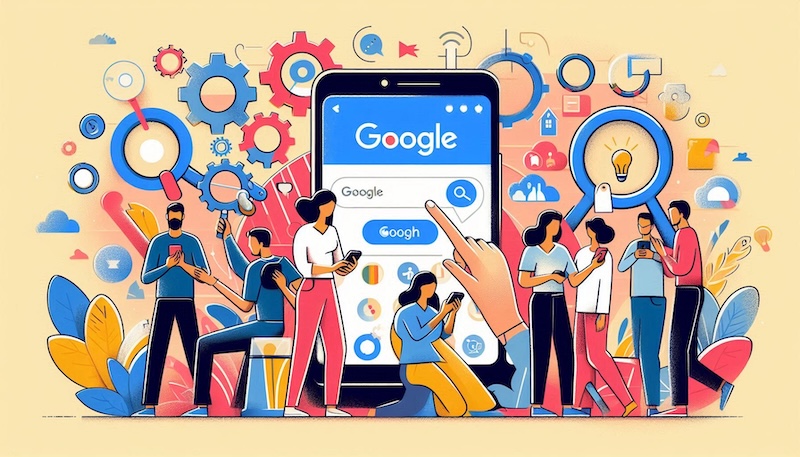
    MUMBAI: Kantar’s inaugural India in Search report has  revealed a comprehensive transformation in Indian consumer behaviour, painting a portrait of a nation rapidly evolving in its digital sophistication. The report meticulously analysed  data curation of Google search trends, further analysed by mapping emerging themes and topics against the Kantar trend framework matrix. The following are some of the trends that have emerged.

    Sport: Cricket maintained its digital supremacy with 223.4 million monthly searches, but the landscape is diversifying. Women’s cricket has emerged as a powerful force, with searches surging 103 per cent. Traditional sports are gaining ground, with kabaddi up 75 per cent and hockey rising 40 per cent. Community sports have seen particular growth, with pickleball emerging as an unexpected contender alongside badminton.

    Technology: The Mobile Revolution Chinese brands command 52 per cent of smartphone searches, with Samsung, Vivo, and iPhone leading overall volume. Premium devices show remarkable strength, with “Pro” versions seeing a 418 per cent surge. The Redmi 13C 5G dominated growth charts with 1 million searches (up 44,000 per cent), followed by Nothing Phone 2A (823,000 searches, up 37 per cent) and Motorola Edge 50 Fusion (673,000 searches, up 30 per cent).

    Health and Wellness: A Holistic Shift Health queries have evolved beyond traditional concerns. Mental wellbeing and skin health have become prominent, with sensitive skin solutions attracting 5 million searches and pregnancy care reaching 2 million. Digital fitness solutions are preferred, with fitness apps (289,000 searches, up 12 per cent) outpacing personal trainers (307,000 searches, up 2 per cent).

    Travel: The New Explorers Alternative destinations have seen searches rise 49 per cent. Lakshadweep emerged as a surprise beneficiary of diplomatic tensions, with searches soaring 268 per cent. Similar growth appeared for Azerbaijan (268 per cent) and Kazakhstan (226 per cent), reflecting Indians’ growing appetite for unexplored destinations.

    Entertainment and Lifestyle The beauty sector showed dramatic growth in searches for hair colours (715 per cent), serums (419 per cent), and gels (40 per cent). Live entertainment has resurged, with concert searches rising 43 per cent for acts ranging from Coldplay to Diljit Dosanjh.

    Dining and Experiences Fine dining searches have doubled, with Bengaluru leading the trend (416,000 searches, up 104 per cent). The rise in experiential dining suggests a maturing consumer palate and increased disposable income.

    Digital Influence:  Domestic influencers and vloggers have captured public interest (3 million searches, up 47 per cent), outperforming global celebrities (2 million, up 24 per cent). Regional celebrities saw declining interest (754,000 searches, down 11 per cent), suggesting a shift in cultural influence.

    News Consumption:  Major headlines drive 41 per cent of all searches, with financial news around Sensex and NIFTY showing strong interest. The report notes a growing sophistication in news consumption, with readers increasingly balancing mainstream sources with independent digital platforms.

    The analysis, covering November 2023 to October 2024, examined over 400 search topics across 15 categories, offering unprecedented insight into India’s digital behaviour. The findings suggest a nation increasingly comfortable with digital technology, yet maintaining distinct cultural preferences in its online engagement

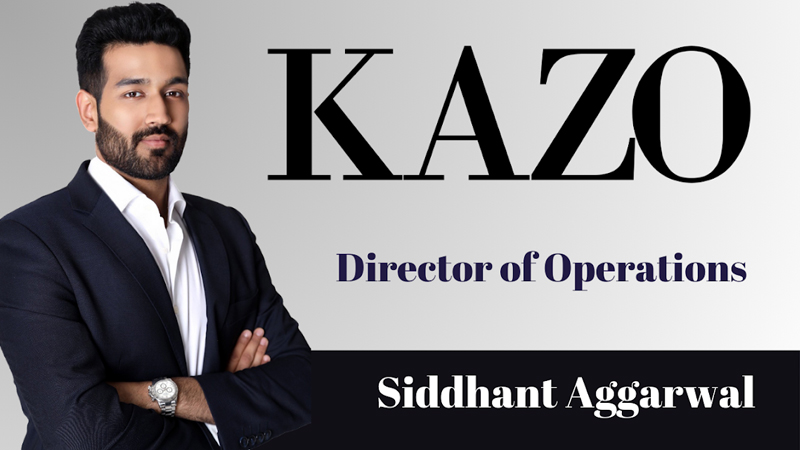
  • “We prioritise eco-friendly materials for sustainable fashion”: KAZO’s Siddhant Aggarwal

    “We prioritise eco-friendly materials for sustainable fashion”: KAZO’s Siddhant Aggarwal

    Mumbai: Women’s fashion around the world is witnessing a significant evolution, spurred by a blend of innovation, sustainability, and customer-centricity. KAZO, a leading women’s fashion brand in Delhi, epitomises this dynamic shift with its fusion of international trends, affordability, and practicality.

    From the ongoing ‘Flower Power Campaign’ celebrating modern women to the brand’s commitment to sustainability and personalised shopping experiences, KAZO continues to redefine the fashion landscape, catering to the diverse needs of today’s fashion-forward women.

    Indiantelevision.com in conversation with KAZO director of operations Siddhant Aggarwal delved into their stand out aspect, their retail operations, strategies, their ongoing ‘Flower Power’ campaign and more…

    Edited Excerpts:

    On KAZO differentiating itself from it competitors

    KAZO distinguishes itself from competitors through a meticulously crafted blend of innovation, quality, and customer-centricity. Our commitment to innovation sets us apart. We continuously invest in research and development, ensuring our products feature cutting-edge designs, innovative prints, and trendy elements. By staying ahead of industry trends, we not only meet but exceed customer expectations, establishing KAZO as a trendsetter in the market.

    Furthermore, quality is ingrained in every facet of our operations. From sourcing high-quality raw materials to manufacturing processes, we adhere to rigorous quality control standards. This unwavering commitment to excellence ensures that each product bearing the KAZO name embodies superior craftsmanship and durability, fostering trust and loyalty among our target customers.

    On approaching operations and strategising at KAZO to ensure the brand’s continued success

    Strategic planning is at the core of our operations. We conduct comprehensive market analyses and competitor assessments to identify emerging trends and opportunities. Through cross-functional team collaborations, we formulate robust strategies that capitalize on market dynamics while mitigating risks. These strategies encompass product development, marketing initiatives, and expansion plans, all aligned with our overarching business objectives.

    Furthermore, we prioritise innovation as a cornerstone of our strategic approach. By fostering a culture of creativity and continuous improvement, we encourage our teams to explore new ideas and solutions. This commitment to innovation enables us to stay ahead of the curve, introducing groundbreaking products and experiences that resonate with our target audience.

    On KAZO managing its retail operations both online and offline to cater to diverse customer preferences

    At KAZO, our retail strategy seamlessly integrates both physical and digital channels to cater to diverse customer base. We prioritize consistency across touchpoints, ensuring a uniform brand experience regardless of the platform chosen by our customers. This entails synchronized inventory management, pricing parity, and cohesive branding elements across all channels.

    By leveraging data-driven insights, we tailor our offerings and marketing initiatives to align with customer behaviors and preferences. Furthermore, to ensure consistency and availability of products across channels, KAZO implements integrated inventory management system, Onebeat.

    KAZO fosters meaningful connections with its diverse customer base through proactive engagement initiatives. This includes social media interactions, loyalty programs, innovative online campaigns, and in-store events designed to resonate with different segments of the target audience.

    On the ongoing ‘Flower Power Campaign’ and KAZO’s execution of this on-ground activation; and the impact that you anticipate it will have on brand engagement and sales

    The ongoing ‘Flower Power Campaign’ by KAZO transcends being a mere showcase of exquisite prints and vibrant blooms; it’s a heartfelt celebration of today’s modern women—those who radiate confidence, elegance, and grace. With models walking through bustling mall pathways, each carrying an exquisite KAZO tote bag brimming with flower bouquets, it’s not just about handing flowers; it’s about offering a moment of joy, a token of appreciation for the multifaceted woman. The aim is to make every woman feel valued, celebrated, and empowered when they walk through our doors, recognizing that true style isn’t just about what you wear; it’s about how you feel when you wear it.

    The campaign has received accolades from diverse audiences for its uniqueness and innovation. Having successfully executed the event in two malls where our stores are located, we are excited to expand and showcase this campaign in more areas nationwide, anticipating a significant impact on brand engagement and sales as we continue to connect with our audience on a deeper level.

    On KAZO maintaining a balance between affordability, sustainability, and practicality while offering a fusion of international trends to Indian women

    At KAZO, maintaining a delicate balance between affordability, sustainability, and practicality while infusing international trends into our offerings for Indian women is paramount. With a customer-centric approach, our designs are meticulously tailored to meet the diverse preferences of our customers. While we remain abreast of global fashion trends, we continuously introduce new product ranges, absorbing associated costs to ensure added value for our customers without compromising quality or affordability.

    Emphasizing our commitment to sustainability, we prioritize inclusion of eco-friendly materials such as BCI cotton, recycled polyester, and natural fabrics, further minimizing our environmental footprint. By integrating recycled materials into our designs, we actively contribute to resource conservation and waste reduction, underscoring our dedication to both style and sustainability.

    KAZO also understands that practicality is key for everyday and occasion wear. While staying on-trend, we design clothing that is comfortable, functional, and suitable for diverse occasions. Be it for work, social scenes or glamorous evenings, our versatile pieces can be easily styled for different settings, ensuring proper sizing and fit.

    On the unique challenges and opportunities that KAZO encounters while catering to the modern Indian woman’s fashion needs

    Challenges

    ●    Rapid shifts in fashion preferences and evolving shopping habits require constant adaptation to meet changing consumer demands.

    ●    By competing with a multitude of fashion brands in India’s competitive market, this demands unique differentiation strategies to carve out a distinctive niche.

    ●    Ensuring environmentally responsible production practices while maintaining affordability poses logistical and cost challenges for KAZO.

    ●    Addressing the diverse fashion preferences across different regions of India requires tailored marketing and product offerings to effectively reach target audiences.

    Opportunities

    ●    With a brand ambassador onboard, there is an opportunity to leverage their influence and reach to enhance brand visibility and credibility.

    ●    Implementing data-driven personalisation across online platforms, seamlessly integrating loyalty programs, CRM, and exclusive offers to enhance the in-store experience and build long-lasting customer relationships.

    ●    Leveraging sustainability, including eco-friendly materials, ethical production, and circular fashion practices, aligns with current consumer preferences and can set KAZO apart in the international market.

    ●    Offering personalized shopping experiences and customizable products can enhance customer satisfaction and loyalty, setting KAZO apart in the market and fostering deeper connections with consumers.

    On the emerging women’s fashion trends that you foresee, shaping the industry in the upcoming seasons

    1.   As Gen Z consumers are taking center stage, the demand for their preferences is on the rise which focuses on prioritizing comfort, lightweight and breathable fabrics, and durable, premium-quality clothing.

    2.   The pandemic highlighted the importance of local businesses and production. Some consumers are prioritizing locally-made and sustainable products, creating opportunities for homegrown fashion brands like KAZO.

    3.   Circular fashion practices, including recycling and upcycling, are becoming more prominent as sustainability takes center stage.

    4.   The adoption of eco-friendly materials, ethical production practices, and transparent supply chains becomes pivotal in satisfying consumer expectations for conscious clothing.

    5.   AI-powered personalisation will enhance the shopping experience, offering tailored recommendations and improving customer satisfaction.

  • Purna Gummies products are known for their appealing taste and chewy texture

    Purna Gummies products are known for their appealing taste and chewy texture

    Mumbai: Revolutionizing healthcare, Purna Gummies, a prominent nutraceutical company based in India, is making wellness irresistibly delightful. Their adorable bear-shaped gummies are not just a treat for the taste buds but a powerhouse of essential vitamins and minerals.

    Established in 2021 in New Delhi, Purna Gummies is the only vertically integrated brand in the gummies market. With a commitment to innovation, quality, and customer satisfaction, they are on a mission to make healthcare enjoyable and accessible for all.

    Indiantelevision caught up with Purna Gummies founder Dr Archana Gupta. With a distinguished medical background specializing in Gynecology, Dr. Gupta. Supported by her family’s expertise, she pioneers the creation of delicious and nutritious bear-shaped jelly gummies, revolutionizing the nutraceutical industry with her vision for accessible and enjoyable wellness solutions.

    On the Purna Gummies officially launching and introducing to the market

    Purna Gummies was officially introduced to the market in 2021. Ever since its inception, we have been proud to bring our products to the market to make a positive impact on the well-being of our customers.

    On Purna Gummies’ USP  

    There are a few USPs of our novel manufacturing technology that I would like to highlight.

    a. Our new technology of oil coating the gummies gives the product a smooth texture, without any rough coating of starch, sugar, or sour acid.

    b. The gummies are manufactured using the Delayed Heating Method which ensures that the gummies have uniform moisture chewiness and softness throughout.

    c. Our core competency is taste and presentation. We’re able to achieve bright lively colours and gummies without any bitterness.

    On Purna Gummies leveraging AI in the development and formulation of its products

    We use the power of artificial intelligence to enhance taste and maximize the effectiveness of our products, differentiating us from other gummy brands. The delicate balance required in formulating nutraceutical gummies is achieved through advanced analytical capabilities provided by AI. By processing vast amounts of data related to ingredient interactions, nutritional science, and consumer preferences, AI enables us to optimise formulations with unprecedented accuracy. This data-driven approach ensures our products are not only scientifically sound but also align with the evolving demands and preferences of our consumers, resulting in a uniquely satisfying and effective gummy experience.

    On the Purna Gummies utilising advertising and media strategies to enhance brand visibility and expand its reach to a broader audience

    We employ a comprehensive approach to enhance brand visibility and expand our reach to a broader audience. Influencer marketing plays a pivotal role as we collaborate with influencers to showcase the benefits of our products authentically. PR and media coverage further contribute to creating awareness and credibility. Our strong social media presence ensures continuous engagement with our audience, fostering a sense of community. Additionally, product sampling allows us to provide firsthand experiences, building trust. Through these advertising and media strategies, we aim to establish a widespread presence, connecting with diverse consumers and making Purna Gummies a household name.

    On the ways the brand adapting its social media strategy to align with evolving trends and changes in the digital landscape

    To adapt our social media strategy and align with evolving trends and changes in the digital landscape. Purna Gummies embraces several key approaches, they are as follows:

    1. We keep track of the emerging platforms and trends.

    2. Staying updated on social media algorithm changes.

    3. Encouraging user-generated content.

    4. Leveraging influencer marketing trends.

    5. Embracing visual and interactive content formats.

    6. Using data and analytics to optimize strategies.

    7. Experimenting with new features and trends.

    8. Maintaining authenticity and transparency.

    On observing any notable trends or shifts in consumer preferences toward gummy products

    Certainly! There has been a noticeable and positive trend in consumer preferences towards gummy products in recent years. Here are some key observations:

       Health and Wellness Focus: Consumers are increasingly prioritising health and wellness, and gummy products often align with this trend. Many consumers perceive gummies as a fun way to incorporate beneficial ingredients like vitamins, minerals, and supplements into their daily routines.

       Convenience and Accessibility: Gummy products offer convenience and accessibility, especially for individuals with difficulty swallowing pills or capsules. They provide a convenient alternative that is easy to consume on the go, making them popular among busy lifestyles.

       Variety and Customization: Purna Gummies has responded to consumer demand by offering a wide variety of gummy products catering to different dietary needs, preferences, and lifestyles. This includes options for vegan, gluten-free, and sugar-free gummies, as well as formulations targeting specific health concerns.

       Taste and Texture: Purna Gummies products are known for their appealing taste and chewy texture, which enhances the overall sensory experience. This makes them enjoyable for both adults and children, contributing to their popularity across diverse demographics.

       Social Media Influence: Social media platforms have played a significant role in popularising gummy products, with influencers and wellness enthusiasts often endorsing them as part of their daily routines. This exposure has helped increase awareness and drive consumer interest in gummy supplements and snacks.

       Innovative Formulations: At Purna Gummies we are continually innovating and introducing new formulations and flavours to keep up with consumer preferences and market trends. This includes incorporating trendy ingredients, such as CBD or adaptogens, into gummy products to appeal to health-conscious consumers.

    Overall, the positive trend toward gummy products reflects a growing consumer appreciation for convenient, enjoyable, and health-promoting options in the market. As manufacturers continue to innovate and respond to consumer preferences, the popularity of gummy products is expected to further increase in the coming years.

    On whether Purna Gummies engaged in influencer marketing on social media If yes, how are influencers selected, and the role that they play in promoting the brand

    Yes, at Purna Gummies, we actively engage in influencer marketing on social media as a key component of our strategy. Influencers are selected based on various criteria, including their alignment with our brand values, target audience relevance, engagement metrics, and authenticity. We seek influencers who genuinely resonate with our wellness-focused products. They create engaging content, share personal testimonials, and highlight the unique features of our products. This collaboration helps us reach a wider audience, build trust, and establish a genuine connection with consumers through the influencer’s credibility and reach on social media platforms.

    On the ways digital marketing facilitates the integration of Purna Gummies into e-commerce platforms

    To seamlessly integrate Purna Gummies into e-commerce platforms, we focus on using digital marketing strategies that embrace technology across various aspects of our business. Our commitment to cutting-edge technologies, including AI-driven solutions, optimizes product formulations with enhanced accuracy and precision. This agility allows us to swiftly respond to emerging health trends and consumer preferences. We harness the power of digital platforms for marketing, employing social media campaigns and forging influencer partnerships to establish a robust online presence. Exploring immersive technologies like augmented reality (AR) or virtual reality (VR) enables us to provide unique and interactive experiences for our customers, enhancing the e-commerce journey and fostering brand loyalty.

  • GUEST ARTICLE: How to stay competitive in the growing world of influencer marketing

    GUEST ARTICLE: How to stay competitive in the growing world of influencer marketing

    Mumbai: If you reflect ten to twelve years, affiliate marketing was a reliable method of reaching your target audience on the internet. Traditionally, affiliate publishers and web portals were the primary channels through which brands competed for customers. Trends, however, are subject to cyclical changes, aren’t they?

    Nowadays, brands are looking for influencers who can promote their products on social media. The effectiveness of influencer marketing was questioned five or six years ago, but now brands are willing to pay a lot to connect with the right influencers through agencies.

    According to our experience with affiliate marketing and influencer advertising, influencer marketing is a mixed form of affiliate marketing and celebrity endorsements. Influencers are now able to leverage their power through the creation of engaging brand-centric content. As part of our mission, we strive to connect with like-minded customers and to provide them with a better customer experience.

    Powerful influencer platforms

    Curated newsletters have taken off over the past few years. It’s common for business influencers to promote articles through newsletters on social media like Twitter and LinkedIn. You’ll likely come back for more as you read.

    Eventually, you’ll gain trust in the sources of information in the content, and their words will be able to influence you. When they promote a product or service, a buyer might buy it. You should send out newsletters and blog posts.

    The old ways of marketing can’t get you brand awareness anymore. Be sure to take advantage of influencers who are influencing your target audience.

    Get an edge on your competition with influencer marketing. To help you start influencing people with your products and services, here are some tips:

    • Ensure your influencers are legit

    Influencer marketing follows the same principles as other forms of marketing. Getting to know your audience members is key to providing anything of value to them.

    Make sure you segment your target audience based on their interests. Pick influencers who can attract those people instead of those whose reach will do it. Any relationship you have with an influencer should be based on relevance. 

    If you pick an influencer with a similar target audience to your brand, you’ll be able to reach the right people. Consumers 92 per cent of the time trust you as an authoritative source and recommend you to friends and family. Many followers of influencers consider their videos, photos, and posts to be endorsements.

    • Make your influence niche-specific

    Marketing with influencers can reach millions, but you won’t get as much for your money as with other “mass” marketing strategies.

    Try looking for smaller influencers and followers instead of big ones. It’s often more likely that they have engaged and dedicated fans. Their communication should also be tailored to the audience and generate responses.

    Many brands use this approach. This campaign wasn’t designed to maximise ROI but to expand the brand’s social footprint, which can pay off financially.

    • Mix your content correctly

    You can reach different audiences with influencer marketing, just like with content marketing. Make sure you’re not just using Instagram and Snapchat for short-form content. These platforms don’t just have viewer influence; you shouldn’t rely on them exclusively.

    See if long-form content offers you more opportunities instead. By using sites like Medium, you can find the right balance rather than focussing on one type of content exclusively. A platform like medium lets your audience dig deeper into topics than Snapchat and Instagram.

    Curating your marketing collateral is always a good idea, and a good collection provides various content. You can further the discussion with pictures, videos, articles, and even emails.

    • Make give-aways free and valuable

    No one can deny that people love freebies. Ensure your influencers are hosting giveaways so your target audience will be attracted to your content.

    It will help to encourage participants to follow your account and comment on your posts, and it may get more engagement. Customers will return to your business after sampling your products and getting to know your brand.

    37 per cent of the time, consumers buy stuff based on recommendations from social influencers. The social proof of influencers is one of the reasons consumers trust them. There is a chance these strategies will boost sales, so they are worth a shot.

    Conclusion

    A marketer’s arsenal of marketing strategies is growing more powerful with the use of influencers. It will help if you learn how to use it properly to be able to use it effectively. It takes considerable time, effort, and research to identify the right influencer to promote your brand. Once you have achieved the proper balance for your bottom line, it may be a divine match.

    The author of the article is PDP Media founder and CEO Raushn Jha.

  • VidNet 2022: Advertising On OTT – the way forward for the industry

    VidNet 2022: Advertising On OTT – the way forward for the industry

    Mumbai: The OTT ecosystem in India is growing every day with new players coming into the fray and novel, edgy content being churned out. The way we look at online streaming is also changing. Today the market has 40 odd players including regional players. For these platforms to sustain, there are two ways- one: is the AVOD, that’s advertising-supported and the second is the SVOD which is subscription-supported. In a market like India, SVOD remains a challenge. Even as the OTT subscription market in India continues to grow at a gradual pace, it remains an exciting prospect for an increasing number of marketers and advertisers who are keen to promote their brands and ads on these emerging platforms.

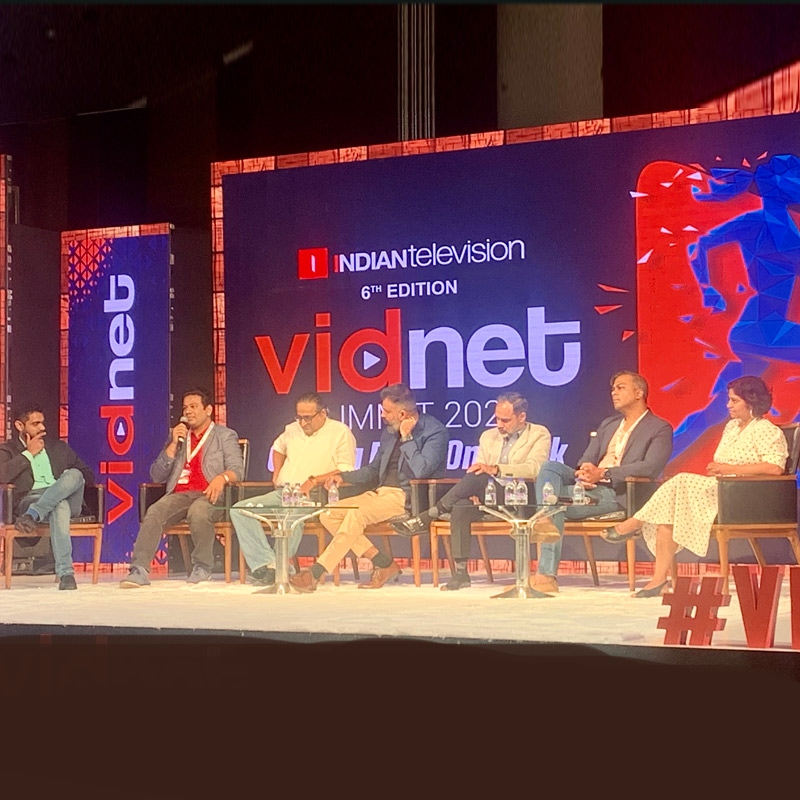
    The sixth edition of IndianTelevision.com’s annual VidNet Summit took an in-depth look at the way forward for the OTT ecosystem and all the platforms on it, and the opportunities and the challenges in the space.

    The two-day summit had technology partners Dell Technologies and Synamedia, summit partners Applause Entertainment and Viewlift, industry support partners Gupshup, Lionsgate Play and Pallycon, community partners Screenwriters Association and Indian Film and Television Producers Council, and gifting partner The Ayurveda Co.

    Day one of VidNet 2022 saw an interesting mix of sessions on the subject of advertising on OTT from industry experts and stakeholders on the various panels. The panel on ‘Advertising On OTT – Connecting The New Brand Order’ oversaw bristling conversations from panelists that included MediaCom chief product officer Averill Sequeira, Swiggy head of brand marketing Saurabh Nath, Zee Entertainment Enterprises chief revenue officer-Digital & SMB, South Asia Gaurav Kanwal, ITC head media & PR Jaikishin Chhaproo, Byju’s brand and creative strategy vice president Vineet Singh and Syska Group head of marketing Amit Sethiya. The session was moderated by Madison World vice president Kosal Malladi.

    Today data has become a complete commodity with large OTT players like Netflix, Prime Video, Zee5, Hotstar, Sony liv etc coming in, observed Malladi. Recently Netflix declared that it has decided to support advertising. The advertising revenues on these platforms in the last four years have grown by 400 per cent, Malladi shared. So will the subscription model stay or perish in India? Also, as brands are the numbers large enough for advertising on AVOD?

    According to Zee’s Gaurav Kanwal, the OTT industry in India is in its infancy. “There’s a huge AVOD play for sure, with increased reach more brands will come on board. On the SVOD side, as the economy progresses, people will pay for varied content that they can watch at their convenience. We already have about 70 million people paying for content on various OTTs across the board,” he said while adding, “As we evolve as an ecosystem, the pricing models will evolve as well and then we shall see a massive upswing in the SVOD subscriptions. It will be difficult to sustain only on the back of SVOD so an advertising-supported hybrid model will be the way forward.”

    Speaking about how OTT has caught the attention of brands, Syska’s Amit Sethiya said, “We have started exploring OTT from the last three to four years and the money that we are putting in it is increasing year on year in the entire media mix. From single-digit investment in the medium about four years back the brand has now expanded to double-digit investment. We are in a position to fetch incremental audiences with this new avenue and connected TV is aiding the entire process.”

    The role of agency here is more of a consultant or facilitator, rather than a gatekeeper in bringing the two worlds of brands and the rich, emerging ecosystem of OTTs together, MediaCom’s Averill Sequeira averred. “Am very bullish about the OTT sector, the pace at which they are growing, especially the phenomenal growth, regional OTTs and the void they have fulfilled in terms of quality content. They have opened people’s minds to new forms of storytelling.”

    Sequira spoke of two ways to validate OTT reach and audience. “As far as programmatic is concerned it is simpler as you’re buying the audience and not inventory on the platform. But where programmatic is not available, she encouraged all stakeholders to actively seek metrics such as search volumes, brand recall, and social chatter to serve as ‘proof of the pudding’.”

    On what attracted FMCG brands to OTT, ITC’s Jaikishin Chhaproo explained that their primary target audience is women. “We knew most women were missing the first telecast of their favourite shows and watching repeat telecasts. When that consumption moved to OTT they could watch it at their convenience on hand-held devices, rather than by appointment viewing as on TV. OTT provided that platform seamlessly,” he said, adding that “the other huge chunk of their TG is the youth 18-40, who watch differentiated on OTT only and who aren’t interested in appointment viewing. This age group that forms the core TG of FMCGs is also present on OTT.”

    Swiggy’s Saurabh Nath pointed out that for a food tech brand, the consumer journey is key as there are specific times of the day when food is relevant to their lives. “One can only increase their ‘desire to action’ by building awareness via advertising but one cannot expect immediate action. The kind of marketing that we are talking about is changed and is different when it comes to tech and D2C from that of FMCGs as the cycle is much more condensed,” he said, adding that, “the attribution for the FMCGs was very clear, that the brand will build over a period of time.”

    Nath shared three-pointers on brand equity for any brand to perform well- saliency, meaningfulness, and differentiation. Putting the ad on an OTT may give the brand salience but the outcome in terms of recall, engagement and differentiation will depend on one’s campaign relevance. The industry stakeholders agreed on the importance of “tracking the right metric” for the same.

    For D2C brands like edtechs, content marketing is the way to create love for the brand, affirmed Byju’s Vineet Singh, adding, “We need to figure out what works for us and what doesn’t as marketers first- Brand recall, salience, relevance etc.” Going back to basics is important such as understanding what our requirement is, instead of unnecessarily complicating. We’ve evolved from a world where just pushing the narrative is going to work. Creative excellence from a brand is important.”

    Investments in content continue to burgeon as viewers’ insatiable appetite continues to demand more and more. With all agreeing that OTT’s a high-growth industry with everyone wanting ‘a piece of the OTT pie,’ panelists agreed that the end goal/objective has to be clearly defined for the brand or a particular campaign. Cookie-cutter branding is not going to work for brands.

    It was agreed that OTT platforms need to take some responsibility too, even as marketers need to own it, for ‘passive integration’ will not work. With nearly 18-20 percent of FMCG’s money for television going to OTTs today, expectation setting needs to be clear and realistic.

  • Vidnet 2022: Gen-Z, millennials driving OTT consumption pattern along with non-urban audience, says Carat report

    Vidnet 2022: Gen-Z, millennials driving OTT consumption pattern along with non-urban audience, says Carat report

    Mumbai: The OTT ecosystem in India has been evolving by leaps and bounds in recent times with amazing and diverse content being churned out on the plethora of platforms on the connected web today. Even as the OTT subscription market in India continues to grow at a gradual pace, it remains an exciting prospect for an increasing number of marketers and advertisers who are keen to promote their brands and ads on these emerging platforms.

    IndianTelevision.com organised the sixth edition of its Annual Vidnet Summit with an aim to have an in-depth look at the way forward for the OTT ecosystem and all the platforms on it, and the opportunities and the challenges in the space. The two-day summiit had technolgy partners Dell Technologies and Synamedia, summit partners Applause Entertainment and Viewlift, industry support partners Gupshup, Lionsgate Play and Pallycon, community partners Screenwriters Association and Indian Film and Television Producers Council and gifting partner The Ayurveda Co.

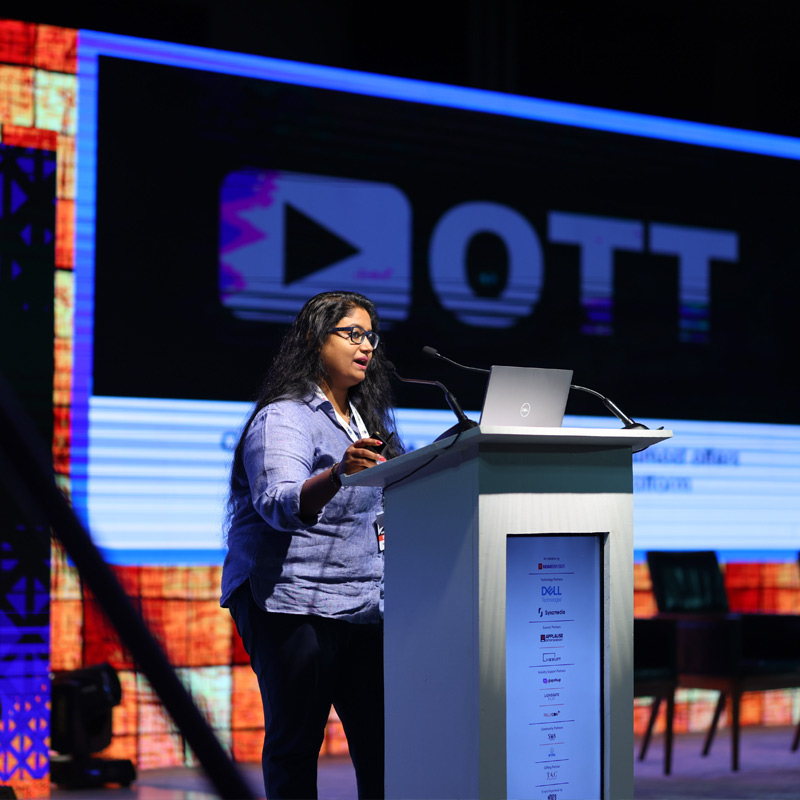
    The first day of Vidnet 2022 saw an interesting mix of sessions on the subject with bristling conversations from industry experts and stakeholders on the various panels. The day’s sessions kicked off with an informative report on ‘OTT Consumption & Advertising Trends’ presented by Carat India associate vice president- strategy Sayami Podder. The report provided insights on the key factors that have driven the growth in the space such as OTT first releases, low subscription cost, regional content, live events and Connected TV. The report also looked at who is driving the growth and estimated that the large potential audience base of 70-80 million paid subscribers comprises the age group of 15-35 years, while amongst women consumption is driven by the 25-35 years age group.

    The report also estimates that the viewing time spent on these streaming platforms have gone up from two hours pre-covid to 4.45 hours, even as the minutes of consumption have spiked from 181 to 204 billion minutes in 2021.

    Video consumption of non-fiction content beyond television on streaming platforms is also on the rise, as per the report, with the viewership for such series on Netflix alone growing by over 250 per cent.

    Digital viewership of non-cricket sports too saw an increase of 310 per cent, according to the report, while the IPL audience is expected to become even bigger with a 20-30 per cent spike in match watch time over IPL 2021 on Disney+ Hotstar.

  • GUEST COLUMN: Top marketing trends brands may need to adopt in 2022

    GUEST COLUMN: Top marketing trends brands may need to adopt in 2022

    Mumbai: With the rising internet and smartphone penetration and social media usage, especially in tier-II and tier-III cities, the way brands engage with their clients has irrevocably changed. Digital adoption has been the primary focus for marketers in 2021, with a myriad of trends appearing in the marketing industry, including growing online shopping, technology-integrated operations, and so on. With this backdrop in mind, here are some of the most essential marketing trends to watch in 2022.

    Influencer marketing

    Once known as an additional leg to a brand campaign to gain social media visibility, influencers have expanded their audiences and now are driving the communication strategy for many brands. Millennials and Gen Z customers religiously follow influencers on social media, considering them to be highly relatable in terms of content they share. Various brands are already banking on this trend, collaborating with influencers to promote their products and services. The coming months will see more marketers and advertisers follow suit increase brand exposure and garner fans from the influencer’s audience. In fact, several businesses are developing technologies that will enable influencers to create their D2C brands, resulting in creating a micro-entrepreneur ecosystem.

    First-party data will become relevant

    Until recently, most marketing platforms have relied on third-party cookies to collect consumer data. These insights help them understand the evolving shopping patterns of customers and accordingly modify their ongoing marketing activities. However, with rising privacy concerns, the new legislation has initiated restricting the use of third-party consumer data sources. Given this, first-party data will become more relevant than ever. As a result, organisations should enhance their existing data practices and partner with platforms that have extensive first-party data. Doing so will not only give them access to quantitative insights but also help them craft innovative marketing campaigns that are tailored to the intent of consumers.

    AI-powered conversational marketing

    As technological advancements continue to evolve, consumer behavior, interests, and expectations will keep changing at an accelerated pace. Today’s consumers aren’t satisfied with simply appealing websites or products. They are always looking for something new, desiring more personalised, engaging, and immersive shopping experiences. Brands must therefore modify their customer interaction strategies to generate interest, engage buyers, and convert demand to flow in sync with the new customer journey.

    Many brands are implementing conversational AI technologies such as chatbots and voice assistants that can understand and speak vernacular to provide an enhanced experience and strengthen brand-customer relationships.

    Short-form content

    Long-form videos make consumers reluctant to watch and consume content about the brand and its products, pushing them away rather than attracting and retaining them. But fitting well with the fast-paced attention spans of Millennials and Gen Z consumers across several demographics, short videos have gained substantial traction, contributing to an overall increase in e-commerce. As a result, major e-commerce platforms are shifting their focus to short-form content to create more engaging purchasing experiences.

    Mobile-friendly digital experiences

    With over 600 million internet users in India, it’s no wonder that people are spending more time on their smartphones and tablets. And, as millennials and Gen Z audiences, who like to explore and buy across a range of devices, increase their purchasing power, the problem of providing a & seamless experience across all devices — particularly on mobile — will get more complicated. So, it is pivotal for marketers to recognize that mobile-friendly digital experiences are more important to consider, and accordingly create meaningful user experiences to drive brand awareness.

    Conclusion

    The Covid-induced quarantine and consequent isolation have redefined the consumer expectations and how they interact with brands. Improving customer satisfaction is the most accessible approach to distinguish yourself from the increasing e-commerce crowd. And catalysed by the pandemic, the aforementioned trends will continue to thrive in 2022, which is why you should start experimenting with different advertising strategies to keep customers happy and delighted at every point possible.

    (Vijay Kumar Mikkilineni is TCL India marketing head. The views expressed in the column are personal, and Indiantelevision.com may not subscribe to them.)

  • #Retrace2021: Entertainment trends that swept the media industry in 2021

    #Retrace2021: Entertainment trends that swept the media industry in 2021

    Los Angeles: As the credits roll on 2021 and the curtain prepares to rise on 2022, we’ve put together a few previews of entertainment trends to look forward to in the coming year and beyond. The convergence of new technologies, increasing domination of smart devices like smartphones and smart TVs, 5G internet, the growing demand for streaming content combined with the omnipresent Covid lockdowns have been the driving forces behind these trends.

    OTT STREAMING SERVICES

    The global over-the-top (OTT) streaming industry is booming. According to a report published by Research Dive, the OTT market is expected to generate a revenue of $438.5 billion by 2026, growing at a compound annual growth rate (CAGR) of 19.1 per cent. The outbreak of Covid-19 has contributed to this growth, however, leading players are focusing on developing strategies to bolster growth in a post-pandemic market. Netflix leads the pack of providers with 35 per cent of the global OTT streaming market share followed by Disney+, Hulu, ESPN+, Prime Video, and HBO Max.

    SOCIAL VIDEO

    By 2022, it is estimated that online videos will make up more than 82 per cent of internet traffic. These clips may be short, only 30 seconds or so long, but the ones that go viral have been viewed over a million times. Social media platforms such as Facebook and YouTube have been trying to retain the social video throne but rising star TikTok is working hard to overthrow them benefitting from Gen-Z users during the Covid lockdowns. Growth has also been seen on Instagram which has been putting a heavy focus on optimising users’ video experience. Likewise, LinkedIn users are increasingly preferring video content over other types of posts. Twitter, Snapchat, and Vimeo are also seeing a significant uptick in video content. However, no matter which platforms are able to increase their share of users, one thing is for sure: social videos are here to stay.

    CLOUD GAMING

    The ability to play the best video games out there without the need for a console has now become a reality and has pushed this industry forward. There are estimated to be about 3.2 billion gamers in the world and very few have the hardware required to play the latest, most demanding games. Cloud gaming solves this problem by streaming video game content from remote servers to your device. The range of video games is extensive from casino to adventure. Major offerings include Nvidia’s GeForce Now, Google’s Stadia, Sony’s PlayStation Now, and Xbox’s Project xCloud. It’s new and evolving technology but a growing trend to watch for in 2022. According to a report published by Allied Market Research, the global cloud gaming market generated $244.8 million in 2020 and is expected to reach $21.95 billion by 2030, seeing a CAGR of 57.2 per cent from 2021 to 2030.

    PODCASTS

    The number of people listening to podcasts in 2022 is expected to grow to 164 million and that’s just in the US alone. Podcasts have taken off and are no longer considered a hobby but a legitimate business model with new opportunities for brands and businesses. In a world where influencers are kings and people trust them more than traditional outlets, podcasts have been an effective way for their hosts to grow their influence and share their niche viewpoints and knowledge on specific topics. In addition, with increasing tolerance for advertising – a recent survey by Nielsen found 78 per cent of listeners don’t mind sponsorship ads – podcast ad revenue is expected to grow to $1.33 billion in 2022. Now, big-name companies like 20th Century Fox and Spotify are jumping onto the podcast bandwagon, backing and developing content and, in the process, increasing the production quality and value.

    GAME STREAMING

    Game streaming has been around since the early 2000s but now is gaining traction. It involves the streaming of video games where people broadcast themselves playing games to a live audience online. Professional streamers often combine high-level play and entertaining commentary and earn income from sponsors, subscriptions, ad revenue, and donations. Game streaming became popular on the US-based site Twitch before growing to other sites particularly in China.

    In 2014, Twitch was acquired by Amazon and since then it has experienced explosive growth. In Q1 2020 alone, Twitch had more than three billion hours watched, 100 million hours streamed, and an average of 1.4 million concurrent viewers, firmly cementing it as the number one platform for game streaming worldwide.

    THE KOREAN WAVE

    The Korean Wave or “Hallyu” refers to the rise in South Korea’s growing international popularity for its culture encompassing dance, music, TV dramas, movies, food, and more. In 2012, the music video for “Gangnam Style” by recording artist PSY was one of the first Korean hits to go global, became the first YouTube video to reach one billion views, and spun off an international dance craze. K-Pop bands exploded onto the music scene in the early 2000s and currently boy band, BTS is South Korea’s biggest cultural currency whose sales rival big names like Ariana Grande, Taylor Swift, and Billie Eilish.

    In 2020, South Korea’s black comedy thriller, ‘Parasite’, written and directed by Bong Joon-ho, won a leading four awards at the 92nd Academy Awards: Best Picture, Best Director, Best Original Screenplay, and Best International Feature Film, becoming the first non-English language film to win the Academy Award for Best Picture.

    Now, this September, ‘Squid Game’, the South Korean survival drama series quietly premiered on Netflix and then took off like a rocket ship. With more fans coming on board every day, Bloomberg has reported that the show will bring in $900 million for Netflix (it was produced for 21.4 million). The Korean Wave is going strong and worldwide fans are enjoying the ride.

    It will be interesting to see how some of these trends fare in a post-pandemic world but, at least for now, we have come to value these forms of entertainment just as the devices we access them from – our mobile phones, smart devices, laptops, and PCs.

  • GUEST COLUMN: How digital marketing is growing post Covid-19

    GUEST COLUMN: How digital marketing is growing post Covid-19

    Mumbai: Technology is fast infesting all of the world’s processes in today’s day and age. Digitisation has become the norm of the day and is fast-changing the way we see the world. The simplest and most regular of activities have now transitioned into a virtual format. In this scenario, the advertising and marketing arenas are no exception, as digital marketing has surfaced as the prime form of marketing in the 21st century.

    Even though digital marketing as an industry has been on the rise for the better half of the decade, one cannot overlook the significant contribution that Covid has made in accelerating its growth. As per a report by Statista, the Indian digital marketing industry that valued at Rs 47 billion in 2015 had reached the value of Rs 199 billion in 2020. The report further went on to predict that the industry will continue on this remarkable trajectory and reach a staggering Rs 539 billion by 2024.

    Since a principal reason for such paced growth of digital marketing as a field is the pandemic, one has to speculate its existence and growth after the pandemic is over as well. Especially with preventive vaccines rolling out and the probable end of the crisis approaching, an evaluation must be done with regard to what a firm operating in the industry can expect in the post-Covid era. Some trends as expected to dominate the landscape of digital marketing in the year 2022 are listed as follows-

    Growing importance of content quality

    ‘Content is king’ is a popularly accepted phrase now. A company is primarily known and recognised by the content that is available on various platforms under its name as that is what a large chunk of prospective customers interact with. Thus, it is vital for the content to be top-notch as a brand’s image and potential business largely depend on the first impression it makes. Good quality content will captivate the reader’s attention and lure them in to glance at the products and services that you offer.

    The quality of the content is, in fact, so crucial when it comes to making a mark on the potential customer and interesting them in your brand that it can prove to be a make or break factor for your digital advertising campaign’s success. Digital marketers are expected to note this steadily growing trend of content importance and capitalise on it in the approaching year to gain customer trust and attention.

    Influencer Marketing

    The attention span of people is reducing by the day in this day of technology and fast entertainment. Nowadays, the prime priority of consumers is quickness and efficiency in all fields of life. Additionally, as the internet population grows more diverse and scattered, it becomes increasingly harder to capture their attention, even for a limited time. There is thus a need for digital advertising to be done in a manner that conveys all vital information in a crisp and engaging manner.

    Additionally, there is also a need for marketing agencies to pick carefully the manner and the platform on which a particular offering will be advertised based on the target customer group. Influencer marketing is one tool that is fast picking up in today’s time due to its several benefits such as existing customer trust in their favourite influencers, affinity to popular platforms, and proven effectiveness. This trend is expected to escalate in the year 2022 as well owing to these and more perks that it carries.

    Growing need and importance of virtual assistants

    Technology is at the core of all innovation and is thus an integral part of ‘the way forward.’ AI has been ruling all industries for the greater part of this decade and is only expected to continue the streak. Automation and Chatbots have now made their way into most of the B2C communication that goes on in today’s date, thereby making these processes quick, efficient, and economic. It is critical for digital marketing firms to infuse the use of automation and AI in their daily processes to enhance their efficiency and results.

    Summing Up

    The digital marketing industry has experienced enormous growth in the wake of the Covid pandemic. However, as the pandemic is coming under control and drawing to a possible end, the industry is bound to undergo some substantial changes. In this scenario, it is important for a firm functioning in this industry to assess the trends that are expected to dictate the approaching times. Some of the principal trends as such were discussed in the scope of this article.

    (Amol Roy is the founder of The Shutter Cast. The views expressed in the column are personal and Indiantelevision.com may not subscribe to them.)

  • DDB Mudra Group’s Point of New reveals shifts in 2021 consumer trends

    DDB Mudra Group’s Point of New reveals shifts in 2021 consumer trends

    New Delhi: DDB Mudra Group has unveiled Point of New, an e-book comprising a collection of essays that examine lasting shifts in consumer behaviour brought on by the pandemic. Using the group’s proprietary Signbanking process, over 600 Covid specific small signs of social change were aggregated over the course of eight months. Authored by the group’s strategy team, these 15 essays act as a guide in shaping decisions for the new world.

    Point of New showcases the impact of new rituals in a post-Covid world on people, businesses and society at large. The essays discuss the new rules of the new world modelled on themes that keep the wheel of life in motion such as being, identity, consuming and parenting amongst others.

    The research began by studying people's lifestyle and daily routines in their natural environment without intrusion. This anthropological approach to understanding consumer behaviour as it plays out in day-to-day lives helped predict larger cultural and behavioral shifts.

    DDB Mudra Group national strategy head Amit Kekre said, “The pandemic has forced us to consider a new and hopefully a better tomorrow. Just how much better this new world will be, depends on how we construct it. It depends on the choices we make on our path to the new. While a lot has been said about the pandemic from a quantitative point of view, ‘Point of New’ goes a step further. The essays contemplate what aspects of the new world could be truly meaningful and which might need us to exercise caution as brand and business owners.”