Tag: Trai

  • Jul-16: Airtel takes lead in wireline broadband subs additions in CY-16

    Jul-16: Airtel takes lead in wireline broadband subs additions in CY-16

    BENGALURU: There’s action in the broadband space – both wireless and wired. Indian telecom major and DTH player Bharti Airtel Limited (Airtel) has been on a net add spree in July 2016, overaking MSO and wireline broadband services player Atria Convergence Technologies Pvt Ltd (ACT) in wireline subscriber additions in the  calendar year 2016 (CY-16) up to now. This is according to telecom subscription data released by Telecom Regulatory Authority of India (TRAI) for the period ended 31 July 2016 (July-16).

    The data, released on 7 October 2016, reveals that Airtel had added 2.1 lakh net broadband wireline subscribers as compared to 1.9 lakh net subscribers added by ACT since 31 December 2015 (Dec-15, or 1 January 2016). Until Jun-16, ACT lead in net subscriber additions in CY-16.

    Among the five top wireline broadband internet players in India, the public sector telecom player Bharat Sanchar Nigam Limited (BSNL) lead by far with 98.6 lakh total number of wireline broadband subscribers. However, BSNL has seen its broadband subscriber base shrink by 60,000 in CY-16.

    The largest private sector wireline broadband internet services player Airtel had 18.8 lakh subscribers as on 31 July 2016, followed by another public sector player, Mahanagar Telephone Nigam Limited (MTNL), with 10.8 lakh subscribers. Not far behind was ACT with 10.5 lakh subscribers, followed by You Broadband (You BB) with 5.6 lakh subscribers. MTNL has also seen a reduction of 40,000 subscribers in CY-16, while You BB has seen its wireline broadband subscriber base increase by 60,000 during the same period. Please refer to Fig 1 below for wireline subscriber data in CY-16.

    Among these top five, only BSNL and Airtel could be termed as national players at present. BSNL, Airtel and MTNL also provide wireline telephony voice and data and mobile services while Airtel also has a direct to home (DTH) segment. ACT started off as an MSO with operations concentrated in a few major cities and towns located mainly in South India. It started internet services (ACT Broadband) a little later and has grown its broadband internet subscriber base over time thorough organic growth as well as through acquisitions to the extent that it is quite likely the biggest private wireline broadband player in South India. You BB offers broadband operations in a few cities in Maharashtra, Gujarat, the NCR region, Andhra Pradesh and Karnataka.
    public://trai-f1.jpg

    In CY-16, the all-India wireline subscriber base has increased by 9.8 lakh, with the top five players contributing 3.6 lakh subscribers or a little more than a third at 36.73 percent. The subscriber share of the top five wireline broadband internet players has declined from 85.28 percent (142.8 lakh) as on Dec-15 to 82.56 percent (144.4 lakh) as on Jul-16. Please refer to Fig 2 for the month-on-month change in wired broadband internet subscribers during CY-16.
    public://trai-f2.jpg

    Other wireline broadband players in India

    MSOs in India have started providing internet services on the back of their television cable networks using DOCSIS technology. In general, they have started reporting double digit year-over-year (y-o-y) increase in internet subscribers and revenue. The television cable players see broadband services improving their average revenue per user (ARPU) numbers.

    Three of the major MSOs and a regional MSO, Hathway, Siti Cable, Den Networks and Ortel Communications, respectively whose financial results are available in the public, domain have been showing steady growth in their broadband segment over the past few quarters.

    Overall broadband subscriber numbers for July 2016

    Overall, as per the data received by TRAI from the service providers, the number of broadband subscribers (including wireless, mobile, dongles) remained stagnant at159.80 million (15.980 crore)  at the end of both Jun-16 and Jul-16.

    Wireless broadband subscriber numbers that use mobiles and dongles for internet access have increased month-on-month by 4.92 per cent to 148.93 million (14.893 crore) in July-16 from 141.94 million (14.194 crore) in June-16. Fixed wireless subscribers that access the internet through Wi-Fi, Wi-Max, point-to-point radio and VSAT have declined 1.06 percent in July-16 to to 0.54 million (5.4 lakh) from 0.55 million (5.5 lakh) June-16.

    The top five service providers constituted 84.83 percent market share of the total broadband subscribers at the end of July-16. These service providers were Bharti Airtel (44.41 million or 4.441 crore), Vodafone (33.6 million or 3.36 crore), Idea Cellular (28.19 million 2.819 crore), BSNL (20.92 million 2.092 crore) and Anil Ambani-owned Reliance Communications (14.74 million 1.474 crore).

    Decline in telephone subscribers in July 2016

    It must, however, be noted that the number of telephone subscribers in India declined from 1,059.86 million (105.986 crore) at the end of June-16 to 1,058.85 million (105.885 crore) at the end of July-16, thereby showing a monthly decline rate of 0.10 percent.

    The urban subscription increased from 609.45 million (60.945 crore) at the end of June-16 to 610.22 million (61.022 crore) at the end of July-16 whereas the rural subscription declined from 450.41 million (45.041 crore) to 448.63 million (44.863 crore) during the same period.

    The monthly growth rates of urban and rural subscription were 0.13 percent and -0.40 per cent, respectively during the month of July-16.

    The overall tele-density in India declined from 83.20 at the end of June- 16 to 83.04 at the end of Jul-16. The urban tele-density declined from 153.22 at the end of June-16 to 153.18 at the end of July-16, and the rural tele-density also declined from 51.41 during the same period. The share of urban subscribers and rural subscribers in total number of telephone subscribers at the end of July-16 was 57.63 per cent and 42.37 per cent, respectively.

    TRAI’s definition of broadband is internet download speeds greater than or equal to 512 Kpbs.
     

  • Bihar govt trebles cable TV entertainment tax to Rs 50

    Bihar govt trebles cable TV entertainment tax to Rs 50

    MUMBAI: Even as the government is working on subsuming entertainment and other incidental taxes into a goods and service tax (GST) which would be around 18 per cent, cable TV subscribers in Bihar are about to be delivered a blow to their wallets. A couple of days ago, the state’s cabinet stamped its approval on a proposal to hike entertainment tax from Rs 15 to Rs 50 per subscriber.

    That’s a 200-plus per cent escalation, and it places the state amongst the top entertainment tax-levying states in India. According to earlier statistics released by the Telecom Regulatory Authority of India (TRAI), Bihar accounts for about three per cent of the cable TV subscribers in India. That means the state has anywhere between two million and three million subs.

    According to data released by cable TV tracking firm Chrome Data, Bihar had achieved only 68 per cent digitization by February 2016. Additionally, TV viewers in the state had been opting for DTH, rather than cable with the DTH subscriber base, jumping 32 per cent in just one month, following the imposition of digitization. Estimates are that only the city of Patna has a 400,000 cable TV subscribers.

    Currently, TV viewers’ cable bills are anywhere between Rs 250 and Rs 350 per month for their cable TV connection. With the Rs 50 entertainment tax levy, cable TV MSOs are expecting these to rise to between Rs 300 and Rs 400.

    The Times of India has stated that the Bihar government is taking this step to plug the revenue gap that has sprung up following the imposition of prohibition. It says the government had a shortfall of Rs 5,000 crore. Additionally, the commercial taxes department has been set a tax collection target of Rs 22,000 crore for fiscal 2016-2017. And, of course, cable TV is an easy target.

    However, with disclosures from the fragmented cable TV trade being as they are, observers wonder whether the tax hike will yield the desired results.

  • Bihar govt trebles cable TV entertainment tax to Rs 50

    Bihar govt trebles cable TV entertainment tax to Rs 50

    MUMBAI: Even as the government is working on subsuming entertainment and other incidental taxes into a goods and service tax (GST) which would be around 18 per cent, cable TV subscribers in Bihar are about to be delivered a blow to their wallets. A couple of days ago, the state’s cabinet stamped its approval on a proposal to hike entertainment tax from Rs 15 to Rs 50 per subscriber.

    That’s a 200-plus per cent escalation, and it places the state amongst the top entertainment tax-levying states in India. According to earlier statistics released by the Telecom Regulatory Authority of India (TRAI), Bihar accounts for about three per cent of the cable TV subscribers in India. That means the state has anywhere between two million and three million subs.

    According to data released by cable TV tracking firm Chrome Data, Bihar had achieved only 68 per cent digitization by February 2016. Additionally, TV viewers in the state had been opting for DTH, rather than cable with the DTH subscriber base, jumping 32 per cent in just one month, following the imposition of digitization. Estimates are that only the city of Patna has a 400,000 cable TV subscribers.

    Currently, TV viewers’ cable bills are anywhere between Rs 250 and Rs 350 per month for their cable TV connection. With the Rs 50 entertainment tax levy, cable TV MSOs are expecting these to rise to between Rs 300 and Rs 400.

    The Times of India has stated that the Bihar government is taking this step to plug the revenue gap that has sprung up following the imposition of prohibition. It says the government had a shortfall of Rs 5,000 crore. Additionally, the commercial taxes department has been set a tax collection target of Rs 22,000 crore for fiscal 2016-2017. And, of course, cable TV is an easy target.

    However, with disclosures from the fragmented cable TV trade being as they are, observers wonder whether the tax hike will yield the desired results.

  • Opening DTT to private sector; discussion planned

    Opening DTT to private sector; discussion planned

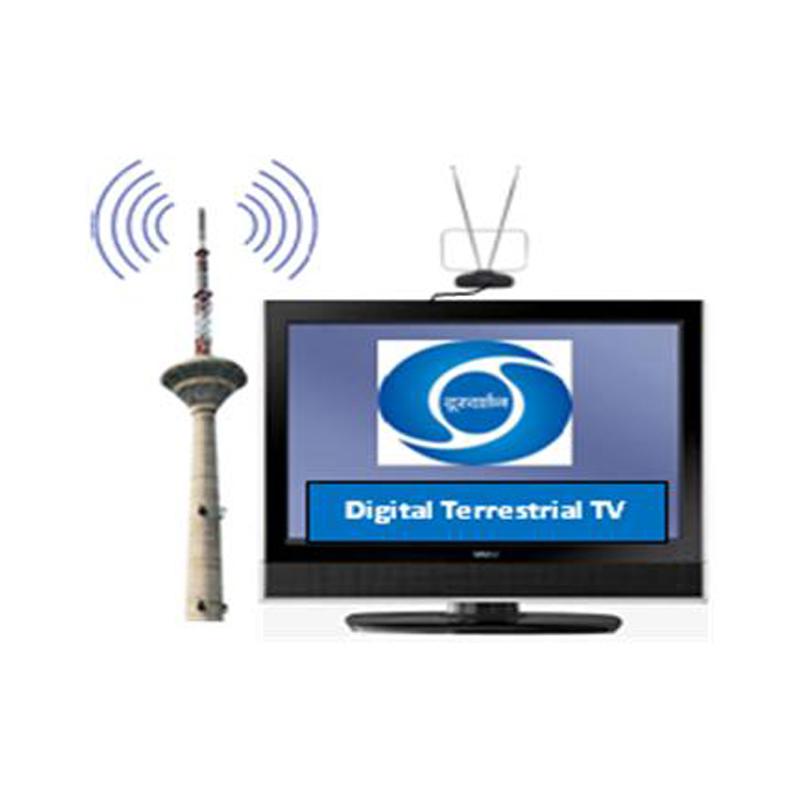
    NEW DELHI: An open house discussion will be held on 19 October 2016 on a Consultation Paper on “Opening Up Digital Terrestrial Transmission.” The OHD will be held in the PHD Chamber near Sirifort Auditorium at 10.00 am.

    The Paper by the Telecom Regulatory Authority of India was issued on 24 June 2016, about a year after Prasar Bharati – which is the only terrestrial broadcaster in the country – unanimously recommended that DTT should be opened up to the private channels. Apart from Prasar Bharati, several private channels have already responded to the paper, which was followed by a linked paper on sharing infrastructure issued on 21 September 2016.

    In its response to the DTT paper, the pubcaster said even as it supports the move, it feels that the potential of available distribution options need to be critically analysed to fulfill their requirements (for example coverage, capacity, reception mode, and type of service etc).

    The public broadcaster has also said that the terrestrial broadcast platform will be relevant in the long term if its usage offers veritable benefits to the broadcasters, the audiences and the society as a whole. Even in countries where cable, satellite or broadband hold a significant market share, terrestrial broadcasting is usually regarded as an essential, flexible and reliable way of delivering broadcast content to a mass audience.

    In its response to 11 questions asked by TRAI in its Consultation Paper on ‘Issues related to Digital Terrestrial Broadcasting in India,’ the pubcaster says that the terrestrial platform must be digital to remain viable in the long term.

    Prasar Bharati CEO Jawhar Sircar, who had told indiantelevision.com in an interview earlier that it had cleared DTT for the private sector more than a year ago, said at the recent Indian Digital Operators Summit (IDOS) that it was willing to give its infrastructure to the private TV and radio channels.

    Also read:

    http://www.indiantelevision.com/television/tv-channels/terrestrial/idos-2016-prasar-bharati-could-share-infra-with-private-players-sircar-161001

    http://www.indiantelevision.com/videos/event-coverage/one-on-one-discussion-with-jawhar-sircar-ceo-prasar-bharati-161004


  • Opening DTT to private sector; discussion planned

    Opening DTT to private sector; discussion planned

    NEW DELHI: An open house discussion will be held on 19 October 2016 on a Consultation Paper on “Opening Up Digital Terrestrial Transmission.” The OHD will be held in the PHD Chamber near Sirifort Auditorium at 10.00 am.

    The Paper by the Telecom Regulatory Authority of India was issued on 24 June 2016, about a year after Prasar Bharati – which is the only terrestrial broadcaster in the country – unanimously recommended that DTT should be opened up to the private channels. Apart from Prasar Bharati, several private channels have already responded to the paper, which was followed by a linked paper on sharing infrastructure issued on 21 September 2016.

    In its response to the DTT paper, the pubcaster said even as it supports the move, it feels that the potential of available distribution options need to be critically analysed to fulfill their requirements (for example coverage, capacity, reception mode, and type of service etc).

    The public broadcaster has also said that the terrestrial broadcast platform will be relevant in the long term if its usage offers veritable benefits to the broadcasters, the audiences and the society as a whole. Even in countries where cable, satellite or broadband hold a significant market share, terrestrial broadcasting is usually regarded as an essential, flexible and reliable way of delivering broadcast content to a mass audience.

    In its response to 11 questions asked by TRAI in its Consultation Paper on ‘Issues related to Digital Terrestrial Broadcasting in India,’ the pubcaster says that the terrestrial platform must be digital to remain viable in the long term.

    Prasar Bharati CEO Jawhar Sircar, who had told indiantelevision.com in an interview earlier that it had cleared DTT for the private sector more than a year ago, said at the recent Indian Digital Operators Summit (IDOS) that it was willing to give its infrastructure to the private TV and radio channels.

    Also read:

    http://www.indiantelevision.com/television/tv-channels/terrestrial/idos-2016-prasar-bharati-could-share-infra-with-private-players-sircar-161001

    http://www.indiantelevision.com/videos/event-coverage/one-on-one-discussion-with-jawhar-sircar-ceo-prasar-bharati-161004


  • TRAI tariff order withdrawal: Star India joins ZEEL in appeal

    TRAI tariff order withdrawal: Star India joins ZEEL in appeal

    NEW DELHI: Star India Pvt Ltd has been impleaded as a party in two appeals challenging the withdrawal by the Telecom Regulatory Authority of India of two inflation-linked Tariff Amendment Orders issued by it in 2014 and set aside by the Telecom Disputes Settlement and Appellate Tribunal.

    Observing that the adjudication in the matter will affect the whole sector especially broadcasters and distributors, Tribunal Member B B Srivastava said in his order of 28 September 2016 gave Star one week to file its affidavit and asked TRAI to reply within ten days of that.

    The Tribunal listed for 9 November 2016 the further hearing of the two appeals filed by Zee Entertainment Enterprise Ltd against the withdrawal of the TRAI tariff orders of 9 May this year.

    Earlier, Star counsel Gopal Jain said the Secvtion 8A of the Civil Procedure Code was clear that any party or parties that may be affected by a court decision could be impleaded and heard.

    However, TRAI counsel Kirtiman Singh said that Section 14A (3) of the TRAI Act provides a period of thirty days for filing an appeal. But he noted that a proviso says that the Tribunal can take note if there is sufficient reason for this.

    Observing that there is healthy growth in the industry with rise in revenues outstripping the increasing inflation over the years, TRAI had decided that two inflation-linked Tariff Amendment Orders issued by it in 2014 and set aside by the Tribunal are not required at present.

    Earlier, the Supreme Court had on an appeal from the Indian Broadcasting Foundation and another party also upheld the TDSAT order setting aside the amendments in two tariff orders which had sought to put an inflation-linked hike of 27.5 per cent on addressable and non-addressable systems.

    Holding the Telecommunication (Broadcasting & Cable) Services (Second) Tariff (Eleventh Amendment) Order 2014 of March 2014 and ‘The Telecommunication (Broadcasting & Cable) Services (Second) Tariff (Thirteenth Amendment) Order 2014 of December that year were ‘untenable’, the Tribunal had said it thought TRAI “will be well advised to have a fresh look at the various tariff orders in a holistic manner and come out with a comprehensive tariff order in supersession of all the earlier tariff orders.”

    In its directives withdrawing the orders, TRAI said: “During analysisof relevant data and the impact of various factors on the issue ofinflation linked hikes in tariff ceilings at the wholesale levels”, it had observed that the “annual revenues that actually accrued to the broadcasters had surpassed the estimated revenues that should have accrued to them after taking into account the year-on-year inflation as calculated using the GDP deflator. The compounded annual growth rate of the revenues accruing year-on-year to the broadcasters has also witnessed a positive growth. More importantly, this growth has kept well ahead of the estimate revenues compensated for the year-on-year change in the inflation using the GDP deflator.”

    The tariff hike had been challenged by Home Cable Network and the Centre for Transforming India, with Lucknow 9 Cable Network, Good Media News India Pvt Ltd, Sikkim Digital Network and Cable Combine Communication Siliguri as intervenors. Later, Indian Broadcasting Federation (IBF) supported the order as intervener while the other interveners who were Direct to Home (DTH) operators, Multi System Operators (MSOs), Association of Cable Operators/Cable Operators opposed the order on the same grounds as the Appellants.

  • TRAI tariff order withdrawal: Star India joins ZEEL in appeal

    TRAI tariff order withdrawal: Star India joins ZEEL in appeal

    NEW DELHI: Star India Pvt Ltd has been impleaded as a party in two appeals challenging the withdrawal by the Telecom Regulatory Authority of India of two inflation-linked Tariff Amendment Orders issued by it in 2014 and set aside by the Telecom Disputes Settlement and Appellate Tribunal.

    Observing that the adjudication in the matter will affect the whole sector especially broadcasters and distributors, Tribunal Member B B Srivastava said in his order of 28 September 2016 gave Star one week to file its affidavit and asked TRAI to reply within ten days of that.

    The Tribunal listed for 9 November 2016 the further hearing of the two appeals filed by Zee Entertainment Enterprise Ltd against the withdrawal of the TRAI tariff orders of 9 May this year.

    Earlier, Star counsel Gopal Jain said the Secvtion 8A of the Civil Procedure Code was clear that any party or parties that may be affected by a court decision could be impleaded and heard.

    However, TRAI counsel Kirtiman Singh said that Section 14A (3) of the TRAI Act provides a period of thirty days for filing an appeal. But he noted that a proviso says that the Tribunal can take note if there is sufficient reason for this.

    Observing that there is healthy growth in the industry with rise in revenues outstripping the increasing inflation over the years, TRAI had decided that two inflation-linked Tariff Amendment Orders issued by it in 2014 and set aside by the Tribunal are not required at present.

    Earlier, the Supreme Court had on an appeal from the Indian Broadcasting Foundation and another party also upheld the TDSAT order setting aside the amendments in two tariff orders which had sought to put an inflation-linked hike of 27.5 per cent on addressable and non-addressable systems.

    Holding the Telecommunication (Broadcasting & Cable) Services (Second) Tariff (Eleventh Amendment) Order 2014 of March 2014 and ‘The Telecommunication (Broadcasting & Cable) Services (Second) Tariff (Thirteenth Amendment) Order 2014 of December that year were ‘untenable’, the Tribunal had said it thought TRAI “will be well advised to have a fresh look at the various tariff orders in a holistic manner and come out with a comprehensive tariff order in supersession of all the earlier tariff orders.”

    In its directives withdrawing the orders, TRAI said: “During analysisof relevant data and the impact of various factors on the issue ofinflation linked hikes in tariff ceilings at the wholesale levels”, it had observed that the “annual revenues that actually accrued to the broadcasters had surpassed the estimated revenues that should have accrued to them after taking into account the year-on-year inflation as calculated using the GDP deflator. The compounded annual growth rate of the revenues accruing year-on-year to the broadcasters has also witnessed a positive growth. More importantly, this growth has kept well ahead of the estimate revenues compensated for the year-on-year change in the inflation using the GDP deflator.”

    The tariff hike had been challenged by Home Cable Network and the Centre for Transforming India, with Lucknow 9 Cable Network, Good Media News India Pvt Ltd, Sikkim Digital Network and Cable Combine Communication Siliguri as intervenors. Later, Indian Broadcasting Federation (IBF) supported the order as intervener while the other interveners who were Direct to Home (DTH) operators, Multi System Operators (MSOs), Association of Cable Operators/Cable Operators opposed the order on the same grounds as the Appellants.

  • IDOS 2016: TRAI tariff framework coming next fortnight

    IDOS 2016: TRAI tariff framework coming next fortnight

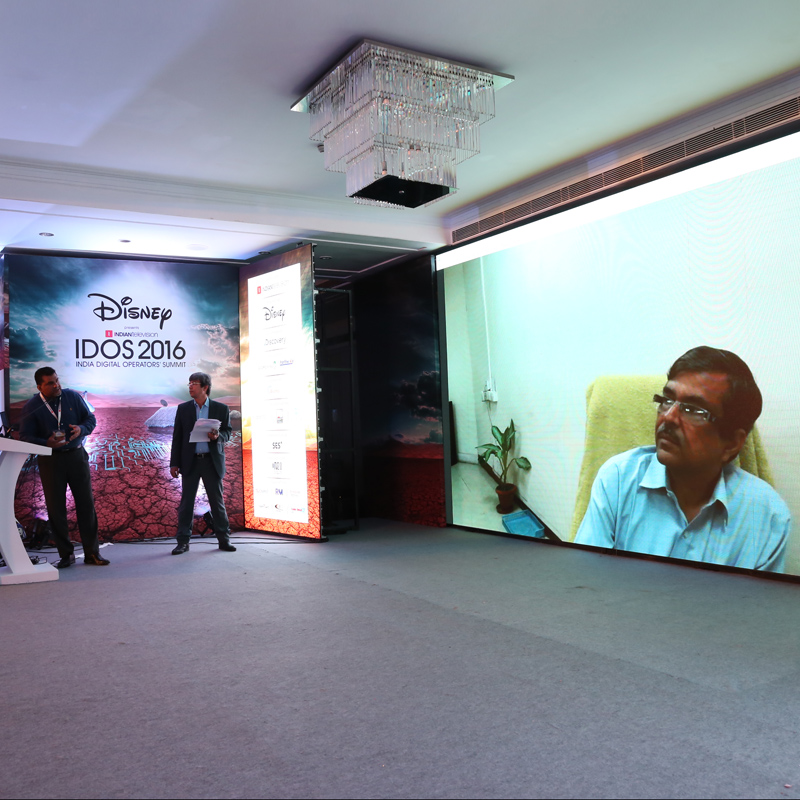
    GOA: The draft tariff framework of the Telecom Regulatory Authority of India (TRAI) is set to be released in a fortnight. This was declared by TRAI principal advisor (telecom services) Sunil Kumar Gupta in a Skype video conference with indiantelevision.com’s founder, CEO and editor-in-chief Anil Wanvari at IDOS 2016 here on Friday evening.

    “We have taken the views of all the stakeholders while drawing up the framework. It is based on the following four major planks — non-discriminatory pricing, transparency, consumer protection and overall growth of the industry,” he said.

    Gupta was clear that the sunset date for Phase IV was unshiftable. “Both MIB and we are very committed to this,” he said. “31 December 2016 is the sunset date for DAS Phase IV.”

    He cautioned that no one should take shelter around the fear that someone may try and scuttle phase IV by approaching the court. “There are enough set top boxes in the country today,” he said. “There is no shortage. Hence there can be no delay.”

    He reiterated that progress on digitisation and DAS has been good. “Revenues from the ground are going up in phase I and phase II,” he said. “According to MIB, 93 per cent of phase III has been digitised and in phase IV, there has been some good seeding too.”

    Gupta also warned that unless interconnection agreements are signed between MSOs and LCOs, the parties would not get any recourse from TDSAT as that is the direction that has been given. “It is important that the agreements are signed,” he said. “We have gone around the country and spoken to LCOs around the country. Often times they have been apprehensive about some of the agreements. But when we have explained to them, many of them have not read them properly, and hence the apprehension. When they have been explained and read it, they have gone ahead and done the shining.”

    He also expected a decisive verdict from the Delhi High Court in the first week of October around the Phase III litigation. Gupta urged the cable community to focus and keep the consumer aware of what was happening through their own networks and encourage him/her about DAS. “It is in the industry’s own interest,” he stated.

    On being asked whether TRAI would intervene and hasten the process on the infrastructure consultation paper, Gupta said there are some people who want to share infrastructure and some who don’t. On being prodded if the regulator would intervene if those who don’t want it to go through outweigh the ones who want it to, Gupta said, the consultation process would follow its due course. “Infrastructure sharing is between two private players, they can go ahead and do it. I don’t see why we need to intervene and mandate infrastructure sharing.”

    He also insisted that the entire industry – including the cable operators – need to tweak business models and the cable ops need to look at broadband seriously. “There is a lot of upside to broadband,” he said. “ARPUs are good over there, they can offer value to the consumer. Change is upon the industry and it needs to embrace this change and drive themselves forward. No telco can offer the kind of services, cable TV can offer, say 40 GB at a price of Rs 700-800 a month. The entire cable TV sector holds a lot of potential. Now the industry needs to realise it.”

  • IDOS 2016: TRAI tariff framework coming next fortnight

    IDOS 2016: TRAI tariff framework coming next fortnight

    GOA: The draft tariff framework of the Telecom Regulatory Authority of India (TRAI) is set to be released in a fortnight. This was declared by TRAI principal advisor (telecom services) Sunil Kumar Gupta in a Skype video conference with indiantelevision.com’s founder, CEO and editor-in-chief Anil Wanvari at IDOS 2016 here on Friday evening.

    “We have taken the views of all the stakeholders while drawing up the framework. It is based on the following four major planks — non-discriminatory pricing, transparency, consumer protection and overall growth of the industry,” he said.

    Gupta was clear that the sunset date for Phase IV was unshiftable. “Both MIB and we are very committed to this,” he said. “31 December 2016 is the sunset date for DAS Phase IV.”

    He cautioned that no one should take shelter around the fear that someone may try and scuttle phase IV by approaching the court. “There are enough set top boxes in the country today,” he said. “There is no shortage. Hence there can be no delay.”

    He reiterated that progress on digitisation and DAS has been good. “Revenues from the ground are going up in phase I and phase II,” he said. “According to MIB, 93 per cent of phase III has been digitised and in phase IV, there has been some good seeding too.”

    Gupta also warned that unless interconnection agreements are signed between MSOs and LCOs, the parties would not get any recourse from TDSAT as that is the direction that has been given. “It is important that the agreements are signed,” he said. “We have gone around the country and spoken to LCOs around the country. Often times they have been apprehensive about some of the agreements. But when we have explained to them, many of them have not read them properly, and hence the apprehension. When they have been explained and read it, they have gone ahead and done the shining.”

    He also expected a decisive verdict from the Delhi High Court in the first week of October around the Phase III litigation. Gupta urged the cable community to focus and keep the consumer aware of what was happening through their own networks and encourage him/her about DAS. “It is in the industry’s own interest,” he stated.

    On being asked whether TRAI would intervene and hasten the process on the infrastructure consultation paper, Gupta said there are some people who want to share infrastructure and some who don’t. On being prodded if the regulator would intervene if those who don’t want it to go through outweigh the ones who want it to, Gupta said, the consultation process would follow its due course. “Infrastructure sharing is between two private players, they can go ahead and do it. I don’t see why we need to intervene and mandate infrastructure sharing.”

    He also insisted that the entire industry – including the cable operators – need to tweak business models and the cable ops need to look at broadband seriously. “There is a lot of upside to broadband,” he said. “ARPUs are good over there, they can offer value to the consumer. Change is upon the industry and it needs to embrace this change and drive themselves forward. No telco can offer the kind of services, cable TV can offer, say 40 GB at a price of Rs 700-800 a month. The entire cable TV sector holds a lot of potential. Now the industry needs to realise it.”

  • Eleventh IDOS to commence in Goa today

    Eleventh IDOS to commence in Goa today

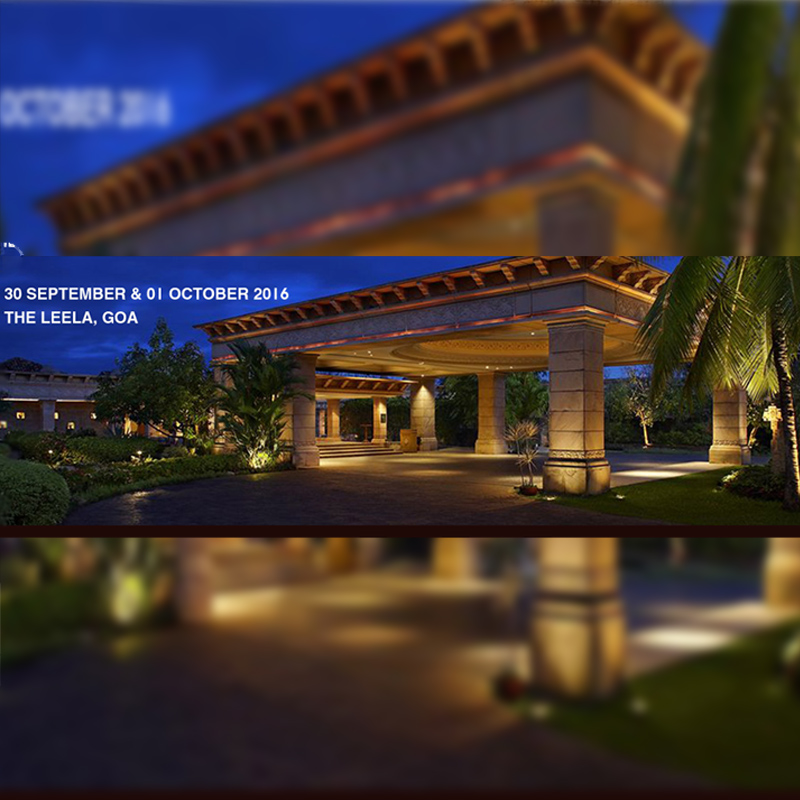
    GOA: The 11th Indian Digital Operators Summit (IDOS 2016) is slated to be flagged off today evening – 30 September — at south Goa’s prestigious Hotel Leela. India’s largest gathering of India’s broadcast, distribution, investment, technology players and the regulators is happening at a time when the industry is grappling with issues related to the government mandated digital addressable system (DAS) which seeks to digitize India’s 100-million viewer strong cable TV ecosystem.

    While two phases of DAS have been progressing gradually, the third phase has been stalled awaiting a decision from the Delhi high court. The logjam despite, the countdown to the fourth phase deadline of 31 December 2016, has commenced.

    It’s challenging times for the whole video distribution ecosystem. OTT live streaming and VOD platforms, telco companies are all marching into what was traditionally a broadcaster, cable TV operator’s or DTH or HITS operator’s turf. And, though they are yet to come up with robust business models, some of them have deep pockets. DTH players, on the other hand, are beginning to bear the fruits of their early investments in delivering quality, transparent services across India.

    Churn rates are stable, and, in fact, the subscriber numbers for many of these players are rising.

    A large part of the smaller cable TV community — especially in phase III and phase IV – is fragmented, undercapitalised and is fearful for its future and, in some areas, is resisting digitisation. Larger MSOs have brought in some organization to the ground in phase I and phase II over the past few years and will continue doing so as the years pass by, even in the interiors. Niggling issues such as interconnection and tariff agreements, carriage fees with broadcasters continue to seek resolution.

    Free to air DTH services such as DD FreeDish serve the needs of some of the viewers in the heartlands. And HITs platforms are waiting on the sidelines and are hoping to plug the infrastructure gap for delivering video signals to the undercapitalized cable operators in the phase III and phase IV areas.

    The regulators, the Telecom Regulatory Authority of India and the ministry of information and broadcasting, are seeking to put in place a regulatory framework which would fuel DAS nationally, keeping everyone’s interests in mind.

    “It is against this backdrop that IDOS 2016 is being held,” says Indiantelevision.com founder, CEO & editor in chief Anil Wanvari.

    “Over the years it has proved to be a fertile ground for moving the needle on distribution further. We hope this year’s DAS will also help in supporting the progress.”

    Among the major speakers at IDOS are: DEN Networks CEO SN Sharma, Prasar Bharati CEO Jawahar Sircar, Hathway Cable CEO Jagdish Kumar, Times Television Network CEO M.K. Anand, Sony Pictures Networks India executive vice president and head – digital business, Uday Sodhi, Indusind Media CEO Tony D’Silva, Walt Disney Co India vice president Nikhil Gandhi, Asianet Satellite Communications president & COO G.

    Sankaranarayana, India Cast EVP Amit Arora, Ortel Communication CEO Bhibhu Rath, CastleMedia executive director Vynsley Fernandes, Reliance BIG TV business head Vivek Garg, GTPL COO Shaji Matthews, Akamai head of mobile strategy Vijay Kolli and regional vice president, media sales Sid Pisharoti, Chrome Data CEO Pankaj Krishna, and TRAI adviser Sunil Kumar Gupta.

    The conference will end on 1 October late evening.

    Among the partners who have come forward to support IDOS 2016 are:
    Walt Disney Co India (Title Partner); Discovery India (Summit Partner), Elemental and Hathway (Associate Partner), Akamai Technologies (CDN Partner), Friends MTS, Sony Pictures Network and Zee Distribution Networks (Support Partners), SES (Name Badge Partner), and IndiaCast (LanYard Partner).