Tag: Trai

  • Public Wi-Fi: TRAI extends time for responses

    Public Wi-Fi: TRAI extends time for responses

    NEW DELHI: In view of the importance attached to public Wi-Fi systems, the Telecom Regulatory Authority of India has extended time for responses to its consultation paper till 9 December 2016 but stressed no further extension would be given.

    The paper issued on 15 November was the second one issued on the subject of Wi-Fi and dealt with scalable public interoperability of Wi-Fi networks.

    Earlier, TRAI had said it realised the importance of public Wi-Fi networks as complementary to existing landline and cellular mobile infrastructure in improving broadband penetration and adoption of Digital India. Earlier on 13 July 2016, TRAI had issued a paper on “Proliferation of Broadband through Public Wi-Fi Networks” which was followed by reactions and then a workshop in Bengaluru.

    The objective of the new paper posing six questions is two-fold:

    a) To explore whether the model proposed in this Note can be incorporated in Public Wi-Fi networks to promote appropriate monetisation and business models for sustainable and scalable infrastructure deployment.

    b) To explore the roles of different stakeholders in the Public Wi-Fi network value chain and build an ecosystem for promoting scalable and sustainable partnerships for large scale nation wide deployment.

    Also read:  Public Wi-Fi: TRAI plans to evolve model, releases paper
  • TRAI reduces ceiling tariff for mobile banking services

    TRAI reduces ceiling tariff for mobile banking services

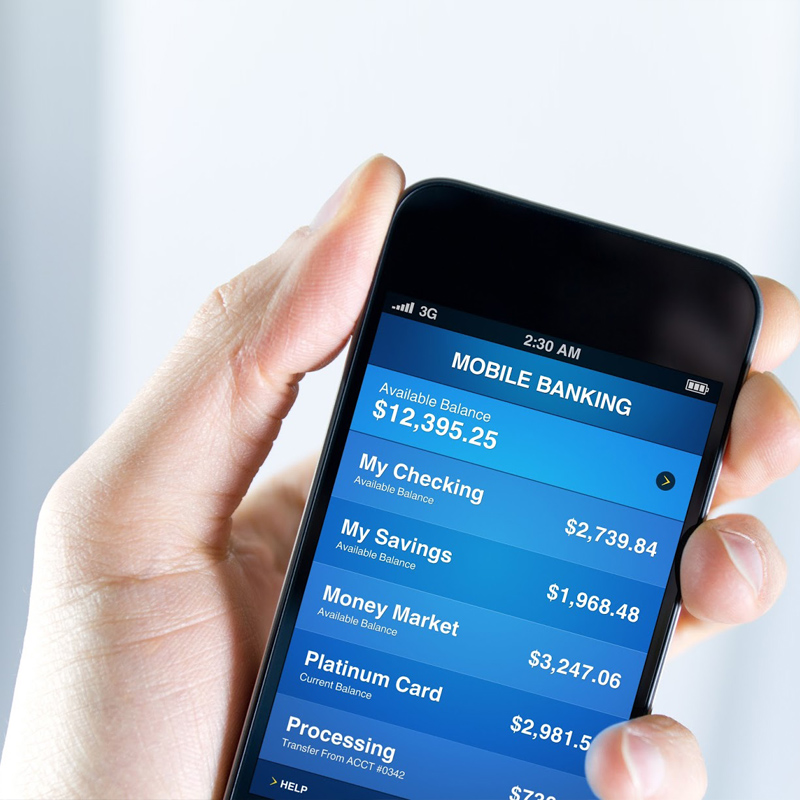
    NEW DELHI: It couldn’t have come at a more opportune moment, especially when the country is reeling under a severe cash crunch in the aftermath of demonetization of Rs 500 and Rs 1,000 currency notes. Telecom Regulatory Authority of India (TRAI) in an order yesterday reduced the ceiling tariff for the use of unstructured supplementary service data (USSD)-based mobile banking services from Rs 1.50 to Rs.0.50.

    TRAI also amended the Mobile Banking (Quality of Service) Regulations to increase the number of stages from 5 to 8 per USSD session.

    These amendments will facilitate banks, their agents or any entity authorized by the Reserve Bank of India for better delivery of banking and payment services to the consumers through mobile phones over USSD.

    Though these regulatory decisions are an outcome of a detailed consultation process initiated in August 2016, the timing cannot be missed as PM Modi-led government’s move on arresting black money and bring about more transparency through digitalization, including digital banking, has led to partial chaos in society and economy in the short to medium terms.

    “The availability of and easy access to banking services for all our citizens is a major objective of public policy. However, the harsh reality is that a large section of our population is still unbanked/under-banked. With a significant penetration of mobile telephony in rural India, the mobile phone can be leveraged to achieve the goal of financial inclusion. Accordingly, in November, 2013, with a view to facilitate mobile banking for financial inclusion, TRAI had established a framework to facilitate the agents of the banks to interface with the access service providers for use of SMS, USSD and IVR channels to provide mobile banking services and prescribed ceiling tariff of Rs. 1.50 per USSD session for USSD-based mobile banking service. However, all these initiatives did not lead to the desired result and both the number of transactions and success rate are below expectation,” TRAI said in a statement while mandating the tariff reductions.

    The latest diktat on USSD tariffs, which come into force with immediate effect, would, according to TRAI, hopefully result in greater financial inclusion in the country and contribute to the fulfillment of an important aspect of Digital India by encouraging a ‘less cash’ society.

    Welcoming the government’s initiatives to accelerate India’s progress into a `less cash’ economy, Vodafone India MD & CEO Sunil Sood said, “Vodafone India is committed to help actualise the government’s several initiatives designed to make India a digital economy. To ease the burden of masses, we are waiving off all USSD charges presently levied for mobile banking till 31 December 2016. As several million customers use feature phones, we are hopeful that this free access to mobile banking will encourage them to adopt it as their preferred and convenient mode for banking.”

  • TRAI reduces ceiling tariff for mobile banking services

    TRAI reduces ceiling tariff for mobile banking services

    NEW DELHI: It couldn’t have come at a more opportune moment, especially when the country is reeling under a severe cash crunch in the aftermath of demonetization of Rs 500 and Rs 1,000 currency notes. Telecom Regulatory Authority of India (TRAI) in an order yesterday reduced the ceiling tariff for the use of unstructured supplementary service data (USSD)-based mobile banking services from Rs 1.50 to Rs.0.50.

    TRAI also amended the Mobile Banking (Quality of Service) Regulations to increase the number of stages from 5 to 8 per USSD session.

    These amendments will facilitate banks, their agents or any entity authorized by the Reserve Bank of India for better delivery of banking and payment services to the consumers through mobile phones over USSD.

    Though these regulatory decisions are an outcome of a detailed consultation process initiated in August 2016, the timing cannot be missed as PM Modi-led government’s move on arresting black money and bring about more transparency through digitalization, including digital banking, has led to partial chaos in society and economy in the short to medium terms.

    “The availability of and easy access to banking services for all our citizens is a major objective of public policy. However, the harsh reality is that a large section of our population is still unbanked/under-banked. With a significant penetration of mobile telephony in rural India, the mobile phone can be leveraged to achieve the goal of financial inclusion. Accordingly, in November, 2013, with a view to facilitate mobile banking for financial inclusion, TRAI had established a framework to facilitate the agents of the banks to interface with the access service providers for use of SMS, USSD and IVR channels to provide mobile banking services and prescribed ceiling tariff of Rs. 1.50 per USSD session for USSD-based mobile banking service. However, all these initiatives did not lead to the desired result and both the number of transactions and success rate are below expectation,” TRAI said in a statement while mandating the tariff reductions.

    The latest diktat on USSD tariffs, which come into force with immediate effect, would, according to TRAI, hopefully result in greater financial inclusion in the country and contribute to the fulfillment of an important aspect of Digital India by encouraging a ‘less cash’ society.

    Welcoming the government’s initiatives to accelerate India’s progress into a `less cash’ economy, Vodafone India MD & CEO Sunil Sood said, “Vodafone India is committed to help actualise the government’s several initiatives designed to make India a digital economy. To ease the burden of masses, we are waiving off all USSD charges presently levied for mobile banking till 31 December 2016. As several million customers use feature phones, we are hopeful that this free access to mobile banking will encourage them to adopt it as their preferred and convenient mode for banking.”

  • Net subs grow significantly but public Wi-Fi idea flayed

    Net subs grow significantly but public Wi-Fi idea flayed

    MUMBAI: Even as internet subscribers are growing significantly across Indian states, TRAI’s idea of public Wi-Fi has been flayed by stakeholders.

    Maharashtra has recorded the highest number of internet subscribers in India at 29.47 million, followed by Tamil Nadu, Andhra and Karnataka in that order, according to government data. At the end of March 2016, India had a total of 342.65 million subscribers. BharatNet project meantime plans to connect all 2.5 lakh gram panchayats in the country through broadband.

    Delhi had registered 20.59 million internet users, while Kolkata and Mumbai recorded 9.26 million and 15.65 million, respectively.

    Tamil Nadu recorded 28.01 million subscribers, while the neighbouring states of Andhra Pradesh and Karnataka respectively registered 24.87 million and 22.63 million. Himachal Pradesh saw the lowest number of subscribers at 3.02 million.

    Of the over 342 million subscribers, over 67 per cent are from urban India. At the end of FY16, the rural internet subscriber base stood at 111.94 million. Tamil Nadu recorder the highest number of urban subscribers at 21.16 million, while UP (East) telecom circle is ahead in terms of rural internet customer base at 11.21 million.

    Public Wi-Fi condemned

    Telecom stakeholders recommending an open and cheap internet have raised concerns over privacy and regulatory hurdles following the release of TRAI’s consultation paper on public Wi-Fi.

    The Internet Freedom Foundation co-founder Aravind Ravi Sulekha was apprehensive that the proposed regulations could lead to invasion of privacy and interfere with the freedom of hotspot providers to operate freely. The proposals may turn out to be regressive, Sulekha said.

    TRAI proposed hotspot providers would have to register with the government and users could access hotspots only after paying using a service tied to their Aadhaar number.

    Centre for Internet and Society policy director Pranesh Prakash said that TRAI solution was a classic example of over-regulation and centralism. It turns out that TARI was unclear about the problem to be solved, he added.

  • Net subs grow significantly but public Wi-Fi idea flayed

    Net subs grow significantly but public Wi-Fi idea flayed

    MUMBAI: Even as internet subscribers are growing significantly across Indian states, TRAI’s idea of public Wi-Fi has been flayed by stakeholders.

    Maharashtra has recorded the highest number of internet subscribers in India at 29.47 million, followed by Tamil Nadu, Andhra and Karnataka in that order, according to government data. At the end of March 2016, India had a total of 342.65 million subscribers. BharatNet project meantime plans to connect all 2.5 lakh gram panchayats in the country through broadband.

    Delhi had registered 20.59 million internet users, while Kolkata and Mumbai recorded 9.26 million and 15.65 million, respectively.

    Tamil Nadu recorded 28.01 million subscribers, while the neighbouring states of Andhra Pradesh and Karnataka respectively registered 24.87 million and 22.63 million. Himachal Pradesh saw the lowest number of subscribers at 3.02 million.

    Of the over 342 million subscribers, over 67 per cent are from urban India. At the end of FY16, the rural internet subscriber base stood at 111.94 million. Tamil Nadu recorder the highest number of urban subscribers at 21.16 million, while UP (East) telecom circle is ahead in terms of rural internet customer base at 11.21 million.

    Public Wi-Fi condemned

    Telecom stakeholders recommending an open and cheap internet have raised concerns over privacy and regulatory hurdles following the release of TRAI’s consultation paper on public Wi-Fi.

    The Internet Freedom Foundation co-founder Aravind Ravi Sulekha was apprehensive that the proposed regulations could lead to invasion of privacy and interfere with the freedom of hotspot providers to operate freely. The proposals may turn out to be regressive, Sulekha said.

    TRAI proposed hotspot providers would have to register with the government and users could access hotspots only after paying using a service tied to their Aadhaar number.

    Centre for Internet and Society policy director Pranesh Prakash said that TRAI solution was a classic example of over-regulation and centralism. It turns out that TARI was unclear about the problem to be solved, he added.

  • Cable TV distribution to get fillip from demonetisation

    Cable TV distribution to get fillip from demonetisation

    MUMBAI: The cable television distribution business, a section of which has been infamous for dealings in unaccounted money, will have to upgrade addressability in the backdrop of the decision to demonetise higher value currency. It is estimated that the analog subscriber base will come down by 37% this year as they switch over to digital cable under DAS III and IV, according to sector estimates.

    According to a FICCI-KPMG report, there are approximately 65 million analog cable television subscribers in India, around 37 million digital cable television subscribers, 44 million pay DTH (direct-to-home) subscribers and some 15 million free DTH (FTA) subscribers. The benefit of dealing in cash prompts most operators to under-report subscriber numbers and eventually revenue. However, this may substantially reduce with the new government move, experts said.

    KPMG partner – media & entertainment Jehil Thakkar said that, with digitisation (under DAS III and IV), TRAI has proposed new pricing for TV channels. The purpose was to make it affordable. With demonetisation, the cable operators may have to clean up their operations so that there was transparency in dealings with broadcasters.

    DAS could act as a catalyst for cable operators to reduce under-reporting. Demonetisation, experts said, could become a trigger for the switchover. Under-reporting of subscription revenue by the cable operator per individual or household had been estimated to be 15-20%. DTH, however, has overcome this issue by using a pricing strategy based on the number of channels seen by a consumer.

    Meanwhile, the release of a number of Telugu films including Intlo Deyyam – Nakem Bhayam and Ram Charan Teja’s Dhruva have been postponed. Box office earnings have gone substantially down for Tamil, Telugu, and Malayalam films owing to demonetisation. Producers are being forced to defer releases due to low turnouts.

    Several film shoots have been suspended, and many theatres in Kerala are planning to shut shop owing to non-availability of low denomination notes. Work on national award-winning director Sidharth Siva’s new movie Sakavu too has been deferred.

    Income Tax officials meanwhile raided the house of the campaign manager of Puducherry chief minister V Narayanasamy and ex-MLA A John Kumar, seizing Rs. 14 lakh in cash. The ex-MLA of Nellithope, whose business is cable TV distribution, real estate etc, is also the manager of Narayanasamy’s campaign.

  • Cable TV distribution to get fillip from demonetisation

    Cable TV distribution to get fillip from demonetisation

    MUMBAI: The cable television distribution business, a section of which has been infamous for dealings in unaccounted money, will have to upgrade addressability in the backdrop of the decision to demonetise higher value currency. It is estimated that the analog subscriber base will come down by 37% this year as they switch over to digital cable under DAS III and IV, according to sector estimates.

    According to a FICCI-KPMG report, there are approximately 65 million analog cable television subscribers in India, around 37 million digital cable television subscribers, 44 million pay DTH (direct-to-home) subscribers and some 15 million free DTH (FTA) subscribers. The benefit of dealing in cash prompts most operators to under-report subscriber numbers and eventually revenue. However, this may substantially reduce with the new government move, experts said.

    KPMG partner – media & entertainment Jehil Thakkar said that, with digitisation (under DAS III and IV), TRAI has proposed new pricing for TV channels. The purpose was to make it affordable. With demonetisation, the cable operators may have to clean up their operations so that there was transparency in dealings with broadcasters.

    DAS could act as a catalyst for cable operators to reduce under-reporting. Demonetisation, experts said, could become a trigger for the switchover. Under-reporting of subscription revenue by the cable operator per individual or household had been estimated to be 15-20%. DTH, however, has overcome this issue by using a pricing strategy based on the number of channels seen by a consumer.

    Meanwhile, the release of a number of Telugu films including Intlo Deyyam – Nakem Bhayam and Ram Charan Teja’s Dhruva have been postponed. Box office earnings have gone substantially down for Tamil, Telugu, and Malayalam films owing to demonetisation. Producers are being forced to defer releases due to low turnouts.

    Several film shoots have been suspended, and many theatres in Kerala are planning to shut shop owing to non-availability of low denomination notes. Work on national award-winning director Sidharth Siva’s new movie Sakavu too has been deferred.

    Income Tax officials meanwhile raided the house of the campaign manager of Puducherry chief minister V Narayanasamy and ex-MLA A John Kumar, seizing Rs. 14 lakh in cash. The ex-MLA of Nellithope, whose business is cable TV distribution, real estate etc, is also the manager of Narayanasamy’s campaign.

  • Public Wi-Fi: TRAI plans to evolve model, releases paper
    Public Wi-Fi: TRAI plans to evolve model, releases paper

    NEW DELHI: Realising the importance of public Wi-Fi networks as complementary to existing landline and cellular mobile infrastructure in improving broadband penetration and adoption of Digital India, the Telecom Regulatory Authority of India has released a second consultation paper Wi-fi this year.

    TRAI wants reactions on the paper on model for nation-wide interoperable and scalable wi-fi networks by 25 November.

    The objective of the new paper is two-fold:

    a) To explore whether the model proposed in this Note can be incorporated in Public Wi-Fi networks to promote appropriate monetization and business models for sustainable and scalable infrastructure deployment.

    b) To explore the roles of different stakeholders in the Public Wi-Fi network value chain and build an ecosystem for promoting scalable and sustainable partnerships for large scale nation wide deployment.

    Earlier on 13 July 2016, TRAI had issued a paper on “Proliferation of Broadband through Public Wi-Fi Networks” which was followed by reactions and then a workshop in Bengaluru.

    A few of the important issues pointed out in the consultation paper for a successful, scalable and sustainable public Wi-Fi infrastructure in the country include (i) technical interoperability and seamless connectivity of Wi-Fi networks (ii) innovative payment, commercialization, and monetization models; and (iii) collaborative partnerships between various entities of the ecosystem.

    Public Wi-Fi networks can be effective complement to the wired and wireless mobile broadband infrastructure in the country to achieve the vision of Digital India as stated above.

    In view of the discussions held, the questions posed by TRAI are:

    Q1. Is the architecture suggested in the consultation note for creating unified authentication and payment infrastructure will enable nationwide standard for authentication and payment interoperability?

    Q2. Would you like to suggest any alternate model?

    Q3. Can Public Wi-Fi access providers resell capacity and bandwidth to retail users? Is “light touch regulation” using methods such as “registration” instead of “licensing” preferred for them?

    Q4. What should be the regulatory guidelines on “unbundling” Wi-Fi at access and backhaul level?

    Q5. Whether reselling of bandwidth should be allowed to venue owners such as shop keepers through Wi-Fi at premise? In such a scenario please suggest the mechanism for security compliance

    Q6. What should be the guidelines regarding sharing of costs and revenue across all entities in the public Wi-Fi value chain? Is regulatory intervention required or it should be left to forbearance and individual contracting?

  • Public Wi-Fi: TRAI plans to evolve model, releases paper
    Public Wi-Fi: TRAI plans to evolve model, releases paper
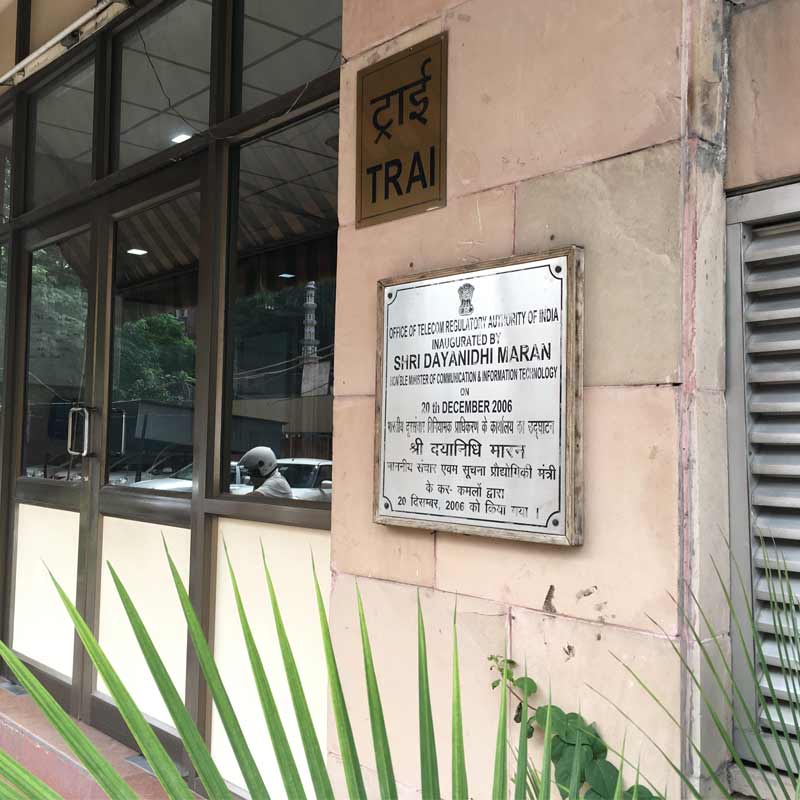
    NEW DELHI: Realising the importance of public Wi-Fi networks as complementary to existing landline and cellular mobile infrastructure in improving broadband penetration and adoption of Digital India, the Telecom Regulatory Authority of India has released a second consultation paper Wi-fi this year.

    TRAI wants reactions on the paper on model for nation-wide interoperable and scalable wi-fi networks by 25 November.

    The objective of the new paper is two-fold:

    a) To explore whether the model proposed in this Note can be incorporated in Public Wi-Fi networks to promote appropriate monetization and business models for sustainable and scalable infrastructure deployment.

    b) To explore the roles of different stakeholders in the Public Wi-Fi network value chain and build an ecosystem for promoting scalable and sustainable partnerships for large scale nation wide deployment.

    Earlier on 13 July 2016, TRAI had issued a paper on “Proliferation of Broadband through Public Wi-Fi Networks” which was followed by reactions and then a workshop in Bengaluru.

    A few of the important issues pointed out in the consultation paper for a successful, scalable and sustainable public Wi-Fi infrastructure in the country include (i) technical interoperability and seamless connectivity of Wi-Fi networks (ii) innovative payment, commercialization, and monetization models; and (iii) collaborative partnerships between various entities of the ecosystem.

    Public Wi-Fi networks can be effective complement to the wired and wireless mobile broadband infrastructure in the country to achieve the vision of Digital India as stated above.

    In view of the discussions held, the questions posed by TRAI are:

    Q1. Is the architecture suggested in the consultation note for creating unified authentication and payment infrastructure will enable nationwide standard for authentication and payment interoperability?

    Q2. Would you like to suggest any alternate model?

    Q3. Can Public Wi-Fi access providers resell capacity and bandwidth to retail users? Is “light touch regulation” using methods such as “registration” instead of “licensing” preferred for them?

    Q4. What should be the regulatory guidelines on “unbundling” Wi-Fi at access and backhaul level?

    Q5. Whether reselling of bandwidth should be allowed to venue owners such as shop keepers through Wi-Fi at premise? In such a scenario please suggest the mechanism for security compliance

    Q6. What should be the guidelines regarding sharing of costs and revenue across all entities in the public Wi-Fi value chain? Is regulatory intervention required or it should be left to forbearance and individual contracting?

  • TRAI’s CDR idea rejected; Govt to look into Rs 3050 cr penalty

    TRAI’s CDR idea rejected; Govt to look into Rs 3050 cr penalty

    MUMBAI: The telecom ministry has formed a committee to look into TRAI’s penalty suggestion on Vodafone, Airtel and Idea as they allegedly failed to provide sufficient inter-connect points (PoI) to Reliance Jio, leading to severe call drops.

    Telecom operators across GSM and CDMA platforms meantime turned down TRAI’s recommendation of computing call drop rates through a meta data analysis of CDRs (call detail records). This, TRAI asserted, has been designed for billing purpose only, and not for checking quality of service. Such an analysis, the operators said, would project a flawed picture as abnormal call disconnects/terminations could be triggered by handsets getting turned off due to other errors, or due to battery draining out or a subscriber moving to an underground building or a station.

    Cellular Operators Association of India (COAI) represented the operators, the Economic Times reported.

    On the the hand, the union telecom minister Manoj Sinha said the ministry has formed the committee to look into the regulator’s recommendation on the proposed Rs 3,050 crore penalty, Business Standard reported. Last month, the regulator had proposed the penalty on the three telcos.

    Lately however Reliance Jio has been allegedly limiting all voice calls to 30 minutes. As a part of Jio’s free Welcome Offer, users were allowed unlimited voice calls. However, lately, the calls were being abruptly disconnected after a duration of 30 minutes, which is not an isolated case.

    The regulator had earlier sent a letter to the Department of Telecommunications recommending a charge of Rs 50 crore per circle for 21 service areas, except for Jammu & Kashmir, for Airtel and Vodafone. For Idea Cellular, TRAI suggested penalty for 19 circles.

    At the meeting of BRICS Ministers of Communications, Sinha said that the committee would give its considerations on the TRAI suggestion.

    The regulator’s suggestion came after Reliance Jio complained that more than 75 per cent of the calls on its network were dropping since the incumbent operators were not giving sufficient PoIs. The regulator stated that the incumbents went “against public interest.”