Tag: Trai

  • TRAI suggestions on uplink, downlink norms under consideration, says MIB

    TRAI suggestions on uplink, downlink norms under consideration, says MIB

    NEW DELHI: The Indian government has said broadcast and telecoms regulator TRAI’s recommendations on ease of doing business and uplink/downlink norms, some of them quite radical, are under consideration.

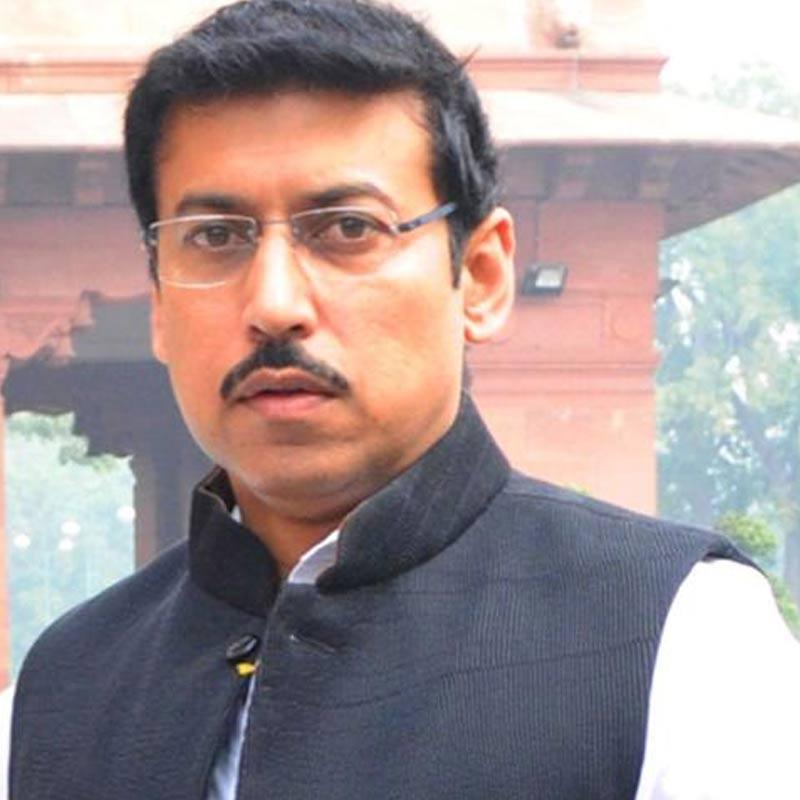
    “Government solicited recommendation of Telecom Regulatory Authority of India (TRAI)… they are under consideration,” Minister of Information and Broadcasting Rajyavardhan Rathore told Parliament last week without giving any time frame or clarifying whether the regulator’s suggestions on both the issues would be accepted in totality or they would be tweaked as and when legislated into regulations.

    Pointing out that because the present policy guidelines for uplinking of television channels from India and those relating to landing rights came into effect in December 2011, it was felt that the government should have them re-examined by the regulator in view of the changing broadcasting environ in the country, Rathore explained.

    However, TRAI in its recommendations on uplink and downlink norms, shot down an idea proposed by MIB that had suggested whether TV channels’ frequencies too could be auctioned on the lines of FM radio stations.

    TRAI also stuck with most of the existing guidelines and norms for uplink and downlink permissions for TV channel and teleports. However, it suggested enhancing of annual permission fees from the present levels, amongst some other changes. The recommendations on uplink and downlink of TV channels and teleports had been awaited eagerly by the industry, already reeling under pressures from various sides, including economic.

    The regulator also said that mandating encryption of broadcast of FTA TV channels was not a good idea, while suggesting that various processes for government clearances should be streamlined and completed within a stipulated time-frame.

    The broadcast industry and independent observers feel that it would help the industry if Minister Rathore’s team at MIB take a quick decision on the suggestions made by TRAI on both the issues instead of keeping the matter pending.

    However, as TRAI’s role is recommendatory, it is not mandatory for government organisations, including MIB, Department of Telecoms (DoT) and Department of Space, to accept the suggestions in any form.

    There have been instances when the regulator’s suggestions have been shot down or tweaked by the government. A recent example being TRAI’s push for its role to be upgraded to that of a converged regulator for broadcast, online and telecoms sectors, which was shot down by the DoT while formulating the final version of the National Digital Communications Policy 2018.
  • SC to hear Star India petition on TRAI tariff order late August

    SC to hear Star India petition on TRAI tariff order late August

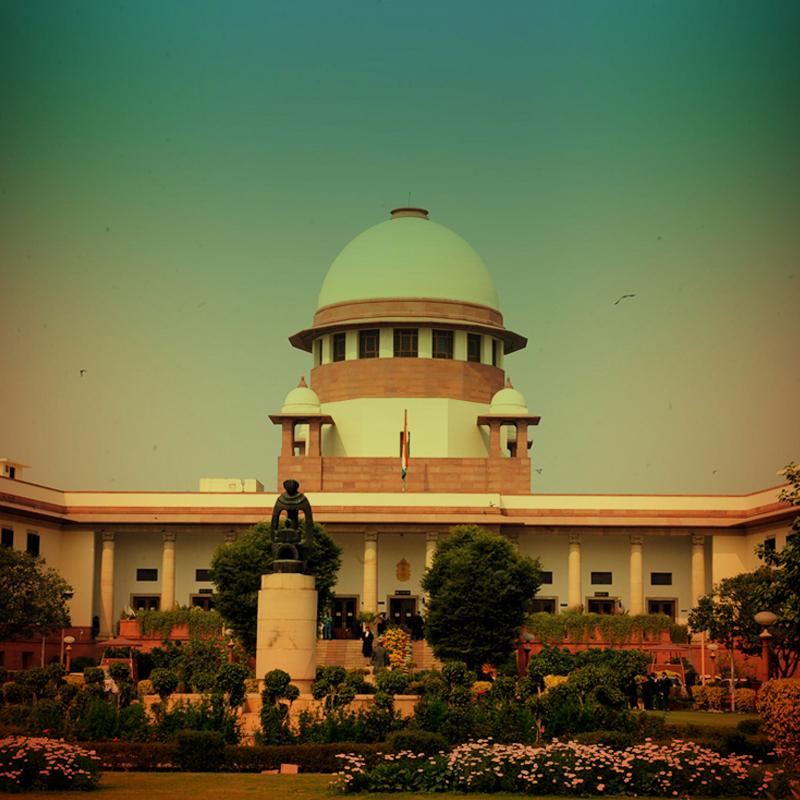
    NEW DELHI: The Supreme Court today listed for 28 August the special leave petition filed by Star India and Vijay TV against a tariff and inter-connect orders of regulator TRAI that had been given a go-ahead by the Madras High Court.

    The TRAI tariff orders, first contested in Madras High Court by the petitioners, were cleared by the Chennai court with certain riders after hearings that continued almost over 16 months in front of two benches of the court.

    Though the petitioners were  unavailable for comments, a legal eagle explained that the very fact the Supreme Court has allotted a day for hearing the petition of Star India and Vijay TV, which basically revolves around copyright and why the regulator doesn’t have jurisdiction over such issues, highlights the fact that the judge doesn’t want to take a decision in a hurry.

    The next date of hearing of the case in the apex court on 28 August 2018 is few days before the deadline kicks in for filing of new inter-connect agreements by stakeholders of the Indian broadcast industry.

    After the Madras HC had given a thumb up to TRAI tariff order, and both the petitioners and the defendant (TRAI) had filed caveats in the Supreme Court, the regulator had bowled a googly saying that its tariff order would come into effect from 3 July 2018 as all judicial compliances had been completed. 

    “Having complied with the judicial mandates in the matter,  the Telecommunication (Broadcasting and Cable) Services (Eighth) (Addressable Systems) Tariff Order, 2017 and the Telecommunication (Broadcasting and Cable) Interconnection (Addressable Systems) Regulations, 2017 as upheld by the Hon'ble Madras High  Court and the Telecommunication (Broadcasting and Cable) Services Standards  of   Quality  of  Service and  Consumer  Protection (Addressable Systems) Regulations, 2017 come into effect from 3rd July 2018,” the regulator had said in a statement pointing out that all timelines mentioned in the original order should be adhered to immediately.

    According to TRAI, implementation of the new regulatory framework will “bring in transparency”, enable provisioning of affordable broadcasting and cable TV services for the consumer and, at the same time, “would lead to an orderly growth of the sector”.

    Keep tuned in for another episode of this legal saga, which started to air sometime in 2016.

  • Republic TV complains to TRAI, BARC on Times Now’s genre slotting

    Republic TV complains to TRAI, BARC on Times Now’s genre slotting

    MUMBAI: The ever-competitive business of TV news is set to witness another round of slugfest. Republic TV has complained to Telecom Regulatory Authority of India (TRAI) and Broadcast Audience Research Council (BARC) of India about English news channel Times Now getting the channel re-slotted under Hindi news genre on distribution platforms, which may impact viewership data.

    A letter written by Republic TV earlier this month, reviewed by Indiantelevision.com, accused Times Now of getting some of the distribution platforms to place the channel “among the Hindi news sub-genre” as some of the programmes broadcast had “substantial Hindi content” as claimed by Times.

    “This is a confusing development as BARC will report Times Now [viewership data] as part of the English news channel list,” the Republic complaint highlighted, adding, “if its proximity/neighbourhood is significantly among the Hindi news channels, it stands to distort viewership data.”

    Republic has also exhorted BARC India, which is set to release soon its fresh and updated television-related annual data, to take note of distribution changes relating to Times Now as not an English-language news channel but “preferably” a Hindi channel.

    However, changing of genres to boost sampling among viewers or resorting to dual or multiple LCNs are some issues not new to the Indian broadcast business. Nor is the animosity. that has prevailed between Times Now, former employer of Republic TV’s chief editor Arnab Goswami.

    When Republic TV debuted last year, a clutch of news channels, later backed by News Broadcasters Association (NBA), had alleged the new entrant was resorting to dual LCN or multiple feed tactic to boost viewership. BARC had also been petitioned to suspend publishing of Republic TV’s data.

    Times Now had also taken Goswami, promoter of Republic TV’s parent company, to the courts to desist him from using the phrase `nation wants to know’ claiming IPR over it as it was started when the flamboyant news anchor was with the Times group. Though Republic TV later became a member of NBA, Goswami had taken a swipe at Times Now calling it a cry baby.

    Since then both the TV news channels had been making news off-air, while slugging it out to corner viewers’ attention in a continuing see-saw battle.

    Asked about the issue of multiple feeds-strategy used by TV channels, TV market research company Chrome Data Analytics and Media CEO Pankaj Krishna told Indiantelevision.com that the unethical tactic was “still very much prevalent” despite a directive against it by regulator TRAI.

    “According to Chrome, there were some 1,433 instances of dual LCN across all genres across the country as of last week, Krishna explained, adding, “The practice is mostly seen during blockbuster events like presentation of Union Budget (for business news genre) and during new launches as part of a channel’s marketing exercise. But such tactics have limited time impact.”  

    TV Today Network managing editor Supriya Prasad was of the opinion if a TV channel was resorting to “unethical practices” to boost viewership, then it meant it didn’t have full faith in its own content. Aaj Tak is the leader of Hindi news genre as per BARC India Week 27 data.

    Another industry observer felt as HSM or Hindi-speaking market is a big one, getting slotted in that category in the EPG “opens up reach of a channel”. However, the observer was critical of such attempts to boost reach and viewership: “If an English TV channel is present in the Hindi news genre, simply informing TRAI and the operator to keep within the right side of the law as it was doing small amount of Hindi content is cheating the system. It gains importance if BARC too is not made aware of such a development.”

    It now remains to be seen how the regulator and BARC India will respond to the Republic TV complaint.

  • TRAI releases recommendations for privacy & protection of consumer data

    TRAI releases recommendations for privacy & protection of consumer data

    MUMBAI: The Telecom Regulatory Authority of India (TRAI) has come out with its recommendations on ‘Privacy, security and ownership of data in the telecom sector’.

    It says that since digital ecosystems that collect user data are just custodians and don’t have privacy rights over it, TRAI recommends that a study should be undertaken to formulate the standards for annonymisation/ de-identification of personal data generated and collected in the digital ecosystem.

    All entities in the digital ecosystem, which control or process the data, should be restrained from using meta-data to identify individual users. The existing framework for protection of the personal information/ data of telecom consumers is not sufficient. Therefore, to protect telecom consumers against the misuse of their personal data by the broad range of data controllers and processors in the digital ecosystem, all entities in the digital ecosystem, which control or process their personal data should be brought under a data protection framework.

    Till a government notified law is passed, the existing rules/ licence conditions applicable to TSPs for protection of users’ privacy should be made applicable to all the entities in the digital ecosystem.

    Consumers should be given the right to choice, notice, consent, data portability, and right to be forgotten. The right to data portability and right to be forgotten being restricted rights should be subjected to applicable restrictions.

    Multilingual, easy to understand, unbiased, short templates of agreements/ terms and conditions should be made mandatory for all the entities in the digital eco-system for the benefit of consumers. Consumer awareness programs be undertaken to spread awareness about data protection and privacy issues so that the users can take well informed decisions about their personal data.

    Data controllers should be prohibited from using ‘pre-ticked boxes’ to gain users’ consent. Clauses for data collection and purpose limitation should be incorporated in the agreements. Devices should disclose the terms and conditions of use in advance, before sale of the device. It should be made mandatory for the devices to incorporate provisions so that user can delete pre-installed applications if he/she so decides. Also, the user should be able to download the certified applications at his own will and the devices should in no manner restrict such actions by the users.

    To ensure the privacy of users, National Policy for encryption of personal data, generated and collected in the digital ecosystem, should be notified by the government at the earliest. For ensuring the security of the personal data and privacy of telecommunication consumers, personal data of telecommunication consumers should be encrypted during the motion as well as during the storage in the digital ecosystem. Decryption should be permitted on a need basis by authorised entities in accordance to consent of the consumer or as per requirement of the law.

    A common platform should be created for sharing of information relating to data security breach incidences by all entities in the digital ecosystem including telecom service providers. It should be made mandatory for all entities in the digital ecosystem including all such service providers to be a part of this platform. Data security breaches may take place in-spite of adoption of best practices/ necessary measures taken by the data controllers and processors. Sharing of information concerning to data security breaches should be encouraged and incentivised to prevent/ mitigate such occurrences in future.

  • Comment: Why it’s important for Rathore at MIB to walk the (sports) talk

    Comment: Why it’s important for Rathore at MIB to walk the (sports) talk

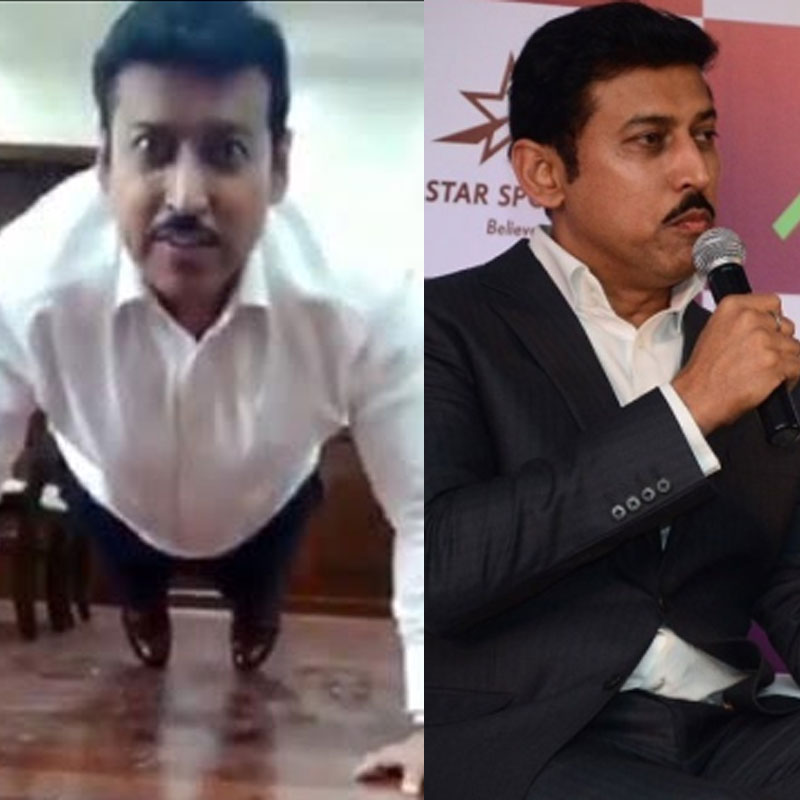
    He may have started the #HumFitToh IndiaFit campaign that went viral on social media last month and had celebs and plebs posting images of their health routine. He may also be a comparatively low-profile minister in the PM Modi cabinet who has delivered on various fronts, including being proactive on issues relating to sports. But Minister of Information & Broadcasting and Youth Affairs & Sports Rajyavardhan Rathore now needs to bring his Olympian attitude-to-succeed and political astuteness to marry the various causes his two ministries espouse.

    Though he has been around at MIB for some years now, acting as a junior to more high-profile ministers like Arun Jaitley and Smriti Irani, Rathore’s rise at MIB has lot to do with his success as minister of Youth Affairs and Sports. And, India’s broadcast and entertainment industry, still reeling under the after-effects of a slow economy and some economic policy decisions taken by the federal government, believed they may have found a messiah in Rathore when he was given independent charge of MIB a couple of months back. The arrival in the ministry of a new Secretary (Amit Khare) raised hopes further of removal of many artificial roadblocks created by the previous regime.

    Many of the earlier and controversial moves by the Ministry, headed by former TV actress-turned-politician Smriti Irani had the broadcast industry, especially, in a bind and hindered unencumbered growth and expansion. Policy decisions like introduction of hiked processing fees, new classification of `regional’ channels, unofficially nudging TV channels and teleport operators to move operations from foreign to Indian satellites, centralization of regular approval processes, etc. sent the industry into a tailspin.

    What was intriguing that though justified by the former minister and some bureaucrats, such moves in the MIB flew in the face of the present BJP-led government and PM Modi’s repeated assertions that India was taking policy steps to improve the country’s global ranking in the `Ease of Doing Business’ index. So much so that the Prime Minister’s Office  had to intervene and order a rollback of a MIB decision under Irani on online content and fake news.

    Col. (retd.) Rathore as both the Sports and MIB Minister has all the powers at his command to take right steps for the development of sports culture in the country that has produced only a handful of Olympian medalists in individual sports — he himself shot at a silver medal successfully. He has proved his determination in revamping school games with the successful conduct of `Khelo India’ (Play India), which is a holistic approach to prepare athletes from schools to Olympics.  It is aimed at achieving the twin objectives of mass participation and promotion of excellence in sports through competition on ground and slick packaging through TV sports channels to give the much needed exposure to emerging Indian talents in the sporting arena.

    However, some critics have questioned his commitment to promote sports through media as despite being the Sports Minister, he didn’t protest when his senior at MIB  introduced in December 2017 a whopping Rs.100,000 as processing fee for channels telecasting live sporting events.

    Given the fact that for the first time he has freedom and a free run to integrate promotion of sports with industry-friendly media policies, it is hoped that he uses the time wisely and work to fulfil the Prime Minister’s ambitious goal of making India both a global media and entertainment hub, and a sporting power.

    The lifeline of a sports channel is to have at least three or four live sports properties in a day and channels like Star Sports and Sony-ESPN excel in such a lineup. But a high processing fee per channel per day for live telecasting sporting events could soon make such business decisions unviable for sports channels; especially when they not only invest in telecast rights, but also building up properties from the scratch — Pro Kabaddi League, Pro Wrestling League and Ultimate Table Tennis are prime examples of this model. High fees, which also include temporary uplinking costs incurred on government permissions and technologies, not only put heavy burden on sports channels but also act as a dis-incentive to invest in other non-cricket and emerging sports like badminton, table tennis, weightlifting, boxing, basketball, gymnastics, football and athletics.

    Unlike in developed countries, the governing bodies in India that are running these non-cricket sports mostly survive on government grants and fail to attract major sponsors or TV channels as partners for promotional activities. Some of the recent policy decisions of MIB (in the form of high processing fee and creation of artificial barriers) have further disincentivized TV sports channels in joining hands with sports federations to showcase sporting competitions with a view to give a platform to emerging talents and bring more audience to the television screens and also on the ground.  

    If the government — and the MIB —believes that those managing and telecasting games like cricket can afford to pay the high processing fees and, thus, should be taxed is an argument that’s flawed. It is like in aiming to punish a high performer — also admittedly a bit controversial —for its success, the government has, in reality, managed to end up pushing those low-profile but potential target-sports further down. Controversies and opaqueness notwithstanding, it cannot be wished away that India’s cricket administrative body BCCI has successfully managed to promote the game in India and abroad with resounding success — and in turn making the country a global force to reckon with.

    Even the sector regulator, TRAI, had opposed formally introduction by MIB of processing fee for live telecast by non-news and current affairs TV channels and questioned the government as why such a step was taken without due consultation process. Now that the regulator has come out with some progressive recommendations relating to Ease of Doing Business in the Broadcast sector and issues relating to uplink and downlink of TV channels, instead of acting on those suggestions, another move has upset the industry — a recent MIB reference to the regulator to study the matter of temporary uplinking has not gone down too well with the industry that was hoping some respite under Rathore at MIB.

    The Sports Minister, who is also the MIB Minister, has a rare opportunity to showcase his talent — to promote sports in India through mass media by easing regulations and lessening the burden on the broadcast sector through administrative reforms, which will very well be in line with PM Modi’s vision. Khelega nahin India, toh champion kaise banega India (If India doesn’t play and gets a chance to showcase talent, how would champs be created)?

  • NDCP 2018, net neutrality rules cleared by Telecom Commission

    NDCP 2018, net neutrality rules cleared by Telecom Commission

    NEW DELHI: India’s Telecom Commission, the second highest decision-making body regarding telecom policies, yesterday late evening approved the National Digital Communication Policy 2018 and also net neutrality rules, which bar service providers from discriminating against internet content and services by blocking, throttling or granting them higher speed access.

    Some mission critical applications or services like remote surgery and autonomous cars will, however, be kept out of the purview of net neutrality framework.

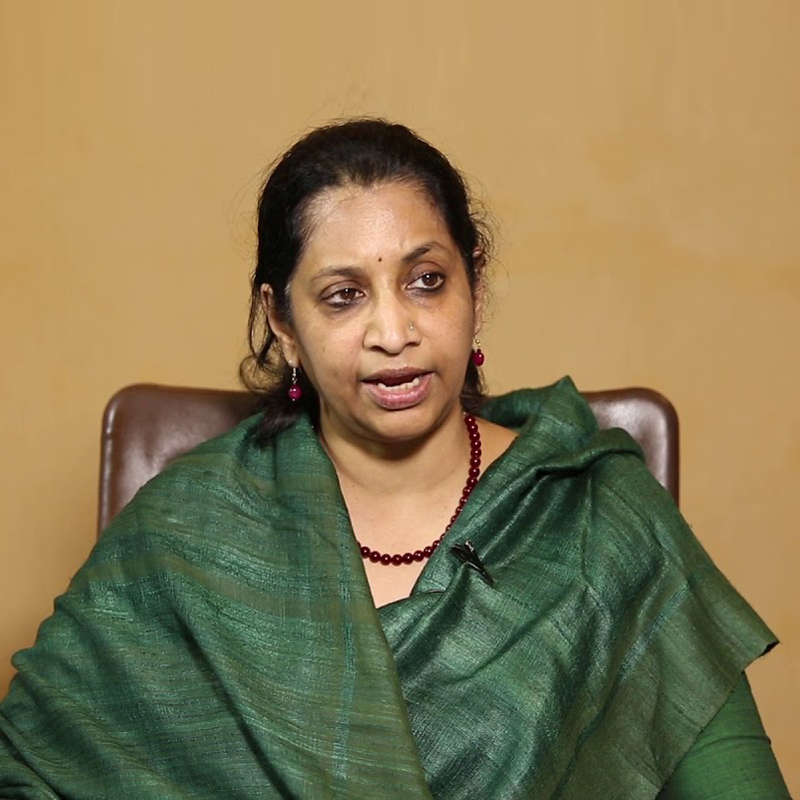
    “The Telecom Commission approved net neutrality as recommended by TRAI…some critical services will be kept out of its purview,” Telecom Commission Chairman and Secretary Department of Telecoms Aruna Sundararajan told reporters here, according to a Press Trust of India report.

    The Telecom Regulatory Authority of India (TRAI) had recommended restrictions on service providers from entering into agreements which lead to discriminatory treatment of content on the internet. It had also favoured tweaking of licensing norms of players to ensure “explicit restrictions” on discrimination in internet access, based on content.

    The Department of Telecom will set-up a multi-stakeholder body for monitoring and enforcement of net neutrality comprising government representatives, internet of things providers, telecom operators, civil society members and consumer organisations. DoT will seek recommendations from TRAI on traffic management for critical services.

    The Commission also approved the new telecom policy — rechristened National Digital Communications Policy (NDCP) 2018 — for seeking approval of the Union Cabinet, Sundararajan was quoted by the PTI report as saying.

    “Everybody in the meeting said that digital infrastructure is even more important than physical infrastructure for India… CEO of Niti Ayog [Amitabh Kant] said that for…districts, we must ensure digital infrastructure is provided at the earliest. Therefore, India must have ease of doing business and enabling policy environment,” Sundararajan said.

    The NDCP, which looks at having more synergies amongst various government organisations and ministries, aims to attract $100 billion investments, 400,0000 new jobs, 50 megabits per second broadband access to every citizen in the digital communications sector by 2022 with the help of reforms.

    A government official, who was part of the meeting, was quoted by PTI as saying that the Telecom Commission has approved installation of around 12.5 lakh Wi-Fi hotspots in all gram panchayats (village administrations) with viability gap funding of around Rs 60,000 million by December 2018.

    Under the Wi-Fi project all police stations, post offices, primary health centres, schools will be connected with Wi-Fi by December 2018 and there will be a couple of  additional hotspots that will be available for round the clock public access.

    The PTI report added that the commission has also approved avoidance of double tax on virtual network operators (VNOs) who provide retail services of telecom operators.

    According to the proposal approved, VNOs will be required to pay levies based on their adjusted gross revenue earned from any value addition that they will be do over the top of service they will buy from telecom operators for selling it to end consumers.

    Earlier, telecom minister Manoj Sinha had said that his department looks to get approval of the Cabinet for NDCP 2018 by July-end.

  • TRAI: Make STBs, content & telecom services disabled- friendly

    TRAI: Make STBs, content & telecom services disabled- friendly

    MUMBAI: With an aim to make communications and TV services more accessible to people with disabilities (PWDs), the Telecom Regulatory Authority of India has come out with a series of recommendations, including a confusing one suggesting that 50 per cent TV channels to be developed in PWD-friendly and accessible format over the next five years.

    In its recommendations, the TRAI suggests that manufacturers maintain accessibility standards for set top boxes (STBs), mobile phones and landlines. Box makers have till 2020 to make or import at least one model in different variants in an accessible format.

    Telecom service providers (TSPs), MSOs and DTH operators have been exhorted to have special desks in their call centres/customer support to assist PWDs using assistive technologies. The call centre executives must also undergo sensitivity training to deal with their issues.

    Broadcasters, too, could well have to invest in content modification. According to TRAI, “The Authority is of the view that there should be phase-wise, time bound plans to develop percentage[s] of channels with the aim to have 50 per cent channels in accessible format in five years’ time frame. To start with, there can be five per cent [of TV] channels in accessible format in one year, 10 per cent in two years and 50 per cent in five years.”

    When Indiantelevision.com got in touch with some TV channels on the issue, most of them said this particular TRAI suggestion on percentages of the TV channels in accessible format was not clear.

    “Does TRAI mean that half of all the government-permitted TV channels would have to have closed captioning of content for PWDs, for example? Or, does it mean that a percentage of the content in a TV channel would have to be in a prescribed format? Or, does it mean that newer accessible channels or separate feeds would have to be started? As it’s difficult to have closed captioned content for news channels, for example, no matter how much a TV channel may like to be PWD-friendly, this suggestion would need further clarifications as it would mean increasing costs on making content,” a TV channel executive opined, adding, though TRAI’s intentions were laudable, an industry reeling under a slow economy would need financial incentives from the government to implement such a suggestion.

    Meanwhile, continuing with TRAI recommendations, the regulator has suggested that Department of Telecom (DoT) and Ministry of Information and Broadcasting (MIB) instruct TSPs DTH operators and MSOs to conduct awareness campaigns regarding accessibility issues, design, affordability, availability of assistive tools and products, and about various government policies and schemes pertaining to accessible ICT (information, communications and telecoms) services that can be availed by PWDs.

    The government has been exhorted to take several major steps. The most important one is that all government websites need to be PWD-accessibility compliant. ICT products (computer hardware, mobile phones, STBs, etc.) procured by government agencies should be accessible to PWDs and should have associated support documentation and services inaccessible format.

    The government has been suggested to mandate the device manufacturers/importers not to curtail the accessibility features available in popular operating systems in any manner from their devices whether manufactured locally or imported.

    Suggestions by the International Telecommunication Union (ITU) such as products and tariff plan specific to PWDs, appropriate customer care service, adding closed captioning, audio description, etc. should be taken up in India as well, TRAI has observed.

    As mobile phones have become an integrated part of modern lifestyle, accessible handset for PWD citizens is also a necessity. According to TRAI, mobile handset manufacturers, who produce five or more than five different models, should produce at least one mobile handset satisfying accessibility criteria for PWDs at least by the end of 2020.

    The regulatory body has recommended a steering committee, comprising various government agencies and ministries, for a timely review of accessibility of ICT services to PWDs. The committee will look into other areas, including fund requirements and collaboration with state governments, the regulator has suggested.

    However, there’s a catch to this set of recommendations. As the issue was taken up suo-moto by TRAI, it needs to be seen whether MIB and DoT, for example, accept these recommendations of the regulator in any format at all as the two government organisations themselves are part of another panel looking into issues relating to PWDs vis-à-vis ICT services.

  • JioGigaFiber: all you need to know

    JioGigaFiber: all you need to know

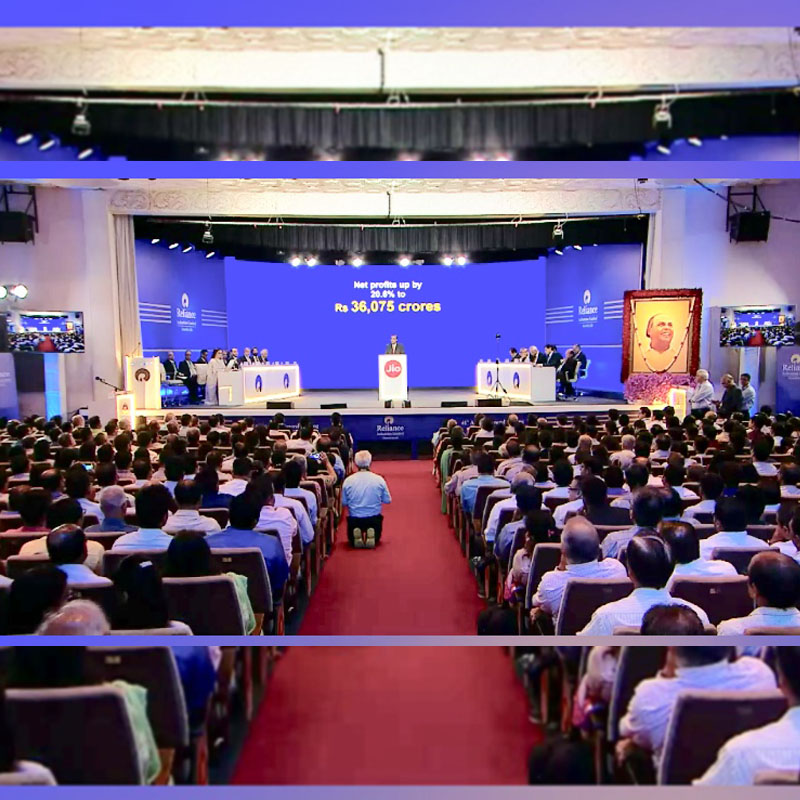
    MUMBAI: With the launch of Jio back in 2016, business tycoon Mukesh Ambani reshaped the telecom business in India by disrupting the tariff charges. Riding on the popularity of his telecom venture, the Reliance Industry Limited (RIL) chairman now looks set to set off yet another price war. Addressing his shareholders at the company’s 41st Annual General Meeting, Ambani announced the launch of its fiber-to-the-home (FTTH) fixed line broadband service –  Jio Giga Fiber, the registration for which will begin on 15 August through the MyJio app and the Jio website. 

    “JioGigaFiber will be the largest greenfield fixed-line broadband rollout anywhere in the world,” said Ambani.

    • The initial roll out of the service will start from areas with maximum registrations. The company plans to target 1,100 cities.

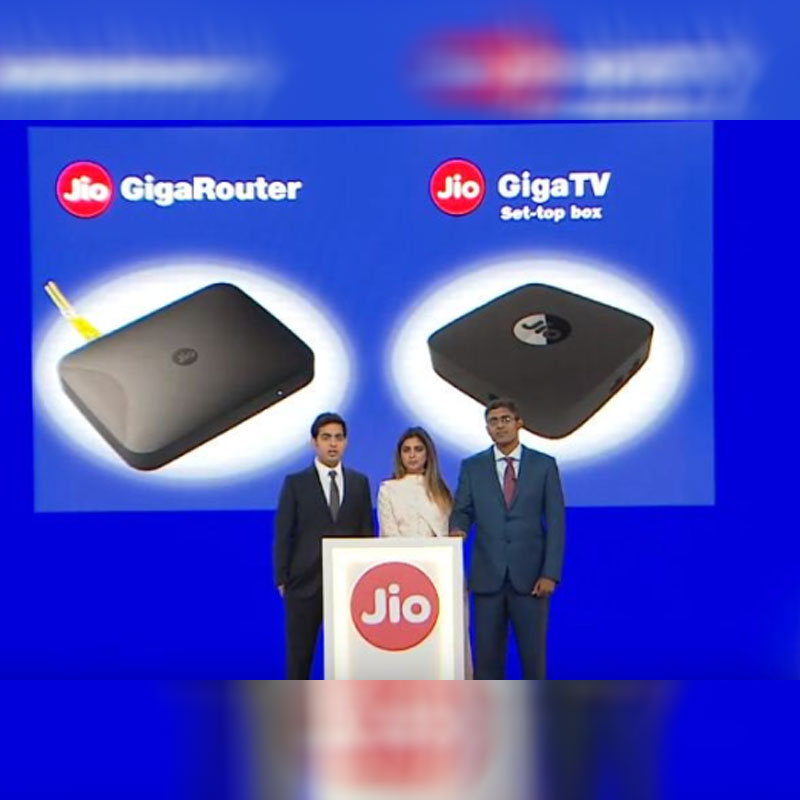
    • Jio Giga Fiber service will be activated through a Jio Giga Router

    • Besides the basic internet service, Jio Giga Fiber will be bundles with a Jio Giga TV set top box, offering more than 600 TV channels as well as over 1000 movies with enabled voice command feature for TV

    • Another interesting feature is that of video calling through TV. Users can call any other TV connected through JioGigaFiber

    • Other amenities include multi-party video conferencing from the living room, voice activated virtual assistants, virtual reality gaming and digital shopping and smart-home solutions

    “Gone are the days of Mbps, now it will be about Gbps,” said Isha Ambani at the AGM.

    The company has rolled out a trial service offering of unlimited internet at 100 mbps for 90 days along with a monthly data quota of 100 GB for a security deposit of Rs 4,500 for the Optical Network Termination (ONT) device.  Those opting to disconnect the service will get a refund of the amount.

    Anticipating another disruptive set of services from Jio, market leader Airtel has also set in motion the revamp its existing wired broadband connection solutions. 
    For the upcoming war with Jio, the telco has set aside Rs 24,000 crore for the financial year.

    From current 89 cities, it wants to expand its service to 100 key cities targeting big data consumption zones. To cope up with competition, Bharti Airtel is also expected to bombard consumers with great offers.

    Also Read:

    It’s official! JioGigaFiber is Mukesh Ambani’s next big bet

    Jio & Hathway continue to lead wireless and wired Internet subs growth in 2018

  • It’s official! JioGigaFiber is Mukesh Ambani’s next big bet

    It’s official! JioGigaFiber is Mukesh Ambani’s next big bet

    MUMBAI: Mukesh Ambani’s Reliance Industries Ltd today announced what the country had been talking about in hushed tones till now: high speed fixed lined broadband services for retail customers. It’s called JioGigaFiber and initial target is 1,100 cities. The regisrations for the same will be open from 15 August on the official Jio website and the app.

    “India ranks low in fixed broadband. The company has already invested more than 250 million dollars in the industry. We will now extend the service 1,100 cities to offer the most advanced fibre-based broadband services. This will mean a faster internet experience. A virtual reality experience for all citizens where you can control switches in your house from outside as well. This will redefine 24*7 emergency help for all homes across India. We are calling this the JioGigaFiber,” Ambani said while addressing the shareholders earlier in the day.

    An updated version of Jio phone, called JioPhone 2, was also launched with added applications and functionality.

    Isha Ambani said, “We are getting the three most popular apps, Facebook, Youtube and Whatsapp on the JioPhone.  JioPhone can send Whatsapp messages to other JioPhone users and other android and IOS users.”

    Jio fixed line broadband service would come directly to customer homes, unlike in most cases where the fiber reaches only until the building and the last few meters of end connectivity is done using the traditional cable that drastically reduces the speed and user experience due to patches and inferior cable qualities of such patch up.

    Keep tuned in for more updates.

  • Tata Sky mulls fresh petition against TRAI tariff rollout

    Tata Sky mulls fresh petition against TRAI tariff rollout

    MUMBAI: Indian DTH operator Tata Sky is exploring options of filing a fresh petition in Delhi High Court against a Telecom Regulatory Authority of India directive to implement a new tariff regime from 3 July.

    Industry sources indicated that though Tata Sky withdrew its petition filed in the morning, it could again move the court protesting on various grounds the rollout of the TRAI tariff regime.

    The Delhi court, which is still to pronounce a verdict in a case relating to tariff and inter-connect orders of the regulator after being moved by Tata Sky and Airtel Digital TV over a year back, however, today refused to entertain the DTH operator’s fresh contempt plea against TRAI and said if the petitioner wished it could file a fresh petition.

    Tata Sky had pleaded that TRAI media statement, issued 3 July 2018 directing broadcast and cable industry stakeholders to start rolling out the new tariff and inter-connect regimes with immediate effect, amounted to contempt of the Delhi High Court.

    TRAI yesterday had said in a statement that its long-pending tariff and inter-connect orders, first issued in 2016, was to be implemented from 3 July 2018 with stakeholders to follow deadlines mentioned in the directive. The regulator had justified its stand by saying all necessary judicial compliances too were followed.

    “Having complied with  the  judicial  mandates  in  the  matter,  the Telecommunication (Broadcasting and Cable) Services (Eighth) (Addressable Systems)  Tariff   Order, 2017 and  the Telecommunication (Broadcasting and Cable) Interconnection (Addressable Systems) Regulations, 2017 as upheld by the Hon’ble Madras High  Court and the Telecommunication (Broadcasting and Cable) Services Standards  of   Quality  of  Service and  Consumer  Protection (Addressable Systems) Regulations, 2017 come into effect from 3rd July 2018,” the TRAI statement had said.

    The statement had further stated that “in compliance to the direction” of the Delhi High Court, the regulator had “duly filed an affidavit” on 3 July 2018 in the court on implementation of   its tariff and other related orders as they were cleared by another high court.

    Meanwhile Star India, also expected to open up another legal front at the Supreme Court on the tariff issue, hasn’t yet made a move.

    Still, industry people do admit that though TRAI may have directed implementation of its new tariff regime, but there is lack of clarity on the issue of 15 per cent cap on discounts offered by broadcasters on the prices of TV channels.

    While upholding TRAI’s right to give directives on tariff-related matters, Madras High Court had given a thumb down to the capping of discounts offered. While stating that its tariff order was to come into effect from 3 July 2018, the regulator had not clarified whether the discount cap stayed or was done away with.

    Keep tuned in for more developments on the tariff issue as it refuses to go away or get settled once and for all.

    Also Read:

    TRAI says b’cast & cable tariff, inter-connect orders come into effect 3 July

    Star files caveat in Supreme Court on TRAI tariff order

    Third Madras high court judge gives TRAI tariff order thumbs up