MUMBAI: The Telecom Regulatory Authority of India’s name has been rechristened. From now, it will be called as the Digital Communications Regulatory Authority of India (DCRAI). The announcement was made at the annual general meeting of the telecom infrastructure body (TAIPA) by the Telecom minister Manoj Sinha.
The post of TRAI chairman has been changed to Digital Communications regulator, said Sinha speaking to RS Sharma. The time frame hasn’t been finalised but he expects it to be formalised soon.
The Telecom Commission has also been renamed to Digital Communications Commission at the Department of Telecom.
Sinha explained how telecom infrastructure has played a crucial and important role in the development of the telecom market in the country these past years by enabling rapid rollout of towers from a mere 1 lakh in 2006 to 4.71 lakh currently.
TRAI chairman RS Sharma said, “NDCP talks about creating tower authority. The policy very clearly lays down to prepare India for digital tomorrow.” The new policy will be transformational as it lays down quantifiable objectives – $100 billion investment, 50 Mbps download speeds.
Since 93 per cent of data transportation is happening on wireless networks, Sharma said telecom infrastructure is crucial. “Therefore it is appropriate that we put together all our efforts, if you want to be ready for 5G, you need to put massive infrastructure,” he said. Sharma also mentioned that TAIPA chairman Akhil Gupta had said that 5G infrastructure will require hundreds and thousands of more towers. Many of them will be small cells. He has requested the minister to summon a high-level conference of ministers and IT secretaries of state.
Tag: Trai
-
TRAI to be renamed to DCRAI
-
BSNL ties up with Softbank, NTT for 5G, IoT deal
MUMBAI: BSNL, a mobile service provider, has tied up with two top telecom operators of Japan, Softbank and NTT Communications, to roll out 5G and internet of things (IoT) technology in India, according to a report by the Press Trust of India.
The service provider will partner with Softbank for its satellite constellation which will have around 900 satellites to provide high speed internet services across the globe.
BSNL chairman and MD Anupam Shrivastava said, “We have signed agreement with Softbank and NTT Communications to roll out 5G and IoT products and services in India. Under the agreement, we will look at solutions specifically for smart cities.”
Indian telecom operators are aiming to launch 5G in 2020. Operators such as Bharti Airtel, Idea Cellular and Vodafone launched 3G seven years after the technology was available in other foreign markets and 4G services after a four-year lag.
BSNL has signed an agreement with Finland-based telecom equipment maker Nokia and US-based enterprise networking company Cisco Systems for developing 5G ecosystem and working to finalise test cases for using 5G in India.
BSNL is in advance stages of starting 5G field trials. The government is in agreement to provide 5G spectrum for trials.Earlier media reports said that the Indian government will not auction 5G spectrum in 2018 or 2019 due to weak financial conditions in the Indian telecom market.
The Telecom Regulatory Authority of India (TRAI) has recommended auction of about 8,644 MHz of telecom frequencies at an estimated base price of Rs 4.9 lakh crore. The government is yet to finalise details of allocation of spectrum for 5G services. -
TRAI vs. Star India case: next SC hearing on September 25
MUMBAI: The Supreme Court has deferred the hearing of Star India’s petition against TRAI tariff and inter-connect order to 25 September 2018. This is the fifth time in this month that the hearing has been deferred. Despite the impending ruling, several broadcasters have already published their RIOs.
Zee Entertainment Enterprises Ltd (ZEEL) was first out of the blocks in publishing the RIO, declaring the MRP and nature of channels in connection with its tariff order , which had a 31 August deadline. The Punit Goenka-led company was followed by TV18 Broadcast Limited ( TV18), Sony Pictures Networks India Private Limited (SPNI), who adhered to the regulator’s directive on September 4. Later, Disney India, Turner India International, Sun TV Networks have also published their RIOs in compliance with the order.
All the broadcaster have stuck to a maximum 15 per cent MRP discount to distributors. Earlier, Madras High Court chief justice did not uphold TRAI’s proposal of allowing highest 15 per cent cap on discounts despite giving the go-ahead to all other proposals. As any clarification did not come from TRAI, all the broadcasters are adhering to the order to avoid any further confusion.
The TRAI tariff orders, first contested in Madras High Court by the petitioners, were cleared by the Chennai court with certain riders after hearings that continued almost over 16 months in front of two benches of the court.
Though the petitioners were unable for comments, a legal eagle explained that the very fact the Supreme Court has allotted a day for hearing the petition of Star India and Vijay TV, which basically revolves around copyright and why the regulator doesn’t have jurisdiction over such issues, highlights the fact that the judge doesn’t want to take a decision in a hurry.
After the Madras HC had given a thumb up to TRAI tariff order, and both the petitioners and the defendant (TRAI) had filed caveats in the Supreme Court, the regulator had bowled a googly saying that its tariff order would come into effect from 3 July 2018 () as all judicial compliances had been completed.
“Having complied with the judicial mandates in the matter, the Telecommunication (Broadcasting and Cable) Services (Eighth) (Addressable Systems) Tariff Order, 2017 and the Telecommunication (Broadcasting and Cable) Interconnection (Addressable Systems) Regulations, 2017 as upheld by the Hon’ble Madras High Court and the Telecommunication (Broadcasting and Cable) Services Standards of Quality of Service and Consumer Protection (Addressable Systems) Regulations, 2017 come into effect from 3rd July 2018,” the regulator had said in a statement pointing out that all timelines mentioned in the original order should be adhered to immediately.
According to TRAI, implementation of the new regulatory framework will “bring in transparency”, enable provisioning of affordable broadcasting and cable TV services for the consumer and, at the same time, “would lead to an orderly growth of the sector”.
-
Trai vs. Star case: next SC hearing on Sept. 18
MUMBAI: The Supreme Court has deferred the hearing of Star India’s petition against TRAI tariff and inter-connect order to 18 September 2018 due to insufficient time. This is the fourth time in this month that the hearing has been deferred. Despite the impending ruling, several broadcasters have already published their RIOs.
Zee Entertainment Enterprises Ltd (ZEEL) was first out of the blocks in publishing the RIO, declaring the MRP and nature of channels in connection with its tariff order , which had a 31 August deadline. The Punit Goenka-led company was followed by TV18 Broadcast Limited ( TV18), Sony Pictures Networks India Private Limited (SPNI), who adhered to the regulator’s directive on September 4. Later, Disney India, Turner India International, Sun TV Networks have also published their RIOs in compliance with the order.
All the broadcaster have stuck to a maximum 15 per cent MRP discount to distributors. Earlier, Madras High Court chief justice did not uphold TRAI’s proposal of allowing highest 15 per cent cap on discounts despite giving the go-ahead to all other proposals. As any clarification did not come from TRAI, all the broadcasters are adhering to the order to avoid any further confusion.
The TRAI tariff orders, first contested in Madras High Court by the petitioners, were cleared by the Chennai court with certain riders after hearings that continued almost over 16 months in front of two benches of the court.
Though the petitioners were unable for comments, a legal eagle explained that the very fact the Supreme Court has allotted a day for hearing the petition of Star India and Vijay TV, which basically revolves around copyright and why the regulator doesn’t have jurisdiction over such issues, highlights the fact that the judge doesn’t want to take a decision in a hurry.
After the Madras HC had given a thumb up to TRAI tariff order, and both the petitioners and the defendant (TRAI) had filed caveats in the Supreme Court, the regulator had bowled a googly saying that its tariff order would come into effect from 3 July 2018 () as all judicial compliances had been completed.
“Having complied with the judicial mandates in the matter, the Telecommunication (Broadcasting and Cable) Services (Eighth) (Addressable Systems) Tariff Order, 2017 and the Telecommunication (Broadcasting and Cable) Interconnection (Addressable Systems) Regulations, 2017 as upheld by the Hon’ble Madras High Court and the Telecommunication (Broadcasting and Cable) Services Standards of Quality of Service and Consumer Protection (Addressable Systems) Regulations, 2017 come into effect from 3rd July 2018,” the regulator had said in a statement pointing out that all timelines mentioned in the original order should be adhered to immediately.
According to TRAI, implementation of the new regulatory framework will “bring in transparency”, enable provisioning of affordable broadcasting and cable TV services for the consumer and, at the same time, “would lead to an orderly growth of the sector”.
-
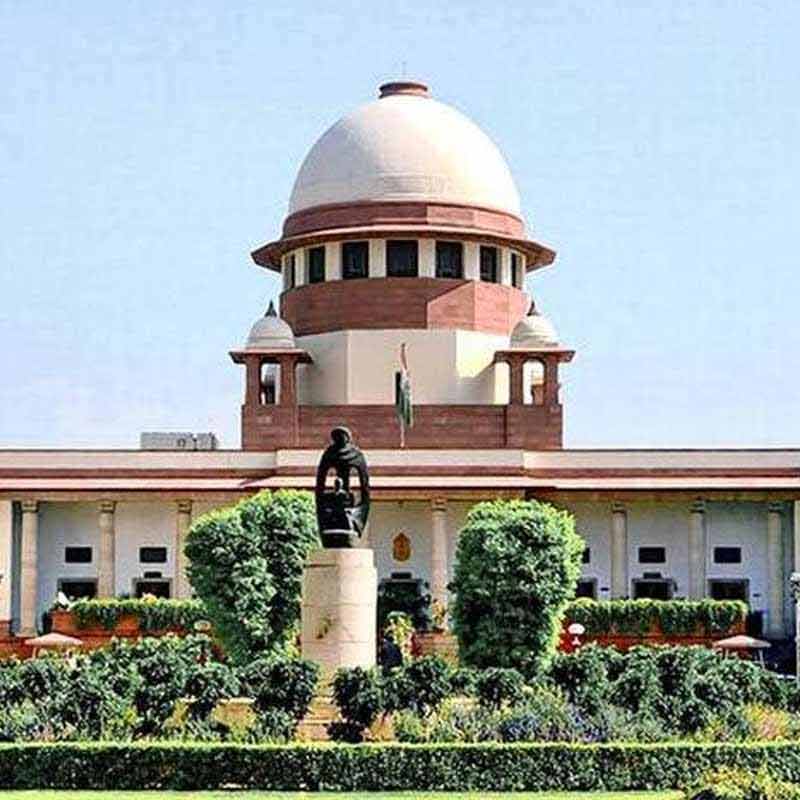
SC adjourns Star India’s petition on TRAI tariff order to 13 September
MUMBAI: The Supreme Court has deferred the hearing of Star India’s petition against TRAI tariff and inter-connect order to 13 September 2018 due to insufficient time. This is the third time in this month that the hearing has been deferred. Despite the impeding ruling, several broadcasters have already published their RIOs.
Zee Entertainment Enterprises Ltd (ZEEL) was first out of the blocks in publishing the RIO, declaring the MRP and nature of channels in connection with its tariff order, which had a 31 August deadline. The Punit Goenka-led company was followed by TV18 Broadcast Limited ( TV18), Sony Pictures Networks India Private Limited (SPNI), who adhered to the regulator’s directive on September 4. Later, Disney India, Turner India International, Sun TV Networks have also published their RIOs in compliance with the order.
All the broadcaster have stuck to a maximum 15 per cent MRP discount to distributors. Earlier, Madras High Court chief justice did not uphold TRAI’s proposal of allowing highest 15 per cent cap on discounts despite giving the go-ahead to all other proposals. As any clarification did not come from TRAI, all the broadcasters are adhering to the order to avoid any further confusion.
The TRAI tariff orders, first contested in Madras High Court by the petitioners, were cleared by the Chennai court with certain riders after hearings that continued almost over 16 months in front of two benches of the court.
Though the petitioners were unable for comments, a legal eagle explained that the very fact the Supreme Court has allotted a day for hearing the petition of Star India and Vijay TV, which basically revolves around copyright and why the regulator doesn’t have jurisdiction over such issues, highlights the fact that the judge doesn’t want to take a decision in a hurry.After the Madras HC had given a thumb up to TRAI tariff order, and both the petitioners and the defendant (TRAI) had filed caveats in the Supreme Court, the regulator had bowled a googly saying that its tariff order would come into effect from 3 July 2018 as all judicial compliances had been completed.
“Having complied with the judicial mandates in the matter, the Telecommunication (Broadcasting and Cable) Services (Eighth) (Addressable Systems) Tariff Order, 2017 and the Telecommunication (Broadcasting and Cable) Interconnection (Addressable Systems) Regulations, 2017 as upheld by the Hon’ble Madras High Court and the Telecommunication (Broadcasting and Cable) Services Standards of Quality of Service and Consumer Protection (Addressable Systems) Regulations, 2017 come into effect from 3rd July 2018,” the regulator had said in a statement pointing out that all timelines mentioned in the original order should be adhered to immediately.
According to TRAI, implementation of the new regulatory framework will “bring in transparency”, enable provisioning of affordable broadcasting and cable TV services for the consumer and, at the same time, “would lead to an orderly growth of the sector”
-
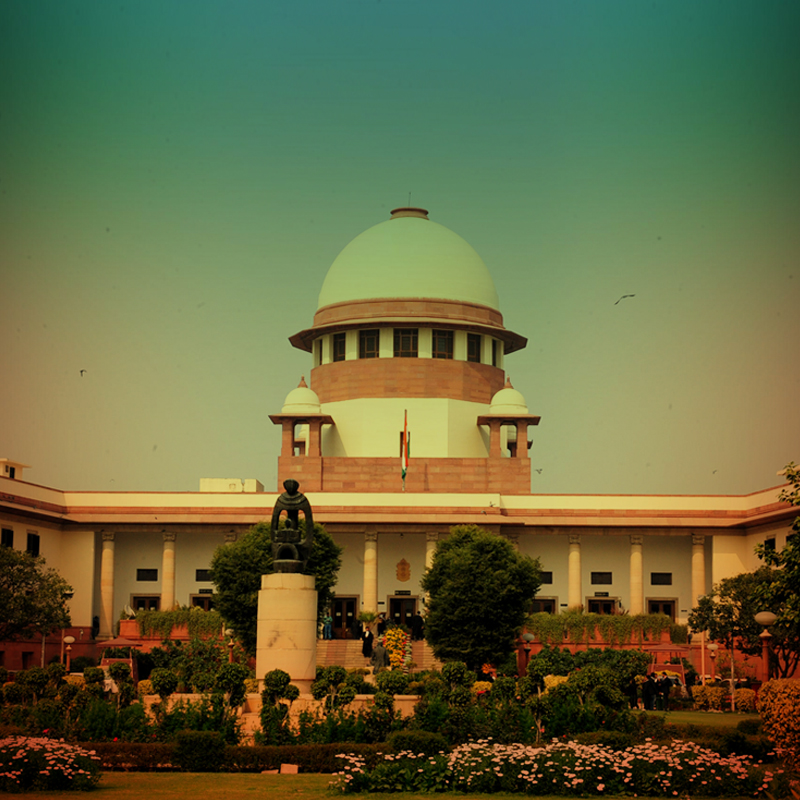
SC adjourns Star India’s petition on TRAI tariff order to 12 September
MUMBAI: The Supreme Court has deferred the hearing of Star India’s petition against TRAI tariff and inter-connect order to 12 September 2018 due to unavailability of time. Last week also, the hearing was deferred to 11 September for the same reason.
Zee Entertainment Enterprises Ltd (ZEEL) was first out of the blocks in publishing the RIO, declaring the MRP and nature of channels in connection with its tariff order, which had a 31 August deadline. The Punit Goenka-led company was followed by TV18 Broadcast Limited ( TV18), Sony Pictures Networks India Private Limited (SPNI), who adhered to the regulator’s directive on September 4. Later, Disney India, Turner International India, Sun TV Networks have also published their RIOs in compliance with the order.
All the broadcaster have stuck to a maximum 15 per cent MRP discount to distributors. Earlier, Madras High Court chief justice did not uphold TRAI’s proposal of allowing highest 15 per cent cap on discounts despite giving the go-ahead to all other proposals. As any clarification did not come from TRAI, all the broadcasters are adhering to the order to avoid any further confusion.
The TRAI tariff orders, first contested in Madras High Court by the petitioners, were cleared by the Chennai court with certain riders after hearings that continued almost over 16 months in front of two benches of the court.
Though the petitioners were unable for comments, a legal eagle explained that the very fact the Supreme Court has allotted a day for hearing the petition of Star India and Vijay TV, which basically revolves around copyright and why the regulator doesn’t have jurisdiction over such issues, highlights the fact that the judge doesn’t want to take a decision in a hurry.
After the Madras HC had given a thumb up to TRAI tariff order, and both the petitioners and the defendant (TRAI) had filed caveats in the Supreme Court, the regulator had bowled a googly saying that its tariff order would come into effect from 3 July 2018 as all judicial compliances had been completed.
“Having complied with the judicial mandates in the matter, the Telecommunication (Broadcasting and Cable) Services (Eighth) (Addressable Systems) Tariff Order, 2017 and the Telecommunication (Broadcasting and Cable) Interconnection (Addressable Systems) Regulations, 2017 as upheld by the Hon’ble Madras High Court and the Telecommunication (Broadcasting and Cable) Services Standards of Quality of Service and Consumer Protection (Addressable Systems) Regulations, 2017 come into effect from 3rd July 2018,” the regulator had said in a statement pointing out that all timelines mentioned in the original order should be adhered to immediately.
According to TRAI, implementation of the new regulatory framework will “bring in transparency”, enable provisioning of affordable broadcasting and cable TV services for the consumer and, at the same time, “would lead to an orderly growth of the sector”.
-

turner india reveals new channel pricing
NEW DELHI: The Supreme Court today listed for 28 August the special leave petition filed by Star India and Vijay TV against a tariff and inter-connect orders of regulator TRAI that had been given a go-ahead by the Madras High Court.
The TRAI tariff orders, first contested in Madras High Court by the petitioners, were cleared by the Chennai court with certain riders after hearings that continued almost over 16 months in front of two benches of the court.
Though the petitioners were unavailable for comments, a legal eagle explained that the very fact the Supreme Court has allotted a day for hearing the petition of Star India and Vijay TV, which basically revolves around copyright and why the regulator doesn’t have jurisdiction over such issues, highlights the fact that the judge doesn’t want to take a decision in a hurry.
The next date of hearing of the case in the apex court on 28 August 2018 is few days before the deadline kicks in for filing of new inter-connect agreements by stakeholders of the Indian broadcast industry.
After the Madras HC had given a thumb up to TRAI tariff order, and both the petitioners and the defendant (TRAI) had filed caveats in the Supreme Court, the regulator had bowled a googly saying that its tariff order would come into effect from 3 July 2018 as all judicial compliances had been completed.
“Having complied with the judicial mandates in the matter, the Telecommunication (Broadcasting and Cable) Services (Eighth) (Addressable Systems) Tariff Order, 2017 and the Telecommunication (Broadcasting and Cable) Interconnection (Addressable Systems) Regulations, 2017 as upheld by the Hon'ble Madras High Court and the Telecommunication (Broadcasting and Cable) Services Standards of Quality of Service and Consumer Protection (Addressable Systems) Regulations, 2017 come into effect from 3rd July 2018,” the regulator had said in a statement pointing out that all timelines mentioned in the original order should be adhered to immediately.
According to TRAI, implementation of the new regulatory framework will “bring in transparency”, enable provisioning of affordable broadcasting and cable TV services for the consumer and, at the same time, “would lead to an orderly growth of the sector”.
Keep tuned in for another episode of this legal saga, which started to air sometime in 2016.
-
Sun TV Network announces new channel pricing
MUMBAI: While broadcasters are still waiting for the Supreme Court hearing on the TRAI tariff order, most of them are publishing their reference interconnect offer (RIO) already in compliance with the order. Sun TV Network has also announced its RIO almost one week after the TRAI deadline of 31 August.
The broadcaster has also stuck to a maximum 15 per cent MRP discount to distributors. Earlier, Madras High Court chief justice did not uphold TRAI’s proposal of allowing highest 15 per cent cap on discounts despite giving the go-ahead to all other proposals. As any clarification did not come from TRAI, all the broadcasters are adhering to the order to avoid any further confusion.
Sun TV Network’s 25 standard definition channels will be available on a-la-carte basis under Rs 19, as required by regulations. For HD channels, the a-la-carte rate has been fixed at Rs 19. The network has also announced thirteen SD bouquets and three HD bouquets. Targeting the entire belt of South India, Sun Ultimate SD and HD bouquet have been priced at Rs 65.
While most of the broadcasters have published their RIOs, Supreme Court is yet to decide the final destiny of the digital television pricing. It again deferred the hearing of Star India’s petition filed against TRAI tariff and interconnect order to 11 September 2018. The case was first contested in Madras High Court and the high court upheld the tariff order with certain riders.
However, while the supreme decision is still awaiting, major broadcasters have already come up with channel prices. TV18 Broadcast Ltd (TV18), Zee Entertainment Enterprises Ltd (ZEEL) and Sony Pictures Networks India Private Ltd (SPNI), Disney India have made available several bouquets targeting audiences of different natures. The first three broadcasters have also highly focused on regional bouquets. ZEEL was the only broadcaster to publish its RIO before the given deadline. Star India, one of the petitioners against the tariff order has not filed its RIO yet.
Sun TV Network channels have good viewership across all markets in South India. In Tamil market, Sun TV retained its first position with 938999 impressions ‘000s, as per BARC data week 35. The network’s Malayalam GEC Surya TV retained third position in the market with 127136 impressions ‘000s. In Kannada and Telugu markets also, the network’s channels retained positions among top 5 channels.
-
Disney India reveals new TV channel prices
MUMBAI: One by one, broadcasters are announcing their new channel rates as per TRAI’s tariff requirements. The latest to join the bandwagon is Disney Broadcasting (India) Ltd. Its reference interconnect offer (RIO) will be effective from 29 December 2018. The deadline given by TRAI was 31 August for publication of RIO, declaration of MRP and nature of channels, in connection with its tariff order.
All Disney India channels will be available on a-la-carte basis, as required by regulations. The a-la-carte of all eight channels including SD and HD channels are under Rs 15 per month. Given the different nature of Disney’s offering in Indian TV sector compared to other broadcasters, it has come up with only one bouquet called Universal Bouquet which has been priced at Rs 10. The bouquet excludes only Disney International HD which has the highest price of Rs 15 on the a-la-carte rate chart.
While most of the broadcasters have published their RIOs, Supreme Court is yet to decide the final destiny of the digital television pricing. The Apex Court again deferred the hearing of Star India’s petition filed against TRAI’s tariff and interconnect order to 11 September 2018. The case was first contested in Madras High Court and the high court upheld the tariff order with certain riders.
Meanwhile, major broadcasters have already come up with channel prices. TV18 Broadcast Ltd ( TV18), Zee Entertainment Enterprises Ltd (ZEEL) and Sony Pictures Networks India (SPNI) have made several bouquets available targeting audiences of different nature. Three of the broadcasters have also focused highly on regional bouquets. ZEEL was the only broadcaster to publish its RIO before the given deadline. Star India, one of the petitioners against the TRAI tariff order has not filed its RIO yet.
Disney India’s offerings for kids have more popularity in the country compared to its entertainment segment. According to week 35 BARC data, two kids channels from the umbrella, Disney Channel and Hungama were at second and third positions respectively in the kids genre. The first one had 105399 impressions ‘000 and the second one 100401 impressions ‘000.
-
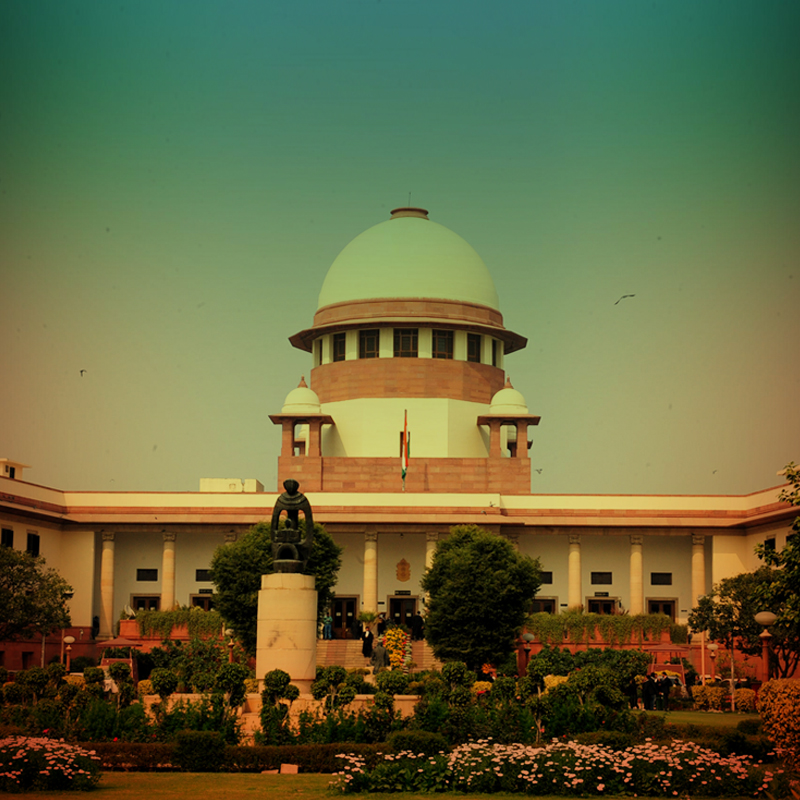
SC adjourns Star India’s petition on TRAI tariff order to 11 September
MUMBAI: The Supreme Court has deferred the hearing of Star India’s petition against TRAI tariff and inter-connect order to 11 September 2018.
Zee Entertainment Enterprises Ltd (ZEEL) was first out of the blocks in publishing the RIO, declaring the MRP and nature of channels in connection with its tariff order, which had a 31 August deadline. The Punit Goenka-led company was followed by TV18 Broadcast Limited ( TV18), Sony Pictures Networks India Private Limited (SPNI), who adhered to the regulator’s directive on September 4.
The TRAI tariff orders, first contested in Madras High Court by the petitioners, were cleared by the Chennai court with certain riders after hearings that continued almost over 16 months in front of two benches of the court.
After the Madras HC had given a thumb up to TRAI tariff order, and both the petitioners and the defendant (TRAI) had filed caveats in the Supreme Court, the regulator had bowled a googly saying that its tariff order would come into effect from 3 July 2018 as all judicial compliances had been completed.
“Having complied with the judicial mandates in the matter, the Telecommunication (Broadcasting and Cable) Services (Eighth) (Addressable Systems) Tariff Order, 2017 and the Telecommunication (Broadcasting and Cable) Interconnection (Addressable Systems) Regulations, 2017 as upheld by the Hon’ble Madras High Court and the Telecommunication (Broadcasting and Cable) Services Standards of Quality of Service and Consumer Protection (Addressable Systems) Regulations, 2017 come into effect from 3rd July 2018,” the regulator had said in a statement pointing out that all timelines mentioned in the original order should be adhered to immediately.
According to TRAI, implementation of the new regulatory framework will “bring in transparency”, enable provisioning of affordable broadcasting and cable TV services for the consumer and, at the same time, “would lead to an orderly growth of the sector”.