Tag: Trai

  • International Conference of Telecom Regulators begins in New Delhi

    International Conference of Telecom Regulators begins in New Delhi

    Mumbai: Minister of state for communications, Chandra Sekhar Pemmasani inaugurates the International Conference of Telecom Regulators, setting the stage for pivotal discussions on the future of telecom regulation. The one-day conference, organised by the Telecom Regulatory Authority of India (TRAI), takes place alongside the ITU World Telecom Standardisation Assembly (WTSA-24) and India Mobile Congress (IMC-24), bringing together global industry leaders, policymakers, and technology partners in New Delhi.  

    Pemmasani emphasises the rapid growth of India’s ICT sector, particularly the swift deployment of 5G services and the widespread adoption of digital technologies. “The growth of the digital economy and a favourable regulatory environment have played significant roles in this transformation,” he states.  

    The event also features remarks from prominent industry figures, including International Telecommunication Union (ITU), secretary-general, Doreen Bogdan-Martin and GSMA, director-general, Mats Granryd. TRAI chairman Anil Kumar Lahoti notes TRAI’s active participation in global telecom forums such as ITU and regional organisations like APT, SATRC, and ASEAN.  

    In a message read by TRAI secretary Atul K. Chaudhary, minister of communications Jyotiraditya Scindia highlights the role of regulators in protecting consumer interests while adapting to evolving technologies. He urges regulators to “craft frameworks for OTT communication” and explore the potential of non-terrestrial networks (NTNs) in expanding communication capabilities to support the United Nations Sustainable Development Goals (UN SDGs).  

    The conference focuses on “Emerging Trends in Regulation,” covering critical topics such as regulatory perspectives in standardisation, satellite communication, and OTT communication services.  

  • TRAI releases TV, cable TV, DTH data for June 2024 quarter

    TRAI releases TV, cable TV, DTH data for June 2024 quarter

    MUMBAI: Industry watchdog the Telecom Regulatory Authority  of India (TRAI) released its quarterly Indian Telecom Services Performance Indicator Report yesterday  for the quarter ending 30 June 2024 which is compiled by collecting information from service providers. And there are no real surprises as far as broadcasters and DPOs are concerned.

    The report has revealed that 912 satellite channels have been allowed to uplink/downlink/do both by the ministry of information & broadcasting as of 30 June 2024. This compare to 924  private satellite TV channels which had got permission in end March 2024 and 903 in end June 2023.  So, it appears there has been a drop in permitted channels. Of these 912, 902 are available for downlinking in India. 362 of the 902 channels are pay TV channels as of end June 2024, while the rest are free to air. There has been not much of a growth in terms of HD services with the figure hovering around the 103 channel mark for the past many quarters; the number stands at 103 HD channels in end June 2024. The SD channels too have stayed put at the 255-259 mark; with the latest number being 259.

    199 of the SD channels are priced between between less than Rs 1 and Rs 12, while 37 HD channels are priced in that range. 42 SD channels and 54 HD channels are priced at Rs 19 and just two SD channels and five HD channels are priced more than Rs 19. So much for the watchdog’s fears that broadcast networks would price their channels too high.

    The largest genre of pay TV channels is represented by general entertainment channels which is at 115 followed by movies with 72 and news & current affairs which has 65 pay channels.


    On the DPO side, TRAI  has reported that 11 MSOs and 1 HITS operator have more than a million subs as of end June 2024. 

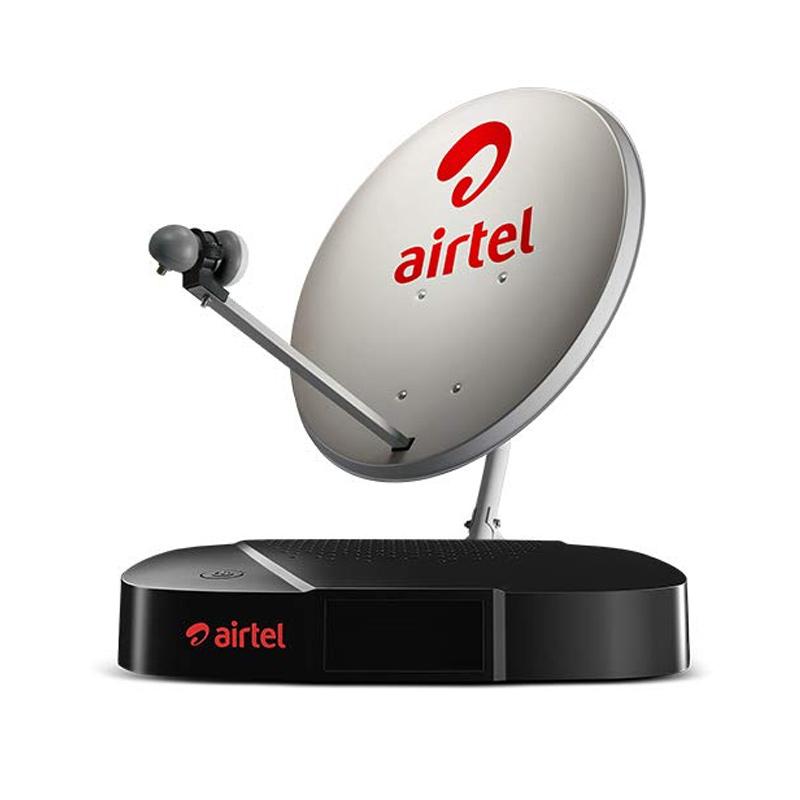
    Active DTH subs have expanded to 62.17 million as against 61.97 in end March 2024.  

  • TRAI issues CP on spectrum assignment for satellite services

    TRAI issues CP on spectrum assignment for satellite services

    Mumbai: TRAI has released a consultation paper on terms and conditions for the assignment of spectrum for certain satellite-based commercial communication services.

    This initiative follows a request from the department of telecommunications on 13 September 2021, asking TRAI for recommendations regarding the auction of spectrum for space-based communication services. In response, TRAI sought information from DoT via letters dated 27 September 2021 and 23 November 2021. On 16 August 2022, DoT provided the necessary information, which led TRAI to issue a consultation paper on the assignment of spectrum for space-based communication services on 6 April 2023, inviting stakeholder comments on the matter.

    In December 2023, the Telecommunication Act, 2023 was enacted, prompting TRAI to review the implications of this new legislation. On 8 February 2024, TRAI communicated to DoT that the request for recommendations regarding the auction of spectrum for space-based communication services might need reconsideration. TRAI asked DoT to specify the issues for which recommendations were needed.

    Responding to TRAI’s request, DoT sent a fresh reference letter on 11 July 2024, indicating that TRAI is invited to provide recommendations on the terms and conditions for spectrum assignment, including spectrum pricing. This request emphasizes the need to ensure a level playing field with terrestrial access services concerning the following satellite-based communication services:

    1.  NGSO-based fixed satellite services: These services are focused on data communication and Internet services, and TRAI is encouraged to consider the services offered by GSO-based satellite communication providers.

    2.  GSO/NGSO-based mobile satellite services: These services provide voice, text, data, and Internet services.

    The consultation paper is now available on TRAI’s website. TRAI invites stakeholders to submit their written comments on the issues raised in the consultation paper by 18 October 2024, and counter-comments by 25 October 2024.

  • TRAI issues digital radio broadcast policy CP for private broadcasters

    TRAI issues digital radio broadcast policy CP for private broadcasters

    Mumbai: TRAI has released a consultation paper to formulate a digital radio broadcast policy for private radio broadcasters.

    Currently, analogue radio broadcasting in India takes place in medium wave, short wave, and VHF-II (FM) bands. While All India Radio operates across all three, private broadcasters are limited to the FM band (88-108 MHz).

    Digital radio broadcasting presents several advantages, including the ability to transmit three to four channels on a single frequency while ensuring high audio quality. This is in contrast to analogue broadcasting, which allows only one channel per frequency. Digital radio also provides opportunities for broadcasters and additional services for listeners.

    AIR has started digitising its analogue medium wave and short wave networks, replacing 38 analogue transmitters with digital ones and conducting trials for digital technologies in the FM band. However, digitisation efforts by private FM radio broadcasters are still pending.

    In February 2018, TRAI recommended that stakeholders, including radio broadcasters and equipment manufacturers, collaborate to develop a digital radio broadcasting ecosystem. The Authority called for a detailed policy framework to guide the rollout of digital radio services.

    In response to a request from the MIB on 23 April 2024, TRAI has initiated a consultation process to gather feedback on the digital radio broadcast policy. Stakeholders can submit written comments by 28 October 2024, with counter-comments accepted until 11 November 2024.

  • TRAI releases telecom subscription data report for 31 July 2024

    TRAI releases telecom subscription data report for 31 July 2024

    Mumbai: The Telecom Regulatory Authority of India (TRAI) has published its telecom subscription data report for 31 July 2024. The report revealed that Reliance Jio experienced a decline of 0.7 million users, despite gaining 1.91 million in June. In contrast, state-owned Bharat Sanchar Nigam Ltd (BSNL) saw a significant increase, adding 2.9 million users in July, benefiting from a period when its private competitors raised their tariffs.

    In June, BSNL had lost 0.74 million users, but the subsequent tariff hikes implemented by private operators prompted many users to switch. The three major private players—Jio, Bharti Airtel, and Vodafone Idea (Vi)—all raised their prices in early July, with BSNL maintaining its existing rates.

    Airtel was particularly affected, losing 1.69 million subscribers in July after previously adding 1.25 million in June. Vi also faced a setback, losing 1.41 million users, although this was an improvement compared to its June loss of 0.86 million. Notably, Vi has experienced ongoing subscriber losses for over a year, until Airtel recently surpassed it.

    The tariff hikes, which occurred around 3-4 July, varied in magnitude; Airtel’s increases were smaller than Jio’s, which ranged from 12 to 25 per cent. These adjustments notably impacted Airtel’s 2G subscriber base, while Jio chose not to alter its pricing in that segment. Meanwhile, Vi has concentrated on offering unlimited data plans with various validity periods ranging from 28 days to a year.

  • TRAI takes down more than 2.75 lakh spam numbers

    TRAI takes down more than 2.75 lakh spam numbers

    Mumbai – TRAI has observed a significant rise in spam calls, with over 7.9 lakh complaints reported against Unregistered Telemarketers (UTMs) in the first half of the year 2024 (January to June) as stated in the press release.

    Taking this issue seriously, TRAI had issued stringent directives to all Access Providers on 13 August 2024. TRAI has mandated Access Providers to immediately stop promotional voice calls from unregistered senders or telemarketers using SIP, PRI, or other telecom resources. Any UTM found to be misusing these resources will face severe consequences, including disconnection of all telecom resources for up to two years and blacklisting.

    Consequent of these directions, Access Providers have taken stern measures against misuse of telecom resources for spamming and blacklisted over 50 entities and disconnected more than 2.75 lakh SIP DID/Mobile Numbers/Telecom resources. These steps are expected to have a significant impact on reducing spam calls and providing relief to consumers. TRAI urges all stakeholders to comply with the directives and contribute to a cleaner and more efficient telecom ecosystem.
     

  • TRAI releases paper on review of telecom customer preference regulations

    TRAI releases paper on review of telecom customer preference regulations

    Mumbai – The Telecom Regulatory Authority of India (TRAI) has issued a consultation paper seeking public comments on “Review of the Telecom Commercial Communications Customer Preference Regulations, 2018 (TCCCPR-2018)” The TCCCPR-20 18 was implemented in February-20 19 to address the issue of Unsolicited Commercial Communications (UCC). These regulations aim to protect consumers from unwanted promotional calls and messages, while allowing businesses to send targeted communications to customers who have consented for or set preferences to receive them. During implementation of the regulatory frameworks, certain issues have been observed. This paper aims to bring forward issues observed during implementation, and which need immediate attention. The provisions of regulations related to these issues may need amendment.

    The broad category of issues discussed in the consultation paper includes the following- ” Definitions of Commercial Communications. ” Provisions related to the Complaint Redressal. ” UCC Detect System and action thereof. ” Provisions related to Financial Disincentives. ” Provisions related to Senders and Telemarketers. ” Analysis of high number of voice calls and SMS. TRAI is seeking input on areas to strengthen the regulations, including stricter provisions against the Unregistered Telemarketers (UTMs) who harass the public through spam calls, improved complaint redressal mechanisms, more effective UCC detection systems, stronger financial disincentives for violation of regulatory provisions, and revised regulations for senders and telemarketers. The paper also explores the possibility of differential tariffs for voice calls and SMS to discourage UCC.

    Written comments on the consultation paper are invited from the stakeholders by 25 September 2024. Counter comments may be submitted by 9 October 2024. 

  • TRAI convenes meeting of Joint Committee of Regulators (JCoR)

    TRAI convenes meeting of Joint Committee of Regulators (JCoR)

    Mumbai – TRAI convened a meeting of the Joint Committee of Regulators (JCoR) on 27 August 2024, at its headquarters in New Delhi. Members  of the JCoR from IRDAl, PFRDA, RBI, SEBI, MoCA, MeitY, and TIAI attended the meeting. Additionally, DoT and MHA representatives joined as special guests. The JCoR serves as a collaborative platform to examine regulatory implications in the digital age and work collaboratively on regulatory frameworks.

    In his address, TRAI chairman Anil Kumar Lahoti stressed the need for a joint effort to tackle the problem of spam messages and calls. He urged the regulators to discuss and enable implementation of (i) whitelisting of URLs, APKs, O’IT links and call back numbers to be sent in SMS, (ii) migration of existing telemarketers making promotional calls to 140 series on DLT platform, and (iii) declaration of entire chain of telemarketers engaged by them for PE-TM chain binding.

    The meeting explored potential collaborative efforts and strategies to address UCC and fraud through telecom resources. The key issues discussed are as given below-

    “Role of Entities in Whitelisting of URLs, APKs, OTF links, and call back numbers in the content templates and ensuring the traceability of all the messages from senders to recipients – Many instances of misuse of headers and templates have been observed. Fraud takes place through the transmission of malicious links using the variable parts of the messages. In case of misuse of headers and content templates, it is difficult to find the entity that pushed the traffic. Therefore, mandatory whitelisting of URLs, APKs, O’Vl’ links, or call back numbers, and declaration of the entire chain of telemarketers engaged by them for PE-TM chain binding as per the timelines fixed by TRAI’s latest Directions needs to be enforced.

    “Addressing the issue of entities using PRI/ SIP channels for making unsolicited calls – Many business entities make commercial voice calls using SIP/ PRI lines with hundreds of indicators in violation of TRAI’s regulations. These entities should be migrated to the designated 140 series for making promotional calls. Also, there is an urgent need to take firm action, without further delay, on spammers who are using PRI/ SIP/ bulk connections for making promotional voice calls! Robo calls! Pre-recorded calls. 

    “Leveraging the DCA system established by digital service providers to obtain digital consent from consumers – DCA system will be of great value to the entities, not only for messaging services, but also for voice calls. It permits the delivery of messages and calls to the recipients despite their DND preference. The technical infrastructure for DCA is now in place. Regulators were requested to ask the entities under their jurisdiction to start using this facility in a time bound manner.

    “Use of 160 series by the Entities for making service and transactional calls for easy identification by the consumers – 160 series has been allocated exclusively for Service and Transactional Calls. A Pilot Study was commissioned by TRAT and RBI to determine the technical feasibility of various options, the outcome of the same was discussed. Enhancing information exchange among regulators to control frauds using telecom resources – Emphasis was given to exchange information available with various regulators on their platforms and for its effective utilisation to control frauds.

    By addressing these issues collectively, the JCoR aims to protect consumers from the harms of spam and fraud while ensuring a more secure and efficient telecom ecosystem.

  • TRAI issues warning against fraudulent calls impersonating TRAI

    TRAI issues warning against fraudulent calls impersonating TRAI

    Mumbai: Telecom Regulatory Authority of India (TRAI) has issued a warning against Fraudulent Calls Impersonating TRAI on 21 August 2024. It stated in a press release that, “The Telecom Regulatory Authority of India (TRAI) does not initiate communication with customers regarding mobile number disconnection through messages or otherwise. TRAI has not authorised any third-party agency to contact customers for such purposes. Therefore, any form of communication (call, message, or notice) claiming to be from TRAI and threatening mobile number disconnection should be considered a potential fraudulent attempt and must not be entertained.

    The disconnection of any mobile number due to billing, KYC or misuse if any, is done by the respective Telecom Service Provider (TSP). Citizens are advised to be vigilant and not get panicked to fall prey to suspected fraudsters. They are further advised to cross-verify such calls by contacting the authorised call centres or customer service centres of the respective TSP.

    To prevent the misuse of telecom resources for cybercrime and financial fraud, citizens are encouraged to report suspected fraudulent communications through the Chakshu facility on the Department of Telecommunications’ Sanchar Saathi platform.” 

  • TRAI releases Indian Telecom Services-Yearly Performance Indicators report for 2023-24

    TRAI releases Indian Telecom Services-Yearly Performance Indicators report for 2023-24

    Mumbai: TRAI’s Indian Telecom Services-Yearly Performance Indicators report for 2023-24 highlights that gross revenue also saw a modest increase of 0.71 per cent year-on-year, climbing from Rs 3.33 trillion in 2022-23 to Rs 3.36 trillion in 2023-24. Meanwhile, the Applicable Gross Revenue (ApGR) grew by 6.38 per cent, reaching ₹3.23 trillion in 2023-24, up from Rs 3.03 trillion in the previous financial year.

    In 2023-24, the Adjusted Gross Revenue (AGR) of telecom service providers grew by 8.24 per cent year-on-year, driven by increased data consumption and consumer upgrades, according to a report by the Telecom Regulatory Authority of India (TRAI). The AGR rose from ₹2.49 trillion in 2022-23 to Rs 2.7 trillion in 2023-24.

    License fees experienced an 8.45 per cent increase, rising from Rs 19,954 crore in 2022-23 to ₹21,642 crore in 2023-24. Conversely, spectrum usage charges (SUC) saw a significant decline of 32.20 per cent, dropping from Rs 4,968 crore in 2022-23 to ₹3,369 crore in 2023-24.

    Among telecom service providers, Reliance Jio recorded a 9.62 per cent year-on-year growth, with its AGR increasing from ₹89,279.39 crore in 2022-23 to Rs 97,868.06 crore in 2023-24. Bharti Airtel posted a 12.12 per cent rise, reaching ₹80,529.33 crore in 2023-24. In contrast, Bharat Sanchar Nigam Ltd (BSNL) reported a 1.92 per cent decline, while Mahanagar Telephone Nigam Ltd (MTNL) experienced a sharp 22.34 per cent decrease, with its AGR falling from ₹785.6 crore in 2022-23 to Rs 610.11 crore in 2023-24.

    The share of public sector undertakings (PSUs) in the access AGR of telecom services decreased to 6.64 per cent in 2023-24, down from 7.04 per cent in 2022-23. The PSUs’ share in such AGR amounted to ₹17,973 crore in 2023-24, compared to Rs 17,605 crore in the previous fiscal year.