Tag: Toyota

  • Ritesh Gupta takes charge of ad sales at OLX India

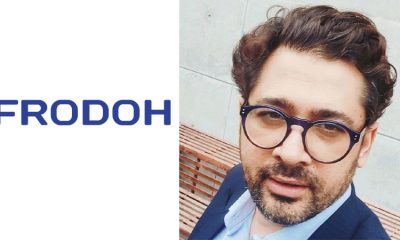
    Ritesh Gupta takes charge of ad sales at OLX India

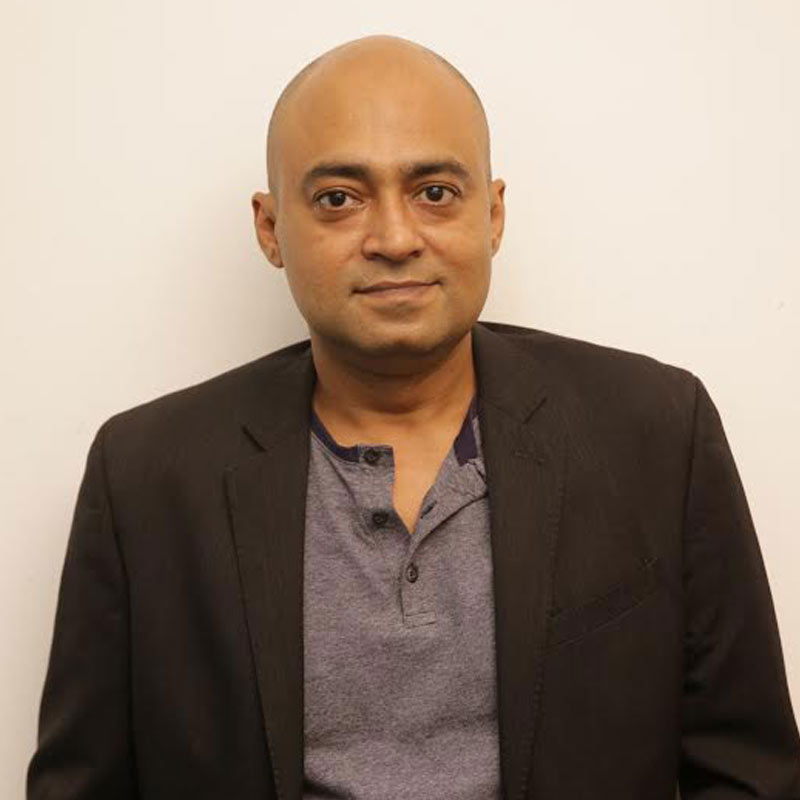
    MUMBAI: After nearly two decades of steering digital revenue growth across India’s top media and auto-tech brands, Ritesh Gupta has taken on a new challenge as head of ad sales (direct) and partnerships at OLX India.

    At CarDekho, where he spent over seven years, Gupta was instrumental in scaling the new auto business to contribute over 20 per cent of company revenue. He also built strong alliances with top automotive brands such as Toyota, Hero, Hyundai, TVS, Honda Cars, and Ather, while spearheading digital innovations like AI voice bots, AR/VR tools, and chatbots to enhance engagement.

    His diverse career spans leadership roles at The Indian Express, ABP Group, Connecting Dots Asia, Hindustan Times, Nielsen Digital, Business Standard, and The Times of India, where he honed his expertise in digital transformation, strategic partnerships, and sales excellence.

    In his new role at OLX India, Gupta will focus on strengthening the company’s advertising ecosystem through direct brand collaborations, strategic alliances, and innovative monetisation models.

    With his rich cross-industry experience and a flair for innovation, Gupta’s appointment marks a strong step forward in OLX India’s mission to accelerate growth in the evolving ad and partnerships landscape.


  • Kia shifts into top gear with Atul Sood as new sales and marketing head

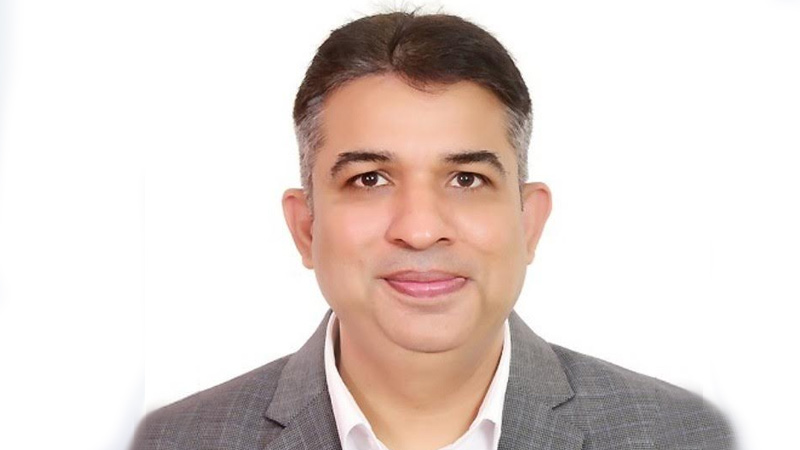
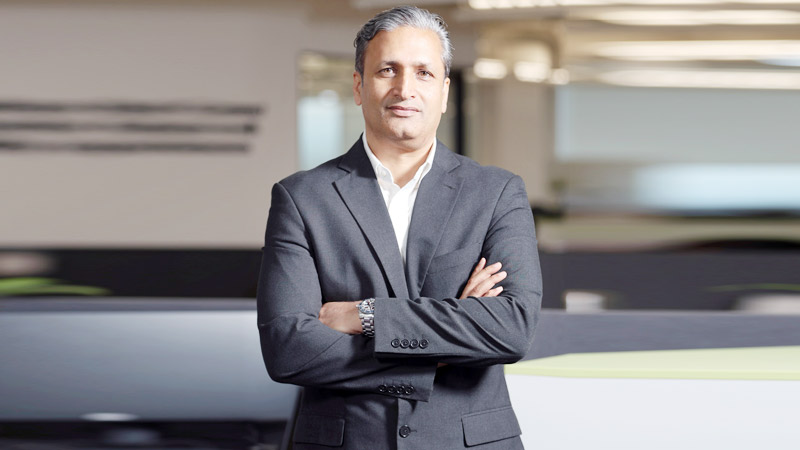
    Kia shifts into top gear with Atul Sood as new sales and marketing head

    MUMBAI: From driving growth at Toyota to taking the wheel at Kia, Atul Sood is all set for his next ride. Kia India has hit the accelerator on its leadership transformation, appointing Atul Sood as senior vice president of sales & marketing, effective 11 July 2025. A veteran of the Indian auto sector, Sood will lead Kia’s pan-India sales operations and marketing strategy, reporting directly to chief sales officer Joonsu Cho.

    Bringing with him nearly 30 years of industry experience, Sood was most recently president and director at Toyota Mobility Solutions and Services India (TMSS), where he played a key role in steering innovation and business expansion. His previous stints at Toyota Kirloskar Motors and Toyota Motor Asia Pacific further cement his reputation as a strategic leader with a deep understanding of both market dynamics and customer needs.

    Kia India’s MD & CEO Gwanggu Lee welcomed the appointment saying, “Atul’s proven track record in customer-first innovation and dealer network development makes him the ideal candidate to guide Kia through its next growth chapter. We’re confident his leadership will further our brand promise and strengthen our foothold in India’s mass-premium segment.”

    An engineer from Thapar Institute and a PGDM holder from SCMHRD Pune, Sood brings a rare mix of operational rigour and marketing flair. His leadership comes at a time when Kia India is looking to expand its market share, grow its product footprint, and deepen customer relationships across metros and emerging markets alike.

    Speaking on his new role, Sood said, “Joining Kia at such a pivotal moment in its India journey is truly exciting. The brand’s commitment to innovation, design, and customer delight aligns perfectly with my own values. I look forward to building on its strong foundation and driving sustainable growth across the country.”

    With this appointment, Kia India signals its intent to keep up the momentum in one of the world’s fastest-evolving auto markets and if Sood’s track record is any indication, the ride ahead is going to be anything but ordinary.
     

  • V-Guard’s Insight-G fan blows away the competition with German Design Award

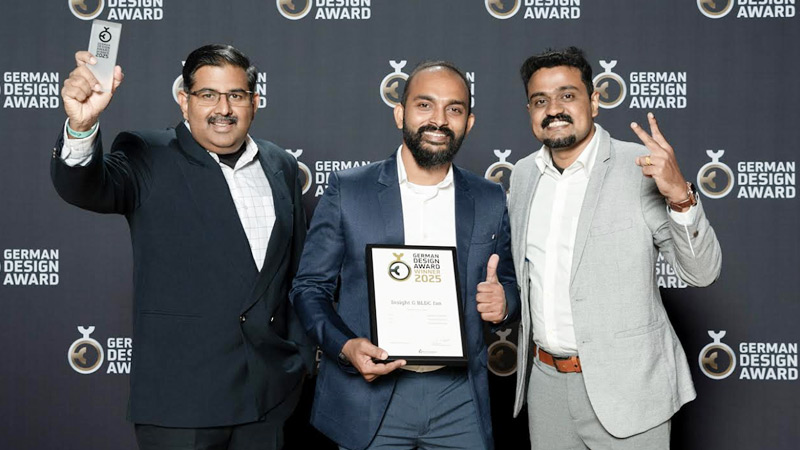
    V-Guard’s Insight-G fan blows away the competition with German Design Award

    MUMBAI: V-Guard’s Insight-G BLDC fan has breezed past the competition to claim the prestigious German Design Award 2025 in the excellent product design category, solidifying its place among world-class innovations. Recognised for its sleek aesthetics, user-friendly technology, and dust-repellent durability, the fan stands as a testament to intelligent design and efficiency.

    The award was presented at a glittering ceremony at Frankfurt Messe, Germany, attended by over 1,300 global industry experts. Organised by the German Design Council, the award is among the most esteemed in the world, honouring trailblazing products that redefine design excellence.

    An elite jury of 30 international design experts from 16 countries lauded the Insight-G fan for its premium build, advanced functionality, and sustainability, placing it alongside global titans like Toyota, Porsche, and Siemens.

    “Winning the German Design Award is a moment of great pride for us,” said V-Guard Industries managing director Mithun K Chittilappilly. “The Insight-G BLDC Fan showcases our commitment to intelligent design, exceptional performance, and energy efficiency and we remain dedicated to delivering innovative thoughtful solutions that enhance consumers’ lives.” he added.

    This win follows V-Guard’s recent success at the Red Dot Design Awards, reaffirming its reputation for delivering high-quality, future-ready products. With Insight-G, V-Guard isn’t just reinventing the fan, it’s redefining the future of home comfort, one stylish spin at a time.
     

  • Casio and Toyota unveil G-SHOCK MUDMAN GW-9500TLC edition

    Casio and Toyota unveil G-SHOCK MUDMAN GW-9500TLC edition

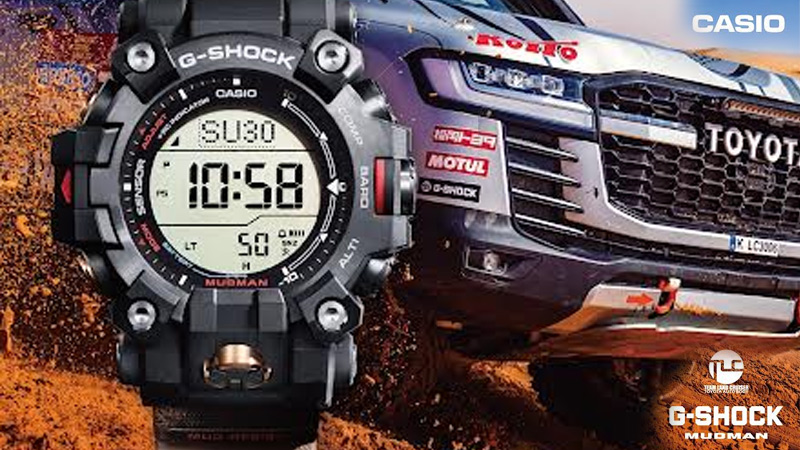
    Mumbai: G-SHOCK, the trailblazing watch brand renowned for its exceptional durability and visionary craftsmanship, is excited to announce its latest collaboration with Toyota Land Cruiser, a fusion of rugged durability and automotive excellence. Introducing the G-SHOCK MUDMAN GW-9500TLC-1, a timepiece born from the relentless spirit of Team Land Cruiser Toyota Auto Body (TLC) and the iconic toughness of G-SHOCK.

    The GW-9500 stands proudly as the third evolution within the esteemed MUDMAN Series, following in the distinguished footsteps of its predecessors, the GW-9000 and GW-9300. Nestled within the prestigious Master of G series, renowned for its unparalleled resilience, the MUDMAN epitomizes durability in the face of adversity. Crafted to dominate the harshest landscapes, the MUDMAN GW-9500 TLC Edition, with its carbon core guard structure, is engineered to withstand the onslaught of dust, mud, and extreme elements.

    The timepiece embodies the spirit of MUDMAN, renowned for delivering peak performance in the harshest conditions, and reflects the enduring challenge embraced by TLC, a seasoned participant in the Dakar Rally, widely regarded as the toughest race in the world. Designed to capture the feel of racing through desert sands, the sand-colored band is printed with a black splatter pattern that evokes tracks left by speeding racers. The stainless-steel bezel components — a first for a GW-9500 model — are ion plated in black to project a bold fearlessness that exudes both strength and practical luxury.

    Moreover, this exclusive edition, adorned with the TLC team colors — blue, white, and red — enhances the design, with the team logo proudly displays on the band and case back, celebrating the dynamic collaboration between Toyota Auto Body and G-SHOCK.

    This special-edition timepiece is a testament to G-SHOCK and Toyota’s shared commitment to unparalleled quality and thrilling exploration, exemplifying excellence and adventure. Its streamlined and compact profile hosts a sophisticated duplex LCD, providing essential data at a glance for navigating the toughest challenges. With radio-controlled calibration, every second is precise, making it a necessity in the unforgiving realm of extreme racing.

    Priced at Rs 24,995, this timepiece is available at Casio India stores nationwide, or online at https://www.casio.com/in/watches/gshock/product.GW-9500TLC-1/

  • Toyota pulls games-related TV ads ahead of Tokyo Olympics

    Toyota pulls games-related TV ads ahead of Tokyo Olympics

    MUMBAI: On the back of the Olympics organising committee revealing three more Covid-positive cases in its daily update of COVID-19 list, the Games’ top sponsor Toyota declared its decision to not air any Olympics-themed advertisements on Japanese television during the Tokyo Games.

    The unprecedented decision by the country’s top automaker underscores how polarising the 2020 Olympic Games have become in Japan, as COVID-19 infections rise ahead of Friday’s opening ceremony. The total number of Games-related cases now stands at 58.

    “There are many issues with these Games that are proving difficult to be understood,” Toyota chief communications officer Jun Nagata told the media.

    Chief executive Akio Toyoda, the company founder’s grandson, will be skipping the opening ceremony. That’s despite about 200 athletes who are affiliated with Toyota taking part in the Olympics and Paralympics, including swimmer Takeshi Kawamoto and softball player Miu Goto.

    Nagata said the company will continue to support its athletes.

    One Olympics concerned personnel and a contractor were among three COVID-19 cases detected on Monday by the Games organisers, a day after three sportspersons, two of them staying at the athletes’ village, tested positive for the virus.

    The Games will be held behind closed doors as infections soar in the Japanese capital, which has been recording more than 1,000 cases per day for the past few days. So while being a corporate sponsor for the Olympics is usually all about using the games as a platform to enhance the brand, being linked with a pandemic-era Games may be viewed by some as a potential marketing problem.

    Tokyo 2020 spokesperson, Masa Takaya said sponsors each make their own decisions on their messages while noting that there is a mixed public sentiment in Japan towards the Games. “I need to emphasise that those partners and companies have been very supportive of Tokyo 2020. They are passionate about making these Games happen,” Takaya said.

    Toyota Motor Corp signed on as a worldwide Olympic sponsor in 2015, in an eight-year deal reportedly worth nearly $ one billion, becoming the first car company to join the IOC’s top-tier marketing program.

    The sponsorship, which started globally in 2017, runs through the 2024 Olympics, covering three consecutive Olympics in Asia, including the Tokyo Games.

    The Tokyo Olympics, already delayed by a year, are going ahead despite the Japanese capital being under a state of emergency. It’s already virtually a made-for-TV Olympics with most events, including the opening ceremony, going ahead without fans in the venues. Some dignitaries, such as IOC President Thomas Bach and Emperor Naruhito, are likely to attend.

    Public opinion surveys reflect widespread concern among Japanese people about having tens of thousands of Olympic participants enter the country during a pandemic, with some already having tested positive for COVID.

    Meanwhile, the first batch of athletes from the Indian contingent has already checked in at the village.

  • Virtual Reality: What’s in it for marketers?

    Virtual Reality: What’s in it for marketers?

    MUMBAI: In the marketing industry, digital era is not something being anticipated but a reality that has arrived and the way one interact with digital content is also changing rapidly especially through the advent of virtual reality (VR) and augmented reality(AR). 

    The terms are often thrown in the air by marketers when citing examples of latest technology in marketing, but what few realize the ground zero report on the actual work and its effectiveness done using VR and Augmented reality as a marketing tool.

    And who better to vouch for it than Ashish Limaye the chief operating officer of Happy Finish, a creative post production studio media agency that dabbles heavily in VR, CG and AR.

    With a global presence of over 12 years, Happy Finish headquartered in the United Kingdom has managed to bag substantially big name clients since it entered the Indian market five years ago. The studio works closely with other creative agencies and caters to specific skillsets that a campaign requires while also having several clients of their own to boot.

    “We work with almost all the leading brands including brands like Unilever, Nestle and Marico to Coke and Pepsi in the beverage section,” points out Limaye, adding, “In the automobile section we work with Maruti Suzuki, Tata Motors, Toyota, and Renault.”

    Adapt or perish

    The single largest shift in the paradigm that Limaye has noticed in the last one year is the completely insulated channels that brands have established with consumers irrespective of any external stakeholders. “When I say stakeholders, I mean magazine, television, billboards etc. And this insulated channel is possible through smartphones that have penetrated the Indian market,” points out Limaye. “The shift which is happening is from all the above-the-line conventional paid media to a ‘owned by the brand’ media, which also generates organic reach through social media without spending a penny.” Coupled with the data points that smartphones facilitate, brands can now directly target their consumers and know them like never before -.not as part of some mass, but by name age and behaviour and preference. As smartphones and other smart devices can easily be used to access VR environment, its use in marketing will grow manifold in the coming years.

    Scope for VR in marketing

    When asked about the scope for VR and augmented reality he sees in marketing in India, Limaye points out the major challenges that today’s marketers are facing with conventional mediums of communication.  “There are two constants in this day and age: one if that media is getting fragmented, and second, consumer attention is getting more fragmented. Today, the consumer is bombarded with so many different media and it has become extremely tough establishing a dialogue with them. And that is where VR becomes extremely advantageous to marketers as it allows you to engage the consumer on a one-on-one basis.”

    To sum it up he adds, “Firstly, VR helps brands with a significant amount of credibility through immersive experience, which otherwise is not possible as effectively. Secondly it also allows to communicate the entire value chain with the customer, through multiple channels — be it retail, or post sale etc; from the factory to the showroom and then road.”

    Limaye explains with an example. “Suppose a telecom is launching their 4G services. With the past record of 3G services not being so favourable with people complaining of call drop, there is a lot of doubt in the market on how well the 4G will do. To counter that a marketer can create an immersive experience of a user in the 4G service and share it with prospective consumers to add credibility to 4G services.”

    VR Vs AR: 

    While VR has been cited several times for its use in experiential marketing, it is easy to confuse it with augmented reality. Limaye defines the two in a simple sentence: “Augmented reality is when I import an external element into my world, while virtual reality allows me to travel to that world.” 

    The biggest differentiating factor is that augmented reality can be consumed by more than one person at a time. “You can project a car on a table while sitting in coffee shop and show to a client or a buyer the inside of the car, its interiors, how it functions and drives. That’s augmented reality.”

    Another good example of clever use of augmented reality in a marketing campaign is what can be done for the online furniture brands like Pepperfry. “It allowed consumers to scan their living room and feed the information to their app, and then place furniture items wherever you like with the use of augmented reality to see what looks like where.”

    Adoption amongst brands:

    In India, the adoption of the technology is picking up fast. Limaye says he gets at least two to three requests daily from several big and small brands when it comes to VR, although he does acknowledge the presence of a learning curve that the industry is going through for this fairly new technology. “While there are brands interested in trying these out, when you ask them what exactly they want to do with it. They have no answer.”

    The area in which the marketers are falling behind is the lack of creative approach when working with VR and augmented reality. “You can’t be using VR for the sake of it just to sound cool or be counted amongst those who are progressive in the industry. There has to a communicative objective that the use of VR must fulfill,” Limaye said.

    The brands which have come forward in using VR and AR come from FMCG sector, beverages like Pepsi and Coke, tourism and travel, and of course automobiles. Currently 30 per cent of Happy Finish’s client base for VR is from the automobile sector.

    Accessibility and cost:

    While VR and AR paves way for endless possibility in use of the technology for marketing purpose, one can’t help but question if India is ready for it in terms of the accessibility of the experience. Can brands only target niche consumers or go brand to brand with it?  

    Knowing that similar questions have been bothering the industry for quite sometime, Limaye says: “It is a myth that you need a high-end headgear to access Virtual reality. You can access it in many ways. Firstly you have Google Cardboard, which is priced as low as Rs 100. Secondly you can access it using YouTube and Facebook that have started their 360 degree videos. Your mobile or your smart device – be it laptop or iPad – then becomes your window to the virtual reality. All one needs to do is shoot 360 media and put it up. Thirdly, if one has a budget to spare, one can go for head gears for a more complete experience. I can see big spending brands keep a gear at their showroom for showcases etc, or for B2B communication. So the distribution challenge is being dealt with in every level.”

    The ROI Factor: 

    So how much should a marketer going for VR budget for their new campaign? Typically, the feeling is that use of a new technology is more expensive as one has to set in place the infrastructure for it. But Limaye disagrees.

    Though the average budget is subjective to the brands need but for a decent campaign which includes an app development and a live action shoot, a budget of Rs 1 to s 1.5 crore is good enough for a good immersive experience using VR. That also reflects in the ROI.

    “I have metrics in place for how many people have downloaded an app, what feature they are interested in and I can even have a call to action post their immersive experience and directly lead the campaign to sales. The call to action is also well monitored and measure. When it comes to ROI, the investment too is very less when you compare it to mediums like television. To reach the Hindi Speaking Market with TVC, a marketer needs to have at least Rs 2 to 3 crore budget to reach a decent TRP number. But this is not needed when I am talking about a VR campaign while still reaching out to the relevant audience.” 

    “The quality of engagement is much higher as compared to other mediums, and the cost of acquisition of the customer’s attention is much lower, and the absolute spend is also lower. In all these metrics, the ROI is much higher,” Limaye adds in parting.

  • Virtual Reality: What’s in it for marketers?

    Virtual Reality: What’s in it for marketers?

    MUMBAI: In the marketing industry, digital era is not something being anticipated but a reality that has arrived and the way one interact with digital content is also changing rapidly especially through the advent of virtual reality (VR) and augmented reality(AR). 

    The terms are often thrown in the air by marketers when citing examples of latest technology in marketing, but what few realize the ground zero report on the actual work and its effectiveness done using VR and Augmented reality as a marketing tool.

    And who better to vouch for it than Ashish Limaye the chief operating officer of Happy Finish, a creative post production studio media agency that dabbles heavily in VR, CG and AR.

    With a global presence of over 12 years, Happy Finish headquartered in the United Kingdom has managed to bag substantially big name clients since it entered the Indian market five years ago. The studio works closely with other creative agencies and caters to specific skillsets that a campaign requires while also having several clients of their own to boot.

    “We work with almost all the leading brands including brands like Unilever, Nestle and Marico to Coke and Pepsi in the beverage section,” points out Limaye, adding, “In the automobile section we work with Maruti Suzuki, Tata Motors, Toyota, and Renault.”

    Adapt or perish

    The single largest shift in the paradigm that Limaye has noticed in the last one year is the completely insulated channels that brands have established with consumers irrespective of any external stakeholders. “When I say stakeholders, I mean magazine, television, billboards etc. And this insulated channel is possible through smartphones that have penetrated the Indian market,” points out Limaye. “The shift which is happening is from all the above-the-line conventional paid media to a ‘owned by the brand’ media, which also generates organic reach through social media without spending a penny.” Coupled with the data points that smartphones facilitate, brands can now directly target their consumers and know them like never before -.not as part of some mass, but by name age and behaviour and preference. As smartphones and other smart devices can easily be used to access VR environment, its use in marketing will grow manifold in the coming years.

    Scope for VR in marketing

    When asked about the scope for VR and augmented reality he sees in marketing in India, Limaye points out the major challenges that today’s marketers are facing with conventional mediums of communication.  “There are two constants in this day and age: one if that media is getting fragmented, and second, consumer attention is getting more fragmented. Today, the consumer is bombarded with so many different media and it has become extremely tough establishing a dialogue with them. And that is where VR becomes extremely advantageous to marketers as it allows you to engage the consumer on a one-on-one basis.”

    To sum it up he adds, “Firstly, VR helps brands with a significant amount of credibility through immersive experience, which otherwise is not possible as effectively. Secondly it also allows to communicate the entire value chain with the customer, through multiple channels — be it retail, or post sale etc; from the factory to the showroom and then road.”

    Limaye explains with an example. “Suppose a telecom is launching their 4G services. With the past record of 3G services not being so favourable with people complaining of call drop, there is a lot of doubt in the market on how well the 4G will do. To counter that a marketer can create an immersive experience of a user in the 4G service and share it with prospective consumers to add credibility to 4G services.”

    VR Vs AR: 

    While VR has been cited several times for its use in experiential marketing, it is easy to confuse it with augmented reality. Limaye defines the two in a simple sentence: “Augmented reality is when I import an external element into my world, while virtual reality allows me to travel to that world.” 

    The biggest differentiating factor is that augmented reality can be consumed by more than one person at a time. “You can project a car on a table while sitting in coffee shop and show to a client or a buyer the inside of the car, its interiors, how it functions and drives. That’s augmented reality.”

    Another good example of clever use of augmented reality in a marketing campaign is what can be done for the online furniture brands like Pepperfry. “It allowed consumers to scan their living room and feed the information to their app, and then place furniture items wherever you like with the use of augmented reality to see what looks like where.”

    Adoption amongst brands:

    In India, the adoption of the technology is picking up fast. Limaye says he gets at least two to three requests daily from several big and small brands when it comes to VR, although he does acknowledge the presence of a learning curve that the industry is going through for this fairly new technology. “While there are brands interested in trying these out, when you ask them what exactly they want to do with it. They have no answer.”

    The area in which the marketers are falling behind is the lack of creative approach when working with VR and augmented reality. “You can’t be using VR for the sake of it just to sound cool or be counted amongst those who are progressive in the industry. There has to a communicative objective that the use of VR must fulfill,” Limaye said.

    The brands which have come forward in using VR and AR come from FMCG sector, beverages like Pepsi and Coke, tourism and travel, and of course automobiles. Currently 30 per cent of Happy Finish’s client base for VR is from the automobile sector.

    Accessibility and cost:

    While VR and AR paves way for endless possibility in use of the technology for marketing purpose, one can’t help but question if India is ready for it in terms of the accessibility of the experience. Can brands only target niche consumers or go brand to brand with it?  

    Knowing that similar questions have been bothering the industry for quite sometime, Limaye says: “It is a myth that you need a high-end headgear to access Virtual reality. You can access it in many ways. Firstly you have Google Cardboard, which is priced as low as Rs 100. Secondly you can access it using YouTube and Facebook that have started their 360 degree videos. Your mobile or your smart device – be it laptop or iPad – then becomes your window to the virtual reality. All one needs to do is shoot 360 media and put it up. Thirdly, if one has a budget to spare, one can go for head gears for a more complete experience. I can see big spending brands keep a gear at their showroom for showcases etc, or for B2B communication. So the distribution challenge is being dealt with in every level.”

    The ROI Factor: 

    So how much should a marketer going for VR budget for their new campaign? Typically, the feeling is that use of a new technology is more expensive as one has to set in place the infrastructure for it. But Limaye disagrees.

    Though the average budget is subjective to the brands need but for a decent campaign which includes an app development and a live action shoot, a budget of Rs 1 to s 1.5 crore is good enough for a good immersive experience using VR. That also reflects in the ROI.

    “I have metrics in place for how many people have downloaded an app, what feature they are interested in and I can even have a call to action post their immersive experience and directly lead the campaign to sales. The call to action is also well monitored and measure. When it comes to ROI, the investment too is very less when you compare it to mediums like television. To reach the Hindi Speaking Market with TVC, a marketer needs to have at least Rs 2 to 3 crore budget to reach a decent TRP number. But this is not needed when I am talking about a VR campaign while still reaching out to the relevant audience.” 

    “The quality of engagement is much higher as compared to other mediums, and the cost of acquisition of the customer’s attention is much lower, and the absolute spend is also lower. In all these metrics, the ROI is much higher,” Limaye adds in parting.