Tag: Time Warner Cable

  • Indian subsidiary of Broadsoft blamed in Time Warner Cable data breach (updated)

    Indian subsidiary of Broadsoft blamed in Time Warner Cable data breach (updated)

    MUMBAI: Weeks after the ‘Game of Thrones’ episode leaks admitted by an Indian technology company — a Star India partner, another data leak is being blamed on the India subsidiary of Broadsoft.

    Broadsoft India’s Bengaluru-based head of support Jatin Shivalaya chose not to comment when Indiantelevision.com sought their version of the story. However, BroadSoft later wrote to Indiantelevision.com from Melbourne (Australia) stating: “BroadSoft was notified that a third-party cloud storage site containing internal BroadSoft documentation and end-user customer data was exposed to public internet. The end-user customer data exposed did not include bank or credit card information or social security numbers. We immediately re-secure d the information. BroadSoft core IT and cloud unified communication infrastructures were not exposed or compromised in this incident.”

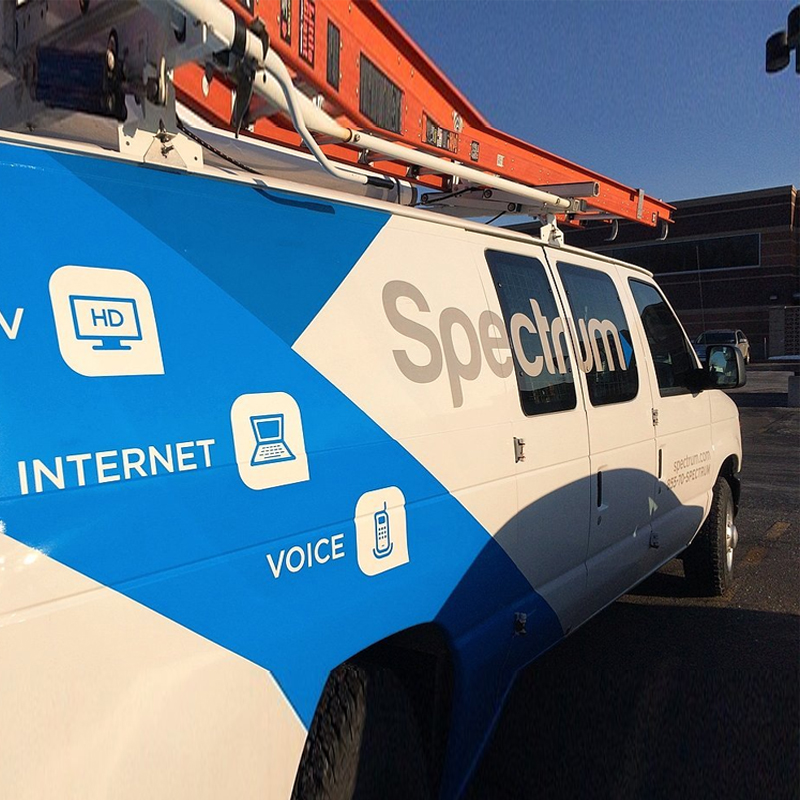
    Charter Communications, which purchased Time Warner Cable renaming it Spectrum, acknowledged last Friday that it discovered a data breach that made the private information of some of its customers available to outsiders. Those affected were Time Warner Cable customers who mainly used the My TWC app, and the company is advising the app users to change passwords, the Hollywood Reporter said.

    A Charter representative refused to elaborate, but Gizmodo, a part of Gawker Media having brands such as Deadspin and Lifehacker, which is run in India by Times Internet, says the breach originated in India at BroadSoft, a communications company whose partners included Time Warner Cable.

    Gizmodo reported that around four million records from 2010 to 2017 were exposed, though that does not mean that it involved four million individual customers. The breached files, it said, were discovered last week by Kromtech Security while its researchers were investigating an unrelated breach at World Wrestling Entertainment. Kromtech said it downloaded the contents of the publicly accessible BroadSoft data “for verification purposes”.

    CCTV footage, which was presumably of BroadSoft’s workers in Bengaluru, (India), where the breach is believed to have originated, was also discovered on the Amazon bucket. The BroadSoft data, Kromtech said, as improperly configured to allow public access in AWS,

    The S3 buckets were accidentally configured to allow public access, potentially allowing anyone with the URL to access and download the sensitive data. It shows that companies are still making rookie mistakes when handling data.

    Not all TWC records had data on a unique customer. However, the cache size made it difficult for the researchers to pinpoint the exact number of affected persons. There were also some internal company records like credentials for external systems, internal emails, and SQL database dumps.

    BroadSoft later told Gizmodo that it locked down its Amazon data (Charter says it was taken down) and has not seen evidence that intruders accessed the information.

  • Q4-2015: Charter reports growth in video customers, revenue up 6.4%

    Q4-2015: Charter reports growth in video customers, revenue up 6.4%

    BENGALURU: Charter Communications, Inc (Charter) reported quarter-on-quarter (QoQ) net addition of 29,000 residential video subscribers for the quarter ended 31 December, 2015 (Q4-2015, current quarter). Last quarter (Q3-2015), the company had added 16,000 residential video subscribers as compared to Q2-2015. As a result, Charter closed the year ended 31 December, 2015 (FY-2015, current year) with 43.22 lakh residential video subscribers, just 2,000 less than the 43.44 lakh residential subscribers that the company had closed Q4-2014 and FY-2014 with.

    As has been reported earlier, both Comcast Communications Inc and Time Warner Cable, Inc had closed the current quarter and year with the best video numbers over eight years and 10 years respectively. It seems that the current quarter has retarded or reversed the video subscriber slide in the US for now. Charter says that 2015 marks the first full year in over a decade in which it grew its total video customers, including 33,000 video net additions in the fourth quarter, and 11,000 for the full year 2015.

    Note: 100,00,000 = 100 lakh = 10 million = 1crore

    Charter reported Q4-2015 revenues of $2,512 million, which grew 6.4 per cent YoY as compared to $2,360 million. Charter reported residential revenue growth of 7.2 per cent YoY ($,2,083 million as compared to $1,943 million) and commercial revenue growth of 12.3 per cent YoY ($294 million as compared to $262 million). Q4-2015 Adjusted EBITDA grew by 7.5 per cent YOY. Excluding transition costs of $22 million for Charter’s pending transactions, fourth quarter Adjusted EBITDA grew by 8.4 per cent YoY. The company reported a higher loss of $122 million in the current quarter as compared to $48 million in Q4-2014.

    FY-2015 revenues increased 7.1 per cent YoY to $9,754 million as compared to $9,108 million. Adjusted EBITDA rose 6.8 per cent YoY to $3,406 million in FY-2015 as compared to $3,190 million. Excluding transition costs for the pending transactions, 2015 Adjusted EBITDA increased 8.5 per cent. Charter’s net loss in FY-2015 increased to $271 million as compared to $83 million in the corresponding year ago quarter.

    Company Speak

    “Our consumer-focused product and service strategy continued to drive Charter’s accelerating customer growth in 2015, including positive video net additions,” said Charter Communications president and CEO Tom Rutledge. “Charter remains the fastest growing cable company in the United States because it provides highly-competitive consumer-friendly products at attractive price points, in simple packages, with quality customer service. We look forward to bringing Charter Spectrum to the Time Warner Cable and Bright House footprints following the close of our transactions, offering consumers better products, prices and service, driving greater growth for our new company and our business partners, and creating value for shareholders.”

    Customer relationships and performance

    Charter reported 4.9 per cent YoY growth in residential customer relationships in Q4-2015 at 62.84 lakh as compared to 59.90 lakh and increased 1.3 per cent QoQ as compared to 62.02 lakh. Small and medium business customer relationships increased 17.5 per cent YoY in Q4-2015 to 3.9 lakh from 3.32 lakh and increased four per cent from 3.75 lakh in the immediate trailing quarter. Total customer relationships increased in the current quarter 5.6 per cent YoY to 66.74 lakh from 63.22 lakh and increased 1.5 per cent from 65.77 lakh in the previous quarter.

    Combined video, internet and voice (VIVE) revenue in the current quarter grew 7.2 per cent YoY at $2,083 million as compared to $1,983 million and increased 2.1 per cent QoQ as compared to $2,040 million.

    Average revenue per residential customer (ARPU) in Q4-2015 increased by $0.50 to $111.19 from $110.69 in Q3-2015. In Q4-2014, Charter reported residential ARPU of $108.67.

    Video

    Video subscription numbers have been mentioned above. Video revenue in Q4-2015 grew 2.9 per cent YoY to $1,167 million as compared to $1,134 million and increased 2.1 per cent QoQ as compared to $1,143 million. Charter’s non-video residential customer relationships increased to 31.2 per cent as compared to 27.8 per cent in Q4-2014 and 30.8 per cent in Q3-2015.

    Internet

    Internet subscription numbers in the current quarter increased 9.2 per cent YoY to 51.12 million from 47.85 lakh and increased 0.7 per cent QoQ from 42.93 million. Internet revenue in the current quarter increased 16.6 per cent YoY to $781 million from $670 million and increased 2.5 per cent QoQ from $762 million.

    Voice

    Voice subscription numbers in the current quarter increased 6.5 per cent YoY to 25.98 lakh from 24.39 lakh and increased 1.8 per cent QoQ from25.51 lakh. Voice revenue reduced 2.9 per cent YoY to $135 million from $135 million and was flat QoQ at $135 million.

    Residential Multiplay

    Residential single play subscribers increased 4.6 per cent YOY to 24.58 lakh from 23.50 lakh and increased 0.5 per cent from 24.45 lakh. Residential double play subscribers increased 3.9 per cent YoY to 17.90 lakh from 17.22 lakh and increased 1.7 per cent from 17.60 lakh. Residential triple play subscribers in Q3-2015 increased 6.2 per cent YoY to 20.36 lakh from 19.18 lakh and increased two per cent QoQ from 19.97 lakh.

  • Q4-2015: Charter reports growth in video customers, revenue up 6.4%

    Q4-2015: Charter reports growth in video customers, revenue up 6.4%

    BENGALURU: Charter Communications, Inc (Charter) reported quarter-on-quarter (QoQ) net addition of 29,000 residential video subscribers for the quarter ended 31 December, 2015 (Q4-2015, current quarter). Last quarter (Q3-2015), the company had added 16,000 residential video subscribers as compared to Q2-2015. As a result, Charter closed the year ended 31 December, 2015 (FY-2015, current year) with 43.22 lakh residential video subscribers, just 2,000 less than the 43.44 lakh residential subscribers that the company had closed Q4-2014 and FY-2014 with.

    As has been reported earlier, both Comcast Communications Inc and Time Warner Cable, Inc had closed the current quarter and year with the best video numbers over eight years and 10 years respectively. It seems that the current quarter has retarded or reversed the video subscriber slide in the US for now. Charter says that 2015 marks the first full year in over a decade in which it grew its total video customers, including 33,000 video net additions in the fourth quarter, and 11,000 for the full year 2015.

    Note: 100,00,000 = 100 lakh = 10 million = 1crore

    Charter reported Q4-2015 revenues of $2,512 million, which grew 6.4 per cent YoY as compared to $2,360 million. Charter reported residential revenue growth of 7.2 per cent YoY ($,2,083 million as compared to $1,943 million) and commercial revenue growth of 12.3 per cent YoY ($294 million as compared to $262 million). Q4-2015 Adjusted EBITDA grew by 7.5 per cent YOY. Excluding transition costs of $22 million for Charter’s pending transactions, fourth quarter Adjusted EBITDA grew by 8.4 per cent YoY. The company reported a higher loss of $122 million in the current quarter as compared to $48 million in Q4-2014.

    FY-2015 revenues increased 7.1 per cent YoY to $9,754 million as compared to $9,108 million. Adjusted EBITDA rose 6.8 per cent YoY to $3,406 million in FY-2015 as compared to $3,190 million. Excluding transition costs for the pending transactions, 2015 Adjusted EBITDA increased 8.5 per cent. Charter’s net loss in FY-2015 increased to $271 million as compared to $83 million in the corresponding year ago quarter.

    Company Speak

    “Our consumer-focused product and service strategy continued to drive Charter’s accelerating customer growth in 2015, including positive video net additions,” said Charter Communications president and CEO Tom Rutledge. “Charter remains the fastest growing cable company in the United States because it provides highly-competitive consumer-friendly products at attractive price points, in simple packages, with quality customer service. We look forward to bringing Charter Spectrum to the Time Warner Cable and Bright House footprints following the close of our transactions, offering consumers better products, prices and service, driving greater growth for our new company and our business partners, and creating value for shareholders.”

    Customer relationships and performance

    Charter reported 4.9 per cent YoY growth in residential customer relationships in Q4-2015 at 62.84 lakh as compared to 59.90 lakh and increased 1.3 per cent QoQ as compared to 62.02 lakh. Small and medium business customer relationships increased 17.5 per cent YoY in Q4-2015 to 3.9 lakh from 3.32 lakh and increased four per cent from 3.75 lakh in the immediate trailing quarter. Total customer relationships increased in the current quarter 5.6 per cent YoY to 66.74 lakh from 63.22 lakh and increased 1.5 per cent from 65.77 lakh in the previous quarter.

    Combined video, internet and voice (VIVE) revenue in the current quarter grew 7.2 per cent YoY at $2,083 million as compared to $1,983 million and increased 2.1 per cent QoQ as compared to $2,040 million.

    Average revenue per residential customer (ARPU) in Q4-2015 increased by $0.50 to $111.19 from $110.69 in Q3-2015. In Q4-2014, Charter reported residential ARPU of $108.67.

    Video

    Video subscription numbers have been mentioned above. Video revenue in Q4-2015 grew 2.9 per cent YoY to $1,167 million as compared to $1,134 million and increased 2.1 per cent QoQ as compared to $1,143 million. Charter’s non-video residential customer relationships increased to 31.2 per cent as compared to 27.8 per cent in Q4-2014 and 30.8 per cent in Q3-2015.

    Internet

    Internet subscription numbers in the current quarter increased 9.2 per cent YoY to 51.12 million from 47.85 lakh and increased 0.7 per cent QoQ from 42.93 million. Internet revenue in the current quarter increased 16.6 per cent YoY to $781 million from $670 million and increased 2.5 per cent QoQ from $762 million.

    Voice

    Voice subscription numbers in the current quarter increased 6.5 per cent YoY to 25.98 lakh from 24.39 lakh and increased 1.8 per cent QoQ from25.51 lakh. Voice revenue reduced 2.9 per cent YoY to $135 million from $135 million and was flat QoQ at $135 million.

    Residential Multiplay

    Residential single play subscribers increased 4.6 per cent YOY to 24.58 lakh from 23.50 lakh and increased 0.5 per cent from 24.45 lakh. Residential double play subscribers increased 3.9 per cent YoY to 17.90 lakh from 17.22 lakh and increased 1.7 per cent from 17.60 lakh. Residential triple play subscribers in Q3-2015 increased 6.2 per cent YoY to 20.36 lakh from 19.18 lakh and increased two per cent QoQ from 19.97 lakh.

  • Q3-2015: US cable industry video slide continues; ARPU rises

    Q3-2015: US cable industry video slide continues; ARPU rises

    BENGALURU: Like in the previous two quarters and even earlier, the cable industry in the US continues to bleed video subscribers, albeit slower than before, while internet and business services (BS) continue to be growth drivers in terms of subscription numbers and revenue in the quarter ended 30 September, 2015 (current quarter, Q3-2015). This report considers three players for Q3-2015 – Comcast Cable Communications segment, Time Warner Cable and Charter Communications. Overall, YoY and QoQ subscription numbers or customer relationships of the three players in this report have increased, despite a fall in video customers.

    Comcast Inc., Cable Communications segment is the largest player by far among the sample players in this report; Time Warner Cable, Inc., (TWC), is a little less than half the size of Comcast’s Cable communications segment in terms of revenue and Charter Communications (Charter) with revenues that are less than half again as TWC’s.

    Despite the continued slide in video customer relationship, the combined sum of video subscribers in Q2-2015 of the three entities was about 3.72 crore or almost two thirds (61.4 per cent) of the 6.6 crore video subscribers through wire in the US as of 2013 numbers. The three players in this report are generally considered amongst the biggest players in the US cable television industry. All have three major revenue streams – Video, Internet and Voice (VIVE).

    Note: (a) 100,00,000 = 100 lakh = 10 million = 1 crore

    (b) While denominations for US$ have been mentioned in millions or billions where applicable, denominations for numbers have been mentioned lakhs and crores.

    (c) Residential customer relationship numbers have been used in this report wherever the breakup has been mentioned in SEC filings by the concerned entity. In the case Comcast Cable Communications segment, the breakup of subscription numbers in terms of Residential and Business Services has not been indicated.

    (d) The results and the conclusions in this report may not necessarily reflect the true trends and nature of the cable communications industry in US.

    Performance in Q3-2015

    In general, six streams add to most of the three entities’ revenue – three products – Video, high speed Internet, Voice; Business Services (BS); Advertising; and Other. Collectively, the first three have been given the acronym VIVE by the author. Generally VIVE numbers, be they subscription or revenue indicate residential subscribers and revenue from these subscribers in this report. This report examines VIVE and touches briefly upon BS of some of the players later on. It must be noted that BS revenue exceeds revenue from Voice services, but since voice is one of the three limbs of triple play, it has been mentioned along with Video and Internet.

    As mentioned above, in general, Internet has been driving growth, both in terms of revenue and subscription numbers. Contribution by BS is growing and is in low double digits in terms of percentage of overall revenue. Historically, over the previous two years, video revenues in Q3 of a year drop QoQ, before increasing in Q4 again. This has also happened in the current quarter Q3-2015. Due to the drop in video revenues, combined VIVE revenue has dropped QoQ in Q3-2015.

    Overall combined subscription numbers in Q3-2015 increased 0.82 per cent (increased by 397,000) QoQ to 485.52 lakh and increased by 2.78 per cent (increased by 1,315,000) YoY from 472.37 lakh. QoQ growth was driven by a growth in internet and voice subscribers and partly offset by a decline, albeit at a much lower rate, of video subscribers.

    In the current quarter combined Video Subscribers declined 0. 12 per cent QoQ to 371.57 lakh from 372 lakh and declined by 0.54 per cent YoY from 373.60 lakh. Combined high speed data subscribers in the current quarter increased 1.72 per cent QoQ to 403.54 lakh from 396.71 lakh and increased 6.88 per cent YoY from 377.55 lakh. Combined Voice subscribers in Q3-2015 increased 1.48 per cent QoQ to 199.80 lakh from 196.89 lakh and increased 8.30 per cent YoY from 184.48 lakh.

    The combined overall revenue (OR) of the three players in Q3-2015 increased 0.13 per cent (increased by $27 million) QoQ to $20,112 million from $20,085 million and increased 5.62 per cent (increased by $1070 million) YoY from $19,042 million. Please refer to Fig A2 below.

    Combined VIVE revenue in the current quarter declined 0.74 per cent (declined by $120 million) QoQ to $16,075 million from $16,195 million, but increased 4.2 per cent (increased by $648 million) YoY from $15,427 million. Video revenues of all the three players declined in this quarter as compared to the previous quarter. Internet revenues of all the three players increased, while Voice revenue of Comcast Cable Communications Segment and Charter increased. Voice revenue in the case of TWC declined QoQ in Q3-2015.

    Average Revenue Per User (ARPU) continued to rise as is evident from Figure A3 below, with Comcast Cable Communications ARPU at $143.12 in Q3-2015 being about 13 per cent higher than TWC’s ARPU of $126.92 and about 26 per cent more than Charter Communications ARPU of $113.39. This huge discrepancy reflects the fact that Comcast has a much higher proportion of multi-play (triple play and double play) customers when compared to the other two players. Please refer to Figure A4 below. While Comcast Cable Communications segment (A4-1 below) had about 31 per cent of single play customers, and 69 per cent multi-play (33 per cent of double play and 36 per cent triple play) customers in Q3-2015, in the case of the other two players (A4-2 and A4-3 below), single play customers totalled about 39 per cent and multi-play customers around 61 per cent.

    Business Services Revenue

    Combined Business Services Revenue (BSR) of the three entities increased 3.93 per cent QoQ to $2,330 million (11.59 per cent of combined Overall Revenue or combined OR) from $2,242 million (11.16 per cent of combined OR) and increased 17.20 per cent YoY from $1,988 million (10.44 per cent of combined OR). As has been mentioned, contribution by BSR to OR has been increasing – Combined BSR share of combined OR in Q2-14 was 9.99 per cent, in Q3-2015 it was 11.59 per cent.

    Please refer to figure B below. BSR has been increasing in absolute dollars as well as by way of contribution to OR. Amongst the three players in this report, BSR contribution has been the highest in terms of percentage of overall revenues in the case of TWC over the past six consecutive quarters considered in this report. Even in the case of Comcast Cable Communications segment, which had the highest BSR in terms of absolute dollars, BSR’s contribution has entered into double digits in terms of percentage of OR in the current quarter. While Comcast Cable Communications Segment break-up of residential and BSR subscription numbers is not available, Figure B1 below clearly indicates that TWC and Charter BSR subscription numbers have been increasing over time. 

  • TO THE NEW Digital bets high on video content management

    TO THE NEW Digital bets high on video content management

    MUMBAI: Digital services company TO THE NEW Digital, has made a mark in the  digital ecosystem  with Fortune 500 clients like Sony, P & G, Airbus, Time Warner Cable and Nike. The company reached another milestone as it leveraged the power of videos by publishing 2.5 lakh hours of online video content and 1 lakh hours of YouTube channel management for different clients.


    TO THE NEW Digital CEO Deepak Mittal says, “Digital revolution has compelled companies to capitalize on new-age communication tools. Video management is the need of the hour for brands to get the maximum out of their video content. At TO THE NEW Digital, we provide end-to-end video optimization and distribution services to promote video content to relevant target audience. We are delighted that we have earned trust of the best brands in the market.”


    As per TO THE NEW Digital’s market analysis, by 2020, Asia will be the largest hub for social networkers and mobile operators with about 60 percent digitally-inclined population. Driven by this estimation, TO THE NEW Digital plans to be at the forefront of exploding digital landscape, creating eye-catching content, promoting technocratic practices for the existing and emerging businesses as a sure-shot method of achieving unwavering success, and ultimately delivering the best digital solutions.
     

    ETV, a large network of satellite TV channels in India, approached TO THE NEW Digital to optimize, publish and manage its content on YouTube channel for their 17 regional channels. ETV wanted a 24×7 support system and operations to increase visits and traction through video SEO services. TO THE NEW Digital helped them increase their monthly subscriber growth rate by 254 percent.

    Digital multi-channel network #Fame also engaged TO THE NEW Digital for end-to-end services for their multi-channel content publishing, management and promotion to increase viewership/subscriptions. By deploying analytics-driven content curation, contextualization and multi-platform content publishing, #Fame achieved a significant growth in their monthly viewership rate.

  • Dish files reply with FCC on proposed Time Warner Cable, Merger, says not in public interest

    Dish files reply with FCC on proposed Time Warner Cable, Merger, says not in public interest

    MUMBAI: Dish Network Corporation has filed a reply with the Federal Communications Commission (FCC) countering arguments made by Charter Communications, Inc. (Charter), Time Warner Cable, Inc. (TWC) and Bright House Net works (BHN) defending t he proposed merger between t he companies. In t he reply, DISH out lines how t he applicant s have f ailed t o prove t hat t his proposed merger is in t he public interest and reiterates its call for t he FCC t o deny the merger.


    “If the proposed merger is approved, 90 percent of the nation’s high speed broadband homes would be cont rolled by two companies, and t he combined ‘New Charter’ would have every incentive t o sabot age OTT services like Sling TV that compete with the old school cable bundle,” said Jeffrey Blum, Dish senior vice president and deputy general counsel. “The proposed merger is harmful for consumers, competition and innovation, and should be denied.”


    Following are key point s DISH makes in today’s filing. The complete filing can be found here.


    Merger Will Not Serve the Public Interest:


    New Charter will have an increased incentive and ability to Harm OVDs:  New Charter would have a particularly heightened incentive t o discriminate against competing OVD services, especially live streaming services like Sling TV – which is a total substitute for linear pay television.


    New Charter is Likely t o Increase Broadband Prices, Further Prejudicing Rival OVDs:  New Charter will be able t o deploy another win- win strategy t o make it s broadband business more profitable, while still protecting its linear video business: raise t he price of broadband accesses it her directly or indirectly.


    T he Merger Will Create a Dominant Duo poly wit h t he Incentive t o Engage in Anti-Competitive Parallel Conduct:  As Dish explained in it s Pet it ion t o Deny, t his transact ion will create a broadband duopoly, with Comcast and New Charter cont rolling about 90 percent of the high- speed broadband homes in t he country. Parallel action, with one of the two following the other, will be enough to foreclose an OVD from almost all high- speed homes in t he country.


    T he Merger “Benefits” are Nothing More than Repackaged Plans and Conjecture: Charter also f ails t o provide any evidence t hat t he combination of Charter wit h TWC and BHN is necessary t o achieve many, if not all, of the benefit s it  t out s. From infrastructure through jobs and cost savings, Charter has offered lit t le more than recycled (non- merger- specific) business plans and conjecture. 

  • Q3-2015: Time Warner Cable – residential Internet data ascend, video slide; Business Services numbers up

    Q3-2015: Time Warner Cable – residential Internet data ascend, video slide; Business Services numbers up

    BENGALURU: The slide in retail or residential video numbers continues for the US television cable industry, if one were to go by the numbers reported by Comcast Cable Communications division and now by Time Warner Cable Inc., (TWC) for the quarter ended 30 September, 2015 (Q3-2015). Data, or more specifically high speed data continues its juggernaut, climbing YoY and QoQ.  The company’s Business Services segment reported increase in numbers across all parameters.

    TWC’s consolidated revenue in the current quarter increased 3.6 per cent (increased by $208 million) to $5922 million from $5714 million in Q3-2014, but declined marginally (declined by 0.1 per cent or $4 million) from $5926 million in the immediate trailing quarter.

    Note: 100,00,000 = 100 lakh = 10 million = 1 crore

    Subscription numbers have been mentioned in lakhs and revenue and other financial numbers in millions of US dollars.

    Time Warner Cable chairman and CEO Rob Marcus said, “I’m very excited about the operating momentum reflected in our third-quarter results. Subscriber growth was the strongest in years; revenue growth accelerated; and we continued to make significant investments in our network, equipment, products and customer service. Our ongoing transformation is a testament to the strength of our operating plan and the commitment of our entire team – all 55,000 employees – who work tirelessly every day to make Time Warner Cable an even better company.”

    Residential numbers

    Customer relationships

    For Q3-2015, TWC has reported amongst the best subscriber numbers over a long time, and this improvement is reflected by the low drop in video numbers of only 7000 that the company has reported. Residential High Speed Internet Data (Data) and Voice customers have both increased YoY and QoQ basis. Voice has shown the largest YoY and QoQ growth in terms of number of subscribers as well as in percentage terms.  

    Overall, TWC’s total customer relationships (including business services) increased 3.3 per cent (increased by 472,000) in Q3-2015 to 156.63 lakh from 151.31 lakh in Q3-2015 and by 1.1 per cent (increased by 163,000) from 155 lakh in the previous quarter. Please refer to Fig A below.

    Residential or retail customer relationships improved to an all-time high of 149.29 lakh in the current quarter as compared to the 144.57 lakh in Q3-2014 or the 147.82 lakh in the previous quarter.  

    Business Services saw increase across all three plays, both YoY and QoQ. Business Services customer relationships increased 8.9 per cent (increased by 60,000) YoY to 734,000 in Q3-2015 from 674,000 in Q3-2014 and increased by 2.2 per cent (increased by 16,000) from 718,000 in Q2-2015.

    Video Numbers

    Please refer to Fig B below.

    Video revenue declined 1.8 per cent (declined $44 million) YoY in Q3-2015 to $ 2453 million from $2497 million and declined 2.4 per cent from $2514 million in the immediate trailing quarter. Video customer relationships declined 0.6 YoY to 107.67 lakh from 108.27 lakh and declined QoQ from 107.74 lakh.

    Within TWC’s Video segment, six products or sub-segments contribute to revenue. The major segment is Programming tiers, which contributed $1566 million or about 64 per cent to Video revenue and more than 26 per cent to TWC’s consolidated revenue in the current quarter. The other sub-segments are Premium networks ($216 million, about nine per cent of video revenue in Q3-2015); Transactional Video-on-demand ($45 million, about two per cent of video revenue in Q3-2015); Video equipment rental and installation charges ($362 million, about 15 per cent of Video revenue in Q3-2015); Digital video recorder service ($150 million, about six per cent of Video revenue for Q3-2015) and Franchisee and other fees ($114 million, about five per cent of Video revenue for Q3-2015).

    Except for Premium tiers and Video equipment rental and installation charges, revenue from all the other sub-segments declined both YoY and QoQ. 

    High Speed Internet (Data) numbers

    Data revenue increased 9.4 per cent (increased $152 million) in the current quarter to $1772 million from $1620 million in Q3-2014 and increased 1.7 per cent (increased $30 million) from $1742 million in the immediate trailing quarter.

    TWC’s Data customer relationships in the current quarter increased 7.7 per cent YoY to 123.94 lakh from 119.90 lakh and 1.9 per cent QoQ from 121.62 lakh, while voice customers increased 22.1 per cent YoY to 60.93 lakh in the current quarter from 49.89 lakh in Q3-2014 and by four per cent from 58.56 lakh in the previous quarter. Please refer to C below.

    Voice Numbers

    TWC’s Voice revenue increased 1.5 per cent (increased $7 million) to $483 million in the current quarter from $476 million in Q3-2014 and increased one per cent (increased by $5 million) in the immediate trailing quarter.

    Voice subscribers increased 22.1 per cent (increased by 1,104,000) to 60.93 lakh in Q3-2015 from 49.89 lakh in Q3-2014 and increased four per cent (increased 237,000) from 58.56 lakh in Q2-2015.

    Single Play, double play and triple play

    The company’s residential single play customer relationships have been slowly increasing over time. Single play relationships in the current quarter increased by 0.6 per cent (35,000) to 57.09 lakh YoY from 56.74 lakh and by 0.9 per cent (50,000) from 56.59 lakh. Please refer to Fig D below.

    Double play customers have been declining over time, with the decline steepening even further since Q3-2014. In the current quarter, double play customer declined YoY by double digits – 12.4 per cent (declined 585,000) to 41.14 lakh from 47 lakh and declined 2.9 per cent (declined 121,000) QoQ from 42.36 lakh.

    Triple play customers have been increasing, the increase becoming more rapid since Q3-2014, indicating to an extent that double play customers were adding one more play, rather than the company losing double play customers, besides adding more new customers for residential triple play. Triple play customers in Q3-2015 increased 25 per cent (increased 1,022,000) to 51.05 lakh from 40.83 lakh in the corresponding year ago quarter and increased 4.5 per cent (increased 218,000) from 48.87 lakh in Q2-2015.

    Business Services

    While TWC’s Business services segment had only 4.7 per cent of TWC’s overall customer relationships, it contributed 14.1 per cent to TWC’s consolidated revenue. As a matter of fact, its contribution to TWC’s revenue has been increasing much faster than the increase in its customer relationship share in the overall pie. BS revenue in the current quarter increased 15.5 per cent (increased by $112 million) in Q3-2015 to $836 million (14.1 per cent of consolidated revenue from 4.7 per cent of overall customer relationships) from $724 million (12.7 per cent of consolidated revenue from 4.5 per cent of overall customer relationships) in the corresponding year ago quarter and increased 4.1 per cent (increased by $33 million) from $803 million (13.6 per cent of consolidated revenue from 4.6 per cent of overall customer relationships) in the immediate trailing quarter. Please refer to Fig E below.

    Revenue from Business Services High Speed data was more than 4 times the revenue from Business services video sub-segment or product in Q3-2015.

  • Entertainment Studios’ $20 billion lawsuit against Comcast, Time Warner Cable & Sharpton reopened

    Entertainment Studios’ $20 billion lawsuit against Comcast, Time Warner Cable & Sharpton reopened

    MUMBAI: Federal Judge Terry Hatter has issued a ruling re-opening the $20 billion racial discrimination in contracting lawsuit filed by Entertainment Studios Networks, Inc. and the National Association of African-American Owned Media (NAAAOM).


    “I have always believed in this historic case. I am confident we will prevail,” said Miller Barondess, L.L.P. partner and lead attorney for the plaintiffs Louis R. (Skip) Miller.


    “We will continue to vigorously pursue Comcast and Time Warner Cable, who spend approximately $25 billion annually licensing cable networks with less than $3 million going to 100 percent African-American owned media,” said NAAAOM president Mark DeVitre.


    “We will not stop until the discrimination stops and we achieve true economic inclusion,” said Entertainment Studios founder, chairman and CEO Byron Allen.

  • Court dismisses $20 bn lawsuit against Comcast, Time Warner Cable; NAAAOM to appeal

    Court dismisses $20 bn lawsuit against Comcast, Time Warner Cable; NAAAOM to appeal

    MUMBAI: Federal Judge Terry Hatter issued a short ruling dismissing the $20 billion racial discrimination in contracting lawsuit filed by the National Association of African American Owned Media (NAAAOM) and Entertainment Studios Networks, Inc.


    Judge Hatter’s ruling did not provide any detail as to why the case was dismissed except to say that the Plaintiffs had failed to allege a claim for relief.


    “Knowing that our lawsuit helped the FCC and the DOJ deny Comcast’s bid to buy Time Warner Cable is already a big win for us. We are going to immediately appeal this decision to the 9th Circuit Court of Appeals who I believe will deliver us a favorable decision,” said Entertainment Studios Networks chairman, CEO and founder Byron Allen.


    “We will continue to vigorously pursue Comcast and Time Warner Cable, who spend approximately $25 billion annually licensing cable networks with less than $3 million going to 100% African American owned media. We will not stop until the discrimination stops and we achieve true economic inclusion,” said NAAAOM president Mark DeVitre.

  • Can the Indian cable television industry truly head the US cable television industry way?

    Can the Indian cable television industry truly head the US cable television industry way?

    People often tend to compare the cable television industry in India with that of the US. They say that the industry is headed the US way. One of the crucial points is internet service and more specifically broadband service. This business and revenue growth alternative has been gaining a lot of attention from the cable television industry as an expansion strategy. Higher Average Revenue Per User (ARPU) in India, to the extent of 3 to 5 times the ARPU earned through transmission of television bouquets, certainly makes this service an attractive proposition.


    Comparisons with a mature market like the US may not work in India. Indian cable television players have a long road ahead before any comparison or trying to relate with the industry, in any way could even start to make sense.


    One of the foremost factors is money. According to the National Cable and Television Association, USA (NCTA), the total US broadband industry investments since 1994 is about US$ 1400 billion (4.7 per cent of the US’s estimated revenue for 2014) or 60.7 per cent of India’s nominal GDP of US 2308 billion in April 2015. Money can bridge the technology gap, leapfrog it, as it has in many instances in India.


    Of course, this leads to the oft repeated point about the high cost of implementation of all DAS phases. It is a foregone fact that the capex starved cable television industry with poor balance sheets is going to deploy more money towards that effort if it wants the government to allow it to remain in business. Delays in deadlines may be possible, but in the current scenario, DAS is there to stay and is required for the benefit of all stakeholders.


    Notwithstanding the bureaucracy logjam that India is notorious for, another major stumbling block is the slow and hugely over vamped judicial system (besides regulation) in India that could take years to decide on any dispute. Settling of civil disputes has no deadline in India. The cliché, for businesses, ‘time is money’, holds good here too.


    Let us look at internet services


    The number of internet users worldwide will surpass 3 billion (300 crore) in 2015, according to eMarketer, increasing 6.2 per cent next year to reach 42.4 per cent of the entire world’s population. By 2018, eMarketer estimates, nearly half the world’s population, or 360 crore people, will access the internet at least once each month.  


    eMarketer says that by 2016 India will jump the US as the second-largest internet user population. China leads the world in terms of number of internet users with estimated 66.98 crore users, followed by the US with 25.93 crore and India with 24.23 crore say eMarketer estimates. In 2016, the publication estimates an Indian internet user base of 28.38 crore, higher than the 26.49 crore projections for the US. By 2018, India’s estimated internet subscriber base will be 34.63 crore or probably in the range of about 25-28 per cent of the population of the country at that time. Indian population figures for 2013 are an estimated 125.2 crore. Current population estimates for the US are about 32 crore, or the US has an internet density percentage of about 80, while China’s internet density percentage is about 50 and India just under 20.


    “Inexpensive mobile phones and mobile broadband connections are driving internet access and usage in countries where fixed internet has been out of reach for consumers, whether that’s due to lack of infrastructure or affordability,” said eMarketer senior forecasting analyst  Monica Peart. “While highly developed markets are nearly saturated in terms of internet users, there’s significant room for growth in emerging ones; for example, India and Indonesia will both see double-digit growth in each year between now and 2018.”


    The growing youth population is another important driver, as the most technologically savvy, and their demands shape internet development itself, says a Euromonitor report.


    According to the Telecom Regulatory Authority of India (TRAI), India had a wireline broadband subscriber base (speed greater than 512 kpbs) of 155.2 lakh and 852.3 lakh wireless broadband subscribers as on 30 April, 2015 or 1007.6 lakh broadband subscribers totally. This means that less than 1 per cent of the total population of the country has broadband. There is no denying the fact that the potential is huge, more so for broadband.


    Siti Cable (Siti), a multi system operator (MSO), believes that its strategy of cross-selling broadband services to its existing cable television subscribers and new customers will provide it with an opportunity to increase ARPUs, increase retention rates, ensure higher sustainable EBITDA margins and leverage upon its existing pan India presence.


    A few players such as medium sized MSO Atria Convergence Technologies (ACT) had actually changed its strategy since 2012 and started focusing more on broadband services, without losing focus on its MSO operations. It offers broadband internet in areas where it does not have cable subscribers. Despite being a regional player, ACT is the second largest private wired broadband player in the country, just after the mobile telecom behemoth Airtel. ACT’s broadband subscriber base has grown by 43.76 per cent to 6.11 lakh in the 12 months until 31December, 2014. As on 30 April, 2015, ACT had a wired broadband subscriber base of 6.8 lakh.


    However, ACT has followed a different strategy when compared to the other MSOs who use DOCSIS on the existing television cable for internet delivery. The company has laid separate optic fibre lines for internet delivery and hence owns even the last mile, rather than use its existing cable infrastructure and be dependent upon the LCOs’ whims and fancies.


    It must also be noted that the number of internet subscribers that each major cable television player in the US has runs in crores in a couple of cases. The largest MSO in India in terms of cable subscribers – Den Networks, with about 130 lakh subscribers has less than half the customer relationships that Comcast’s Cable Communications segment has with 272.34 lakh subscribers, of which about 223.75 lakh are video subscribers and 223.69 lakh are high speed internet subscribers. While Den’s cable subscriber base is about 58 per cent of Comcast Cable Communications segment, its internet subscriber base as on 31 March, 2015, is a small fraction at just 23,000 or just a little more than one thousandth of the internet subscribers that Comcast has. Even, ACT’s internet subscriber base of about 7 lakh is less than one-thirtieth of Comcast’s Cable Communications High-Speed internet subscribers. Is there any comparison?


    According to Nielsen’s 2015 Advance National TV Household Universe Estimate (UE), there are 11.64 crore TV homes in the U.S. prior to the start of the 2014-15 TV season. The number of homes represents a 0.5 per cent increase from Nielsen’s 2013-14 TV Household Universe Estimate. The number of persons aged 2 and older in U.S. TV Households is estimated to be 29.6 crore—also an increase of 0.5 per cent from last year. This puts the number of subscribers in the previous year as per Nielsen’s estimates at 11.58 crore.  The Indian carriage universe has 16.8 crore homes (44.3 per cent more than the estimated US TV homes) according to the FICCI- KPMG Indian Media and Entertainment Industry Report 2015. (FICCI-M&E 2015 report).


    The number of video subscribers through wire in the US as of 2013 was about 6.6 crore or the country had a cabletelevision percentage density just under 21. India has a TV home (TV Households or TV HH) density percentage of a little less than 13.5 (this includes DTH for India).


    Besides a number of cable television and IPTV service providers, the US has two big DTH players – Dish and Directv that had a combined subscriber base in Q1-2015 of approximately 341 lakh, or about 29 per cent of the total TV homes in the US estimated by Nielsen. India had an active DTH subscriber base of about 405.4 lakh (24.3 per cent of TV HH in India) as on 31 December, 2014.


     As mentioned above, in India, internet services ARPU is much higher than the ARPU from cable television services as compared to more mature markets such as the US, where it is the other way around. At the time of writing of this report, internet services monthly ARPU could be between 50 to 65 per cent of the video monthly ARPUs’ in the US. Video monthly ARPU would typically be in the range of US$ 75 to US$ 95, while internet monthly ARPU would range between US$ 40 to US$ 50. Is there an ARPU comparison? No way!


    Let us look at three players in the US. The entities in this report – Comcast Corporation’s Cable Communications segment, Time Warner Cable (TWC, about half the size of Comcast Cable Communications segment) and Charter Communications (Charter Comm) (About half the size again of TWC) represent about 32 per cent of the total US TV homes estimated by Nielsen.


    In Q1-2015, these entities combined video subscribers dropped by 6.12 lakh (1.61 per cent) to 373.47 lakh (32.09 per cent of Nielsen’s estimated TV Homes) from 379.59 lakh (32.77 per cent of Nielsen’s estimated TV Homes) in Q1-2014. Individually too, all the three entities reported loss of video subscribers in Q1-2015 to the extent of 1 per cent in the case of Comcast and Charter Comm and 3.08 per cent in the case of TWC, as compared to the corresponding year ago quarter. Despite the drop in video subscribers, the other two reported an increase in revenue from video in Q1-2015, while TWC even saw its video revenues drop by 1.04 per cent in Q1-2015 as compared to Q1-2014.


    The total number of internet subscribers of these three entities exceeded the total number of video subscribers in Q1-2015– internet subscribers grew to 392.5 lakh (5.1 per cent more than video subscribers) as compared to 369.45 crore (2.67 per cent less than video subscribers) in Q1-2014. All the three players reported increases in their internet subscription base as well as revenue from Internet in Q1-2015 when compared to the year ago quarter.


    Triple play (or triple product) subscribers increased in all the three cases, between 0.61 per cent in the case of Charter Comm to 14.49 per cent in the case of TWC and 4.26 per cent in the case of Comcast in Q1-2015 when compared to Q1-2014. TWC and Charter Comm’s double play subscriber base shrank 8.05 per cent and 0.6 per cent respectively, while Comcast’s double play subscription numbers increased in comparison during similar periods.


    Notes: (1) 100,00,000 = 100 lakh = 10 million = 1 crore


    (2) Revenues for US companies and some figures in this report have been mentioned in US$, million; subscription numbers in lakh or crore and TV homes in crore.


    (2) SARPU, a term similar to ARPU has been coined by the writer to bring terms to a common denominator for all the three US entities. To arrive at SARPU, the writer has added the quarterly revenues from each stream and divided the result by the number of customer relationships in that quarter and further divided the second result by 3 to arrive at a rough estimate of the revenue earned per relationship per month by the entity. Similarly, individual revenues from video, internet and voice streams/business have been divided by the number of subscribers of video, internet and voice streams respectively, further divided by 3 to arrive at an SARPU of that stream. Residential subscriber numbers have been used wherever available.


    (2.1) VIVE, another term coined by the writer, means video, internet and voice, the three main revenue generating streams or businesses for the three US entities in this report.


    (3) Voice numbers has been included, since there are number of overlaps in subscription numbers for VIVE of all the three entities.


    (4) ARPUs’ and SARPUs’ in this report are on a monthly basis unless stated otherwise.


    Comcast Cable Communications segment


    Comcast’s Cable Communications segment’s (probably the largest cable company and home internet services provider in the US) comprises 272.34 lakh relationships in Q1-2015 (quarter ended 31 March, 2015). The number grew by just 1.62 per cent from the 268 lakh in Q1-2014, and was driven by increases in double and triple product relationships.  This is what the cable industry in India is trying to ape – the double and triple play numbers.


    The breakup of these customers is 83.99 lakh single product, 2.39 per cent lower than the 86.05 lakh in Q1-2014; 88.90 lakh double product, 2.7 per cent more than the 86.56 lakh double product consumers in Q1-2014 and 99.45 lakh triple product consumers, 4.26 per cent more than the 95.39 lakh in  Q1-2014.


    The breakup of number of Comcast’s cable operations customers base on products is 223.75 lakh of video consumers in Q1-2015 – the number fell by 8000 as compared to the corresponding year ago quarter; 223.69 lakh high-speed internet consumers – the number increased by 4.07 lakh as compared to Q1-2014; and 112.70 lakh voices consumers – the number increased by 77000 as compared to the previous year ago quarter.


    Based on the financials filed by the company for Q1-2015, 69.16 per cent of the company’s consumers’ use two (double play) or more of its products, (up 127 basis points or 1.87 per cent higher) than the 67.89 per cent in Q1-2014.


    Let us examine the revenue that these businesses bring in for the company:


    Comcast’s Cable Communications segment revenue in Q1-2015 grew 6.26 per cent to US$ 11430 million from US$ 10757 million in Q1-2014. Combined revenue from Video, Internet and Voice (VIVE) businesses in Q1-2015 grew 4.89 per cent to US$ 9281 million (81.20 per cent of Cable Communications segment revenue) from US$ 8848 million (82.25 per cent Cable Communications segment revenue) in Q1-2014.


    Video revenue in Q1-2015 was US$ 5331million (57.44 per cent of VIVE revenue), 2.95 per cent more than the Rs 5178 million (58.52 per cent of VIVE revenue) in Q1-2014; Internet revenue in Q1-2015 grew 10.69 per cent to US$ 3044 million (32.80 per cent of VIVE) from US$ 2750 million (31.08 per cent of VIVE) in Q1-2014. Voice revenue fell 1.52 per cent in Q1-2015 to US$ 906 million (9.6 per cent of VIVE revenue) from US$ 920 million (10.4 per cent of VIVE revenue) in Q1-2014.


    A simple back of the envelope calculation as mentioned in Note 2 above shows the simple average monthly revenue per user (SARPU) of US$ 113.60 for Q1-2015, up 3.22 per cent as compared to the US$ 110.05 in Q1-2014.


    Similarly, Video SARPU grew 3.99 per cent in Q1-2015 to US$ 79.42 from US$ 76.37 in Q1-2014; Internet services SARPU grew 4.25 per cent to US$ 45.36 (56.97 per cent of video SARPU) in Q1-2015 from US$ 43.51 (57.12 per cent of video SARPU) in Q1-2014; Voice SARPU fell 5.06 per cent to US$ 26.80 from US$ 28.23 in the year ago quarter.


    Time Warner Cable


    Let us see how another big player in the US performed – Time Warner Cable (TWC).  In Q1-2015 the company saw its highest q-o-q growth in internet subscriber base since 2007 by 3.15 lakh to 119.90 lakh from 116.75 lakh in the quarter ended 31 December, 2014. Y-o-y, the company’s internet subscriber base grew by 6.32 lakh. However, the company’s video subscribers fell 3.08 per cent in Q1-2015 to 108.19 lakh from 111.63 lakh in Q1-2014. Voice subscribers increased 14.06 per cent in Q1-2015 to 56.04 lakh from 49.13 lakh in Q1-2014. TWC’s customer relationships increased 1.27 per cent in Q1-2015 to 147.16 lakh from 145.32 lakh in Q1-2014.


    In Q1-2015, the number of consumers using TWC’s double or triple play increased by 64 basis points (up 1.05 per cent) to 61.45 per cent from 60.81 per cent.


    TWC’s overall revenue in Q1-2015 grew 2.06 percent to US$ 4662 million from US$ 4568 million in Q1-2014. Its VIVE revenue in Q1-2015 grew 1.96 per cent to US$ 4638 million (99.49 per cent of overall revenue) from US$ 4549 million (99.58 per cent of overall revenue) in Q1-2014.


    Video revenue fell 1.04 per cent in Q1-2015 to US$ 2469 million (53.23 per cent of VIVE revenue) from US 2495 million (54.85 per cent of VIVE revenue); Internet revenue grew 8.86 per cent to US$ 1696 million (36.57 per cent of VIVE revenue) in Q1-2015 from US$ 1558 million (34.25 per cent of VIVE revenue) in Q1-2014. Voice revenue in Q1-2015 fell 4.64 per cent to US$ 473 million (10.2 per cent of VIVE revenue) from US$ 496 million (10.9 per cent of VIVE revenue).


    TWC’s SARPU per customer relationship was US$ 105.06 in Q1-2015 or 0.68 per cent higher than the US$ 104.34 in Q1-2014.


    TWC’s video SARPU in Q1-2015 increased 2.1 per cent to US$ 76.07 from US$ 74.50 in Q1-2014; Internet SARPU increased 3.12 per cent to US$ 47.15 (61.98 per cent of video SARPU) in Q1-2015 from US$ 45.72 (61.37 per cent of SARPU) in Q1-2014 and Voice SARPU fell 16.4 per cent in Q1-2015 to US$ 28.13 from US$ 33.65 in Q4-2014.


    Charter Communications


    Charter Communications (Charter Com), an even smaller player than Comcast or TWC, reported 4.48 per cent growth in residential consumer relationships in Q1-2015 to 59.27 lakh from 56.73 lakh in Q1-2014. Video subscription base fell 1 per cent to 41.53 lakh (70.07 per cent of total relationships) from 41.95 lakh (73.95 per cent of total relationships) in Q1-2014; Internet subscription base grew in Q1-2015 by 8.23 per cent to 48.91 lakh (82.52 per cent of total relationships, addition of 3.23 lakh subscribers) from 45.91 lakh (79.66 per cent of total relationships) in Q1-2014; Voice subscribers grew 6.71 per cent in Q1-2015 to 24.81 lakh (59.74 per cent of total relationships) from 56.93 lakh (40.98 per cent of total relationships) in the corresponding year ago quarter.


    Overall revenue grew 7.27 per cent to US$ 2362 million in Q1-2015 from US$ 2202 million in Q1-2014. VIVE revenue in Q1-2015 grew 6.68 per cent to US$ 1980 million (83.83 per cent of overall revenue) from US$ 1856 million (84.29 per cent of overall revenue).


    Video revenue increased 3.58 per cent in Q1-2015 to US$ 1129 million (53.23 per cent of VIVE revenue) from US$ 1090 million (54.85 per cent of VIVE revenue) in Q1-2014; Internet revenue increased 16.4 per cent to US$ 717 million (36.21 per cent of VIVE revenue) in Q1-2015 from US$ 616 million (33.19 per cent of VIVE revenue) in Q1-2014. Voice revenue in Q1-2015 fell 10.67 per cent to US$ 134 million (6.77 per cent of VIVE revenue) from US$ 150 million (8.08 per cent of VIVE revenue) in Q1-2014.


    Charter Comm’s SARPU in Q1-2015 increased 2.11 per cent to US$ 111.35 from US$ 109.05 in Q1-2014. Video SARPU increased 4.63 per cent to US$ 90.62 in Q1-2015 from US$ 86.61 in the corresponding year ago quarter; Internet SARPU in Q1-2015 increased 7.54 per cent to US$ 48.87 (53.92 per cent of video SARPU) from US$ 45.44 (52.46 per cent of video SARPU) in Q1-2014; Voice SARPU fell 16.28 per cent in Q1-2015 to US$ 18 from US$ 21.51 in Q1-2014.


    Let us see what the richest Indian does through Reliance Jio Media, for this is probably the only group/entity that has the deep pockets to really offer a shimmer of comparison with the media giants in the US.


    Can we truly compare Cable television internet in India with the industry in the US? No way!