Tag: Tim Davie

  • BBC battles budget blues as bosses bet big on digital

    BBC battles budget blues as bosses bet big on digital

    MUMBAI: The BBC has unveiled its annual blueprint (read: Annual Plan 2025-26) for survival, promising to soldier on despite having its piggy bank raided to the tune of a cool £1 billion ($1.3 billion) compared to 15 years ago. The grand old dame of British broadcasting is putting on a brave face, fluttering her digital eyelashes at the youth  even as it has been trimming down its workforce – showing 2,000 staffers the door over the past five years.

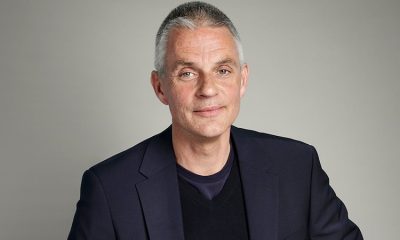
    Samir Shah, the pubcaster’s chairman, waxed lyrical about the Beeb’s enduring importance “in a world of disinformation,” while director-general Tim Davie banged on about “delivering value for all” – corporate speak for “please don’t cut our funding any further.”

    The corporation has emerged from what it describes as an “aggressive savings programme” looking decidedly trimmer but still determined to punch above its weight. Fresh from a voluntary redundancy scheme that further reduced its workforce, broadcasting’s old dame  now describes herself as “smaller” and “leaner” – ready to face the challenges ahead with renewed focus.

    Beneath the corporate language lies a stark admission: the BBC’s traditional approach to savings is “no longer sustainable.” The pubcaster is caught in a perfect storm – licence fee increases below inflation, fewer global co-production partners, and the challenge of competing with deep-pocketed streaming giants.

    Despite the financial constraints, the BBC is investing in returning hits like The Night Manager and Doctor Who,  alongside fresh fare including Sally Wainwright’s Riot Women and Jack Thorne’s adaptation of Lord of the Flies. Popular crime drama The Gold will also make a comeback to bolster the schedule.

    In audio, the venerable farming drama The Archers will celebrate its 75th anniversary on Radio 4, proving the enduring appeal of Britain’s longest-running soap. Meanwhile, Radio 5 Live will broadcast more Premier League football matches than ever before – recognizing the continued draw of live sport.

    To attract younger audiences, BBC News will expand its presence on TikTok and Instagram while launching a schools initiative to help students evaluate news legitimacy. In a significant shift, full Newsround bulletins will appear on YouTube, not just on the CBBC channel and iPlayer.

    The BBC’s education wing is venturing into gaming with Planet Planners on Roblox, a geography-themed educational game marking its first foray onto the platform as it seeks to engage young learners where they already spend time.

    The iPlayer – the Beeb’s digital flagship – is set for enhancements with improved personalisation and smoother navigation between BBC platforms. Breaking news and in-depth documentaries will feature prominently, building on innovations like premiering Panorama in the morning before its evening broadcast.

    The corporation’s commercial arm has been tasked with delivering £1.5 billion ($1.95 billion) in returns by 2026/27 – a 30 per cent increase from the previous five-year period – as they seek to offset budget pressures and the decline in international co-productions.

    Sport remains central to the BBC’s offering, with women’s tournaments taking centre stage through Euros and Rugby World Cup coverage. The pubcaster is also planning four new music stations on DAB+, pending regulatory approval, while exploring how AI might enhance creativity while protecting intellectual property.

    As charter renewal approaches, the Beeb is actively engaging with audiences in what it calls its “biggest ever public engagement exercise.” The strategy highlights impressive metrics: 95 per cent of UK adults use BBC services monthly, iPlayer is growing faster than rival streaming platforms, and the corporation remains the only British media brand in the top five among 16-34 year-olds, reaching 68 per cent weekly.

    The BBC’s Christmas Day dominance – with all ten top-rated shows – and Olympics coverage reaching over 36 million viewers demonstrate its continued cultural significance. Its summer of sport package – Olympics, Euros and Wimbledon – reached 74 per cent of the UK population and generated 1.4 billion viewing hours.

    The message to Westminster is clear – preserve the BBC’s independence and provide sufficient funding to maintain quality, or risk losing a national institution that delivered 10.8 million viewers for The Traitors and had 21.6 million tuning in for Wallace & Gromit’s Vengeance Most Fowl last Christmas.

    Meanwhile, the BBC’s 39 local multimedia hubs across England will continue delivering news with new investigative teams enhancing local journalism. The corporation is also shifting more creative spending outside London, with a focus on “high impact drama commissions” including Richard Gadd’s Half Man filmed in Scotland, Matthew Barry’s The Guest set in Wales, and the return of Blue Lights from Northern Ireland.

    The BBC has also committed to publishing findings from an independent review of its workplace culture as it prepares for the future while maintaining its mission to inform, educate and entertain across an increasingly complex media landscape.

  • UK based broadcaster BBC plans to build ‘digital-first’ focused services

    UK based broadcaster BBC plans to build ‘digital-first’ focused services

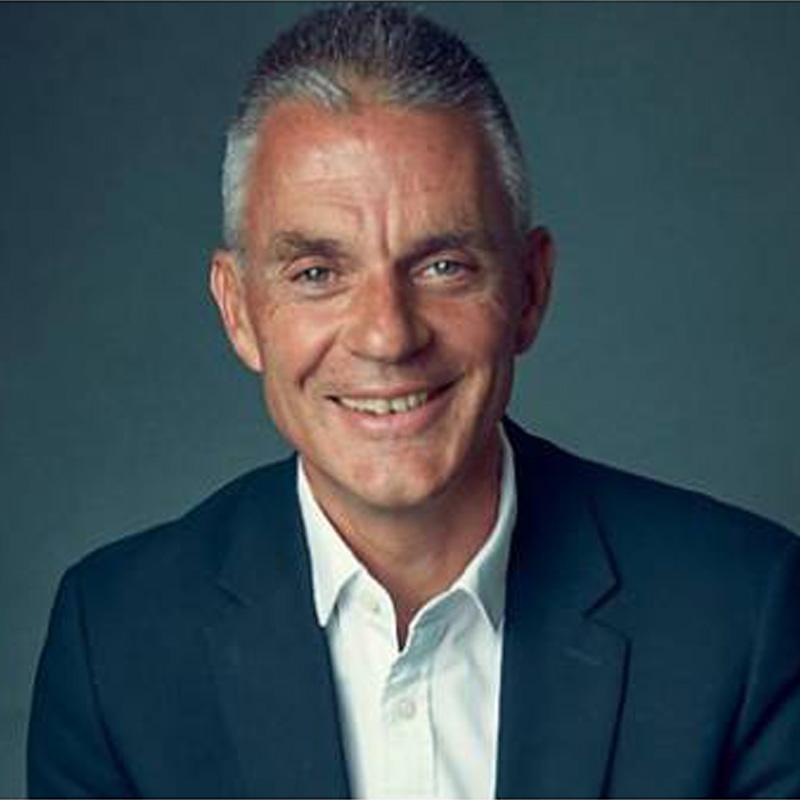
    Mumbai: UK pubcaster BBC director-general Tim Davie shared his plan to build a “digital-first” British Broadcasting Corporation (BBC). The plan will see the broadcaster prioritising its apps and websites over traditional broadcasting channels, said in a company statement.

    In the statement, BBC revealed closing its children-focused channel CBBC and art-skewing BBC-Four including slashing 1,000 jobs over time while putting more investment into digital services like iPlayer.

    Davie also said, “Quite simply, the success of our online services is the success of the BBC over the next five years. Each needs to be in the top two or three in their market in the UK, with our online services growing globally too.”

    Elaborating on iPlayer he said, “Today, iPlayer reaches less than 50 per cent of BBC viewers on average per week. Our ambition is to grow this to 75 per cent. We’ll do this by re-allocating significant amounts of money every year into video that delivers on iPlayer, across a broad mix of genres.”

    “We will propose to Ofcom to expand boxsets and archive, to have more BBC series available on demand. And we want to ensure that news and current affairs is as important to iPlayer as it is on broadcast, which means new on-demand content and formats to build new audience habits.”

    “We will continue to personalise iPlayer to make it much more relevant to every age group and different parts of the UK.”

    While speaking about budget slashing he said, “What we are laying out today is a £500 million plan for the next few years. This is made up of two things: £200 million a year of cuts which are necessitated by the two-year licence fee freeze. This represents the majority of our £285 million a year challenge by 2027-28. £50 million of this £200 million is already baked into our current budgets. The rest is delivered by stopping things and running the organisation better where we can. Then there’s a further £300 million a year which is about moving money around the organisation and delivering additional commercial income. This means that we are not just cutting money everywhere but making choices where to invest.”

    He also said that the plan is not to simply deploy flat savings targets across every department but to act more deliberately. “Focussing resources on frontline areas where we can maximise the value we deliver to those that pay for us.”

    Davie is clear that the future is digital. “The market challenge is clear. Though broadcast channels will be essential for years to come, we are moving decisively to a largely on-demand world. Today around 85 per cent of the time people spend with the BBC is with linear broadcasts. Too many of our resources are focused on broadcast and not online. And less than 10 per cent of our usage is signed in, so we can’t offer a properly tailored service, unlike all our global competitors. If we do not respond faster to these changes we will cede too much ground to those who are not driven by public service values.”

    “The vision is simple: from today we are going to move decisively to a digital-first BBC. We have a chance to do something that no-one else is doing: build a digital media organisation that makes a significant positive impact, culturally, economically and socially. A global leader driven by the search for truth, impartiality, outstanding creativity, and independence.”

    So what will happen to linear broadcast with the enhanced focus on digital? “As we move money into digital, we will inevitably have to spend less on linear distribution. But we will do this with great care – our big channels will be popular for the next decade, at least, and they are incredibly powerful.”

    Davie added: “We do plan to stop scheduling separate content for Radio 4 Long Wave, consulting with partners, including the Maritime and Coastguard Agency, ahead of the closure of the Long Wave platform itself. 5Live on medium wave will also close no later than December 2027, in line with a proposed industry-wide exit from the platform.”

    “Over time we expect to consolidate and share more content between services, and expect to stop broadcasting some of our smaller channels on linear. This will include services like BBC Four, CBBC and Radio 4 Extra. But we won’t do this for at least the next three years because for the moment they are still delivering value to millions of viewers and listeners, at low extra cost.”

    He further said that when it comes to network TV, the UK pubcaster will reduce the volume of hours commissioned a year by around 200. “We’ll still offer thousands of originated hours and a very broad range, but fewer hours will mean we are not constantly thinning programme budgets.”

    “We will focus our money where we are distinctive and more uniquely BBC. We will make tough choices about titles which may be performing on linear but are not doing enough to drive viewers to on-demand. A number of them will be cancelled this year. Importantly, higher-impact content will attract more investment from third parties to make our money go further.”

    “And while we will continue to play a vital role in classical music in this country, we must be realistic about the resources we use. We will continue to support the classical music sector, invest in Radio 3 and improve our educational impact. However, we will look to reduce licence fee funding in our performing groups – preferably by looking for alternative sources of income where possible.”

    In terms of news one of the things he mentioned was that putting digital first applies just as much to its international news services. The world service he pointed out is critical to the BBC, and its growing digital reach means bigger impact with audiences, more brand value for the BBC and the UK, and bigger opportunities for commercial growth.

    “Broadcast services will continue to play a vital role but unfortunately the licence fee settlement means that we cannot offer every service on all the platforms we do today. So we propose to move some of our broadcast radio and television services off linear where digital provides the better future route to audiences. This builds on the model we’re already using in Latin America and parts of Europe. Of course, we will protect broadcast services where that’s likely to remain the best way of reaching people in the long term.”

    He said that the government’s commitment to extend its £94 million annual funding for the world service for a further three years is very welcome. But he also noted that UK licence fee funding for the world service, which has been around £254 million in recent years, is now running at over £290 million including world news – a level that is unsustainable following the licence fee settlement.

    “We will set out plans in the coming weeks for how we will initially reduce licence fee spending on the World Service by around £30 million by the start of 2023/24, while protecting the full breadth of languages.”

    “At the same time, our strategic review will identify the right longer-term model for a digital-first world service and lay out a strong case for more investment from the government over the coming years. This case for a strengthened world service is compelling but we can only expect UK licence fee payers to fund so much.”

    One of the challenges in digital is that on the tech front there is work to be done. “Around 30 million UK adults come to BBC online on average per week, and 200 million globally on digital platforms. We are now up to over 45 million UK accounts, with over 25 million signed in monthly. But we have much work to do to be a leading-edge player in functionality, user experience and data.”

    “We’ve already begun investing more in product development, with an extra £10 million this year. From 2025 we expect to be investing up to an additional £50 million per year, transforming our level of personalisation and our use of real time data, and making our services as easy to use as possible.”

    “In news, we will fully roll out and continuously improve the new News app as a signed-in experience. We will grow our live news pages and transform the quality, prominence and impact of local news.”

    “In sounds, we will continue to improve our on-demand music offer. We will showcase some of the best non-BBC podcasts from British creators and host more of our podcasts on sounds first, before distributing more widely. We want to deliver local and network news better across Sounds and ensure we are securing distribution in connected cars.”

    He concluded by saying, “This is our moment to build a digital-first BBC. Something genuinely new, a Reithian organisation for the digital age, a positive force for the UK and the world. Independent, impartial, constantly innovating and serving all. A fresh, new, global digital media organisation which has never been seen before. Solely driven by the desire to make life and society better for our licence fee payers and customers in every corner of the UK and beyond. They want us to keep the BBC relevant and fight for something that in 2022 is more important than ever. To do that we need to evolve faster and embrace the huge shifts in the market around us.”

    “I believe in a public service BBC for all, properly funded, relevant for everyone, universally available, and growing in the on-demand age. This plan sets us on that journey.”

  • Former NBC chief Deborah Turness appointed CEO of BBC News

    Former NBC chief Deborah Turness appointed CEO of BBC News

    Mumbai: Noted British journalist Deborah Turness was on Thursday appointed as the new CEO of BBC News and Current affairs. She takes over from Fran Unsworth, who had announced her decision to leave the corporation last year.

    Prior to this, she held two positions in NBC News International where she was president of NBC News from 2013 to 2017, and later president of NBC News International. An editorial heavyweight, Turness became the first-ever woman to be the president of a network division in the US.

    She has previously worked as editor of ITV News for almost a decade starting in 2004, which also made her the UK’s first female editor of the network news. In April 2021 she left her role at NBC and returned to THE ITN as CEO.

    “There has never been a greater need for the BBC’s powerful brand of impartial, trusted journalism,” said Turness in a statement. “It is a great privilege to be asked to lead and grow BBC News at a time of accelerated digital growth and innovation when its content is reaching more global consumers on more platforms than ever before.”

  • BBC appoints Leigh Tavaziva as group COO

    BBC appoints Leigh Tavaziva as group COO

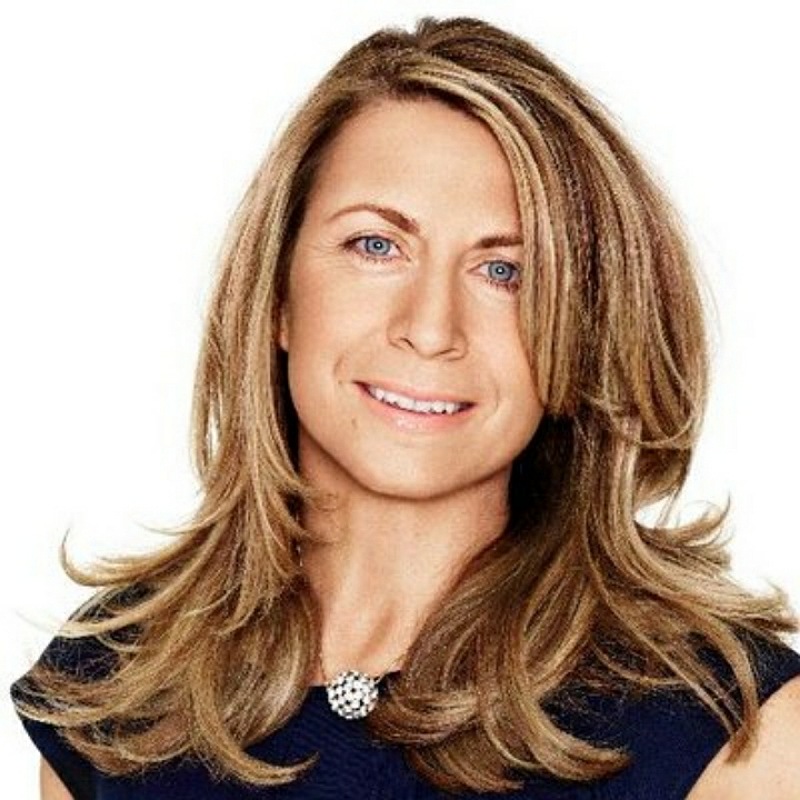
    MUMBAI: The BBC has appointed Leigh Tavaziva as group chief operating officer.

    Tavaziva takes up her role on 1 February 2021. She will be responsible for critical functions including design and engineering, finance, legal, commercial rights and business affairs, quality, risk and assurance, and procurement. She will join both the BBC’s executive committee and the BBC board, reporting to director-general Tim Davie.

    Tavaziva’s previous roles have included managing director of customer operations at British Gas and group director of strategy and transformation at Centrica.

    Tim Davie says: “This is an important appointment for the BBC as we look to become even more efficient and offer greater value to every licence fee payer. Leigh has an extremely impressive track record of leading change, driving efficiency and helping big organisations simplify to realise their full potential. We are very pleased that she will be joining us at the BBC in the New Year.”

    Leigh Tavaziva said, “The BBC plays an incredibly important role at home and abroad. I have huge respect for the organisation and look forward to playing my part in ensuring its continued success in a fast-changing world.”

  • BBC Studios launches officially on 3 April

    BBC Studios launches officially on 3 April

    MUMBAI:  The newly created BBC Studios officially has launched today (3 April 2018), heralding a new chapter for the BBC’s content creation and exploitation activities.

    In an environment of increasing competition for viewers, the merger of BBC Worldwide and BBC Studios brings the BBC Group into line with the rest of the industry and ensures the creative and commercial success of the organisation. BBC Studios will see content through the full life cycle of development, commissioning, production and co-production, sales and distribution and will underpin the creation of new BBC-owned IP.

    BBC Studios CEO Tim Davie said, “Bringing together the UK’s most awarded production business, a world-class content sales business, our unique portfolio of brands, and a network of premium indie partners, BBC Studios has what it takes to create and export quality British programmes in this new age of content.”

    The newly formed BBC Studios will build on the unique heritage and global success of both organisations, with British creativity and outstanding content forming the cornerstone of the company.

    Leading a staff of around 3000 and overseeing an annual turnover of £1.4bn, Tim Davie, Chief Executive Officer and Mark Linsey, Chief Creative Officer officially assumed their new roles today and unveiled the organisation’s new vision, purpose and strategy.

    BBC Studios CCO Mark Linsey said, “Today is an important and exciting day for the BBC. For me, it’s all about BBC Studios’ outstanding creativity and the brilliant programmes that we and our indie partners make, so it’s even more thrilling that I can announce today that Shakespeare & Hathaway, our break-out daytime drama hit, has been recommissioned.” 

    And following last month’s announcement to set up a production office in Sydney, Australia, BBC Studios is developing new production opportunities in Beijing, China.  Award-winning executive producer Matthew Springford, who has over 20 years’ experience in factual programme-making, will be based at the BBC office in Beijing alongside the BBC Studios’ distribution team and will be working with Chinese TV stations and digital platforms to co-develop and co-produce original content and new formats across all factual genres.

    Also read: 

    Sony BBC Earth shakes up factual entertainment space

    Surya Food Agro begins testing of news, GEC channels

  • BBC’s combined global audience touches 308 million

    BBC’s combined global audience touches 308 million

    MUMBAI: BBC’s weekly global audience consists of 308 million people as per new figures unveiled today. This represents the combined measured reach of international BBC content – both news and entertainment – for the year 2014-15 and is the first time this figure has ever been measured in this way.


    In 2013, BBC director general Tony Hall set a target of 500 million for the BBC’s global reach for 2022.


    The figures by the BBC Global Audience Measure (GAM) reveal that the BBC’s weekly global news audience, which is measured each year, has increased by 18 million people, or seven per cent since last year, to a record-breaking 283 million. This means that one in every 16 adults around the world uses BBC News.


    For the first time, television (148 million) overtook radio (133 million) as the most popular platform for BBC international news, and it is also the first time since BBC’s GAM tracked audiences for all three platforms – radio, TV and online (55 million) – in English and 28 other languages – that they’ve all grown in the same year.


    The BBC World Service’s audience has increased by 10 per cent in its first year of licence fee funding and now stands at 210 million, with the biggest boost coming from new World Service TV news bulletins in languages other than English.


    The biggest growth for a single service comes for BBC World Service English, which has its highest ever weekly reach ever with an audience of 52 million, an increase of more than 25 per cent. The countries where the audience increases for World Service English have been highest are Nigeria, USA, Pakistan and Tanzania.


    BBC Global News Ltd’s audience has grown to 105 million with World News TV’s up by 12 per cent, and bbc.com/news growing by 16 per cent.


    BBC World Service Group director Fran Unsworth said, “These amazing figures demonstrate the importance and impact of the BBC around the world. In times of crisis and in countries lacking media freedom, people around the world turn to BBC for trusted and accurate information. Thanks to our digital innovation we now have more ways than ever before of reaching our audience – from the Whatsapp Service we set up during the West Africa Ebola outbreak to our pop-up Thai news stream on Facebook following the military coup.”


    BBC Worldwide director, global and CEO Tim Davie added, “Today’s audience numbers show the global reach of the BBC to be strong and growing.  The consumption of branded BBC services across TV, radio and digital platforms speaks to the international appetite for premium content across all the genres for which we are best known – primarily news, but increasingly for drama, factual and entertainment. Having a robust but prudent measurement system in place also helps increase our understanding of our audiences, enabling us to serve them to the very best of our ability in the future.”


    Additionally, the World Service Group is going from strength to strength in both developed and developing markets, with the single biggest audience for any country in the USA (30 million), and with more than a third of the total audience on the African continent (100 million), the biggest BBC audience ever seen on any continent.


    Digital innovations from the World Service Group over the past year have included a new Africa livepage on the BBC website; the Thai ‘pop up’ news stream on Facebook; the emergency Ebola service on Whatsapp in West Africa; chat app news services on Line, Mxit, WeChat and WhatsApp; and the move of all 27 language service websites plus News to fully responsive design, which means they can easily be read on mobile phones of all shapes and standards.

  • BBC Worldwide delivers strong performance despite currency challenges

    BBC Worldwide delivers strong performance despite currency challenges

    MUMBAI: BBC  Worldwide  has  published  its  2013/14  Annual  Review,  revealing  a  year  of  solid  underlying  growth, and increased returns to the BBC.


    Headline  profit  increased  0.7%  to  ?157.4m  (2012/13:  ?156.3m),  and  was  up  11.6%  at  constant currency*.  Headline  profit  margin  increased  from  14%  to  15.1%,  a  record  for  the  company.  This  was achieved on headline sales of ?1,042.3m (2012/13: 1,115.8m), down 6.6%, or 5.2% at constant currency, principally  reflecting portfolio changes:  the  sale of Lonely Planet and a new  revenue  share agreement for  BBC.com.  Adjusting  for  these,  trading  revenue  was  broadly  flat,  with  growth  from  non-English language  markets,  sales  to  digital  platforms  and  advertising  helping  to  offset  pressure  on  US  and  UK affiliate fees and declining DVD markets.


    These  results  were  delivered  despite  the  strengthening  of  sterling  in  the  year. Movements  in  foreign exchange rates had a ?17.1m negative impact on the headline profit. 


    BBC Worldwide CEO Tim Davie said:  “BBC Worldwide performed well, reflecting the quality of our content and enabling reinvestment into the UK television industry. Headline profit at constant currency, shareholder returns and returns to the indie sector all grew by double digits. This was achieved at the same time as a major re-shaping of the company along regional lines.


    “We will continue to execute on our strategy – more premium content, dynamic global brands and digital innovation – in the course of the new financial year. While our results for 2014/15 will reflect the choices and investments we are making to do this – including BBC Store and the introduction of new brands – we nonetheless expect to deliver further returns to our shareholder over the course of the year.”


    Please click here to read the full report

  • Helen Normoyle appointed BBC’s head of audiences

    Helen Normoyle appointed BBC’s head of audiences

    MUMBAI: Helen Normoyle, currently Ofcom’s director of media literacy and convergent media and previously its director of market research, is joining the BBC as head of audiences.

    Normoyle was brought in as Ofcom’s director of market research in 2003, and established and led its market research team. More recently, she led the team which developed the statutory requirement for the promotion of media literacy into one of Ofcom’s priorities for the coming year.

    She will join the BBC in May, taking over from Chris Mundy in leading the audiences team.

    BBC director of marketing, communications and audiences Tim Davie said, “Helen brings a wealth of experience with her, and we are delighted that she will be joining us.”

    Helen said, “I’ll be very sad to leave Ofcom. I have thoroughly enjoyed working here with a great team over the last few years, but I’m now really looking forward to joining one of the world’s most respected broadcasters. It’s very clear that audiences are right at the heart of the BBC and that’s what makes this such an exciting prospect and challenge for me.”

  • BBC reorganises to focus on digital future

    BBC reorganises to focus on digital future

    MUMBAI: The British Broadcasting Corporation (BBC) has announced organisational changes to meet the challenges and opportunities of its Creative Future vision, placing future media & technology at the heart of its strategy. Launched in April 2006, the changes have been made following consultation with senior managers across the BBC.

    Creative Future is designed to deliver more value to audiences. These reforms are built on the vision that the best content should be made available on every platform at the audience’s convenience and they will simplify how programme ideas – both from in-house and independent producers – move from original concept to audiences.

    The changes, due to be fully operational by April 2007, will enable 360 degree commissioning and production and ensure creative coherence and editorial leadership across all platforms and media.

    They will also streamline the way funding flows across the organisation, bringing in-house production together under a single head, while reinforcing commitments made to the independent production sector through the Window of Creative Competition, informs an official release.

    BBC director general Mark Thompson told staff across the organisation: “Today is about making Creative Future a reality. It’s about how we can make the BBC the most creative organisation in the world, delivering content that our audiences will simply love.

    “We need a BBC ready for digital and for 360 degree multi-platform content creation, which brings different kinds of creativity together – in technology as well as content – to deliver what we need in this converging world. And we need a simpler, more open BBC with the licence-fee flowing down simple, direct lines to the right people, a simpler structure, clearer responsibilities and fewer layers.”

    Thompson stressed it was not about more large scale efficiencies and redundancies, but about making the BBC more creative and efficient. A three year value for money efficiency programme is already underway to deliver savings of £355m a year by 2008 to reinvest in to content.

    The new organisation chart places marketing communications and audiences at its centre, which will be led by Tim Davie, is designated as a creative division, putting audiences at the heart of the BBC and working ever closer with content areas and future Media & Technology to bring audience insights to the creative process.

    A new future media and technology division (FM&T) will be led by Ashley Highfield and will concentrate on emerging technologies, playing a leading role in finding and developing new ways for audiences to find and use content. Technology resources will be centralised and prioritised in FM&T and three new FM&T controllers will be based in the three main content areas – Journalism, BBC Vision and Audio and Music.

    FM&T will manage all new media platforms and gateways like bbc.co.uk, the emerging i-player and web 2.0, as well as metadata, search and navigation and BBC Information & Archives which is vital to opening up the BBC’s archives.

    The multi-media journalism group, led by Deputy Director-General Mark Byford, will now also include BBC Sport along with BBC News, Global News and Nations & Regions.

    The creation of an Audio & Music group, led by Jenny Abramsky, will deliver not just network radio but audio content for all platforms from on-demand in the home to podcasts and mobile phones. This group will also lead on music across all media, including TV, for the whole BBC, informs the release.

    BBC Television, Factual & Learning and Drama, Entertainment & Children’s come together in a new group, BBC Vision, led by Jana Bennett.

    This group will be responsible for in-house multimedia production, commissioning and audio visual services, including the TV channel portfolio, and digital services like High Definition and Interactive.

    Multimedia, 360 degree production, under a single Production Head, will be more closely aligned to – while still physically separate from – the 360 degree commissioning teams. Commissioning will be grouped under four controllers of: Fiction (drama, comedy, BBC Film and programme acquisitions), Entertainment, Knowledge (including all factual and Learning) and Children’s.

    Funding for multimedia content provision will move to the new vision and audio & music groups, allowing 360 degree commissioning and a one stop shop for all producers, including independents.

    The Production Head for BBC Vision, reporting directly to Jana Bennett, will also have an overview of network production outside London through the controller of network production Anne Morrison.

    BBC creative director Alan Yentob will ensure that the Creative Future recommendations are implemented across all content and services. He will chair both the Creative Training Board and Creative Network as well as chairing the board of BBC Films and a new Arts Network which will pull together arts programme-makers from across the BBC. He also continues to lead BBC Talent and to present Imagine.

    The Window of Creative Competition (WOCC). Clear safeguards are in place to build confidence in commissioning and the WOCC now that production and commissioning are in the same BBC Vision group.

    There will be a new commissioning compliance role in BBC Operations with a direct line to the director general and the new BBC Trust will also keep the changes under review to ensure they do not prejudice the WOCC.

    BBC Worldwide CEO John Smith will concentrate on his ambitious development strategy for Worldwide, on course to treble profits, and to lead the sale BBC Resources Ltd in 2007. Over the next six months he will relinquish all responsibilities to the public service side of the BBC.

    Caroline Thomson, currently BBC director of strategy, becomes COO for the BBC, with overall responsibility for strategy, policy, distribution, property, legal and business continuity, in a new BBC Operations division.

    The reorganisation does not affect BBC Finance, led by Zarin Patel, which is already undergoing transformational change. Procurement will however, move into Finance.

    BBC People already has a major change programme underway and is largely unaffected by the reorganisation. The new director of BBC People, Steve Kelly, joins the BBC from BT in the near future.