Tag: TikTok

  • ByteDance moves to court over blocking of bank accounts in India

    ByteDance moves to court over blocking of bank accounts in India

    KOLKATA: Indian authorities have reportedly blocked bank accounts of ByteDance, the parent company of TikTok. The Chinese tech company has moved to court asking to quash the directive as it fears that the decision will hit Indian operations hard.

    According to a Reuters report, at least two bank accounts held by ByteDance have been frozen due to alleged tax evasion. Quoting sources, the report mentioned that ByteDance India’s accounts in Citibank and HSBC Bank were ordered to be blocked in mid-March.

    Moreover, the authorities also directed the abovementioned banks to stop ByteDance India from withdrawing funds from any other bank accounts linked to its tax identification number. The Bombay high court has listed the case between ByteDance and the Indian government for hearing on Wednesday.

    “At ByteDance, we are committed to abiding by local laws and regulations. While we disagree with the decision of the tax authority in this matter, we will extend our full cooperation to the government," ByteDance said in a statement as quoted by several reports.

    In January 2021, ByteDance decided to cut down its Indian workforce amid the uncertainty over its biggest business TikTok’s future in India. Following the political conflict between India and China, the Centre imposed a ban on a number of Chinese apps including short-video app TikTok last June.

  • Influencer marketing ready to explode in India: ClanConnect’s Kunal Kishore Sinha

    Influencer marketing ready to explode in India: ClanConnect’s Kunal Kishore Sinha

    MUMBAI: Even as the economy and businesses were reeling under the global upheaval in 2020, there were some that saw an opportunity in the disruption and took off during this tumultuous period. One such business was ClanConnect, a start-up born during the lockdown. Inspired by the growing investor interest in the digital and influencer marketing sector and the sustained visibility of brands on it during the lockdown, the ClanConnect team decided to take the plunge six months earlier than they had initially planned. In an in-depth conversation with Indiantelevision.com’s Anupama Sajeet, ClanConnect COO and co-founder Kunal Kishore Sinha talked about the booming influencer marketing industry, the impact of the recent ASCII guidelines, and how the fledgling firm plans to transform the digital marketing landscape with artificial intelligence and machine learning.

    Edited excerpts:

    On ClanConnect’s business model and what it means to be ‘India’s only AI-driven influencer marketing agency’.

    Influencer Marketing (IM) is in its infancy in India right now. It has opened up lots of opportunities for brands to connect with their consumers. But, it remains largely unorganised, which also led to fraudulent activities as creators began exploring unethical means to increase their followers. There was no scientific method to decide which influencer would be most suitable for a brand or campaign.

    We started ClanConnect to make this entire process more scientific with the help of machine learning. We came up with a marketplace where a brand has all possible tools to discover the right influencer for its campaign, engage with them online and also help them to manage its entire end-to-end campaign in an automated form.

    The technology engine is an amalgamation of some of the leading influencers across scale, categories, and geographies. Our AI recommendation tool can pull out any data point of any influencer with a following of more than 1000, across any geography in less than 24 hours. It also distinguishes between genuine and fake followers. We are trying to build an ecosystem where technology becomes the big differentiator.

    On the size of the influencer-driven market in India and globally.

    A global survey done by Business Insider on 5,000 marketers showed that 80 per cent of the marketers budgeted 10 per cent of their total advertising spend in influencer marketing. Globally, the influencer marketing spend was $9.7 billion for 2020 and it is expected to go up to $13.8 billion in 2021. It can be more in the case of some categories like online gaming. In 2019, the ad spend on gaming influencers in the US was $849 million. In India, companies engaging in mobile phones, automobiles, fashion, lifestyle, entertainment use a huge chunk of their ad spend on this segment.

    Two platforms have emerged in a big way – Twitch, an online game streaming company, and TikTok, though the latter has been banned in India. There are Indian companies like Rooter which provide a platform for online gamers to stream their game. With the increasing number of user-generated content platforms, there will be more and more content creators and this will translate into more advertising budgets. So this market is only going to explode.

    On the Tiktok ban effect.

    We were going live with our Instagram and YouTube and our next platform was TikTok. But, by the time we were ready with the TikTok platform engagement, it was banned and our six months of technology development work went down the drain. By far, TikTok is leading in the global IM space in terms of ad marketing spend. We are hopeful that other equivalent players will emerge. In short video format, we already have Instagram Reels, Mitron, Chingari, Moj, and some other local players. Each of them has some share of the market. The scale of the market is huge and I am sure brands are not going to wait to invest in it.

    On the new ASCII guidelines and challenges it entails for the industry.

    ASCII came out with these policies because they realised that influencer marketing was becoming a mainstream advertising space. We welcome this move because it highlights the potential of this market. We do not expect the guidelines to affect the influencer business per se, because most influencers anyways tag the brand while sharing a post. Instagram had, in fact, started this concept of tagging the brand when it’s a paid content much before ASCII came out with the policy.

    Also, I do not think any brand wishes to short-change their users by pushing something as organic when it’s a paid content. The influencers too want to ensure authenticity in their content. Now, if the influencer can provide visibility and awareness to a product that helps translate into sales, it generates RoI. It does not change if they mark it as a sponsored content. I believe this is going to help the market to become better. The problem, however, lies in implementation as there is still a grey area as to what is organic and what is paid content. How will you define the transaction between two parties when it’s a self-regulatory guideline? That will be a challenge for ASCII.

    On the way ahead for digital IM trend for consumers and brands.

    We are starting to see brands – be it hotels or cruise companies – who want to get their customers back after a year of bad business and less revenue. But they want to do it at a cost that has a larger RoI. They are following a cautious, focused approach. We have also had brands that had not experimented with influencer marketing until the lockdown happened. They saw the impact of the campaign on digital and increased their budget for influencer marketing.

    There are many young start-up d2c (direct to customer) brands, whose influencer spend is as much as 50 per cent of their total marketing spend. This is only going to grow. The pandemic opened up opportunities, which were previously not considered by the brand managers. Even in a back to pre-Covid scenario, the immersive valuation that an influencer could bring about a product or service would be difficult to achieve through say, an outdoor campaign, internet banner, or a newspaper ad. So there will always be space for all categories of advertising, including influencer marketing, in times to come. And just like digital marketing fought for its place in the past, this is a digital disruption that will eventually become the mainstay.
  • Bytedance elevates Abhishek Karwar to head of global creative & emerging markets – user growth

    Bytedance elevates Abhishek Karwar to head of global creative & emerging markets – user growth

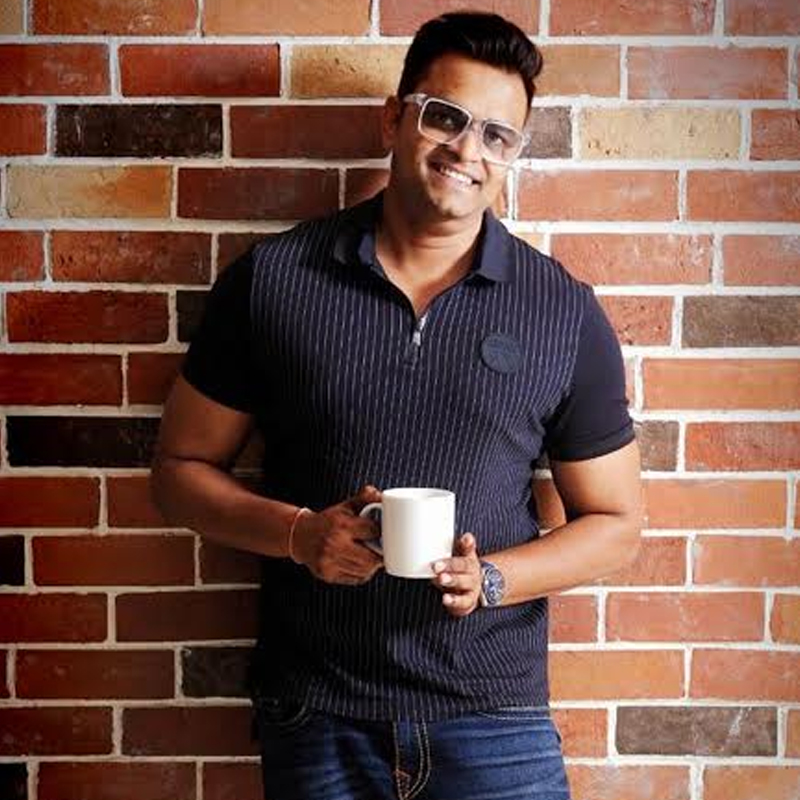
    NEW DELHI: TikTok developer Bytedance has elevated Abhishek Karwar to head of global creative and emerging markets – user growth. Karwar had joined the organisation in December 2019 as head of user growth.

    During his two decades in the media and entertainment industry, Karwar has experience managing and scaling up digital businesses and heading product development, marketing and product marketing functions on a global level. He is well-versed in building platforms, negotiating partnership deals and executing go to market strategies.

    The NIIT graduate considers his specialities to be in the field of short format videos, OTT technologies, digital media, broadcast media, business strategy.

    Prior to his role at TikTok, Karwar had a brief stint as head of sales and marketing at Intuition Intelligence. He has also been associated with Mirriad, Zee Entertainment Enterprises, Times Group and ITC Infotech.

    Karwar’s elevation comes at a time when Bytedance is downsizing its workforce in India after a months-long ban on its moneymaker, TikTok. Undeterred by this short-lived foray in one of its biggest markets, the Chinese app developer is expanding its operations worldwide, and has particularly ramped up recruitment in Singapore. The Beijing-headquartered company has also come under global scrutiny over TikTok’s data collection practices.

  • Snapchat taps into the TikTok market with ‘Spotlight’

    Snapchat taps into the TikTok market with ‘Spotlight’

    MUMBAI: Snapchat has rolled out its own version of the short video format platform, ‘Spotlight’, presumably for a slice of the TikTok pie in India. While the multimedia messaging app had launched the feature with its own dedicated tab in the app in November last year in 11 countries including the US, UK, France, Germany, and Australia, it has only debuted it in India now.

    Just when we thought there were too many players in the user-generated video content market, Spotlight entered the scene with a dedicated tab to the format in the Snapchat app. The videos – or Spotlight snaps, as they are referred to – surfaced in this section and can be up to 60 seconds long. To entice people to post snaps regularly, it will even pay creators to post viral content on the platform.

    The new feature will piggyback on Snapchat's popularity in the market to gain new users and tap into the void left behind by TikTok’s ban in the region. However it will be competing with Instagram Reels, YouTube Shorts, MX TakaTak, Bolo Indya, Chingari, Roposo, Moj, to mention a few.

    Snapchat’s transition into the short-video space is a clear recognition of the success of TikTok’s short-form viral videos. Instagram too had acknowledged the Chinese app’s popularity with its launch of Reels in August last year. However, unlike TikTok, Spotlight snaps won’t feature a public comments section, and users' profiles are private by default. Snapchatters can, therefore, shield their accounts from public view while still posting content in Spotlight. In fact, anyone can submit their snaps to Spotlight for others to view; you just have to tap ‘Spotlight’ when posting to send it to the section.

    Snap’s ‘$1m a day’ program – where the company says it’ll divvy up $1 million between the most popular creators on the app per day – will also be available in India, celebrating and rewarding the creativity of local Indian Snapchatters and offering a chance for creators to earn a share of a $1 million daily fund. This means if someone has a particularly viral video, they might earn a large chunk of the $1 million pot. It doesn’t matter whether that person has a massive number of subscribers; the amount people receive is primarily based on unique views compared to other snaps that day. Users can continue to earn from their video if it’s popular for multiple days at a time.

    The videos you’ll see in the section can be up to 60 seconds long and, as of right now, cannot be watermarked. That means people can’t just download their (or others’) viral TikToks and upload them to Snapchat. Snap is instead trying to encourage people to use its own creation tools and prevent monetisation fraud by keeping people in its app. Once you tap into Spotlight, you’ll see snaps programmed to what Snapchat’s algorithm thinks you might enjoy. Spotlight surfaces the most entertaining Snaps from the Snapchat community all in one place and will become tailored to each Snapchatter over time based on their preferences and favourites.

  • Eye on TikTok, Facebook to let content creators earn money from short videos

    Eye on TikTok, Facebook to let content creators earn money from short videos

    MUMBAI: The short-format video space is heating up and social networking giants are fighting tooth and nail against ceding ground, or more importantly, revenues, as more and more people turn to the short, snackable content form. Last month, Twitter announced the Super Follows feature that lets users charge for exclusive material not shown to their regular followers; likely a way for the microblogging platform to augment its revenue stream which is primarily advertising driven.

    Now, Facebook has come up with new monetisation opportunities for content creators on its platform. The company detailed its plans to help creators make more money, as smaller tech rivals have been racing to attract famous social media personalities. Video creators will now be able to earn money from videos as short as one minute long, with a minimally interruptive ad running at 30 seconds. For videos three minutes or longer, an ad can be shown 45 seconds in.

    Facebook made the announcement on its blog Thursday. Previously, only three-minute or longer videos could monetise with in-stream ads, with an ad shown no earlier than one minute. Its aim, they said in the blog post, was to help content creators diversify their revenue on the platform.

    "Content creators — digipubs, video creators, gaming creators, media companies, cultural institutions, businesses of all sizes and more — build vibrant communities on Facebook. We want them to have the tools and support they need to earn money and thrive, whether creating and sharing content is a primary business, one of many revenue streams, or a lifeline that’s kept their business afloat during the pandemic," read the blog.

    Highlighting more ways in which creators can earn more on Facebook, it said: 

    Earn revenue from short-form video: Making it possible for content creators to monetise all video types and testing sticker ads in Stories.
    Opening monetisation to more content creators: Updating in-stream ad eligibility so more video creators can access the program, opening access to in-stream ads for Live and expanding paid online events and fan subscriptions to more countries.  
    Accelerating fan support: Making it easier for content creators to get access to fan support while growing consumer adoption via free Stars giveaways to viewers.

    To be eligible for Facebook's in-stream ad for video-on-demand program, pages must now have 600,000 total minutes viewed from any combination of video uploads – on-demand, Live and previously Live – in the last 60 days. There also should be five or more active video uploads or previously Live videos.

    "We’re especially focused on short-form video monetisation. In the coming weeks, we’ll begin testing the ability for content creators to monetise their Facebook Stories with ads that look like stickers and receive a portion of the resulting revenue. While the initial test is small, we hope to soon expand to more content creators. And then broaden it to short-form videos on Facebook, eventually providing a way for content creators to monetise this popular content," Facebook explained.

    The company said going ahead, it is exploring in-stream ad formats that increase engagement through rewards or product interaction — intending to help content creator pay-outs grow. By doing this, it also hopes to provide a good viewing experience for people and a way for advertisers to reach relevant audiences.

    More creators can now qualify to earn ad revenue from live-streaming videos on Facebook, previously an invite-only program. The tech giant also said it would give away $7 million in free Facebook Stars, which users can pay to creators on Facebook Live as a form of tipping.

    Facebook’s decision to incentivise videos of brief duration is the latest in a series of measures it has taken to stave off its biggest competitor – TikTok, which has been siphoning usage from Mark Zuckerberg's family of apps since its launch in 2018. At present, Facebook is testing out a feature in India that allows some content creators to share short video clips, known as Reels, on their Facebook accounts. It is no secret that Instagram’s Reels feature is basically a TikTok clone, wherein users can record short mobile-friendly videos, and add special effects and soundtracks pulled from a music library.

  • 2020: The year of the government intervention

    2020: The year of the government intervention

    KOLKATA: 2020 was the year when the government – both the Centre and states – pushed back against the media. Strongly. Whether it was mainline television or print or digital or social media, authorities showed that they could deal a heavy hand against the fourth estate and digital platforms. Everyone would have to comply or get caned.

    The year ended with the government bringing digital media under the ministry of information and broadcasting and imposing foreign equity restrictions in such ventures. 26 per cent is the overseas investment limit, the department of promotion of industry & internal trade under the ministry of commerce & industry stated in a clarification in October 2020. Ventures involved in aggregating, writing, distribution, streaming of news or current affairs on websites, apps or other platforms will have to bring down the foreign investment to 26 per cent and get government approvals for the same by October 2021, have an Indian CEO, a majority of Indians on their boards, security clearances for foreign personnel employed or contracted for more than 60 days.

    The big news for the year was the ban on all things Chinese following the muscle flexing and murder of Indian armed forces by China on its border at Ladakh with India. More than 267 Chinese apps were shown the door over six months. The biggest of these was the user generated content platform TikTok which had more than 200 – million users in India. PUBG, La – a game which has more than a few million followers amongst India’s uh-uh gamers, was also blocked overnight.

    But the natives were not to be denied their favourite entertainment: under the government’s make in India initiative: a slew of local apps were spawned TakaTak, Roposo, Bolo Indya, Chingari. While not many could better the TikTok algorithm, they quickly signed on millions of subscribers hungry for a platform to show case their short form video talent. And at the time of writing FAU-G was slated to be released in India.

    The Central government and the industry regulator Telecom Regulatory Authority of India ( TRAI) intervened in the case of the industry monitoring agency Broadcast Audience Research Council (BARC) as well. At the beginning of the lockdown, TRAI issued a consultation paper suggesting an overhaul of the measurement body saying there were concerns over the neutrality and reliability of the existing system. It recommended various measures like equal representation from broadcasters, brands, agencies, increased sample size, independent members on board including technological experts.

    Later in the year, as the credibility of the rating agency had come under greater question with the TRP scam unfolding, the ministry of information and broadcasting notified a committee to be headed by Prasar Bharati CEO Shashi Shekhar Vempati to assess  the existing rating system for TV channels. The government emphasised there is need to have a fresh look at the guidelines particularly keeping in view the latest TRAI recommendations.

    Along with linear TV, the new age streaming platforms also came under the government's watchful eagle eye. Throughout the year, a number of PILs have been filed against a number of online premium shows for allegedly hurting “Indian sensibilities”. Several conservative groups have carried out social media campaigns with #boycott or #censor trends. Amid increasing pressure, OTT platforms were already pushed to form self-regulation codes. But self-censorship did not save the day as the government rejected the code asking to restructure  Igniting the censorship fear further, the government notified to bring all online content under MIB.

     The latest notification stated that films and audio-visual programmes made available by online content providers, news and current affairs content on online platforms will come under MIB’s purview. Just a few days post announcement, media reports floated that is it preparing to file a petition seeking the transfer of all court cases in India against OTT platforms to the supreme court. The ministry notified the Punjab and Haryana High Court about its move to approach the apex court.

    At the same time, social media giant Facebook also faced regulatory pushback this year. After a report on the Wall Street Journal that claimed the platform did not comply with hate speech rules properly, it came under tremendous political scrutiny. While some officials were blamed for having a ruling party bias, union law minister Ravi Shankar Prasad alleged that Facebook employees had abused top ministers on record and their certain ideologies led to an inherent bias.

    Facebook India vice president and managing director Ajit Mohan was summoned by a Delhi Assembly panel which was examining Facebook’s role to curb hate speech in connection with the Delhi riots of February 2020. Later, the platform moved to the court to challenge the summons issued by the Delhi government. The parliamentary standing committee on information technology, headed by senior Congress leader Shashi Tharoor also called Facebook officials multiple times to examine if there was any political bias.

    At the state level too, governments bared their fangs. While Delhi government got into a tussle with Facebook, the conflict between Maharashtra government and Republic TV editor-in-chief Arnab Goswami also deepened. Goswami was arrested in the Anvay Naik suicide case by Mumbai Police which was widely seen as a politically motivated move. He also moved to Bombay High Court questioning the police’s decision to re-investigate the case. Finally, Goswami was granted bail by  the apex court.  Even, many other state governments were also criticised for arresting dissent journalists during the pandemic.

    Despite numerous protests by certain ecosystem players, the government stayed put on rolling back or making any changes to the NTO 2.0, to which many had complained.

  • TikTok debuts on TV with Samsung

    TikTok debuts on TV with Samsung

    New Delhi: Samsung Electronics and TikTok have announced a new app partnership that brings TikTok’s trending content into the home. TikTok will be exclusively available on Samsung Smart TVs in Europe, launching first for UK customers.


    The new app has been specifically created for a home-viewing experience, allowing people to view the ‘For You’ and ‘Following’ feeds, as well as the majority of the most liked and viewed content on TikTok. This content has been organised into 12 categories covering everything from gaming and comedy, to food and animals. The entertainment doesn’t stop there though, as people can also view #LearnOnTikTok videos so they can get the latest cooking hacks, fitness tips, and fun facts that TikTok has to offer.


    TikTok can be accessed on all Samsung Smart TV models from 2018-2020 onwards] which include Samsung’s 4K and 8K TVs as well as its smart monitor, The Premiere, The Frame and The Serif. TikTok can be easily downloadable via the Samsung Smart TV App Store and will now be pre-installed onto all new Samsung TVs purchased. What’s more, content will be available for anybody to enjoy – whether you have a TikTok account or not.


    Users will be able to view, like and comment on trending videos, giving households the opportunity to experience and enjoy TikTok’s top content. Users will also be able to block or mark content they are not interested in, with TikTok automatically operating in Restricted Mode a feature that filters out content that may not be appropriate for all audiences.


    “We are exceptionally proud and excited to be able to launch the TikTok app on our Smart TVs. At Samsung, we strive to give our customers an unrivalled content offering to guarantee endless entertainment and the latest addition of TikTok to our app line-up unlocks a new entertainment experience. With our QLED technology, customers will be able to watch the TikTok content creations on a big screen with lifelike picture resolution to maximise their viewing experience” said Samsung Electronics (UK) director TV/AV Dan Hastings,


    TikTok UK GM Rich Waterworth said: “The past year has dramatically changed the way we live, work and play. More of us are spending more time at home, watching TV with loved ones and enjoying content that entertains and educates through our smartphones.


    This has led us to think about how we can bring the creativity and joy of TikTok to even more people across the UK. Our new TikTok app will do just that, giving the millions of Samsung TV owners access to our trending recipe hacks, comedy skits, challenges and more – straight into living rooms across the country.”

  • Mitron’s new magic motto

    Mitron’s new magic motto

    KOLKATA: Young India – like several other countries – has fallen hook, line and sinker for short-form videos. Evidence of that was the sudden explosion of downloads of the Tiktok; in fact, India accounted for 611 million as against China’s sub 200 million. Also, reports say that Indians spent 5.5 billion hours on TikTok and had nearly 200 million users until July 2020. There’s no doubt the Bytedance owned app along with Jio spurred India’s affair with the format and made ordinary folks from small towns into celebrities.

    Then came the shocker: the Indian government showed Tiktokthe door citing data theft following escalating tensions with China, leaving TikTokers in a tizzy. Into the void stepped a clutch of indigenous and global short-form video platforms: Mitron, Chingari, Roposo, YouTube Shorts, Instagram Reels. And each one of them is working hard to lure former TikTokers to sign up to their offerings.

    At the forefront, leading the charge is the five-month oldvMitron. Launched in 2020, it has managed around 35 million downloads on the Google Play Store. A month after its launch, that figure was a paltry five million.

    Read more news on short format video category

    Mitron founder Shivank Agarwal says the journey has been exciting indeed. The computer science graduate happily shares that the app has been able to retain growth and users – thanks to its product and service quality – after seeing a meteoric rise initially.

    AGARWAL:  WE HAD THE COURAGE
    TO LAUNCH THE PLATFORM
    EVEN AFTER HAVING BIGGIES LIKE TIKTOK IN THE SPACE.

    Mitron also courted controversy in its early days when Google removed it from the Play Store “due to violation of its ‘spam and minimum functionality’ policy.” However, it was back up and running in no time. 

    The homegrown app is generating good traffic from tier II, tier III cities following the initial adoption in tier I markets. And surprisingly a sizable proportion of this is people above the age of 40. The demographic has different expectations, as compared to the usual younger folks who are active on short-form video platforms,

    “We had the courage to launch the platform even after having biggies like TikTok in the space. We provided Indian creators a new platform to showcase their talent. That's why we have a great brand recall. Because of the recognition that we saw early on, we witnessed a massive growth within a few months of the launch,” Agarwal says.

    Agrawal claims that Mitron has 16 million monthly active users per month. And he is pleased that numerous others are entering the space. Says he: “It's a good thing that the content ecosystem that we created for Indian creators is mushrooming with more apps.”

    Agarwal leads a team of 20 which will expand soon with eight more being recruited. He is also seeking an infusion of capital, knowing that more muscular and deep-pocketed rivals are beginning to make their mark.

    Read more news on Mitron app

    Following Instagram’s Reel, YouTube has also launched YouTube Shorts. Acknowledging the growing competition, Agarwal says it is better to focus on how he can improve the service on a day-to-day basis rather than worrying about competitors.

    “We are exploring different ways to integrate with some of the top brands. Our focus right now also lies in bringing creators of different skillsets on the platform and giving them an opportunity to connect with the right set of audiences that they would have liked to be connected with,” he states.

    The app recently launched categories to make it easier for users to navigate to the content of their own choice. According to Agarwal, the short video space has been more about a common domain. He adds that TikTok users never got to decide what they wanted to see. “We decided that we want to give this power to the user. We wanted to bring creators and users on a common platform where they can start communicating in a better way with different communities,” he says.

    It is yet early days for the Mitron app in the Indian market but the opportunity ahead of it is extremely large as the short format video category is going to stay. 

  • Trump approves TikTok deal ‘in concept’

    Trump approves TikTok deal ‘in concept’

    NEW DELHI: It seems that the Byte Dance owned short video platform TikTok has got a breather in the US after the president had ordered the app to be banned in the region, citing national security concerns.

    During the weekend, President Donald Trump gave his nod to a multiparty deal ‘in concept’, under which TikTok will be partly owned by Oracle and Walmart. Media reports say that TikTok is seeking a valuation of 60 billion dollars of. Oracle will hold 12.5 per cent and Walmart will hold 7.5 per cent stake. Sequoia Capital and General Atlantic, already investors in TikTok’s Chinese owner ByteDance, are also expected to take stakes in the new company.

    “I have given the deal my blessing. If they get it done that’s great. If they don’t, that’s OK too,” Trump told reporters Saturday. “I approved the deal in concept.”

    Read more news on TikTok

    TikTok and ByteDance both welcomed President Trump’s approval of a proposed deal, which would still need to be signed off by the Chinese government.

    TikTok said the deal would ensure US national security requirements were fully satisfied, while ByteDance said it was working to reach an agreement that was “in line with the US and Chinese law” as soon as possible.

    TikTok interim chief executive Vanessa Pappas said in a video posted on Saturday that the app was “here to stay” in the US.


    President Trump’s support for the deal comes days after his administration said it would bar people in the US from downloading TikTok through any app store starting 20 September.

    The deal is more like a joint venture between three companies where Oracle will be acting as a “trusted partner” safeguarding the data of users. If one looks closely at the newly proposed deal, it is not what president Trump has initially demanded as it still allows TikTok’s Chinese owner Bytedance a controlling stake.

    It is expected that TikTok Global will likely be headquartered in Texas and will hire “at least” 25,000 people, Trump said. TikTok will need to recruit thousands of content moderators, engineers and marketing staff that were previously located in China and around the world.

    At present, the ban on TikTok has been delayed by a week by the US authorities.

    For the record, the app has been already banned in India by the Indian government along with several other Chinese apps. 

  • YouTube starts rolling out YouTube Shorts, a TikTok like platform, in India

    YouTube starts rolling out YouTube Shorts, a TikTok like platform, in India

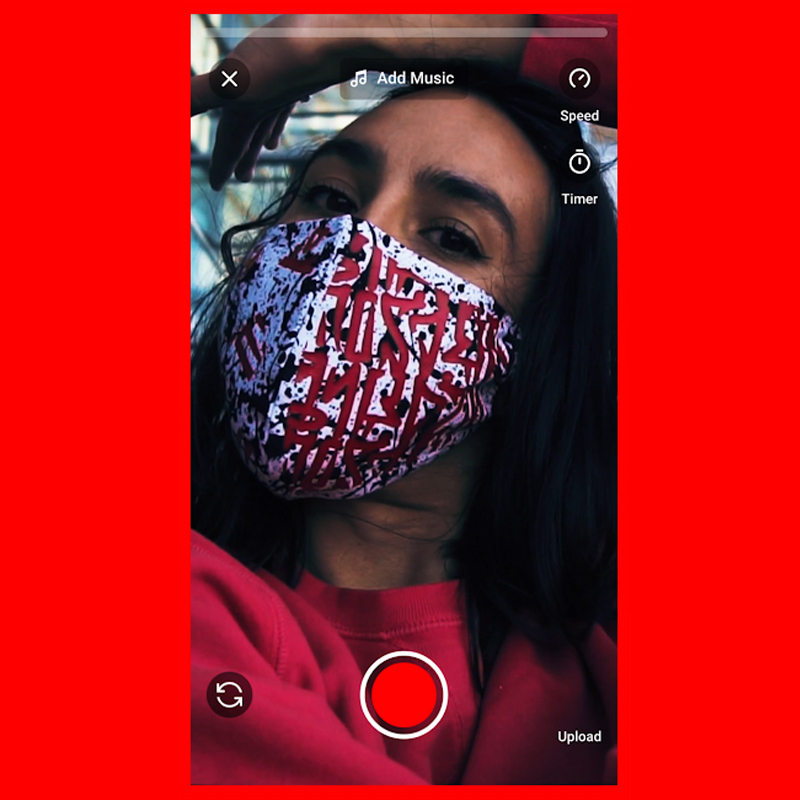
    KOLKATA: After TikTok was banned in India, the short format video app category has seen a rapid explosion of small and big players attempting to fill the void. While the first wave of these players were the homegrown apps, the second wave is seeing interest from the tech giants. YouTube is rolling out a new short-form video creator called YouTube Shorts in India.

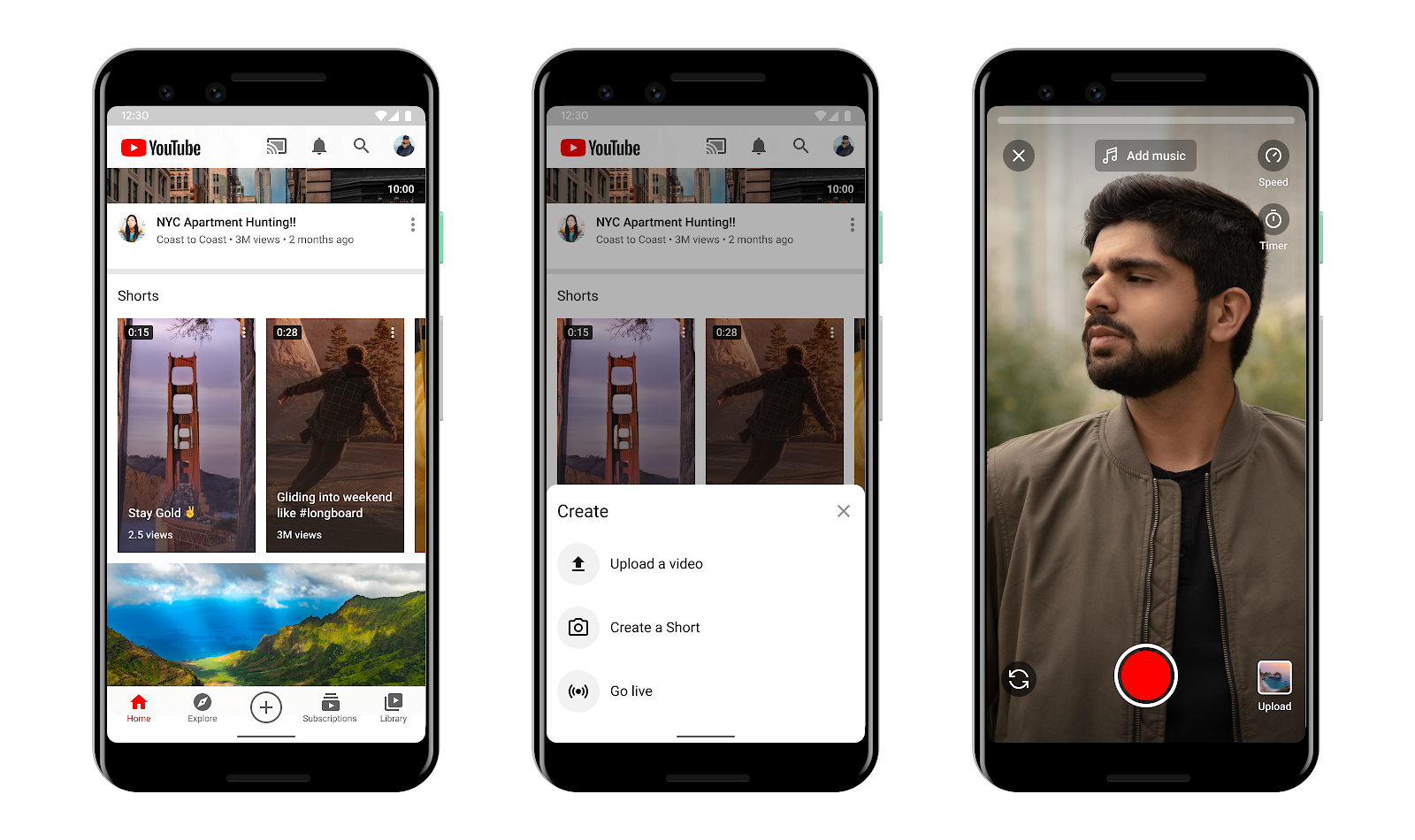
    It is launching a beta version of the new feature in India which includes a new camera and a handful of editing tools that will be rolling out over the course of the next few weeks. YouTube will continue to add more features over the coming months. The new platform will let people make 15-second videos.

    “This is an early version of the product, but we're releasing it now to bring you — our global community of users, creators and artists — on our journey with us as we build and improve Shorts. We’ll continue to add more features and expand to more countries in the coming months as we learn from you and listen to your feedback. Here are more details on what to expect,” YouTube said in a blog post.

    For android users in India, users will see the “Create” icon has moved to the middle of the bottom navigation bar to make it easier for them to create videos right from the YouTube app. 

    Read more coverage on India’s short video ecosystem 

    Recently, Instagram has launched the short video platform Reel to fill the vacay created by TikTok. It has been able to divert the media spends but has not created an impact like TikTok yet. Now, time will say how it pans out for YouTube which has created cultural phenomenon across the years.