Tag: TikTok

  • Game set match for Pokkt as it powers Unilever’s winning streak

    Game set match for Pokkt as it powers Unilever’s winning streak

    MUMBAI: Turns out scrubbing up well isn’t just for laundry, it’s a winning formula for gaming too. Pokkt, the mobile marketing arm of Anymind Group, has emerged as the unsung MVP of this year’s Festival of Media Global (FOMG) Awards 2025, fuelling a string of Unilever-led campaigns that walked away with top honours. Among the winning spin cycles: Gold for Best Use of Gaming for Domex, Gold for Best Use of Online for the cross-brand “Gaming Boosts Laundry” campaign (featuring Wheel, Rin, and Surf Excel), and Bronze for Best Use of Gaming for the broader Laundry Brands initiative.

    Not bad for brands that usually stick to your bathroom shelf.

    Behind the sudsy success lies a refreshing strategy, Pokkt’s signature approach of non-disruptive gaming integrations that slip seamlessly into digital play. No awkward banner ads or jarring pop-ups here, just cleverly woven game mechanics that keep users engaged and brands top-of-mind, all while delivering trackable results.

    In a landscape where attention spans flit faster than a Tiktok scroll, this method is anything but soft touch. Pokkt transforms passive product education into choose-your-own-adventure moments. Want to learn how a cleaner toilet can save lives? Why not do it while beating a level? That’s precisely the magic behind campaigns like Domex’s.

    It’s also no small feat to make homecare and personal hygiene exciting yet by turning “routine” categories into playable narratives, these campaigns showed that even detergent can pack digital dazzle.

    According to Anymind Group, these wins aren’t just accolades, they’re proof that interactive storytelling is the new currency of consumer engagement. In a world of digital distraction, making users want to watch your ad better yet, play it is the future.

    With the festival spotlight shining bright, the message is loud and clear: the best campaigns don’t just clean up, they play smart, hit level-ups, and leave audiences asking for another round.

  • Driving Ad-Vantage, Adcounty and Auto Group shift gears in Asia

    Driving Ad-Vantage, Adcounty and Auto Group shift gears in Asia

    MUMBAI: It’s not every day that adtech and the auto world go full throttle together but this partnership is clearly built for speed. Adcounty Media has teamed up with The Automobile Group in a high-octane alliance aimed at turbocharging automotive advertising across Southeast Asia and the Middle East.

    Targeting high-growth markets like Indonesia, the Philippines, and the UAE, the duo is set to bring a digital pitstop to brands chasing performance-first strategies. Armed with AI-assisted precision and a keen understanding of local market dynamics, they’re not just selling ads they’re rewriting the playbook for how car brands reach revved-up digital consumers.

    “This partnership underscores our commitment to delivering hyper-targeted, brand-safe, and performance-driven solutions specifically designed for the modern automotive consumer,” said Adcounty Media co-founder & chief revenue officer Delphin Varghese.

    The Automobile Group co-founder Yash Vardhan added, “Our vision with The Automobile Group is to build Asia’s most powerful auto-centric performance network. The partnership with AdCounty is a strategic step toward expanding our footprint in Southeast Asia, especially in Indonesia and the Philippines markets with immense potential.”

    “We’re thrilled to collaborate with Adcounty, whose expertise and reach will be instrumental in scaling our delivery capabilities in new markets. Together, we aim to redefine how automotive brands connect with their audiences in this region,” said The Automobile Group co-founder, Shwetank Pandit.

    The blueprint? A blend of AdCounty’s programmatic prowess DSPs, contextual targeting, and real-time optimisation with The Automobile Group’s deep-rooted auto domain know-how. Together, they plan to dominate dashboards in high-intent markets where digital media spend is shifting into the fast lane.

    From luxury-obsessed Gulf buyers to EV-curious Southeast Asians, the collaboration promises campaigns that speak the local lingo, respect brand safety lanes, and keep performance metrics in pole position. And as more brands drift toward platforms like Meta, Tiktok and CTV to fuel test drives and showroom visits, this partnership might just be the engine that powers the next era of automotive marketing.

    If digital disruption had a fast car, this duo would be behind the wheel.

  • Omnicom brings global influencer capabilities under Creo banner

    Omnicom brings global influencer capabilities under Creo banner

    MUMBAI: Omnicom Media Group (OMG) has consolidated its global influencer marketing capabilities under a single brand—Creo—to deliver a consistent, data-led approach to clients across markets. This move puts influencer marketing firmly at the heart of OMG’s media offering, treating it as a fully measurable and strategic media channel.

    Since launching three years ago, Creo has developed influencer-led campaigns for major brands like Mountain Dew, Delta and State Farm. Now, as part of a global integration, clients everywhere will gain access to Creo’s partnerships with leading platforms including Amazon, Google, Snap, TikTok and Instacart—bridging the gap between content creation and commerce.

    The global influencer marketing market is set to reach $33 billion by 2025, up from $24 billion in 2024. In response, OMG is rolling out new tools through its Omni platform to enhance campaign planning and performance:

    * Creator Briefing Tool: Powered by Google Gemini, this helps creators shape content based on audience insights, cultural signals and brand data.

    * Creo Influencer Agent: An AI tool that identifies creators aligned with campaign objectives using Omni’s cultural intelligence suite.

    * Creator Performance Predictor: Built on Meta’s latest API, this machine learning tool forecasts which organic content will deliver stronger results when amplified with paid media—boosting outcomes by 38 per cent in early tests.

    “With influencers playing an increasingly important role in how audiences discover and engage with brands, bringing together our capabilities under Creo ensures clients in every market can access the same level of innovation, insight and strategic impact,” said Omnicom Media group CEO Florian Adamski. 

    In select regions, the brand will operate as OMGCreo. Backed by Omni, Creo positions influencer marketing as an accountable, data-driven channel designed to deliver results across the full marketing funnel.

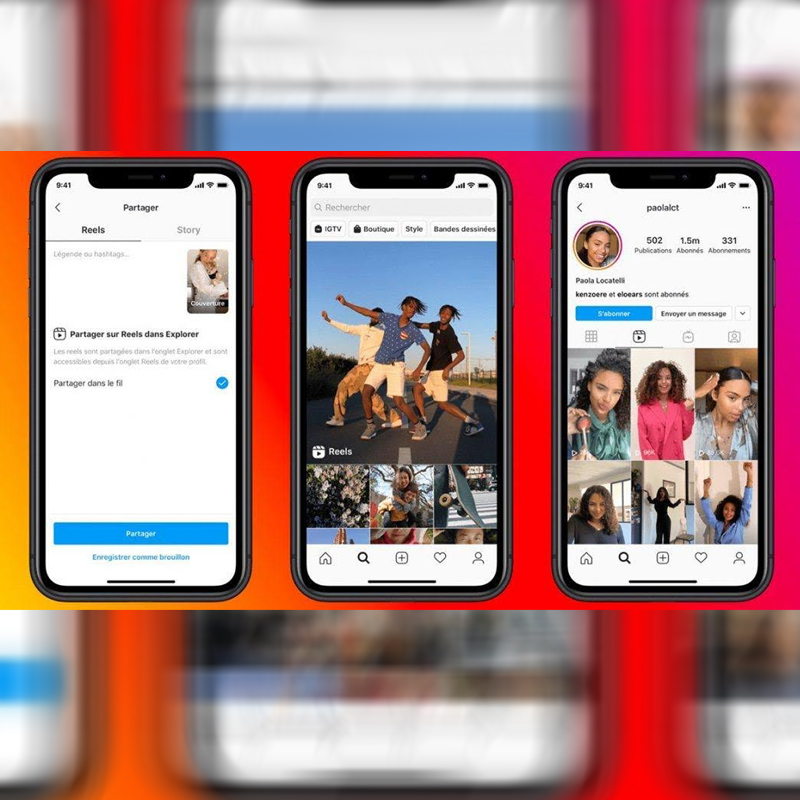
  • Instagram may launch standalone Reels app to rival Tiktok

    Instagram may launch standalone Reels app to rival Tiktok

    MUMBAI: Instagram is reportedly considering launching a standalone app for its popular short-form video feature, Reels, as it seeks to capitalise on Tiktok’s uncertain position in the US market.

    Instagram head Adam Mosseri recently shared this potential move with employees. The standalone Reels app would offer a dedicated video-scrolling experience, similar to Tiktok, as Meta looks to strengthen its foothold in the short-form video space.

    This initiative follows Meta’s recent launch of edits, a video-editing app aimed at competing with Tiktok’s Capcut. The company had previously experimented with Lasso, a Tiktok rival introduced in 2018, but it failed to gain traction and was later discontinued.

    While Meta has yet to confirm its plans, the move signals a renewed push to dominate the short-form video market, catering to users seeking engaging, fast-paced content on a dedicated platform.

    Cited from NDTV WORLD

  • Flipkart raises eyebrows with viral Samsung F06 5G campaign

    Flipkart raises eyebrows with viral Samsung F06 5G campaign

    MUMBAI: Flipkart’s launch of the Samsung F06 5G wasn’t just another product drop, it became a nationwide sensation, thanks to SW Network’s innovative marketing playbook. From viral dance challenges to meme-worthy moments, the campaign blended entertainment with engagement, turning a smartphone release into a social media spectacle.

    At the centre of the buzz was a film featuring movie star Ayushmann Khurrana, whose signature eyebrow dance challenge quickly caught fire on social media. SW Network didn’t stop there—it roped in digital content creators Jannat and Faisu, fuelling a viral ripple effect that swept across Instagram and Tiktok.  

    Taking the campaign beyond screens, SW Network orchestrated billboard takeovers with quirky, inclusive messaging like, ‘This phone is for everyone and everyone is having fun with it. Be it maa g or papa g or beta g.’ The campaign also saw dance communities adopting the eyebrow challenge, blending entertainment with mass engagement.

    “Our goal was to create something more than an ad—something people wanted to be part of,” said SW Network co-founder Raghav Bagai. “The eyebrow dance challenge became a cultural moment, and seeing influencers, dancers, and everyday users embrace it validated our approach.”

    Flipkart associate director – category & central marketing Ekta Checker said, “Working with SW Network, we turned a product launch into a movement that connected with consumers in unexpected ways. Their deep grasp of meme culture and social trends ensured the excitement spread everywhere—from social feeds to dance floors and digital billboards.”

    In a stroke of agile marketing genius, the agency capitalised on a Flipkart app glitch, spinning it into a viral meme trend. What started as an unexpected bug turned into an organic social media storm, with influencers and meme pages jumping on board to create content around Samsung F06 5G searches on Flipkart.

  • Brand Finance Global 500 Brands 2025 report: Apple maintains lead as tech giants dominate

    Brand Finance Global 500 Brands 2025 report: Apple maintains lead as tech giants dominate

    MUMBAI: The band of top brands globally continues to be dominated by tech giants. At least that’s what Brand Finance’s top 500 Global Brands report for 2025 has revealed. Apple has retained its position as the world’s most valuable brand, with a brand value of $574.5 billion. The tech giant is followed closely by Microsoft, Google, and Amazon, which occupy the second, third, and fourth spots, respectively.

    The top 10 most valuable brands are dominated by US-based companies, with Walmart, Facebook, and Nvidia also featuring in the list. However, Chinese brands such as TikTok/Douyin, State Grid Corp of China, and China Construction Bank are rapidly gaining ground, with significant increases in their brand values.

    The report highlights the growing influence of Asian brands, with 17 Chinese companies featuring in the top 100, including newcomers such as Moutai and Wuliangye. Japanese brands such as Toyota, Honda, and Mitsubishi Group also make significant appearances in the list.

    European brands, meanwhile, are struggling to keep pace, with only 12 companies from the continent featuring in the top 100. German brands such as Deutsche Telekom, Mercedes-Benz, and SAP are among the notable exceptions.

    The report also notes that the COVID-19 pandemic has had a significant impact on brand values, with many companies experiencing a decline in their brand worth. However, tech giants such as Apple, Microsoft, and Google have been largely immune to the pandemic’s effects, thanks to their diversified revenue streams and strong brand recognition.

    The top 10 most valuable brands in the world are:

    1. Apple (USA) – $574.5 billion
    2. Microsoft (USA) – $461.1 billion
    3. Google (USA) – $412.9 billion
    4. Amazon (USA) – $356.4 billion
    5. Walmart (USA) – $137.2 billion
    6. Samsung Group (South Korea) – $110.6 billion
    7. TikTok/Douyin (China) – $105.8 billion
    8. Facebook (USA) – $91.5 billion
    9. NVIDIA (USA) – $87.9 billion
    10. State Grid Corporation of China (China) – $85.6 billion

    Brand Finance also analysed what brands have grown the most since 2020, plus TikTok – although Brand Finance began valuing the brand in 2022, its 79 per cent growth in four years puts it in the same league as the other high-growth brands. 

    1. TikTok/Douyin: USD105.8 billion, up from USD59.0 billion (in 2022)
    2. DraftKings: USD5.1 billion, up from USD18 million
    3. FanDuel: USD7.0 billion, up from USD56 million
    4. NVIDIA: USD87.9 billion, up from USD4.7 billion
    5. AMD: USD11.0 billion, up from USD1.4 billion
    6. Pinduoduo: USD13.0 billion, up from USD2.5 billion
    7. BYD: USD14.0 billion, up from USD3.1 billion
    8. Apple: USD574.5 billion, up from USD140.5 billion
    9. TSMC: USD34.2 billion, up from US8.6 billion
    10. Microsoft: USD461.1 billion, up from USD117.1 billion
    11. Lilly: USD8.0 billion, up from USD2.1 billion

    To take a dekko at the Top 100 Global Brands 2025 list click on the word free. Basic data for the top 100 is available for free.

  • TikTok Bids Farewell to US  users amid ban and uncertainty; Trump throws lifeline

    TikTok Bids Farewell to US users amid ban and uncertainty; Trump throws lifeline

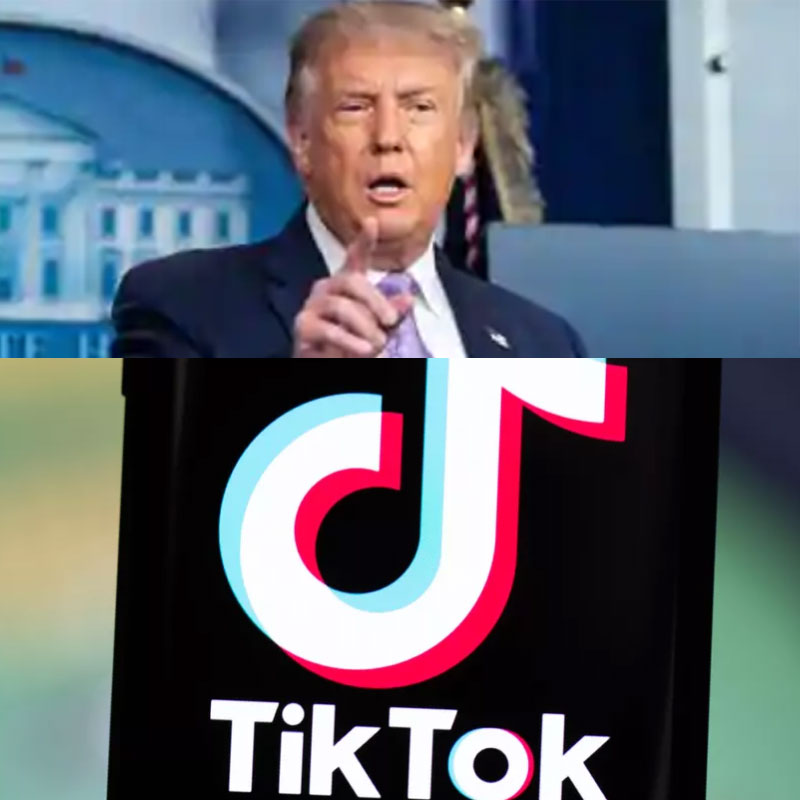
    MUMBAI: The curtains have fallen on TikTok in the United States as the popular short-form video platform voluntarily shut down its service to users ahead of a sweeping legal ban. Upon attempting to log in, users are greeted with a stark message: ” A law banning TikTok has been enacted in the U.S. Unfortunately, that means you can’t use TikTok for now.We are fortunate that President Trump has indicated that he will work with us on a solution to reinstate TikTok once he takes office. Please stay tuned!”

    This abrupt shutdown has left 170 million young users in the US in a state of disarray. TikTok has become a vital part of their daily lives, serving as a platform for creativity, self-expression, and social connection. Users have taken to social media to express their frustration and disbelief as they can no longer upload content or build their online presence on the app.

    The US government has been vocal about its concerns regarding TikTok’s ties to China, citing national security risks due to the app’s ownership by Chinese parent company ByteDance. Lawmakers have long argued that TikTok must either be operated in the US  by an American company or divested from its Chinese stakeholders. Congress set a firm deadline of 19 January, coinciding with the incoming presidency, for TikTok to comply with the law.

    Despite TikTok’s efforts, a last-minute legal challenge to overturn the ban was thwarted when the Supreme Court ruled that the law does not infringe on the First Amendment. This left the company with no legal recourse. The Biden administration has deferred enforcement of the law to the incoming Trump administration, which has signaled a willingness to negotiate a solution.

    President-elect Donald Trump indicated he might take action to extend the ban’s enforcement deadline. In a recent NBC News interview, he mentioned, “The 90-day extension is something that will be most likely done because it’s appropriate. If I decide to do that, I’ll probably announce it on Monday.” Under the law, the president can grant a one-time extension of up to 90 days regarding its implementation.

    As of now, TikTok users who attempt to access the app will find it absent from both the Apple App Store and Google Play Store, and users can only retrieve their data through a specific process. TikTok’s help section remains operational, but with the app effectively disabled, users are left hanging.

    TikTok itself has criticised the Biden administration for its lack of clarity and assurance regarding the continuation of its services. The company remarked, “Unless the Biden Administration immediately provides a definitive statement… TikTok will be forced to go dark on January 19.”

    As uncertainty looms over TikTok’s future in the U.S., millions are left to wonder if they will ever reconnect with their  app, or if this is truly the end of the line. The situation remains fluid, with potential developments hinging on the incoming administration’s actions in the coming days.

    President Donald Trump later in the day thew the management of TikTok a lifeline later in the day saying he would be considering issuing an executive order giving TikTok 90 days to find itself an American partner. This came as a relief to its 170 million users in the US. 

    Said Trump on TruthSocial: “I am asking companies not to let TikTok stay dark! I will issue an executive order on Monday to extend the period of time before the law’s prohibitions take effect, so that we can make a deal to protect our national security. The order will also confirm that there will be no liability for any company that helped keep TikTok from going dark before my order.

    “Americans deserve to see our exciting inauguration on Momday, as well as other events and conversations.

    “I would like the United States to have a 50 per cent stake in the joint venture. By doing this, we save TikTok, keep it in good hands and allow it to say up. Without U.S. approval, there is  no Tik Tok. With our approval, it is worth hundreds of billions of dollars – maybe trillions.”

    (Updated on 19  January 2025 at 10:30 pm)

  • Truecaller appoints Hemant Arora as vice-president of global ad sales

    Truecaller appoints Hemant Arora as vice-president of global ad sales

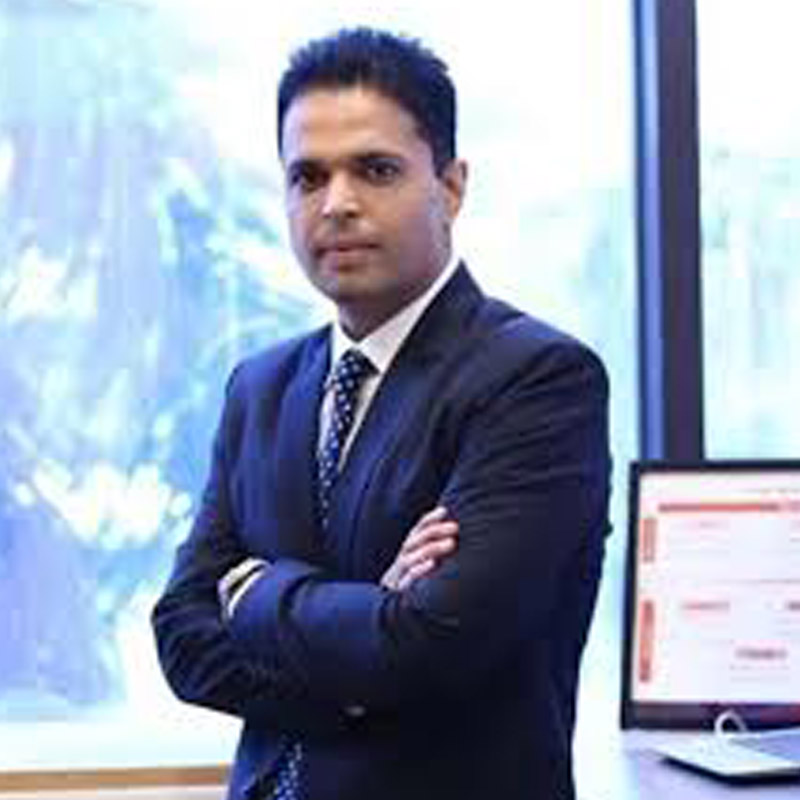
    MUMBAI:  Global communications platform  Truecaller  has announced the appointment of Hemant Arora as the new vice-president of global ad sales business. This strategic move aims to bolster Truecaller’s advertising division, which represents the company’s largest revenue stream, while refining its global ad sales strategy.

    With over 25 years of industry experience, Arora has a proven track record of driving revenue growth and managing global operations for some of the world’s most recognized media and technology companies. His previous roles include serving as head of global accounts for Europe, APAC, and the METAP regions at TikTok, where he demonstrated his ability to foster relationships with key stakeholders and manage complexities in fast-paced environments.

    “Truecaller is uniquely positioned at the intersection of technology, trust, and communications,” Arora stated upon his appointment. “I am excited to join a talented team and look forward to driving impactful growth while deepening our partnerships globally.” 

    His extensive experience includes establishing revenue growth business units, which will be crucial as Truecaller seeks to expand its advertising portfolio and integrate innovative solutions.

    Truecaller  CEO  Rishit Jhunjhunwala, emphasised the importance of Arora’s appointment, noting his extensive background in building scalable revenue models and navigating global markets. “Hemant’s leadership will further strengthen our vision to revolutionize how brands connect with consumers and maximize the potential of our platform,” Jhunjhunwala commented.

    Truecaller serves over 425 million active users worldwide, making it one of the most widely used communication platforms. The company’s growth has been bolstered by its ability to identify and block nearly 46 billion unwanted calls in 2023 alone, showcasing its effectiveness in improving user experience.

  • Australia passes bill banning social media for kids; India’s Vaishnaw calls for stricter regulation

    Australia passes bill banning social media for kids; India’s Vaishnaw calls for stricter regulation

    MUMBAI: No social media for kids. The Aussie house of representatives passed a bill yesterday imposing a ban against Instagram, Tiktok, Facebook, SnapChat, X,  Reddit from allowing kids under 16 from accessing these networking platforms. The onus has been put on social media to ensure that kids don’t use them;  fines up to $33 million will be imposed on them if a kid’s profile is found active. The bill will now require senate approval which it most likely will get and social media  will have  a year to clean up their acts. 

    That was Down Under. 

    In India too, the government would like to bring  social media under tight regulation. 

    While addressing a parliament question during the ongoing session of the Lok Sabha today, union minister of information & broadcasting, railways, and electronics & IT, Ashwini Vaishnaw,  once again highlighted the urgent need to strengthen existing laws governing social media and OTT platforms.

    “We are living in the era of social media and OTT platforms. However, the democratic institutions and traditional forms of the press that once relied on editorial checks to ensure accountability and correctness of content, have seen these checks diminish over time,” he said. 

    He noted that due to the absence of such editorial oversight, social media has become a platform for freedom of press on one hand, but on the other hand, it has also become a space for uncontrolled expression, which often includes vulgar content. 

    Acknowledging the distinct cultural differences between India and the geographies where these platforms originated, Vaishnaw emphasised. “The cultural sensitivities of India vastly differ from those of the regions where these platforms were created,” he said.  

    This makes it imperative for India to make existing laws more stricter and he urged everyone to come to a consensus on this matter.

    The minister also urged the parliamentary standing committee to take up this important matter issue as a priority. “There should be societal consensus on it, along with stricter laws to address this challenge” he said.

    Will Indian society agree? 

  • Gen Z expects brands to be transparent, socially responsible, and engaging: Rohit Sakunia

    Gen Z expects brands to be transparent, socially responsible, and engaging: Rohit Sakunia

    Mumbai: As brands navigate the complexities of a dynamic marketplace, a new trend is emerging: the preference for gen Z individuals in marketing agencies. Born between the late 1990s and early 2010s, they are not just the target audience for most campaigns; they are becoming the architects of those campaigns. Their perspectives on culture, community, and creativity align seamlessly with the demands of a new-age consumer base that values relatability over rigidity.

    This shift towards tapping into gen Z talent is not a fleeting trend. It signals a deeper understanding that those who live and breathe the cultural zeitgeist are best equipped to translate it into compelling brand narratives.

    Indiantelevision.com caught up with Art E Mediatech founder Rohit Sakunia, an independent marketing agency with a presence in Delhi, Mumbai, and Dubai to know more insights on this topic.

    Edited excerpts

    On driving the shift towards gen Z as the preferred target audience for marketing agencies

    The shift towards gen Z as a primary audience is driven by their growing purchasing power and their undeniable influence on digital culture. Being the first digitally native generation, they shape online trends and behaviors, making them critical for brands aiming to remain relevant. What sets gen Z apart is their loyalty—it’s not easily earned but is reserved for brands that genuinely align with their social values and personal identities.

    For instance, brands like Nike have successfully tapped into this by aligning their campaigns with causes that matter to gen Z. At the same time, companies like Glossier have built communities around inclusivity and self-expression. This approach fosters a strong emotional connection and ensures long-term engagement. gen Z’s digital fluency and trendsetting behavior can drive viral success, and when brands resonate authentically with their values, the resulting loyalty is both impactful and enduring.

    On describing the key characteristics of gen Z that make them appealing to marketers

    Working with brands targeting a young, dynamic audience has shown me that gen Z values authenticity, inclusivity, and personal connection. These traits make them incredibly appealing to marketers. In my experience, adapting strategies to embrace these characteristics has been key—like developing influencer partnerships that genuinely align with their values. A great example is how zoomers’ affinity for authenticity drives the popularity of brands like Patagonia, which champions environmental causes transparently and integrates these values into its product lines.

    By focusing on these aspects, I’ve honed my ability to create personalized, community-centered campaigns that truly resonate with this audience. It’s rewarding to see these efforts translate into higher engagement and brand loyalty, underscoring how understanding and embracing gen Z’s unique characteristics can make a real difference for brands.

    On rise of gen Z impacted traditional marketing strategies

    The rise of gen Z has significantly reshaped traditional marketing strategies, and transitioning brands from conventional methods to more agile, digital-first approaches has been a defining part of my career. Managing campaigns on platforms like TikTok and Instagram has challenged me to think creatively and stay adaptive, ensuring our strategies resonate with this audience.

    TikTok’s emergence as a primary marketing platform reflects gen Z’s demand for engaging and creative content, prompting brands to embrace short-form video formats and storytelling styles that feel authentic. This evolution has allowed me to refine my expertise in areas like short-form video content and influencer marketing, both of which are critical for building genuine connections with younger audiences.

    On zoomers use of technology and social media influence their preferences and behaviors

    Gen Z’s use of technology has shaped them into discerning consumers who value accessibility, quick answers, and seamless online experiences. Their reliance on social media platforms like Instagram, Snapchat and TikTok for discovery drives their preference for brands that deliver visually compelling and easily shareable content. This behavior has redefined how brands connect with this audience, emphasizing the importance of creating experiences that are both interactive and engaging.

    For instance, utilising features like filters or challenges on Instagram or TikTok can capture their attention effectively while fostering a sense of community. Social media not only influences their purchasing decisions but also cultivates their need for connection, making community-building a critical component of marketing strategies tailored to this generation.

    On key expectations zoomers has from brands and marketing campaigns

    Gen Z expects brands to be transparent, socially responsible, and engaging. They look for campaigns that align with their personal values, are inclusive, and reflect diversity in meaningful ways. This generation also values quick response times and personalized interactions, expecting brands to actively engage with them on social media and demonstrate authenticity through action rather than just words.

    For instance, companies like Ben & Jerry’s resonate strongly with gen Z by publicly supporting social issues, which not only strengthens their brand image but also builds trust with consumers who deeply value activism and meaningful change. These expectations challenge brands to go beyond traditional marketing and truly embody the values they promote.

    On challenges marketing agencies face when targeting gen Z and overcoming them

    Targeting gen Z presents both an exciting opportunity and unique challenges for marketing agencies. This generation is incredibly discerning, with little patience for inauthentic content, short attention spans, and a high demand for meaningful engagement. To navigate these hurdles successfully, agencies must rethink their strategies—prioritising transparency, crafting bite-sized yet impactful content, and collaborating with relatable influencers over mainstream celebrities.

    For example, the use of micro-influencers has proven effective, as they can authentically engage with niche gen Z communities, creating trust and fostering genuine connections. Pairing this with data-driven insights to craft hyper-personalized campaigns ensures that the messaging resonates deeply with this audience, turning challenges into opportunities for stronger engagement and loyalty.

    On seeing the relationship between marketing agencies and zoomers evolving in the next 5 to 10 years

    In the next 5 to 10 years, I believe the relationship between marketing agencies and gen Z will evolve into a more collaborative and purpose-driven partnership. As gen Z matures, their expectations will continue to rise, particularly in terms of brands being proactive on social issues. This will drive agencies to engage more directly with gen Z consumers, working alongside them to co-create campaigns and experiences that feel authentic and meaningful.

    In addition, agencies will need to embrace new technologies, like augmented reality and AI, to meet gen Z’s increasingly tech-savvy standards. Future campaigns may include interactive AR experiences or community-driven initiatives, where gen Z has a direct voice in shaping brand messaging and even product development. This shift will not only redefine how brands engage with gen Z but also elevate the way they collaborate with this generation to drive long-term loyalty and impact.