Tag: TikTok

  • Bloomingdale PR grows its northern roots with Sanya Jain

    Bloomingdale PR grows its northern roots with Sanya Jain

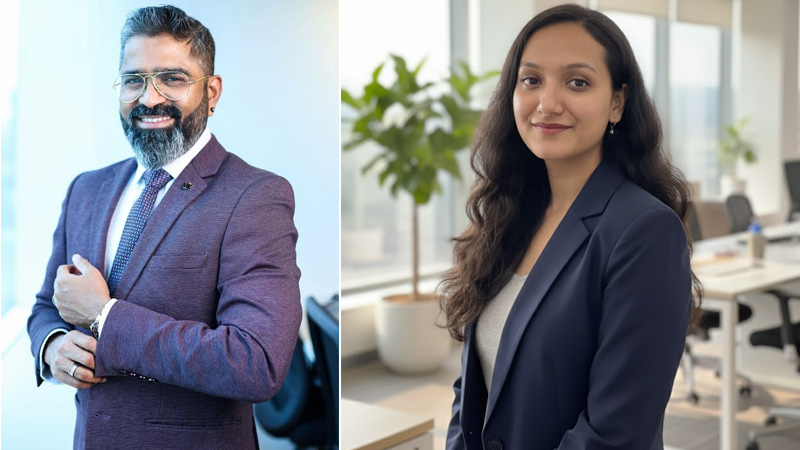
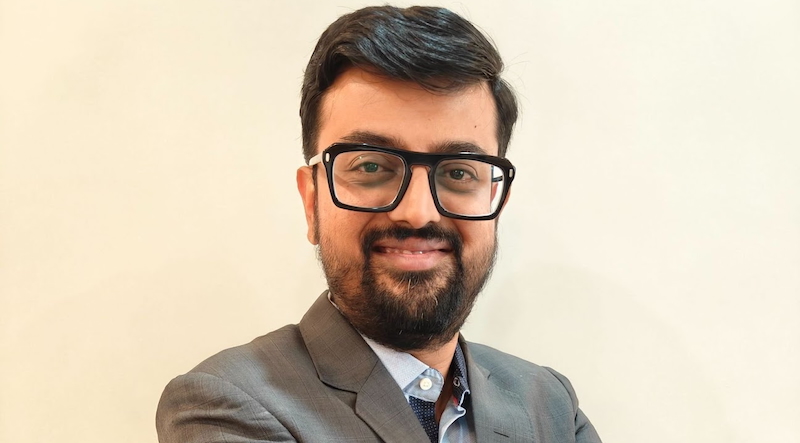
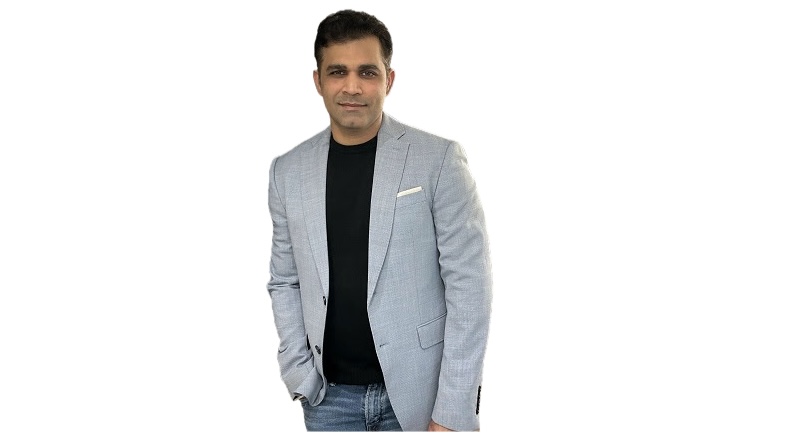
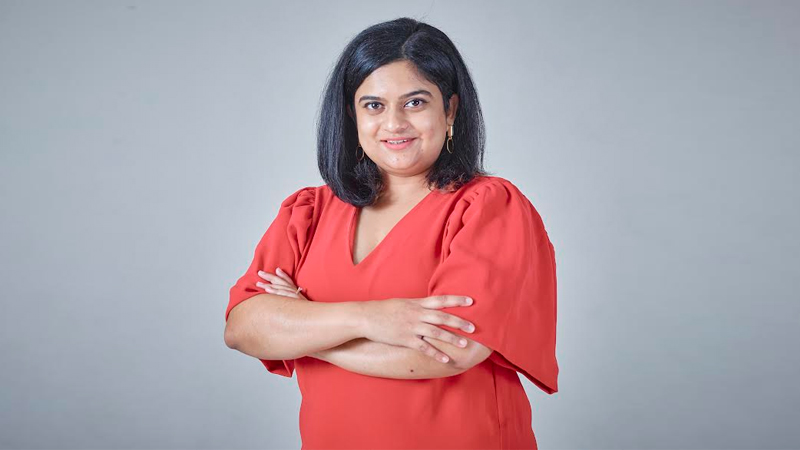
    MUMBAI: Bloomingdale Public Relations is turning the spotlight on Delhi with a key leadership move. The boutique PR firm, known for its strategic storytelling and stronghold across Asia, has appointed Sanya Jain as strategic communications lead – north, reinforcing its focus on expanding operations in the capital.

    Based in New Delhi, Sanya will head Bloomingdale’s regional growth, client relations, and team culture across North India, reporting directly to Bloomingdale PR CEO Vikram Kharvi.

    With a decade of experience spanning consumer, corporate, crisis, and internal communications, Sanya has collaborated with industry giants including HP, Google, Microsoft, and TikTok. Her track record in shaping narratives and leading reputation strategies makes her a strong fit for Bloomingdale’s next growth phase.

    “We’re thrilled to welcome Sanya to lead our Delhi operations,” said Bloomingdale PR CEO Vikram Kharvi. “Her strategic acumen and forward-looking approach will be instrumental in strengthening our presence in one of India’s most dynamic markets.”

    On her appointment, Sanya Jain shared, “I’m excited to take on this role and contribute to Bloomingdale’s creative and strategic legacy. I look forward to building impactful partnerships and meaningful campaigns across Delhi and beyond.”

    The move marks another step in Bloomingdale PR’s nationwide expansion, as the firm continues to deepen its roots in key Indian markets with a focus on innovation, talent, and impactful communication.

  • Bite-sized drama is eating the internet: Ampere Analysis

    Bite-sized drama is eating the internet: Ampere Analysis

    MUMBAI: The attention span may be shrinking, but the audience for micro-drama is exploding. More than one in ten internet users worldwide now regularly watch drama episodes lasting ten minutes or less on social media—a format that’s turning Hollywood’s traditional playbook on its head and forcing commissioners to rethink everything from episode length to distribution strategy.

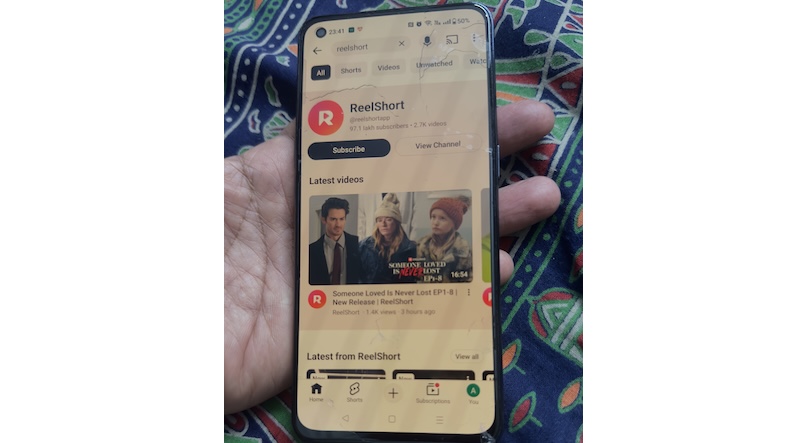
    Ampere Analysis surveyed over 100,000 consumers in two separate waves across 30 global markets, polling 56,000 internet users aged 18–64. The findings reveal that these “mini-dramas” and “micro-dramas”—the shortest clocking in at under two minutes—are thriving on YouTube and TikTok. The platforms have become both primary distribution channels and discovery engines for premium subscription apps like DramaBox and ReelShorts, which are betting big on vertical video optimised for phone viewing.

    The numbers tell a compelling story about changing consumption habits. Average internet users now spend nearly 50 minutes a day watching videos on social media. For younger audiences, that figure jumps dramatically: 18- to 34-year-olds are clocking over an hour daily, creating a captive audience for bite-sized content that fits neatly between scrolls.

    The demographic split is predictable but stark. Viewers aged 18–34 are 21 per cent more likely than average to have watched a mini-drama in the past month. Nearly half of internet users in that age bracket—46 per cent—are already hooked, consuming short-form scripted content as readily as they consume traditional social media posts.

    But the format isn’t exclusively a young person’s game. Among 35- to 44-year-olds, 23 per cent have watched a micro-drama in the past month—the highest proportion of any age group surveyed. Some 19 per cent of 18- to 24-year-olds reported the same, with the 45-to-54 cohort close behind at 18 per cent. Even the 55-to-64 demographic is getting involved, with 13 per cent tuning in. The data suggests mini-dramas are breaking out of their youth-oriented niche and moving into the mainstream.

    AGE OF VIEWERS

    Geography tells an equally revealing story. Engagement is strongest in Thailand, Malaysia and the Philippines, where mobile-first viewing habits dominate and vertical video has become the default mode of content consumption. The Asia-Pacific region leads consumption overall—hardly surprising given that nearly all existing micro-drama platforms hail from China, where the format has already matured into a lucrative industry. The market is soon to be flooded with Western competitors trying to replicate that success. European audiences, by contrast, remain largely unmoved by the format, suggesting cultural preferences or viewing habits that haven’t yet shifted to accommodate ultra-short storytelling.

    YouTube commands 44 per cent of mini-drama viewership, with TikTok capturing 38 per cent. Together, the two platforms account for a commanding 82 per cent of all short-form drama consumption on social media—Instagram picks up the scraps. YouTube’s sheer scale gives it the edge: in September, it accounted for 12.6 per cent of all television usage, according to Nielsen, compared with Netflix’s 8.3 per cent. No other service claimed even five per cent. While vertical video may feel like TikTok’s natural domain, YouTube’s reach makes it nearly impossible to overcome.

    Romance, anime and fantasy are the genres pulling the biggest crowds—commissioners would be wise to treat these as priority areas for future productions. The preference for escapist, emotionally-driven content suggests audiences are using mini-dramas for quick hits of entertainment rather than deep narrative engagement.
    Minal Modha, research director and head of sports media, sponsorship and consumer research at Ampere Analysis, says shorter scripted drama platforms are “capitalising on the increasing use of vertical videos customised for phone viewing, particularly among younger audiences”. The format’s success, she notes, stems from its perfect alignment with existing social media behaviour patterns.

    The industry is pursuing two distinct strategies, both designed to maximise the format’s commercial potential. The first: dump entire series on YouTube and monetise through advertising revenue, treating the platform like traditional broadcast television but with shorter episodes and higher frequency. The second: seed clips and teasers on TikTok or Instagram to build buzz and audience interest, then drive viewers into subscription apps such as DramaBox or ReelShorts for the full experience. It’s a funnel approach that transforms social platforms into massive marketing engines.

    The format may be miniature, but the business model is anything but. Short attention spans, it turns out, can generate long revenue streams—and potentially more reliable ones than traditional hour-long dramas. Production costs are lower, turnaround times are faster, and audiences can consume entire story arcs in a single lunch break. As Hollywood scrambles to jump into mini-drama production, the question is no longer whether bite-sized content works—it’s who can scale it fastest, and whether Western producers can crack the code that’s already minting money in Asia.

  • Oncemore.io hits 1 million users in record 42 hours

    Oncemore.io hits 1 million users in record 42 hours

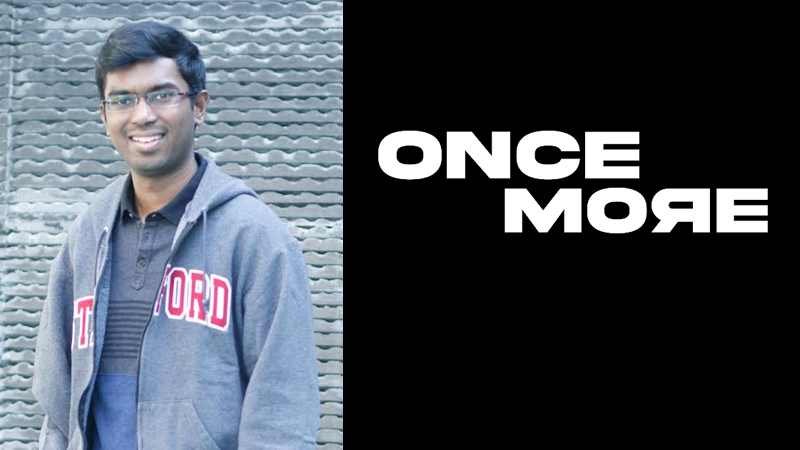
    MUMBAI: When it comes to fan frenzy, Oncemore.io is playing for keeps. In just 42 hours, the AI-driven entertainment platform has hit a staggering 1 million users across 60 countries, faster than Chat GPT, Instagram, Tiktok, or Spotify at launch. Only Threads has matched the pace, but Oncemore.io stands as the fastest independent platform to reach the milestone.

    The platform is designed to make entertainment interactive rather than passive. Fans can explore movies, music, sports, and more through dedicated partner sections packed with exclusive content, immersive games, AI-powered interactions, digital collectibles, and behind-the-scenes access.

    Oncemore.io’s debut partnership was with the Telugu blockbuster They Call Him OG, starring Pawan Kalyan. Fans joined a collective unlock experience, playing themed games to reveal a digital comic book of the hero’s backstory. Every participant also received a personalised digital card, quickly turning into a viral sensation online.

    Founder Akash Mamidi said, “Movies and music have brought me comfort through tough times. Seeing fans crave meaningful interactions with their favourite art has been incredible. We are building a platform that spreads that joy to billions.”

    The platform is backed by Unshackled Ventures, Cherubic Ventures, TA Ventures, Sketchnote Venture Partners, and prominent angels. Following its record-breaking debut, Oncemore.io has already secured a partnership with a major Indian film releasing in early 2026.

    Looking ahead, the platform will introduce adaptive storylines, dynamic challenges, and AI-driven worlds where each fan’s journey is unique. With this next wave of experiences, Oncemore.io aims to be the happiest place on everyone’s device.

  • MIPCOM Cannes 2025 puts creators centre stage

    MIPCOM Cannes 2025 puts creators centre stage

    PARIS: Mipcom Cannes is recasting itself as the global meeting ground for the creator economy, unveiling a 13–16 October programme that director Lucy Smith calls “the biggest generational shift the market has ever seen”. She declared the creator economy “no longer emerging—it’s arrived”, signalling a fresh era for storytelling, distribution and monetisation.

    The scale remains vast: organisers expect more than 10,500 delegates from over 100 countries to pack the Palais des Festivals and surrounding beachfront. Joining the traditional powerhouses—Disney, Warner Bros Discovery, Sony Pictures Entertainment, Paramount Global, Banijay, BBC Studios, ZDF Studios and ITV Studios—are creator-led platforms and digital natives such as YouTube, TikTok, Snapchat, Dhar Mann Studios, Tubi, Samsung TV Plus and Luma AI. Big advertisers and agencies including Mattel, Toys“R”Us, Ancestry, Dentsu and McCann are coming to broker brand-funded projects.

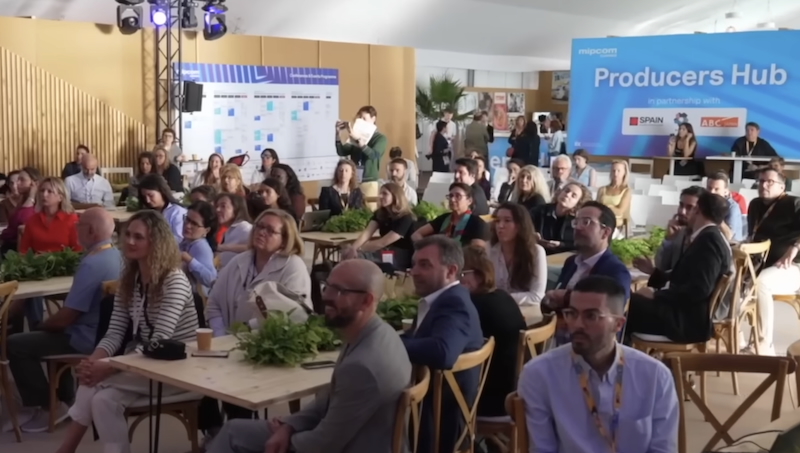
    YouTube mounts its most ambitious presence yet: a dedicated space on the Croisette, daily workshops and a headline keynote with EMEA vice-president Pedro Pina and BBC Studios digital chief Jasmine Dawson in conversation with industry analyst Evan Shapiro. The rebadged MIP Creative Hub—formerly the Producers Hub—will host four days of matchmaking between creators, studios and brands.

    Fresh summits aim to blur the lines between TV, tech and social platforms. The BrandStorytelling Summit, imported from Sundance, will showcase how advertisers and digital talent collaborate on narrative campaigns. The Innovation Lab expands with an AI summit and new demo areas for cloud production, virtual sets and immersive formats. Panels will dissect monetisation models from Fast and AVoD to direct-to-fan subscriptions.

    MIPJunior, the kids’ pre-market on 11–12 October, moves into the Palais for the first time, offering dedicated matchmaking and a premiere of Ki & Hi in the Panda Kingdom, based on Kevin Tran’s best-selling manga.
    High-wattage speakers include Mattel Studios president Robbie Brenner, Banijay chief Marco Bassetti, Mediawan Pictures CEO Elisabeth d’Arvieu and Toys“R”Us CMO Kim Miller Olko, alongside creators Callum “Callux” McGinley and Dhar Mann. World premieres on the main stage feature Paramount’s Boston Blue, ZDF’s Ku’damm 77 and a Sony preview of The Miniature Wife, with cast members Donnie Wahlberg, Sonequa Martin-Green and Matthew Macfadyen expected.

    By weaving creators into every strand—from keynotes to co-production hubs—MIPCOM is betting that the next wave of global television will be forged as much by YouTubers and TikTokers as by Hollywood studios. The 2025 edition aims to prove that the Croisette can be the crossroads where legacy broadcasters and digital disruptors strike their biggest deals yet.

  • Truecaller names Athul Prabhu product director for ads business

    Truecaller names Athul Prabhu product director for ads business

    MUMBAI: Truecaller has tapped Athul Prabhu as product director for its advertising arm, a move aimed at supercharging the company’s biggest growth engine.

    Prabhu, an ad-tech veteran with stints at Glance, TikTok, Viacom18 and Nielsen, will shape the product vision and strategy for Truecaller Ads. At Glance, he built the lock-screen app’s ad-tech infrastructure from scratch, enabling global monetisation through programmatic and direct sales.

    The appointment comes as Truecaller Ads, delivering more than 5 billion daily impressions and used by over 10,000 brands, cements its reputation as one of the world’s largest mobile advertising platforms. Hemant Arora, vice-president of the global ads business, said Prabhu’s remit will be to design a diversified suite of AI- and data-led products tuned to local markets.

    Prabhu, an IIT Kanpur graduate with an MBA from ISB Hyderabad, called the platform “uniquely positioned to redefine the future of trusted communication and digital advertising”, citing its reach and user trust as rare assets for brands.

    Advertising accounts for the lion’s share of Truecaller’s growth, and the company is betting Prabhu can turn scale into sharper monetisation.

  • IBC2025 conference lines up global media heavyweights and bold ideas

    IBC2025 conference lines up global media heavyweights and bold ideas

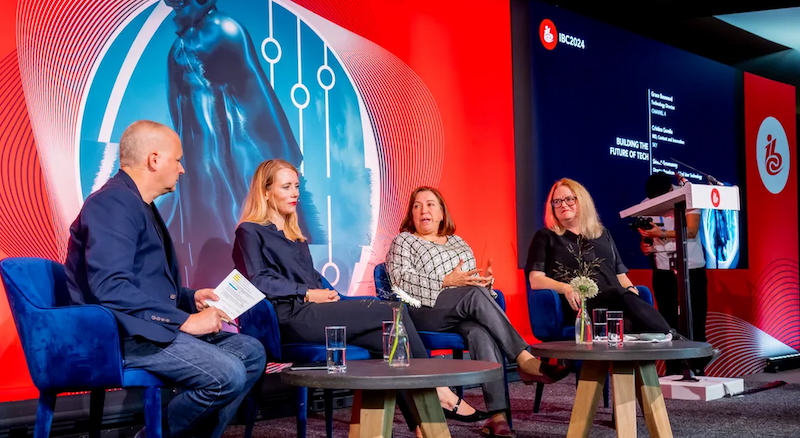
    LONDON: IBC 2025 has pulled back the curtain on a turbocharged conference programme packed with power players from across the global media, entertainment and tech ecosystem. From 12 to 14 September at RAI Amsterdam, the three-day summit promises to tackle media’s defining challenges—AI disruption, fragmentation, collapsing business models, and the war for attention.

    Top brass from Netflix, Walt Disney Studios, Paramount Global, Snap, TikTok, YouTube, Roku, TelevisaUnivision, PGA Tour, kweliTV and India’s JioStar are among the featured speakers. Industry provocateur Evan Shapiro will headline with a data-fuelled keynote, while seasoned commentator Mike Darcey closes the show with a sharp take on rights, economics and the shape of future broadcasting.

    “This year’s agenda is urgent, imaginative and provocative,” said IBC head of content Sally Watts. “We’re bringing together disruptors and legacy leaders to map the media universe as it shifts beneath our feet.”

    The conference kicks off with a heavyweight CTO roundtable featuring Avi Saxena (Warner Bros. Discovery), Simon Farnsworth (ITV) and Phil Wiser (Paramount). Big tech meets broadcast in sessions like YouTube’s Pedro Pina in conversation with Channel 4’s Grace Boswood, and Snap’s Jorrit Eringa alongside execs from Yahoo, Sky, Sling TV and A1 Group dissecting the future of content collaboration.

    TikTok’s Rollo Goldstaub will explore how short-form video is rewriting the rules of sports engagement, while Netflix’s Victor Marti and Vancouver Media’s Migue Amoedo offer a behind-the-scenes look at storytelling innovation.

    In a major AI-focused session, ABC’s Damian Cronin unpacks how the broadcaster is embedding machine learning into its core workflows. Meanwhile, DeShuna Spencer (kweliTV), Brad Danks (OUTtv), Rajat Nigam (JioStar India) and others weigh in on what’s next for the streaming wars.

    ‘MovieLabs – Leading the Vision’ sees Disney, Sony, Warner Bros. and Paramount map the road to 2030 for content creation, moderated by MovieLabs president Richard Berger. Sunday’s schedule spotlights Fremantle’s Jens Richter on global distribution in a post-peak TV world, while PGA Tour execs reveal how they deployed live AR shot-tracking across all 18 holes — winning a Sports Emmy in the process.

    In the closing session, Mike Darcey, now managing director at Tide End Consulting and former News UK boss, breaks down how rights, economics and regulation must evolve to fit the new media order.

    Beyond the main stage, the IBC Technical Papers Programme offers 10 peer-reviewed sessions delving deep into bleeding-edge R&D across 5G, 6G, AI, immersive formats and content authentication. Topics include:
    * AI in speech, postproduction and curation
    * Provenance, privacy and content trust
    * Wireless tech advances from 5G to 6G
    * IP Studio 2.0 and live production
    * Sport tech, AR, avatars and AI-enhanced streaming

    Registration is now open at show.ibc.org.

  • Global South stories take spotlight as IN10 and Beacon join forces

    Global South stories take spotlight as IN10 and Beacon join forces

    MUMBAI: Content knows no borders and neither do these storytellers. In a bold cinematic handshake that spans continents, Movieverse Studios, IN10 Media Network’s content arm has inked a global alliance with UAE-based Beacon Media to turbocharge stories from the Global South for a global audience of over three billion. The goal? A borderless entertainment ecosystem powered by co-creation and cultural exchange from India to Latin America, Africa to the Middle East.

    “Our vision is global storytelling without fences,” said Movieverse Studios CEO Vivek Krishnani who promised a slate that embraces Malayalam feature films, micro-series for Instagram Reels and Tiktok, and even adaptations of Deepak Chopra’s bestselling fiction. “The Global South is bursting with stories that deserve a global stage and we’re building that bridge.”

    This isn’t just lip service. Among the first projects are a Malayalam-language feature and a wave of digital-first series aimed at next-gen viewers, alongside a premium slate of films and web shows under active development. With this, IN10 is aiming not just for reach but resonance.

    Beacon Media, helmed by chairman Manoj Narender Madnani, dubbed the alliance “1+1=11 in action,”a nod to how collaboration between legacy platforms and new-age players can create outsized impact. “This isn’t about competing,” he said. “It’s about multiplying reach and cultural capital.”

    The collaboration leverages deepening cultural and investment ties between India, Saudi Arabia and the UAE countries fast becoming central to the global entertainment and tech conversation. It also ropes in big industry names: Beacon’s Arabic production arm works with Fadi Ismail, the former MBC Group drama director, while acclaimed writer Manini Priyan has been appointed head of content for Beacon’s original programming.

    “This is about future-proof storytelling,” said IN10 Media Network MD Aditya Pittie. “We’re blending Hollywood-grade scale with deeply rooted Indian storytelling. This is not just an alliance, it’s a movement.”

    With content categories ranging from short-form social storytelling to high-budget features, and formats ready to travel across languages and regions, the IN10-Beacon alliance is poised to become a game-changer in reshaping the global entertainment map from the Global South to screens worldwide.

    (If you are an Anime fan and love Anime like Demon Slayer, Spy X Family, Hunter X Hunter, Tokyo Revengers, Dan Da Dan and Slime, Buy your favourite Anime merchandise on AnimeOriginals.com.)

  • NDTV India brings in new editorial trio to deepen ground reporting

    NDTV India brings in new editorial trio to deepen ground reporting

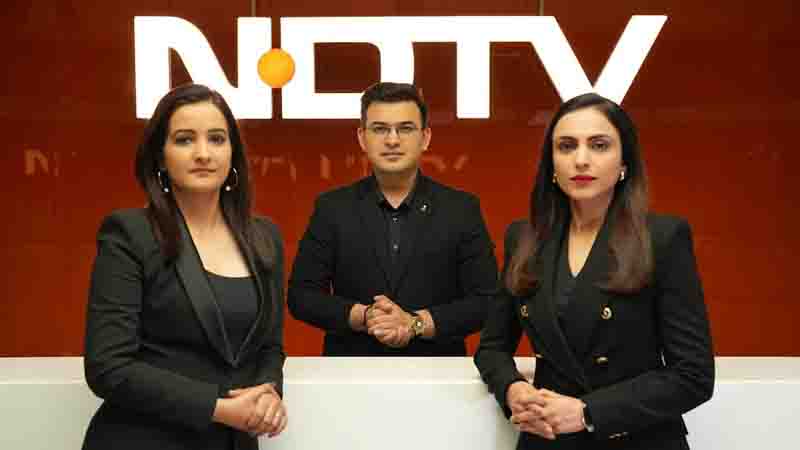
    MUMBAI: From Tiktok towns to tractor rallies NDTV India’s newsroom just got sharper, louder and closer to the ground. In a decisive move to recalibrate its editorial voice, NDTV India has announced the addition of three seasoned journalists Subhankar Mishra, Meenakshi Kandwal, and Malika Malhotra to its newsroom. The trio brings a dynamic mix of digital savvy, primetime polish, and fearless field reporting to a channel that’s realigning its compass to reflect Bharat’s heartbeat.

    Subhankar Mishra, with over 30 million followers across platforms, isn’t just a social media juggernaut, he’s one of Hindi journalism’s most recognisable digital-first reporters. Known for his consistent presence in Tier 2 and Tier 3 towns, Subhankar reports from regions often ignored by mainstream media, turning hyperlocal issues into national conversations.

    Meenakshi Kandwal brings more than a decade of anchoring and field reporting experience. From live disaster coverage to investigative field reports, her work is defined by a rare blend of composure and clarity. With a firm grip on the facts and a steady on-air presence, Kandwal is poised to add both credibility and calm to the NDTV India desk.

    Malika Malhotra is the long-hauler of the lot. Whether it was the months-long farmers’ protests at Singhu or the environmental crisis in Joshimath, she’s proven that journalism isn’t just about breaking the news but staying with it long after the headlines fade. Her brand of journalism is patient, persistent and painfully relevant.

    NDTV CEO and editor-in-chief Rahul Kanwal summed it up best saying, “Each of them brings something critical to the newsroom Subhankar’s digital-first strength, Meenakshi’s editorial steadiness, and Malika’s commitment to field reporting. They are not chasing headlines; they are building trust.”

    The appointments signal more than a staffing shuffle, it’s a deliberate editorial shift. NDTV India is increasingly aiming to serve what it calls the “changing India” with journalism rooted in credibility, consistency, and context, a rare breed in a time of manufactured noise.

    This move is part of a broader evolution at the network, as it sheds the soundbite syndrome and retools itself around deep reporting, trust-building and ground realities. From Twitter trends to tractor trails, NDTV India’s new trio looks ready to walk the talk.

    (If you are an Anime fan and love Anime like Demon Slayer, Spy X Family, Hunter X Hunter, Tokyo Revengers, Dan Da Dan and Slime, Buy your favourite Anime merchandise on AnimeOriginals.com.)

  • Comscore report: Influencers now spark 36 per cent of global social media engagement — and India’s creator economy is on fire

    Comscore report: Influencers now spark 36 per cent of global social media engagement — and India’s creator economy is on fire

    MUMBAI: Move over, legacy media. In today’s scroll-happy world, social influencers are the new empire builders — and India is leading the charge. According to The Social Influencers  Report: India Edition 2025 by Comscore, content creators are now responsible for a staggering 36 per cent of all user engagement across Facebook, Instagram, X, and TikTok worldwide.

    And in a market where 1.4 billion people live online-first lives, the stakes — and returns — are massive. Whether it’s a viral reel from a beauty guru, a fiery political post, or a behind-the-scenes cricketer vlog, influencers are driving India’s digital heartbeat — and shaping brand strategy, platform growth, and content monetisation at scale.

    India’s top influencers? They are politicians and cricketers — with engagement numbers that rival primetime TV.  The data reveals some headline-stealing names. Prime minister Narendra Modi continues to dominate social media, generating 5.4 million monthly actions on Facebook and a further 10.8 million on X — more than many entertainment networks combined.

    Meanwhile, stars like KL Rahul, Rashmika Mandanna, and Hardik Pandya are keeping fans hooked across Instagram and YouTube. Beauty creator Parul Garg smashed viewership charts with 441.2 million views, proving that makeup and relatability are a power combo.

    Forget followers — engagement is the only currency that counts.  The report makes one thing clear: follower counts are yesterday’s news.

    “That influencer with 500K followers might be getting ghosted by their own audience,” says Comscore. “It’s engagement — likes, comments, shares — that reflects real influence.”

    The advice to brands? Dump the vanity metrics. Invest in creators who spark emotional responses, drive interactions, and know how to move the needle.

    Timing is everything: the best posting windows for Indian influencers to help you to ride the engagement wave. Know when your audience is listening. The report maps out the sweet spots across platforms:

    * Instagram: Mon–Wed mornings (10–11 am) and daily evenings (4–7 pm)
    * Facebook: Late mornings and afternoons, especially early in the week
    * X (formerly Twitter): 8–9 am daily and post-9 pm Mon–Tues
    Fridays and Saturdays? Surprisingly flat. Sunday evenings, on the other hand, are primed for attention.

    Virtual influencers are here — and they’re outperforming humans. The AI influencers are no longer gimmicks — they’re headline acts. Digital avatars like Lil Miquela, Aitana López, and Brazil’s Lu do Magalu are rewriting the rules of influence. These virtual personalities:don’t age, cancel, or misbehave; post consistently across markets and  adapt voice, tone, and look for hyper-local relevance.

    They’ve fronted campaigns with brands from Calvin Klein to LiquidIV, clocking millions of views without ever stepping into a makeup chair or selfie booth.

    Bonus: no diva demands, PR disasters, or DM leaks.

    The biggest takeaway? If you’re still treating influencer marketing like a side hustle, you’ve already lost.

    “Creators aren’t just content providers,” says the report. “They’re media buyers, storytellers, and brand equity multipliers rolled into one.”

    Brands must integrate influencer strategy across all touchpoints — from digital to social to streaming — or risk being drowned out by competitors who do.

    Final word: in the creator economy, fast movers win — the rest scroll behind. The competition is brutal. The smartest brands are already locking in creators with proven audience trust, emotional resonance, and multichannel command. And if you’re still running single-platform strategies in 2025? “You’re flying blind,” warns Comscore. “Your audience is watching TikToks, scrolling Insta, and doomscrolling X — often in the same hour. Get the full footprint or get forgotten.”

  • NDTV gets real about artificial intelligence with new AI squad

    NDTV gets real about artificial intelligence with new AI squad

    MUMBAI: NDTV is placing its bets on silicon rather than scribes, announcing the formation of a dedicated artificial intelligence team to shake up its digital media game. The news broadcaster has enlisted Aayushman Choudhary, a tech entrepreneur with startup scars and coding credentials, to head up the new unit as head of AI.

    Chief product officer Rohan Tyagi, who has done his rounds at TikTok, Triller and Zee, is clearly betting that algorithms can do more than just sort cat videos. The AI team will focus on three key battlegrounds: automating journalism workflows and mining audience insights, supercharging personalisation engines, and cooking up fresh revenue streams powered by machine learning.

    Choudhary brings a mixed bag of entrepreneurial adventures to the newsroom. The Delhi-based techie spent a year building his own venture, Underhive Inc, before NDTV came calling in May. His CV reads like a startup hopscotch game—co-founding photo editing firm AfterShoot, doing a stint as head of technology at gaming platform Winbee, and even moonlighting as an entrepreneur in residence at venture capital firm Antler.

    The appointment signals NDTV’s recognition that the future of news lies not just in breaking stories but in breaking code. With traditional media houses scrambling to stay relevant in the digital arms race, the broadcaster is hoping artificial intelligence might just provide the human touch it needs to connect with audiences.

    Whether Choudhary can teach machines to sniff out scoops remains to be seen, but NDTV is clearly ready to let the robots have a crack at reinventing the newsroom.