Tag: Theatres

  • The Hollywood Conflict: Streaming vs Theatrical

    The Hollywood Conflict: Streaming vs Theatrical

    Los Angeles: Any screenwriter in Hollywood will tell you that screenplays are all about conflict. Conflict should be in every scene, in every act, and on every page. The more layered, the better. So, when actor Scarlett Johansson, star of the Marvel superhero movie Black Widow sued the Walt Disney Company, alleging that the company breached her contract, she added yet another layer of conflict to the streaming vs. theatrical battle currently being waged in the movie industry due, in large part, to the coronavirus pandemic.

    Johansson argued that when Disney offered Black Widow on streaming at the same time it played in theatres, it breached her contract, and that this dual release reduced her compensation, which was based partly on box office receipts from what was supposed to be an exclusive run in theatres. While Disney argued that the release of the movie on its streaming platform had significantly enhanced Johansson’s ability to earn additional compensation. This case will surely be closely followed by industry insiders since it publicly begins a debate on how talent and filmmakers should be compensated as the industry business models shift between streaming and theatrical.

    In early 2020, as Covid-19 began its deadly march, movie theatres started getting shut and the box office plummeted 80 per cent. At the same time, over-the-top (OTT) media services grew by 37 per cent. The popularity of these platforms became attractive to subscribers because of instant and limitless access to high-quality content at a time many became insulated at home due to the pandemic.

    Popular OTT providers include Netflix, Hulu, Amazon Prime, Disney+, HBO Max among many others. In addition, many studios began releasing films directly to consumers via premium video on demand (PVOD) or on their own streaming platforms.

    With the introduction of Covid-19 vaccines, the United States and countries worldwide are now looking to emerge from the grip of the coronavirus pandemic. Movie theatres are reopening with certain mask-wearing and social distancing mandates. Around 85 per cent of the US cinemas have reopened, according to Comscore, which is the highest percentage since March 2020. Yet, recent theatrical openings have fallen short of expectations.

    Only Black Widow ($80 million), F9: The Fast Saga ($70 million) and A Quiet Place Part II ($47 million) came close to the opening weekend hauls that would have been expected prior to the pandemic and still fell short of their expected blockbuster prospects in that they were all sequels in popular, pre-existing franchises.

    In addition, all three movies had disappointing second-weekend drops. Black Widow saw a 68 per cent tumble in its second weekend, the worst-ever for a Disney released Marvel title, F9: The Fast Saga had a 67 per cent decline while A Quiet Place Part II saw a 59 per cent drop.

    Hollywood has now been dealt a new headache with the spread of the Covid-19 Delta variant which may have played a role in recent disappointing box office takes. In a poll conducted 1 August by The Hollywood Reporter, where prospective viewers were asked if they were comfortable going to a movie theatre, across all demographics, percentages were down. In all movie-goers, the poll came in at 70 per cent down from 81 per cent on 11 July. This drop, in less than three weeks, reveals just how the Covid-19 pandemic is making it virtually impossible for studios and movie theatres to formulate a business plan.

    As far as the debate on which is more profitable, theatrical or streaming, the answer is complicated and fluid. Not only do production and marketing costs need to be considered but also the ever-changing landscape ushered in by the coronavirus pandemic and its potentially far-reaching effects. When this dark pandemic cloud has lifted, will the consumers be ready for dinner and popcorn movie nights out again, or has being comfy at homes streaming movies with the kids taken a hold? Maybe a bit of both but to what degree?

    In Screenrant, Stephen M. Colbert makes the case that movie ticket sales were drying up pre- pandemic while streaming is becoming more profitable, especially for studios with their own streaming service. In addition, studios share around half of their box office with theatres, whereas they get to keep the lion’s share of streaming revenue for their own content on their own platform.

    In Investopedia, Dina Zipin observes that major Hollywood studios can bring in $250 million in profits from a single film, while a respected cable network like HBO can make money off a huge hit like Game of Thrones, which costs millions to shoot. Since unsuccessful projects and financial flops are par for the course, there is no guarantee which shows or potential franchise will be the year’s great moneymaker.

    A case study of the hybrid streaming/theatrical model could be illustrated by A24’s release of the medieval fantasy, The Green Knight starring Dev Patel. A24 pumped up the social media buzz about the movie which also benefited from Patel as a huge draw as a leading man. A24 chose not to put it on PVOD but waited until the perfect time as restrictions eased to release the film in theatres. Then, in a new mixed release strategy, slated a one-day streaming event. The film opened No. 2 in theatres on 30 July 30, right behind Jungle Cruise, outperforming expectations with close to a $7 million weekend take. The data from the one-day streaming event on 18 August has not yet been released.

    With FDA granting full approval of the Pfizer vaccine and with increased calls for proof of vaccinations by employers, as well as by restaurants, gyms, bars, concerts, and sporting venues and movie theatres, it adds a new layer in our return to “normal.” The page on how talent, studios, streaming services, movie studios, and others in the industry will deal with this is yet to be written.

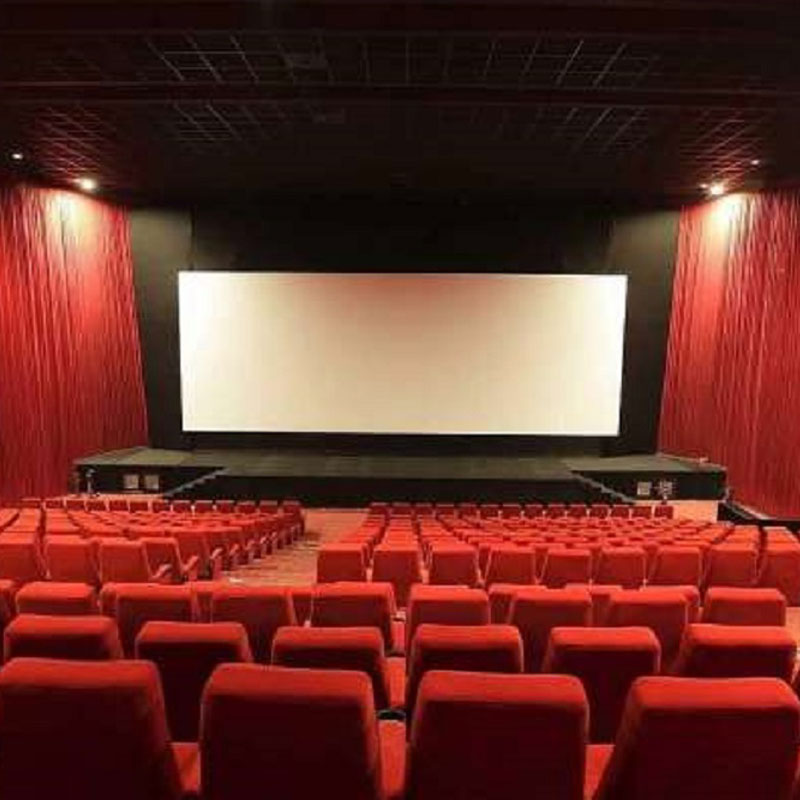
  • Weekend curfew in Delhi, cinema halls to operate with only 30 per cent occupancy

    Weekend curfew in Delhi, cinema halls to operate with only 30 per cent occupancy

    New Delhi : After witnessing the highest ever single-day spike in the number of Covid2019 cases, the Delhi government has decided to impose a strict weekend curfew in the national capital, starting 10 pm on Friday.

    The AAP government has also ordered all the malls, auditoriums and spas to shut shop from 16 April till further orders. Cinema halls, however, have been allowed to remain open during the weekdays, but can function with only 30 per cent occupancy.

    "I had a meeting with the L-G. We have decided to impose weekend curfew in Delhi. This is because people generally go out for work on weekdays and entertainment on weekends. In order to break the chain we are imposing a weekend curfew, exempting essential services," said Delhi chief minister Arvind Kejriwal on Thursday.

    According to the new restrictions, no dine-in options will be allowed in restaurants and eateries and only home deliveries will be permitted. The weekend curfew will start at 10 pm on Friday to 6 am on Monday. However, all essential services will remain functional.

    A night curfew has also been imposed in Noida and Ghaziabad Friday onwards.

    The decision comes two days after the Maharashtra government announced strict restrictions for the next two weeks in wake of the alarming surge in the number of infections. However, unlike Delhi, Maharashtra has also closed all movie theatres as well. All television and film shoots have been shut down till 1 May.

    The country is reeling under a severe second wave of the novel Coronavirus, with the number of caseloads surpassing last year's records. On Thursday, India recorded a record two lakh cases during the last 24 hours and over 1,038 deaths.

    The national capital too reported 17,282 fresh cases in the last 24 hours, its highest spike so far. The number of daily Covid deaths has also been increasing, with 104 deaths recorded on Wednesday alone.

  • 50% cap on seating to continue for cinema halls till November 30

    50% cap on seating to continue for cinema halls till November 30

    KOLKATA: As the number of Covid2019 cases is inching towards the 80 lakh mark, preventive measures continue to remain in force. While the ministry of home affairs (MHA) allowed the reopening of cinema halls with limited capacity from 15 October, the 50 per cent cap will be applicable till 30 November.

    At the time of announcing unlock 5.0 guidelines, the ministry stated that the movie theatres outside containment zones can open with 50 per cent of their seating capacity. The announcement brought smiles to the faces of stakeholders across the film exhibition industry, who welcomed the decision despite persisting challenges.

    Later, the ministry of information and broadcasting (MIB) shared an extensive list of SOPs for the exhibition industry to abide by to check the spread of Covid2019. The ministry has clearly stated that no exhibition of films shall be allowed in containment zones; film exhibition activities through cinemas/theatres/multiplexes shall be governed as per the prevalent guidelines of ministry of home affairs and ministry of health & family welfare, and further states/UTs may consider proposing additional measures as per their field assessment.

    However, not all states have permitted the functioning of theatres and multiplexes. Cinema halls remain closed in states like Maharashtra, Telangana, Tamil Nadu, Kerala and Chhattisgarh. On the other hand, Delhi, Haryana, Uttar Pradesh, West Bengal, Madhya Pradesh are some of the states where theatres have reopened.

  • PVR Pictures to release Mel Gibson’s Force of Nature

    PVR Pictures to release Mel Gibson’s Force of Nature

    Mumbai: Theatres are opening their doors again and PVR Pictures has geared up to ensure moviegoers have an exciting and safe viewing experience. The multiplex chain is all set to release Hollywood star Mel Gibson's action-thriller Force of Nature on 23 October.

    Force of Nature is PVR’s second release after the government gave the green light to reopen cinemas, after seven months of being closed for business due to the Covid2019 pandemic.

    The pandemic has affected each one of us in unimaginable ways; the reopening of cinemas offers much needed respite. Even as people settle into a “new normal”, PVR Pictures is inviting us to relive the good old days with this massive action blockbuster.

    Directed by Micheal Polish, the movie’s star-cast also features Emile Hirsch, Kate Bosworth and Gotham baddie David Zayas. 

    The story follows two policemen who are tasked to evacuate a building during a lethal hurricane. When one of the residents refuses to leave, all hell breaks loose as a dangerous heist takes place in the same location.

    The clock ticks faster, the storm gets darker. For the next 90 minutes, this mind boggling adventure keeps you hooked from start to end.

    Be sure to grab your masks, hand sanitizers, and keep social distancing when you head back to the theatres.

    Catch the trailer here.

  • I&B ministry urges home ministry to reopen movie theatres from August

    I&B ministry urges home ministry to reopen movie theatres from August

    MUMBAI: Due to the Covid2019 pandemic, cinema halls across India were shut from March. While several businesses started operational work in Unlock phases 1.0 and 2.0, movie theatres are still waiting for the government's nod.

    Now, as India is approaching  Unlock 3.0, the information and broadcasting ministry (I&B) has passed a recommendation to the home ministry to allow movie theatres across the country to reopen from August.   

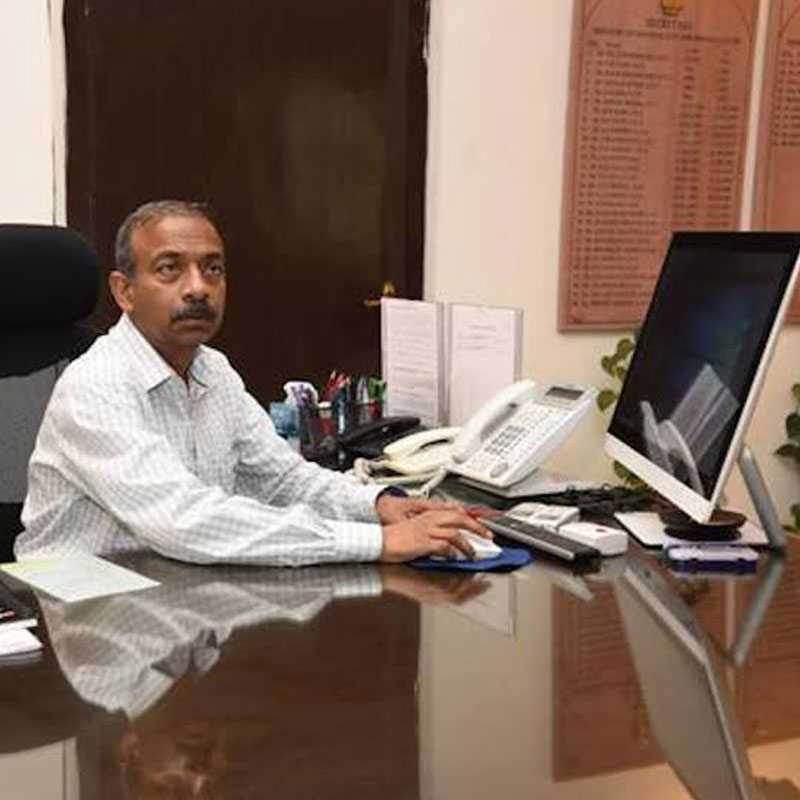
    I&B secretary Amit Khare highlighted this issue at a closed-door meeting with the CII media committee on 25 July. However, he also said that the final decision will be taken up by his counterpart in the ministry of home affairs Ajay Bhalla.  

    Khare, during the interaction, recommended that the cinema halls all over India may be allowed to reopen as early as 1 August  or at the latest around 31 August.

    In the meeting he also suggested an alternative formula to practice social distancing norms and other SOPs. As per his recommendations, in theatres the  seats of first and second row to be kept vacant. Theatres will have alternate seats in the first row and follow the same procedure throughout.

    Khare said that his ministry's recommendation takes into consideration the two metre social distancing norm, but tweaks it gently to two yards instead.

    Movie theatre owners present in the meeting showed objection to this idea and pointed out this idea is unwise and running theatres at 25 per cent capacity is worse than keeping cinema halls shut.

    The attendees at the meeting included media CEOs like NP Singh of Sony, Sam Balsara (Madison), Megha Tata, (Discovery), Gaurav Gandhi (Amazon Prime), Manish Maheshwari (Twitter), S Sivakumar (Bennett Coleman and Co Ltd), and K Madhavan, (Star & Disney) who is also the chairman of CII media committee.

  • Theatres seek govt aid for re-opening; film producers observe global footfall trends

    Theatres seek govt aid for re-opening; film producers observe global footfall trends

    MUMBAI: Social distancing might continue to be the norm even when lockdowns are lifted completely. Theatre owners around the country are in planning mode to resume business as soon as the government gives permission. While Multiplex Association of India (MAI) has expressed displeasure over cinema halls not getting a place in the Unlock 2.0 phase. Producers, theatres owners, distributors and exhibitors are positive that movie theatres will be part of the unlock 3.0 phase which might happen in August.

    In FICCI’s E-Frames virtual event, experts from the cinema industry discussed various topics ranging from how are exhibitors preparing for the new viewing experience? What are the changes and impact on distribution economics by virtue of an anticipated lower occupancy across halls, lack of content and challenges for OTT?

    The panellists included Telugu film producer, distributor, exhibitor and studio owner Sureshbabu Daggubati, Inox Leisure Limited CEO Alok Tandon, Cinepolis India CEO Devang Sampat, Reliance Entertainment content, digital and gaming group CEO and CEO Shibashish Sarkar, Rathi Cinema film exhibitor and distributor Akshaye Rathi. The session was moderated by UFO Moviez joint MD Kapil Agarwal.

    While speaking about the action plan and different planning methods, Sampat mentioned that Cinepolis is rigorously disinfecting auditoriums and washrooms and has completely stopped using paper tickets. Apart from that, it is working on contactless payment methods and QR codes. Cinepolis India has partnered with a company named Vista to create a software for social distancing within the auditorium.

    He added, “Nearly 25 major cities in the world have started operating cinemas. Exhibition space is unlike any other retailer industry. We have different stakeholders with the government. Firstly, we will have to convince the government that we will not do anything that will harm us. We have also presented a detailed SOP document to the government which has been approved by the health ministry itself. We are just waiting for their nod to resume operations. I strongly see that cinema will be part of Unlock 3.0 which might happen in August.”

    Considering the infrastructure of cinema, high cost and zero revenue from sale of ticket, food and beverage, advertising, the question arises that will this impact the liability of cinema industry?

    Tandon said that due to the pandemic, all revenues have come to a grinding halt, whether it is the sale of tickets, food and beverage or even advertising. “The times are difficult, but the short aberration will not change the viability of the cinema business. All the challenges that cinema has faced in 100 years of existence we have come back smarter. It is a battle between apprehension and passion for cinema. I personally see the resurgence happening from Q3 onwards and apprehensions will settle, release dates will be back on track,” he said.

    Another challenge before the exhibition industry is to grapple with the issue of less content. This might not be immediate, but this issue will arise when things resume as new production and postproduction are not happening. While the TV industry has resumed shooting, the film industry hasn’t.

    According to Sureshbabu Daggubatti, both Hyderabad and Telangana government gave permission to resume shooting but full-fledged shoots didn’t happen because the crew and technicians are scared to come back on the set. He said that while the creativity quotient is removed from the films and people are scared about SOP measures it is difficult to come out with creative products. Film shooting involves a lot of conversation and discussion with actors, dancers and crew which will not be possible with the rule of 50 people and social distancing measures. He believes that there is no point in starting a film with just two actors in a scene or not doing a dance sequence or crowd scene. Due to this, the people who have started shooting also stopped it.

    “After all the scenarios, even if I finish the film, when do I take it to the cinema? The government might talk about the reduced capacity in the auditorium. The question arises that will enough people come to the cinema hall? Will producers be able to recover the cost of the film? Will the actors and financiers take a financial cut when the film is released? If I am going to get a hit of 20 or 30 per cent on theatrical revenue, will I be able to take that burden? We are also waiting to see what other films will do when they come in July and August. Will they get 50 per cent of what they expected or where they will stand? All of this will take a lot of courage. We have to see if the curve is going up or down. South Korea is the country where the curve has flattened and people in Japan and Korea are disciplined, but Americans are not that disciplined. America is a very good case study; it is similar to India. So, are the collections going to be good or average that will help me to make the call whether I should release the film or not,” he further explained.

    He also mentioned that the post-production work can only start a few months before people really decide to do the shooting. He is also of the opinion that even if good VFX work and dubbing is happening it will not give the end product. Daggubati suggests waiting for three months so that shooting can happen comfortably. Post this, movie theatres can open when there is good availability of content.

    Daggubati quipped, “More scripts are getting ready, better planning is happening now. In the long run, I am very confident cinema will be back on track. If you go theatrical and then OTT, then the value of OTT falls drastically. So, this economic calculation is there in every producer’s mind. The government also needs to help. Wherever theatres have opened there is a reduction in VAT, GST and benefit from the government. They have to support us, especially in GST and power tariff for at least one year."

    Rathi also said that there are a lot of things that will change post Covid2019 such as vendor-buyer relationships and collaborative work. He said, “To bring things together from talent, production, distribution and exhibitor we will have to demolish the linguistic barrier existing in the cinema.”

    Shibashish concluded, “After South Korea, German cinemas opened up and according to the poll conducted 87 per cent of the people are satisfied by SOP measures. If cinema opens and we are able to strictly adhere to all rules and regulations people will get the confidence to come back to theatres. Because 60 to 70 per cent revenue of films come from theatres.”

  • Film piracy: Govt has no ‘losses’ figure, industry estimates Rs 180 bn a yr

    NEW DELHI: Even as the government said that no definite data was available on losses owing to piracy “if any”, the film industry had said in mid-2016 that the Indian film industry was losing $ 2.7 billion (Rs 180 billion) every year.

    Minister of state for information and broadcasting Rajyavardhan Rathore told the Parliament that the government ‘is aware that there are instances of piracy of films but these are subject matters of investigation by concerned investigating agencies of the respective state governments based on complaints by the concerned filmmakers’.

    The Copyright Act 1957 as amended in 2012 provides Civil Remedies [Chapter XII (Section 54-62)] as well as Criminal Remedies [Chapter XIII (Section 63-70)] to the Copyright holder and clause (c) of subsection (1) of Section 52 of the Copyright Act, 1957 read with the Rule 75 of the Copyright Rules, 2013 are the provisions of the Act which deal with piracy of films, he said.

    The loss due to piracy is said to be 35 per cent more than the $2 billion from legitimate sources such as screening at theatres, home videos and TV rights earned by the film industry which is the largest globally with some 1,000 movies produced each year.

    Motion Picture Distributors’ Association (India) MD Uday Singh had said in mid-2016 that content theft or piracy in the film industry originates from ‘camcording’ in cinema halls. Over 90 per cent of new release titles originate from cinemas. He claimed that the Indian film industry loses over 60,000 jobs every year because of piracy.

    The World Intellectual Property Organisation (WIPO) also quoted these figures of loss due to piracy quoting noted filmmaker Anurag Basu. While the Indian film industry is, indeed, flourishing, piracy points toward how much more its stakeholders can make, he said.

    Meanwhile, the KPMG in India-FICCI Report on Media and Entertainment presented at the FICCI FRAMES earlier this month said films grew at a crawling pace of three per cent in 2016.

    The segment was impacted by decline in core revenue streams of domestic theatricals and satellite rights, augmented by poor box office performance of Bollywood and Tamil films.

    Expansion of overseas markets, increase of depth in regional content and rise in acquisitions of digital content byover-the-top platforms are expected to be the future growth drivers that would help the segment bounce back at a forecasted CAGR of 7.7 per cent.

    However, factors such as dwindling screen count and inconsistent content quality could prove to be limiting factors.

  • Actors shown in smoking scenes in films or TV should promote anti-smoking

    Actors shown in smoking scenes in films or TV should promote anti-smoking

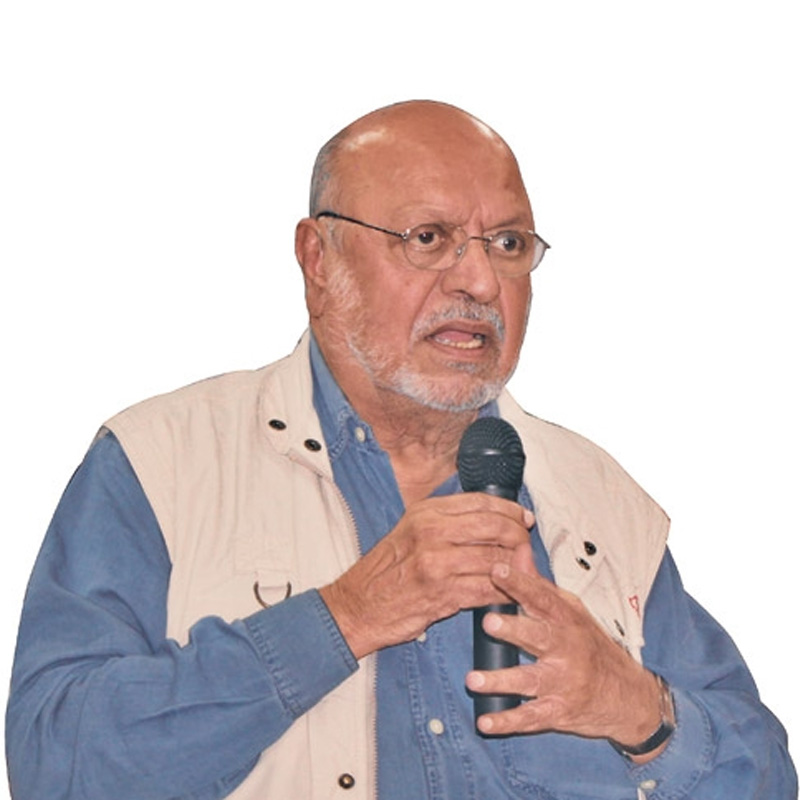
    NEW DELHI: The Shyam Benegal Committee on Film Certification, which earlier recommended that alterations or changes in any film can be made by the Central Board of Film Certification only with the consent of the rights holder, has now said that a “meaningful static disclaimer in the beginning of the film with standard visual background approved by the Ministry of Health may be shown for a minimum time period along with an audio backing it.”

    SMOKING SCENES

    In a supplementary report dealing only with smoking scenes and depiction of animals in films, it has said the disclaimer should be made in all Indian languages and made applicable to all Media Platforms.
    However, the periodicity of scenes depicting smoking should be avoided keeping in view the legislations in this regard.  
    The Committee also suggested that as an option, producers of that film can make a short film conveying an anti-smoking message ‘by the same actor who is depicted as smoking in the film’.  
    It also said the Film Industry should produce small films on anti-tobacco/smoking with popular actors on their own for screening in cinemas halls and on TV Channels. These may replace the present films in the Theatres and TV Channels shown after obtaining clearance from the Health & Family Welfare Ministry.

    SCENES SHOWING ANIMALS

    Referring to animal welfare and in response to the views of the Animal Welfare Board of India (AWBI), the Committee was of the view that there is a need to bring about further clarity and  simplification of the process to allow film producers the operational flexibility that is critically required in any film project. Besides, a better and comprehensive definition of “performing animals” is needed.

    The Committee said there should be “licensed suppliers” of Performing Animals (PA) who are qualified in handling various animals and taking care of them as per requirement of the law, whose services can be hired by the Producers.

    Such a mechanism would be of great benefit to all stakeholders who need to engage such services. This type of facilitation is available internationally and could be supported by AWBI for adoption, it added.
    As an interim measure to cut down the time consumed, the Committee said that a directory of “certified (approved) personnel” of AWBI including veterinary personnel on the list of AWBI in different parts of the country may be published, enabling producers to intimate them the time of their shooting and, who would then be present at the time of shooting the performing animal scenes.

    Based on the report of such certified (approved) personnel, AWBI could issue the NOC. An appropriate fee for the services rendered by such AWBI empanelled experts could also be finalised by AWBI enabling the applicant / producers to remit the same directly to AWBI while availing the services of such empanelled persons.
    The Committee said often notices were issued by AWBI with regard to numerous instances where animals in normal settings during the course of shooting are interpreted as “performing animals”.

    In order to have some clarity on this, Committee said a “performing animal” in case of films may be defined as an animal which is written into the script of the movie, and is required to perform an act which it would not normally do. Such a clarification will allow automatic clearance for scenes of cows, goats, etc. apart from birds which often appear when picturising scenes in villages, small towns etc.

    However, it cautioned that it had to be kept in mind whether it is a genuine natural shot or staged for filming which would involve the hiring, transportation, etc. of the animal/s.

    The Committee suggests that in such situations, a self-declaration by the producers to this effect be submitted at the time of application to CBFC in lieu of an NOC from the AWBI.

    The Committee made its recommendations in the light of the current practice in both smoking scenes and those with animal depiction.  

    At present, the shorts on smoking are prepared by the Health Ministry under the Cigarettes and other Tobacco, Products (Prohibition of Advertisement and Regulation of Trade and Commerce, Production, Supply and Distribution) Amendment Rules 2012.

    These rules say that all new Indian or foreign films and television programmes displaying tobacco products or their use shall have a strong editorial justification explaining the necessity of the display of the tobacco products or their use in the film, to the CBFC; and anti-tobacco spots of minimum 30 seconds duration each at the beginning and middle of the films and television programmes; apart from anti-tobacco health warning as a prominent static message at the bottom of the screen during the period of display of the tobacco products or their use in the film and television programme. It is also stated that an audio-visual disclaimer on the ill-effects of tobacco use of minimum twenty seconds duration each in the beginning and middle of the film and television programme.

    The present rules with regard to use of animals flow from the Prevention of Cruelty to Animals Act, 1960 and Performing Animals (Registration) Rules 2001 and also the Bombay High Court Judgment on 22 August 2005 in the PETA case.  
    These require a Pre-shooting Permission and a No Objection Certificate (NOC) and then it is left to AWBI to accept or deny permission.

    In its first report submitted to the Information and Broadcasting Ministry on 26 April 2016 but placed on the Ministry’s website in late June, the Committee said that there should be no system of imposing excisions (as is practiced at present) and the CBFC must transition into solely becoming a film certification body, as indeed the name of the institution suggests.

    In recommendations that are bound to stir a major debate among moralists and others, the Government-appointed Committee was of the “unanimous view that the rights owner has complete rights over his/her film.”


  • Actors shown in smoking scenes in films or TV should promote anti-smoking

    Actors shown in smoking scenes in films or TV should promote anti-smoking

    NEW DELHI: The Shyam Benegal Committee on Film Certification, which earlier recommended that alterations or changes in any film can be made by the Central Board of Film Certification only with the consent of the rights holder, has now said that a “meaningful static disclaimer in the beginning of the film with standard visual background approved by the Ministry of Health may be shown for a minimum time period along with an audio backing it.”

    SMOKING SCENES

    In a supplementary report dealing only with smoking scenes and depiction of animals in films, it has said the disclaimer should be made in all Indian languages and made applicable to all Media Platforms.
    However, the periodicity of scenes depicting smoking should be avoided keeping in view the legislations in this regard.  
    The Committee also suggested that as an option, producers of that film can make a short film conveying an anti-smoking message ‘by the same actor who is depicted as smoking in the film’.  
    It also said the Film Industry should produce small films on anti-tobacco/smoking with popular actors on their own for screening in cinemas halls and on TV Channels. These may replace the present films in the Theatres and TV Channels shown after obtaining clearance from the Health & Family Welfare Ministry.

    SCENES SHOWING ANIMALS

    Referring to animal welfare and in response to the views of the Animal Welfare Board of India (AWBI), the Committee was of the view that there is a need to bring about further clarity and  simplification of the process to allow film producers the operational flexibility that is critically required in any film project. Besides, a better and comprehensive definition of “performing animals” is needed.

    The Committee said there should be “licensed suppliers” of Performing Animals (PA) who are qualified in handling various animals and taking care of them as per requirement of the law, whose services can be hired by the Producers.

    Such a mechanism would be of great benefit to all stakeholders who need to engage such services. This type of facilitation is available internationally and could be supported by AWBI for adoption, it added.
    As an interim measure to cut down the time consumed, the Committee said that a directory of “certified (approved) personnel” of AWBI including veterinary personnel on the list of AWBI in different parts of the country may be published, enabling producers to intimate them the time of their shooting and, who would then be present at the time of shooting the performing animal scenes.

    Based on the report of such certified (approved) personnel, AWBI could issue the NOC. An appropriate fee for the services rendered by such AWBI empanelled experts could also be finalised by AWBI enabling the applicant / producers to remit the same directly to AWBI while availing the services of such empanelled persons.
    The Committee said often notices were issued by AWBI with regard to numerous instances where animals in normal settings during the course of shooting are interpreted as “performing animals”.

    In order to have some clarity on this, Committee said a “performing animal” in case of films may be defined as an animal which is written into the script of the movie, and is required to perform an act which it would not normally do. Such a clarification will allow automatic clearance for scenes of cows, goats, etc. apart from birds which often appear when picturising scenes in villages, small towns etc.

    However, it cautioned that it had to be kept in mind whether it is a genuine natural shot or staged for filming which would involve the hiring, transportation, etc. of the animal/s.

    The Committee suggests that in such situations, a self-declaration by the producers to this effect be submitted at the time of application to CBFC in lieu of an NOC from the AWBI.

    The Committee made its recommendations in the light of the current practice in both smoking scenes and those with animal depiction.  

    At present, the shorts on smoking are prepared by the Health Ministry under the Cigarettes and other Tobacco, Products (Prohibition of Advertisement and Regulation of Trade and Commerce, Production, Supply and Distribution) Amendment Rules 2012.

    These rules say that all new Indian or foreign films and television programmes displaying tobacco products or their use shall have a strong editorial justification explaining the necessity of the display of the tobacco products or their use in the film, to the CBFC; and anti-tobacco spots of minimum 30 seconds duration each at the beginning and middle of the films and television programmes; apart from anti-tobacco health warning as a prominent static message at the bottom of the screen during the period of display of the tobacco products or their use in the film and television programme. It is also stated that an audio-visual disclaimer on the ill-effects of tobacco use of minimum twenty seconds duration each in the beginning and middle of the film and television programme.

    The present rules with regard to use of animals flow from the Prevention of Cruelty to Animals Act, 1960 and Performing Animals (Registration) Rules 2001 and also the Bombay High Court Judgment on 22 August 2005 in the PETA case.  
    These require a Pre-shooting Permission and a No Objection Certificate (NOC) and then it is left to AWBI to accept or deny permission.

    In its first report submitted to the Information and Broadcasting Ministry on 26 April 2016 but placed on the Ministry’s website in late June, the Committee said that there should be no system of imposing excisions (as is practiced at present) and the CBFC must transition into solely becoming a film certification body, as indeed the name of the institution suggests.

    In recommendations that are bound to stir a major debate among moralists and others, the Government-appointed Committee was of the “unanimous view that the rights owner has complete rights over his/her film.”


  • Maharashtra single-screen theatres to go on indefinite strike from 12 Oct

    Maharashtra single-screen theatres to go on indefinite strike from 12 Oct

    MUMBAI: In support of their various demands, around 540 single-screen cinema theatres in Maharashtra will go on an indefinite bandh from 12 October.

    Said Cinema Owners and Exhibitors‘ Association of India (COEA) president R B Vidhani that many demands of cinema owners were not fulfilled by the state government and there seems to be no any remedy to solve this problem. “To draw the attention of government to their problem, all cinema theatres will observe an indefinite bandh from 12 October.”

    Single-screen theatres‘ demands include abolition of entertainment tax as like in many other states and incentive package for survival of single-screen cinemas without any conditions, among others.