Tag: Theatre

  • Industry remains cautiously optimistic with reopening of cinema halls

    Industry remains cautiously optimistic with reopening of cinema halls

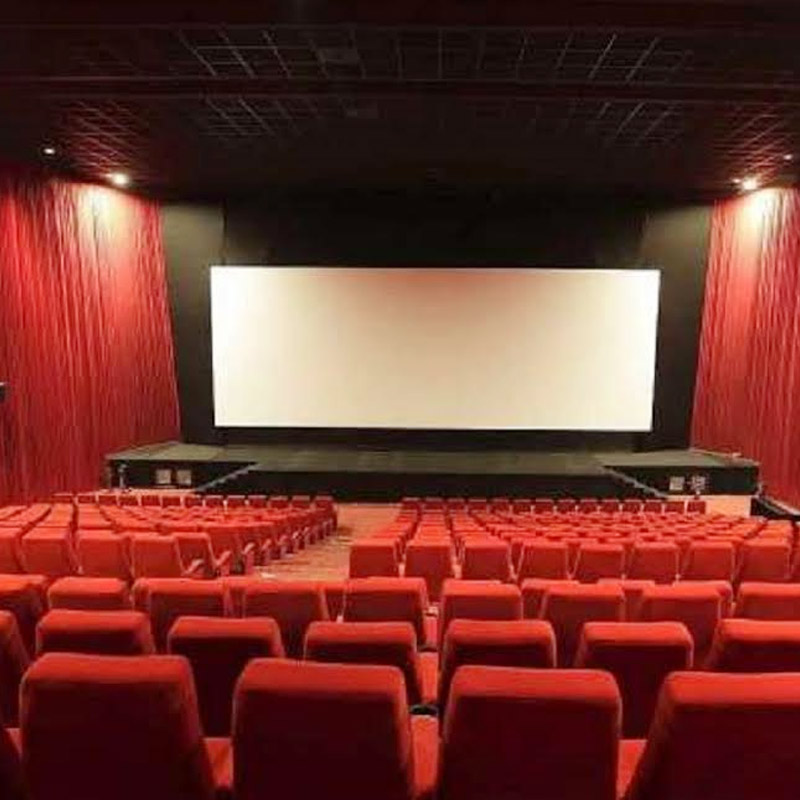
    KOLKATA: For people across the film exhibition industry, the Unlock 5.0 guidelines have brought them a reason to smile. On Wednesday evening, the ministry of Home Affairs (MHA) allowed opening of cinema halls from 15 October with 50 per cent seating capacity. As the sector is back in business, the stakeholders rejoice the decision despite persisting challenges.

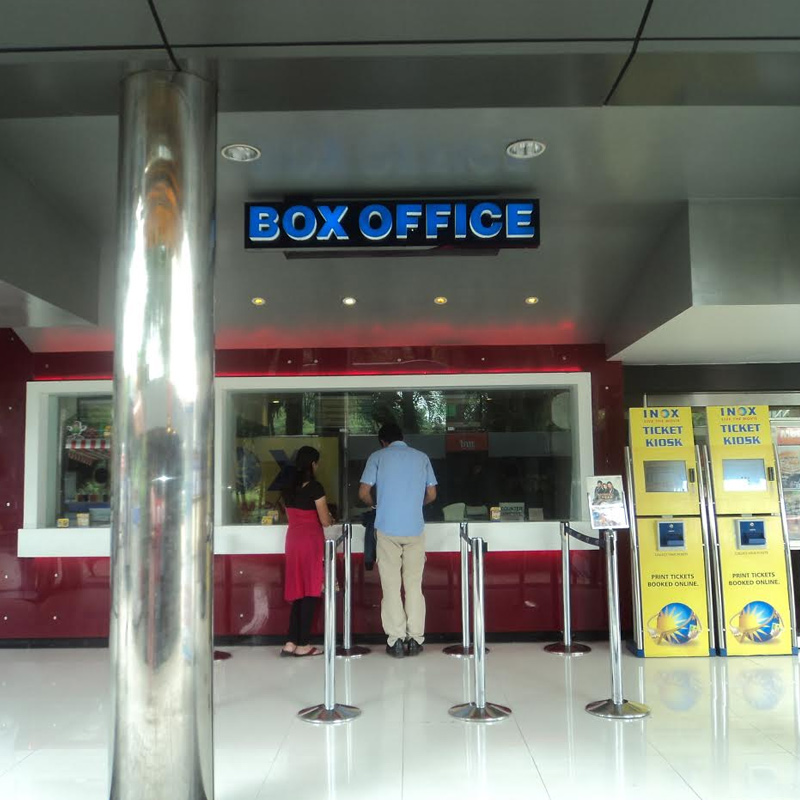
    The reopening of the cinema halls is a critical point for the industry that has been struggling in the face of the pandemic. Even before the nationwide lockdown started, cinema halls shut fearing the spread of Covid2019. Being out of the business for nearly seven months, the cinema owners have been asking for some respite for quite some time now. Last month, the Multiplex Association of India (MAI) appealed to the government to allow theatres to reopen “on an urgent basis”. The association has “wholeheartedly” welcomed the latest decision of the government. Back in June, a survey from Book My Show stated that 54 per cent of Indians want to catch their favourite films in cinemas within 15-90 days of opening up.

    “Millions of movie lovers, employees of the cinema exhibition sector, along with the entire film industry were eagerly awaiting this announcement. We would like to extend our heartfelt gratitude to the MHA and the ministry of Information and Broadcasting (MIB) for their support and guidance. We are committed to ensure a safe, secure and a hygienic cinema going experience for the movie lovers of our country, as always, we would continue to assign top-most priority to the health and well-being of our guests and employees,” MAI stated.

    The multiplex owners have expressed an equal amount of satisfaction around the announcement. Carnival Cinemas managing director PV Sunil said this is the right time to open up with Diwali around the corner. Sunil opined that 50 per cent capacity is better than what they had predicted would be allowed. The industry had been proposing a 50 per cent capacity. Most of the countries are also following the same norm. As of now, Carnival’s software is being modified in accordance with that so that the audience has a seamless experience while booking tickets online.

    “This is a welcome move by both the west Bengal government and the central government. So many people are associated with the industry, so much money is at stake, the industry was losing almost Rs 1,500 crore every month while it was shut. We are happy that we are able to restart and people will be able to go back to the practice of going to a movie theatre.” SVF Cinemas head Rudra Prosad Daw said, the movie chain which operates in east India.

    While a part of the industry has been worried about the seating capacity limits eating up their profits, Daw said that it is a good percentage in the initial phase. He added that average footfall over the year is on an average 32 per cent, although it is higher excluding the southern part. However, he noted that for big blockbuster releases, the footfall goes up to 80-90 per cent during the weekend which could be a cause of discomfort. Daw emphasised that safety would be put at highest priority, for both audience and staff members.

    Ambient director Deepak Kumar welcomed the move and said it would help cinema halls to be better prepared to welcome its consumers like most of the establishments have done that have resumed operations in a phased manner. According to him, cinema halls opening with 50 per cent seating capacity is a step in the right direction. Moreover, as the cinema halls are usually located within a mall, it would also add up to the footfall count. The decision will not just help the owners but also its ancillary.    

    The return of cinema halls to business came as a relief for the studios too which have halted many of their releases. Many of the OTT platforms may have opted for digital premiers giving some breather to the production houses but the number is too limited compared to overall pending movie slate.

    “The reopening of theatres is a relief for studios and theatre owners while once again offering audiences the unparalleled experience of watching movies on big screens. We are looking forward to entertaining audiences in this era of the “new normal”. The pandemic has led to a surge of content consumption across genres and platforms and this is a hugely encouraging indicator for content creators and providers. Cinema is and will always continue to remain an expression of creativity and imagination and we look forward to fostering a stronger bond with our audiences,” Eros Motion Pictures COO Shikha Kapur said.

    But now the eyes are at states like Maharashtra, which has decided to continue the shut down till 31 October. Elara Capital VP – research analyst (media) Karan Taurani said that pan India opening is expected around Diwali or latest by late November. Hence, he opined that large scale content or a big Hindi film is not to hit cinemas before December. SVF Cinema’s Daw also added that they have not heard from Bollywood yet while its parent company SVF and some other producers in west Bengal has already planned releases around Durga Puja.

    “We are cognisant of the prevalent environment and will monitor this on an ongoing basis to determine our release strategy. With regards to our content slate, Eros has an exciting line-up of films for which announcements will be made at an appropriate time,” Kapur added.

    Adding to concerns regarding the fresh releases, analysts believe impact on revenues coming from food and beverages (F&B) and advertising may last longer. “F&B will be under pressure as consumers may not be open to consuming food in cinemas; further, affordability levels too may negatively affect overall F&B spending vs pre-Covid times. Advertising revenue, which is too high margin in nature, will see a negative impact as occupancy in our view will remain restricted until active cases become negligible or a vaccine is launched,” Elara Capital said in a report.

    However, Ambient’s Kumar is optimistic. He stated brands would flock back to cinema halls as cinema is an efficient advertising medium which ensures 100 per cent captive audience. 
  • Cinema halls to be back in business from 15 October

    Cinema halls to be back in business from 15 October

    KOLKATA: After coping with the initial shock of Covid2019, the economy has started reviving slowly. With the new guidelines issued by the ministry of home affairs, the revival will speed up, especially in the cinema exhibition sector. The ministry has finally allowed the opening up of cinemas, theatres, multiplexes from 15 October onwards as part of its Unlock 5.0 plan.

    According to the guidelines released today, theatres can open with upto 50 per cent of their seating capacity being thrown to movie goers  outside containment zones. Standard operating procedures (SOPs) are to be released a little later by the ministry of information and broadcasting (MIB) which is the regualtor for the exhibition sector. 

    Along with that, exhibition halls, and entertainment parks have also been given the go-ahead to welcome customers.  States and union territories have been  given the flexibility to to permit gatherings of more than 100 people outside containment zones after 15 October and under social distancing rules.  This probably means B2B exhibitions, cultural, religious, political functions and other gatherings will be allowed from mid-October.  The department of commerce will issue SOPs for these. 

    Earlier this week, west Bengal chief minister Mamata Banerjee had  announced that cinema halls can start screening films for the public come 1 October.  It was the first state government to give the green signal to the beleaguered cinema exhibition sector.

    Since late March 2020, cinema halls have been shuttered leading to huge losses for cinema owners. Film producers and distirbutors , as an alternative, opted for OTT platforms to release their movies. As the move comes just before the festival season, it could be a breather for the industry which has been bleeding for the past six months.

    The experential and events sector is also heaving a sigh of releif with exhibitions, cultural gatherings being permitted. Estimates are that the industry has lost close to Rs 10,000 crore ever since the lockdown was announced late March 2020. And hundreds of thousands of event executives and managers have lost their jobs. With the lockdown measures  being pried open, the hope is that many of them will get back their jobs, with companies working to kick start consumption, and in the process the economy even more.  

  • Inox predicts suboptimal operations in future due to lower discretionary spending

    Inox predicts suboptimal operations in future due to lower discretionary spending

    MUMBAI: Multiplex chain operator Inox Leisure Ltd was amongst movie chains that were badly hit due to the pandemic. Nearly three months later there is no sign of when cinema halls will resume functioning. Inox said, in a BSE filing, that to ensure smooth functioning of operations, Inox has cut costs across all the functions and departments. 

    It has strengthened engagement with business partners, developers and distributors and producers. It requested the state and central government for support while invested more time in planning in order to utilise its resources better resumption of operations.

    The company has increased liquidity by adding additional lines of funding through short/ long term debts. The company's management believes that these certain measures ensure that the company has sufficient liquidity to fund the business operations for at least the next six months and will further add liquidity by the additional term debts from banks. For now, it has enough liquidity to continue its operations and does not expect to face any liquidity crunch.

    INOX believes that normalcy could be gradually restored during the financial year ending 31 March 2021. Gradually, over time, it will be able to resume and continue its operations for the foreseeable future.  However, it will be unable to operate at optimal capacity even in the future, considering social distancing norms imposed by the government.

    Inox highlights that it has adhered to all recommended precautions/guidelines in its operations, which includes sanitisation and hygiene, providing work from home facility to all employees, maximising audio and video-conferencing and minimising contact. It also closed employee travel and followed all government directions on the subject. However, it points out that once the lockdown ends, the company will be able to open all its offices, cinema halls adhering to the guidelines as specified by the government and will comply with all safety measures to safeguard its stakeholders from Covid2019.

    Its worry is that there could be future impact on its operations if there is a prolonged lockdown situation, inability to operate at optimal capacity due to distancing norms and customers’ change in priorities and postponing discretionary spending.

    Cinema chains tend to have added products and services that go along with its main movie offering. Inox expects there to be pent-up demand for its products and services but it could estimate the amount. For Q4 2020, it saw, loss after tax of Rs 2 crore.

    Apart from this, the company has performed a sensitivity analysis on the assumptions used and based on economic information and assessment, with its help the company expects to recover the carrying amount of these assets. The report also mentions that it will continue to closely monitor any material changes to future economic conditions.

  • Theatre has a new stage with Tata Sky

    Theatre has a new stage with Tata Sky

    MUMBAI: Tata Sky, India’s leading content distribution platform announced Tata Sky Theatre- a 24-hour, first ever ad-free service that brings to its subscribers acclaimed plays and performances from the finest theatre groups on television. Powered by Zee Theatre, Tata Sky Theatre has launched over 100+ plays from across genres – Musicals, period drama, social satire, romantic comedy, crime drama, etc. in a cinematic format to the comfort of your home.

    The service primarily offers Plays in Hindi and English language. Complimenting the envious line-up of plays will be exclusive content relating to Backstage – behind the scenes, Theatre Talks – interviews with cast and crew, etc.

    Present at the launch, Pallavi Puri, Chief Commercial Officer, Tata Sky said, “Tata Sky aims to bring unique and engaging content to our subscribers. Tata Sky Theatre brings rich & imaginative theatre to life on TV screens, which fits in very well with our legacy of innovative special service offerings. In association with a valuable partner Zee Theatre, Tata Sky Theatre will bring to your screens hand-picked plays & performances starring the finest theatre artists.”

    Renowned theatre artists such as Sonali Kulkarni, Amitosh Nagpal, Milind Pathak, Rajeshwari Sachdev, Reema Lagoo, Vikram Gokhale, Govind Namdev and many more will be seen enacting these televised plays. Some of the celebrated plays that you can catch on Tata Sky Theatre would be Vaastav, Wrong Turn, Doll’s House, Agnipankh, White Lily & Night Rider, Scavenger’s Daughter and many more. Tata Sky Theatre’s content library has something in it for everyone.

    Shailja Kejriwal, Chief Creative Officer – Special Projects, Zee Entertainment Enterprises Ltd. said, “Theatre has been the heart of India’s rich cultural heritage for decades now and has played an integral role in shaping our social identity. Committed to delivering extraordinary entertainment experiences, we aspire to revive, restore and spread this rich cultural heritage by bringing the best of Indian theatre for audiences to experience. With Tata Sky Theatre, we bring the purest form of entertainment by offering a variety of plays across genres, each being socially relevant to today’s evolved viewers.”

  • Netflix to boycott Cannes Film Festival 2018?

    Netflix to boycott Cannes Film Festival 2018?

    CANNES: Netflix is known to do things differently. While almost everyone trips over every hurdle to get into the Cannes Film Festival, the world’s largest streamer is mulling over giving it a miss this year.

    The reason: festival director Thierry Fremaux’s announcement last month that he would not open the doors to any producer to enter the Cannes official competition selection if the film does not have a theatrical release in France.  It had enforced the stricter regulations in 2017 and Fremaux reaffirmed that the regulations would stay last month.

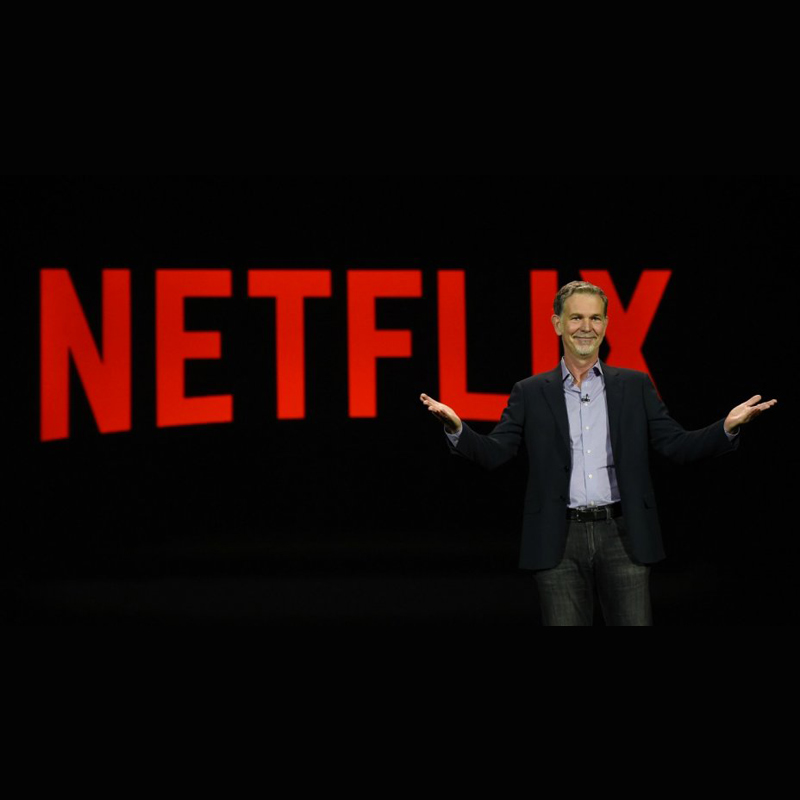
    And that seems to have got the Netflix management, led by Reed Hastings and Ted Sarandos, agitated as one of the world’s largest creators of content releases most of its films on its over the top (OTT) platform for consumption by its 117 million paid users.

    The film festival’s team, however, has allowed studios, without a French release for a film, to submit it for screening but not take part in the Palm D’Or competition.

    French law forbids films released theatrically in France to be shown online until a three-year window since the first exhibition is crossed; which does not make for a good business model for Hastings, as subscribers pay anywhere between $9 and $14 for a Netflix subscription, depending on whether pricing plan is basic or premium. And the streaming service is not about to change its biz model for the festival. Last year the Cannes Film Festival competition jury president Pedro Almodovar had raised a stink that having a film win the Palm D’Or without a theatrical release was unthinkable. French theatrical exhibitors have been fuming that Netflix films are not being released in their cinemas, thus cutting them out of potential revenues. 

    Hastings and Sarandos were not available for comment at the time of writing. But Reed unequivocally had stated at the time when the rules were announced last year by the festival that the “establishment” was “closing ranks” on his company.

    Also Read :

    Siddharth Kumar Tewary features among Asian producers to watch at MIPTV

    Cannes Lions awards lifetime achievement to Piyush & Prasoon Pandey  

    TVF’s ImMature first Indian show to reach Canneseries


  • Vikram Bhatt banks on pay per view for new OTT app

    Vikram Bhatt banks on pay per view for new OTT app

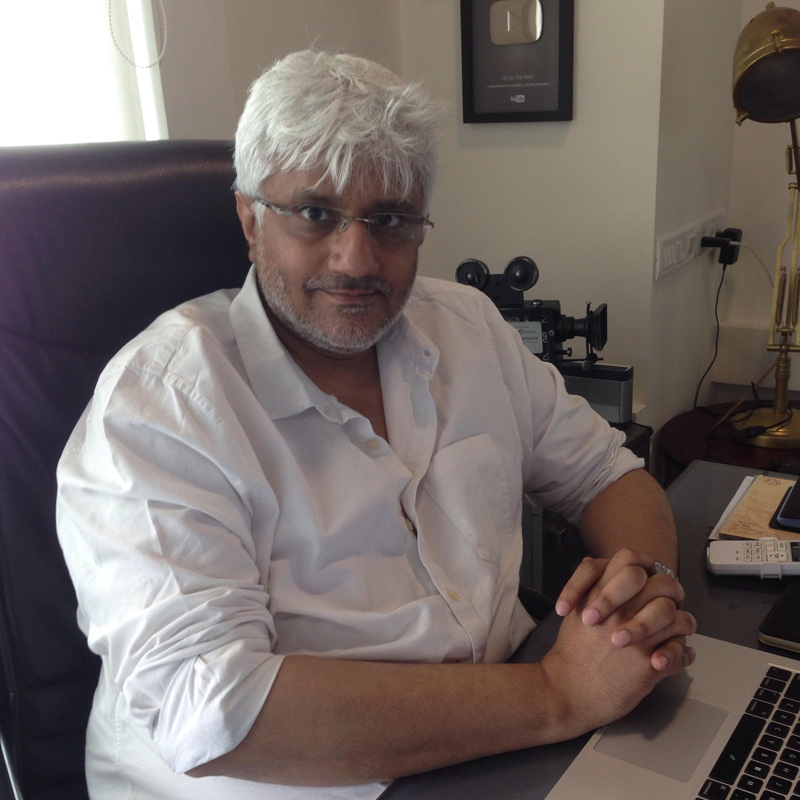
    MUMBAI: Riding on the growing demand for OTT content is producer Vikram Bhatt who recently launched his app VB on the Web.

    Within two days it got 7000 downloads. But Bhatt is being cautious in over anticipating. He says, “It is quite early to judge the performance of app but it has got around 7k downloads in just two days, which is not bad. Let us see what will happen next.”

    He said that India has a history of buying tickets, not subscribing, is where the idea emerged. “VB on the Web is like a theatre. We are making more of a theatre than a subscription-based app. Everything is moving online, whether it is a book show or a retail shop or a music shop. We realised that eventually, theatres are also going to move online. VB on the Web is the first theatre. Just like theatre, you buy tickets for whatever you want to watch on the app,” he said.

    The model is what he calls as TVoD with a charge of Rs 18 for the entire series/season. Currently, Untouchables is now showing on the app and available for Rs 18, which is around Rs 1.2 per episode. There are other deals offers like season pass in which viewers can watch different web series on the app at a discounted price. For example, one for Rs 18 and two for Rs 30.

    Using Abraham Lincoln’s famous quote ‘You can fool all the people some of the time, and some of the people all the time, but you cannot fool all the people all the time’ he says that if they get people to pay and give irrelevant content, they won’t return. VB on the Web also gives people the option to watch trailers and then pay for content.

    One of the app’s speciality is its availability to producers so they can display their web series directly.  

    His 2018 line-up for the app includes Twisted 2, Maaya 2, Breaking News and Saharankot. He will not include movies on the platform. “We are now concentrating on original shows and short films of one hour and more are in the pipeline,” he adds.

    Bhatt’s daughter Krishna Bhatt is currently working on Maaya 2 series and will be releasing it in March or April this year.

    While talking about the investment per show, Bhatt opines that the cost per episode in digital is much more than the cost per episode of any general entertainment channel (GEC) show. Ideally, GEC shows cost between Rs 8-10 lakh per episode. But, according to Bhatt, it takes around Rs 1-1.5 crore to create one entire series, which is between Rs 12-15 lakh per episode.

    VB on the Web has tied up with many payment gateway platforms. Airpay has a scheme of watch now and pay later and will soon launch a voucher system with tie ups with general stores.

    Bhatt’s content is also available on other OTT platforms like YouTube and Viu, though they are now VB’s online competitors. But, while talking about the content on the other platforms Bhatt says, “YouTube doesn’t have Untouchables, maybe after 3-4 months we will upload it there and I am just a content provider for Viu. The platform has a different set of content that is created specifically for the platform. It has Spotlight, Gehraiyan and Memories and it will be with them only.”

    Bhatt said that there is no competition with other platforms because they bunch many things. “I am a theatre, I don’t have something or the other to give every day. But, eventually, I will have 6-7 quality web original releases a month. Like a multiplex, even if five shows are running on the app, people can see the one they like and pay for that only,” he adds.

    Whether Bhatt’s theatre will revive audiences will be known soon.

    Also Read :

    Vikram Bhatt to launch OTT platform on 27th Jan

    2017: The year OTTs went regional in India

    Viu set to launch musical drama spotlight 2 on 26th January

  • Netflix-iPic Entertainment tie up; to release original films

    Netflix-iPic Entertainment tie up; to release original films

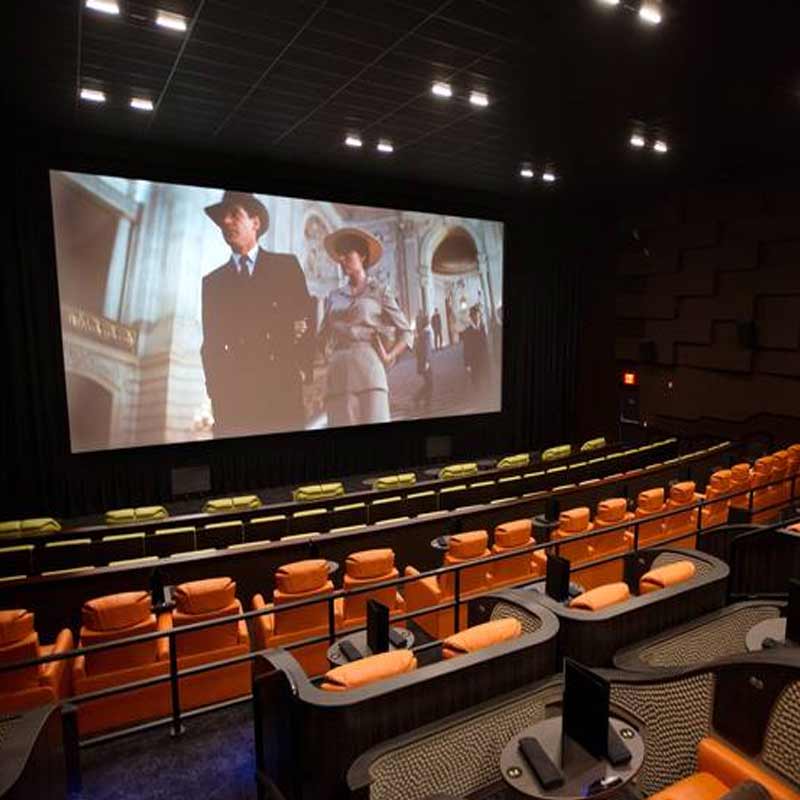
    MUMBAI: The subscription led video-on-demand (SVOD) streaming service Netflix has partnered with iPic Entertainment theater chain to release selective original films. These movies will shown simultaneously on the streaming service and at iPic theaters across the US.

    With this deal, several reports have surfaced mentioning the red light on rival theater owners.

    The partnership is set to launch from Friday with Netflix’s war thriller The Siege of Jadotville, opening at iPic theaters in Los Angeles the same day it’s released on the streaming service.

    “Consumer choice is a pillar of our philosophy and the unparalleled level of comfort and hospitality offered at iPic made this a natural partnership,” said Netflix chief content officer Ted Sarandos in a statement.

    The movie chain operates 15 theaters with 113 screens nationwide, including in New York, Miami Beach, Houston and Scottsdale, Ariz.

    iPic Entertainment president and CEO Hamid Hashemi added, “ This is a significant game changer for consumers and fans, paving way for a new frontier in shared experience viewing of Netflix entertainment.”

    Netflix has previously released its original films in theaters, like 2015’s Beast of No Nations, bypassing the exclusive theatrical window viewed as vital to many movie chains.

    “Movie theaters are worried. Netflix is already their biggest competitor right now,” voiced Exhibitor Relations analyst Jeff Bock to USA Today. “This represents a direct hit to their business that shakes them to the core.”

    The president and CEO of the National Association of Theater Owners John Fithian has also opined his unhappiness with this practice. “Simultaneous release, in practice, has reduced both theatrical and home revenues when it has been tried. The theatrical window is a longstanding industry practice that has benefited studios, theaters and moviegoers. We all should tread lightly and be mindful that over the years, the film industry’s success is a direct result of a highly successful collaboration between filmmakers, distributors and exhibitors,” said Fithian in a statement.

  • Netflix-iPic Entertainment tie up; to release original films

    Netflix-iPic Entertainment tie up; to release original films

    MUMBAI: The subscription led video-on-demand (SVOD) streaming service Netflix has partnered with iPic Entertainment theater chain to release selective original films. These movies will shown simultaneously on the streaming service and at iPic theaters across the US.

    With this deal, several reports have surfaced mentioning the red light on rival theater owners.

    The partnership is set to launch from Friday with Netflix’s war thriller The Siege of Jadotville, opening at iPic theaters in Los Angeles the same day it’s released on the streaming service.

    “Consumer choice is a pillar of our philosophy and the unparalleled level of comfort and hospitality offered at iPic made this a natural partnership,” said Netflix chief content officer Ted Sarandos in a statement.

    The movie chain operates 15 theaters with 113 screens nationwide, including in New York, Miami Beach, Houston and Scottsdale, Ariz.

    iPic Entertainment president and CEO Hamid Hashemi added, “ This is a significant game changer for consumers and fans, paving way for a new frontier in shared experience viewing of Netflix entertainment.”

    Netflix has previously released its original films in theaters, like 2015’s Beast of No Nations, bypassing the exclusive theatrical window viewed as vital to many movie chains.

    “Movie theaters are worried. Netflix is already their biggest competitor right now,” voiced Exhibitor Relations analyst Jeff Bock to USA Today. “This represents a direct hit to their business that shakes them to the core.”

    The president and CEO of the National Association of Theater Owners John Fithian has also opined his unhappiness with this practice. “Simultaneous release, in practice, has reduced both theatrical and home revenues when it has been tried. The theatrical window is a longstanding industry practice that has benefited studios, theaters and moviegoers. We all should tread lightly and be mindful that over the years, the film industry’s success is a direct result of a highly successful collaboration between filmmakers, distributors and exhibitors,” said Fithian in a statement.

  • Genesis Burson-Marsteller launches Step Up

    Genesis Burson-Marsteller launches Step Up

    MUMBAI: Genesis Burson-Marsteller has launched a new initiative, Step Up, catering exclusively to the communication needs of the two most important stakeholders of the entrepreneurial ecosystem: the start-ups and investor networks.


    Designed to provide affordable and relevant service offerings spanning traditional as well as new digital formats, Step Up, helps young companies and SMBs take the next leap in their journey to success, by not only narrating their story creatively but also by communicating on what impacts their business.


    Commenting on the launch, Genesis Burson-Marsteller principal and founder Prema Sagar said, “Step Up is our endeavour to go back to our roots. We know, feel and understand the challenges having been a start-up ourselves, 22 years back. With Step Up, we have already begun to partner with new and upcoming brands in their journey so as to take it to the next big thing. What differentiates Step Up from the rest is our strong understanding of the ecosystem and the changing media scape, the right talent and the ability to provide affordable services.”


    The new initiative offers customised services from branding and partnerships to media engagement. The offering to start-ups have been created keeping in mind various challenges faced by early-stage ventures. These offerings aim to develop and device a compelling and effective communication strategy to narrate the story of the ventures in the most innnovative manner.  


    Genesis Burson-Marsteller public relations president Nikhil Day said, “We are delighted by the creativity of our young colleagues to have come up with the idea, presented the strategy to the India Management Team, developed the proposition and already won their first client!. Our firm has, from the very beginning, encouraged entrepreneurship – it is for our people to take the initiative.  And Step Up is a great example.”


    The clients could be from Consumer (e.g. FMCG, beauty, sports, art, theatre, music, movies), Technology (e.g. products, services) Health and Wellness (e.g.pharma, services, ayurveda) and Corporate (e.g.financial, engineering, aviation).  Genesis Burson-Marsteller’s experience already exists for large companies, learnings from which will be applied for Step Up companies.


    Step Up India lead Atul Sharma added, “In the last few years, the Indian start-up environment has made a mark on the global entrepreneurial map by producing unique and globally relevant propositions. Being noticed by the right audience can make a great difference to a young company’s journey. This unique initiative by Genesis Burson-Marsteller, Step Up, aims at empowering these innovative start-ups to create a space for themselves in an otherwise cluttered market. We are looking to create the next ‘whatsapp’ story in India! ”


    Step Up is inspired by Genesis Burson-Marsteller and has the same gene pool of expertise and excellence but, it aspires to bring alive creative communication in a completely different genre of companies, which may have not enjoyed the benefits of experienced communications partners owing to their size.  

  • ISE Theatres a resounding success

    ISE Theatres a resounding success

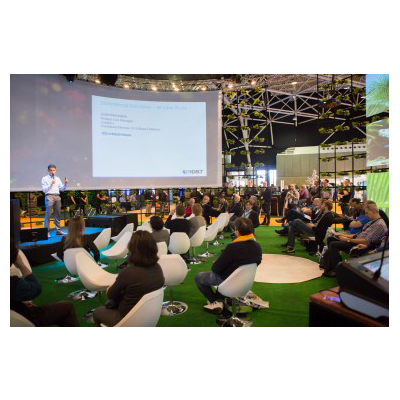
    AMSTERDAM: New for ISE 2014, the Residential Solutions Theatre and Commercial Solutions Theatre have proven to be a big draw for visitors. Covering a range of topics, including audio connectivity, collaborative technology and home automation, the free-to-attend sessions have been well received throughout the show.


    Lighting design was a hot topic in the Residential Solutions Theatre with independent lighting designer Tad Trylski declaring: “There is a lighting design-shaped hole in current AV systems training.


    “There is a lot of expertise in controlling the light, but the gap exists in the lighting design skills themselves and/or how to work with lighting designers,” he added, during ‘The Science of Lighting Designers’.


    Trylski is currently working with CEDIA on potential courses, and advises that to best use light, and make huge efficiency gains: “The qualitative design must come first. Where and when do you want the light, and what do you want to use it for?”


    The biggest mistake engineers make is to work to the plan (rather than a section), and simply place lots of downlighters lighting the floor. Instead, they should light the walls (giving more perceived light with fewer lights) and specific tasks.


    He gave an example of a typical developers one-bedroom apartment, where using lots of 50W downlighters used 1,200W (with other lights adding more than 600W), whereas a using a lot of linear LEDs, floor mounted wall washers, and by putting lighting close to the task, cut the total energy use to just 632W. “It’s slightly more difficult to install, but the savings are phenomenal and it looks a lot better,” he told visitors.


    Over in the Commercial Solutions Theatre, InfoComm sustainability officer Allen Weidman stated that Smart Buildings are a market waiting to happen. They will be a great opportunity for integrators “to add value and claim the space. It’s there for the taking” as no one else has made it their own, he added.


    The biggest problem is the lack of standards or best practice for Smart Buildings Technology (SBT). “We don’t even have an accepted definition for SBT,” he said. “We really need open source in this area,” pointing to the Raspberry Pi-based Ninja Blocks project for home automation.


    The market could be huge. China has just started replacing 76 million analogue electricity meters with smart meters, while the US already has 46 million smart meters (40% of households) installed, and it is calculated that SBT could save $20-25 billion in the US alone each year.


    Google just spent $3.2 billion on Nest, which makes smart thermostats, smoke detectors and door openers, showing that “data will be the business driver,” he said. “Sensors are the key to the future for everything, to which smartphones will be connected.”


    Sessions continue in the theatres today, opening at 11:00 with Keith Yates discussing ‘Using science to solve the low frequency problem in media rooms and home theatres’ in the Residential Solutions Theatre, and ‘DreamHack: the technology behind a major eSports tournament’ with Jonas Bengston of DreamHack in the Commercial Solutions Theatre.