Tag: The Viral Fever

  • The Viral Fever and Girliyapa win big at India Content Leadership Awards 2018

    The Viral Fever and Girliyapa win big at India Content Leadership Awards 2018

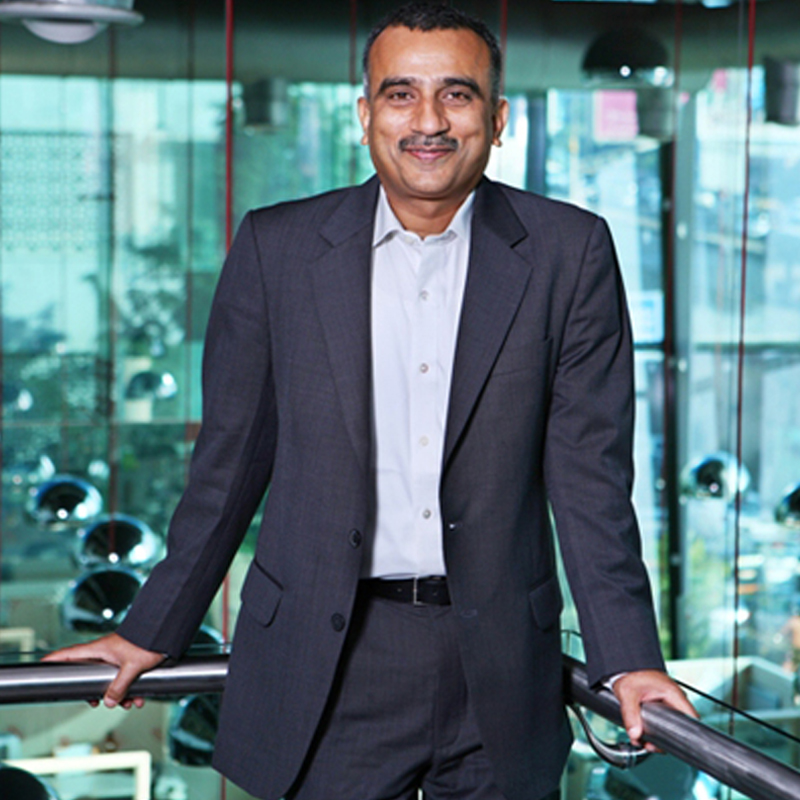
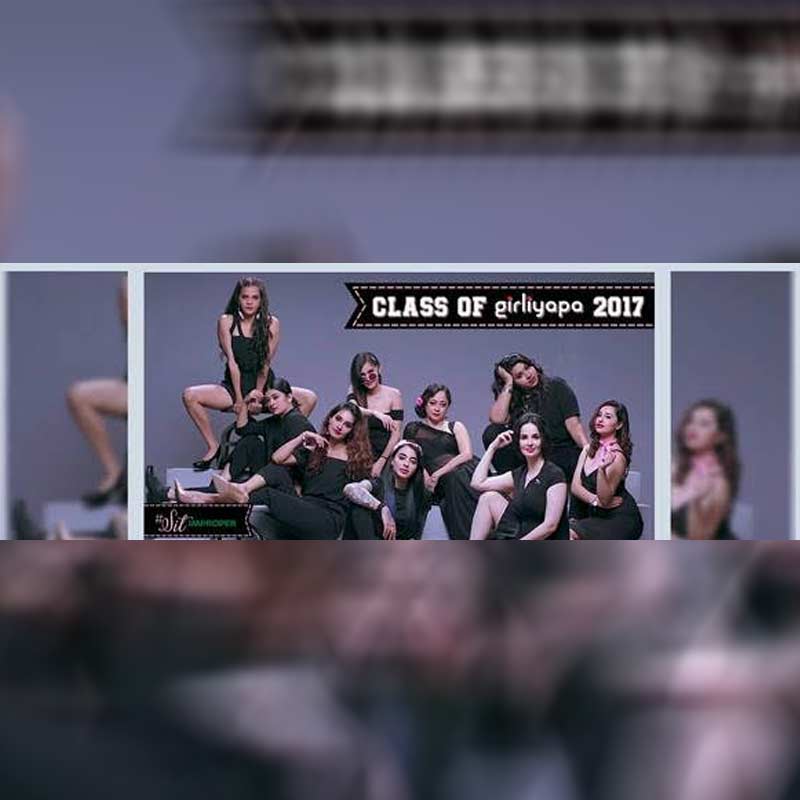
    MUMBAI: The Viral Fever (TVF) and its network channel – Girliyapa – won five awards at India Content Leadership Awards held recently in Mumbai. TVF won the much-coveted Content Enterprise of the Year award along with Best Entertaining Content for Bachelors Season 2. Girliyapa, created for the 21st century woman, won Best Humorous content award for ‘No More Dishstress’ and Best Content in a Video marketing campaign – Special mention for ‘Whisper’s SitImproper’. Sameer Saxena, CCO and Head, TVF Originals, who has even acted in shows such as TVF’s ‘Humorously Yours’, was presented the Content Leader of the Year (Person) award.

    TVF Originals, CCO and Head, Sameer Saxena said, “The month has started with a bang for us. The five awards won belong to each person at The Viral Fever and Girliyapa. This recognition will keep pushing us to work harder and create content that viewers will love and relate to. We are always eager to experiment with our content – and we believe this is one of the reasons our viewers accept our content, wholeheartedly.”

    The winning shows can be viewed on the links below:

    · Best Entertaining Content – Bachelors Season 2 (The Viral Fever) – https://bit.ly/2JnrWJk

    · Best Humorous content – No More Dishstress (Girliyapa) – https://bit.ly/2JBDRUS

    · Best Content in a Video marketing campaign – Special mention – Whisper’s SitImproper (Girliyapa) – https://bit.ly/2IDByPN

    Earlier this year, TVF won multiple awards including Best Story (Akarsh Khurana and Sumeet Vyas for Tripling), Best Music (Amar Mangrulkar), Best Branded Content and Best Marketing Campaign for TVF Tripling. ImMATURE, a yet-unreleased web series by TVF, earned its place among the Top 10 digital series globally, as the only Indian selection to the first edition of the Cannes International Series Festival – CANNESERIES earlier this year. It was screened at Cannes on 11th April, 2018.

  • Xiaomi partners TVF to promote  latest TV range

    Xiaomi partners TVF to promote latest TV range

    MUMBAI: Xiaomi and The Viral Fever (TVF) have announced a strategic partnership for the recently launched Mi LED TV 4, Mi LED TV 4A 3 inches and Mi LED TV 4A 32 inches from the brand Xiaomi.

    Under that, TVF’s library of videos and web-series will be available across all Mi TVs, bringing TVF’s unique proposition of short, medium and long-form original content to the brand new smart TV.

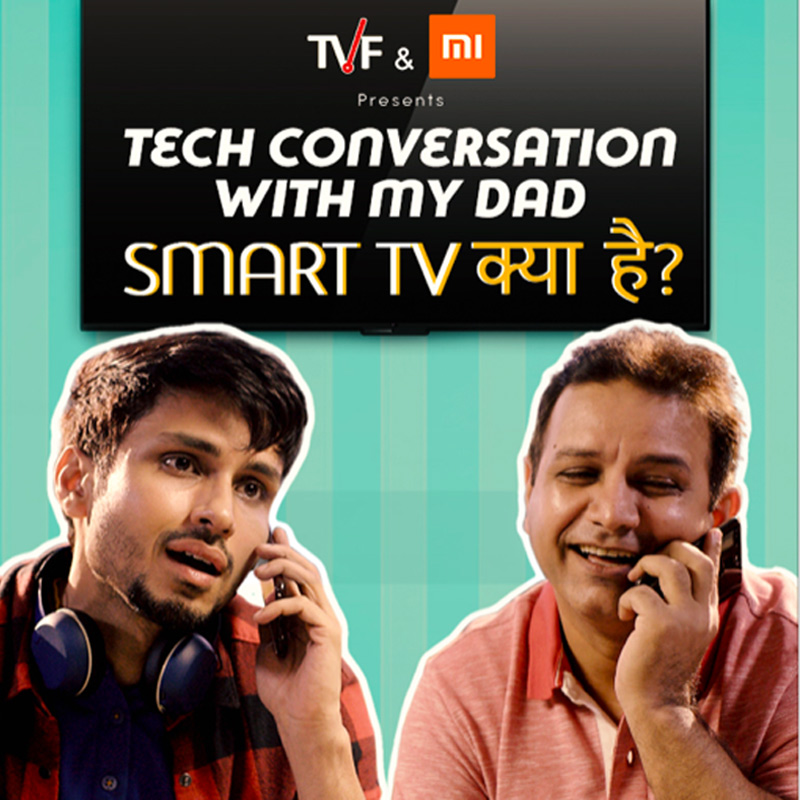
    As part of the offering, to promote the Mi LED TV 4, TVF has released the latest episode of its widely-loved and longest running title, Tech Conversations with Dad – a show about exasperated youngsters explaining the nuances of technology to their clueless and curious fathers. Internet favourites, Amol Parashar and veteran thespian, Kumud Mishra, who were last seen as father and son in TVF’s superhit web series – Tripling in 2016, will be seen in the first video of 2018, with more in the pipeline. Amol’s character – Chitvan – was brought in, on popular demand, in the series that usually features Jitendra Kumar and Gajraj Rao.

    TVF COO Karan Chaudhry believes that digital content is making new inroads into the audiences’ lives, and Xiaomi’s new offering is truly disruptive for the Indian market. “We are excited to be among the first partners for MiTV4 and look forward to our audience enjoying TVF shows on MiTV4. To deepen our partnership, we have created a special episode of our popular series Tech Conversations with Dad in association with Xiaomi. We are sure our audience will love it. We wish Xiaomi great success in this new endeavour,” he says.

    Xiaomi India product manager of MiTV Sudeep Sahu adds, “TVF has been synonymous with groundbreaking content for the digital medium and we are extremely proud to have brought them on-board with their high quality immersive content offerings for all our Mi Fans. We hope to build great properties together. Mi LED TV offers over 500,000 hours of content and TVF is a very important partner, sharing brand philosophies similar to Xiaomi in terms of disrupting industries.”

    In a game-changing move recently, Xiaomi launched the new Mi LED TV 4, armed with native apps powering the world’s thinnest LED TV. The Viral Fever’s TVFPlay is among the select few that will feature on the TV, making Xiaomi the largest content aggregator library in India. The content offerings now pan out to all three Mi TV’s.

  • TVF’s ImMature first Indian show to reach Canneseries

    TVF’s ImMature first Indian show to reach Canneseries

    MUMBAI: Digital series producer The Viral Fever (TVF) has literally gone viral. In a historic win, TVF’s show ImMature is getting its first ever screening at Canneseries – the Cannes International Series Festival. ImMature will be screened on 11 April 2018 at Canneseries.

    While releasing the first look of the web series, TVF brand partnerships head Vijay Koshy announced the news on LinkedIn on Thursday stating: “Our upcoming web-series ImMature is going to Cannes. Created by Sameer Saxena and directed by Prem Mistry, ImMature is a coming-of-age story about the many first adventures in a young man’s life.”

    Canneseries will unfold its first edition from 4 to 11 April 2018. Canneseries Digital is the competition dedicated to short formats that will take place on 11 April. The event aims to highlight series from all over the world and to give an international voice to this increasingly popular and fiercely creative new art form.

    ImMature is the only Indian show in the running for best web-series at the first ever Canneseries Digital. Other creators in this category are Rightor Doyle, Jacques Toulemonde and Lee Young-Sook.ImMature will be competing with other international web series like The Arena, Atropa, Bite Size Horror, Bonding, Cabeza Madre, Camionero, Dominos, If I Were You and Memento Mori.

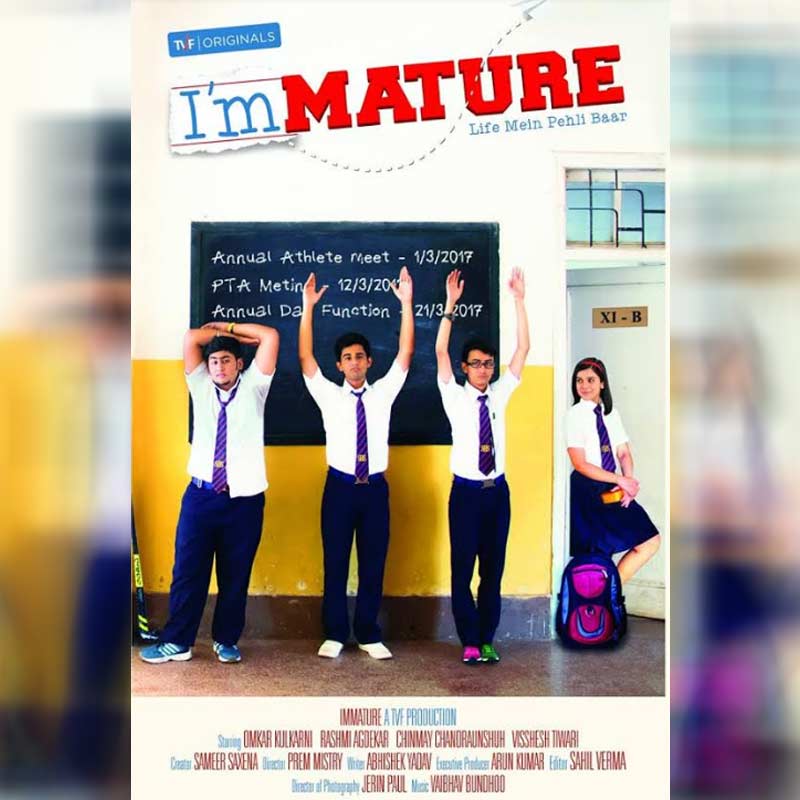
    TVF’s ImMature is created by Sameer Saxena, written by Abhishek Yadav and directed by Prem Mistry. The cast of the series includes Omkar Kulkarni, Rashmi Agdekar, Chinmay Chandraunshuh and Visshesh Tiwari.

    TVF is an online digital entertainment channel started by TVF Media Labs in 2010, and currently owned and operated by Contagious Online Media. According to founder Arunabh Kumar, the thought behind starting TVF was to reach out to the younger generation who seldom watch television for entertainment. TVF was the pioneer of web-series in India with cult hits like Permanent Roommates& Pitchers.

    Also Read:

    2017: The year OTTs went regional in India

    Regional OTT content more than just catch-up TV    

    Sports fans power 35-40% of traffic on SonyLiv

  • How to make your content viral?

    How to make your content viral?

    MUMBAI: How often do we hear the term ‘viral’? From the germination of an idea to its execution, the only target people want to achieve is making it go viral. Be it a concept or a new initiative, grabbing the maximum number of eyeballs or reaching out to the masses remains the crucial part.

    This subject was fielded by panelists consisting of Viacom18 Media group CEO Sudhanshu Vats, Twitter CEO Rahul Jaitly, The Viral Fever creative producer Shreyansh Pandey, Yash Raj Films VP Ashish Patil and AIB G. Khamba at Eemax Global Conclave 2016.

    They spoke on the topic everyone is currently excited and interest in — digital. ‘Making the viral go around’, the speakers brainstormed whether they have found or cracked any formula of making their content visible. What echoed in unison was a big ‘no’ by the panelists.

    Adding some perspective to it, Patil said, “That is the stupidest brief I can ever get for making content that should go viral.” Agreeing to that was Khamba who resonated with Patil’s thoughts. “No, we cannot do it. We try to do the best that we can with our content. Fun is the formula for us.”

    Taking the discussion a notch higher, the moderator was curious to know what the starting point is for each one of the players post the brief. “The starting point is the consumer. We don’t go about making it viral, we just hope that it happens. One should not let their ideas remain in a box. Anything can be successful and (go) viral in no time like music for eg, Coke Studio. What goes viral is not matter of functions or data,” said Patil.

    Pandey added, “Two things that are primarily important which lead to something going viral is content and experience of the user. Obviously, it varies with platforms. How users latch on to the content and what they do with it decides the virality.”

    Jaitly opined the starting point for the social media platform is knowing their audiences and their taste. “Truth and personality is what we ride high on. At Twitter, we have a software measuring not the tweets but spikes.”

    “Adding to that, authenticity is also equally important,” added Vats.

    So, what is the process of developing content and the velocity to make it viral? “What excites the consumers is the first step. Delivering it with truth, authenticity and entertainment like some nice music, champions, etc. is the second step. Third comes the right people you want this content to reach out to,” opined Patil.

    Jaitly also seconded his opinion, and said “In India, Bollywood, sports and politics content does very well for us and our strategy is to build across these ‘edges’.”

    At TVF’s office, one of the walls read “Ideas are a piece of shit.” Pandey said, “TVF’s core is story-telling. The process starts with writing posts. You should know the reaction expected by your target audience based on your observation.”

    With branded content getting popular every passing day, advertisers are partly convinced about investing in this new digital era. Developing in the right direction on the brief is one way to win the trust of the brands. Khamba shared, ” How do you work with brands is also important. Brands develop trust on the brief. Finding the trigger of the theme and delivering to the brands by value is equally crucial.”

    Patil, Pandey and Khamba also agreed on the point that the brand parameters had changed. They have started to build on the bigger theme than simply pumping money on a concept for eg, a Truly Madly Creep Qawali.

    With the sense of maturity coming amongst the advertisers, the panelists also expressed their thoughts on the need of having a measurability on content. “Majority of the return on investment comes from brands on board. The rest from talent usage, syndication, merchandising, etc. The commitment of how many views can a certain content get cannot happen.  We have to go in with our eyes open,” said Patil.

    With its reach across the globe, Jaitly opined how he has heard the pressure on revenues more in India than any other country which is something Twitter has done by providing a base for story-tellers without brands to come on board. On the other hand, Vats drew some light on their existing digital platform Voot which follows an advertising model. The VOD platform, within four months of its launch, has done well for Viacom18 Network by having 15 million active users with over 50+ brands, Vats shared, “The ‘average time spend’ on our platform is 45 minutes per user. For us, it’s about how many are watching, what content are they consuming and for how much time are they staying.”

    He further added, “There will be models going forward that will help reach the consumers. The data is crucial right now but it will come down eventually. Also, the payment gateways will evolve to make subscription easier for the viewers. Measurement cannot be ignored if you want to grow. Money follows measurement.”

    The session ended with the panelists discussing the way ahead for each of their platforms. While Patil opined that there is a new breed of celebrities on YouTube coming up, the opportunity of spin-off content is possible. “We want to create IPs and take it beyond TV or digital. Merchandising is also where we see a lot of good opportunities, he said. Pandey resonated with Patil’s thought about extending IPs and added, “Brands are difficult to get and people don’t want to pay. Extending IPs is what we would look at as the dollars lie there.”

    Khamba was of the opinion that on-ground engagement has always been fun for them and they will continue with that and sustain it going forward. “We will do high numbers and branch out,” added Khamba.

    Whereas, for Twitter, Jaitly shared that, going forward, the social media platform will enable users to share and watch live shows from across the country. He said, “The Twitter of future will open shows and videos live stream from across the country.”

    The panelists concluded by sharing that digital in India is only bound to grow and prove profitable to people who play it smart. As its always believed by most of the players in this business, the consumer remains to be the king.
     

  • How to make your content viral?

    How to make your content viral?

    MUMBAI: How often do we hear the term ‘viral’? From the germination of an idea to its execution, the only target people want to achieve is making it go viral. Be it a concept or a new initiative, grabbing the maximum number of eyeballs or reaching out to the masses remains the crucial part.

    This subject was fielded by panelists consisting of Viacom18 Media group CEO Sudhanshu Vats, Twitter CEO Rahul Jaitly, The Viral Fever creative producer Shreyansh Pandey, Yash Raj Films VP Ashish Patil and AIB G. Khamba at Eemax Global Conclave 2016.

    They spoke on the topic everyone is currently excited and interest in — digital. ‘Making the viral go around’, the speakers brainstormed whether they have found or cracked any formula of making their content visible. What echoed in unison was a big ‘no’ by the panelists.

    Adding some perspective to it, Patil said, “That is the stupidest brief I can ever get for making content that should go viral.” Agreeing to that was Khamba who resonated with Patil’s thoughts. “No, we cannot do it. We try to do the best that we can with our content. Fun is the formula for us.”

    Taking the discussion a notch higher, the moderator was curious to know what the starting point is for each one of the players post the brief. “The starting point is the consumer. We don’t go about making it viral, we just hope that it happens. One should not let their ideas remain in a box. Anything can be successful and (go) viral in no time like music for eg, Coke Studio. What goes viral is not matter of functions or data,” said Patil.

    Pandey added, “Two things that are primarily important which lead to something going viral is content and experience of the user. Obviously, it varies with platforms. How users latch on to the content and what they do with it decides the virality.”

    Jaitly opined the starting point for the social media platform is knowing their audiences and their taste. “Truth and personality is what we ride high on. At Twitter, we have a software measuring not the tweets but spikes.”

    “Adding to that, authenticity is also equally important,” added Vats.

    So, what is the process of developing content and the velocity to make it viral? “What excites the consumers is the first step. Delivering it with truth, authenticity and entertainment like some nice music, champions, etc. is the second step. Third comes the right people you want this content to reach out to,” opined Patil.

    Jaitly also seconded his opinion, and said “In India, Bollywood, sports and politics content does very well for us and our strategy is to build across these ‘edges’.”

    At TVF’s office, one of the walls read “Ideas are a piece of shit.” Pandey said, “TVF’s core is story-telling. The process starts with writing posts. You should know the reaction expected by your target audience based on your observation.”

    With branded content getting popular every passing day, advertisers are partly convinced about investing in this new digital era. Developing in the right direction on the brief is one way to win the trust of the brands. Khamba shared, ” How do you work with brands is also important. Brands develop trust on the brief. Finding the trigger of the theme and delivering to the brands by value is equally crucial.”

    Patil, Pandey and Khamba also agreed on the point that the brand parameters had changed. They have started to build on the bigger theme than simply pumping money on a concept for eg, a Truly Madly Creep Qawali.

    With the sense of maturity coming amongst the advertisers, the panelists also expressed their thoughts on the need of having a measurability on content. “Majority of the return on investment comes from brands on board. The rest from talent usage, syndication, merchandising, etc. The commitment of how many views can a certain content get cannot happen.  We have to go in with our eyes open,” said Patil.

    With its reach across the globe, Jaitly opined how he has heard the pressure on revenues more in India than any other country which is something Twitter has done by providing a base for story-tellers without brands to come on board. On the other hand, Vats drew some light on their existing digital platform Voot which follows an advertising model. The VOD platform, within four months of its launch, has done well for Viacom18 Network by having 15 million active users with over 50+ brands, Vats shared, “The ‘average time spend’ on our platform is 45 minutes per user. For us, it’s about how many are watching, what content are they consuming and for how much time are they staying.”

    He further added, “There will be models going forward that will help reach the consumers. The data is crucial right now but it will come down eventually. Also, the payment gateways will evolve to make subscription easier for the viewers. Measurement cannot be ignored if you want to grow. Money follows measurement.”

    The session ended with the panelists discussing the way ahead for each of their platforms. While Patil opined that there is a new breed of celebrities on YouTube coming up, the opportunity of spin-off content is possible. “We want to create IPs and take it beyond TV or digital. Merchandising is also where we see a lot of good opportunities, he said. Pandey resonated with Patil’s thought about extending IPs and added, “Brands are difficult to get and people don’t want to pay. Extending IPs is what we would look at as the dollars lie there.”

    Khamba was of the opinion that on-ground engagement has always been fun for them and they will continue with that and sustain it going forward. “We will do high numbers and branch out,” added Khamba.

    Whereas, for Twitter, Jaitly shared that, going forward, the social media platform will enable users to share and watch live shows from across the country. He said, “The Twitter of future will open shows and videos live stream from across the country.”

    The panelists concluded by sharing that digital in India is only bound to grow and prove profitable to people who play it smart. As its always believed by most of the players in this business, the consumer remains to be the king.
     

  • Maxus Content, The Viral Fever and Tata Motors bring alive Tripling with Tiago

    Maxus Content, The Viral Fever and Tata Motors bring alive Tripling with Tiago

    Mumbai: Maxus Content, the content solutions arm of Maxus unveils its next branded content project with The Viral Fever for its prestigious client Tata Motors. The brand new mega web series titled “Tripling” features Tata Motors’ newly launched Tiagoas a focal point in an enriching story told by some of India’s best storytellers from The Viral Fever.

    The association conceptualized by Maxus Content for Tiago and The Viral Fever aims to engage with the millennials by understanding their content consumption pattern. From decoding the brand’s brief to ideation and amplification, Maxus Content used its in-house research & insight, digital & content creation capabilities along with the creative insights by The Viral Fever to help Tata Motors bring alive Tripling.

    The web series features of superior production values comparable to a long-format feature, an acclaimed cast and an extensive marketing campaign to build engagement. It is one of the most anticipated branded content projects of this season by The Viral Fever.

    Maxus’ social media listening revealed that youngsters increasingly take travel as an experience to foster change in their lives. However, most road-trip based stories in Indian entertainment have been around friends. Maxus and The Viral Fever decided to leverage the youth’s idea of travel with a fresh take by featuring siblings and not friends.

    “At Maxus we keep the culture of a brand’s audience at the center of our content strategies. Tripling is our attempt at intuitive positioning of Tiago as an enabler, in an engaging, culturally relevant story for its audience. It is a showcase of our data driven, digital first and tech enabled approach to branded storytelling. If the initial reactions to the show’s trailer is anything to go by, Tripling will surely give our audience a seamless and memorable branded storytelling experience”, said Pooja Verma, Head – Content, Entertainment and Sports Partnerships at Maxus.

    Tripling is a beautiful journey spread over five webisodes of three siblings who go on a road trip, and in the process, redefine their own lives and relationships. A true visual treat for viewers, the show weaves in the dynamic Tiago as the sibling’s partner on their journey to discovery.

    “Our new hatchback, Tiago comes with new attractive design credos which appeals to the young and is all about enjoying life on-the-go. This is exactly what the new web series depicts. We found this storytelling route, a good way to engage with our target customers and are delighted to associate with Tripling to communicate the zeal of youth, adventure and this series resonates well with Tiago’s spirit of enjoying moments in life,” said Mr. Vivek Srivatsa, Head- Marketing, Passenger Vehicles Business, Tata Motors.

  • Maxus Content, The Viral Fever and Tata Motors bring alive Tripling with Tiago

    Maxus Content, The Viral Fever and Tata Motors bring alive Tripling with Tiago

    Mumbai: Maxus Content, the content solutions arm of Maxus unveils its next branded content project with The Viral Fever for its prestigious client Tata Motors. The brand new mega web series titled “Tripling” features Tata Motors’ newly launched Tiagoas a focal point in an enriching story told by some of India’s best storytellers from The Viral Fever.

    The association conceptualized by Maxus Content for Tiago and The Viral Fever aims to engage with the millennials by understanding their content consumption pattern. From decoding the brand’s brief to ideation and amplification, Maxus Content used its in-house research & insight, digital & content creation capabilities along with the creative insights by The Viral Fever to help Tata Motors bring alive Tripling.

    The web series features of superior production values comparable to a long-format feature, an acclaimed cast and an extensive marketing campaign to build engagement. It is one of the most anticipated branded content projects of this season by The Viral Fever.

    Maxus’ social media listening revealed that youngsters increasingly take travel as an experience to foster change in their lives. However, most road-trip based stories in Indian entertainment have been around friends. Maxus and The Viral Fever decided to leverage the youth’s idea of travel with a fresh take by featuring siblings and not friends.

    “At Maxus we keep the culture of a brand’s audience at the center of our content strategies. Tripling is our attempt at intuitive positioning of Tiago as an enabler, in an engaging, culturally relevant story for its audience. It is a showcase of our data driven, digital first and tech enabled approach to branded storytelling. If the initial reactions to the show’s trailer is anything to go by, Tripling will surely give our audience a seamless and memorable branded storytelling experience”, said Pooja Verma, Head – Content, Entertainment and Sports Partnerships at Maxus.

    Tripling is a beautiful journey spread over five webisodes of three siblings who go on a road trip, and in the process, redefine their own lives and relationships. A true visual treat for viewers, the show weaves in the dynamic Tiago as the sibling’s partner on their journey to discovery.

    “Our new hatchback, Tiago comes with new attractive design credos which appeals to the young and is all about enjoying life on-the-go. This is exactly what the new web series depicts. We found this storytelling route, a good way to engage with our target customers and are delighted to associate with Tripling to communicate the zeal of youth, adventure and this series resonates well with Tiago’s spirit of enjoying moments in life,” said Mr. Vivek Srivatsa, Head- Marketing, Passenger Vehicles Business, Tata Motors.

  • Screenwriters, broadcasters, and digital freedom: ISC’2016

    Screenwriters, broadcasters, and digital freedom: ISC’2016

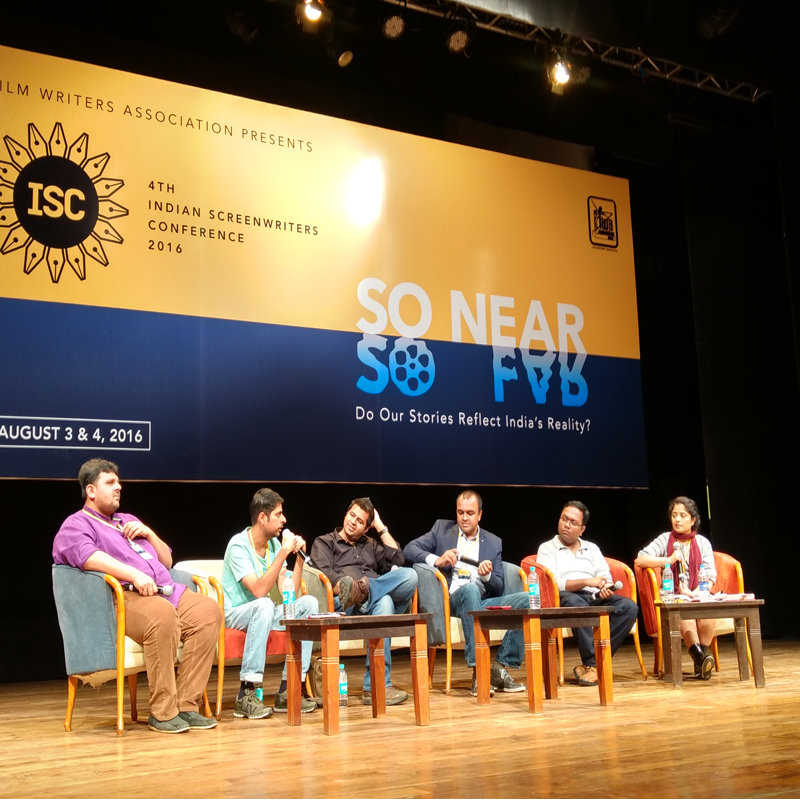
    MUMBAI: What do we really mean by digital media? When did it start? Why did it start? If you too are concerned about these questions and wanted a detailed insight, the Fourth Indian Screenwiters’ Conference 2016’s session on ‘The Digital Explosion’ was the place to get all your answers. Held last week, it saw writers, producers, film makers, broadcasters get together to discuss the issues plaguing the writing community today.

    The panelists included ‘newcomers’ such as the screenwriter of Masaan, standup comedian and National award winning lyricist Varun Grover, The Viral Fever (TVF) creative director Biswapati Sarkar and Y-Films senior manager Nikhil Taneja, with 16 years experience across broadcast media Youtube India operations head content Satya Raghvan and Mukta Arts strategy vice president and Whistling Woods International business development vice-president Chaitanya Chinchlikar.

    Session moderator and FWA activist and Malamal Weekly and Bhool Bhulaiyya screenwriter Manisha Grover set the ball rolling by asking when did digital writing really start in the Indian context and what sparked it off.

    “We initiated the web series Jay Hind when the internet was in its early stages here but it has grown so rapidly that now we have vanished, says Grover. Jay Hind was a popular Indian stand-up comedy show made exclusively for the internet platform and was launched in 2009.

    Grover recalls the day when he pitched the show to NDTV Imagine. “In those time there were only two comedy shows – Movers and Shakers and Aisi Taisi Democracy – which were also written by me. The broadcasters were very excited about the script. We made the pilot and they loved it and sent it to their focus group. The focus group didn’t like our host as they couldn’t relate to him. The channel asked us to shoot the pilot again with a different host. But it was my arrogance that didn’t allow me to do what the broadcaster wanted me to do.”

    Other writers on the panel to narrated how rejection by broadcasters led them to move on to digital. A move that turned out to be a boon for them as it allowed their ideas to come to fruition as completed episodes for the web.

    “My seniors were pitching a show for which I wrote a few episodes,” recollected Biswapati. “We went to MTV and after reading the script, they said the content is too intelligent for Indian audiences. We didn’t understand what they meant but i guess our timing was better at that time because YouTube was growing and it slightly became easy to make the series. For me digital is not a ‘also’ medium.”

    In the digital world, Youtube is pioneer, which has given a creative platform to many writers, was the consensus of the panel. “I think the big conclusion that we have drawn that digital Youtube is a ‘writers’ first’ platform. It’s probably the only medium where the writer can dictate the entire product that will come out,” added Raghvan.

    Raghvan went on to explain that in the Youtube ecosystem the web series revolution was sparked off over a year and half ago and the biggest series we saw was Permanent Roommates season one which is a TVF product. The latter has also produced some formats but Permanent Roommates was the first finite story. “Till now we have seen 40 series on the platform in different shapes and sizes not only in Hindi but also in Tamil,and Telugu,” revealed Raghvan. “We are also waiting for some Marathi productions this year and people are working on it. We will also start doing this in Bengali in couple of months.”

    Till 2014, in India some 150 million internet connection were there that too from the big metros. Between 2014 -2015 we saw a lot of growth in south India, expounded Raghvan.

    “We are doing shows for a certain kind of audience that is there on the internet. The question that arises is what what can we give to them on the internet that they can’t find on television and in films. Digital is mostly about good writing,” adds Taneja.

    The panel concluded that writers need to hone the fine art of writing for digital, as in the future, it is going to emerge as the medium and not as an “also” medium.

  • Screenwriters, broadcasters, and digital freedom: ISC’2016

    Screenwriters, broadcasters, and digital freedom: ISC’2016

    MUMBAI: What do we really mean by digital media? When did it start? Why did it start? If you too are concerned about these questions and wanted a detailed insight, the Fourth Indian Screenwiters’ Conference 2016’s session on ‘The Digital Explosion’ was the place to get all your answers. Held last week, it saw writers, producers, film makers, broadcasters get together to discuss the issues plaguing the writing community today.

    The panelists included ‘newcomers’ such as the screenwriter of Masaan, standup comedian and National award winning lyricist Varun Grover, The Viral Fever (TVF) creative director Biswapati Sarkar and Y-Films senior manager Nikhil Taneja, with 16 years experience across broadcast media Youtube India operations head content Satya Raghvan and Mukta Arts strategy vice president and Whistling Woods International business development vice-president Chaitanya Chinchlikar.

    Session moderator and FWA activist and Malamal Weekly and Bhool Bhulaiyya screenwriter Manisha Grover set the ball rolling by asking when did digital writing really start in the Indian context and what sparked it off.

    “We initiated the web series Jay Hind when the internet was in its early stages here but it has grown so rapidly that now we have vanished, says Grover. Jay Hind was a popular Indian stand-up comedy show made exclusively for the internet platform and was launched in 2009.

    Grover recalls the day when he pitched the show to NDTV Imagine. “In those time there were only two comedy shows – Movers and Shakers and Aisi Taisi Democracy – which were also written by me. The broadcasters were very excited about the script. We made the pilot and they loved it and sent it to their focus group. The focus group didn’t like our host as they couldn’t relate to him. The channel asked us to shoot the pilot again with a different host. But it was my arrogance that didn’t allow me to do what the broadcaster wanted me to do.”

    Other writers on the panel to narrated how rejection by broadcasters led them to move on to digital. A move that turned out to be a boon for them as it allowed their ideas to come to fruition as completed episodes for the web.

    “My seniors were pitching a show for which I wrote a few episodes,” recollected Biswapati. “We went to MTV and after reading the script, they said the content is too intelligent for Indian audiences. We didn’t understand what they meant but i guess our timing was better at that time because YouTube was growing and it slightly became easy to make the series. For me digital is not a ‘also’ medium.”

    In the digital world, Youtube is pioneer, which has given a creative platform to many writers, was the consensus of the panel. “I think the big conclusion that we have drawn that digital Youtube is a ‘writers’ first’ platform. It’s probably the only medium where the writer can dictate the entire product that will come out,” added Raghvan.

    Raghvan went on to explain that in the Youtube ecosystem the web series revolution was sparked off over a year and half ago and the biggest series we saw was Permanent Roommates season one which is a TVF product. The latter has also produced some formats but Permanent Roommates was the first finite story. “Till now we have seen 40 series on the platform in different shapes and sizes not only in Hindi but also in Tamil,and Telugu,” revealed Raghvan. “We are also waiting for some Marathi productions this year and people are working on it. We will also start doing this in Bengali in couple of months.”

    Till 2014, in India some 150 million internet connection were there that too from the big metros. Between 2014 -2015 we saw a lot of growth in south India, expounded Raghvan.

    “We are doing shows for a certain kind of audience that is there on the internet. The question that arises is what what can we give to them on the internet that they can’t find on television and in films. Digital is mostly about good writing,” adds Taneja.

    The panel concluded that writers need to hone the fine art of writing for digital, as in the future, it is going to emerge as the medium and not as an “also” medium.

  • TVF partners Furlenco in ‘Truth Or Dare With Dad’

    TVF partners Furlenco in ‘Truth Or Dare With Dad’

    MUMBAI:  While the world is raving about Huffington Post’s digital video series ‘Talk To Me’ that urges children to interview their parents, India’s own digital content and web series pioneer TVF has come up with its own variant of the same, only with an added dose of laughter. Calling it an infomercial, The Viral Fever has partnered with furniture rental brand Furlenco to launch ‘Truth or Dare with Dad’.

    Truth or Dare with Dad is a hilarious sketch between father and son and friend, as they go through a grueling fun game of Truth or Dare.  Starring everyone’s favorite from the TVF team, Jitendra Kumar (lovingly known as Jeetu!) enjoy the infomercial as Jeetu teaches his Dad the game and learns many a new thing along the way!

    Commenting on the launch, Furlenco CEO and founder  Ajith Mohan Karimpana said, “TVF is an immensely popular youth-centric digital content platform in our country, which boasts of more than 15,00,000 viewers. The idea of launching an infomercial with TVF came from a simple thought of introducing Furlenco to the youth of this city as well as all the other metropolitan cities, who are also our target group. We aim to make aspirations of Pune’s aspirers more accessible by providing premium designer furniture on rent. They can now Have Everything and Buy Nothing.”

    Having pioneered the web series genre in India and created two very successful web series Permanent Roommates and Pitchers,  The Viral Fever (TVF) ‘s founder Arunabh Kumar added, “Furlenco has made lives of young working professionals simpler without burning a hole in their pockets. As the fan base of TVF is primarily the youth – this collaboration was really exciting for us.”

    Truth or Dare with Dad is written by Chandan Kumar and directed by Raghav Subbu from Team TVF.