Tag: The Media Ant

  • Jio is looking to redefine IPL viewership this year

    Jio is looking to redefine IPL viewership this year

    Mumbai: Several recent reports suggest that TV ratings have been dipping while digital has been steadily establishing a bigger footprint than TV in the country. As this inversely proportional trend takes shape, JioCinema, the digital destination for the IPL this year onwards, has announced its game plan to cut access, affordability, and language barrier that will fuel this shift even more. 

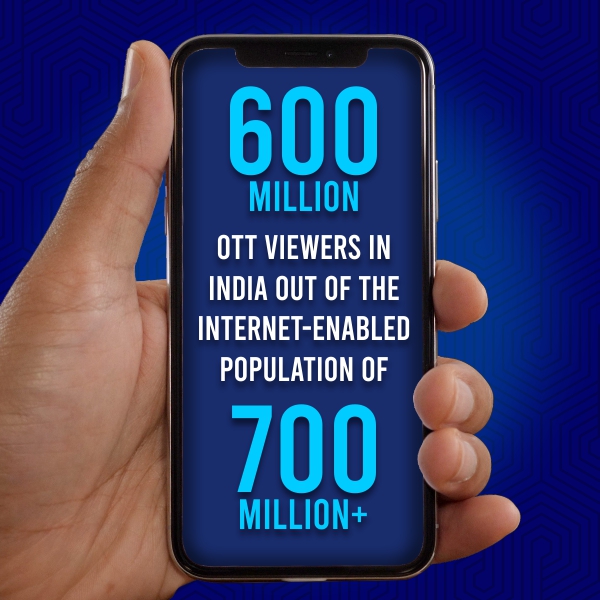
    If one is to take the potential scale digital offers as an advertising medium into account alongside JioCinema’s plans this year, then the IPL might be the most watched and engaged event on CTV and digital platforms. This year the Jio Cinema will offer the cricket extravaganza for free in a bid to reach and engage every single one of the 600 million OTT viewers in India out of the internet enabled population of 700 million+. 
    JioCinema

    More and more households are shifting from linear TV to CTV and data shows this phenomenon is not limited to just urban households but spread across geographies due to low data costs and the rising scale of Smart TVs. The flexibility that comes with consuming content via CTV is also helping this cause as CTV allows the viewer to cast screens by using TV apps or devices such as Chromecast and Fire TV Stick. CTV also offers 4k streaming possibilities, which is not possible on linear TV or HDTV.

    On the other side of the screen, JioCinema is set to provide high quality premium long form content which has not happened anywhere in the world digitally. To make this a reality, it is reported that the brand has made major technological investments to deliver a high quality experience on digital. 

    Advertising on digital will, therefore, become every marketer’s primary preference. Serving ads via CTVs and other digital mediums allows the advertiser to break language barriers, age limitations, targeting constraints and even affluence constraints while including a measurable call to action. The advertiser also pays for what they get, unlike TV where inventory wastage is common. An increased number of matches in case of a property like the IPL means digital benefits because it is sold on impressions, not on an average rating. Digital is arguably the best medium for broadcasters to deliver a world class live sports experience.

    Indian Television dug deeper and spoke to a few industry experts about the rise of digital spending by brands in comparison to linear TV and how this is expected to amplify the interest for the IPL this year. Head Media Martech and Growth Vida World Manav Sethi said, “As India is not a homogeneous market of 1.3B, the same way sports video viewers are spread across various platforms and cohorts of 1M/10M/100m each. We have tried layering by keeping CTV in the media plan and we have seen an uptick in conversion numbers. This year for IPL especially, it would be interesting, because JIO is redefining what connected tv is and what it means as it brings in medium/lower pyramid viewers into the tv connected to mobile world! Interesting times ahead.”
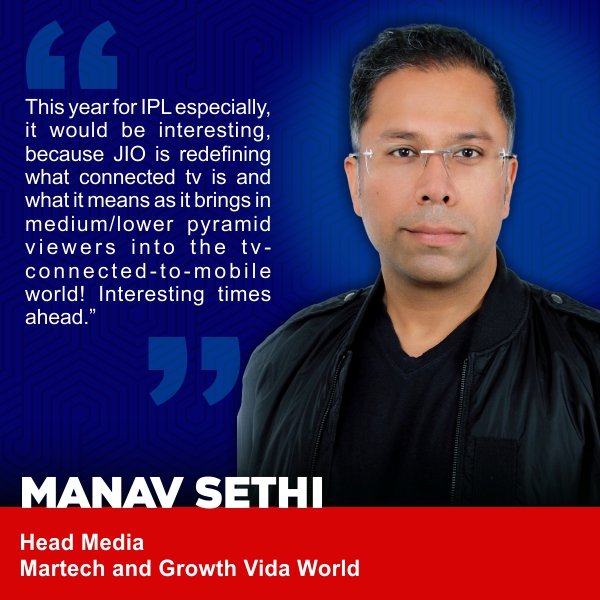
    Manav Sethi

    The Media Ant Chief Business Officer Abhishek Mukherjee says, “There are two things happening in the landscape, first marketers are now becoming digital first because of Google and Facebook ecosystem, this ecosystem has trained them very well on the measurement for performance. 
    Abhishek Mukherjee

    Now when it comes to traditional brand awareness building, which we used to call at the top of the funnel, the marketeers are expecting the same from their media spends, which linear TV is not able to deliver. On linear TV you are paying for great mass reach but not for measurability. We are also seeing this when we work with platforms like YouTube where people get far more measurability and targeting and hence the preference to move from linear TV to connected TV or the preference to move towards OTT. These are the trends now and there is an interest by brands to associate with the IPL, we have been associated with IPL earlier and have been the most preferred agency by advertisers. In this IPL we are expecting a 25 Mn to 100 Mn reach for brands.”

    Madison Digital & Madison Alpha CEO Vishal Chinchankar said, “Today there are about 2.8 mn broadband wired connections as per TRAI Dec 22, and this is seeing a meteoric rise month on month. Connected TV commands 22mn households providing a reach of 80 mn. India’s smart TV shipments were up by 38 per cent YoY in Q3 2022. Keeping these data points in mind and an opportunity to target HNI audience cut, it’s quite a lucrative proposition for brands to be present on IPL CTV, personally, I am very bullish about it.”
    Vishal Chinchankar

  • IPL 2020: Brands opt for spot buying over bigger packages

    IPL 2020: Brands opt for spot buying over bigger packages

    NEW DELHI: It was being coined for long by the industry insiders that IPL will bring respite to the broadcasters from tardy advertising revenues that they are dealing with since the onset of Covid-19 pandemic, in early March.

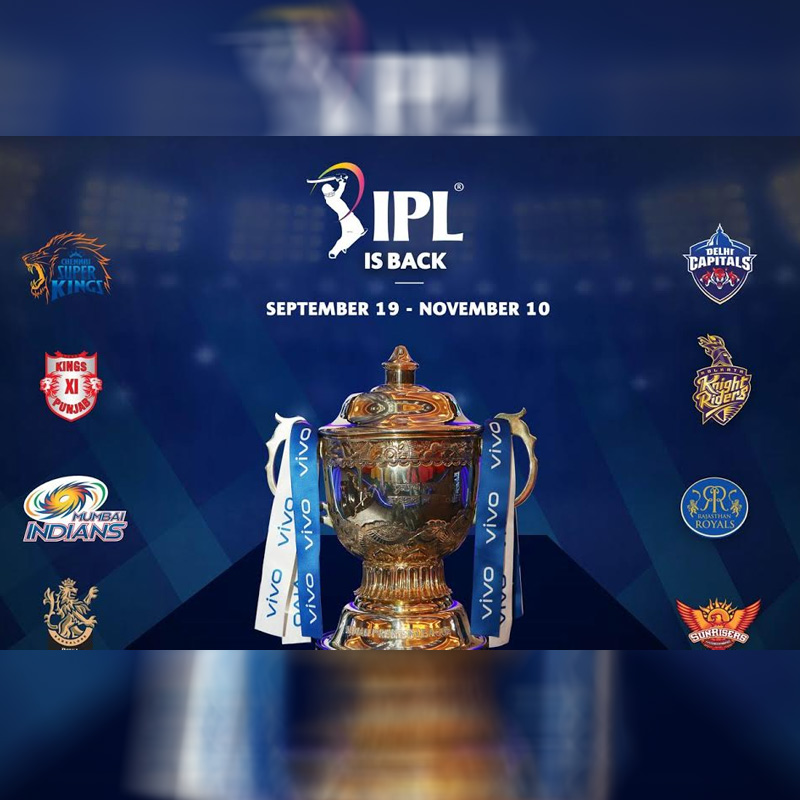
    The tournament will take place in UAE this year between September 19 and November and is touted to be the biggest Live Sports event this year. Undoubtedly, there is a lot of excitement about the property among consumers, broadcasters and brands.

    It has been widely reported that Star has set a target of Rs 3000 crore in advertising revenues for IPL this year.

    Media Ant co-founder Samir Chaudhary shares, the ad rates for Star Sports are pretty much the same as the last time, Rs 13-15 lakhs per 10 seconds but on Hotstar it has gone up from ‘120 CPM in last season to ‘180 CPM.

    Interestingly, the experts pointed that while the advertisers are happy to go ahead with this high impact property, they are also playing it safe when it comes to buying ad slots on Star Sports and Hotstar for the tournament. Unlike every year, brands are not flocking to buy package deals but are smartly investing in spot buying, a leading marketing expert tells us. He adds that this is also the reason that ad rates have been slightly up this year. 

    Several reports indicate that Star has already sold a large part of their ad inventory and the rest of the inventory will be sold close the bigger matches. A lot will also depend on the viewership numbers of the tournament. For the record, IPL has always been able to clock high viewership numbers. In 2019, the cricketing league clocked a viewership of 462 million.

    Media veteran Shripad Kulkarni notes, “For Star Sports, these are the rates that they have begun with but it is a very dynamic situation this time. It will all depend on demand and supply. Also, usually, they used to open the FCTs once the sponsors were finalised but they don’t have much time now, so all of this is running parallely. I am hoping for the sake of all us that there is a last-minute surge in the prices as many are looking at it as a point of revival.” 

    Interestingly, this year, IPL is coinciding with the festive season which is further helping its cause. Traditionally brands are keen to advertise during this season to reach out to their consumers who are in a good mood to purchase. Advertisers have a very small window and they prefer to go all in during this time. So, this year, it is expected that advertisers will be happy to pay a premium for IPL slots to reach out to their consumers.

    In a recent interaction with Indiantelevision.com CEO, founder, and editor-in-chief Anil Wanvari, Havas Media group MD India Mohit Joshi had noted that good 25-30 per cent of this year’s festive season spends will be taken by forthcoming the cricketing league, scheduled to happen between 19 September and 8 November.

    Another expert insisted that the market sentiments are fairly positive right now and a number of brands are in the process of buying ad slots. Though, he adds that the sponsorship rates are running about 25 per cent low this year. 

    The positive sentiment around the property was further enhanced with the announcement of Dream11 replacing Vivo as the title sponsor. The fantasy league brand bought the sponsorship right for Rs 222 crore.

    On the digital front, Disney + Hotstar will play a major role this year. Several industry experts have pointed that they are expecting good viewership on Hotstar and therefore the ad rates are slightly higher, maybe up to 50 per cent more than the last time.” It is expected that a lot of brands will be keen to experiment with IPL on the digital front.

    Surprisingly, Kulkarni is expecting a dip in the ad rates for Hotstar to the tune of 25-30 per cent from the last season. He also agrees that a lot is going to depend on demand and supply. The rates might be revised as the season progresses and viewership numbers are revealed. 

    In terms of the number of FCTs sold, all the media experts maintained that many brands, from the ed-tech, automobile, and FMCG categories, are in the discussion phase and confirmations will follow in the next two weeks. 

  • Tamil Nadu ad market can’t revive until movie releases happen

    Tamil Nadu ad market can’t revive until movie releases happen

    NEW DELHI: Holding the highest share of regional ad volumes at 16 per cent in Covid times, as highlighted in the TAM AdEx data released recently, the Tamil Nadu ad market wasn’t immune to the bloodbath on ad revenues that the overall industry witnessed due to the lockdown. 

    As shared by The Media Ant co-founder Samir Choudhary, the market witnessed at least a 50 percent drop in overall revenues in the March-June ‘20 period.  

    Fourth Dimension Media Solutions CEO Shankar B elaborates, “In Tamil Nadu, almost 30-35 per cent of the ad revenues are driven by cinema and retail, both of which were zero during the Covid2019-period. Even if we talk just about cinema, Tamil Nadu is amongst the top movie-producing states in the country, giving a tough competition to Bollywood. We release around 15 films a month and each banner spends approximately Rs 3-3.5 crore for seven days’ promotional slots, which most other categories would spend in a month. With that being nil, you can imagine the impact the market has witnessed.” 

    For television alone, like most other markets, the viewership and ad volumes both were up during the Covid2019 period. As highlighted by the tenth edition of BARC+Nielsen weekly reports, Tamil channels were recording 15 per cent hike in viewership as compared to pre-Covid2019 periods in week 26, starting 27 June. News consumption was at 177 per cent high. 

    While the ad volumes dipped by 41 per cent overall during the past three months, the trend started moving upwards month-on-month as the situation improved, TAM AdEx data reveals. During Covid2019, ad volumes across all Tamil language genre surged by 29 per cent in June 2020 over April 2020 and by 27 per cent in May 2020 over April 2020.

    However, this did not result in revenues as channels were functioning at drastically lower operating rates, which were dropped by 50-60 per cent to keep the advertiser sentiment positive, shares Choudhary. 

    Shankar B notes that while some of his clients took the conscious call to not cut ad rates, certain channels took the decision to announce rampant discounts. Some were even functioning at 1:2 bonus, which means offering two slots at the rate of one to keep the inventories filled. “Despite the ad volumes being high on certain channels, they recorded 35-40 per cent drop in ad revenues.” 

    However, the situation gradually started improving. Choudhary feels that the market will see its revival around Diwali, with advertiser sentiment improving. But Shankar B feels that it is impossible to pin a date on industry revival. “Things are getting better but the channels are still running at discount prices. We can’t say when will the revenues be like pre-Covid2019 times. But one thing is sure, Tamil Nadu market won’t be able to get back on its feet until cinema and retail sectors start functioning like earlier as they account for almost one-third of the revenues there.” 
     

  • TV ad volumes up; next challenge is lag between inventory & advertisers

    TV ad volumes up; next challenge is lag between inventory & advertisers

    NEW DELHI: Battling through a rough quarter with, television advertising is once again gaining momentum. As per a recent TAM AdEx data, the month of June 2020 witnessed an uptick of 46 per cent in ad volumes as compared to May 2020 and even the advertising duration picked up by 8000 hours as compared to the last month. While this looks like a positive trend indicating a better future for the TV industry, industry insiders feel that the medium has to still battle certain issues to get back to its older glory.

    Grapes Digital COO Shradha Agarwal shares that this increase in ad volumes is also because of the reason that certain slots for the spring-summer category were pre-booked by brands and those took up the ad slots as new programming began on certain genres. 

    “I have one client who had invested around Rs 2 crore for a big-budget campaign on television but before it could go on-air the lockdown happened. Now, as per the advertiser, they could not get their TV campaign cost back but instead got an option to put the campaign on hold, and that can be run later,” she notes. 

    As per mPlan CEO Parag Masteh most of the investments that television is enjoying today is from new investors and certain categories like healthcare and FMCG while big brands have still their marketing budgets slashed below 50 per cent. 

    “The current growth can be attributed to panic buying by certain categories and eventually digital is going to come up as a big challenge for television,” he insists. 

    As per TAM AdEx data, eight out of the top ten categories were from FMCG, including baby foods, vanishing creams, and artificial sweeteners. 

    Makani Creatives MD and co-founder Sameer Makani agrees that digital platforms like OTT will come up as a big challenge to television going ahead, “As brands are shifting their modes of communication from offline to online to broadcast, it may take time for TV ads to follow a smooth road. As digital advertising is cheaper as compared to others, it consumes the maximum share of advertising. 2020 has changed the strategies and approach of every advertiser and marketer and has forced them to increase the frequency of advertising.”

    The Media Ant co-founder Samir Chaudhary doesn’t think that digital will take TV's place anytime soon but as new shows come up, the medium is going to face big issues with the lag in inventories and advertisers eager to invest into television. 

    “As things normalise, other media will start getting their share back, and certainly TV will become stronger. But as ad inventories will go up with new content coming, there is going to be a lag in filling them up as (advertisers’) businesses will take another two to three months time to get back on their feet.” 

    He added that the only solution to this problem is what most channels are doing already, slashing inventory prices and offering discounts to advertisers. 

  • Kannada news channels clocked 10% hike in ad revenues during Covid2019 period

    Kannada news channels clocked 10% hike in ad revenues during Covid2019 period

    NEW DELHI: While most of the markets witnessed a slump in ad revenues across genres on television, Kannada news market was surprisingly on an upward spree during the past three months. While the overall Kannada market witnessed a dip of close to 72 per cent, compared to April-June 2019, when the overall ad spends were Rs 145 crore, news genre maintained a steady hold on advertising revenues, data in the possession of Indiantelevision.com reveals. 

    The Media Ant co-founder Sameer Choudhry tells Indiantelevision.com that the news genre witnessed an increase of about 10 per cent during the lockdown period. 

    Sharing an in-depth data, Vizeum Chennai associate general manager R Kumaran revealed that as compared to the same period in 2019, the ad revenues for Kannada news channels grew 18 per cent in April’20, 20 per cent in May’20, and 15 per cent in June’20. 

    mPlan CEO Parag Masteh attributes this growth to the increased news consumption in the state during the lockdown. He shares with us, “The audience in the state of Karnataka is more educated and even before Covid2019, the viewership on news channels used to give tough competition to other genres including the GEC. The number accelerated more in the Covid2019 times as the need for information grew more.”

    As per BARC+Nielsen weekly report on consumption trend during the lockdown, in week 20 (starting May 16), the growth in viewing minutes for Kannada news channels was a whopping 148 per cent. 

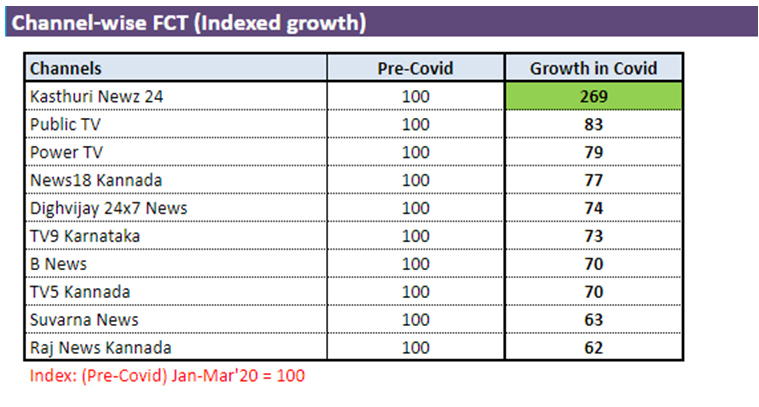
    While the ad revenues were scaling up for news channels during the past three months, as per TAM AdEx data, apart from Kasthuri News 24, which recorded a 15 per cent increase in the count of advertisers too, none of the other news channels witnessed positive growth. Overall, there was a 33 per cent drop in the tally of advertisers. 

    However, during the Covid2019 period, the numbers kept growing month-on-month. While comparing the count of advertisers in June’20 and April’20, TAM AdEx witnessed a 19 per cent growth, reveals the TAM AdEx data. 

    Masteh states that these numbers will continue to grow if the Covid2019 numbers stay on the lower margin in the state during the coming months. “However, with GECs slowly claiming their stake back, we can witness slight dips in the ad revenues on news channels, but the growth will remain upward if the pandemic remains contained.” 

    Kumaran adds, “In Karnataka, retail clients have started spending from June onwards compared to pre-Covid2019 on TV (across genre) followed slowly by other regional/national clients. If continues in July–Aug, Karnataka market will see more ad spend if relaxation continues. The upcoming festive season of Dussehra and Diwali will expectedly revive the overall industry.”