Tag: The Hype Capital

  • The future of social media: Predicting trends and technologies that will shape the industry

    The future of social media: Predicting trends and technologies that will shape the industry

    Mumbai: Social media, once a novelty, has become an ingrained part of our lives. Platforms like Facebook, Twitter(now X), and Instagram connect us with friends and family, inform us about current events, and entertain us with endless content. But how will social media evolve in the coming years? What trends and technologies will reshape how we interact online?

    The rise of artificial intelligence (AI)

    AI has started interacting with and merging social media, and its influence will grow. Here are some ways AI will impact the future:

    . Content creation and personalisation: AI can analyze user data and preferences to create personalized content feeds. Imagine platforms curating news articles, videos, and posts tailored to your interests. AI can also assist content creators by generating ideas, writing captions, and editing visuals.

    . Community management and moderation: AI-powered chatbots can handle basic customer service inquiries and answer frequently asked questions, freeing human moderators to focus on complex issues. AI can detect and remove harmful content, promoting a safer online environment.

    .  Targeted advertising: AI will allow advertisers to hyper-target their campaigns, reaching the specific demographics and psychographics most likely to be receptive to their messages. This will lead to more effective advertising and a more personalized user experience.

    The power of data and analytics

    Social media platforms collect vast user data, providing valuable insights into user behaviour and preferences. How will this data be used in the future?

     . Social listening and brand reputation management: Brands can leverage social media data to understand public sentiment towards their products and services. They can then use this information to improve customer satisfaction, address negative feedback, and build brand loyalty.

     . Predictive marketing and content strategy: By analyzing user data, social media platforms and brands can predict what content will resonate with specific audiences. This allows for more targeted content marketing strategies, increasing engagement and conversion rates.

      . Evolving user privacy concerns: As data collection becomes more sophisticated, concerns about user privacy will continue to rise. Platforms must strike a balance between gathering valuable data and respecting user privacy. We might see stricter regulations and increased user control over data collection and use.

    The shift towards immersive experiences

    The future of social media might be on something other than our screens. Emerging technologies like (AR) and (VR) could play a part in how we interact online.

     . The rise of the metaverse: The metaverse, a hypothetical future iteration of the internet, could be a persistent, immersive virtual world where social interactions occur through avatars. Meta’s project didn’t go as planned, but we shouldn’t immediately disregard it!

    . Enhanced social experiences: AR overlays digital elements onto the real world. Imagine using AR filters to try on clothes virtually before buying them or using location-based AR features to discover new restaurants and hidden gems in your city.

    . Interactive content and storytelling: Social media platforms could integrate AR and VR elements into their existing formats.

    Focus on authenticity and community building

    As users become increasingly aware of the adverse effects of social media, platforms will need to prioritise user well-being and foster a sense of authentic connection. Here are some potential trends:

    . The rise of private messaging apps: Users may shift towards private messaging apps that offer a more intimate and controlled environment for communication. Platforms like Discord and Telegram are already experiencing significant growth, catering to communities with more specific interests.

    . The decline of clickbait and misinformation: With increased user scepticism towards online content, platforms should identify ways to solve the spread of misinformation and promote reliable sources. Algorithmic changes and fact-checking initiatives will be crucial.

    . Focus on meaningful interactions and well-being: Users crave genuine connections and positive online experiences. Platforms may prioritize features that promote healthy online communities, fostering meaningful discussions and real-world interactions.

    The future of social commerce

    Social media is no longer just a tool for connection; it’s becoming a powerful platform for commerce. How will social commerce evolve in the future?

    . Seamless shopping experiences: Social media platforms integrate features that allow users to discover products, browse reviews, and purchase directly within the app. One-click buying and integration with payment platforms will further streamline the shopping experience.

    . The rise of influencer marketing: Influencers will continue to play a significant role in social commerce. Brands will partner with micro-influencers with highly engaged audiences to promote products and services more authentically.

    The evolving role of social media platforms

    As technology and user preferences evolve, social media platforms must adapt to remain relevant. Here are some potential changes in the platform landscape:

    . The rise of decentralised social media: Decentralised social media platforms give users more control over data and content. These platforms utilize blockchain technology to distribute data storage and content moderation across a network of computers. While still nascent, decentralized platforms could offer a more user-centric alternative to traditional social media giants.

    . Subscription-based models: Social media platforms may charge a subscription fee for premium features or ad-free experiences. This could provide a new revenue stream for platforms while giving users more control over their experience.

    . The rise of niche platforms: Niche platforms will continue to emerge, catering to specific interests and communities. These platforms offer a more focused and potentially less toxic environment for users with shared interests.

    The ethical considerations of a connected future

    The future of social media presents exciting possibilities but also raises ethical concerns. Here are some issues that need to be addressed:

    . The impact on mental health: Social media is linked to depression and other mental health complications. Platforms are responsible for promoting healthy online habits and creating features that support user well-being.

    . The spread of misinformation: The spread of false information on social media can significantly impact society and democracy. Platforms need to implement stricter fact-checking mechanisms and educate users on media literacy.

    . Data privacy and security: Data collection is becoming sophisticated, and user privacy concerns will remain paramount. Platforms must be transparent and empower users to control their data.

    Social media has changed the way we communicate and interact with the world. With evolving technology, social media’s future will be more immersive, personalized & data-driven. While exciting opportunities lie ahead, addressing ethical concerns and ensuring a future where social media fosters positive connections, promotes well-being, and empowers users is crucial.

    This future will require ongoing collaboration between users, platforms, and policymakers to create a responsible and equitable online environment. By harnessing the power of technology for good, social media can continue to connect us, inform us, and empower us to create a better future.

    The article has been authored by The Hype Capital founder Sachin Shah.

  • The psychology of personal branding: Understanding your audience

    The psychology of personal branding: Understanding your audience

    Mumbai: Personal branding, once a niche concept, has become an integral part of how individuals present themselves in the digital age. Going by the mass adaption of the term across mediums, it is safe to say people understand the importance of personal branding. While most people understand the importance of personal branding and know what it means, they don’t understand the intricate relationship between personal branding and psychology.

    But before we delve into that relationship, let’s understand a bit more about personal brand. Your personal brand is an extension of yourself. It’s not just about how you want to be perceived but also about understanding who you are. Self-perception influences the authenticity of your personal brand, shaping how others view you. While you have control over your self-perception, others form their perceptions based on various cues – from your online presence to your offline interactions. Understanding how people perceive you allows you to refine and align your personal brand more effectively. The image you project is a crucial aspect of personal branding. It’s the mental picture people form when they think about you. Crafting a positive and consistent self-image contributes to a robust personal brand.

    But, it is essential to understand that not everyone will resonate with your personal brand, and that’s okay. This acceptance will only come when you have a very clear picture of your target audience. A targeted approach ensures that your efforts are focused and impactful. Delve into the demographics, preferences, and behaviours of your target audience. It’ll help you with insights into your audience’s needs, allowing you to tailor your personal brand to meet those needs effectively.

    When you have a clear picture of your target audience, their needs and desires, you can use Maslow’s Hierarchy of Needs. It serves as a psychological framework to understand what drives human behaviour. Everything a human does is based on where they stand on the 5 levels of hierarchy viz physiological needs, safety, love/belonging, esteem, and self-actualization. Without the needs met, people often don’t explore their desires and wants. One interesting thing to remember here is that the levels may be different for different people. Some people may put love over safety and so on. A detailed and well-established TG will help you understand where to place your TG.

    With the TG in place, it becomes easier to communicate and take actions that foster a strong and meaningful connection. Your personal brand message should reflect the values and beliefs shared by your audience. This alignment creates a resonance that goes beyond superficial connections, establishing a sense of shared identity. Many people struggle with this part because they focus too much on what the audience wants, driving away from their true selves and losing their authenticity. If you’re not authentic, people will see through your falsehoods. It is impossible to keep a facade on for too long, so ensure your communication and approach is authentic.

    So how does one build connections with this TG while being authentic? We can reach there when we understand that emotions drive decisions. Leveraging emotional branding allows you to create a memorable and impactful personal brand. It’s about evoking emotions that resonate with your audience and leave a lasting impression. You can do so by identifying emotional triggers that resonate with your audience. Whether it’s joy, nostalgia, or a sense of belonging, strategically incorporating these triggers into your personal brand enhances its emotional appeal. One very important thing here is to ensure you don’t manipulate your TG using those emotional triggers.

    You can use those triggers to create content that speaks directly to the interests and needs of your audience. Tailor your messaging, visuals, and tone to align with their preferences, ensuring that your personal brand remains relevant and engaging. Solve their problems, educate them, or entertain them. You can do so by stories because humans are wired to respond to stories. Craft narratives that not only showcase your journey but also resonate with the experiences and aspirations of your audience. This storytelling approach creates a powerful psychological connection.

    When you’ve followed all of the above steps and have been rolling out content regularly, it is time to seek feedback from your audience. Ask your audience questions, see what they’re keen on understanding, and then build from there. You also need to check analytics as they provide quantitative insights into the performance of your personal brand. Feedback and analytics are invaluable tools for understanding what works and what needs adjustment. Use them to make informed decisions.

    To summarise, it is safe to say personal branding is a psychological dance between self-perception, audience perception, and the emotions that bind them. Understanding these intricacies empowers you to craft a personal brand that goes beyond the surface, creating a genuine and enduring connection.

    Psychology is not just a tool; it’s the essence that breathes life into your personal brand. Embrace the nuances of human behaviour, continuously refine your approach, and watch as your personal brand becomes a magnet for lasting connections and opportunities.

    The author of this article is The Hype Capital founder Sachin Shah

  • Beyond the notes: Navigating the crossroads of AI and artistry in music: Part 2

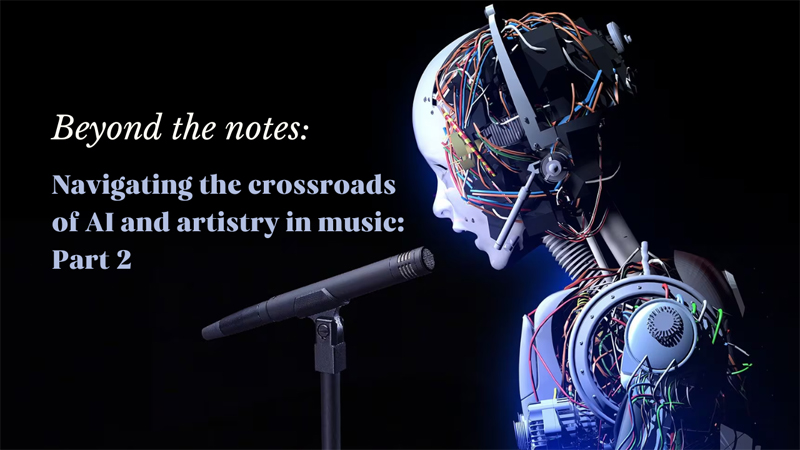
    Beyond the notes: Navigating the crossroads of AI and artistry in music: Part 2

    Mumbai: As technology continues to evolve with each passing day, artificial intelligence appears to gain a strong and steady foothold in the very existence of human beings. The inescapable integration of AI is becoming more palpable, shaping a formidable future that blurs the lines between the artificial and the human.

    Soon, AI’s omnipresence threatens to permeate every industry, from the harmonies of music to the intricacies of architecture. In this era of rapid transformation, the ascent of artificial intelligence is not merely a paradigm shift; it is an indomitable force reshaping the narrative of our collective tomorrow.

    Through conversations with industry experts, and key figures, we have gleaned insights into their perspective on AI causing a potential threat to the music industry and artists’ creative processes with the rising use of AI tools to make dubbed versions of a song in different artists or people’s voices.

    The Hype Capital founder Sachin Shah

    I do not perceive AI as a direct threat to the music industry or the creative processes of artists. This is primarily because AI is still in its early stages, and larger corporations and platforms have taken appropriate measures to prevent its misuse. One of the examples of this is YouTube, which disclosed on their blog on 14th November, “We’ll require creators to disclose when they’ve created altered or synthetic content that is realistic, including using AI tools.” I anticipate that more companies will follow this trend to ensure a safer space and prevent the abuse of AI technology.

    Furthermore, artists can leverage AI to streamline their musical journey and processes, making use of the available tools to achieve better results. Although this may be easier said than done, it is always good to streamline things and use the available resources to make our lives better.

    Serial entrepreneur, tech visionary & advisor Vinod K Singh

    The rapid advancement of AI tools has opened up a new frontier in music production, enabling the creation of dubbed versions of songs in different voices. While this technology holds immense potential for creative expression, it also raises concerns about its potential impact on the music industry and the artistic process.

    On one hand, AI-generated dubs could threaten artists’ control over their work and deprive them of rightful royalties. The ability to effortlessly create unauthorized versions of songs could potentially diminish the value of original recordings and undermine artists’ financial stability.

    However, AI can also be harnessed as a powerful tool for musical exploration and innovation. By leveraging AI’s ability to analyze and mimic human vocal patterns, artists can expand their creative horizons and experiment with new sonic possibilities.To mitigate potential threats and maximize the benefits of AI in music creation, clear guidelines and ethical frameworks need to be established. This will ensure that artists’ rights are protected while encouraging the responsible and innovative use of AI in music production. By striking a balance between addressing concerns and embracing opportunities, we can foster a future where AI serves as a catalyst for artistic growth and creative expression.

    Leadzen.ai co-founder and CEO Sonakshi Pratap

    I believe it’s crucial to address the potential impacts of AI on the music industry, particularly regarding the creation of dubbed versions of songs in various artists’ voices. While AI offers incredible opportunities for innovation and accessibility in music, it also poses significant challenges to the integrity and authenticity of the artistic process.

    AI’s ability to replicate voices and styles can lead to a dilution of the unique qualities that individual artists bring to their work. This technology, if unchecked, risks turning unique artistic expressions into commodities that can be easily replicated and distributed, undermining the value of original creations. Moreover, there’s a profound ethical consideration regarding consent and rights. Artists’ voices and styles are deeply personal and often a result of years of hard work and personal development. Using AI to replicate these without consent or proper attribution can be seen as a form of artistic identity theft.

    However, it is important to recognize that AI is a tool, and like any other tool, its impact depends on how it is used. If employed responsibly, AI can enhance the creative process, opening new avenues for artists to explore and collaborate. It is essential for the industry to establish clear ethical guidelines and legal frameworks to ensure that AI is used to support artists rather than undermine them. This way, we can embrace the benefits of AI while protecting the heart and soul of musical creativity.

    Langoor CEO Venugopal Ganganna

    The way we collaborate and create music has changed. AI has not only democratised songwriting but is also being used by marketing agencies like ours to create stock music for video content. One disruptive way to work with AI is to use it as a music co-pilot to create all the backing instrumentals. Think of it as magically conjuring an extra band member. Google recently announced a new software that creates entire backing tracks for a melody line ingested into the LLM. So while AI presently does a functional job (at best) of replicating popular recording artists’ music (in its entirety), it doesn’t seem capable of putting them out of business — yet.

    Dot Media co-founder & CEO Shubham Singhal

    At Dot Media, we recognize the evolving landscape of the music industry with the increasing use of AI for creating dubbed versions. While AI tools offer exciting avenues, the potential threat lies in the delicate balance between innovation and the preservation of artists’ originality. We must ensure that the essence of a musician’s unique creative process remains intact amid technological advancements. Dot Media is committed to empowering artists through AI, emphasizing its role as a collaborator rather than a substitute. By prioritizing artists’ originality, we navigate the evolving landscape responsibly, fostering a future where technology augments, not hinders, the authenticity of musical expression.

    Tagglabs founder Hariom Seth

    During the ICC World Cup 2023, our use of AI revolutionized Royal Stag’s advertising strategy. We introduced personalized videos featuring Rohit Sharma addressing fans by name, a groundbreaking move that eliminated the need for repetitive recordings. This showcased the efficiency AI brought to the campaign, not only elevating fan engagement but also streamlining production and saving valuable time and resources.

    On a broader scale, instances like the proliferation of fake Drake videos highlight the urgent need for new legislation regarding AI-generated content. Such exploitation, where creators use the voice of artists like Drake to profit, emphasizes the necessity to protect original artists from financial harm. It is imperative to establish stringent measures and regulations to penalize those who breach these boundaries.

    Simultaneously, there’s a crucial need to differentiate between content that entirely replicates an artist and AI-generated content that draws inspiration from human work while introducing new elements. Striking this balance in regulation ensures the protection of creators and fosters a landscape where innovation thrives within ethical boundaries. By categorizing AI-generated content and implementing measures against misuse, we create a framework that not only safeguards artists’ interests but also encourages responsible and creative use of AI technology in the evolving landscape of content creation.

    Entropik founder & CEO Ranjan Kumar

    Deepfake technology utilizes a machine learning mechanism called the Generative Adversarial Network (GAN) to fabricate deceptive images and videos. In light of the growing threat posed by deepfake videos, there should be a concerted effort to develop and deploy effective deepfake detection technologies and establish robust regulations to mitigate the risks associated with deepfake technology. AI-manipulated media can be difficult to detect manually. Therefore, tech companies like Microsoft and Intel have introduced deepfake detection tools such as Video Authenticator, FakeCatcher, etc., and more global companies are now following suit by introducing user-friendly detection tools. There is a need for global cooperation on AI. Governments must enact stringent laws and run mass public awareness campaigns to educate people about how to protect their social media privacy and identify such content. AI regulation can be used to mitigate the creation of unlawful and non-consensual deepfakes and ensure accountability in their creation and distribution.

    TreadBinary Technologies Pvt Ltd director Yuvraj Shidhaye

    In the evolving landscape of the music industry, the rising use of AI tools poses a dual-edged sword. On one side, the potential threat to the uniqueness that defines each artist is palpable, as AI-generated voices and 3D simulations run the risk of homogenizing the creative landscape. The very essence that artists capitalize on for their careers—individuality—stands at the crossroads of technological advancement. If AI is not moderated correctly, it can become an imposter, posing a significant risk to the authenticity artists bring to their craft.

    However, in a parallel narrative, where VFX and animation elevate the viewer experience, the strategic use of AI, with permission from the artist, has the power to transcend human capabilities. Imagine a music concert featuring not only living artists but also those who have passed, such as Michael Jackson or Elvis Presley. The experience offered transcends imagination.

    Much like a hammer in the hands of a skilled worker can create furniture or tools, while in the hands of a psychopath, it can be destructive, AI, when used wisely, can either be a creative force or a destructive influence. The key lies in striking a balance and ensuring that AI serves as a tool for innovation, complementing artists rather than overshadowing the unique voices that make the music industry vibrant.

    VijayBhoomi University dean of school, faculty – sound engineering Nilesh Thomas

    From my perspective, I maintain the perspective that artificial intelligence does not present substantial threats to professions that rely heavily on creativity. What AI is potentially doing at the moment is in some ways democratizing music creation by making it more accessible to a wider range of people. Those who may not have traditional musical training can use AI to experiment and express their ideas to quickly generate original music for various purposes like videos.

    Complete reliance on AI to create original music (or any form of art) will potentially lead to an erosion of human-centric artistic identity, which is an important factor in how we appreciate and relate to art. If AI tools become too involved in the creative process, the unique human touch, emotions, and personal experiences that artists bring to their work may be diminished. This could affect the emotional resonance and authenticity of the music. For example, would you rather go to a concert by a machine or Arijit Singh, for a perfect weekend evening with your loved one?

    On the other hand, AI tools can be used to greatly augment and enhance the creative process. Artists can leverage AI to explore new sounds, generate unique compositions, or aid in the production process. This could lead to the creation of innovative and groundbreaking music. AI can significantly speed up the production process, helping artists experiment with different versions of their work more efficiently. This can free up time for artists to focus on the more nuanced aspects of their craft.

    RV University, professor and dean, School of Film, Media and Creative Arts, Prof. (Dr.) Piyush Roy.

    Music or any other creative output that has stood the test of time, or for it to withstand trends, the feeling has to be created among the audience. Has the best of CGI been able to replace the impact of shooting an epic in a literary epic scale, like Mughal-e-Azam, Gandhi, or Lagaan with real people? Will it work if the AI dubs in any voice? No, it has to be in the voice of a recognised artist, and that recognition happens for the achievement, vocal nuance, and uniqueness in rendition, brought about by that person’s signature. Such experimentation is no different from that of copying a signature, but the original is always original, and imitation will always remain so. AI creativity for sure will get mediocrity a competition, but true talent need not bother or fear, because their newness comes from an originality exclusive only to the human experience, ingenuity and mettle.

    Red FM and Magic FM COO & director Nisha Narayanan

    In the era of AI thrusting its way into the music scene, the potential ramifications for the industry and artists demand a strategic and nuanced perspective. At Red FM, we are not turning a blind eye to the efficiency gains that AI brings to the music-producing industry. However, in our own way, we are navigating the AI maze by protecting the value of human creativity. Our effort lies in balancing technological advancements with the human element to make the most out of musical artistry.

    We just believe that AI needs to be the backup dancer and not the lead singer stealing the spotlight from humans. As we move forward, collaboration is the name of the game. Be it with fellow partners, industries, or now with machines. We will continue all our efforts in empowering artists as our innovative resources meanwhile preserving the soul of music amidst technological progress.

  • Elevate your brand’s game through the power of generative AI!

    Elevate your brand’s game through the power of generative AI!

    Mumbai: In the fast-paced world of business, staying ahead of the curve is essential for success. One of the most transformative tools at your disposal today is generative Artificial Intelligence. Leveraging the power of AI can be the key to elevating your brand’s game to new heights. Gone are the days of one-size-fits-all marketing. Generative AI can craft personalised marketing content that resonates with individual customers. This includes tailored email campaigns, product recommendations, and social media advertisements. AI analyses customer behaviour and preferences to create content that speaks directly to your target audience, increasing the effectiveness of your marketing efforts.

    In this article, we’ll explore how the industry experts have shared their thoughts on AI revolutionising brand’s operations and enhancing customer engagement, ultimately driving growth and success.

    Edited excerpts

    Buffalo Soldiers co-founder & head of delivery Arnab Kundu

    In the digital age, a brand’s potential is boundless. Generative AI isn’t just another tool; it’s a transformative force, reshaping narratives and crafting experiences previously deemed impossible. It helps elevate your brand’s game not by mere increments, but by leaps and bounds. With the power of Generative AI, we’re not just telling stories; we’re birthing universes, creating moments that resonate deeper and longer. And the game has just begun.

    BottleOpeners co-founder & CEO Sachin Kumar

    In the ever-evolving landscape of marketing, the transformative potential of Artificial Intelligence (AI) and machine learning has been widely acknowledged. While their role in brand building through content creation is not a novel concept, recent strides in technology have brought automated text generation, particularly in language processing, to the forefront. Brands are looking to harness the power of generative AI to enhance consumer lives, emphasising the pivotal role of content in this transformative journey.

    Recent advancements enable AI to craft news, blog posts, and marketing copy efficiently, fundamentally altering the content production landscape. Bain’s survey, spanning 600 companies across 11 industries, identifies generative AI’s key applications in customer engagement and service (47%) and content generation and localization (39%).

    This dynamic field has become mainstream, offering unparalleled quality, reliability, ease, and speed. Tech leaders are fuelling increased budgets into AI language technology, with a notable 10% surge since 2020. For brands, the rise of generative AI signifies a golden opportunity to revolutionise brand building through differentiated content created with ease and at high speed.

    The Hype Capital founder Sachin Shah

    AI has been the talk of the town in 2023, and we’ve had a very diverse set of reactions from people. I believe Generative AI can help us take our game to the next level. From crafting compelling ad copy to generating stunning visuals, Generative AI is like unleashing a creative genie from the data-driven bottle. However, using text-generating tools can be tricky because you don’t always get perfect things in one go – you always have to iterate on the results and explain what you liked and what doesn’t work for you. For visuals, it is not easily accessible to all with credit limits and packages. It also requires a decent understanding of styles to generate solid output. If you have the patience, time, and curiosity to learn, experiment and iterate it can be helpful. For now, Generative AI can be your ally in helping your brand go to the next level if you know how to use it

    DiamondXE founder & CEO Ankit Singh Kimtee

    AI has emerged as a game-changer in the landscape of modern business, revolutionizing how we interact with technology. At DiamondXE, we’ve harnessed this potential to reshape the diamond trade. Imagine an AI companion guiding you through a treasure trove of over 8,00,000 diamonds. With every click, our AI learns and fine-tunes its suggestions, curating choices that match customer preferences. It’s like having a personal diamond advisor, available 24/7. AI isn’t just transforming our platform, it is also elevating customer experience through interactive chat support. Embrace this AI-powered future with DiamondXE, where buying the perfect diamond is an exhilarating, personalised journey. Let AI redefine how you perceive and purchase diamonds, setting the stage for a new era in the diamond business.

    ShipEase CEO & co-founder, entrepreneur Pawan Kumar

    In today’s fast-paced digital landscape, staying ahead of the competition is essential. That’s where generative AI comes in – a cutting-edge technology that empowers your brand to break through boundaries and soar to new heights. With the ability to create, curate, and personalise content at scale, generative AI unleashes a world of possibilities.

    Imagine effortlessly crafting compelling marketing campaigns, generating engaging social media content, and tailoring product recommendations to each customer. It’s not just about efficiency; it’s about making a lasting impact on your audience.

    Generative AI is the secret sauce that can revolutionise your brand’s approach to content creation and customer engagement. It’s time to harness the potential of this game-changing technology and watch your brand shine in the digital arena. Don’t settle for mediocrity when you can achieve greatness with generative AI at your side. Elevate your brand’s game today!

    AutoNxt Automation CEO & founder Kaustubh Dhonde

    As the founder of a pioneering startup manufacturing Electric Self-Driving Tractors, I have witnessed firsthand the transformative potential of generative AI. It’s not just about innovation; it’s about revolutionising agriculture. With the power of generative AI, we’re not just elevating our brand’s game; we’re rewriting the rules of farming. Our self-driving tractors, infused with AI intelligence, redefine efficiency and sustainability. They empower farmers to do more with less, fostering a greener and more productive world. The synergy between cutting-edge technology and farming tradition is our mantra, and generative AI is the cornerstone of this synergy. Together, we’re cultivating a future where agriculture isn’t just a way of life; it’s a way of progress. Harness the power of generative AI, and let’s redefine the future of farming, one autonomous plough at a time.

    TheSmallBigIdea associate director – key accounts Kruthika Ravindran

    In this ever-evolving world of brand-consumer relationships, understanding each individual on a personal level remains an insurmountable challenge. The true brilliance of Generative AI lies in its unparalleled ability to dynamically tailor the brand’s voice to every unique consumer, adapting seamlessly to their evolving needs, all at an incredible speed and scale. It’s not just what a brand wants – it’s what it needs. Generative AI, unquestionably, is the game changer brands have been waiting for, and the time to embrace this transformative technology is now.

    Efficacy Worldwide founder Vishnu Sharma

    Generative AI models like GPT-3 are trained on vast amounts of text data and can generate human-like text based on the input provided. This technology can be used for a wide range of creative and practical applications for a brand to elevate its marketing and positioning among the Target Audience.

    Generative AI can have a major impact on the following aspects of Brand Positioning:

    1) Effective content/communication creation

    2) Improve customer experience with Personalization.

    3) Data Analysis and Insights

    4) Advertising and Marketing activities

    5) Campaign execution and optimization

    Generative AI can help in building effective brand stories and messaging to create impact among the audience and can help a brand to build an efficient roadmap for various marketing and operational activities thereby leading to more effective campaigns and ROIs.

    QYOU Media India senior VP – programming & strategy Ashutosh Barve

    Generative AI is transforming the game for the content industry and this is only the beginning! To stay ahead of the curve, we at Q TV have recently launched content that has been scripted, voiced, and animated using AI tools. Idea brainstorming, research, visualisation, graphics, packaging, and unique custom animation as well as enhancing post-production are all possible within minutes using available AI tools.

    AI, in my opinion, won’t replace a creative human mind, but will certainly enhance the quantity and quality of work done, and I think within a very short period of time those who are masters in harnessing the tools of AI, will stand head and shoulders ahead of those who can’t. The near future is about optimising and re-skilling, and not about fearing AI.

    Animeta CEO Devdatta Potnis

    With generative AI, more so than the other technological advancements; it is not just about automating tasks; but amplifying human potential in the truest sense. It’s about augmenting the creative process, enhancing ideation, and enabling the brand to achieve feats that were once unimaginable or unexecutable for the lack of scale, volume and/or complexity. In the fast-paced, ever-changing digital landscape, staying ahead requires more than just keeping up. It demands a bold stride into the future, and generative AI, when blended with the driving force of human intelligence, is the key to unleash that. It’s the force that propels a brand to go from great to groundbreaking, from inventive to iconic.

    Spicetree Design Agency founder/director Shiraz Khan

    Using generative AI for content, creative, and brand strategies increases efficiency, productivity, personalization, and data insights.

    As we gather more ideas and inputs from generative AI, it is expected to find that they can become repetitive. Over time, this can result in losing authenticity and innovative thinking. While AI can help generate content, relying too heavily on it can lead to losing the personal touch and human connection crucial for connecting with the target audience. AI-generated content may lack the emotional resonance and creativity that human-generated content can provide. Additionally, there is a risk of generating low-quality or inaccurate content without proper oversight and validation. Therefore, it’s essential to strike a balance and not over-rely on AI tools.

    A thoughtful and strategic approach to implementing AI can maximize its benefits while minimizing drawbacks, ultimately improving a brand’s digital game. Therefore, generative AI should be used judiciously and selectively for maximum impact.

    In conclusion, the power of generative AI is a game-changer for brands looking to excel in today’s competitive business landscape. By implementing AI strategically in your operations, you can enhance customer engagement, streamline processes, and make data-driven decisions.

  • Why is social media important for business today?

    Why is social media important for business today?

    Mumbai: Social media has undeniably become an integral part of our lives. Whether it is connecting with friends, sharing our stories, or even conducting business, social media platforms have woven themselves into the fabric of our daily existence. For businesses, social media isn’t just about keeping up with the times; it’s about thriving in a digital world where connectivity, influence, and visibility matter more than ever.

    Before we indulge further in the importance, let’s go back in time and understand the roots of social media. Services like Bulletin Board Systems (BBS) in the 1970s and 1980s allowed users to communicate and share information through digital channels. However, it was in the late 1990s and early 2000s that the concept of social media as we know it began to take shape. The emergence of platforms like Six Degrees (launched in 1997) allowed users to create profiles and connect with others. It was followed by Friendster (2002) and MySpace (2003), which introduced more interactive and personalized features.

    Then, in 2004, Mark Zuckerberg and his Harvard University roommates launched Facebook, a platform that would revolutionize how people connect and share online. Facebook’s success paved the way for other social media giants like Twitter (2006), LinkedIn (2003), YouTube (2005), and Instagram (2010). These platforms facilitated social interaction and became fertile grounds for marketing and business development.

    The evolution of social media has been nothing short of remarkable. Initially, platforms primarily focused on personal connections, but over time, they expanded their features and capabilities to accommodate a wide range of activities, including business promotion.

    Today, social media platforms are incredibly diverse. You have Facebook, with over 2.98 billion monthly active users, providing a comprehensive environment for various types of content. Twitter(now X), known for its concise messaging, is a hotbed for trending topics and real-time engagement. LinkedIn has become a professional network for career development and business-to-business (B2B) connections. Instagram emphasizes visual content, while YouTube is the go-to platform for video content.

    Newer platforms like TikTok (2016) and Snapchat (2011) focus on short-form video and ephemeral content, appealing to younger demographics. This continuous innovation allows businesses to explore different platforms and tailor their strategies to diverse audiences.

    To understand the importance of social media for businesses, let’s dive into some compelling data:

    Facebook: With over 2.9 billion monthly active users, Facebook is the world’s largest social media platform. It offers a vast user base for businesses to reach potential customers.

    Instagram: Owned by Facebook, Instagram has over 2 billion monthly active users. It’s highly visual and favoured by younger demographics.

    Twitter: Twitter boasts 564 million monthly active users. Its real-time nature makes it ideal for quick, concise communication.

    LinkedIn: With 900 million users worldwide, LinkedIn is the premier platform for professional networking and B2B marketing.

    YouTube: As the second-largest search engine after Google, YouTube has over 2.5 billion monthly logged-in users. It’s an excellent platform for video content.

    TikTok: This short-form video platform has grown exponentially since its launch, with over 1 billion monthly active users worldwide.

    India is a global leader in social media usage, with a user base that’s larger than the population of many countries. As of 2023, there were around 467 million social media users in India, and it is expected to keep growing. Besides that, people aged between 16 and 64 used about 8 social media apps monthly. Such statistics underscore the significance of India as a thriving market for businesses seeking to establish a solid online presence.

    How can brands make the most of such a strong user base?

    1. Enhanced Brand Visibility: Social media offers businesses a global platform to reach potential customers. A compelling social media presence can significantly boost brand recognition.

    2. Cost-Effective Marketing: Social media marketing is often more affordable than traditional advertising, making it an excellent choice for startups and small businesses.

    3. Targeted Advertising: Most social media platforms offer robust tools for targeting specific demographics, ensuring your message reaches the right audience.

    4. Customer Engagement: Businesses can engage with customers directly, addressing inquiries, concerns, and feedback promptly.

    5. Content Distribution: Social media is an excellent channel for distributing content, whether it is blog posts, videos, infographics, or other materials.

    6. Community Building: Social media enables businesses to build and nurture a community of loyal followers and brand advocates.

    7. Data and Analytics: Comprehensive data and analytics tools help businesses understand their audience, evaluate the effectiveness of their campaigns, and make data-driven decisions.

    How does one build a solid brand and community on social media?

    1) Understand your target audience’s preferences, behaviours, and pain points.

    2) Regular and consistent posting keeps your audience engaged.

    3) Interact with your followers by responding to comments and messages while creating content that encourages engagement.

    4) Offer valuable, informative, and entertaining content that aligns with your brand’s values.

    5) Visual content, such as images and videos, often performs well on social media.

    6) Encourage your customers to share their experiences and feedback about your products or services.

    7) Collaborate with influencers who align with your brand to expand your reach.

    8) Regularly analyze your social media performance and adapt your strategies based on the results.

    In today’s digital age, the importance of social media for businesses cannot be overstated. It has evolved from being a platform for personal connections to a multifaceted tool for brand expansion, marketing, and customer engagement. With a growing user base and diverse platforms, businesses have an unprecedented opportunity to reach their target audience, build a solid online community, and enhance brand visibility. As social media continues to evolve, businesses that adapt and embrace its potential will be the ones that thrive in this ever-connected world.

    The author of this article is The Hype Capital founder Sachin Shah.

    https://datareportal.com/social-media-users 
    https://datareportal.com/reports/digital-2023-india 
    https://www.statista.com/statistics/272014/global-social-networks-ranked-by-number-of-users/ 
    https://sproutsocial.com/insights/social-media-statistics/