Tag: The Content Hub

  • Content bigwigs converge in Mumbai for Indiantelevision.com’s The Content Hub

    Content bigwigs converge in Mumbai for Indiantelevision.com’s The Content Hub

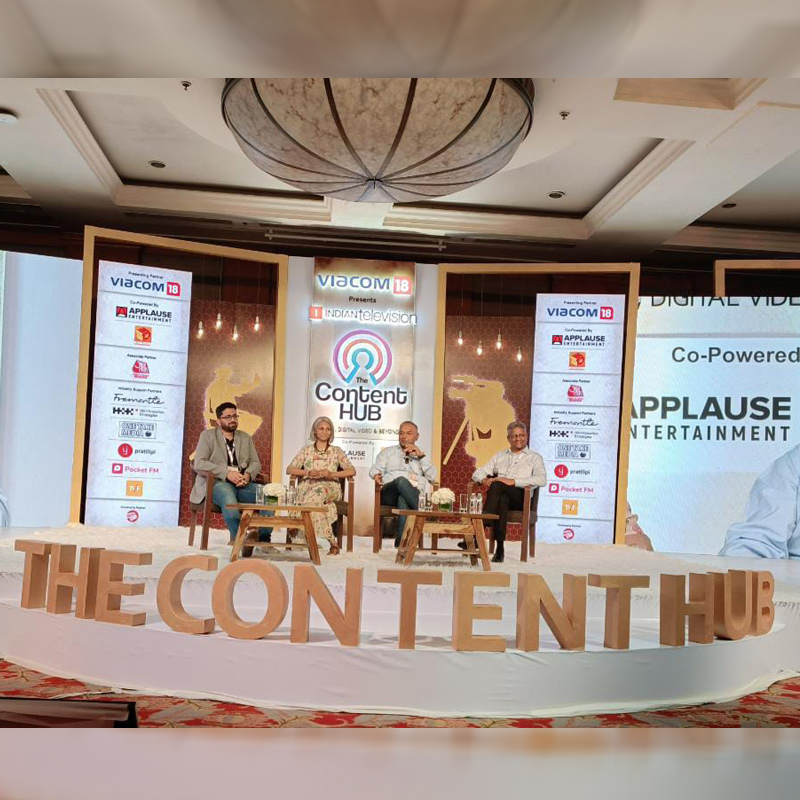
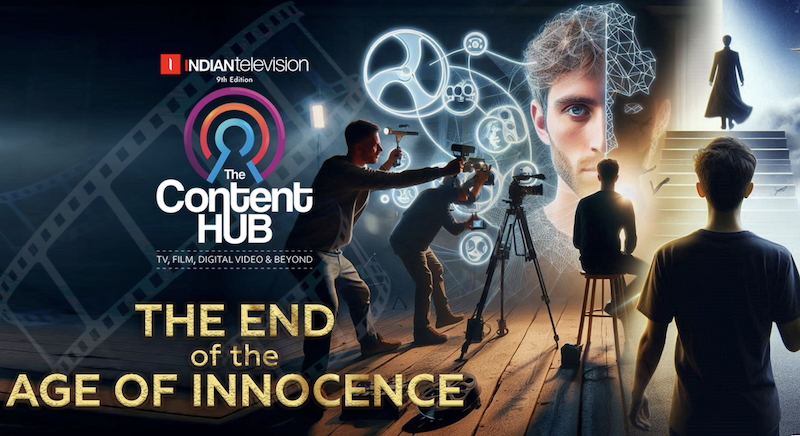
    MUMBAI: The floodgates of content may be open, but India’s audience has evolved—and she’s no longer easily pleased. That’s the sharp message echoing through the plush halls of JW Marriott, Juhu on 23 July as the ninth edition of Indiantelevision.com’s The Content Hub Summit gets underway.

    The theme, The End of the Age of Innocence, captures the new reality: streamers, broadcasters, and filmmakers can no longer afford to shoot in the dark. With 47 of the industry’s sharpest minds in attendance, it’s a day packed with soul-searching, strategy, and storytelling pivots.

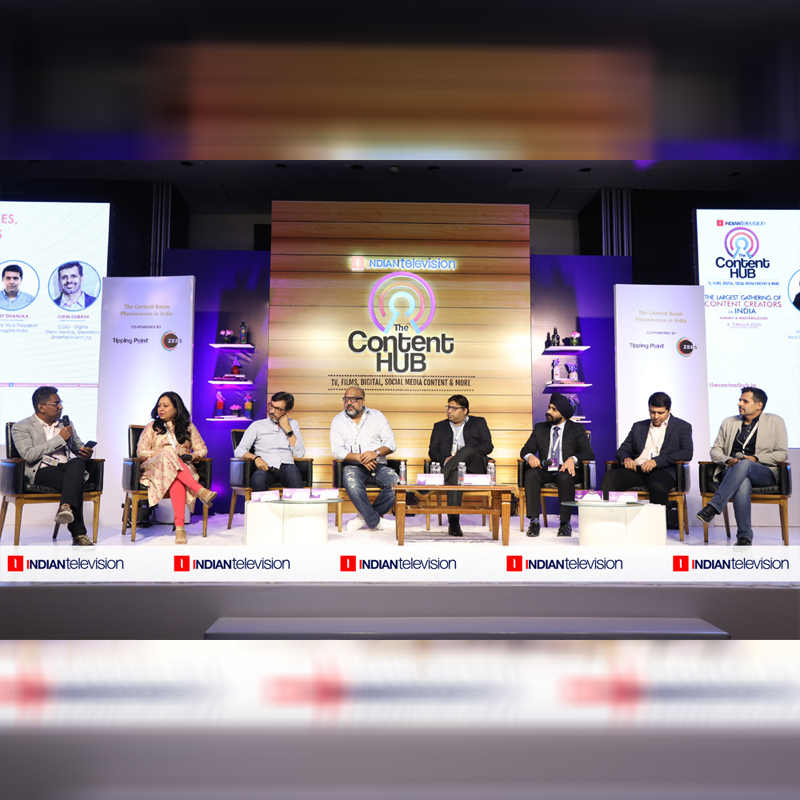
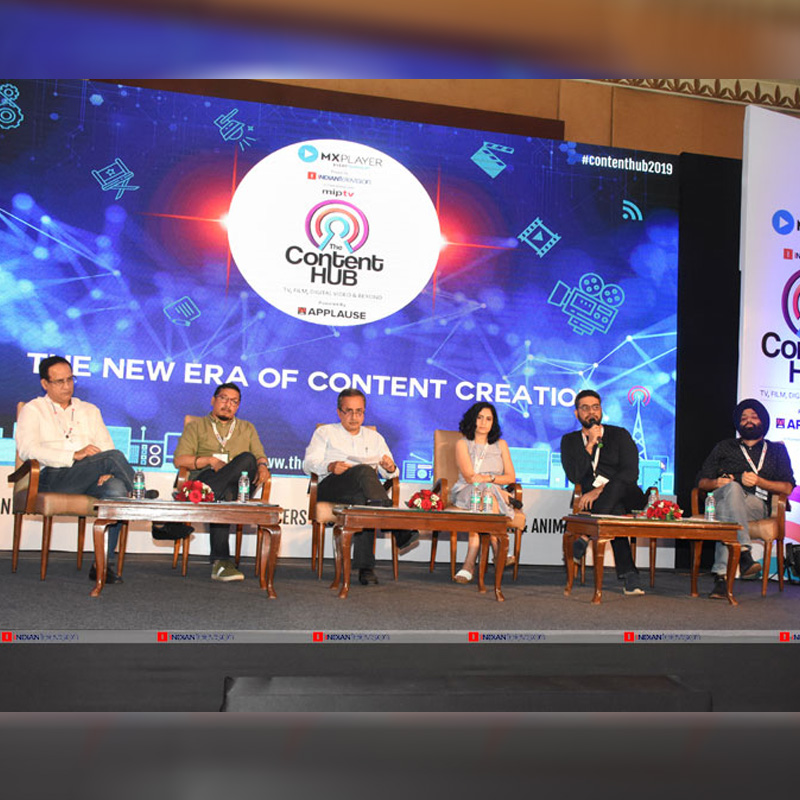
    The curtain-raiser is a heavyweight panel on The Future of Original Content, featuring SonyLiv’s Saugata Mukherjee, JioStudios’ Tejkarran Singh Bajaj, Rose Audiovisuals’ Goldie Behl, Pocket Aces’ Aditi Shrivastava, Applause Entertainment’s Swati Patnaik, and Terribly Tiny Tales’ Anuj Gosalia, moderated by E&Y’s Raghav Anand.

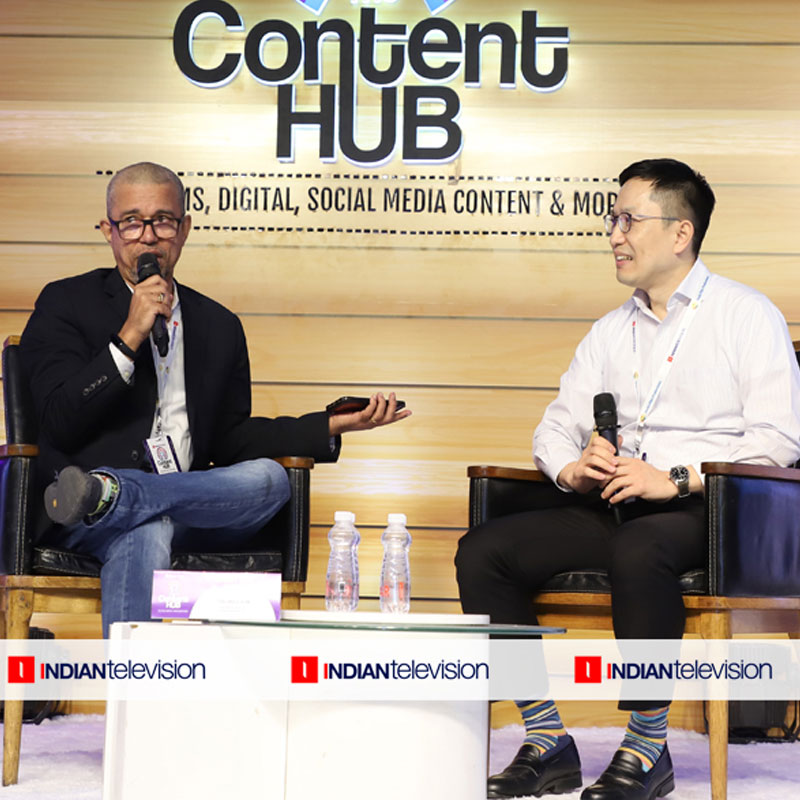
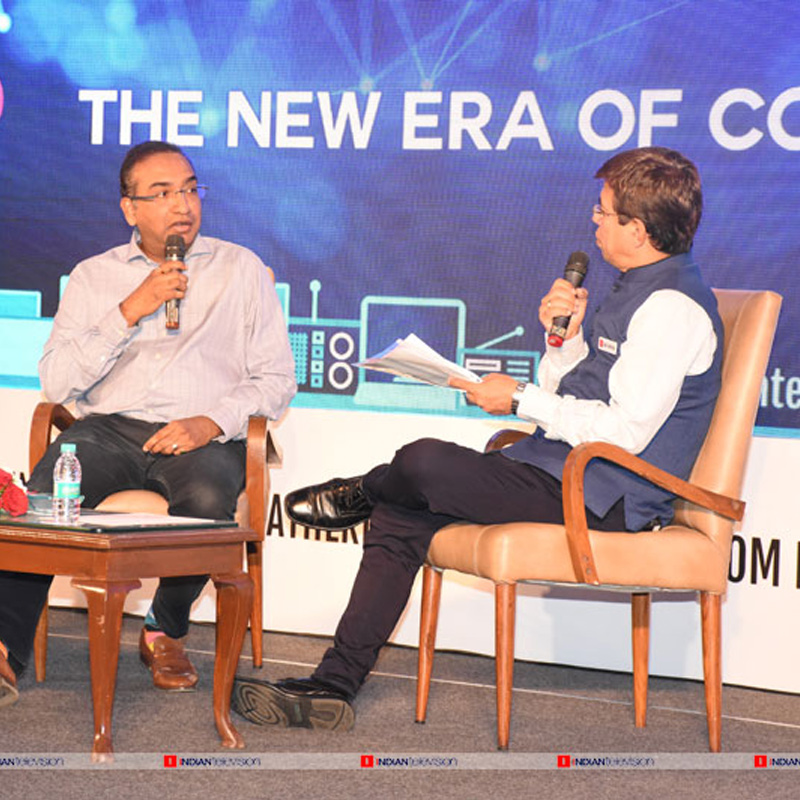
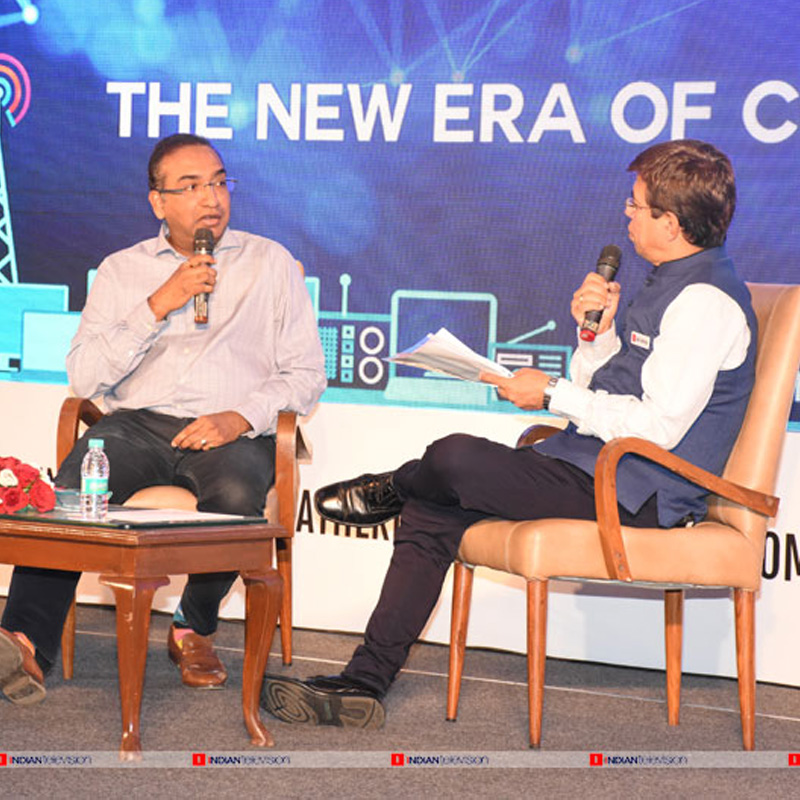
    That’s followed by a fireside chat between Prime Video’s Nikhil Madhok and Indiantelevision.com’s founder Anil Wanvari, diving deep into how platforms are rewriting playbooks.

    Next up: Mindset Change: You are not making for a single screen, a spirited panel on diversifying content, with Fremantle’s Aradhna Bhola, Applause’s Sunil Chainani, Juggernaut Productions’ Samar Khan, Sri Adhikari Brothers’ Kailash Adhikari, Marigold Studios’ Hemal Thakkar, and Balaji Telefilms’ Nitin Burman. Chairing the discussion is Bodhitree Multimedia’s Sukesh Motwani.

    JioStar’s Alok Jain is slated to stir things up with a solo presentation, Reclaiming Bold – Why Indian Entertainment Must Dare Again.

    A burning issue up next: the inconsistent fortunes of Hindi cinema at the box office. A high-stakes panel, Getting the Business Model Right, features Panorama Studios’ Abhishek Pathak, Red Chillies’ Aashish Singh, Ormax Media’s Sailesh Kapoor, Friday Filmworks’ Devendra Deshpande, and Zee Studios’ Pragati Deshmukh, with film critic Mayank Shekhar at the helm.

    Regional powerhouses take centre stage in The Rise of Regional Content, chaired by Elara Capital’s Karan Taurani. Speakers include PTC’s Rabindra Narayan, Shemaroo’s Arpit Mankar, Junglee Pictures’ Mamta Kamitkar, ETV Win’s Saikrishna Koinni, OTT Play’s Avinash Mudaliar, and Banijay Asia’s Rishi Negi.
    A rare fireside chat follows, with Banijay Asia CEO Deepak Dhar in conversation with Shekhar, setting the tone for a deeper dive into genre-bending creativity.

    That’s precisely what the next panel explores—Pushing Genre Boundaries. Writer-director Kussh S Sinha, producer-director Ravindra Gautam, Banijay’s Mrinalini Jain, Applause’s Rahul Ved Prakash, and director Vishal Furia spar with trade analyst Saurabh Varma moderating.

    The day wraps up with two back-to-back masterclasses. The first, on Rana Naidu, sees actor Sushant Singh, director Suparn Varma, and screenwriter Vaibhav Vishal join film critic Stutee Ghosh. The second, on Mandala Murders, features actor Vaani Kapoor, Netflix’s Tania Bami, and directors Gopi Puthran and Manan Rawat, with editor Swati Chopra in the chair.

    In a market where content is no longer king unless it resonates, The Content Hub Summit has one message: India’s audiences have grown up—and the industry must too.

    A cross-section of India’s content powerhouses has lined up in support of The Content Hub Summit, signalling the growing importance of storytelling as a strategic business lever.

    JioStar leads the pack as presenting partner, while Applause Entertainment and Banijay Asia have come on board as associate partners. Fremantle is the lanyard partner, ensuring high visibility with every badge flash.

    The industry partners roster reads like a who’s who of television and digital production: Contiloe Films, Sol Productions, and OTT Play have lent their support, amplifying the summit’s reach and relevance.

    The show of strength from across the ecosystem—studios, streamers, and production houses—underscores the summit’s sharp focus on content strategy in a market where the audience is now firmly in the driver’s seat.

  • TCH 2024: Need for sustainability & content creation

    TCH 2024: Need for sustainability & content creation

    Mumbai: The eighth edition of The Content Hub Summit delves into the ever-changing world of content creation. With the consolidation of platforms, creators face new hurdles in gaining visibility, maximizing revenue, and maintaining creative freedom. The event also explored the remarkable theatrical success of Indian cinema and unraveled the secrets behind its unprecedented profits, with a critical eye towards its sustainability.

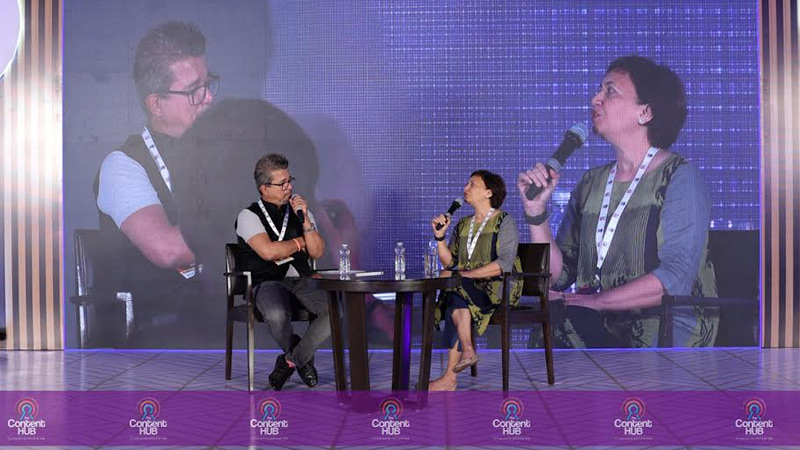
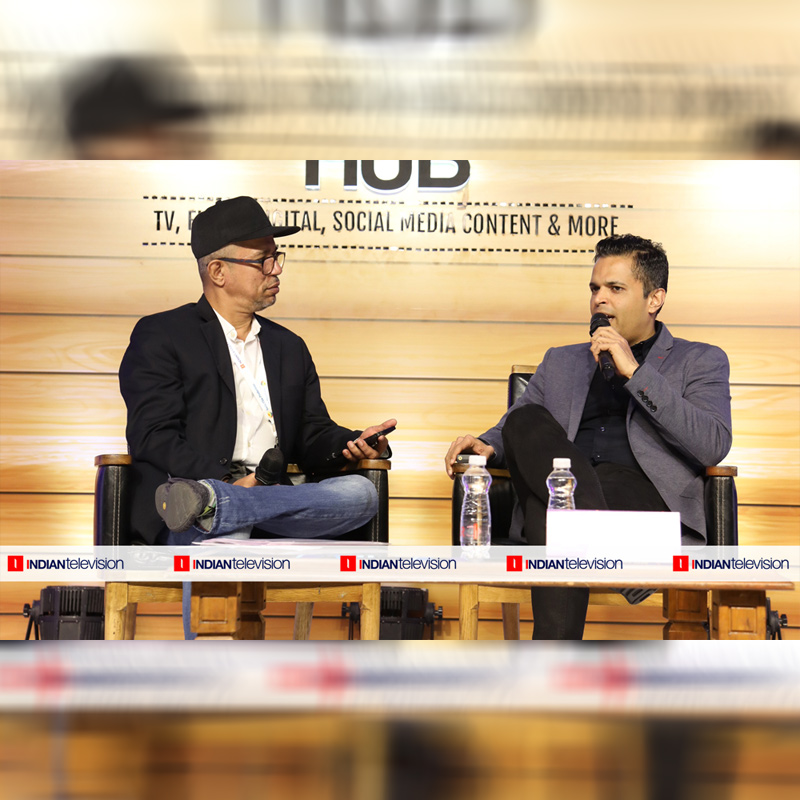
    The fireside chat saw Indiantelevision.com group founder, chairman & editor-in-chief Anil NM Wanvari in conversation with India GreenSet CEO & co-founder Anupama Mandloi.

    They discussed the critical importance of sustainability in content creation, especially in India, which leads in volume. They highlighted the industry’s potential for influence and the necessity to adapt to climate change. Mandloi emphasized the need for sustainable practices, citing examples like the Mumbai floods’ impact on business.

    Wanvari proposed initiatives like eliminating single-use plastics at events and forming industry alliances for sustainable standards. They emphasized the shift toward sustainability as a cultural change, stressing the industry’s collective responsibility and the need for unity to overcome hurdles.

    Mandloi suggested practical steps individuals can take, urging a bottom-up approach to drive the sustainability revolution.

  • TCH 2024: Ink on the edge: Overcoming challenges for writers with audio series

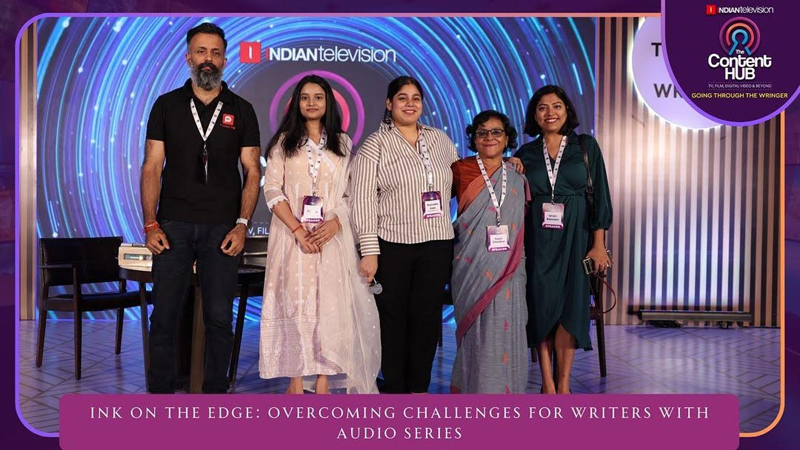
    TCH 2024: Ink on the edge: Overcoming challenges for writers with audio series

    Mumbai: The eighth edition of The Content Hub Summit delved into the ever-changing world of content creation. With the consolidation of platforms, creators face new hurdles in gaining visibility, maximising revenue, and maintaining creative freedom. The event also explored the remarkable theatrical success of Indian cinema and unraveled the secrets behind its unprecedented profits, with a critical eye towards its sustainability.

    The session was chaired by Radioandmusic.com editor Namrata Kale. It included the following panelists: writer & director Pubali Chaudhuri, screenwriter Ishani Banerjee, Majburi Main Bandha Ek Rishta writer Jigyasa and Pocket FM head – branding and communications Vineet Singh.

    The panel discussion shed light on the challenges writers face in the audio, film, and OTT industries, stressing the need for recognition, fair contracts, and empowerment.

    Pubali emphasized the need to acknowledge writers’ contributions and improve revenue sharing, while Ishani highlighted the significance of contracts, credits, and acknowledgment in empowering writers. Vineet outlined Pocket FM’s initiatives to empower writers globally with equitable revenue-sharing models, while Jigyasa shared her journey of discovering writing talent during the lockdown and finding success with Pocket FM.

    In conclusion, the panel underscored the industry’s commitment to addressing the challenges faced by writers and providing platforms like Pocket FM to showcase diverse narratives.
     

  • The Content Hub 2024: Audio series: The new blockbuster engine

    The Content Hub 2024: Audio series: The new blockbuster engine

    Mumbai: The eighth edition of The Content Hub Summit delves into the ever-changing world of content creation. With the consolidation of platforms, creators face new hurdles in gaining visibility, maximizing revenue, and maintaining creative freedom. The event also explores the remarkable theatrical success of Indian cinema and unraveled the secrets behind its unprecedented profits, with a critical eye towards its sustainability.

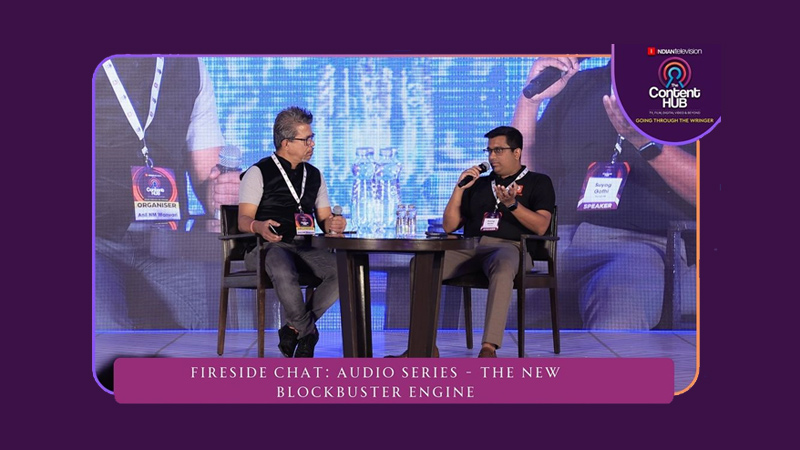
    The fireside chat saw Indiantelevision.com group founder, chairman & editor-in-chief Anil NM Wanvari in conversation with Pocket FM head – India and new markets Suyog Gothi.

    During the fireside chat, Gothi discussed the platform’s journey from humble beginnings to significant success. He highlighted the inspiration behind Pocket FM, the need for longer-form content in the audio space, and the platform’s unique monetization model.

    One memorable quote Gothi said was, “We’re not just competing; we’re creating a niche for ourselves in the entertainment category.” Gothi proudly mentioned that they have had four series crossing the 100 crore revenue mark, with more on the brink, showcasing the platform’s success.

    Gothi emphasized their focus on fostering a strong community of writers and their expansion into multiple languages and global markets. He also discussed the role of AI in content creation and their vision to evolve Pocket FM into a holistic entertainment platform.

  • TCH 2022: Language no barrier to consume South content, only quality

    TCH 2022: Language no barrier to consume South content, only quality

    Mumbai: The unending reservoir of talent emerging from the South across languages like Malayalam, Telugu, Tamil and Kannada indicates that language is no longer a barrier in the consumption of content, only quality. Experts discuss the implications of the South content market boom at Viacom18 presents The Content Hub Summit 2022 organised by Indiantelevision.com.

    What genres and stories are directors and producers from the South working on? The answer to this lies in a panel discussion that brought together the prominent creators of south-based content.

    The Content Hub Summit 2022 is co-powered by Applause Entertainment and IN10 Media Network. Aaj Tak Connected Stream is the association partner. Industry partners are Fremantle India, Hill+Knowlton Strategies, One Take Media, Pratilipi, Pocket FM and The Viral Fever. The Indian Motion Pictures Producers’ Association (IMPPA) is our community partner.

    The session was on the topic ‘The South Content Mantra: Regionalization at its Best’ and was chaired by 91 Film Studios founder and CEO Naveen Chandra. He was joined by Indian film producer and Guru Films founder and CEO Sunitha Tati, MMTV CEO P.R. Satheesh and AHA head-non-subscription Nitin Burman.

    The session moderator, Naveen Chandra opened with the question, “how can a 3.5 crore audience-Malayalam film industry make a 100-crore film? For that we need to find out how consumer habits transformed and what changes happened during the pandemic.”

    Panellists think that pandemic has changed the consumption habits dramatically and the growth of OTT platforms has bridged the gap between the masses and South India content.

    AHA head-non-subscription Nitin Burman opined that the craze for South movies is not recent. It has been there for a long time but it’s the numbers which have notably spiked now. “Earlier, access to this content was not there for the general audience,” he added.

    Indian film producer and Guru Films’ Sunitha Tati said that the way we look at the content is changing. “Post-pandemic, we distinguish between stories on whether it’ll draw audiences to the theatres or do we need to take it to the people on OTTs,” she said. Talking about the unique marketing strategy she remarked, “we actually learnt marketing from Bollywood, but we took it to the next level.”

    Talking about the growth of the South content industry MMTV CEO P.R. Satheesh said that people are now very particular about the quality of content. He noted, “it’s no longer about language. Language is no longer a barrier- it’s the quality of content that matters. And as we talk about the quality of content, the South industry is in its best stage right now,” he added.

    Watch the complete video of the discussion below.

  • The Content Hub 2022 Summit to be held on 29-30 June

    The Content Hub 2022 Summit to be held on 29-30 June

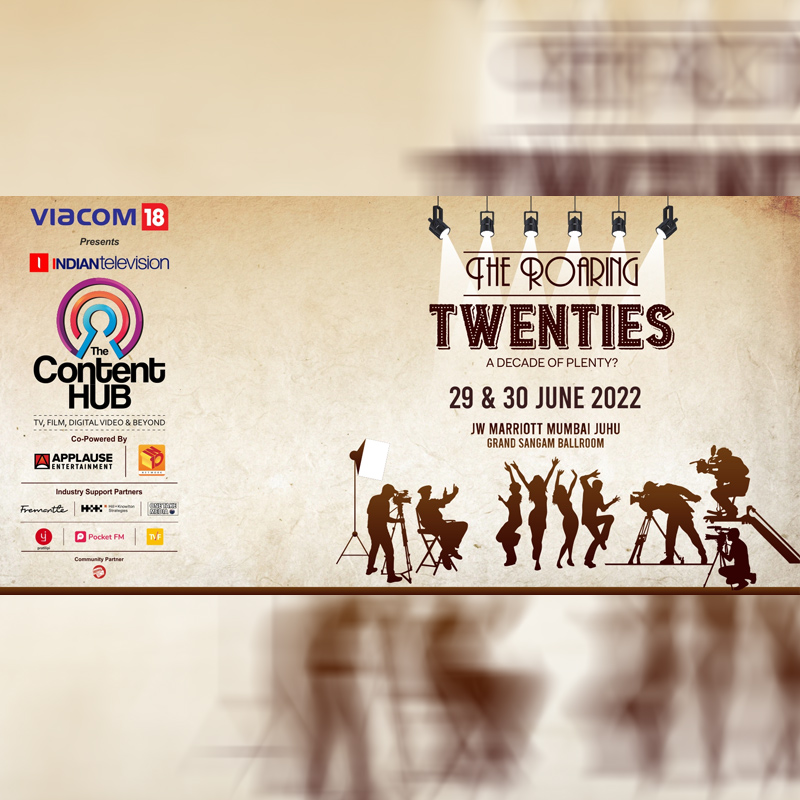
    Mumbai: Lights, camera and action! The scene is ready and the camera will soon be rolling on the sixth edition of Viacom18 presents Indiantelevision.com’s The Content Hub to be held on 29th and 30th June at JW Marriott Juhu, Mumbai.

    The two-day summit will bring together the leading content creators traversing the spaces of film, television and over-the-top (OTT) entertainment. The event is co-powered by Applause Entertainment and IN10 Media Network. Aaj Tak Connected Stream is the associate partner. The event is supported by industry partners Fremantle, Hill+Knowlton Strategies, One Take Media, Pratilipi, Pocket FM and The Viral Fever. The Indian Motion Pictures Producers’ Association (IMPPA) has come on board as a community partner. 

    This year, the event is centred around the theme – ‘The Roaring 20s – A Decade of Plenty?’ – signifying the opportunities for creators who are challenging the established content traditions and breaking free with refreshing narratives, content forms and the ability to tell stories on multiple platforms.

    The freedom enjoyed by creators today is encapsulated by the spirit of the 1920s which was marked by a general feeling of prosperity, novelty and associated with breaking away from tradition post the culmination of the First World War. A hundred years since the world is undergoing a transformation courtesy of the pandemic, streaming services, new content forms and formats have transformed entertainment consumption and the way content is produced.

    When it comes to content, consumers are enjoying a decade of plenty with the convergence of TV, film, video-on-demand, short-form, audio, video games and metaverse formats and transmitted over digital media.  Will the next decade see a further revolution and exploitation of the opportunities similar to the 1920s? That’s the question folks!

    Hear from India’s content czars and czarinas at The Content Hub outlining their plans for shaping the content landscape for the current decade. The head honchos from leading studios such as International Art Machine, Famous Studios, Applause Entertainment, Juggernaut Productions, StudioNext (Sony Pictures Networks), Endemol Shine India, Roy Kapur Films; OTT platforms including Zee5, Aha, Epic-On and renowned creators such as Alankrita Shrivastava (Bombay Begums), Jeo Baby (The Great Indian Kitchen), Aniruddha Guha (Rashmi Rocket), producer Sunir Kheterpal and more.

    India is at an interesting and exciting point in the content space where the next Emmy or Oscar will be awarded to the creator of an Indian film or series. Will Indian content follow the trajectory of the Korean Wave? And how? Will the 2020s prove to be India’s roaring twenties?

  • Creative content, diversity, smart recommendation engine & community building are key to UGC platform growth

    Creative content, diversity, smart recommendation engine & community building are key to UGC platform growth

    MUMBAI: While the last few years have seen the rise of online premium content, several consumers have also emerged as creators. The boom of user-generated content (UGC) has led to the adoption of a plethora of apps other than traditional video-streaming platforms. UGC platforms are here to stay but those need to focus more on personalisation, user information security, smarter recommendation engine and scaled up technology.

    Under The Content Hub Tech Series umbrella Indaintelevision.com hosted a virtual roundtable on the topic which saw Firework head of content and strategic partnerships Sudarshan Kadam, Roposo co-founder and VP product management Glance Avinash Saxena, Samosa Labs founder and ex-CEO Abhilash Inumella, Bolo Indya co-founder and CEO Varun Saxena, Akamai Technologies director of products – APJ Media Rishi Varma, Zee5 business head expansion projects and head of products Rajneel Kumar, moderated by Indiantelevision.com founder, CEO and editor in chief Anil Wanvari.

    The moderator started the session by charting out basic differences between over-the-top (OTT) platforms and UGC platforms. Akamai’s Verma pointed out that the biggest difference between UGC and OTT is the amount of content where the former trumps. He stated that on an average day, some of their UGC consumers individually can have 25,000-30,000 concurrent people broadcasting at any given point in time. While it comes to short videos, they are to the tune of a few millions every minute. 

    Bolo Indya’s Avinash Saxena said that one of the fundamental difference is the users holding power when it comes to UCGs. Along with showcasing talents, users can create multiple opportunities for themselves, even taking financial capital out of it. Inumella mentioned that the proliferation of smartphones has made it easier for common people to create content, leading to a boom in UGC. However, the panellists also noted that having different use cases, OTTs and UGCs can’t be looked at as contenders.

    Interestingly, one of the largest OTT platforms in India, Zee5, will soon venture into UGC. It is prepping itself for its entry into the segment through Hypershots. ZEE5’s Kumar said that the platform has been moving away from two primary types of content, catch up TV and original content in several categories like music videos, live TV and news, consistently over the last year. He noted that it's gaming platform partnered with Gameloft has seen upto six sessions a day per user each eight-minutes long, cementing its decision to work on UGC. 

    One of the major concerns for UGC platforms is content processing and monitoring content so it does not offend anyone. Firework’s Kadam said that it has AI, ML and human moderation for any content goes up on the platform. He added that whenever they see content is flagged by their system or moderation team, they go through the content to see that it is not hurting anyone’s sentiment. Since the platform is available across countries, it also keeps track of country-specific guidelines and sometimes opts for geo-blocking. Bolo Indya’s Avinash Saxena and Roposo’s Varun Saxena also spoke of multi-layered content monitoring. The former added that if the content is flagged they may not necessarily always remove from the platform but restrict to a certain community. 

    The experts agreed that content security is not a big concern for UGCs as they want to grow by getting their content shared across multiple platforms. However, impersonation and manipulation of content can be damaging for the platform. As the platforms have a long run ahead, experts believe more creativity of content, smart recommendation engine, diversity and community building will be key to growth. Even UGC platforms can look at the subscription model if they can add value to basic service while Firework already experimented with such a model.

  • Indiantelevison.com-Akamai webinar explores what makes UGC platforms tick

    Indiantelevison.com-Akamai webinar explores what makes UGC platforms tick

    MUMBAI: When Chad Hurley. Steve Chen and Jawed Karim created YouTube in 2005, little did they know their brainchild would spawn the phenomenon of user-generated video content. Today, more than 300 hours of video are uploaded by users on Youtube every minute resulting in billions of views per year. Ditto with social media outlets such as Twitter, Facebook, Twitter and hundreds of new entrants such as TikTok, Firework, Roposo etc.

    What is the technical architecture that goes into making a successful UGC video service? What is their business model? How have they fared during the pandemic and what kind of challenges are they continuing to face?  What are the practices business executives and tech professionals have put in place to optimise and provide a best in class service? 

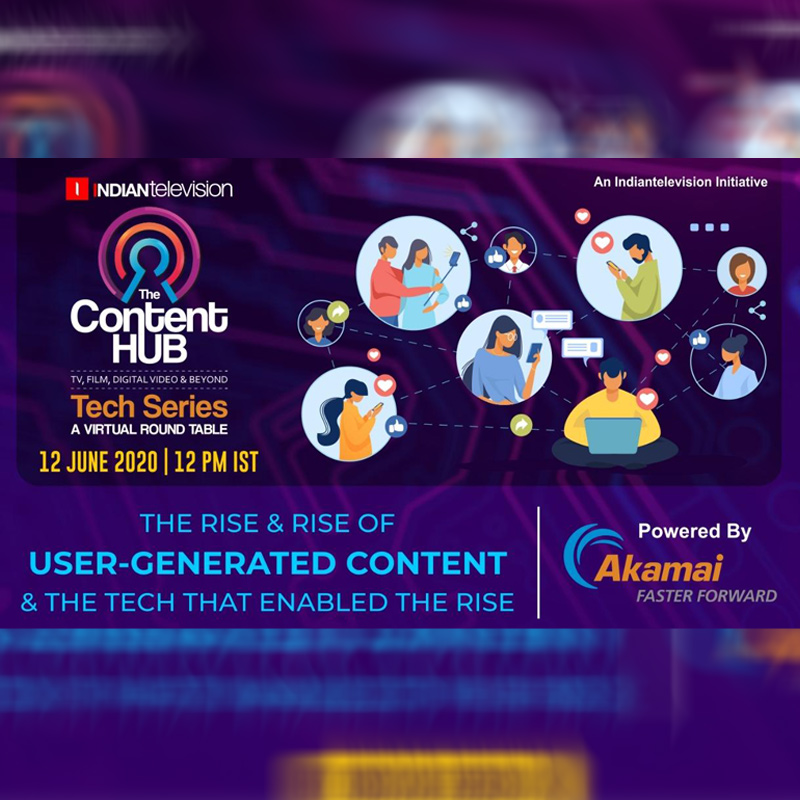
    These and many other such questions will be answered by a stellar panel of executives who will be coming together for a virtual round table “The rise and rise of user-generated content and the tech that enabled the rise” organised by indiantelevision.com in partnership with CDN and security provider Akamai Technologies. 

    Under The Content Hub Tech Series umbrella, it will feature industry’s top practitioners such as  Firework head of content & strategic partnerships Sudarshan Kadam, Roposo co-founder and VP product management Glance Avinash Saxena, Samoso Lab founder and ex-CEO Abilash Inumella, Bolo Indya cofounder and CEO Varun Saxena, Akamai Technologies director of products – APJ Media Rishi Varma, Zee5 business head expansion projects and head of products Rajneel Kumar. The virtual roundtable which is taking place on zoom and streamlined lined on indiantelevision.com social outlets will be moderated by Indiantelevision.com founder, CEO and editor in chief Anil Wanvari.

    Users can log onto indiantelevision.com’s  Facebook page (@ITVNewz)  today at noon to watch the interesting chat live as Wanvari gets the senior professionals to get as candid as they can get about this burgeoning vertical.

    Indiantelevision.com has over the past year  initiated and pioneered a series of virtual round tables in partnership with leading video tech suppliers and video content industry practitioners to help in spreading an understanding of tech and business challenges and solutions around them.

    Today’s session is a continuation of that initiative.

    Session: Indiantelevision.com’s The ContentHub Tech Series Virtual Rountable powered by Akamai Technologies. “The rise and rise of user-generated content and the tech that enabled the rise.”

    Date and Time:12 June 12 noon IST

    Registration link: https://lnkd.in/gtzp_DD

    Simulcast live on Zoom and Facebook 

  • Supernatural genre gives writers most creative liberty

    Supernatural genre gives writers most creative liberty

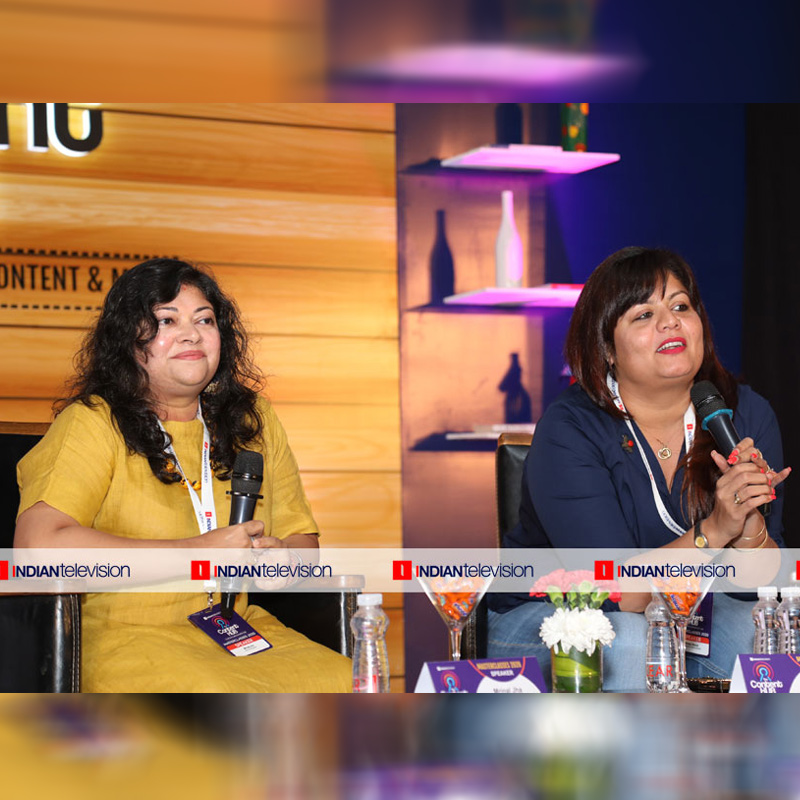
    MUMBAI: Writers of the popular TV show Naagin, Mukta Dhond and  Mrinal Jha, explored the scope of the supernatural genre at The Content Hub 2020 organised by indiantelevision.com.

    Dhond said that the most exciting thing about fantasy is that it gives creative liberty to writers. As they say, anything is possible in the fantasy world which usually is not possible in other human stories. Human situations give you certain amount of possibilities but in fantasy there is so much more that is possible. There are some real stories; outside of that there is a whole world of small creatures who have power. Naagin is a female superhero; there are very few female superheroes worldwide, especially here in India.

    “Naagin is a woman who does what she wants to do. She is a woman who has power. She is able to fight back and take revenge, but the world doesn’t hate her. The character can do unimaginable things that we cannot think of. She tells people that they are wrong and the Indian audience accepts it. Naagin is somebody like just you and I. But they are able to speak their mind. The funniest part of doing Naagin is that there is no limit, anyone can turn around and do anything. You are free to write what you want. You can just close your eyes and think something, the fantasy world takes you there. That is the beauty of supernatural shows,” said Dhond.

    According to the panelists, for several years the supernatural genre was missing on Indian television. Aahat was the only show that continued for a long time. Otherwise no one  wanted to venture into it. And later Naagin and Nazar happened which opened the door for plenty more shows.

    They believe that the most exciting part for writers working on fantasy is the thought of coming up with unique ideas. It gives you the liberty to think out of the box.

    Jha said that the supernatural genre also demands pace in writing which sometimes is a challenge. "The events of each minute are very high generally and you cannot borrow from the real life around you. You have to imagine constantly and keep creating. The plots and twists have to be new every time. That is the exciting part. But the struggle is to find something new to tell every week,” she said.

    Sharing the same sentiments, Dhond said: “People in India have less patience. They want romance, action, drama, and revenge – all in one episode. The story that I finish in six months in a daily soap, it is over in its fourth week in Naagin. So, the volume of content generation that happens in fantasy shows like Naagin or Nazar becomes high. It is like surprising yourself and the audience every day.”

    India’s obsession with knowing the future and foretelling gave birth to their new show Divya Drishti. The story is about a girl who can see the future.

    “Also, what happens while writing shows like Naagin, Nazar and  Divya Drishti is that you discover the classification of what is called supernatural. For example, Nazar is a creature horror. Why is it a creature horror and why isn’t it a superhero is an interesting classification because they dictate how you tell the story. This is the key part of doing supernatural, you are able to identify sharply as to what is the template of the story that you are portraying,” said Jha.

    While answering the question of picking a genre while making a career in writing, Dhond said, "I started my career by writing for a supernatural genre. The first book which I did was called "November Rain" which later went on to become a series on Zee TV called Tum Bin Jaaoon Kahaan. I wrote lot of Mano Ya Na Mano at that time. It just came my way. Eventually I discovered my interest in that genre.”

  • Content creators should focus on viewership in the beginning: ‘Gippi’ director Sonam Nair

    Content creators should focus on viewership in the beginning: ‘Gippi’ director Sonam Nair

    MUMBAI: Sonam Nair, the director of Kaafir, Gippi, Khujli and The Trip – Season 2, never had any plans to enter B-town but has been praised by audiences and critics alike. At The Content Hub 2020, an initiative by indiantelevision.com, Nair at spoke at length about directing digital and television series.

    Nair poured her heart out while addressing social stigmas and how she was bullied and body shamed as a kid.  However, things were never easy for her; she had to wait for almost three years to make a sex comedy film. Finally, a short film named based on the same ethos of sex comedy Khujli starring Neena Gupta and Jackie Shroff resurrected Nair’s career.

    Khulji’s success inspired Nair to work for digital platforms.

    Sonam echoes, “I don’t think having lots of special effects and an ensemble star cast works. I think simple, relatable stories that have humour attached to it do. This whole digital platform opened up for me and I could tell stories I wanted to tell. After Khujli I directed the second season of the show called The Trip, I directed Kaafir and now I am working on a story written and directed for Netflix called Masaba Masaba. The show is based on the bond between a real-life mother-daughter duo of ace fashion designer Masaba Gupta and Bollywood actor Neena Gupta."

    Her interest in movies increased only after working in Ayan Mukerji’s Wake Up Sid. Post that she worked as an assistant director in Vishal Bhardwaj’s 7 Khoon Maaf. After working in two critically acclaimed movies Nair went on to direct a film based on her own life titled Gippi.

    While addressing the issues prevailing in the content industry Nair said, “It is difficult to sell stories to a particular platform because this not how OTT platforms work. It is an anthology of supposedly six short films that works. Otherwise platforms are quite scared to take just one story. Initially one should focus on viewership and not selling the story to the OTT platforms. With this move you create confidence in audiences and also at the same time prove your work.”

    Expressing her view on the term showrunner Nair said that the term is now a days completely misused. Sometimes a head writer becomes a showrunner, or sometimes a producer is a showrunner. "In my previous show, Kaafir, Siddharth Malhotra was a producer and a showrunner. His gets the credit for bringing in the cast together. He was responsible for the scripts. That makes him a showrunner. I am still figuring out this term. Getting credit for the work which you have not done still scares me.”