Tag: The Advertising Club Of Bangalore

  • ‘Paatal Lok’ and ‘Mirzapur’ writers on creating content for OTT

    ‘Paatal Lok’ and ‘Mirzapur’ writers on creating content for OTT

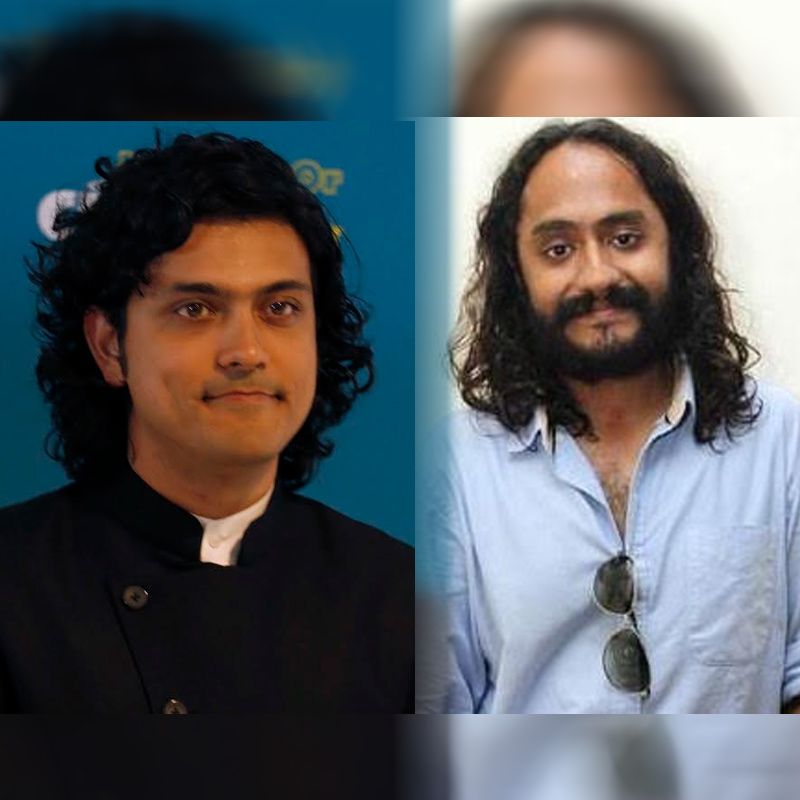
    MUMBAI: A few digital shows have grabbed the attention of streamers in recent times, including Mirzapur and Paatal Lok. In a virtual conference with The Advertising Club Bangalore, writers Hardik Mehta and Gurmmeet Singh talk about their journey with Wavemaker VP Kishan Kumar.

    Mirzapur director Gurmmeet Singh said that he has been working on various kinds of films over the last 20 years and over the last five years that he’s been exploring the OTT ecosystem. Amazon Prime Video’s show Inside Edge creator and director Karan Anshuman wanted to work with Singh and the duo met for Mirzapur.

    Singh said that initially when the trailer was released people assumed it was similar to Anurag Kashyap’s Gangs of Wasseypur. He said, “Later, people understood that it is a completely different series. A lot of credit goes to Mirzapur co-writer Puneet Krishna who has grown in the north belt. He had brought a lot of authenticity and humour to the show. The series had a different name before, but it was not going well with the story hence we changed it.”

    He further added that Mirzapur's story is underplayed and it was way more colourful on paper. In fact, a lot of casting choices were made considering the same aspect. The team decided to cast people who were endearing and more relatable. “Casting gave Mirzapur the leg to travel which sometimes other films and shows are not able to do. So, you have access to different countries, different people and these actors brought a lot of hope in an otherwise dark world,” he shared.

    Paatal Lok writer and national award winner Hardik Mehta has also been part of the entertainment industry for almost a decade. After quitting the foods and technology industries, Mehta joined an advertising firm as a copywriter. From there he developed an interest in filmmaking and documentary. Paatal Lok chief writer Sudip Sharma had seen his script for Kaamyab and roped him in. The shooting began in early 2017. 

    The show’s main reference point was from Tehelka ex-editor in chief Tarun Tejpal's book “The Story of my Assassins.” Mehta points out that the makers of the show wanted to create an investigative neo-noir kind story.

    He added, “Hathiram's world was completely created by us. We wanted a cop who is caught between personal and professional rut. He is a man who is caught between the cop world and bureaucratic nexus. We decided three main arcs of the show: firstly was Hathiram and his investigation, secondly the story was about the famous and left liberal journalist and as the country’s politics changed his personality changed and lastly, the story was around Hathiram’s personal story about his son and wife.”

    One of the unique things that Paatal Lok scriptwriters did was to submit their version of the episode every week. The best one was selected. 30 drafts were created for a ten-episode series.

  • Challenge status quo through experiential marketing

    Challenge status quo through experiential marketing

    MUMBAI: As brands around the globe are grappling with the Covid2019 pandemic, it has also raised questions about the future of experiential marketing, also known as the touch-and-feel marketing.

    In this new age of experiential marketing, the challenge before brands is to showcase that their products are better than the rest in the most creative and unique manner. It is more about engaging with your audiences on a personal level. But with social distancing and lockdown can anything be experiential? How is the industry redefining itself and what are the skillsets that industry practitioners need to equip themselves with?

    To discuss all these scenarios, The Advertising Club of Bangalore hosted a webinar with a theme "Experiential Marketing – The Next Pivot." The panellists included Group M APAC head experiential marketing Dalveer Singh, Geometry Encompass Roshan Abbas, Brand Aid Events and FanTam Brands founder and director Vipul Mathur, DEIVEE co-founder Darshan M.

    About how experiential marketing will reinvent itself, Abbas said: “As experiential marketers we need to embrace the change quickly. If you are just entering into this industry don’t jump into it directly. Take a pause and understand this situation, challenge the status quo and let the creator play with their mind. This is how television, radio and Netflix came into play.”

    Darshan said that it was always about being Instagram-ready. Marketeers have been wary of adapting this but now there is no choice but to adopt this. He adds that the second screen has always existed but now it has become the primary screen.

    Elaborating more on the changes seen in experiential marketing during pandemic, Dalveer says, “I think now home will become the epicentre of everything. It is not like everything in experiential will become digital, you may be able to do many things which are physical. The way to look at it is not purely virtual or digital but what is the best way to connect with the needs of the consumer.”

    Vipul Mathur who comes from an apparel background where touch and feel is the most important thing feels that even if people are buying stuff online, differentiating between products is still a challenge.

    Everything from artificial intelligence to virtual reality to augmented reality is being tried out, but we need someone to orchestrate well between industries and create that 360 degree experience and urgency for consumers to buy the product.

    Abbas explained that while some of them had the fear of technology, others were ready for the experiment. They wrote a play that is contextual with Supriya Pilgaonkar and Radhika Madan. After the show Abbas focussed more on the interactivity process. They included chats, poll and multiple other formats in their system. From the experiment stage Abbas has now come to the revenue stage. The company now has close to 12,000 people interacting on Instagram which has invited a lot of brands to invest.

    Dalveer who has done a lot of work at the rural level said that the last two to three months were very challenging for the rural audiences. It has been difficult for people staying in the rural market as well as those migrants who have been on the move.

    “The next transformation in the rural experiential market is pin code marketing. We have got 21000 pin codes across the country. And we use the simple formula of three V. The idea is how I can reach the people who use smartphones through video, voice and above all you put the vernacular piece to it. Because there are 14 languages and many dialects. We have done a couple of pilots which is helping brands reach the audiences,” he further added.

    The panellists agreed upon a point that this pandemic will also bring a lot of event technologists and people who will increase time span, who will build loops and feedbacks within their programme which will eventually help others. They were of the opinion that people who have fresh ideas and can produce cost-effective solutions will survive.