Tag: Television

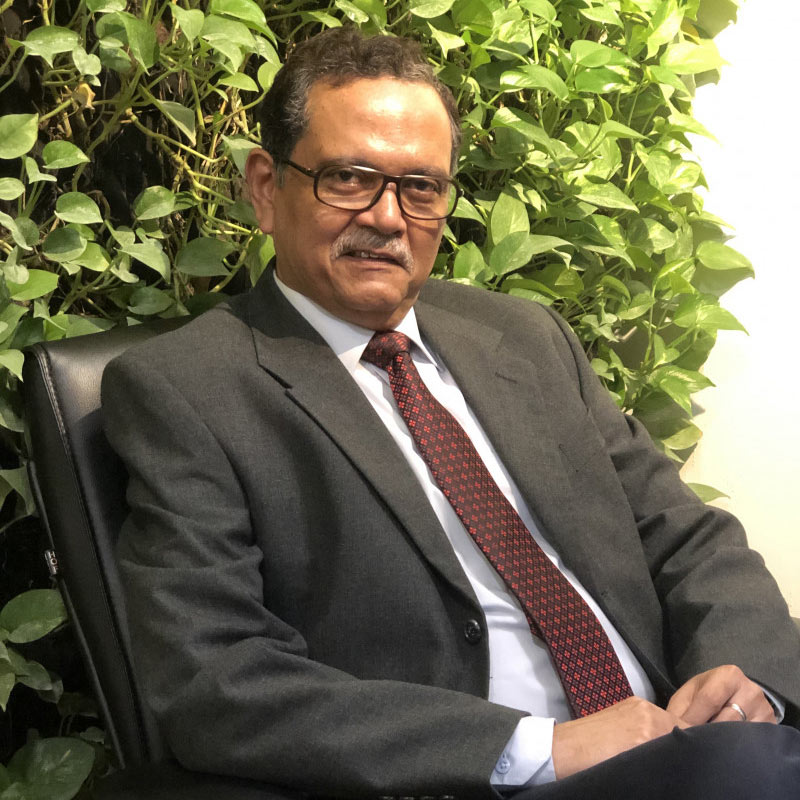
  • Star will continue to focus on existing regional channels: Kevin Vaz

    Star will continue to focus on existing regional channels: Kevin Vaz

    MUMBAI: The broadcast space is continuously evolving, with players today no longer solely focused on Hindi general entertainment channels (Hindi GECs); they’re taking to regional content in a big way. Leading broadcast networks are introducing regional channels to their network bouquet. Industry experts have also admitted that the language market is where the growth is coming from, and this will hold in the future. Indian audiences are more than willing to consume content in their respective vernacular languages.
     
    In recent developments in the regional horizon, Star and Disney India launched Vijay Music, targeting Tamil music lovers. Star Pravah, the Marathi GEC from Star Entertainment Media, has garnered the highest ratings in viewership week after week, outstripping competitors and old horses in the game like Zee Marathi. Along with this, Star has gained the leadership position in Telugu, Malayalam, Kannada and Bengal markets.

    The company attributes its string of successes in the regional space to its strong content line up. In 2018, the network put Kevin Vaz in charge of its content slate in the regions of Maharashtra, West Bengal, Tamil Nadu, Andhra Pradesh, Karnataka and Kerala. He has spent more than two decades serving Star India before heading the entertainment channels in the southern market. 

    In conversation with indiantelevision.com’s Shikha Singh, Star & Disney India infotainment kids and regional entertainment channels CEO Kevin Vaz shared his perspective on the evolution of regional content in the broadcast space, the formula for success, and the plans ahead for 2021.

    Edited Excerpts:

    How do you think regional content has evolved in the Indian broadcast space? Also, how important is the regional market for you?

    Regional content has evolved manifold in the past decade due to three main factors: content innovation across screens, growth of the M&E regional ecosystem, and expansion in hours of content which has led to higher consumption.

    We have seen tremendous innovation in the regional content space – whether it is in terms of the kind of stories told, experimentation with new formats, enhancement of look and feel using technology, etc. We have also witnessed multiple players enter the regional markets and this has led to higher investment in content overall. Programming hours in regional have grown over the last few years, today the top regional GECs each have about eight to nine hours of original content in a day.

    Star India is one of the oldest players in the regional space. From investing in Vijay in 2001 to launching Jalsha and Pravah in 2008, acquiring Asianet that same year and then Maa in 2015 – we have been consistent in our regional ambitions for 15+ years.
     
    How have you seen the content and marketing strategy translate in terms of revenues and viewership? 

    Great storytelling remains the bedrock of great entertainment. Audiences are fundamentally attracted to a good story that is well told. The unmatched strength of our regional brands combined with their unique style of storytelling gives us the opportunity to forge a connection with audiences of all ages. With the right content strategy in place, everything else falls in place for the success of a channel. To give you an example, in Kerala, Asianet has been a clear leader in the Malayalam GEC space. This is a result of rich content offering (fiction and non-fiction) that continues to emotionally engage with our viewers.
     
    Can you tell us more about how each channel is performing?

    In our regional bouquet of channels, we operate in six markets and we are delighted with the stupendous performance of the channels.

    ·   In Kerala, Asianet has a 47 per cent market share (Kerala Urban 15+).

    ·   Star Maa is ruling the roost with a 41.2 per cent prime time market share within Telugu GEC AP/Telangana urban 15+. The introduction of non-fiction shows like 'Bigg Boss' has helped bring in new audiences which have contributed significantly to the overall channel performance. Star India network is the clear leader in Telugu (GEC + movies + music) with a 38 per cent market share.

    ·    In the Bangla GEC space, Star Jalsha has had a strong performance and has maintained its leadership position in West Bengal (U+R 2+)

    ·    Star Pravah has continued its strong streak and has emerged as the preferred Marathi GEC in Maharashtra and Goa (U+R 2+)

    ·    Star Vijay has always been a strong brand in Tamil Nadu, known for its non-fiction shows. Over the last two or three years, with the introduction of strong fiction programming, the channel grew by close to 300 per cent

    ·   Star Suvarna has emerged as a strong #2 in Karnataka (Urban 15+)

    Which is the strongest regional market for you?

    For us, the entire regional offering is of great significance and we continue to push the boundaries to unlock its potential in every market we are present in and offer great stories and narratives to the local audiences.  
       
    Sun TV is clearly dominant across genres, what will it take to crack the Tamil market?

    Star Vijay is a very strong brand in Tamil Nadu today. It has had phenomenal growth of close to 300 percent over the last few years which is a significant achievement. The channel has attained the leadership position in prime time and we are happy that our viewers are enjoying high-quality entertaining shows like Bigg Boss, Super Singer, Start Music, Mr & Mrs Chinnathirai, Enkitta Modhadhe, Cook with Comali, and more. We will continue to innovate and present content that the viewers can relate to.

    Which other markets look like a white space to you?

    Currently, we have a strong and well-spread regional market presence. We will continue to focus on these and bring in rich and compelling programming for families to enjoy.

    Star Pravah has acquired a leadership position in Maharashtra, what led to the success?

    Star Pravah has always strived to provide an eclectic mix of entertaining content to Marathi-speaking viewers. Every show we have launched in the past year is based on deep-rooted consumer insights and every story has relatable characters that break a social stigma. We have introduced shows which offer entertainment to its viewers, which includes Comedy Bimedy, a laugh riot for the family, Jai Deva Shree Ganesha, an 11-part mythological show based on Lord Ganesha’s most popular stories, and Jyotiba, a mythological show revolving around one of the most revered gods in Maharashtra especially in the regions of Kolhapur, Sangli, and Satara.

    You already have two channels in the West Bengal market. How is the audience response?

    In our Bangla offering, we have a Star Jalsha (GEC) and Jalsha Movies (movie channel). Both the channels enjoy great affinity and are the top two channels in the market. We continue to expand on content offering that resonates with the Bangla-speaking viewers.

    With Star Jalsha, how difficult it was to gain a leadership position in the West Bengal market?

    Star Jalsha has been an iconic brand in West Bengal from its early days. It shook up the Bangla GEC market in 2008 and steered to the top position within eight months of launch. In 2019, we felt it was time to reinvent the wheel and change the overall offering to stay relevant. We asked the Bangla viewers what kind of content were they looking for and the answer we received was they want to watch strong, yet rooted female protagonists and a milieu that had a greater local flavour. So we wanted our shows to focus on three things – relevant, relatable, and progressive. From these insights were born the iconic shows – Sreemoyee, Mohor, Debi Choudharani and Mahapith Tarapith. Of these, Sreemoyee has been remade across the network, including on Star Plus, and has become a hit.

    Star Vijay has recently launched a music channel, considering the pandemic, do you think it’s a viable option to launch a new channel?

    We believe there is always scope for us to grow in the markets we are present in. In Tamil Nadu, the young generation is very musically inclined and we felt there was a gap for a dedicated music channel suiting their needs. Vijay Music is targeted at the new generation of Tamil music lovers and the channel is also determined to be a platform for nurturing new talent with an exciting line-up of reality shows. Enga pulingo lam bayangaram, Kanna paatu paadam asaiya are a few of the shows in this genre, and expect many more soon.

    The Gujarati ad revenue market size is pegged at Rs 100 crore, it is a growing market. Do you have plans to expand to new markets?

    At present, our focus is to bring wholesome quality programming for families to enjoy in the markets we are present in.

    Regional languages are predicted to be the growth driver for all the brands. How well-placed are you across the regional languages to leverage the opportunity?

    We are happy with the performance across all the regional markets we are present in. We believe that there is a lot of scope for growth and we will continue to provide high-quality content and tap into the next tier of markets for further growth.

    What growth targets do you have from regional businesses?

    As per our company policy, I will not be able to share this information.
  • There will be a ‘Mahabharat’ between TV & OTT: BARC’s Sunil Lulla

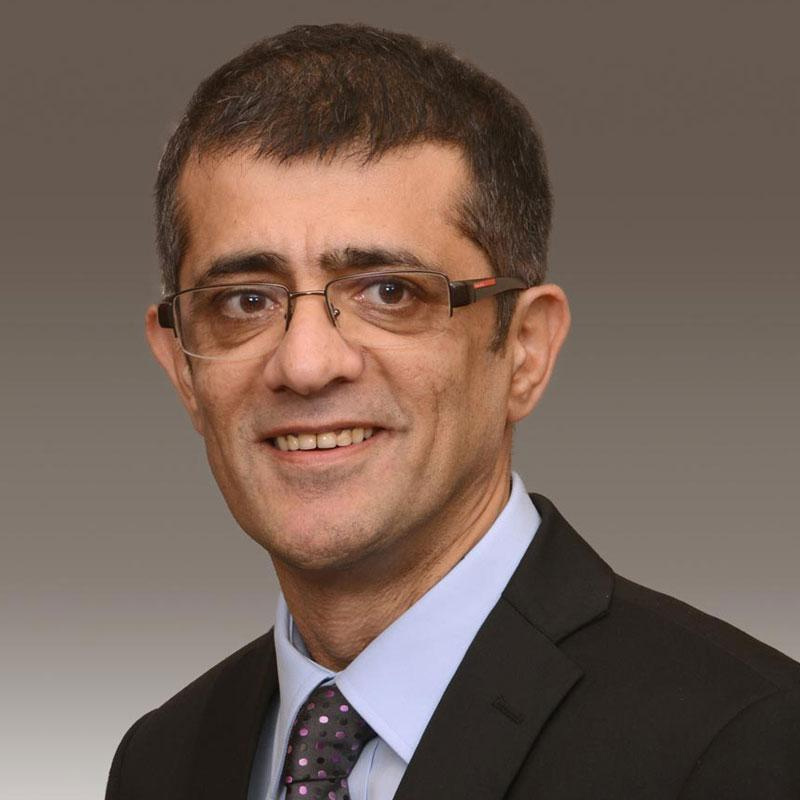
    There will be a ‘Mahabharat’ between TV & OTT: BARC’s Sunil Lulla

    MUMBAI: BARC India CEO Sunil Lulla is in a unique position, being at the helm of a body which is the only industry currency for the 3.5-billion-dollar television advertising market. Needless to say, it comes with a lot of responsibility.

    Lulla brings over 35 years of significant leadership and domain proven knowledge, with ground-up experience in growing brands and building businesses. Having worked across media, brands and advertising, he has occupied leadership roles at MTV, Sony, Times Television Network, SaReGaMa, Diageo, Indya.com, GREY group, JWT and Balaji Telefilms. Sunil maintains active interests in serving industry interests to foster the spirit of self-regulation and collaboration. He is an active long-distance runner, enjoys sailing and evocative conversations.

    During an interaction with Governance Now’s Kailashnath Adhikari, Lulla talked at length about the impact of Covid2019 on the television and broadcast industry, key takeaways during the pandemic, television viewership, technology, advertising, and much more.

    Lulla shared that the peak in television viewership has gone down compared to the pre-Covid2019 level, but it is slowly picking up. Said he: “We are more than 902 million viewing minutes, it picked up to one billion viewing minutes. As people are confined into their homes the lines have blurred between primetime and non-prime time. The prime-time hours of 6 am to 6 pm witnessed a major shift in viewing.”

    With filming being halted during the lockdown, no production of televised content was happening, so the only option left with audiences was to watch news, movies and kids’ content. Hence, the news genre picked up pretty well – it went from seven per cent of viewing to 21 per cent, then back down to 14 per cent. Now it’s holding steady at seven per cent share of the category. Similarly, kids watched a lot of content before schools went online. Movies became big and once original programming started general entertainment channels (GECs) are back with higher viewership than the pre-Covid2019 period.

    TV will continue to remain as the screen of the household, claimed Lulla, but the initial few months into the lockdown were difficult for the industry as a whole. While there was a peak in viewership, advertising went down. The gap has never been as difficult to bridge before. “However, now advertising volumes are higher than what they were last year, so the shortfalls that are present will not be as bad as expected,” he said. A whole new set of advertisers and brands have come in, health and hygiene products, digital, gaming, e-commerce, ed-tech became huge during this time.

    In the middle of the crisis, digital has picked up fairly because of more mobile connections, higher data consumption, digital show launches. Also, despite being a difficult time period, the IPL has performed well both in terms of viewing and advertising.

    Another aspect that Lulla highlighted is the stiff competition between television and OTT. As audiences are now moving towards online content it is believed that digital advertising will outgrow television advertising in the coming years. Lulla quipped that there will be a Mahabharat between TV and OTT.

    “I think in 2020 in the US, digital advertising may overtake TV advertising but that’s unlikely  to be the case in India before 2030. It’s a question of quality service, quality of economy and what happens to the overall economy. It is not about OTT content or mobile screen. It is more about screen time. I think there will be growth in digital advertising. TV is not dropping, it is sustaining. Because if you want to reach the masses of India, TV is still the best medium.”

    In the last few months, the duration of a lot of niche channels like English GECs and infotainment has witnessed a lot of turbulence, courtesy the pandemic and NTO. But the question that begs to be asked is: weren’t they already seeing a slow death?

    Lulla explained that English is a sliver of the content pie, with less than one per cent of Indian audiences watching English programming. Later, the audiences started watching content on other mediums. So, in order to survive English GECs will have to rework their strategies.

    Another challenge before the television is that it is too advertising dependent, which is not the case in the west, where there is a balance between advertising and subscription. But since cable service in the country is cheap, compounded by a price tariff regime, very few channels are going to make profitable money on subscription alone, Lulla concluded.

  • Film shoots resume in Madhya Pradesh under Covid2019 norms

    Film shoots resume in Madhya Pradesh under Covid2019 norms

    MUMBAI: Madhya Pradesh has become the first state to permit film production post the unlock. The state is taking all necessary measures to ensure shooting takes place safely. The government has come out with a set of standard operating guiding principles that need to be followed at film sets and by the crew at all places where filming takes place.

    Moreover, Madhya Pradesh is a predominantly Hindi speaking state, making it more viable and manageable for Bollywood movies. The availability of production facilities, line producers, artists, local crew etc, makes it much more economical to shoot in.

    Till now, more than 200 projects including feature films, TV serial/series, TVCs and reality shows have been shot in Madhya Pradesh, such as Stree, Sui-Dhaga, Kalank, Manikarnika, Luka Chhupi, Padman, Toilet ek Prem Katha, Bajirao Mastani, Paan Singh Tomar, Lion, C, Aarakshan, and Raajneeti, to name a few.

    Recently, actors like Anupam Kher and Bhumi Phednekar have wrapped up filming in Madhya Pradesh for their movies. And a few shoots with actor Vidya Balan are in the pipeline around the last week of November.

    Anupam Kher said, “It is picture wrap for our movie #TheLastShow!! What an amazing, creatively satisfying and courageous journey it has been. We will miss this time together. But I think we have created something, the memories of which will last us for a lifetime. ‘Thank you’ is a small expression to express our gratitude. But we couldn’t have created this gem without the help of #MPGovt, local authorities and people of #Bhopal. Especially @mptourism dept. Jai Ho to you all.  #Film #PassionAndPaseenaFilms.”    

    Madhya Pradesh Tourism department is liable to coordinate with the different concerned departments for shoot permission on behalf of filmmakers. The state is working on a Film Tourism Policy to simplify the process of securing permission for shoots.

    The vision of this policy is to make Madhya Pradesh a major filmmaking hub and generate a number of employment opportunities in the state.

    MP tourism provides the following facilities to producers/directors:

    •      Dedicated film facilitation cell shall work as a nodal agency to ease out the shooting permissions through single window clearance system.

    •      Authentic shooting locations

    •      Film friendly authorities and strong government support

    •      Easy permissions

    •      Modern infrastructure and omnipresent hotels

    •      Favourable law and order condition

    •      Cost-effective infrastructure, crew, local talent and other skilful workforce

    •      Hindi speaking people, food/cuisine flexibility and ideal climate

    Comfort of filming in MP:

    ·        A dedicated online film web portal shall be created to provide a single-point interface and time bound clearance mechanism for filmmakers intending to shoot in Madhya Pradesh.

    ·        All the applications shall be received through online mode by the film facilitation cell and action shall be taken in coordination with the concerned department for permission.

    ·        The portal shall also act as a platform for information dissemination related to film tourism policy and shall also act as a forum for the dissemination and the rules, regulations, also provide information on grants and other utility services.

  • This generation will witness shift from linear TV to OTT: Sameer Nair

    This generation will witness shift from linear TV to OTT: Sameer Nair

    MUMBAI: Ever since the Covid2019 pandemic cast its shadow over the world, the consumption pattern of audiences has altered drastically. The entertainment industry, for one, has witnessed radical changes as the shutdown of theatres led to viewers taking to smartphones to keep themselves engaged. This shift has further prodded the digital landscape to pick up the pace and the streaming platforms across the world to acquire a fresh audience base. To bring these changes to light and platform an in-depth discussion, the Asia Society in southern California held a  webinar on ‘Cinemas to Smartphones: Streaming Wars and the Future of Bollywood and India Content’.

    The discussion was a part of the eleventh US-Asia Entertainment Summit, and the country in focus was one of the largest consumer markets in the world – India. To represent the country on a global scale, Applause Entertainment CEO Sameer Nair shared his insightful perspective on the topic. Other panellists included filmmaker Shekhar Kapur and entertainment lawyer Gowree Gokhale.

    On OTT landscape in India

    Nair began by highlighting the impact of Covid2019 on the streaming industry in India, the future of television, and the big opportunities that await in a nation of content-hungry viewers.

    The current state of the OTT landscape in India is a lot like the early days of television, related Nair. Just like in the ‘90s when a whole bunch of TV channels emerged from a number of players and investors, a similar trend is at play in the streaming business now. “In India we have a potential of 500 million-strong audience base and the streaming platforms have touched around 20 million, so it is a long way to go. India is a large market connected with smartphones and broadband connectivity, cheapest data in the world, already savvy with television and film. This is a growth phase where there will be a lot of investment as we essentially move audiences from television to streaming,” said Nair.

    He went on to add that theatrical revenue is a very important income stream –

    Those who draw a comparison between 9,000 theatrical screens versus 900 million smartphone screens miss the fact that the 900 million smartphones are not going to generate the sort of revenue compared to what the country can potentially generate theatrically. “So, taking the theatrical experience off the market translates to a significant economic change and you are also leaving a great chunk of retail revenue on the table. I think streaming platforms can compensate for those $80-100 billion to offset the theatrical revenue loss.”

    On the other hand, film Director and producer Shekhar Kapur quipped that there is no competition between theatre and OTT platforms. The success of any content, be it on television or OTT platform, largely depends on the technology as well. Every new technology creates a new culture of content creation and a new culture of content consumption. Therefore, he finds Netflix and Amazon as technology companies rather than content companies who, in the end, took advantage of technology to deliver content. But due to Covid2019, people are very comfortable watching content while sitting at home, and so it becomes very difficult for theatres to bring audiences back, mused Kapur.

    On the future of television in India

    The linear television industry in India has reached 197 million TV and cable satellite homes. There is about 10-15 million more to go and it is now scraping the bottom of the barrel. As every content platform and every technology creates a content habit, TV was the classic talking to the consumer technology and it told you to watch your favourite shows at specific time slots so you had to reorder your life accordingly.

    But then came the streaming platforms, which made content available to you whenever you want it, thereby precipitating one of the biggest changes in consumer habits. Nair theorised that it won’t be long before traditional TV viewing becomes completely obsolete. Said he: “The way TV is progressing, dependent on advertising and subscribers, it has reached its scale. This is a decade where we will be able to see a gradual transitioning out of typical linear television to streaming platforms and then moving on to even more dramatic technological advancements.”

    On the success of Scam 1992: The Harshad Mehta Story

    One of the platform’s latest offerings, Scam 1992: The Harshad Mehta Story, has become the talk of the town. It is currently the highest rated show on IMDB in India (9.6) and #16 amongst the top 50 television shows globally. With phenomenal ratings and record-breaking performance, the show has made it to the list of the top five OTT shows for the last week of October, according to a streaming tracker by Ormax Media.

    This is a clear indication of the demand for differentiated content and the need to cater to the audience in this regard.

    “People watch programmes, not channels. And in a way how people watch movies and go to theatres because of the ambience, similarly now with platforms or with any form of content, people are more drawn to individual experiences and a collection of that content makes a platform,” Nair said.

    He noted that for a platform to succeed, its offerings have to be much larger and deeper, as eventually they depend on a subscription model or they want their customers to come back again and again.

  • TV9 Network forays into Bengal market

    TV9 Network forays into Bengal market

    NEW DELHI: With the aim to further reinforce its regional dominance and consolidate its position as the number one news network in the country, TV9 Network has embarked on a massive expansion plan for both its linear television as well as digital news businesses in West Bengal. The expansion plan will kick off with the launch of TV9 Bangla, a 24X7 news channel in the dynamic Bengal news market early next year. 

    Before the launch of TV9 Bangla, the network will unveil its digital offering, tv9bangla.com in December. As West Bengal prepares to go to the hustings, the grand entry of TV9 Bangla digital and TV platforms will be a game-changer for the robust Bangla news market. 

    TV9 Network CEO Barun Das said: “Gopal Krishna Gokhalre had famously said – ‘What Bengal thinks today, India thinks tomorrow’. But nearly a century later it would seem like that statement applies more to Bengal’s past than the present. An intellectually progressive state and exporter of the best talent to India and the world, we believe the state and its people still retain the wisdom and wares to make that its future as well. Bengalis are the typical argumentative Indians, they want to keep her ear to the ground and hence are naturally drawn to the news."

    “More importantly, Bengalis are proud of their language and largely consume news in their language. The discerning Bengali viewer will always have room for a neutral perspective and a balanced opinion. That’s the place in the Bengali heart and mind that TV9 Bangla aspires to occupy. We are here to strike the right balance with neutrality and a fair perspective forming the core of our operations. Our unbiased coverage and world-class presentation will give teeth to the Fourth Estate in West Bengal,” added Das. 

    On the timing of the launch, Das said: “The state is already into election mode. Indirect canvassing has already started and the heat is building up. Given Bengal’s propensity for the free flow of information, news viewership is bound to peak. We believe this is a perfect opportunity for TV9 Bangla to establish its credentials and win the maximum share of viewership and voice.”

    The network has onboarded veteran journalist Anjan Bandyopadhyay as the editor of TV9 Bangla news channel. A gold medallist from Calcutta University, Bandyopadhyay has 32 years of experience and has worked with almost all major media houses, including ABP, Zee, ETV and Sky Bangla. He was the Editor input of Zee 24 Ghanta and his last assignment was with ABP as its Editor-Digital.

    Hiring for both the platforms is in full swing.  Amritanshu Bhattacharya has also joined as the editor, TV9 Bengali Digital and will also serve as deputy managing editor, output, for the television channel. Bhattacharya comes with a rich experience of more than 25 years across print, audio visual and digital media, having worked with Jugantar, Aajkaal, ETV and Zee Media Corp. His last assignment was as an associate editor and head of digital of Zee 24 Ghanta.

  • IPL season 13 clocks 400 billion minutes of consumption

    IPL season 13 clocks 400 billion minutes of consumption

    Mumbai: Star India delivers the biggest IPL ever in the history of the tournament. From swashbuckling young talent, exciting clashes, to nail-biting double super overs in a single day, season-13 was nothing short of electrifying. With fans enjoying matches from the comfort of their homes, Dream11 IPL 2020 has set a viewership record with an overall consumption increase of 23 per cent *versus 2019. Television viewership reached an outstanding 31.57mn average impressions.

    Capitalizing on the regional appeal, five independent language channel offerings – Hindi, Tamil, Telugu, Bangla, and Kannada, contributed immensely to the increased viewership growth of Dream11 IPL 2020. The regional offering across languages has been received well by viewers and has increased the viewership by 28 per cent over last year.

    “It’s the biggest IPL the nation has seen and the response from fans and advertisers has been stupendous. The record-breaking opening week gave us the ideal start and laid the foundation for a record breaking season. We are extremely delighted that this season has been the biggestever in terms of viewership, engagement and ad sales. Enhanced story-telling, localisation, contextually relevant marketing and technology innovations formed the pillars of our offering. We are encouraged by the growth we have seen in southern markets driven by our regional feeds and higher consumption across demographics especially in rural markets and amongst kids,” Star India head – sports Sanjog Gupta said. “Season 13 witnessed some explosive matches which were aptly supplemented by innovative programming, world-class production – both remote and on-ground. This wouldn’t have been possible without the fantastic work done by the team at BCCI in staging the tournament under extenuating circumstances and seamless functioning from our teams inside the bio-secure bubbles in India and UAE,”he added.

    The record-breaking start to the Dream11 IPL 2020 started with the campaign ‘EkSaathWaaliBaat’. The campaign aimed to uplift the mood of the nation by bringing people together for the biggest cricketing tournament of the year. Star Sports, India’s leading sports broadcaster – pulled out all stops to ensure viewers and fans are offered an unparalleled experience of the Dream11 IPL 2020 from the comfort of their homes.

    The season began with sold-out inventory, with 18 sponsors and 114 advertisers onboard, setting an optimistic tone to a massively successful season ahead. Star Sports pulled off the telecast of one of the biggest sporting spectacles in 2020 in just six weeks during an ongoing pandemic and a lot of uncertainties.

    With fans enjoying the matches from the comfort of their homes, Star took it upon them to make sure fans of all ages and demographics were hooked to the 2020 edition. This resulted in women and kids registering impressive viewership growth of24 per cent and 20 per cent respectively. Star India’s effort to offer unmatched engagement for its viewers with state-of-the-art product innovations such as surround-in-stadia fan cheer, specialized broadcast feeds, and fan walls have received a great response and got fans closer to the game than ever before. Chapterisation of the tournament via themes such as Fan Week and Rivalry Week, along with a slate of programming including franchise shows continued to draw IPL aficionados throughout the tournament. The revamped Select Dugout this year continued to target core cricket viewers and also registered significant growth in consumption.

  • Broadcasters beat Covid2019 blues with new channel launches

    Broadcasters beat Covid2019 blues with new channel launches

    MUMBAI: The Covid2019 pandemic was an unforeseen catastrophe for the broadcast industry. With the months-long lockdown, ad revenues troughed, and as content dried up, viewers started migrating en-masse to the greener pastures offered by OTT platforms. But thumbing their collective noses at these setbacks, the broadcasters are seeing the virtue in launching new channels. Television is now starting to mirror the online content space and deliver to the evolved consumer needs around content.

    Even during the lockdown, people turned to television as a means to keep themselves engaged and entertained, with BARC reporting a 43 per cent increase in India's TV viewership during the lockdown compared to the pre-Covid2019 period. Recent BARC data suggests a 17 per cent increase in India’s TV viewership compared to pre-Covid2019 period (week 38 vs weeks 2-4 ’20). The rise in TV consumption signifies the viewers’ appetite for content – and clearly, the time is ripe to green-flag new channels catering to different tastes and smaller sub-segments across geographies.

    ZeeL has debuted two new channels, lifestyle channel Zee Zest and Marathi music channel Zee Vajwa. Enterr10 Television Network has expanded its footprint in south India with Dangal Kannada, close on the heels of its Bhojpuri offering, Enterr10 Rangeela . Star Vijay, owned by Disney-Star, has come out with Tamil music channel Vijay Music. In10 Media Network has recently ventured into the kids’ entertainment space on Children’s Day with a new premium Hindi channel, Gubbare — Masti Ke Phuwarre. On 1 May 2020, Shemaroo Entertainment Media Network launched Hindi GEC Shemaroo TV.

     ZeeL chief consumer officer Prathyusha Agarwal said, “With Zee Vajwa, we promise to provide our audiences with a platform to enjoy some great music deep-rooted in our rich culture. We also identified a need gap in the lifestyle genre to serve a holistic entertainment experience to the focused Sec A target audience. These viewers seek experiences from around the world but from the comfort of their own homes. That’s where Zee Zest seamlessly comes in, with diverse lifestyle content themes such as wellness, travel, lifestyle, food, home improvement, and culture.”

    Media experts highlighted that these are part of long-term plans to strengthen a network’s overall portfolio and expand into new segments. With viewers confined to their homes, it’s the best time to launch new channels. Broadcasters now have more time on hand to try out new content.

    In10 Media Network MD Aditya Pittie shared that the network is focused on building scalable businesses and strategically expanding its footprint in the industry. He added, “In our country, television continues to be a primary viewing platform for kids’ entertainment among most households.”

    Shemaroo Entertainment Ltd CEO Hiren Gada mentioned that the network is always keen to experiment and set milestones in the media and entertainment space. With this industry-first initiative allowing viewers to tune into Shemaroo TV live on Facebook, Gada hopes to reach out to a new and wide set of audience and offer content that they would like to watch and enjoy in their free time.

    Carat media director Grashima Sahni pointed out that broadcasters are bringing in an element of personalisation into the television space and hence, discouraging migration to other avenues and sources. “The vernacular flavour in this expansion is a crucial ingredient too. Zee Vajwa, Dangal Kannada, Enterr 10 Rangeela, Vijay Music are all offerings in local languages of each region, appealing to the “local-masses” or “micro-masses” of each region. With this step, broadcasters are also building immunity for themselves to the challenges of NTO by TRAI. A customised appeal will make sure that the channel remains a part of the selected channel basket by its viewers,” Sahni explained.

    She further highlighted that these channels are a stepping stone for broadcasters to work towards a TV+online content ecosystem. The success of Hotstar has reflected a clear learning that the primary audiences of the content on the channel can and will remain within the ecosystem given their needs are met. When the unstoppable migration from TV to the online screen does happen – due to time flexibility needs or choices (cross-selling the content with a bigger online library) – the audience can be successfully made to migrate internally if the TV hook is present in that household.

    With NTO also setting in and consumers able to pay per channel than a group offering, channel choice mix will be an intricate balance of content on TV & digital.

    Agarwal stated that all of ZeeL’s new launches have not only established themselves strongly in their respective markets but have also aided market growth. Zee Punjabi captured a third of the viewership pie in the first four weeks of its launch, and consumption of Punjabi language content grew by 23 per cent compared to the one per cent growth in total TV viewership in Punjab/Chandigarh. Even during the lockdown, Zee Punjabi capitalised on the surge in demand for content as viewership grew by nearly 60 per cent (BARC data: weeks 12-15). The network’s new movie channels – Zee Biskope, Zee Picchar & Zee Thirai – have also aided growth by capturing significant share in the movie genre, which rose by 28-29 per cent in a growing TV pie. (BARC data: weeks 12-15).

    The launch of a new channel provides brands an opportunity to create competitive advantage as they reach sharper audience cohorts that are culturally connected. “For instance, Zee Vajwa, a category first, will allow advertisers to reach to a new audience cohort and hence offers a new opportunity for brand outreach. Zee Zest will use a dual strategy to reach consumers across TV and digital platforms, further making it an attractive proposition for advertisers. The advantage with the launch of a new lifestyle genre/ destination channel is that it opens doors to various new brands to associate with the channel. Therefore, it’s a clear driver of mutual growth,” elaborated Agarwal.

    Multiple projections suggest a recovered economy by mid-2021. Demand is a critical aspect of this recovery and advertising plays a crucial role in this demand generation. BARC has already reported TV ad volumes to be at a five year high. Sahni remarked that with festive season and big-ticket properties, the sentiment is relatively positive and reflects that the business is working hard to gain back its shares or capture newer opportunities in the market due to a refresh and reshuffling in buying cycles.

    She added that the dip in advertising by some mature categories will be neutralised, if not positively overcome, by increased spending from relatively newer and now bullish categories like ed-tech, pharma-tech, etc.

    Agarwal noted that the steady revival in the economy and increase in consumer spending is sparking demand and brands are being both conscious and cautious about the right ROI for the money they are spending. Agarwal shared that the network works very closely with all its  partners across the value chain to help deliver a holistic solution to influence their business KPIs and not just address their communication objectives. She concluded, “We will continue to focus on consumer centricity to drive mutual business growth, that will continue to garner leadership and currency for us.”

    In contrast, Sahni was of the view that each channel is in a unique position of its own, in context to market standing, core audience profile, and competition. While some channels are expanding and increasing footprint in regional space, or even niche genres (Zee Zest); others like HBO and WB are soon going off-air and online only to manage increased pressures from digital content sources in their core territory of English speaking and digitally adoptive audiences.

    However, the road to recovery remains a long and winding path, and the question that arises is: will the broadcasters reach a breakeven point where they are able to maximise profit?

    Sahni opined, “With newer channels and hence, wider owned original content by broadcasters, we foresee long term content solutions becoming an important element in the revenue stream. What the broadcasters will need to do is push their limits on creativity, flexibility and timelines. Future thinking brands have already moved towards creating a larger impact and solutions beyond reach & frequency planning, which will benefit the content owners in the coming years.”

  • Zee TV launches first-ever music league, Indian Pro Music League

    Zee TV launches first-ever music league, Indian Pro Music League

    MUMBAI: With the ongoing festive season, Zee TV has been packing one exciting surprise after another for its audiences by way of three new fiction shows in October and another exciting supernatural fantasy thriller Brahmarakshas on its way in November. Things are only going to get bigger and better in the coming year as the channel is all set to revolutionise the face and sound of music on television in early 2021. In what will be a clutter-breaking format innovation on reality TV, Zee TV in collaboration with Fathom Pictures will present audiences with the world’s first ever music league, the ‘Indian Pro Music League’ (IPML).

    While the world of sports has seen several league competitions, be it in India or abroad, this first-of-its-kind music league will have six teams owned by the likes of Shraddha Kapoor along with her father and brother – Shakti Kapoor and Siddhant Kapoor, Govinda along with wife Sunita, Rajkummar Rao, and Riteish Deshmukh along with wife Genelia D’Souza Deshmukh, representing different regions of India, battling it out against each other in a musical championship. 

    Each of these teams will have celebrated playback singers, one male and one female vocalist as their captain. Additionally, every team will also have reality stars and to add to this pool of talent, six fresh voices from various regions of the country, one for each team, will get a chance to be a part of this league! To be hosted by two top anchors, the Indian Pro Music League will be launched in early 2021. Akin to the format of a sports league, the show will have five innings comprising the league matches and a super match where audience votes and umpire points will decide the outcome of the league and declare one of the teams as the league champions.

    About the format breakthrough, Zee TV business head Aparna Bhosle said, “At Zee TV, we constantly endeavour to provide audiences with new, unique and cutting-edge content that gives them a sense of novelty alongside engaging entertainment for the entire family. Over the years, we've seen how league formats have become immensely popular amongst sports viewers and as a country where Cricket is nothing short of a religion, audiences at large, have embraced and internalised this exciting format. With the Indian Pro Music League, the idea is to infuse the space of music reality television with the same energy and competitive spirit that is typical of a sports league. The quotient of excitement and anticipation is enhanced by top Bollywood stars and sports celebrities owning the six teams that will compete in the championship. While we have the top playback singers of the country as our team captains and rising reality stars on board to ensure the highest bar of excellence in the music the show will produce, we're on a quest to find some new talented singers from across the country through an intensive scouting initiative as Zee TV has always believed in leveraging the strength of its reality formats to give the common man an opportunity of chasing his dreams.”

    Zee Studios will be the creative and production house on the show.

  • Over three decades, marketing has seen a paradigm shift

    Over three decades, marketing has seen a paradigm shift

    MUMBAI: On a long trip, the mode of travel may encompass an assortment including air, train, road, boat. Even within these legs, the experience could differ significantly, for example driving on a mountain road, versus regular old ride through the city.

    Similarly, a marketer’s journey over the last three decades has seen multiple metamorphoses, entailing a continuous need for change and adaptation.

    Those were the days, when planning media spends was a simple matter of allocating monies between Ramayana, Hindi feature films, and Chitrahaar on DD, with the option of throwing in Krishi Darshan for the adventurous rural marketer. The satellite TV boom, bringing in hundreds of channels and programmes, added complexity to media planning, and forced marketers to slice and dice the communication target group in terms of multiple demographic parameters. “Focused communication” really took shape in the nineties.

    And then the internet explosion, along with the advent of smartphones, dramatically changed the rules of the game. Digital marketing and social media are the buzzwords now. Engaging the viewer is paramount. Communication can now be targeted at a specific age group, even at a micro level of a city. Youth today interact with the world through their devices. TV viewing and print media are almost skipping this generation. Even a few years ago, advertising on live sports telecasts was a sure-fire way of reaching the youth. Today, even that is transitioning to the Hotstar and Cricbuzz of the world.

    This is having a significant impact on consumer buying behaviour, and the purchase decision-making process. The erstwhile classical marketing’s five step process – spanning problem identification, information search, evaluation of alternatives, purchase decision and post-purchase behaviour – is passé. The three Moments of Truth (MOT) theory has been flipped on its head.

    As per traditional theory, the first MOT is when the consumer interacts with the brand for the first time, say, on a supermarket shelf, and decides to pick up a brand, over others. The second MOT is when she experiences the brand, which may be once (for example, in a restaurant), or maybe multiple times (like a shampoo). A few proceed to the third MOT, and become advocates (positive) or critics (negative), based on their individual experiences. This journey has now been collapsed to what is termed the Zero Moment of Truth (ZMOT). Thanks to the explosion in internet usage, every new brand or product is now researched, where consumers are vicariously exposed to the entire journey at one shot, through others’ experiences. Managing social media is critical now. For example, while evaluating options to buy a car, if one comes across half a dozen negative comments about a specific brand, it is very likely that this brand will drop out of one’s consideration set.

    A few decades ago, there was allegedly a thumb rule across the world – that a happy consumer will tell five others, while a dissatisfied consumer will crib to 21 people. Today these numbers have magnified manifold, and are probably in thousands, if not millions, thanks to the power of viral posts in social media.

    30 years ago, fashion and lifestyle trends in the western world would take their own sweet time, maybe two to three years, to catch on in India. Today all brands need to keep pace with global innovations, since consumers are constantly exposed to these. Discerning powers of consumers, thanks to the plethora of information available, have taken quantum leaps. Earlier, ‘value-for-money’ was the key for mass marketing. Today’s informed consumer is willing to pay for value-added features, leading to the ‘money-for-value’ concept.

    Changes, and the necessity to adapt to these, will be keeping marketers on their toes. From print/radio/cinema, to TV (single channel to hundreds), to the internet with its multiple social media platforms, to live streaming and OTT – the milestones and the route map keeps evolving. It’s perhaps foolhardy to even attempt to predict what’s coming next.

    (The author is Navneet Youva stationery division chief strategy officer. The opinions expressed here are his own and Indiantelevision.com may not subscribe to them.)

  • NXTDigital posts strong Q2 results

    NXTDigital posts strong Q2 results

    NEW DELHI: NXTDigital has posted a year-on-year EBITDA growth of 15.8 per cent at Rs 50.7 crores for the second quarter, an improvement of 2.7 per cent over the previous quarter.

    While revenues remained stable despite the impact of the Covid2019 pandemic, the company posted an EBIDTA of Rs 102.1 crores for the half year ended 30 September 2020, a growth of 8.7 per cent over the corresponding period of the previous year. By laying greater focus on operational efficiency rather than pure revenue growth at the cost of profitability, it was able to improve EBIDTA margins to 21.7 per cent for the half year, compared to 19.2 per cent in the corresponding period of the previous year.

    NXTDigital has not only been able to maintain its subscriber base but grow its video and data businesses, in spite of the serious negative sentiments of the pandemic. The company has maintained its collection efficiency of over 99.5 per cent under its prepaid collection model.

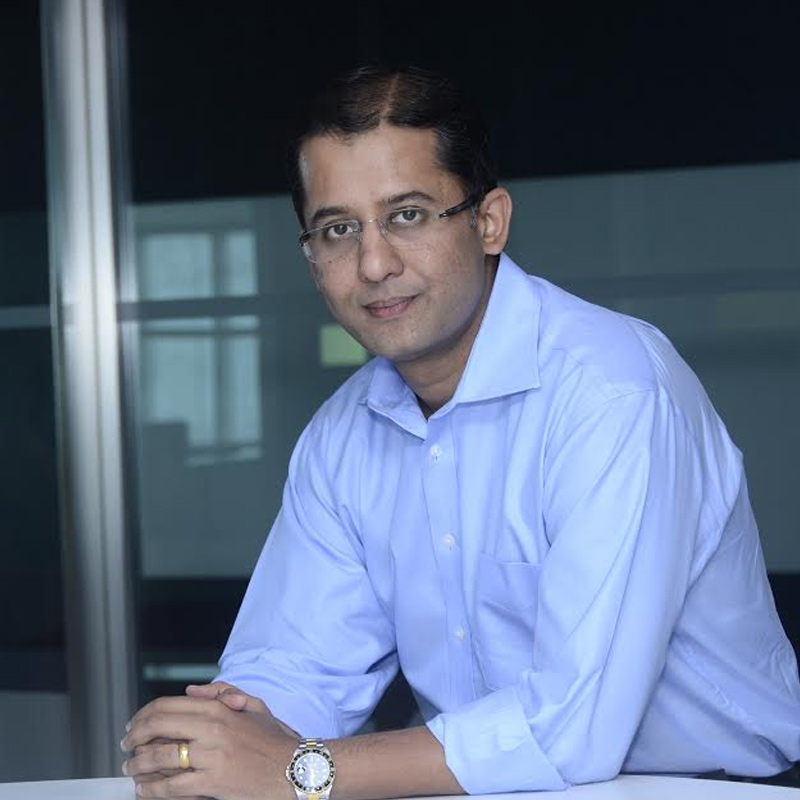
    The board has designated Vynsley Fernandes as media group chief executive officer of NXTDigital with oversight of all the media businesses of the group encompassing cable TV, HITS and broadband. He will be responsible for leading the overall business and operations of the group as it continues to expand across the media spectrum.

    With NXTDigital being the only HITS platform in the country, it’s expected to get a boost from  the sharing of HITS infrastructure with other Multi-System Operators (MSOs) across the country, as recently notified by the ministry of information & broadcasting. The potential for infrastructure sharing or managed services stands at over 69 million cable TV households today – comprising smaller independent and regional MSOs.

    NXTDigital CEO Vynsley Fernandes said “The focus in Q2 was to lay greater emphasis on operational efficiency, rather than pure revenue growth at the cost of profitability. Our strategy was to continue enhancing customer engagement whilst rolling out innovative solutions and driving cross-selling relentlessly. The result is manifested in our key performance indices – where not only has our EBIDTA grown both year-on-year and quarter-on-quarter; but has also seen growth in margins.”

    Going forward, NXTDigital will continue to focus on consolidating and growing its serviced subscriber base, expected to cross 10 million; including onboarding of more than 5 million of managed services customers. It will also continue to drive cross-selling of digital video, broadband and value-added services whilst offering innovative bundled products and packages in diverse geographies.

    The company will also roll out its NXTCONNECT device, which is a single device for customers to access live television channels, OTT content, social and other apps, games & much more, to commemorate the festival season. The launch will be coupled with the rollout of NXTGO, an innovative dongle-type device that can be plugged into an OTT set top box or an Android-based television and provide immediate access to live television channels securely.