Tag: Television

  • #Throwback2020: For M&E industry, there’s no such thing as closing shop

    #Throwback2020: For M&E industry, there’s no such thing as closing shop

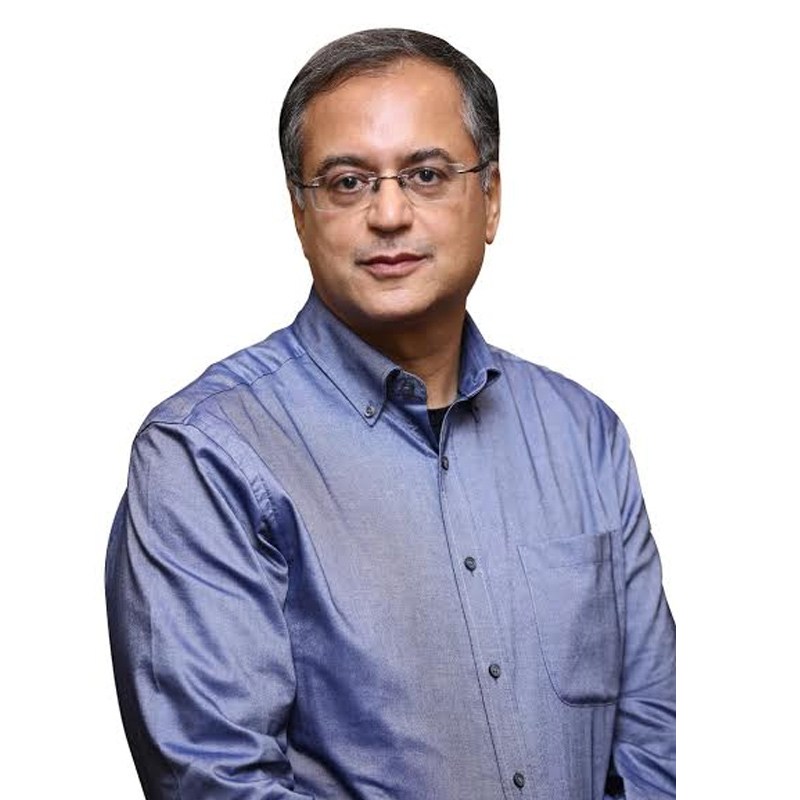
    MUMBAI: It has not been the easiest of years and none of us ever dreamt that the last couple of months would be the way they have been. But I always believe that there is always a silver lining and that there is a lot to learn from what has transpired in the last ten months. Having said that, I think we have stayed true to our promise of keeping our viewers entertained, even in a crisis situation. We made sure that we were there for them when they needed us the most because there were no other entertainment outlets available.

    We adopted different strategies across different genres to make sure that our viewers get what they want. But, the one big thing that stood out for us as an entertainment broadcast company and the franchise that I oversee, is that we were true to our DNA. We were true to our promise of continuing to narrate great and relatable stories and keep our viewers engaged and entertained in a time when they really needed us the most. That to my mind, brings true value to my organisation and our brand.

    Looking back at 2020

    We didn't have a single minute or day of blackout despite the lockdown, which happened overnight. We continued to run our channels with content that engaged and entertained our viewers across genres whether it was in GEC, Hindi movies, kids, music, English, youth and regional portfolio. So, I think, resilience, determination and entertainment stood out for us, as storytellers, to do what we do best. Definitely, we all pivoted our plans to adapt to the new normal.

    If you look at Hindi GEC, which is the biggest and the most mass genre of them all, a big surge in non-prime time viewing was noticed because of the lockdown. We did lose out on some viewership to the other genres in the primetime slot due to lack of original content as a result of the shoots coming to a halt for some time. We witnessed a comeback strategy in Hindi GEC because we realised that there was a lot of family bonding and family viewing happening – a big trend that has continued to stay. Keeping this trend in mind, we went back into our libraries and brought back shows like Mahakali, Shani Dev and Jai Shri Krishna. We even looked at external libraries as well and aired Om Namah Shivay and Mahabharat. Some of our old legacy shows that brought back a lot of nostalgia included Balika Vadhu, and Uttaran, to name a few.

    Post the opening of the lockdown, we launched many new shows. Some of them were shows that had a social commentary and became household conversations. With shows like Molkki, Namak Issk Kaa, which is a romantic drama, or Ishq Mein Marjawan which is a romantic thriller, or Pinjara Khubsurti Ka, we managed to launch a lot of new content including our biggest reality television show Bigg Boss. So, variety in entertainment was a trend that we managed to keep. With the resumption of original content, viewership during primetime and non-primetime have more or less gone back to pre-Covid2019 levels now.

    How shows have performed

    Colors has had a fantastic run. We were the first ones to start with original content once shoots resumed. We are slot leaders with Ishq Mein Marjawaan and are slot leaders at 7 to 7:30 pm with Choti Sarrdaarni and then at 8 pm with Shakti. Bigg Boss continues to rule the roost from 10:30 pm onwards which is a very good slot for us. Barrister Babu has also given us superb ratings. Post the unlock, we have a robust 19 per cent market share. We are also a very strong number two in our all-day primetime. With a 22 per cent market share, we had great launches and out of the top five launches in the unlock, three of the launches belong to us, which includes Naagin, Pinjara Khubsurti Ka and Namak Issk Ka. All the shows have propelled our prime time viewership on weekdays and weekend viewership with Bigg Boss.

    We couldn't be happier because our entire prime time from 7 pm onwards has kicked in. Molkki is doing very well for us at the 10 pm time slot. So, variety entertainment is at its peak across genres along with family drama, romantic thriller, romantic drama, social issues, and adventure. We even experimented and innovated during the lockdown with Khatron Ke Khiladi Made In India for the first time, followed by Hum Tum Aur Quarantine with Harsh and Bharati. 

    Some of these strengths have sort of rationalised themselves over a period and some of these trends, such as co-viewing, relatable, relevant characters and storyline continue in Hindi GEC. At Colors, we do our best in terms of fiction, as well as reality television. And we are hoping to launch our next reality show once Bigg Boss concludes.

    Biggest Trends

    Apart from that, we saw a lot of the viewership moving to kids, news and movies. Existing for almost two years now, Rishtey Cineplex, in a very short period of time, has acquired a seven per cent market share which is a great beginning as far as we are concerned. We have grown tremendously by focusing on premieres, festivals that we do every month. Movies is a genre that we at Viacom18 are very serious about. With the Freedish and FTA trend, we re-entered with Colors Rishtey and Rishtey Cineplex. I am glad we did so, because there has been a huge amount of growth in terms of viewership and in terms of monetisation in the FTA space. In a very short span both the channels have secured a 15 per cent market share in their respective genres. We are really very happy to see that because we are actually sweating our assets even more and that makes our ROI much better. So from that perspective, the Freedish trend is here to stay.

    I think the other big piece which cannot be denied, is that the last ten months have reaffirmed our view that in India, unlike the western countries, OTT and digital is going to co-exist with linear television and broadcast television. This is particularly a market, which is an ‘and’ market and not an ‘either-or’ market. Thanks to this co-existence of digital and linear, as storytellers and content creators it is a fabulous opportunity for us, since there is a huge growth in demand and consumption of content. Therefore, as an organisation, we are looking at creating stories, shows and content that is sometimes pipe or screen agnostic. This is a huge and I think 2021 will only reaffirm this further as a trend.

    Consuming content in regional languages is also seeing an upswing. As marketers, we have pivoted our plans to ensure that we engage and interact with our viewers outside of the formal mass media vehicle. We have moved our engagements to digital, to our websites and social media. We engaged and created communities in the online world and engaged our audiences and told stories with games, through Instagram and many other innovations.

    Adapting to the new normal

    We have already adapted to the new normal with shows that we launched in the recent past, which is Namak Issk Ka and Molkki. Some of these shows are already being stitched together with the fabric of the nation, which is about family bonding and family viewing. It is about catering to human emotions and narrating relatable and relevant stories. So, I think a large part of it has already been actioned. As far as we are concerned, I think we will continue to see this trend for a while until Covid2019 vaccines are in and life and economy comes back to normal. I think the economy is recovering and so is the broadcast industry and so is Viacom18 and all our brands.

    So, one is of course, to tell relatable and relevant stories. The other one is to cater to the need of action, adventure, and voyeurism reality, which Colors is known for. Coming up in 2021 is the finale of Bigg Boss, followed by the launch of several impact properties, including Dance Deewane. Our machinery is on and we will see some disruptive content coming this year as well.

    Performance in terms of revenue

    We did see a very soft q1 and Q2 because the economy had slowed down big time and now as the economy recovers and as unlock happens, we have had a great comeback in Q3. We saw a fabulous festive season. In fact, we were able to slightly surpass quarter three of last year. Q4 looks good. A lot of advertisers are coming back to us because we are the only means of reaching out to a mass audience in light of the other vehicles falling off. TV continues to deliver mass reach, relevant reach, captivated reach, and therefore a measurable reach as well. Due to this, advertisers have come back to us and continue to come back to us post festive season as well. When we launched Bigg Boss, we actually got 17 sponsors.

    Ad spends in the foreseeable future

    I think the ad spends will continue to remain stable because the economy is on a path of recovery. We have seen demand coming back, consumption going up. I think the power to spend is also returning and with that advertisers will have to continue to create and gain their share of voice. In my view, there is no better medium than television, which will continue to be one of the single largest mode of advertising in the future as well. There is a grown advertiser interest in digital too. But having said that, television will be advertisers’ favourite. We do see a trend of television continuing to monetise ourselves and advertiser interest continuing to be at an all-time high in Q4 as well.

    Investment in Hindi GEC

    When a lockdown happens, you can cut costs and you can shut down your factories and save and not spend or manufacture and therefore save your cost. But in the entertainment industry, there is no such thing as closing down a factory. We need to continue to grow and churn content every single day to ensure that we entertain our viewers. So there is no pulling back on content costs at all.  We are preparing to enter 2021 with a whole new plethora of primetime and weekday and weekend content. 

    There is no lack of good investment in any of the genres. We will continue to buy movies and movie catalogues and premieres.

    Creating other revenue streams

    I believe ancillary revenue streams are here to stay and I think they will only be more relevant in the years to come. Advertisers are looking at innovative ways of reaching out to their audiences and for me, brand integrations, product licensing, promo licensing and brand solutions and brand integrations are a win-win for all the stakeholders because the advertisers are able to convey the message to viewers in a very interesting and clutter-breaking manner.
    (The author is head of Viacom18 Hindi mass entertainment & kids TV network. Indiantelevision.com may not subscribe to her views.)

  • Ad volumes on music genre see steep rise in Q4: TAM

    Ad volumes on music genre see steep rise in Q4: TAM

    NEW DELHI: Covid2019 impacted nearly every genre on television. People were forced to stay indoors and as a result they spent a lot of time watching news, movies, music and shows on TV, resulting in a massive viewership spike.

    Films / shows, news and music were the key source of entertainment for the audiences. The music genre platforms created curated lists to offer respite to audiences from news of the pandemic. However, the genre was hit in terms of advertising, like many others.  

    TAM recently released data that showed ad volumes per day fell sharply in Q2 but witnessed a sharp rise in Q4. In Q2 it fell to just 56 hours per day, whereas it surged to 157 hours per day in Q4. This is in line with the fact that 90 per cent advertisers paused advertising in the early days of the pandemic and only started resuming their spends during the early Unlock phase.

    The monthly share of ad volumes for the genre is as follows. It depicts the growth in the genre barring December 2020, when it registered a slight decline.

    The data clearly reflects that the genre clocked the lowest ad volumes in the last five years.

    The top five sub genres in 2019 were – Hindi, Tamil, Telugu, Kannada and Punjabi, while in 2020 the top sub genres were Hindi, Tamil, Punjabi, Telugu, and Kannada.

    Personal care and food & beverages sectors were the leading advertisers in this genre, however, toilet soaps, toilet/floor cleaners and e-comm/entertainment/social media were the leading advertising categories in the genre in 2020.

    HUL and Reckitt Benckiser India were the leading advertisers, while Dettol Antiseptic, Dettol Toilet Soaps and Lizol were the leading brands in the genre.

    The report also highlighted that ad volumes had a split of 63:37 between national and regional. In 2019, this split was nearly the same.

    During the Unlock phase, the movie genre saw nearly 120 hours of average ad volumes per day, which was 93 per cent more than the lockdown period.

    Ad volumes were maximum on primetime band and the 20-40 seconder ad format still ruled the segment.

  • #Throwback2020: Scriptwriters on the new normal

    #Throwback2020: Scriptwriters on the new normal

    MUMBAI: The great irony about the year 2020 is that a year that will forever be defined by one of the worst pandemic known to humankind is also one that redefined entertainment and paved the way for many millions. It would not be wrong to say that 2020 was the writer’s year. Over the course of the last 12 months, streaming platforms served us gems like Scam 1992, Mirzapur, Paatal Lok and Panchayat, to name a few. The television industry is also experimenting with content. While film and TV producers are grappling with challenges in production, writers are swamped with creating content to meet the consumption demand.

    Production houses are in need of scripts more than ever – a kind of a blessing in disguise for writers, who are working furiously to wrap up pending episodes and current seasons. From the lows of lockdown to the highs of the post-Covid production boom, writers have one thing in common: they have had to adapt swiftly to a new normal.

    The lull of lockdown

    Screenwriters Association member Satyam Tripathi revealed that with the abrupt imposition of lockdown, work came to a grinding halt, and just like any other industry, writers were also affected. But personally for him, working in the confines of his home and coordinating through online platforms was a welcome change, as otherwise a lot of time is wasted in the physical meetings.

    Zoom also provides a workaround, albeit a rather clumsy one, to the key feature of the writers room – the whiteboard, where character arcs and plot lines are scribbled, erased and obsessively rearranged until final things get into place.

    “For a creative person, perhaps this was a time where a lot of introspection was happening in terms of the content we write, in the manner in which we approach our work. When you face a hard time it is then you realise how much you are really connected with the emotions you write about. In those times there was so much insecurity around us in terms of money, work, and life itself,” Tripathi mused. 

    Author, writer, documentary filmmaker Jaya Mishra, who has written for shows like Kehne Ko Humsafar, Cold Lassi aur Chicken Masala, spent her time dashing off scripts in the first few months of the lockdown. “There was pressure to deliver the scripts because nobody realised how much time it would take to get back to normalcy. People wanted to finish the writing processes of all the shows; basically that was the only work we were doing at that moment,” she shared. “But how does one write about normal life when life was not at all normal? The world was at a standstill. I couldn’t focus because all my shows are romantic comedies and there was no romance, I mean how do two people even meet anywhere without the fear of the virus?”

    She went on to add that shows which were almost ready to go on floors required last-minute changes. So, there was a lot of rewriting that happened during that time. 2020 eventually gave Mishra the chance to take a pause from hurtling between writing and delivering scripts. She devoted this free time to her other love – crocheting.

    At present, her in-tray is overflowing. She has started work on her second book, which has been a long time coming. Mishra’s first book was the fiction novel Kama~the story of Kama Sutra published by Om Books. She has her hands full writing for Alt Balaji’s Toxic, Married woman, United, and is also penning screenplay dialogues for an unnamed original series with One Life Productions.

    Director, lyricist, and Happy New Year writer Mayur Puri defined the first few months of lockdown as tough, with shoots cancelled and no dubbing taking place. Apart from this, Puri’s company which does a lot of translation projects for OTT platforms saw a period of lull.

    Said he: “Before the lockdown, my company produced 30 hours of content and the idea was to make it to 45 hours of content till 2021 but now it looks quite difficult to achieve. In fact, for the first three months, there was no work but from October onwards we have reached our monthly targets. I am hoping by the first quarter we will be back on track as far as bulk business is concerned.”

    On the bright side, more projects have started flowing in from June and July onwards. Puri now has three projects lined up for release this year, including Disney and Marvel Studios’ Black Widow, and Free Guy. All the movies were commissioned in 2020.

    Besides volume, the nature of work has also changed for writers. People who were earlier writing two movies are now working on four projects. The past year has also been a wake-up call for screenplay writers. “For instance, when it comes to OTT, there is more pitching and development before actual writing happens. So, writers are becoming more disciplined, they now understand that style of working. Since the writing activities have increased, hopefully it will harbinger better content for us.”

    Production blues

    The industry breathed a sigh of relief when the government allowed filming to resume, under strict guidelines. Of course, production while being Covid compliant comes with its own share of hassles.

    Writers are now being asked to rethink what could be feasible as there are restrictions in terms of shooting, budget, people and much more. They are asked to lean on fewer characters along with special effects and VFX to provide scale and make the show more relatable.

    To make the scripting process more convenient, multiple staff are splitting into mini-rooms, with senior-level producers doing Zoom sessions while lower-level personnel work offline on script changes or other details. Some showrunners are also scheduling one-on-one Zoom or Google Meet sessions with members of the staff in an effort to ensure that everyone is getting the support they need.

    Despite the occasional technical hiccups, like bad internet connections, sound and the transition to teleconferencing has been a source of comfort to many in this new quarantined world.

    Mirzapur writer and creator Puneet Krishna is currently basking in the success of his original series. But the behind the scenes story is not so sunny. Mirzapur was in the middle of post-production, so it was an ordeal for him to shoot while following Covid protocols. Due to this, the dubbing process became elongated.

    Tripathi, who is busy developing an OTT series with Reliance Big Synergy, did not have any programmes on air so he did not face any immediate challenges. He got an ongoing show – Zee TV’s Ishq Subhanallah – just when the lockdown was lifted. The only problem he encountered was when somebody on set tested Covid positive, forcing him to rewrite certain scenes.

    Regardless of directives, that vary from studio to studio, screenwriters say their anxiety lies largely in the uncertainty looming over them. 

    Puri asserted that it is important for a writer to have the freedom to take his pick of work. “What we look at is we get enough choice of projects and decide what is best suited for me and when the work stops you are not left with any choices,” he noted. “Not having a choice of subject was one big challenge. I am a small entrepreneur who runs a business of writing. For me, it was very difficult because payments stopped coming and I have a team of writers I need to pay. Thankfully, when work started my team picked up the pace and we started working harder and we accommodated Diwali bonuses also. I think the worst has passed and we are in a better position.”

    The silver lining

    The emergence of OTT platforms has been a gamechanger for writers. Puri said that thanks to these streaming services, writers are now getting recognised. In addition, with most theatres shit or running at 50 per cent capacity and no big budget movie releases happening, the race for box-office numbers is virtually non-existent. Now, it is completely a contest of skills, which is why Puri believes the overall quality of writing should go up.

    He quipped, “With OTT there are so many stories which can be now explored which are not conventionally box-office. The only criteria is to make the content right and think of the audience as an intelligent audience. The value of writers is going up, in terms of the value, payment, and respect for their work. I am hoping this continues even when the theatres are open.”

    Acknowledging that there has been a spike in OTT consumption, Krishna noted that people who were releasing films in cinema halls are now opting for OTT release –so it has become a level playing field. At the same time, he is hopeful that once things normalise, people would flock back to movie theatres.

    Forecast for the future

    Digital adoption in various walks of life surged by leaps and bounds in 2020 and writing is no exception. For a while now, more and more people have voiced that TV, movie and OTT scripts shouldn’t be made with paper, as paper scripts being tossed around a set might cause problems. So, writers suggested alternatives such as electronic scripts and electronic sign-in/out should be explored in the post-Covid world.

    But what about the big picture? Mishra was of the view that the entertainment industry is going very strong.

    “Fortunately, the market has been pretty good to writers. A lot of ideation went on, it has helped me to work on new shows. All this work came to me in the last five months. We are still in a better position compared to directors, actors and producers,” he said.

    Tripathi opined that the market is still picking up and will take time to settle. The entertainment industry was already facing issues after TRAI’s intervention, digitisation, and then the BARC incident happened. And while the OTT juggernaut is no blip on the radar, traditional linear TV still has a lot going for it. “The industry was kind of settling in when the pandemic knocked on our doors. I also believe that the OTT spike is just a rumour, it is more of an urban phenomenon. Because during the lockdown we have realised that reruns are doing much better than any form of content,” he added.

    A lot of negativity that has come to be associated with daily soaps will decrease, and audiences will react to it, claimed Tripathi. That is why a lot of older shows are working as they bring a sense of nostalgia and good times.

    Writers also echoed the view that smaller budgets and fewer crew on sets would force directors to tell more intimate and pertinent stories.

    These are exciting times to be a screenwriter, with the industry in transformative stage, new forms being explored and a burgeoning need for content among new and diverse consumers. The page is fresh and the quill is ready, now it remains to be seen what story they write.

  • Guest column: 2020 has been full of new learnings for content creators

    Guest column: 2020 has been full of new learnings for content creators

    MUMBAI: Summer vacations typically start from the month of April leading up to June, a period when content consumption amongst children is usually at its peak for kids entertainment channels. This arrived as early as March this year owing to pandemic-induced lockdown and has continued since. To meet this increased consumption demand of our young viewers, our production houses worked remotely and delivered fresh content throughout the pandemic to keep them entertained. We utilised this time for reflection on the content mix and content journey, hence we have also given them brand new content with the launch of our first chase-comedy show, Pyaar Mohabbat, Happy Lucky; and continued it with another new show in the mythology genre – Krishna Balram.  We also expanded our language feed from seven to nine languages with the launch of Honey Bunny ka Jholmaal in two new language feeds, Gujarati and Kannada. The consumption pattern also moved towards consuming long forms, adapting to which Sony Yay! released 15 new Honey Bunny movies this season.

    We improvised our existing plans and adopted a fresh approach of omni-channel presence of our characters to keep up with our young viewers and entertain them throughout. We commenced this journey with our summer campaign – What’s Your Summer Plan? –announcing exciting new episodes, telemovies of our marquee characters along with new shows. We also launched a unique workshop series called Yay! Summer Camp brought together artists and experts from various fields to create videos on art and craft, Zumba, storytelling and more. In addition to this, the Yay! the ecosystem was expanded to cater the fans with special Honey Bunny themed mobile games and interactive Honey Bunny themed Instagram filters.

    Biggest takeaway from 2020

    Entertainment becomes transformative and necessary in the lives of people in times of crisis like the one we’ve witnessed. 2020 has been a year of learnings and thus, witnessing the shifts and increase in demand for fresh content, we quickly readapted to the situation to create more content thus, while also curating more potential ways to connect with our young audiences. While television continued to be the staple mode of entertainment, the digital medium also took huge precedence. Both kids and gatekeepers have had a dynamic shift in their behaviour, content consumption and perspective. This led us to create new ways of connecting with them through their favourite characters on television as well as digital.

    New skillsets learned during this time

    This year we have seen dramatic shifts in lifestyle and content consumption amongst kids. Thus, we understood that it is paramount to expand our ecosystem offerings and broaden our horizons beyond television. Sony Yay! also enhanced its digital outreach by creating a digital portfolio with immersive workshops, interactive Instagram filters, special Honey Bunny games, and extensive outreach for relevant influencers of the community. Furthermore, in 2020 we have also enhanced our engagement skills by creating experiences for kids in the form of virtual offerings.

    Technology has played an important role

    Apart from the tantamount benefits of technology, the one that stood out for the kids’ entertainment category during the pandemic is helping us stay connected to our young viewers and to our production houses. Our production houses operated remotely and kept creating fresh content meeting its increased demand in the category, thanks to the advancement in technology. This is an opportunity for content creators like us to collate all our experiences and package it into an interactive virtual ecosystem. Also, with higher internet penetration and multi-screen availability, online gaming has witnessed exponential growth and we have tapped into this trend with some of our popular games Honey Bunny ka Jetpack, Kicko & Superspeedo game, Merge Super Speedo exceeding expectations with an incredible one million+, 10 million+, one million+ downloads, respectively, so far.    

    Is TV being monetised enough?

    In India, TV has always been a staple in almost every household and accounts for nearly 40 per cent of the total advertising expenditure in the country in 2019. The kid's entertainment category is still extremely under-indexed with a huge gap in the ad rates compared to some other categories. That said, with high-quality engaging content, we have seen constant growth in viewership and brands also warming up to increase their spending.  

    (The author is business head, Sony Pictures Networks India kids’ genre. Indiantelevision.com may not subscribe to her thoughts.)

  • Personal care brands dominate movies genre in 2020: TAM

    Personal care brands dominate movies genre in 2020: TAM

    NEW DELHI: Covid2019 impacted nearly every genre on television. People were forced to stay indoors and as a result they spent a lot of time watching news, movies, music and shows on TV, resulting in a massive viewership spike.

    The movie channels leveraged this period and showcased the best titles from their library to ensure that they are able to attract audiences. A BARC report stated that there was a 14 per cent increase in impressions and 10 per cent spike in daily average reach.  

    However, during several webinars, meetings and discussions, industry observers clearly mentioned that the surge in viewership did not translate into advertising.

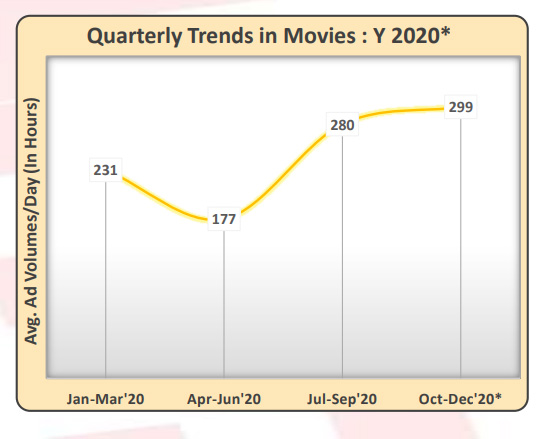
    TAM recently released data that showed ad volumes on movie genre grew by 60 per cent in 2020, compared to ad volumes in 2016. Interestingly, the quarter ended 31 December saw the highest number of hours in ad volumes per day.

    If we look closely at the data, we will notice an obvious trend where the average ad volumes per day steeply fell in the initial stages of lockdown, and then started picking up early May-June onwards. The trend was obvious because marketing teams at brands were still unable to gauge the depth of the crisis and not ready to bet money on advertising in that quarter.

    Movies have consistently maintained a 20 per cent average in overall television advertising across the years. (since 2016). In 2020, it was at 23 per cent.

    The top five sub genres in 2019 were – Hindi, English, Telugu, Tamil, and Bengali, while in 2020 the top sub genres were Hindi, Bhojpuri, Bengali, Telugu, and Kannada.

    Personal care and food & beverages sectors were the leading advertisers on this genre, however, toilet soaps, shampoos and washing powders continued their dominance in terms of ad volumes in this category.

    HUL and Reckitt Benckiser India were the leading advertisers, while Dettol Toilet Soaps and Clinic Plus Shampoo were the leading brands in the genre.

    The report also highlighted that ad volumes had a split of 51:49 between national and regional. In 2019, this split was at 56:44.  

    During the Unlock phase, the movie genre saw nearly 280 hours of average ad volumes per day, which was 93 per cent more than the lockdown period.

    Ad volumes were maximum on primetime band and the 20-40 seconder ad format still ruled the segment.

  • Car brands continue to lead news genre advertising in 2020: TAM Adex

    Car brands continue to lead news genre advertising in 2020: TAM Adex

    NEW DELHI: Covid2019 impacted nearly every genre on television apart from news. Unlike other genres, news channels saw a meteoric rise in viewership for a variety of reasons – first, people turned to their choice of news channels to find out about the development at state, national and international levels around the Covid2019 situation; second, they believed it to be the most credible source of information, and third, it was the only genre that could create content and was permitted by the governments to operate. Unlike the GEC genre that completely relies on production and sets, news relies mostly on the on-ground coverage and its reporters.

    As per BARC, the genre saw a viewership surge of 298 per cent.

    However, during several webinars, industry meetings and discussions, head honchos at news networks clearly mentioned that the surge in viewership did not translate into advertising.

    TAM recently released data that showed ad volumes data on news genre grew by 23 per cent in 2020, compared to ad volumes in 2016. Interestingly, the quarter ended 31 December saw the highest number of hours in ad volumes per day.

    If we look closely at the data, we will notice an obvious trend where the average ad volumes per day steeply fell in the initial stages of lockdown, and then started picking up early May onwards. The trend was obvious because marketing teams at brands were still unable to gauge the depth of the crisis and not ready to bet money on advertising in that quarter.

    News has consistently maintained a 30 per cent average in overall television advertising across the years. (since 2016)

    Apart from the top five news genres – Hindi, Bengali, Telugu, Tamil and Kannada, other sub genres also grew.

    Services and food & beverages sectors were the leading advertisers on the news genre, however, car brands continued to have the highest ad volumes. The category also led the chart in 2019 also.

    HUL and Reckitt Benckiser India were the leading advertisers, while True Shield Hand Sanitiser, Colgate Dental Cream and Policybazaar.com were the leading brands in the genre.

    The report also highlighted that regional news channels had more than 70 per cent share of ad volumes. This year regional channels took away 73 per cent of ad volumes whereas national channels had only 27 per cent. The numbers were not very different in 2019.

    During the Unlock phase, the genre saw nearly 370 hours of average ad volumes per day, which was 49 per cent more than the lockdown period.

    Ad volumes on primetime band and the 20-40 seconder format still ruled the news genre.

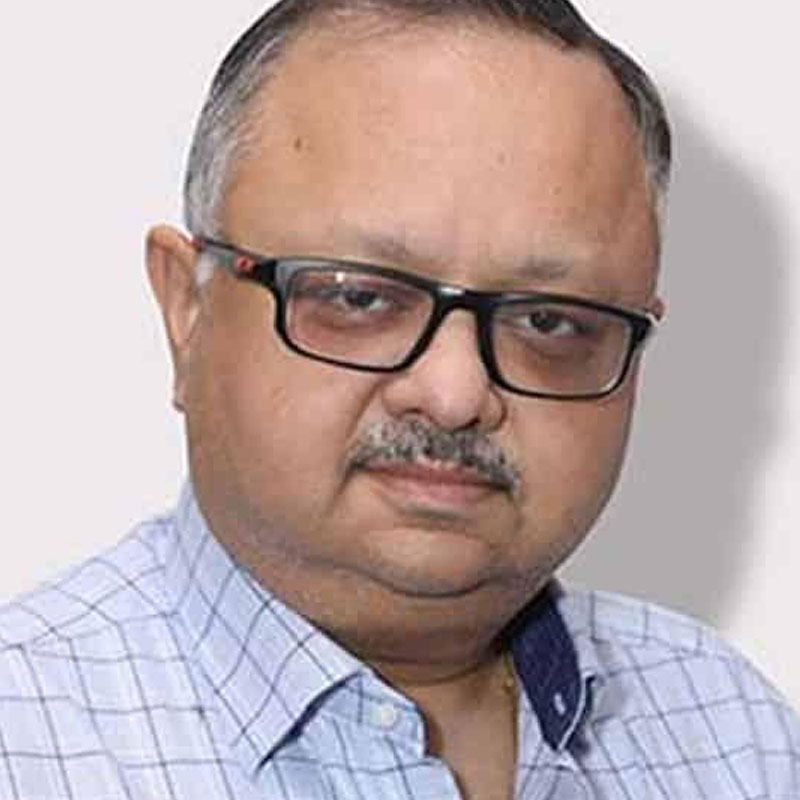
  • TRP scam: Partho Dasgupta’s bail plea rejected

    TRP scam: Partho Dasgupta’s bail plea rejected

    NEW DELHI: The Esplanade magistrate court in Mumbai has rejected the bail plea of former Broadcast Audience Research Council (BARC) India CEO Partho Dasgupta, in connection with the alleged TRP manipulation case. His lawyer is, reportedly, planning to approach the Mumbai high court. 

    In related news, Dasgupta was questioned in connection with the gold and silver ornaments worth Rs 48 lakh found in a bank locker maintained by his wife by the crime intelligence unit of Mumbai police on Sunday. The interrogation, as reported by The Times of India, went on for one hour. 

    Police obtained permission from the 37th metropolitan magistrate court to interrogate him. SB Bhajipale directed the Taloja jail superintendent to make arrangements for Dasgupta's interrogation saying, “….this court has already rejected the prayers… for further police custody on December 30. However, considering the requirement of investigations as mentioned by the prosecution, I come to the conclusion that personal interrogations of the accused for one hour in jail premises will suffice the purpose of the investigating officer.”

    Dasgupta was arrested in the TRP scam on 30 December and remanded to Taloja Jail. His bail plea, which was earlier scheduled for 1 January, might come up on Monday. 

  • GEC ad volumes saw 33% rise in 2020: TAM AdEx

    GEC ad volumes saw 33% rise in 2020: TAM AdEx

    MUMBAI: 2020 was a difficult year for the television broadcast space, courtesy Covid2019 pandemic. Every genre struggled hard to ensure saliency in terms of content generation and maintaining ad volumes. In the early days of the lockdown, GECs were hit the hardest because the production schedules were canned and there was no fresh content. They were forced to rerun the old episodes of popular shows and were unable to create fresh content until the Unlock phase started and that too under strict guidelines. The situation forced the advertisers to rethink their strategy. 

    Television Audience Measurement (TAM) released an analysis on ad volumes and active brands on GECs in 2020.  Ad volumes on general entertainment channels (GECs) last year has grown by more than one fourth over that of 2016, according to the TAM AdEx-Mirroring Y 2020 for advertising in GEC genre. It witnessed 33 per cent rise in 2020 compared to base year 2016. After ad volumes on GECs troughed in the second quarter of 2020 due to the imposition of a nationwide lockdown, they witnessed resurgence during the third and fourth quarter on the back of a gradual Unlock. 

    It also pointed that the month of October and November had the highest ad volume share (10 per cent each) due to the festive period. True Shield Hand Sanitizer was the top brand during the period of April, May, June and August in GEC genre. 

    In 2020, top three channel genres retained their positions compared to 2019, among which the Hindi GEC genre topped during both the periods. The Hindi GEC witnessed a growth of one per cent since 2019. Tamil GEC has continued to take 15 per cent of the pie in both the years. Malayalam and Kannada GEC observed positive rank shift. Top five channels genres accounted for more than 65 per cent share of ad volumes during both the periods.

    The report stated that the count of advertisers and brands dropped by 38 per cent in quarter two of 2020 which recovered by 48 per cent and 58 per cent respectively in quarter four over quarter two. Personal care/personal hygiene sector topped with 25 percent share of ad volumes followed by F&B with 22 per cent share.  Top sectors which included personal care/personal hygiene, F&B and services together added 57 per cent share of ad volumes which were also on top during 2019. The top four sectors also including hair care has dominated the GEC genre in year 2020.

    While the toilet soaps category maintained leading position during 2020, with seven per cent share of ad volumes, ecom-media/entertainment/social media climbed by five spots to achieve the second rank, replacing toilet/floor cleaners. The report highlighted that the top ten categories belonged to food and beverages sector. Biscuits category was the only new entrant in the top ten, replacing hair oils. Positive rank shift was observed in milk beverages and ecom-media/entertainment/social media categories. In terms of growth, hand sanitisers category witnessed highest growth of 10X, followed by range of toiletries with six times growth.

    Among the top advertisers of the year 2020, HUL topped the list followed by Reckitt Benckiser India. Top ten advertisers contributed 58 per cent share of GEC ad volumes. Marico was the only new entrant in the top ten advertisers’ list. P&G, ITC, Cadburys India, Wipro, Godrej Consumer Products, Colgate Palmolive India, Nestle India and Marico were in the list of top ten advertisers with a positive rank shift compared to the year 2019. Clinic Plus Shampoo was the top brand during 2020, followed by Lux Toilet Soap. The top ten brands together added 10 per cent share of ad volumes during 2020. Also, six out of the top ten brands were from HUL while three belonged to Reckitt Benckiser.

    2020 was a difficult year for the television broadcast space, courtesy Covid2019 pandemic, but regional channels have managed to hold their market. According to the report, regional channels had 3X ad volumes compared to national channels. Regional and national channels had 77 per cent and 23 per cent share of ad volumes respectively during both the years (2019-20).  HUL and Reckitt Benckiser India were the top two advertisers present in both regional and national channels during 2020. In GEC genre, regional channels had three times more ad volumes compared to national channels. Apart from this, Docubay Media and Attica Gold Company were the top exclusive advertisers in national and regional GECs respectively.

    One of the most affected genres on television in terms of ads during the Covid2019 lockdown was the GEC genre. The broadcasters were dependent on reruns of famous and old shows as shooting and production stopped due to restrictions. This led to a steep decline in adverts on GECs. From July onwards, when fresh content arrived, it propelled the advertising in the GEC genre, logging 330+ hours of average ad volumes per day. It saw a spike of  74 per cent more compared to lockdown period from April to June 2020. Tally of categories grew by 24 per cent whereas advertisers grew by 95 per cent and brands rose by more than 2X during Unlock.

    The report further highlighted that prime time was the most preferred timeband on GEC genre, followed by afternoon and morning time-bands.  Prime time, afternoon and morning time bands together added 72 per cent share of ad volumes.

    Ad commercials of 20-40 seconds were most preferred for advertising on GECs during both the years. Commercial advertising added 55 per cent share of ad volumes whereas promos had 45 per cent share in 2020.

  • Guest column: Lockdown learnings for TV land

    Guest column: Lockdown learnings for TV land

    MUMBAI: The Covid2019 pandemic has given us an opportunity to reflect on how we go about our daily lives, and has taught us to be leaner and greener both at work and at home. The lockdown has brought many together, a few apart, and brought out the best and the worst in us. Cocooned in our homes with the spectre of Covid2019 looming over us has led to radical changes in our consumption habits across categories. Television is no exception and the way we consume media and entertainment has changed as well. The absence of original content has seen broadcasters rummaging through their larder for content and this search has manifested itself in dusting off legacy shows, a renewed love for movies, an insatiable appetite for news, a grudging acceptance of dubbed content and the emergence of user-generated content amongst others.

    Whether these changes are transitory, quasi-permanent, or permanent, only time shall decide but a few crucial learnings during this period are highlighted below:

    Curation is as powerful as creation

    It has been an accepted norm that original content ratings are significantly higher than recycled content ratings. However, the careful curation of legacy shows, the introduction of dubbed shows and movies, and proactive FPC management have ensured that many truisms had to be revisited. There has been a blurring of prime time versus non-primetime ratings, original versus repeat ratings and discrete versus continuous content. So moving forward curation is at par with creation but both fundamentally require a deep understanding of viewers' sensibilities, need states, and cultural sensibilities and sensitivities.  

    Recycle, repeat and reuse is the new mantra

    Re-telecast of successful mythological shows delivered ratings in their original as well as dubbed avatar across markets. Channels across markets juggled their programming strategies over the past few months to give prominence to mythological shows such as Mahabharata, Ramayan, etc. The mythological shows bought in an element of hope and belonging during the time of unprecedented uncertainty. Gauging the audience’s response, reruns of erstwhile popular fiction shows also became a norm during the lockdown and were being aired alongside original shows.

    Language is no longer a barrier

    Thanks to the rising availability and popularity amongst viewers, regional language content has emerged as a key growth driver for TV viewership. Indian audiences are more than willing to consume content in their respective languages. In the past few years, rural electrification and smartphone penetration have also added to the popularity of regional language content.

    Movies have found their mojo

    Film-based content not only performed well in Hindi speaking markets but also in southern markets. According to BARC India data, the movie genre saw a 27 per cent growth in primetime viewership share in the south market as compared to the pre-Covid2019 period. Driven by the fact that movies, as a form of content, appeal to all age groups in a family and encourage co-viewing, the category emerged as the primary source of entertainment on GECs across markets.

    Families are the new TG

    Amidst the pandemic, during the time of lockdown, television cemented its role of bringing families together. Lockdown led channels to gradually move from ‘women-centric’ entertainment to ‘family-centric’ entertainment. Content consumption patterns have now changed from ‘me’ to ‘we’.

    Senior citizens can pack a powerful punch

    The population of senior citizens is projected to increase to 20 per cent by 2050. Pre-Covid2019, senior citizens were always underestimated as a target group. The lockdown phase defined them as a significant target group and led us to acknowledge them as an important audience while curating content.

    To conclude, as Socrates said, “The secret of change is to focus all of your energy, not on fighting the old, but on building the new.” While this has been a tough year for everyone across markets, we have grown in a few and may have declined in a few others, but in either case, we have maintained our position for 2020. We are constantly learning from our viewers every day. As we move along, our lockdown learnings continue to provide us with an opportunity to become significant and far more meaningful.

    (The author is business head, Viacom18 regional entertainment – Kannada and Marathi clusters. Indiantelevision.com may not subscribe to his thoughts.)

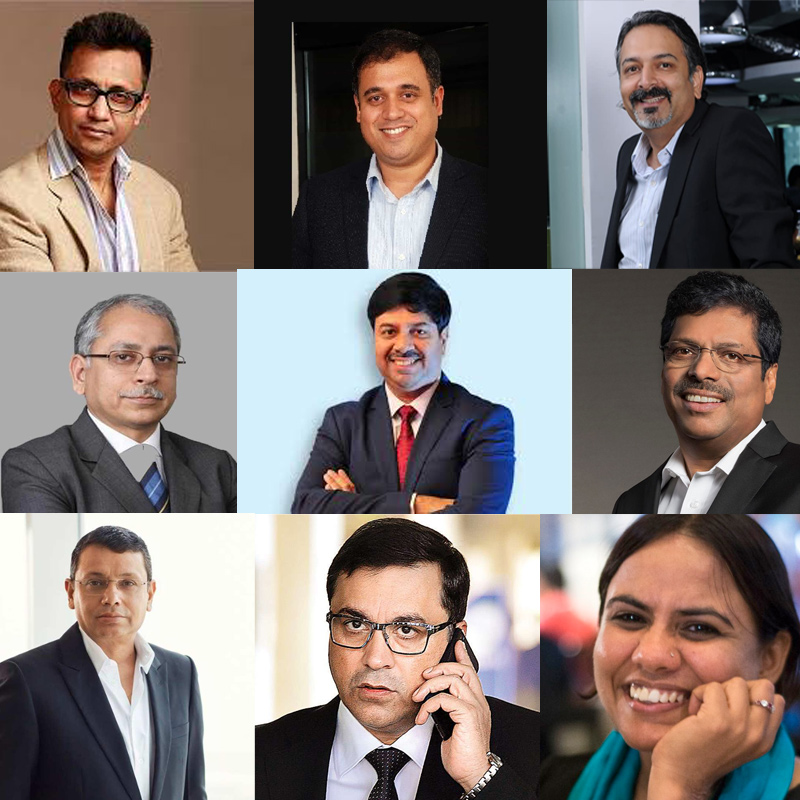
  • #Throwback2020: Heavyweights of M&E industry

    #Throwback2020: Heavyweights of M&E industry

    NEW DELHI: Finally, we are over with 2020, a year that will go down in history for perhaps all the wrong reasons. While it brought businesses and industries across the board to a standstill, the time also taught everyone to come out of their comfort zone and think differently. The media and entertainment (M&E) industry was no different.

    Apart from serving regular entertainment and keeping the content pipeline steady, the industry also saw regulatory interventions, scams, big movements, great strategies, new platforms and trends emerging that challenged its status quo. Be it the coverage of Sushant Singh Rajput’s death that triggered the debate over toxicity on news channels, the release of the highly acclaimed Scam 1992, TRP racket, arrests in the news and broadcast world, or Uday Shankar’s decision to step down from Disney Star India – all these developments and more had the industry grapevine buzzing.

    Indiantelevision.com skimmed through all these conversations of 2020 and selected top heavyweights of the M&E sector of India who steered these discussions and shaped the industry – for better or worse, only time will tell.

    Arnab Goswami, ARG Outlier Media

    The MD, editor-in-chief and co-founder of Republic Media Network became the newsmaker in the second half of the year for multiple reasons. Goswami aggressively went after the police, political leaders and several lobbies in the film industry during the investigation into Sushant Singh Rajput’s death. While several industry members and advertisers questioned his style of editorial reporting, some also blamed him for spreading toxicity in the news. Goswami, however, maintained that he will be relentless in his search for the truth for his audiences. He was soon caught up in a legal storm in two separate cases as police charged his media network for rigging TRPs, and abetment to suicide of an architect and his mother. Members of the Republic, including Goswami, were arrested during this time and multiple lawsuits were filed in both matters. Undaunted, Goswami has continued with his combative editorial style and is expanding the network’s footprint in different languages both in the online and offline space.

    Sunil Lulla, BARC

    2020 has been a very busy year for current BARC CEO Sunil Lulla. He had to make some tough calls and introduced landmark initiatives that changed the course of the industry. It began with the Telecom Regulatory Authority of India (TRAI) interfering with BARC and making recommendations on its functioning, governance, transparency, accountability, operations and robustness. Lulla took a stand on the matter and clearly established that BARC is an integrated business body and is not influenced by the government.

    Later, in a landmark move, BARC came up with algorithms to mitigate the impact of landing pages, which was welcomed by the industry. Towards the end of the year, the agency has been weathering the TRP scam, which brought ignominy to the entire news broadcast industry – so much so that BARC decided to pull back the weekly ratings for the news genre. The scam got murkier with several ex-BARC employees getting arrested. The regulatory body is now drawing a new mechanism to ensure that the methodology is more precise and the industry is able to trust those ratings once again. However, amidst this entire storm Lulla is standing tall and leaving no stone left unturned to maintain the integrity and sanctity of the organisation.

    Shashi Shekhar Vempati, Prasar Bharti

    He was the man behind the uninterrupted supply of entertainment and news to the remotest corners of the country. Vempati led Doordarshan and All India Radio carried on operations uninterrupted throughout the pandemic. During the first lockdown, when fresh content dried up on GECs, Vempati’s team brought back yesteryear shows on the channel and gave everyone some respite from the wrath of the Coronavirus. This decision was so successful that it broke all viewership records of Doordarshan. The state-run broadcaster ensured that people in the far-flung areas were able to access news and updates in their own native languages via Doordarshan and All India Radio. Vempati’s team also initiated tele-classes for students so that their year does not go waste. He is now on a government committee that will closely look into the operations of BARC to assess the existing rating system (the committee was formed after TRP scam was busted).                     

    K Madhavan, Star & Disney India

    An old hand at Star India, K Madhavan, the man who was responsible for building the network’s regional business replaced Sanjay Gupta as he took on the mantle of the TV business across verticals and markets at the end of last year. The network continued to grow in 2020 and post the big announcement of Uday Shankar’s departure, Madhavan was given the responsibility of leading Star & Disney India. Madhavan was also elected the president of the Indian Broadcasting Federation 2020-2021. He will be working closely with the I&B ministry, TRAI, and other bodies to look after the broadcaster’s interest and policy implementation. Madhavan also steered the ninth CII Big Picture Summit this year with hundreds of delegates from all over the world participating in it.

    Uday Shankar, Former The Walt Disney Company

    The biggest shocker for the M&E industry came when Uday Shankar announced his departure from Disney Star India. Shankar ended his 13-year long stint at the organization on 31 December. After taking over the reins of Star India in 2007, he transformed the company into one of the largest and most successful media conglomerates in Asia. He led Star Sports to be the largest sports broadcaster in India. In the general entertainment segment, Star India has a presence in all major regional markets along with a massive dominance in the Hindi speaking market. From launching Hotstar in India to expanding Disney+’s operation in Asia as Disney APAC boss, he has left a rich legacy in the OTT segment as well.

    Adding another feather to his cap, Shankar has been elected president-elect of Ficci for 2020-21, the first-ever media and entertainment executive in India to lead a national industry chamber. 

    Pradeep Dwivedi, Eros STX

    In 2020, Dwivedi spearheaded the global ambitions of 40-year-old production house Eros Now. He led the merger of Eros Now with US-based production house STX Filmworks and uniquely positioned the combined entity Eros STX across the US, China and India. Eros STX will be a publicly traded, independent content and distribution company with global reach. It will now be able to create and distribute both Bollywood and Hollywood content. On the domestic front, Eros Now expanded into linear business and capitalised on the growing demand for OTT with its originals and existing library. Dwivedi was also chosen as VP & area director for IAA Asia Pacific.

    Ajit Mohan, Facebook

    It has been an interesting year for the social media platform in India. It inked a partnership with Jio to establish itself as a strong content player, worked towards bringing small businesses on the platform to expand its base and increase ad spends, joined the government’s atmanirbhar initiative, launched Instagram Reels, Watch on Facebook and WhatsApp pay to further offer new products to the audiences and keep the engagement going on. On the content front, Mohan has been stressing the imminent need for new rules that guide and give clarity over some of the regulatory aspects of what should be allowed and what shouldn’t. He has urged for global cooperation between Indian authorities and others to clearly set these guidelines. The platform also faced government scrutiny as it was summoned by a parliamentary committee for letting content from a right-wing outfit go unchecked. However, Mohan has staunchly denied such violations and stated that the platform takes its safety and security protocols very seriously.

    Barun Das, TV9 Network

    At the outset of the year, Das took on the News Broadcasters Association with an iron hand as the latter questioned the meteoric rise of the network. He took on the veterans and explained to them the television business in an official release. Later, the network announced its big decision to foray into the Bangla market with the launch of a news channel. However, during a discussion with Indiantelevision.com on the ongoing TRP scam investigations, Das urged for zero tolerance towards such criminal activities. He also reminded the industry that the ones who initially flouted these ratings are the ones who are now questioning it. Today, thanks to his hard drive and innovation, what was once a southern news network, is amongst the leading news networks in the country. Additionally, Barun surprised many when he went out on a limb and announced increments for his staff in September with retrospective effect at a time when the news industry was struggling.  Some say this had a ripple effect on the industry with others too rolling back their salary cuts. 

    NP Singh, SPNI

    The ongoing Covid crisis was unprecedented and had a cascading impact on the entire ecosystem. Owing to the nationwide lockdown, there was a complete cessation of content production for TV and OTT films, sports, and events. Advertising spends declined drastically but it did not deter the plans of Sony Pictures Networks MD and CEO NP Singh. He is currently basking in the success of original series Scam 1992: The Harshad Mehta Story on SonyLIV. Despite challenges, Singh expanded offerings: in sports, the recent extension of its broadcast deal for WWE content provides SPN the rights to showcase WWE Network through SonyLIV; SPN has curated content from WWE’s extensive archives library, which includes events, iconic matches, and interviews with legends, reality shows and documentaries on its own platforms. The network also continued with its flagship shows like KBC.

    Megha Tata, Discovery Communications

    Last year, broadcasters pushed the digital agenda, realigning their content strategies, business models to cater to consumers’ interests. Under the leadership of Discovery Communications India south Asia MD Megha Tata, the network entered the Indian OTT space with the launch of Discovery Plus offering premium content at an annual subscription of Rs 299 and a monthly subscription of Rs 99.

    Post pandemic, there has been a massive surge in the OTT content consumption and no network wants to miss the bus. However, as a broadcaster, Tata clearly emphasised protecting the linear business as it is still funding the digital business. She believes there is still time for digital business to reach profitability and monetisation status and TV has to play a key role in that. Contrary to the popular opinion that TV is dying, Tata noted that all linear and digital platforms will continue to co-exist. For her, both mediums are important – one is the business of today and the other is the business of tomorrow. She was also elected as the president of the India chapter of the International Advertising Association (IAA).

    Ekta Kapoor, Balaji Telefilms

    Known as the ‘Czarina’ of the TV industry, Ekta Kapoor, over the years, has emerged as one of the most powerful women entrepreneurs. This year, Kapoor was nominated to receive the fourth highest civilian honour – Padma Shri Award. Apart from dominating the Hindi GEC space, she has clearly stated her intentions for the OTT space by targeting the nation’s low- and mid-income consumers. AltBalaji is likely to release four to five of its big-budget movies in 2021 when Kapoor expects viewers to flock back to cinemas. Balaji Telefilms is set to take over the content studio Ding Infinity to produce 100 per cent premium original cut through the cluttered content. Recently the supreme court granted her interim protection from arrest in an FIR against her for alleged objectionable content in her web series XXX season 2.

    Punit Goenka/ Amit Goenka / Rahul Johri at ZeeL

    Zee Entertainment Enterprises Ltd (ZeeL), which has been going through money circulation points for over 12 months, unveiled a massive restructuring process as part of Zee 4.0 Strategy. It includes restructuring across content, revenue, and digital arms with a renewed focus on revenue maximisation and foraying into newer territories.

    Under this strategy, the company will integrate all of its digital assets under a single umbrella, which includes Zee5 (Domestic AVOD+SVOD), Zee5 Global, SugarBox and Digital Publishing. 

    ZeeL roped in Rahul Johri as president for south Asia enterprise to spearhead the built-in revenue and content material monetisation crew. In other key shuffles in the top leadership, ZeeL elevated CEO (broadcast) Punit Misra as president – content and international markets, while Amit Goenka, the younger brother of Punit Goenka, has taken over as the president – digital businesses and platforms.

    Kevin Vaz, Star & Disney

    Star & Disney India recently elevated Kevin Vaz as CEO of infotainment & kids genre. This is in addition to his regional entertainment portfolio where he is heading Star India regional channels portfolio across Maharashtra, Bengal, Tamil Nadu, Andhra & Telangana, Kerala and Karnataka. He was given the responsibility following the departure of Anuradha Aggarwal who was head of English, infotainment and kids cluster at the company.

    Anuj Gandhi, IndiaCast

    The group CEO of IndiaCast, a joint venture between TV18 and Viacom, Anuj Gandhi is heading a team of professionals for traditional and new media platforms. With a distinct understanding of content, monetisation, and market, Gandhi is a firm believer that in the world of multi-screen obsession, linear TV will remain present. In addition to Gandhi’s responsibility at IndiaCast, he is also involved with Reliance Jio as head of content acquisition for all Jio video and audio apps. IndiaCast Media in the month of March announced an agreement with Cox Communications with the launch of Aapka Colors on Contour TV.

    Sameer Nair, Applause Entertainment

    In 2020, Applause Entertainment spearhead by Sameer Nair developed a robust and varied pipeline of shows and has successfully released 18 series spanning different genres across multiple platforms. Nair has focused on creating a combination of smart originals of international formats, book to screen adaptations, and Applause Originals. The studio has created the official Indian adaptations of popular international shows including The Office, Criminal Justice, Hostages and Your Honor. It is presently developing Indian versions of the hit series Call My Agent, Fauda and Luther. They’ve developed a rich slate of original content with shows like Rasbhari, Undekhi, Bhaukaal, Hasmukh among others, and book to screen adaptations of Avrodh, Hello Mini, and the recently released Scam 1992: The Harshad Mehta Story has been successful in wowing critics and audiences alike.

    Abhishek Rege, Endemol Shine India

    Endemol Shine India, over the last couple of years, has been actively pursuing a two-pronged strategy – preserve and grow its non-scripted portfolio with newer formats and platforms; and significantly scale up the scripted portfolio. Endemol Shine India CEO Abhishek Rege believes Banijay and Endemol will continue to compete with each other, instead of amalgamating under one umbrella. For Rege, the digital streaming space will add to its revenue from the scripted content. To this end, the studio has made series like Arya for Hotstar Originals and Bombay Begums for Netflix. It is bullish on acquiring book rights – including The Sane Psychopath, based on Salil Desai’s novel, content based on American novelist Robin Cook’s books, and an original series based on Amitav Ghosh’s Ibis Trilogy. With this, Rege hopes it will catapult Endemol Shine India onto an international pedestal.

    Sunil Rayan, Disney + Hotstar

    He is not a familiar face in the media and entertainment industry but now the ecosystem has its sharp eye on him. Early in 2020, Sunil Rayan was mandated to head India’s top OTT contender Disney+ Hotstar. The position had been vacant since Ajit Mohan left in 2018. His appointment excited the industry due to his accomplishments across global brands like Google, McKinsey & Company, IBM, Mastech, Infosys.

    Rayan joined the platform at a very crucial time – Disney+Hotstar has upped its focus on originals, has been aggressively chasing Bollywood movies with big names. The platform which already has about 26 million subscribers, is also highly focused on sports and gaming, where Rayan’s tech understanding will be instrumental. 

    Sudhanshu Vats, former Viacom18 CEO

    After a stint of eight years at Viacom18, ex- group CEO and MD Sudhanshu Vats decided to quit the organisation in April. Vats charted the growth of the broadcaster to grow from a six-channel network to 54-channel media empire in India. Along with expanding Viacom18’s base in regional markets taking on Star India, ZeeL, he also steered the group’s studio business with bold bets in unconventional storytelling. Under his leadership, Viacom18 entered the digital arena with the launch of Voot. During his tenure, he proved to be an effective leader who earned admiration across the industry. While he joined Viacom18 from FMCG leader Hindustan Unilever, he has been appointed as MD and CEO at Essel Propack Ltd post-departure.

    RS Sharma, TRAI

    Industry watchdog Telecom Regulatory Authority of India (TRAI) has also undergone a change in leadership. Ex-TRAI chairman Ram Sewak Sharma stepped down from his position in October. During his tenure, the telecom industry saw a significant shift, more so than the broadcasting industry. After his term got extended in 2018, many consultation processes were initiated by TRAI would have a long-lasting impact on new technologies.

    Sharma has left behind a mixed legacy as many major reforms were taken ahead under his leadership, like new tariff order for the cable TV and broadcasting industry, net neutrality for the telecom industry. At the beginning of this year, TRAI again brought an amendment to NTO 2.0. that has been panned by the industry and legally challenged in courts. But Sharma, firm on his position, strongly defended the move till his last day at TRAI. He also led the mandate of overhauling the TV measurement system as TRAI floated a consultation paper this year. Though he has been highly criticised for the deteriorating relations between the regulator and the industry, he spearheaded technological advancements in the sector.

    Monika Shergill, Netflix

    Netflix is scaling up its local content library in India, one of its key international markets. To understand the pulse of the market, it hired industry veteran Monika Shergill as director of series in India in 2019. Now, she is handling Indian content slate for the platform as VP content. Shergill is working on what she has been doing for years with leading entertainment brands in the country, churning out stories that audiences can connect with.

    She has aided the streaming service to capture a slice of the OTT pie in India delivering original movies and series such as Masaba Masaba, A Suitable Boy, Jamtara, and Bulbul. Like her peers in the industry, Shergill has also focused on direct-to-digital releases in 2020 as theatres were shut for a long period. Backed by strong localised content, Netflix has significantly scaled its subscriber base and market revenue, according to reports. 

    Aparana Purohit/ Gaurav Gandhi/ Vijay Subramaniam, Amazon Prime Video

    The team at Amazon Prime Video has excelled in capturing the Indian market. While Amazon boss Jeff Bezos committed to double its investment in India, these three local executives have made it possible to push his Indian dream. The streaming service has rolled out a number of original series which has struck a chord with Indian viewers. It also came outshining at the Flyx Filmfare Awards which has awarded digital originals for the first time. The top executives have also ensured that it is also a frontrunner in the race of direct-to-digital releases. 

    Tarun Katial, Former Zee5 CEO

    Katial is one of the most celebrated executives in the media and entertainment business. After building up the business at Big FM from scratch, he joined Zee5 in 2018 to take the homegrown OTT to new heights. From setting up the team and business, he turned Zee5 into a leading streaming platform in the market. Before putting down papers for one of the most coveted roles in the media world, he helped Zee5 expand its offerings during the pandemic as well.

    2020 was the first year when Zee5 has contributed to its parent organisation’s overall domestic subscription revenue. It has forayed into the short video segment with the launch of HiPi, close on the heels of the TikTok ban. Moreover, Katial has worked on a self-regulation code for the OTT industry as chairman of IAMAI.

    Danish Khan, SPNI

    Khan is one of the emerging leaders of the M&E industry. His acumen at picking up trends and content preferences of the audiences is well-proven with the success that SonyLiv has enjoyed in the last year with shows like Avrodh, Scam1992: The Harshad Mehta Story, JL 50 and others. Khan has steered the success of the platform and managed to get strong subscriptions for it as the competition in the category is growing fast with both local and global players spending heavily on content creation. A seasoned professional, Khan has a great understanding of business, content, revenue and consumer.

    Sunil Taldar, Airtel DTH

    Under Taldar’s leadership, Airtel has been able to scale up its DTH business over the years, reaching 16.6 million subscribers at the end of FY20.  As Covid2019 has led more consumers to tune into OTT, the company has increased its focus on the hybrid set-top box segment. The DTH operator is sparing no effort to stay relevant in the changing industry scenario. While it is breaking into the top tier of the market with the XStream box, it is also addressing opportunities in the lower end too.

    Harit Nagpal, Tata Sky

    In an age of great disruption, Harit Nagpal has ensured that Tata Sky stays resilient through innovations. The market leader in the DTH space has reinvented its approach to acquire and retain consumers. It introduced Tata Sky Binge+, a smart set-top box earlier this year and pushed it aggressively through various campaigns. Nagpal has always been quick to adapt and evolve with market dynamics. To push its hybrid boxes, the company has struck partnerships with all major OTT platforms.