Tag: telecom

  • India: 40 per cent smartphone users stream live videos; leads in new subs

    India: 40 per cent smartphone users stream live videos; leads in new subs

    MUMBAI: There is a rise of 5G networks and consumers subscribing to the network. By 2022, there will be a growth in mobile broadband to 6.1 billion unique subscribers. Forecasting the trends in telecom sector across the world, Ericsson Mobility Report has pointed out that approximately half a billion users will be connected to 5G networks by 2022.

    North America (NA) will dominate the industry with nearly 25 per cent of 5G subscriptions in 2022. Asia Pacific will fall next with about 10 per cent of the share.

    The Middle East and Africa will shift from predominantly GSM/EDGE only to approximately 80 percent of users being connected to WCDMA/HSPA and LTE. The report further points out that the mobile subscriber base is estimated to scale 6.8 billion with over 95 per cent people being connected to 4G or 5G networks.

    Ericsson chief strategy officer and technology officer Ulf Ewaldsson opined that almost 90 per cent of smartphone subscriptions are on 3G and 4G networks today, and standardised 5G networks are expected to be available in 2020. He further added that 5G would help automation, IoT and big data.

    The world added 84 million new mobile subscriptions during the third quarter of 2016 with India leading regarding net additions with 15 million, with China closely following with 14 million new mobile subscribers.

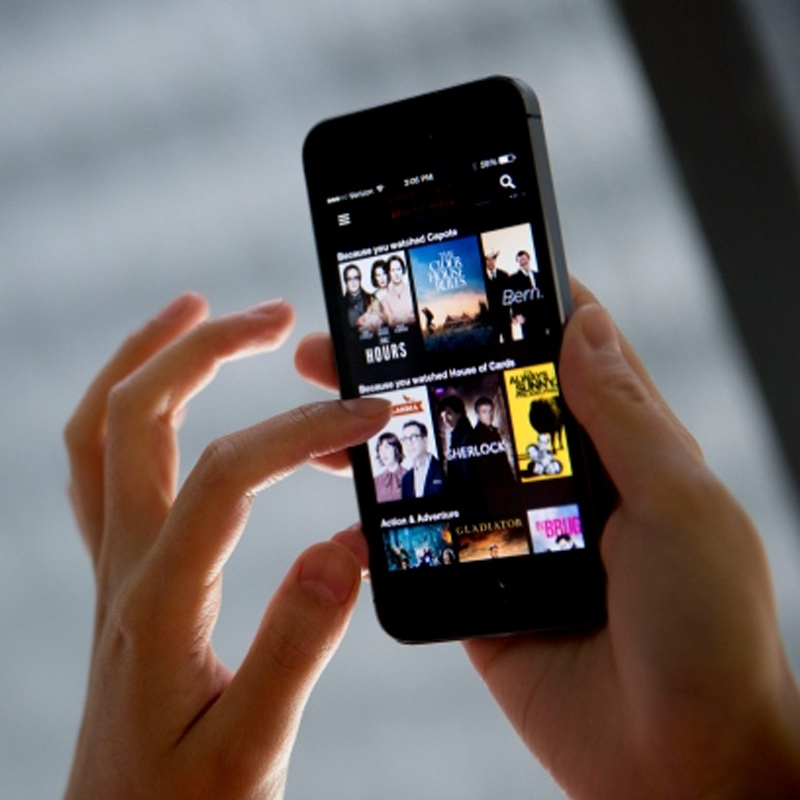
    The report points out that the mobile video traffic will grow 50 per cent every year through 2022, accounting for about 75 per cent of all the mobile data traffic. Social media traffic will be the second type of traffic that will dominate the mobile traffic growing 39 per cent each year.

    As for as live streaming is concerned, two in every five smartphone users are interested in live streaming apps in India and other high-growth countries like Brazil, Indonesia and Oman. The reports suggest that the figure dropping to one in every five smartphone users in the United States of America.

    Along with 5G and Mobile Broadband, IoT will also see significant growth, with approximately 29 billion devices connected to the internet, out of which 18 billion of the devices relating to IoT.

  • TRAI’s CDR idea rejected; Govt to look into Rs 3050 cr penalty

    TRAI’s CDR idea rejected; Govt to look into Rs 3050 cr penalty

    MUMBAI: The telecom ministry has formed a committee to look into TRAI’s penalty suggestion on Vodafone, Airtel and Idea as they allegedly failed to provide sufficient inter-connect points (PoI) to Reliance Jio, leading to severe call drops.

    Telecom operators across GSM and CDMA platforms meantime turned down TRAI’s recommendation of computing call drop rates through a meta data analysis of CDRs (call detail records). This, TRAI asserted, has been designed for billing purpose only, and not for checking quality of service. Such an analysis, the operators said, would project a flawed picture as abnormal call disconnects/terminations could be triggered by handsets getting turned off due to other errors, or due to battery draining out or a subscriber moving to an underground building or a station.

    Cellular Operators Association of India (COAI) represented the operators, the Economic Times reported.

    On the the hand, the union telecom minister Manoj Sinha said the ministry has formed the committee to look into the regulator’s recommendation on the proposed Rs 3,050 crore penalty, Business Standard reported. Last month, the regulator had proposed the penalty on the three telcos.

    Lately however Reliance Jio has been allegedly limiting all voice calls to 30 minutes. As a part of Jio’s free Welcome Offer, users were allowed unlimited voice calls. However, lately, the calls were being abruptly disconnected after a duration of 30 minutes, which is not an isolated case.

    The regulator had earlier sent a letter to the Department of Telecommunications recommending a charge of Rs 50 crore per circle for 21 service areas, except for Jammu & Kashmir, for Airtel and Vodafone. For Idea Cellular, TRAI suggested penalty for 19 circles.

    At the meeting of BRICS Ministers of Communications, Sinha said that the committee would give its considerations on the TRAI suggestion.

    The regulator’s suggestion came after Reliance Jio complained that more than 75 per cent of the calls on its network were dropping since the incumbent operators were not giving sufficient PoIs. The regulator stated that the incumbents went “against public interest.”

  • TRAI’s CDR idea rejected; Govt to look into Rs 3050 cr penalty

    TRAI’s CDR idea rejected; Govt to look into Rs 3050 cr penalty

    MUMBAI: The telecom ministry has formed a committee to look into TRAI’s penalty suggestion on Vodafone, Airtel and Idea as they allegedly failed to provide sufficient inter-connect points (PoI) to Reliance Jio, leading to severe call drops.

    Telecom operators across GSM and CDMA platforms meantime turned down TRAI’s recommendation of computing call drop rates through a meta data analysis of CDRs (call detail records). This, TRAI asserted, has been designed for billing purpose only, and not for checking quality of service. Such an analysis, the operators said, would project a flawed picture as abnormal call disconnects/terminations could be triggered by handsets getting turned off due to other errors, or due to battery draining out or a subscriber moving to an underground building or a station.

    Cellular Operators Association of India (COAI) represented the operators, the Economic Times reported.

    On the the hand, the union telecom minister Manoj Sinha said the ministry has formed the committee to look into the regulator’s recommendation on the proposed Rs 3,050 crore penalty, Business Standard reported. Last month, the regulator had proposed the penalty on the three telcos.

    Lately however Reliance Jio has been allegedly limiting all voice calls to 30 minutes. As a part of Jio’s free Welcome Offer, users were allowed unlimited voice calls. However, lately, the calls were being abruptly disconnected after a duration of 30 minutes, which is not an isolated case.

    The regulator had earlier sent a letter to the Department of Telecommunications recommending a charge of Rs 50 crore per circle for 21 service areas, except for Jammu & Kashmir, for Airtel and Vodafone. For Idea Cellular, TRAI suggested penalty for 19 circles.

    At the meeting of BRICS Ministers of Communications, Sinha said that the committee would give its considerations on the TRAI suggestion.

    The regulator’s suggestion came after Reliance Jio complained that more than 75 per cent of the calls on its network were dropping since the incumbent operators were not giving sufficient PoIs. The regulator stated that the incumbents went “against public interest.”

  • The TRAI broadcasting & cable tariff order simplified

    The TRAI broadcasting & cable tariff order simplified

    MUMBAI: The industry could not have asked for a better Dusshera gift. On the eve of 11 October 2016, India’s telecom and TV distribution regulator  The Telecom Regulatory Authority of India (TRAI) announced two draft legislations  – The Telecommunication (Broadcasting and Cable Services) (Eighth) (Addressable Systems) Tariff Order, 2016 and Standards of Quality of Service and Consumer Protection (Digital Addressable Systems) Regulations, 2016 – that definitely look like progressing the stuck-in-quicksand-of-uncertainty broadcast TV and cable TV sector. More than that, they could possibly inject a modicum of organization, professionalism and structure to an otherwise disorganized-free-for-all TV distribution business.

    The first of the draft legislation attempts to put in place a pricing framework for the heavily conflicted cable TV distribution sector. The second seeks to upgrade the quality of services that MSOs, cable TV operators provide to the consumers. Both have been much-awaited pieces of legislation.

    The third which seeks to iron out the much-maligned and disputed subscription revenue stream that flows between broadcasters, MSOs, cable TV operators and consumers is expected to be announced soon.

    Let’s look at the pricing draft whose purpose TRAI says is to ensure:

    –       transparency, non-discrimination, non-exclusivity for all stakeholders in value chain
    –       affordable TV services for customers
    –       adequate choice to consumers
    –       balance the commercial interests of broadcasters and distributors of television  channels to enable the distributors of television channels to recover their network cost and the broadcasters to recover their content cost.

    The TRAI wants the new Tariff Order or the MRP pricing regime to become effective from 1 April 2017.In the new scheme, the authority has in detail defined the role of  broadcasters, LCOs and MSOs or HITS operators. This is an attempt to simplify the order for everyone to be able to understand it.

    The role of the broadcaster

    Under this, broadcasters will have to first declare their channels as a pay channel or a free to air channel, on an a  la carte basis, and in one of the following seven genres: devotional, general entertainment, infotainment, kids, movies, news and current affairs and sports. The TRAI has defined a ceiling on the maximum retail price (MRP) for each of the genres: devotional (Rs 3), general entertainment (Rs 12), infotainment (Rs 9), kids (Rs 7), movies (Rs 10), news and current affairs (Rs 5) and sports (Rs 19).

    Each pay channel has to have a MRP  that can vary depending on the region, but which cannot be changed before the expiry of six months of it being declared. These rates will be platform agnostic – that is, uniform across the platforms (cable TV, DTH, HITS and IPTV) across a relevant geographical market, and will have to be declared on each broadcaster’s website and be transparently available to the TRAI, TV distributors and consumers.

    The pay channels of a network or its subsidiary or holding company or subsidiary of the holding company can be packaged into a bouquet. This can be done while taking the precaution that the bouquet’s MRP is not less than 85 per cent of the sum of the MRPs of the a la carte pay channels forming a part of the bouquet. Similar conditions of holding prices for six months and in geographical areas also apply to bouquets.

    The TRAI has introduced a category called a premium channel. Broadcasters are free to notify any channel as premium channel in their reference interconnect order (RIO). There shall be no price cap on maximum retail price notified by broadcasters for customers. For HD channels, the regulatory authority has, however, stated the price cannot be more than three times the MRP of the corresponding channel transmitted in SD. For those HD channels that do not have a corresponding SD channel, the benchmark will be the ceiling on the MRP of the genre it is in. These independent HD channels will have a price ceiling of three times the ceiling of the MRP of the genre.

    As far as pay per view or VOD goes, the TRAI says it will bring it under its purview at a later date as these services are in their infancy in India and have minimal adoption.

    The television distributor’s role

    On the television distributor side, the TRAI has made them responsible to provide all channels on a la carte basis and it has also  proposed to formalize  a minimum subscription fee of Rs 130 per month per set top box from a subscriber for 100 SD channels.  Now if an HD channel is included in this, it will be equal to 2 SD channels.

    The TRAI has stated that TV distributors cannot change the bouquets formed by broadcasters or its price, but they can form bouquets themselves of pay channels of different broadcasters provided that their price is not less than 85 per cent of the sum of the MRPs of the pay channels forming part of the bouquet. Free to air, HD and SD variants of the same channel and premium channels are not permitted to be included in these bouquets.

    The authority says that the composition of the 100 channel basic tier should be left to the subscriber’s volition. It can consist of FTA, pay, premium channels, broadcast bouquets or even television distributor package bouquets. But it has to have the government mandated channels and at least five channels of each of the seven genres. If the subscriber opts for pay TV or premium or HD channels or broadcast or TV distributor bouquets, he will have to pay the retail price for these separately.

    Subscribers wanting channels beyond the basic tier can opt for other channels by paying the TV distributor Rs 20 – excluding taxes-  for each slab of 25 channels and the broadcaster the MRP of each channel.

    The TV distributors also have another responsibility. The electronic programming guide on the network must display the details of all channels and their MRP genre wise for easy navigation. Broadcasters who are relying on TV distributors to collect and remit the pay channel revenues will provide a 20 per cent distribution fee to them, which the latter can share with the LCOs who are actually doing the collection. Additionally, TV channels can also offer a maximum 15 per cent MRP discount to TV distributors to encourage them. Parameters for discounts will be disclosed by broadcasters in the RIOs that will be transparent and uniform for all distributors of television channels.
     

  • The TRAI broadcasting & cable tariff order simplified

    The TRAI broadcasting & cable tariff order simplified

    MUMBAI: The industry could not have asked for a better Dusshera gift. On the eve of 11 October 2016, India’s telecom and TV distribution regulator  The Telecom Regulatory Authority of India (TRAI) announced two draft legislations  – The Telecommunication (Broadcasting and Cable Services) (Eighth) (Addressable Systems) Tariff Order, 2016 and Standards of Quality of Service and Consumer Protection (Digital Addressable Systems) Regulations, 2016 – that definitely look like progressing the stuck-in-quicksand-of-uncertainty broadcast TV and cable TV sector. More than that, they could possibly inject a modicum of organization, professionalism and structure to an otherwise disorganized-free-for-all TV distribution business.

    The first of the draft legislation attempts to put in place a pricing framework for the heavily conflicted cable TV distribution sector. The second seeks to upgrade the quality of services that MSOs, cable TV operators provide to the consumers. Both have been much-awaited pieces of legislation.

    The third which seeks to iron out the much-maligned and disputed subscription revenue stream that flows between broadcasters, MSOs, cable TV operators and consumers is expected to be announced soon.

    Let’s look at the pricing draft whose purpose TRAI says is to ensure:

    –       transparency, non-discrimination, non-exclusivity for all stakeholders in value chain
    –       affordable TV services for customers
    –       adequate choice to consumers
    –       balance the commercial interests of broadcasters and distributors of television  channels to enable the distributors of television channels to recover their network cost and the broadcasters to recover their content cost.

    The TRAI wants the new Tariff Order or the MRP pricing regime to become effective from 1 April 2017.In the new scheme, the authority has in detail defined the role of  broadcasters, LCOs and MSOs or HITS operators. This is an attempt to simplify the order for everyone to be able to understand it.

    The role of the broadcaster

    Under this, broadcasters will have to first declare their channels as a pay channel or a free to air channel, on an a  la carte basis, and in one of the following seven genres: devotional, general entertainment, infotainment, kids, movies, news and current affairs and sports. The TRAI has defined a ceiling on the maximum retail price (MRP) for each of the genres: devotional (Rs 3), general entertainment (Rs 12), infotainment (Rs 9), kids (Rs 7), movies (Rs 10), news and current affairs (Rs 5) and sports (Rs 19).

    Each pay channel has to have a MRP  that can vary depending on the region, but which cannot be changed before the expiry of six months of it being declared. These rates will be platform agnostic – that is, uniform across the platforms (cable TV, DTH, HITS and IPTV) across a relevant geographical market, and will have to be declared on each broadcaster’s website and be transparently available to the TRAI, TV distributors and consumers.

    The pay channels of a network or its subsidiary or holding company or subsidiary of the holding company can be packaged into a bouquet. This can be done while taking the precaution that the bouquet’s MRP is not less than 85 per cent of the sum of the MRPs of the a la carte pay channels forming a part of the bouquet. Similar conditions of holding prices for six months and in geographical areas also apply to bouquets.

    The TRAI has introduced a category called a premium channel. Broadcasters are free to notify any channel as premium channel in their reference interconnect order (RIO). There shall be no price cap on maximum retail price notified by broadcasters for customers. For HD channels, the regulatory authority has, however, stated the price cannot be more than three times the MRP of the corresponding channel transmitted in SD. For those HD channels that do not have a corresponding SD channel, the benchmark will be the ceiling on the MRP of the genre it is in. These independent HD channels will have a price ceiling of three times the ceiling of the MRP of the genre.

    As far as pay per view or VOD goes, the TRAI says it will bring it under its purview at a later date as these services are in their infancy in India and have minimal adoption.

    The television distributor’s role

    On the television distributor side, the TRAI has made them responsible to provide all channels on a la carte basis and it has also  proposed to formalize  a minimum subscription fee of Rs 130 per month per set top box from a subscriber for 100 SD channels.  Now if an HD channel is included in this, it will be equal to 2 SD channels.

    The TRAI has stated that TV distributors cannot change the bouquets formed by broadcasters or its price, but they can form bouquets themselves of pay channels of different broadcasters provided that their price is not less than 85 per cent of the sum of the MRPs of the pay channels forming part of the bouquet. Free to air, HD and SD variants of the same channel and premium channels are not permitted to be included in these bouquets.

    The authority says that the composition of the 100 channel basic tier should be left to the subscriber’s volition. It can consist of FTA, pay, premium channels, broadcast bouquets or even television distributor package bouquets. But it has to have the government mandated channels and at least five channels of each of the seven genres. If the subscriber opts for pay TV or premium or HD channels or broadcast or TV distributor bouquets, he will have to pay the retail price for these separately.

    Subscribers wanting channels beyond the basic tier can opt for other channels by paying the TV distributor Rs 20 – excluding taxes-  for each slab of 25 channels and the broadcaster the MRP of each channel.

    The TV distributors also have another responsibility. The electronic programming guide on the network must display the details of all channels and their MRP genre wise for easy navigation. Broadcasters who are relying on TV distributors to collect and remit the pay channel revenues will provide a 20 per cent distribution fee to them, which the latter can share with the LCOs who are actually doing the collection. Additionally, TV channels can also offer a maximum 15 per cent MRP discount to TV distributors to encourage them. Parameters for discounts will be disclosed by broadcasters in the RIOs that will be transparent and uniform for all distributors of television channels.
     

  • Aircel-Maxis case: 2G court seeks to speed trial against Marans

    Aircel-Maxis case: 2G court seeks to speed trial against Marans

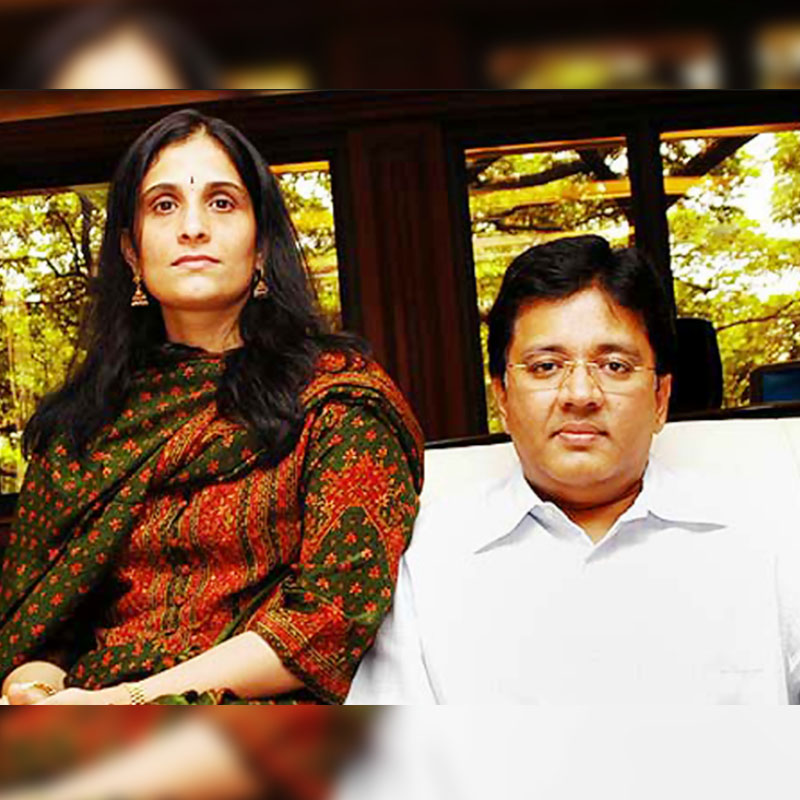
    MUMBAI: Is the hand of the law closing in on Sun TV promoter Kalanithi Maran and his brother, the former telecom minister, Dayanidhi Maran?

    A special 2G court has decided that the trial against the two brothers be separated from Malaysian nationals T.Ananda Krishnan and Augustus Ralph Marshall and two firms Astro All Asia Network PLC and Maxis Communication Berhad, co-accused in the Aircel-Maxis case. The reason: the latter may not appear, which could delay the trial proceedings.

    According to a PTI report, special judge O.P. Saini has ordered the issue of an open and perpetual arrest warrant against Krishnan and Marshall.

    Krishnan is the driving force behind the leading Malaysian DTH operator Astro and was once known for his proximity to former Malaysian prime minister Mahathir Mohammed.

    Despite several efforts, summons have not been served on both, Krishnan and Marshall, as the Malaysian authorities have not been cooperating and effecting the service. This is despite the legal mutual assistance treaty between India and the south east Asian nation.

    The CBI, which has filed the charge sheet against the eight accused for offences punishable under section 120-B (criminal conspiracy) of the IPC and under relevant provisions of the Prevention of Corruption Act, had pleaded with the court to issue arrest warrants against Krishnan and Marshall in August.

    In the 27-page order, the court noted that the allegations against the accused were “serious” and the only way left was to approach Interpol for which issuance of warrant was necessary.

    Said the court:

    “It is ordered that the trial of the appearing accused, that is, Dayanidhi Maran, Kalanithi Maran, M/s Sun Direct TV Pvt Ltd and M/s South Asia Entertainment Holdings Ltd be segregated from the trial of accused Ralph Marshall, T Ananda Krishnan, M/s Astro All Asia Network Plc and M/s Maxis Communications Berhad.

    “Miscellaneous file be opened relating these four accused, who are yet to be served. It is further ordered that an open and perpetual warrant of arrest be issued against Marshall and Krishnan.”

    “Malaysian authorities have categorically declined to effect the service. In such a situation, the only way left is to approach the Interpol and for that issue of warrant is necessary…

    “In such a situation when further issuance of summons would be a futile exercise, it is rightful for the prosecution to ask for warrant of arrest against the accused.”

  • Aircel-Maxis case: 2G court seeks to speed trial against Marans

    Aircel-Maxis case: 2G court seeks to speed trial against Marans

    MUMBAI: Is the hand of the law closing in on Sun TV promoter Kalanithi Maran and his brother, the former telecom minister, Dayanidhi Maran?

    A special 2G court has decided that the trial against the two brothers be separated from Malaysian nationals T.Ananda Krishnan and Augustus Ralph Marshall and two firms Astro All Asia Network PLC and Maxis Communication Berhad, co-accused in the Aircel-Maxis case. The reason: the latter may not appear, which could delay the trial proceedings.

    According to a PTI report, special judge O.P. Saini has ordered the issue of an open and perpetual arrest warrant against Krishnan and Marshall.

    Krishnan is the driving force behind the leading Malaysian DTH operator Astro and was once known for his proximity to former Malaysian prime minister Mahathir Mohammed.

    Despite several efforts, summons have not been served on both, Krishnan and Marshall, as the Malaysian authorities have not been cooperating and effecting the service. This is despite the legal mutual assistance treaty between India and the south east Asian nation.

    The CBI, which has filed the charge sheet against the eight accused for offences punishable under section 120-B (criminal conspiracy) of the IPC and under relevant provisions of the Prevention of Corruption Act, had pleaded with the court to issue arrest warrants against Krishnan and Marshall in August.

    In the 27-page order, the court noted that the allegations against the accused were “serious” and the only way left was to approach Interpol for which issuance of warrant was necessary.

    Said the court:

    “It is ordered that the trial of the appearing accused, that is, Dayanidhi Maran, Kalanithi Maran, M/s Sun Direct TV Pvt Ltd and M/s South Asia Entertainment Holdings Ltd be segregated from the trial of accused Ralph Marshall, T Ananda Krishnan, M/s Astro All Asia Network Plc and M/s Maxis Communications Berhad.

    “Miscellaneous file be opened relating these four accused, who are yet to be served. It is further ordered that an open and perpetual warrant of arrest be issued against Marshall and Krishnan.”

    “Malaysian authorities have categorically declined to effect the service. In such a situation, the only way left is to approach the Interpol and for that issue of warrant is necessary…

    “In such a situation when further issuance of summons would be a futile exercise, it is rightful for the prosecution to ask for warrant of arrest against the accused.”

  • Digital India: Vodafone receives largest-ever FDI

    Digital India: Vodafone receives largest-ever FDI

    MUMBAI: Vodafone India has made the largest-ever equity infusion of Rs 47,700 crore in the country.

    One of India’s leading telecom service-providers today announced that it had become the service provider of choice to over 200 million customers in India. As India’s second-largest telecom service provider with 22.5% revenue market share, over half of the customers (107 million) come from rural India endorsing Vodafone as the preferred brand in urban India as well as the hinterland.

    Vodafone further announced that it had received the equity infusion from Vodafone Group in the first half of the current fiscal. This infusion via foreign direct investment (FDI) is the largest ever FDI infusion in India.

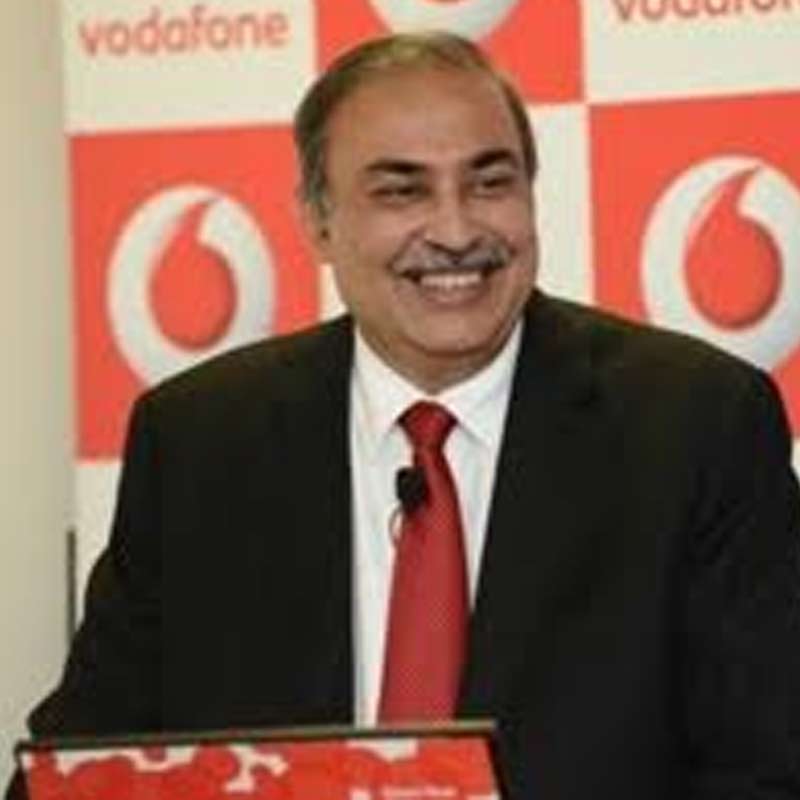
    Sunil Sood, MD & CEO, Vodafone India, said, “With our commitment to support the Digital India vision, we are building one of the most modern and scalable telecom networks to deliver connectivity and the Vodafone SuperNet™ experience to all, for both voice and data.”

    We have successfully increased our revenue market share by 0.6% in the first quarter of current fiscal. This equity infusion will enable Vodafone India to continue its investments in spectrum and expansion of networks across various technology layers.

  • Digital India: Vodafone receives largest-ever FDI

    Digital India: Vodafone receives largest-ever FDI

    MUMBAI: Vodafone India has made the largest-ever equity infusion of Rs 47,700 crore in the country.

    One of India’s leading telecom service-providers today announced that it had become the service provider of choice to over 200 million customers in India. As India’s second-largest telecom service provider with 22.5% revenue market share, over half of the customers (107 million) come from rural India endorsing Vodafone as the preferred brand in urban India as well as the hinterland.

    Vodafone further announced that it had received the equity infusion from Vodafone Group in the first half of the current fiscal. This infusion via foreign direct investment (FDI) is the largest ever FDI infusion in India.

    Sunil Sood, MD & CEO, Vodafone India, said, “With our commitment to support the Digital India vision, we are building one of the most modern and scalable telecom networks to deliver connectivity and the Vodafone SuperNet™ experience to all, for both voice and data.”

    We have successfully increased our revenue market share by 0.6% in the first quarter of current fiscal. This equity infusion will enable Vodafone India to continue its investments in spectrum and expansion of networks across various technology layers.

  • Telecom giant Verizon buys Yahoo for $4.8 billion; to merge Yahoo and AOL

    Telecom giant Verizon buys Yahoo for $4.8 billion; to merge Yahoo and AOL

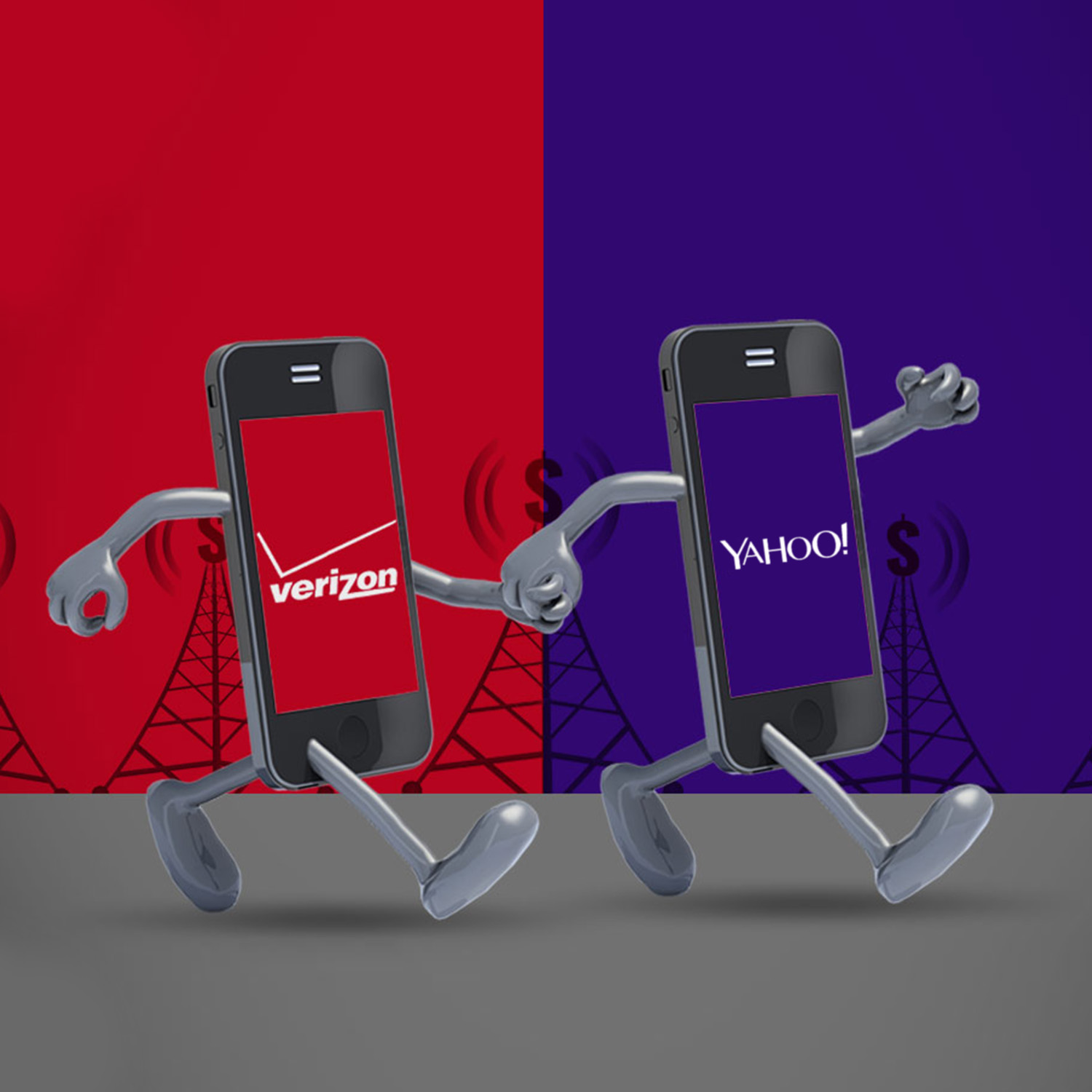
    MUMBAI: After much anticipation and speculation, word is out that US based telecommunication giant, Verizon will buy Yahoo for USD 4.83 billion in cash at the end of a closely-scrutinized, six-month sale process.

    Yahoo first put itself up for sale in February and it fielded multiple bids from almost 40 different types of buyers including AT&T; Quicken Loans founder Dan Gilbert with financial backing from Berkshire Hathaway CEO Warren Buffett; and private equity firms TPG and Vector Capital Management.

    But finally Yahoo informed the other bidders on Saturday that it has sealed the deal with Verizon.

    “Yahoo is a company that has changed the world, and will continue to do so through this combination with Verizon and AOL,” said Yahoo CEO Marissa Mayer in a press release. “The sale of our operating business, which effectively separates our Asian asset equity stakes, is an important step in our plan to unlock shareholder value for Yahoo. This transaction also sets up a great opportunity for Yahoo to build further distribution and accelerate our work in mobile, video, native advertising and social.”

    When it comes to how Yahoo, that was the front door to the web for many in the 90s and the early 2000s, and its internal functioning, Verizon has a few plans. It has been decided that Yahoo and AOL will be brought together as a new group that AOL’s CEO Tim Armstrong will supervise. It must be noted that Verizon has earlier bought AOL for USD 4.4 billion last year.

    “Our mission at AOL is to build brands people love, and we will continue to invest in and grow them,” he said in a press release. “Yahoo has been a long-time investor in premium content and created some of the most beloved consumer brands in key categories like sports, news and finance… We have enormous respect for what Yahoo has accomplished.”

    Marissa Mayer is not expected to stay on board, but that has not yet been confirmed by either company.

    Verizon’s acquisition is of “core” Yahoo, which includes search, email, advertising products, and the media business (including Yahoo Finance).

    Verizon has made a string of acquisitions in an apparent effort to move beyond a telecom provider into a media-and-mobile-advertising powerhouse that can compete with Google. Many believe buying Yahoo is a savvy move for Verizon. In addition to getting the fifth-most visited web site in the US, Verizon gets assets like Tumblr, Flickr, Polyvore and digital ad tools Flurry and BrightRoll.

    (Sourced from nytimes.com and Yahoo Finance)