Tag: Telecom Regulatory Authority of India

  • TRAI tariff order, interconnect regulations; date for responses extended

    TRAI tariff order, interconnect regulations; date for responses extended

    NEW DELHI: Stakeholders wanting to give in their reactions to the latest draft Tariff order for Digital Addressable Systems, the Quality of Service and Consumer Protection Regulations, and the draft interconnect regulations have been given time till 15 November 2016 to respond.

    The Telecom Regulatory Authority of India, which had issued these three documents, had earlier given other dates but has given a final extension to give an opportunity to the stakeholders to offer their comments but has made it clear that there will be no further extensions.

    The documents have been issued after considering the views expressed by the stakeholders during the consultation process and internal analysis of TRAI.

    Clearly, this is because the final phase of DAS comes into effect from 1 January 2017.  

    The Draft “Telecommunication (Broadcasting and Cable Services (Eighth) (Addressable Systems) Tariff Order 2016 and the Draft “The Standards of Quality of Service and Consumer Protection (Digital Addressable Systems) Regulations 2016 had been issued on 10 October 2016.

    Later, TRAI had issued the Draft Interconnection Regulation for TV Broadcasting Services provided through Addressable Systems on 14 October 2016.

    In a note on its website, TRAI said the whole process had begun when it issued a Consultation Paper on “Tariff  Issues related to TV Services” on 29 January 2016 in order to holistically review the existing regulatory framework for TV broadcasting services delivered through addressable systems. TRAI had also issued a Consultation Paper on “Interconnection framework for Broadcasting TV Services distributed through Addressable Systems” on 4 May 2016 inviting comments. Subsequently, a Consultation Paper on “Issues related to Quality of Services in Digital Addressable Systems and Consumer Protection for TV Broadcasting Services” was issued on 18 May 2016.

    In order to further discuss with the stakeholders, the issues involved in the said consultation papers, Open House Discussions (OHDs) were also conducted on all the three consultation papers.

    Also read

    http://www.indiantelevision.com/regulators/trai/trai-releases-draft-tariff-consumer-das-regulations-161010

    http://www.indiantelevision.com/regulators/trai/offer-premium-channels-as-a-la-carte-dont-bundle-trai-161010

    http://www.indiantelevision.com/regulators/trai/trai-may-check-broadcasters-distributors-monopolistic-behaviour-161012

    and

    http://www.indiantelevision.com/regulators/trai/trai-issues-comprehensive-interconnect-draft-guidelines-161014

  • TRAI tariff order, interconnect regulations; date for responses extended

    TRAI tariff order, interconnect regulations; date for responses extended

    NEW DELHI: Stakeholders wanting to give in their reactions to the latest draft Tariff order for Digital Addressable Systems, the Quality of Service and Consumer Protection Regulations, and the draft interconnect regulations have been given time till 15 November 2016 to respond.

    The Telecom Regulatory Authority of India, which had issued these three documents, had earlier given other dates but has given a final extension to give an opportunity to the stakeholders to offer their comments but has made it clear that there will be no further extensions.

    The documents have been issued after considering the views expressed by the stakeholders during the consultation process and internal analysis of TRAI.

    Clearly, this is because the final phase of DAS comes into effect from 1 January 2017.  

    The Draft “Telecommunication (Broadcasting and Cable Services (Eighth) (Addressable Systems) Tariff Order 2016 and the Draft “The Standards of Quality of Service and Consumer Protection (Digital Addressable Systems) Regulations 2016 had been issued on 10 October 2016.

    Later, TRAI had issued the Draft Interconnection Regulation for TV Broadcasting Services provided through Addressable Systems on 14 October 2016.

    In a note on its website, TRAI said the whole process had begun when it issued a Consultation Paper on “Tariff  Issues related to TV Services” on 29 January 2016 in order to holistically review the existing regulatory framework for TV broadcasting services delivered through addressable systems. TRAI had also issued a Consultation Paper on “Interconnection framework for Broadcasting TV Services distributed through Addressable Systems” on 4 May 2016 inviting comments. Subsequently, a Consultation Paper on “Issues related to Quality of Services in Digital Addressable Systems and Consumer Protection for TV Broadcasting Services” was issued on 18 May 2016.

    In order to further discuss with the stakeholders, the issues involved in the said consultation papers, Open House Discussions (OHDs) were also conducted on all the three consultation papers.

    Also read

    http://www.indiantelevision.com/regulators/trai/trai-releases-draft-tariff-consumer-das-regulations-161010

    http://www.indiantelevision.com/regulators/trai/offer-premium-channels-as-a-la-carte-dont-bundle-trai-161010

    http://www.indiantelevision.com/regulators/trai/trai-may-check-broadcasters-distributors-monopolistic-behaviour-161012

    and

    http://www.indiantelevision.com/regulators/trai/trai-issues-comprehensive-interconnect-draft-guidelines-161014

  • Broadcasters not opposed to DTT, but want safeguards

    Broadcasters not opposed to DTT, but want safeguards

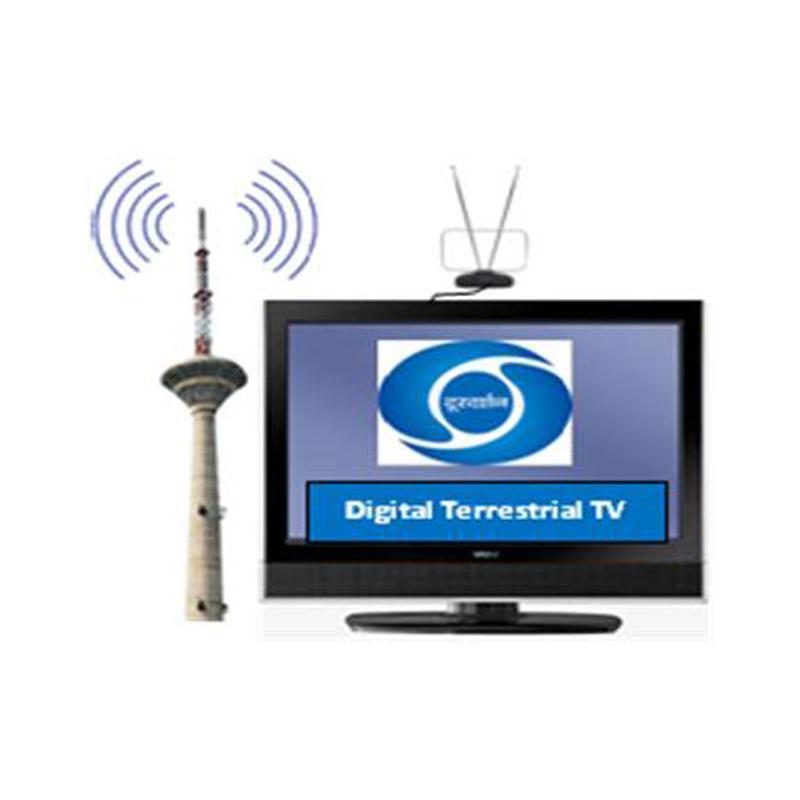
    NEW DELHI: Views were sharply divided particularly on the issue of sharing infrastructure during an open house discussion today on a Consultation Paper on “Opening Up Digital Terrestrial Transmission” organised by the Telecom Regulatory Authority of India.

    However, broadcasting sector sources said that the stakeholders were in principle not opposed to opening up of digital terrestrial television (DTT). Around 40 stakeholders, a majority of them representing broadcasters, were present at the meet. Unlike previous OHDs held by TRAI, Prasar Bharati was also represented at this meet, since it is the only digital terrestrial transmission stakeholder in the country.

    TRAI sources said the objective of the meet was to hear all points of view, though the sources added that the views were by the large the same as expressed in their comments to the paper, which are available on the TRAI website.

    The paper by the TRAI was issued on 24 June 2016, about a year after Prasar Bharati – which is the only terrestrial broadcaster in the country – unanimously recommended that DTT should be opened up to the private channels. Apart from Prasar Bharati, several private channels have already responded to the paper, which was followed by a linked paper on sharing infrastructure issued on 21 September 2016.

    In its response to the DTT paper, the pubcaster said even as it supports the move, it feels that the potential of available distribution options need to be critically analysed to fulfill their requirements (for example coverage, capacity, reception mode, and type of service etc).

    The public broadcaster has also said that the terrestrial broadcast platform will be relevant in the long term if its usage offers veritable benefits to the broadcasters, the audiences and the society as a whole. Even in countries where cable, satellite or broadband hold a significant market share, terrestrial broadcasting is usually regarded as an essential, flexible and reliable way of delivering broadcast content to a mass audience.

    In its response to 11 questions asked by TRAI in its Consultation Paper on ‘Issues related to Digital Terrestrial Broadcasting in India,’ the pubcaster says that the terrestrial platform must be digital to remain viable in the long term.

    Prasar Bharati CEO Jawhar Sircar, who had told indiantelevision.com in an interview earlier that it had cleared DTT for the private sector more than a year ago, said at the recent Indian Digital Operators Summit (IDOS) in Goa that it was willing to give its infrastructure to the private TV and radio channels.

    Also read:  Opening DTT to private sector; discussion planned

    Also read:  IDOS 2016: Prasar Bharati could share infra with private players: Sircar

  • Broadcasters not opposed to DTT, but want safeguards

    Broadcasters not opposed to DTT, but want safeguards

    NEW DELHI: Views were sharply divided particularly on the issue of sharing infrastructure during an open house discussion today on a Consultation Paper on “Opening Up Digital Terrestrial Transmission” organised by the Telecom Regulatory Authority of India.

    However, broadcasting sector sources said that the stakeholders were in principle not opposed to opening up of digital terrestrial television (DTT). Around 40 stakeholders, a majority of them representing broadcasters, were present at the meet. Unlike previous OHDs held by TRAI, Prasar Bharati was also represented at this meet, since it is the only digital terrestrial transmission stakeholder in the country.

    TRAI sources said the objective of the meet was to hear all points of view, though the sources added that the views were by the large the same as expressed in their comments to the paper, which are available on the TRAI website.

    The paper by the TRAI was issued on 24 June 2016, about a year after Prasar Bharati – which is the only terrestrial broadcaster in the country – unanimously recommended that DTT should be opened up to the private channels. Apart from Prasar Bharati, several private channels have already responded to the paper, which was followed by a linked paper on sharing infrastructure issued on 21 September 2016.

    In its response to the DTT paper, the pubcaster said even as it supports the move, it feels that the potential of available distribution options need to be critically analysed to fulfill their requirements (for example coverage, capacity, reception mode, and type of service etc).

    The public broadcaster has also said that the terrestrial broadcast platform will be relevant in the long term if its usage offers veritable benefits to the broadcasters, the audiences and the society as a whole. Even in countries where cable, satellite or broadband hold a significant market share, terrestrial broadcasting is usually regarded as an essential, flexible and reliable way of delivering broadcast content to a mass audience.

    In its response to 11 questions asked by TRAI in its Consultation Paper on ‘Issues related to Digital Terrestrial Broadcasting in India,’ the pubcaster says that the terrestrial platform must be digital to remain viable in the long term.

    Prasar Bharati CEO Jawhar Sircar, who had told indiantelevision.com in an interview earlier that it had cleared DTT for the private sector more than a year ago, said at the recent Indian Digital Operators Summit (IDOS) in Goa that it was willing to give its infrastructure to the private TV and radio channels.

    Also read:  Opening DTT to private sector; discussion planned

    Also read:  IDOS 2016: Prasar Bharati could share infra with private players: Sircar

  • DAS inter-connect regime: TRAI mulling distribution fee, data sharing

    DAS inter-connect regime: TRAI mulling distribution fee, data sharing

    MUMBAI: Indian broadcast regulator TRAI may propose a percentage of the total number of TV channels that a consumer subscribes (based on their maximum retail price as proposed recently in draft tariff regulations) as distribution or facilitation fee.

    The regulator, which is likely to soon come out with its recommendations on interconnection framework for broadcasting TV services distributed through digital addressable systems, may also propose an additional fee for every 25 TV channels subscribed to by a consumer beyond 100 channels.

    The percentage of distribution fee may be between 15-20 per cent of the total cost of TV channels subscribed by a consumer. These would form part of revenue sharing formula between broadcasters and distribution platforms and LCOs.

    Who’ll pay the distribution fee and the additional cost for every 25 channels distributed beyond 100 TV channels to a consumer? It’s still not clear, but most probably the consumer. These additional costs will be exclusive of government taxes.

    Few days back, TRAI had come out with draft guidelines on tariff and regulations relating to quality of services and had, in its wisdom, tried to safeguard the interest of each stakeholder for the overall development of the broadcast and cable industry, including higher ARPUs if consumers subscribed to stand-alone premium channels where no price caps were mandated.

    The Telecom Regulatory Authority of India (TRAI) had issued an amended version of its Interconnection Regulations, 2004 in 2012 with an aim to keep pace with the evolving TV eco-system in India and introduction of digital addressable system (DAS). The 2012 regulations had laid down certain revenue sharing formula that envisaged the following:

    — (a) the charges collected from the subscription of channels of basic service tier, free to air channel and bouquet of free to air channels shall be shared in the ratio of 55:45 between multi-system operator and local cable operator respectively.

    —(b) the charges collected from the subscription of channels or bouquet of channels or channels and bouquet of channels other than those specified under clause (a) shall be shared in the ratio of 65:35 between multi-system operator and local cable operator, respectively

    Trying to update its inter-connect guidelines in 2016, the regulator is also mulling, with an aim to bring about more transparency in the system, that all agreements between broadcasters and MSOs and MSOs and LCOs should be uploaded in an encrypted format on a server that can be accessed via passwords by stakeholders.

    Though this particular move has been resisted by some stakeholders, TRAI is of the opinion that such a move on data sharing could pave way for elimination of opaqueness in agreements between broadcasters and distribution platforms.

    “The question that then arises is who should develop an IMS (integrated management system), which can be used by all service providers and ensure its proper functioning. It could be either an industry-led body, which operates as per the guidelines prescribed by the regulator or a private entity willing to offer such services in lieu of fee for each interconnection request, or any other option as suggested by the stakeholders,” TRAI had asked stakeholders earlier this year for feedback in its consultation paper on interconnect issues.

    ALSO READ:

    TRAI releases draft tariff & consumer DAS regulations

    Offer Premium channels as a la carte, don’t bundle: TRAI


  • DAS inter-connect regime: TRAI mulling distribution fee, data sharing

    DAS inter-connect regime: TRAI mulling distribution fee, data sharing

    MUMBAI: Indian broadcast regulator TRAI may propose a percentage of the total number of TV channels that a consumer subscribes (based on their maximum retail price as proposed recently in draft tariff regulations) as distribution or facilitation fee.

    The regulator, which is likely to soon come out with its recommendations on interconnection framework for broadcasting TV services distributed through digital addressable systems, may also propose an additional fee for every 25 TV channels subscribed to by a consumer beyond 100 channels.

    The percentage of distribution fee may be between 15-20 per cent of the total cost of TV channels subscribed by a consumer. These would form part of revenue sharing formula between broadcasters and distribution platforms and LCOs.

    Who’ll pay the distribution fee and the additional cost for every 25 channels distributed beyond 100 TV channels to a consumer? It’s still not clear, but most probably the consumer. These additional costs will be exclusive of government taxes.

    Few days back, TRAI had come out with draft guidelines on tariff and regulations relating to quality of services and had, in its wisdom, tried to safeguard the interest of each stakeholder for the overall development of the broadcast and cable industry, including higher ARPUs if consumers subscribed to stand-alone premium channels where no price caps were mandated.

    The Telecom Regulatory Authority of India (TRAI) had issued an amended version of its Interconnection Regulations, 2004 in 2012 with an aim to keep pace with the evolving TV eco-system in India and introduction of digital addressable system (DAS). The 2012 regulations had laid down certain revenue sharing formula that envisaged the following:

    — (a) the charges collected from the subscription of channels of basic service tier, free to air channel and bouquet of free to air channels shall be shared in the ratio of 55:45 between multi-system operator and local cable operator respectively.

    —(b) the charges collected from the subscription of channels or bouquet of channels or channels and bouquet of channels other than those specified under clause (a) shall be shared in the ratio of 65:35 between multi-system operator and local cable operator, respectively

    Trying to update its inter-connect guidelines in 2016, the regulator is also mulling, with an aim to bring about more transparency in the system, that all agreements between broadcasters and MSOs and MSOs and LCOs should be uploaded in an encrypted format on a server that can be accessed via passwords by stakeholders.

    Though this particular move has been resisted by some stakeholders, TRAI is of the opinion that such a move on data sharing could pave way for elimination of opaqueness in agreements between broadcasters and distribution platforms.

    “The question that then arises is who should develop an IMS (integrated management system), which can be used by all service providers and ensure its proper functioning. It could be either an industry-led body, which operates as per the guidelines prescribed by the regulator or a private entity willing to offer such services in lieu of fee for each interconnection request, or any other option as suggested by the stakeholders,” TRAI had asked stakeholders earlier this year for feedback in its consultation paper on interconnect issues.

    ALSO READ:

    TRAI releases draft tariff & consumer DAS regulations

    Offer Premium channels as a la carte, don’t bundle: TRAI


  • TRAI tariff order: MSOs welcome its direction

    TRAI tariff order: MSOs welcome its direction

    NEW DELHI: At least two multisystem operators (MSOs) have welcomed the broad drift of the Telecom Regulatory Authority of India’s  (TRAI’s) Telecommunication (Broadcasting and Cable Services) (Eighth) (Addressable Systems) Tariff Order, 2016. The draft, released on Monday, seeks to bring in transparency to an otherwise disorganized sector.

    Indiantelevision.com spoke to a bunch of executives from broadcasting, cable TV,  and even the TRAI advisor on the proposed regulation. Most said it was too early to comment as they had not got the time to study it.

    S N Sharma, who surprised many earlier this year by returning to the national multi-system operator (MSO) DEN Networks as its  chief executive, said “It is a good draft; we welcome it. It brings a lot of transparency and ease, especially in the life of the consumer. We, as an MSO, look for a fair share of revenue, and hope to get the same.” He said he still had to study the draft in full, and would give further comments later.

    public://sn-sharma_0.jpg
    S.N.Sharma CEO,DEN Networks Limited

    Regional MSO Ortel Communications President & CEO  Bhibhu Prasad Rath, welcoming the draft, said “We believe that this draft regulation, if implemented, will bring in path-breaking changes to the industry structure with a lot of transparency and non-discrimination.”

    Rath added: “Currently, there is widespread discrimination in the content deals done by some broadcasters with various DPOs (distribution platform operators). The prices of the same channels or bouquet of channels vary widely from one DPO to another across the country. The new proposed regulation intends to bring in uniformity in the cost structure so that a level-playing field will be created while we all compete in the same market.”

    Rath also noted that the other major issue that the regulations attempts to address is the unbundling of channels. “Currently, many broadcasters offer around 80-90% discount / incentives on a bouquet deal as compared to the sum of a la carte prices of the respective channels. This, in my view, is unreasonable and intended to discourage a la carte subscription. The proposed regulation, by capping the bouquet discount at a maximum of 15%, will be a big relief to consumers who want to subscribe to channels on a la carte basis and will encourage DPOs to pass on to the benefit to consumers.”

    “Overall, this regulation, in addition to bringing in non-discriminatory and transparent practices in the industry, will go a long way in implementing digitization in its true spirit where “choice” is in the hands of the consumers,” he concluded.

    “I think it is a fabulous piece of proposed regulation,” says HITS consultant Castle Media director Vynsley Fernandes. “I think the TRAI has really outdone itself. I can only see the industry opening up and growing from hereon.”

    However, National Cable and Telecommunications head and founder of Home Cable Network of Delhi, Vikki Choudhry was the dissenting voice. Said he:  “This draft order is still not a cost-based tariff fixation, TRAI was supposed to conduct an exercise according to the Supreme Court and TDSAT orders. This draft tariff is completely anti-consumer. When the present tariff (rates) were coming down by 70 per cent, the regulator has further provisioned an increase of about 45-55 per cent for the Pay TV broadcasters.”

    (In May this year, TDSAT had said it thought TRAI “will be well advised to have a fresh look at the various tariff orders in a holistic manner and come out with a comprehensive tariff order in supersession of all the earlier tariff orders.”) Sunil Gupta, advisor to TRAI, responding to this allegation said: “We have protected the interests of the consumer: why should he pay even one extra rupee for a channel he does not want to watch? This draft brings the power of choice to the consumer’s hands. He can choose to have a lower cable TV bill or higher.”

    Gupta further added that the new category of  premium channels will allow broadcasters to offer specialized channels at higher MRPs – even Rs 100 – if the consumer wants them at this price, thus overall increasing the ARPUs of all those in the value chain.

    Gupta also said that the interconnection paper for local cable operators and multi-system operators would come out soon. The entire industry value chain should read this and understand we have protected everyone’s interests – the cable TV operators, MSOs, broadcasters, customers. The  ARPUs of the entire industry would go up in the coming months, he said.

    Also read:

    Tariff Hike Case: SC rejects appeal challenging TDSAT order; asks TRAI to out new tariff
     

  • TRAI tariff order: MSOs welcome its direction

    TRAI tariff order: MSOs welcome its direction

    NEW DELHI: At least two multisystem operators (MSOs) have welcomed the broad drift of the Telecom Regulatory Authority of India’s  (TRAI’s) Telecommunication (Broadcasting and Cable Services) (Eighth) (Addressable Systems) Tariff Order, 2016. The draft, released on Monday, seeks to bring in transparency to an otherwise disorganized sector.

    Indiantelevision.com spoke to a bunch of executives from broadcasting, cable TV,  and even the TRAI advisor on the proposed regulation. Most said it was too early to comment as they had not got the time to study it.

    S N Sharma, who surprised many earlier this year by returning to the national multi-system operator (MSO) DEN Networks as its  chief executive, said “It is a good draft; we welcome it. It brings a lot of transparency and ease, especially in the life of the consumer. We, as an MSO, look for a fair share of revenue, and hope to get the same.” He said he still had to study the draft in full, and would give further comments later.

    public://sn-sharma_0.jpg
    S.N.Sharma CEO,DEN Networks Limited

    Regional MSO Ortel Communications President & CEO  Bhibhu Prasad Rath, welcoming the draft, said “We believe that this draft regulation, if implemented, will bring in path-breaking changes to the industry structure with a lot of transparency and non-discrimination.”

    Rath added: “Currently, there is widespread discrimination in the content deals done by some broadcasters with various DPOs (distribution platform operators). The prices of the same channels or bouquet of channels vary widely from one DPO to another across the country. The new proposed regulation intends to bring in uniformity in the cost structure so that a level-playing field will be created while we all compete in the same market.”

    Rath also noted that the other major issue that the regulations attempts to address is the unbundling of channels. “Currently, many broadcasters offer around 80-90% discount / incentives on a bouquet deal as compared to the sum of a la carte prices of the respective channels. This, in my view, is unreasonable and intended to discourage a la carte subscription. The proposed regulation, by capping the bouquet discount at a maximum of 15%, will be a big relief to consumers who want to subscribe to channels on a la carte basis and will encourage DPOs to pass on to the benefit to consumers.”

    “Overall, this regulation, in addition to bringing in non-discriminatory and transparent practices in the industry, will go a long way in implementing digitization in its true spirit where “choice” is in the hands of the consumers,” he concluded.

    “I think it is a fabulous piece of proposed regulation,” says HITS consultant Castle Media director Vynsley Fernandes. “I think the TRAI has really outdone itself. I can only see the industry opening up and growing from hereon.”

    However, National Cable and Telecommunications head and founder of Home Cable Network of Delhi, Vikki Choudhry was the dissenting voice. Said he:  “This draft order is still not a cost-based tariff fixation, TRAI was supposed to conduct an exercise according to the Supreme Court and TDSAT orders. This draft tariff is completely anti-consumer. When the present tariff (rates) were coming down by 70 per cent, the regulator has further provisioned an increase of about 45-55 per cent for the Pay TV broadcasters.”

    (In May this year, TDSAT had said it thought TRAI “will be well advised to have a fresh look at the various tariff orders in a holistic manner and come out with a comprehensive tariff order in supersession of all the earlier tariff orders.”) Sunil Gupta, advisor to TRAI, responding to this allegation said: “We have protected the interests of the consumer: why should he pay even one extra rupee for a channel he does not want to watch? This draft brings the power of choice to the consumer’s hands. He can choose to have a lower cable TV bill or higher.”

    Gupta further added that the new category of  premium channels will allow broadcasters to offer specialized channels at higher MRPs – even Rs 100 – if the consumer wants them at this price, thus overall increasing the ARPUs of all those in the value chain.

    Gupta also said that the interconnection paper for local cable operators and multi-system operators would come out soon. The entire industry value chain should read this and understand we have protected everyone’s interests – the cable TV operators, MSOs, broadcasters, customers. The  ARPUs of the entire industry would go up in the coming months, he said.

    Also read:

    Tariff Hike Case: SC rejects appeal challenging TDSAT order; asks TRAI to out new tariff
     

  • TRAI may check broadcasters & distributors’ monopolistic behaviour

    TRAI may check broadcasters & distributors’ monopolistic behaviour

    NEW DELHI: The Telecom Regulatory Authority of India may intervene in case any monopolistic behaviour of significant market power (SMP) is observed or brought to its notice in future although it has decided not to regulate the market power at present.

    It said in its draft tariff orders that it will keep a watch on the developments after implementation of the new framework. It has noted that the monopolistic behaviour is well demonstrated by both, broadcasters as well as distributors of television channels. However, it says that it is prescribing a new framework for television broadcasting sector.

    In the consultation paper that has led to this draft, stakeholders had been asked to suggest whether there was a need to identify significant market powers. The stakeholders were also asked to suggest the criteria for classifying an entity as the a significant power.

    A majority of broadcasters felt that the issue of identifying SMPs was in the purview of the Competition Commission of India (CCI) and there was no need for TRAI to do so. They also said the CCI provides adequate safeguards for preventing anti-competitive behaviour. A few broadcasters however favoured the idea of SMP identification and have given suggestions on identifying SMPs.

    A few distributors of television channels submitted that there was no need to identify SMPs while the others believed that such a distinction be made. Some distributors suggested that vertically integrated entities in the distribution sector be subjected to additional regulations.

    Also read

    I&B ministry to take up cable TV monopoly recommendations

  • TRAI may check broadcasters & distributors’ monopolistic behaviour

    TRAI may check broadcasters & distributors’ monopolistic behaviour

    NEW DELHI: The Telecom Regulatory Authority of India may intervene in case any monopolistic behaviour of significant market power (SMP) is observed or brought to its notice in future although it has decided not to regulate the market power at present.

    It said in its draft tariff orders that it will keep a watch on the developments after implementation of the new framework. It has noted that the monopolistic behaviour is well demonstrated by both, broadcasters as well as distributors of television channels. However, it says that it is prescribing a new framework for television broadcasting sector.

    In the consultation paper that has led to this draft, stakeholders had been asked to suggest whether there was a need to identify significant market powers. The stakeholders were also asked to suggest the criteria for classifying an entity as the a significant power.

    A majority of broadcasters felt that the issue of identifying SMPs was in the purview of the Competition Commission of India (CCI) and there was no need for TRAI to do so. They also said the CCI provides adequate safeguards for preventing anti-competitive behaviour. A few broadcasters however favoured the idea of SMP identification and have given suggestions on identifying SMPs.

    A few distributors of television channels submitted that there was no need to identify SMPs while the others believed that such a distinction be made. Some distributors suggested that vertically integrated entities in the distribution sector be subjected to additional regulations.

    Also read

    I&B ministry to take up cable TV monopoly recommendations