Tag: telcos

  • Telcos may migrate to ARPU-based model as 5-7 per cent hit feared

    Telcos may migrate to ARPU-based model as 5-7 per cent hit feared

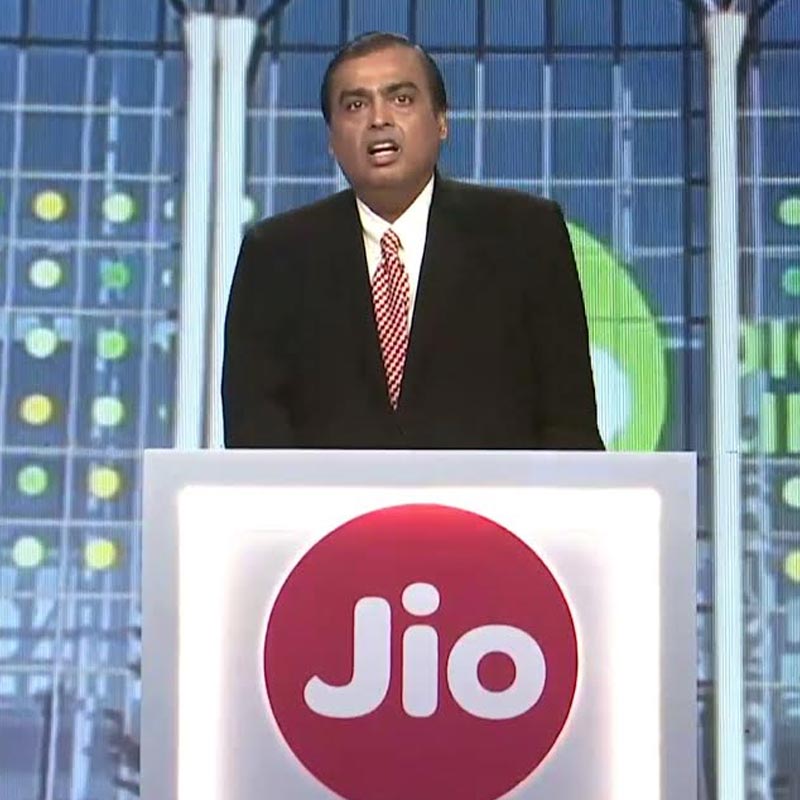
    MUMBAI: Loss of revenue on account of competitive pressure catalysed by the extension of Mukesh Ambani-led Reliance Jio free services and demonetisation may cumulatively affect telcos by 5-7 per cent.

    RJio recently announced an extension of its free services till 31 March, 2017. Speaking on the impact on the Indian telecom industry, ICRA Limited Associate Head – Corporate Ratings Harsh Jagnani, said: “At a time when the industry is already facing pressures on the operating metrics, owing to heightened competition, the extension of free services by RJio is expected to further push down the realisations in both the voice and the data segments. The impact is expected to be exacerbated by demonetisation of the higher denomination currency, which can lead to revenue loss of the telcos, especially in the pre-paid segment.”

    RJio, which launched its services in September 2016 with free voice calling along with lifetime free roaming, provided free unlimited data and a bouquet of mobile applications free till 31 December, 2016, as part of the inaugural offer. Recently, the company announced an extension of its free services till 31 March, 2017.

    The tariffs proposed, apart from being disruptive, are not looking at pricing voice and data separately, instead, it is seeing a subscriber holistically and offering bundled packages. The highlight is to develop a market with deep penetration and high consumption, especially for data, thereby targeting high average revenue per user (ARPU) subscribers.

    Apart from attractive pricing, other factors which can help RJio build a sizeable subscriber base are – (a) a big bang launch with a novelty factor, (b) a fresh network which gives good service, (c) a strong device ecosystem, and (d) a wide bouquet of content. These can translate into rapid subscriber additions, which would intensify the competition in the sector and increase the subscriber acquisition/retention costs for other operators. Nevertheless, the extent of subscriber addition and service quality delivered by RJio, its pricing strategies in the longer term, and the response by other operators remain watch events for the industry.

    ICRA is of the opinion that increasingly the industry would migrate from the revenue per minute (RPM) or the average revenue per megabyte (ARMB) approach to ARPU-based approach.

    “At a time when the industry is reeling under a Rs. 4,25,000-crore debt, this extension of free services by RJio has added to the industry’s woes. Heightened competitive pressures would impact the performance of the telcos during the next two quarters i.e. Q3 and Q4 of FY2017. Revenue loss, owing to demonetisation and pressure on operating metrics due to competitive pressures, intensified by extension of free services by RJio, are expected to negatively impact the revenue of the industry by 5-7% during the next two quarters,” Jagnani reiterated.
  • TRAI questions Jio tariff; GSMA seeks 700 MHz band price recalibration

    TRAI questions Jio tariff; GSMA seeks 700 MHz band price recalibration

    MUMBAI: There has been palpable unrest among the Indian telcos since Reliance Jio disrupted the telecom ecosystem by bringing in lucrative data and voice offers for the price-conscious Indian consumer a few weeks ago. Telecos instantly put together their counter-offers and also made some quick tie-ups to face the newest competition from the late entrant. Blocking inter-connectivity to calls to and from Jio seemed to a part of strategy of some telcos while the regulator TRAI watched from close quarters.

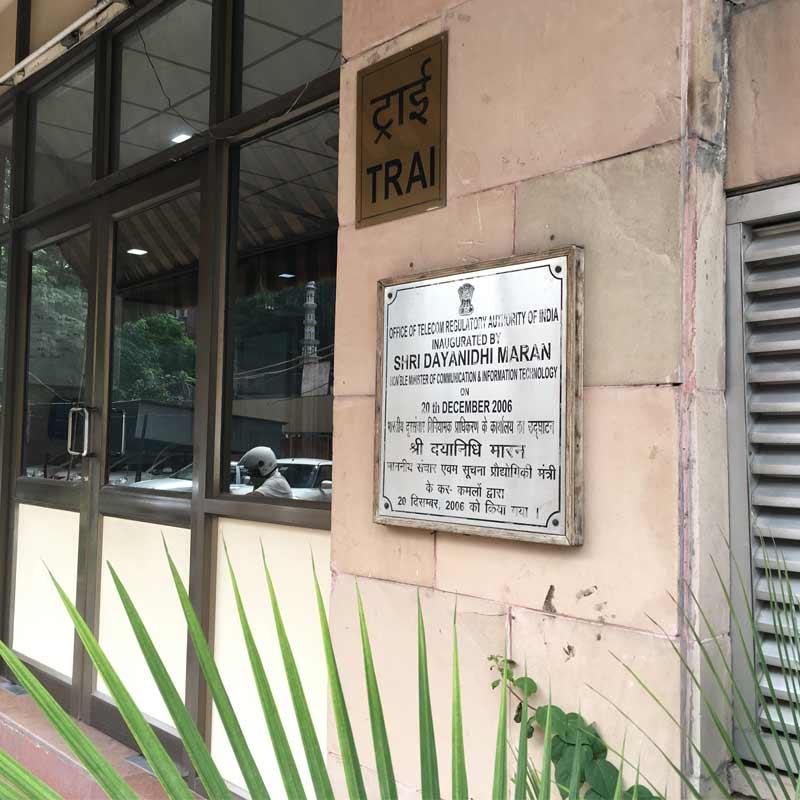
    After several meetings with the competing telcos, TRAI has now sought an explanation from Reliance Jio Infocomm over its offer of free-calling as it differed from the Rs 1.20-per-minute voice tariff plan reported to the regulator. Jio officials reportedly may soon make changes in their tariffs, which would be conveyed to TRAI.

    TRAI officials discussed with Reliance Jio executives seeking details of the tariff plan, TOI reported. Jio had printed two paise-per-second call plan on its SIM card brochures.

    Jio may have to tackle an issue related to an amendment to the 2004 telecom tariff order. Telecom companies cannot have tariffs below the interconnect user charge (IUC), or the charge that a mobile operator pays to another for terminating its calls. The IUC rate is currently 14 paise per minute, while Jio has made calls free.

    Telcos had alleged that Jio was engaging in predatory practices by offering free voice calls. However, TRAI did not find any merit in this accusation.

    Meantime, GSMA wants the government to revisit 700 MHz spectrum band pricing. Global mobile industry body GSMA has called upon the government to reconsider pricing of 700 MHz band that failed to find takers in the just-concluded auction due to its “unrealistically” high price.

    GSMA chief regulatory officer John Giusti, urged the government to reassess the approach to spectrum auction reserve prices after India “failed” to sell any of the critical 700 MHz band last week. The reserve prices for this highly sought-after band were set at an unrealistically high level of more than USD 60 billion (over Rs 4 lakh crore), Glusti said.

    GSMA added that high reserve prices inhibit investment or delay deployment in next-generation networks at a time when demand for mobile data is growing mani-fold.

    “Regulators should consider the conditions of the local market while setting reserve prices for spectrum auctions. In India, mobile operators have been asked to pay some of the highest rates for spectrum compared to other markets even though it has a low average revenue per user, PTI quoted Glusti’s statement.

    Urging the Indian government to work with the regulator to recalibrate spectrum pricing, GSMA said that timely deployment of this spectrum will expand the reach of mobile broadband services and deliver positive social and economic benefits to the country’s citizens, creating a truly digital India.

  • TRAI questions Jio tariff; GSMA seeks 700 MHz band price recalibration

    TRAI questions Jio tariff; GSMA seeks 700 MHz band price recalibration

    MUMBAI: There has been palpable unrest among the Indian telcos since Reliance Jio disrupted the telecom ecosystem by bringing in lucrative data and voice offers for the price-conscious Indian consumer a few weeks ago. Telecos instantly put together their counter-offers and also made some quick tie-ups to face the newest competition from the late entrant. Blocking inter-connectivity to calls to and from Jio seemed to a part of strategy of some telcos while the regulator TRAI watched from close quarters.

    After several meetings with the competing telcos, TRAI has now sought an explanation from Reliance Jio Infocomm over its offer of free-calling as it differed from the Rs 1.20-per-minute voice tariff plan reported to the regulator. Jio officials reportedly may soon make changes in their tariffs, which would be conveyed to TRAI.

    TRAI officials discussed with Reliance Jio executives seeking details of the tariff plan, TOI reported. Jio had printed two paise-per-second call plan on its SIM card brochures.

    Jio may have to tackle an issue related to an amendment to the 2004 telecom tariff order. Telecom companies cannot have tariffs below the interconnect user charge (IUC), or the charge that a mobile operator pays to another for terminating its calls. The IUC rate is currently 14 paise per minute, while Jio has made calls free.

    Telcos had alleged that Jio was engaging in predatory practices by offering free voice calls. However, TRAI did not find any merit in this accusation.

    Meantime, GSMA wants the government to revisit 700 MHz spectrum band pricing. Global mobile industry body GSMA has called upon the government to reconsider pricing of 700 MHz band that failed to find takers in the just-concluded auction due to its “unrealistically” high price.

    GSMA chief regulatory officer John Giusti, urged the government to reassess the approach to spectrum auction reserve prices after India “failed” to sell any of the critical 700 MHz band last week. The reserve prices for this highly sought-after band were set at an unrealistically high level of more than USD 60 billion (over Rs 4 lakh crore), Glusti said.

    GSMA added that high reserve prices inhibit investment or delay deployment in next-generation networks at a time when demand for mobile data is growing mani-fold.

    “Regulators should consider the conditions of the local market while setting reserve prices for spectrum auctions. In India, mobile operators have been asked to pay some of the highest rates for spectrum compared to other markets even though it has a low average revenue per user, PTI quoted Glusti’s statement.

    Urging the Indian government to work with the regulator to recalibrate spectrum pricing, GSMA said that timely deployment of this spectrum will expand the reach of mobile broadband services and deliver positive social and economic benefits to the country’s citizens, creating a truly digital India.

  • YuppTV set to close Rs 100-crore plus funding

    YuppTV set to close Rs 100-crore plus funding

    MUMBAI: The OTT video space is slated to get hyper-competitive with a slew of broadcaster-led players and even deep-pocketed telcos haring into it. YuppTV, one of the early movers, has now decided to fortify its financial resources in a bid to face the onslaught.

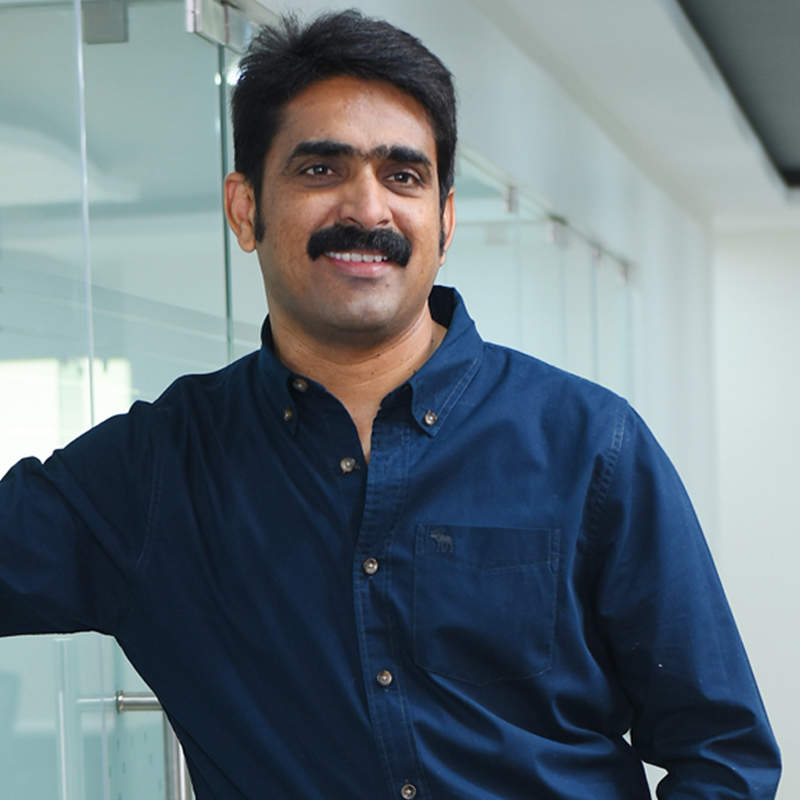
    The company – led by Uday Reddy – says it is on the threshold of closing its second round of funding which will see it adding funds running into three digit crore to its kitty. Speaking to Hindu BusinessLine, Reddy said that the company has already pocketed $15 million in its Series A, and was about to close its next round of fund-raising.

    Reddy sees the market heading toward consolidation. “We are contemplating acquiring a firm to strengthen our leadership,” Reddy informed BusinessLine. YuppTV has also appointed the Telugu superstar Mahesh Babu as its brand ambassador.

    It offers a bouquet of services including 200 TV channels, seven-day catch-up TV, 100-plus TV shows, and 5,000 plus movies as a VOD service. Its subscription packages vary from Rs 5 a day to Rs 30 a week to Rs 99 a month.

    YuppTV is taking a major step with making Babu the ambassador. Babu is a big name of Tollywood, and it is sure that the collaboration will work great for the promotion of the channel.

    The web portal of YuppTV was established in 2006, offers more than 898 Indian TV Channels in 13 languages that include Kannada, Hindi, Telugu, Malayalam, Bengali, Marathi, Oriya, Gujarati, Punjabi, Sinhalese, Urdu and English. The best part of YuppTV is it allows access through 25 devices to six screens, Internet STBs, connected TVs, PCs, smart phones, smart BluRay players, gaming consoles and tablets.

  • YuppTV set to close Rs 100-crore plus funding

    YuppTV set to close Rs 100-crore plus funding

    MUMBAI: The OTT video space is slated to get hyper-competitive with a slew of broadcaster-led players and even deep-pocketed telcos haring into it. YuppTV, one of the early movers, has now decided to fortify its financial resources in a bid to face the onslaught.

    The company – led by Uday Reddy – says it is on the threshold of closing its second round of funding which will see it adding funds running into three digit crore to its kitty. Speaking to Hindu BusinessLine, Reddy said that the company has already pocketed $15 million in its Series A, and was about to close its next round of fund-raising.

    Reddy sees the market heading toward consolidation. “We are contemplating acquiring a firm to strengthen our leadership,” Reddy informed BusinessLine. YuppTV has also appointed the Telugu superstar Mahesh Babu as its brand ambassador.

    It offers a bouquet of services including 200 TV channels, seven-day catch-up TV, 100-plus TV shows, and 5,000 plus movies as a VOD service. Its subscription packages vary from Rs 5 a day to Rs 30 a week to Rs 99 a month.

    YuppTV is taking a major step with making Babu the ambassador. Babu is a big name of Tollywood, and it is sure that the collaboration will work great for the promotion of the channel.

    The web portal of YuppTV was established in 2006, offers more than 898 Indian TV Channels in 13 languages that include Kannada, Hindi, Telugu, Malayalam, Bengali, Marathi, Oriya, Gujarati, Punjabi, Sinhalese, Urdu and English. The best part of YuppTV is it allows access through 25 devices to six screens, Internet STBs, connected TVs, PCs, smart phones, smart BluRay players, gaming consoles and tablets.

  • Ambani unveils Jio launch, rollout and tariffs

    Ambani unveils Jio launch, rollout and tariffs

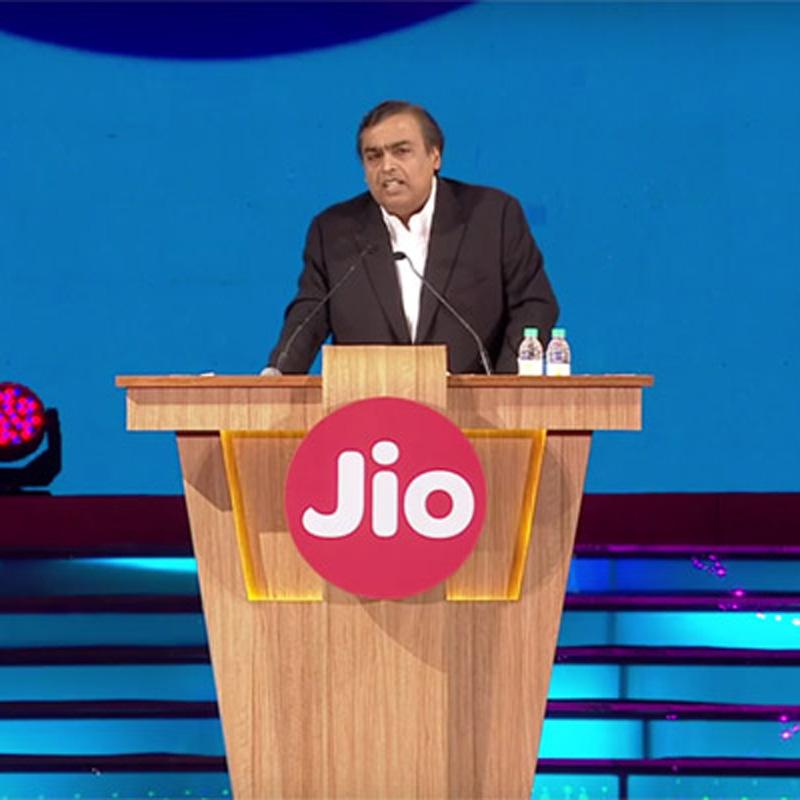
    MUMBAI: It promised a lot and it delivered. Reliance Industries Ltd’s 39th annual general meeting saw chairman Mukesh Ambani unveil the roadmap ahead for what is hoped will be the most significant change agent for India’s telecom, broadband business.

    Amongst the most significant was the announcement that it will be a voice-free-low data cost provider of 4G LTE services geared for video delivery.

    “All over the world operators charge for either data or voice. We have decided to make our voice services free and will never charge for it anytime now or in the future. Jio makes India the highest quality lowest data rates country in the world,” he said.

    While other telcos like Airtel, Vodafone, have been offering data plans at Rs 250 per GB, Ambani said Jio’s data plans will be delivered at Rs 50 per GB. “And these will go down the more data you consume,” he informed RIL’s enamoured and enthusiastic shareholders at Mumbai’s Biral Matushree Auditorium this morning. “Your apps and downloads can be happening when you sleep at night at no cost to you.”

    He also stated that data will be free on its 4G LTE network at night.

    Only 10 plans ranging from Rs 19 to 4999 offering free voice calls and 100 MB to 75 GB a month respectively are on offer. “There are more than 22,000 plans on offer across India from the various telcos. It’s very confusing for the consumer. We wanted to keep it simple – hence just 10 plans,” said Ambani.

    Reliance Jio says that it is looking at simplifying billing, sign ups to its services. “We have reengineered the sign up process to e-KYC and it will be linked to your Aadhar card. The process will take a customer 15 minutes and you will walk away with your active connection,” said Ambani.

    He also announced that subscription to Reliance Jio’s apps – valued at Rs 15,000 – was being given away to subscribers free until 31 December 2017 .

    Students would also have an offer which will provide them with 25 per cent more data at the same price. Ambani said Jio was in the process of connecting a majority of India’s schools and colleges so that students could have access to broadband wifi in their classrooms. The company was in the process of setting up a million wifi hot spots across the country.

    Ambani pointed out that Jio was being officially launched from 5 September 2016 with a welcome offer that all of Jio services will be available to Indians free until 31 December 2016. One of the reasons for this, he expressed, was that the company had been surprised by the way villagers had taken to the internet. And he wanted India’s rural heartlands to experience mobile broaband on 4G LTE for a few months.

  • Ambani unveils Jio launch, rollout and tariffs

    Ambani unveils Jio launch, rollout and tariffs

    MUMBAI: It promised a lot and it delivered. Reliance Industries Ltd’s 39th annual general meeting saw chairman Mukesh Ambani unveil the roadmap ahead for what is hoped will be the most significant change agent for India’s telecom, broadband business.

    Amongst the most significant was the announcement that it will be a voice-free-low data cost provider of 4G LTE services geared for video delivery.

    “All over the world operators charge for either data or voice. We have decided to make our voice services free and will never charge for it anytime now or in the future. Jio makes India the highest quality lowest data rates country in the world,” he said.

    While other telcos like Airtel, Vodafone, have been offering data plans at Rs 250 per GB, Ambani said Jio’s data plans will be delivered at Rs 50 per GB. “And these will go down the more data you consume,” he informed RIL’s enamoured and enthusiastic shareholders at Mumbai’s Biral Matushree Auditorium this morning. “Your apps and downloads can be happening when you sleep at night at no cost to you.”

    He also stated that data will be free on its 4G LTE network at night.

    Only 10 plans ranging from Rs 19 to 4999 offering free voice calls and 100 MB to 75 GB a month respectively are on offer. “There are more than 22,000 plans on offer across India from the various telcos. It’s very confusing for the consumer. We wanted to keep it simple – hence just 10 plans,” said Ambani.

    Reliance Jio says that it is looking at simplifying billing, sign ups to its services. “We have reengineered the sign up process to e-KYC and it will be linked to your Aadhar card. The process will take a customer 15 minutes and you will walk away with your active connection,” said Ambani.

    He also announced that subscription to Reliance Jio’s apps – valued at Rs 15,000 – was being given away to subscribers free until 31 December 2017 .

    Students would also have an offer which will provide them with 25 per cent more data at the same price. Ambani said Jio was in the process of connecting a majority of India’s schools and colleges so that students could have access to broadband wifi in their classrooms. The company was in the process of setting up a million wifi hot spots across the country.

    Ambani pointed out that Jio was being officially launched from 5 September 2016 with a welcome offer that all of Jio services will be available to Indians free until 31 December 2016. One of the reasons for this, he expressed, was that the company had been surprised by the way villagers had taken to the internet. And he wanted India’s rural heartlands to experience mobile broaband on 4G LTE for a few months.

  • Airtel to dole out 5GB free bandwidth for post-paid & DTH customers

    Airtel to dole out 5GB free bandwidth for post-paid & DTH customers

    MUMBAI: It’s party time for Bharati Airtel’s broadband customers. India’s largest telco announced on 10 August that it would be doling out an extra 5GB of data bandwidth for every other Airtel service connection – postpaid mobile or digital TV (DTH) – within the family. The press note says the more the connections in a home, the more the free data on offer.

    Customers can avail this exciting offer for their existing as well as new Airtel postpaid mobile and digital TV connections.As an illustration, if a home has two mobile post paid connections, and an Airtel Digital TV (DTH) connection, then a further free 15GB of bandwidth will be added to its broadband account every month.

    Bharati Airtel (India) CEO- Homes Hemanth Kumar Guruswamy said that it is a move to delight its customers. “This is a gesture from us to thank our broadband customers for giving us an opportunity to serve them. Along with the unlimited free calling benefit on our landline, customers can now make the most of their Airtel broadband with the free additional data benefits.”

    Being dished out under its newly launched ‘myHome Rewards programme, the offer can be availed of through the myAirtel app or by registering one’s connection at www.airtel.in/myhome. Last year, the company had offered its customers free data under its Airtel surprises programme.

    Observers however see a pre-emptory tactic against Reliance Jio as it gets ready to launch its 4G services in a full-fledged manner. Jio is expected to disrupt the data pricing structure in India when it rolls out both its wireless and wired broadband services in the coming few months.

    In the past couple of months, most of the telcos have announced price cuts for data for their pre-paid packs.

  • Airtel to dole out 5GB free bandwidth for post-paid & DTH customers

    Airtel to dole out 5GB free bandwidth for post-paid & DTH customers

    MUMBAI: It’s party time for Bharati Airtel’s broadband customers. India’s largest telco announced on 10 August that it would be doling out an extra 5GB of data bandwidth for every other Airtel service connection – postpaid mobile or digital TV (DTH) – within the family. The press note says the more the connections in a home, the more the free data on offer.

    Customers can avail this exciting offer for their existing as well as new Airtel postpaid mobile and digital TV connections.As an illustration, if a home has two mobile post paid connections, and an Airtel Digital TV (DTH) connection, then a further free 15GB of bandwidth will be added to its broadband account every month.

    Bharati Airtel (India) CEO- Homes Hemanth Kumar Guruswamy said that it is a move to delight its customers. “This is a gesture from us to thank our broadband customers for giving us an opportunity to serve them. Along with the unlimited free calling benefit on our landline, customers can now make the most of their Airtel broadband with the free additional data benefits.”

    Being dished out under its newly launched ‘myHome Rewards programme, the offer can be availed of through the myAirtel app or by registering one’s connection at www.airtel.in/myhome. Last year, the company had offered its customers free data under its Airtel surprises programme.

    Observers however see a pre-emptory tactic against Reliance Jio as it gets ready to launch its 4G services in a full-fledged manner. Jio is expected to disrupt the data pricing structure in India when it rolls out both its wireless and wired broadband services in the coming few months.

    In the past couple of months, most of the telcos have announced price cuts for data for their pre-paid packs.

  • Vserv to offer solutions to telcos & DTH operators

    Vserv to offer solutions to telcos & DTH operators

    MUMBAI: Smart data platform for mobile marketing in India and Southeast Asia – Vserv has forayed into the burgeoning commerce space.


    In an industry-first move, Vserv will now provide an end-to-end solution for telcos and DTH operators, right from the discovery of customers to the transaction of services. This step will empower consumer-facing companies to utilize the combined power of Vserv Smart Data platform and commerce solution.


    With this added capability, Vserv will enable telcos to promote segmented offers across data and voice. By driving these transactions, Vserv enhances average revenue per user (ARPU) for telcos. For DTH operators, this translates into selling segmented channel packs leading to a major jump in subscriptions and higher revenue.


    Vserv co-founder and CEO Dippak Khurana said, “We saw the opportunity to redefine the relevance, simplicity and convenience of these services for the customer. Vserv’s massive reach of 120 million unique users in India combined with this commerce solution creates a disruptive development in the mobile Internet ecosystem. While our Smart Data platform is a revolutionary offering for mobile marketing, with our commerce solution, we now complete a user’s journey from intent to purchase. This unique proposition provides a powerful opportunity for consumer-facing companies, which are seeking to tap into the growing mobile Internet user base. We have always challenged the status quo and this offering is a gigantic leap towards bringing about a radical shift in the ecosystem.”


    The Vserv commerce solution delivering relevance, simplicity and convenience works on a four- pronged approach of: discovery (identifying the right user with Vserv Smart Data), promotion (engaging the user with segmented offers), payment (enabling seamless transaction for the user) and activation (quick and easy activation of the service).


    The total revenue of telco and DTH services in India stood at around $31 billion in 2014, and is currently growing at a rate of 10 per cent per annum. Within this, the share of digital commerce is close to 10 per cent and is expected to grow by 300 per cent in the next four years. This growth will be fuelled by the rapidly expanding Internet user base, which is expected to reach 500 million users by 2018, 80 per cent of which will be contributed by mobile users. With the largest mobile Internet user base in India and its unique proposition of enabling commerce for consumer-facing companies, Vserv is strategically positioned to capture a sizeable market share.