Tag: Telangana

  • MSOs urged to buy domestic set top boxes as there is no shortage

    MSOs urged to buy domestic set top boxes as there is no shortage

    NEW DELHI: Reiterating that there was no scarcity of digitally addressable set top boxes and the cut-off date of the final phase was fast approaching, Information and Broadcasting Additional Secretary Jayashree Mukherjee has urged multi system and local cable operators to place orders with domestic manufacturers.

    She has also also said that the broadcasters should develop their own AV Spots and start using these by 30 Septemberr 2016 and start a scroll on their channels to mount publicity campaign about digital addressable system.

    Chairing the 17th meeting of the DAS Task Force, Mukherjee agreed with a suggestion that an advisory may be issued by the Ministry to all MSOs to carry public awareness campaign on their local channels also.

    She said considering that the cut-off date of 31 December 2016 was fast approaching, the State Nodal Officers were requested to take help of the Assistant project Directors of Regional Units to implement complete digitization in their States and carry out regular monitoring of the progress at the State as well as District level, preferably on weekly basis.

    She said the schedule of the meeting planned at State level may be sent to the Ministry so that if required, the Ministry’s representative can also be present in some of these meetings.

    She also felt that the Ministry should regularly release Press Notes/Press Releases on the status of Cable TV Digitization.

    At the meeting held on 31 August 2016, Mukherjee, representatives of Telangana, Uttar Pradesh, Uttarakhand, Haryana, Jammu and Kashmir, Karnataka, Jharkhand, Punjab, Bihar, Rajasthan and West Bengal gave details of the progress of implementation of digitization in phase lll and measures being undertaken by them to implement the last phase of digitization in their respective States.

    Almost all of them said they were holding regular meetings to monitor the progress and are trying to resolve the issues with stakeholders in order to achieve the target of compfete digitization by the cut-off date.

    However, the Chairperson observed that more action was required to be taken by the Nodal Officers of UP, Bihar and Karnataka.

    Considering that there were around 6000 MSOs operating in the country but only about 1300 had applied for MSO registration to the Ministry, the broadcasters were requested to ask the MSOs with whom they have interconnect agreements but who have not applied for MSO registration wherher they were interested to work as MSO in the DAS notified area failing which they would not be able to act as MSO after the cut-off date.

    The representative of Sony mentioned that they have interconnect agreements with about 1500 MSOs,out of which 1101 have not applied to the Ministry for MSO registration. He confirmed that these MSOs have been advised to apply for MSO registration if they want to continue as MSO in DAS notified areas.

    The representative of Star also mentioned that they have issued similar letters to their MSOs who have not taken MSO registration from the Ministry.

    The Indian Broadcasting Foundation representative was requested to ensure that the similar action is taken by all other members of the IBF and also to supply the list with their e-mail addresses, including those from Sony, to the Ministry so that the Ministry can also write to them.

    The representative of CEAMA said they are not getting sufficient orders of STBs from the big players, though they have enough stock of STBs.

    Joint Secretary (Broadcasting) Sanjay Murthy said an issue of setting up of grievance redressal mechanism at national level for MSOs, LCOs and consumers was discussed with the representatives of broadcasters a few days back. He wanted to know the status of setting up of such a system. The representative of IBF said it was working on it and would submit a proposed plan by 10 September 2016 to the Ministry.

    While reviewing the progress of the court cases pending in Delhi High Court with regard to cut off date of phase lll digitization, the representative of IBF said it had filed an application in the Hon’ble Delhi High Court to implead them in these cases.

    Regarding the public awareness campaign, the representative of the IBF said its members have already started the public campaign using 2 AV Spots provided by the Ministry. He also said scrolls are being planned by their members. The Chairperson emphasized the need for IBF members to develop their own AV Spots as had been done on earlier occasions.

    Also read:

    DAS Phase IV: IBF asked to up campaign in addition to MIB ads
  • MSOs urged to buy domestic set top boxes as there is no shortage

    MSOs urged to buy domestic set top boxes as there is no shortage

    NEW DELHI: Reiterating that there was no scarcity of digitally addressable set top boxes and the cut-off date of the final phase was fast approaching, Information and Broadcasting Additional Secretary Jayashree Mukherjee has urged multi system and local cable operators to place orders with domestic manufacturers.

    She has also also said that the broadcasters should develop their own AV Spots and start using these by 30 Septemberr 2016 and start a scroll on their channels to mount publicity campaign about digital addressable system.

    Chairing the 17th meeting of the DAS Task Force, Mukherjee agreed with a suggestion that an advisory may be issued by the Ministry to all MSOs to carry public awareness campaign on their local channels also.

    She said considering that the cut-off date of 31 December 2016 was fast approaching, the State Nodal Officers were requested to take help of the Assistant project Directors of Regional Units to implement complete digitization in their States and carry out regular monitoring of the progress at the State as well as District level, preferably on weekly basis.

    She said the schedule of the meeting planned at State level may be sent to the Ministry so that if required, the Ministry’s representative can also be present in some of these meetings.

    She also felt that the Ministry should regularly release Press Notes/Press Releases on the status of Cable TV Digitization.

    At the meeting held on 31 August 2016, Mukherjee, representatives of Telangana, Uttar Pradesh, Uttarakhand, Haryana, Jammu and Kashmir, Karnataka, Jharkhand, Punjab, Bihar, Rajasthan and West Bengal gave details of the progress of implementation of digitization in phase lll and measures being undertaken by them to implement the last phase of digitization in their respective States.

    Almost all of them said they were holding regular meetings to monitor the progress and are trying to resolve the issues with stakeholders in order to achieve the target of compfete digitization by the cut-off date.

    However, the Chairperson observed that more action was required to be taken by the Nodal Officers of UP, Bihar and Karnataka.

    Considering that there were around 6000 MSOs operating in the country but only about 1300 had applied for MSO registration to the Ministry, the broadcasters were requested to ask the MSOs with whom they have interconnect agreements but who have not applied for MSO registration wherher they were interested to work as MSO in the DAS notified area failing which they would not be able to act as MSO after the cut-off date.

    The representative of Sony mentioned that they have interconnect agreements with about 1500 MSOs,out of which 1101 have not applied to the Ministry for MSO registration. He confirmed that these MSOs have been advised to apply for MSO registration if they want to continue as MSO in DAS notified areas.

    The representative of Star also mentioned that they have issued similar letters to their MSOs who have not taken MSO registration from the Ministry.

    The Indian Broadcasting Foundation representative was requested to ensure that the similar action is taken by all other members of the IBF and also to supply the list with their e-mail addresses, including those from Sony, to the Ministry so that the Ministry can also write to them.

    The representative of CEAMA said they are not getting sufficient orders of STBs from the big players, though they have enough stock of STBs.

    Joint Secretary (Broadcasting) Sanjay Murthy said an issue of setting up of grievance redressal mechanism at national level for MSOs, LCOs and consumers was discussed with the representatives of broadcasters a few days back. He wanted to know the status of setting up of such a system. The representative of IBF said it was working on it and would submit a proposed plan by 10 September 2016 to the Ministry.

    While reviewing the progress of the court cases pending in Delhi High Court with regard to cut off date of phase lll digitization, the representative of IBF said it had filed an application in the Hon’ble Delhi High Court to implead them in these cases.

    Regarding the public awareness campaign, the representative of the IBF said its members have already started the public campaign using 2 AV Spots provided by the Ministry. He also said scrolls are being planned by their members. The Chairperson emphasized the need for IBF members to develop their own AV Spots as had been done on earlier occasions.

    Also read:

    DAS Phase IV: IBF asked to up campaign in addition to MIB ads
  • Total 1,315 solar empanelled Wi-Fi towers built in Red Corridor

    Total 1,315 solar empanelled Wi-Fi towers built in Red Corridor

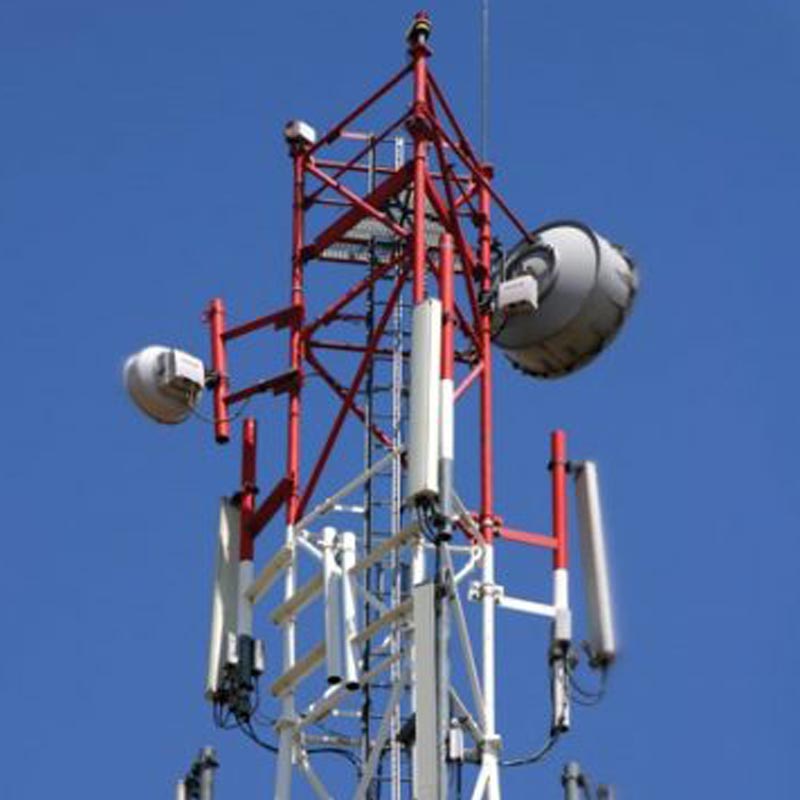
    NEW DELHI: Following a call by the government to increase the reach of communications in the Red Corridor, around 1,315 solar empanelled towers have been set up in the Left Wing Exteremists region in record time

    The work was undertaken by Vihaan Networks Limited (VNL), a pioneer in designing, developing and manufacturing of Telecommunications network solutions.

    The Home Ministry along with Department of Telecom (DoT) had decided to build a mobile phone network in the most-affected regions across ten Indian States, recognizing that combating insurgency in India’s Red Corridor must include the provision of a robust communication network as an important element of its strategy. These include some of the most hostile terrain in the country, with practically no roads, power or security.

    Around 2199 solar-powered mobile communication towers have been set up in a record time of less than a year, altering the geographical and social landscape of the area.

    On 20 August 2014, the Union Cabinet approved the extension of mobile telephonic services to 2,199 locations affected by Left Wing Extremism (LWE) in the States of Andhra Pradesh, Bihar, Chhattisgarh, Jharkhand, Maharashtra, Madhya Pradesh, Odisha, Telangana, Uttar Pradesh and West Bengal. There are 106 districts across 10 states which have been identified by the government as LWE-affected districts.

    The project was executed by Bharat Sanchar Nigam Limited (BSNL). BSNL has successfully installed towers at these locations giving network coverage to many villages as well as security forces camps and important locations with the help of domestic vendors Vihaan Networks Ltd and HFCL.

    India’s cell phone revolution has helped shape the economic development and improved governance for its citizens, leading to game-changing reforms such as better targeting of subsidies.

    Vihaan Network Chairman Rajiv Mehrotra said “It is a proud moment for us as we been able to connect millions of rural consumers, through our efficient infrastructure and expertise in Solar enabled telecom equipments. When we talk of integrated socio-economic development, it takes into account many areas that can benefit from faster access and enhanced productivities by using voice & data connectivity be it security, surveillance, connectivity and information access. In areas which are bereft of basic infrastructure, mobile connectivity underlines the solution to many.”

    VNL has accomplished connectivity in 10 states, 90 districts, 12,700 villages, 39, 00,000 mobile connections, 110 million crore connected citizens connected and enabled security forces.

    The project is funded by the Dot arm USOF, the total project cost was Rs 3567.58 crores this includes CAPEX as well as O&M for a period of 5 years.

  • Total 1,315 solar empanelled Wi-Fi towers built in Red Corridor

    Total 1,315 solar empanelled Wi-Fi towers built in Red Corridor

    NEW DELHI: Following a call by the government to increase the reach of communications in the Red Corridor, around 1,315 solar empanelled towers have been set up in the Left Wing Exteremists region in record time

    The work was undertaken by Vihaan Networks Limited (VNL), a pioneer in designing, developing and manufacturing of Telecommunications network solutions.

    The Home Ministry along with Department of Telecom (DoT) had decided to build a mobile phone network in the most-affected regions across ten Indian States, recognizing that combating insurgency in India’s Red Corridor must include the provision of a robust communication network as an important element of its strategy. These include some of the most hostile terrain in the country, with practically no roads, power or security.

    Around 2199 solar-powered mobile communication towers have been set up in a record time of less than a year, altering the geographical and social landscape of the area.

    On 20 August 2014, the Union Cabinet approved the extension of mobile telephonic services to 2,199 locations affected by Left Wing Extremism (LWE) in the States of Andhra Pradesh, Bihar, Chhattisgarh, Jharkhand, Maharashtra, Madhya Pradesh, Odisha, Telangana, Uttar Pradesh and West Bengal. There are 106 districts across 10 states which have been identified by the government as LWE-affected districts.

    The project was executed by Bharat Sanchar Nigam Limited (BSNL). BSNL has successfully installed towers at these locations giving network coverage to many villages as well as security forces camps and important locations with the help of domestic vendors Vihaan Networks Ltd and HFCL.

    India’s cell phone revolution has helped shape the economic development and improved governance for its citizens, leading to game-changing reforms such as better targeting of subsidies.

    Vihaan Network Chairman Rajiv Mehrotra said “It is a proud moment for us as we been able to connect millions of rural consumers, through our efficient infrastructure and expertise in Solar enabled telecom equipments. When we talk of integrated socio-economic development, it takes into account many areas that can benefit from faster access and enhanced productivities by using voice & data connectivity be it security, surveillance, connectivity and information access. In areas which are bereft of basic infrastructure, mobile connectivity underlines the solution to many.”

    VNL has accomplished connectivity in 10 states, 90 districts, 12,700 villages, 39, 00,000 mobile connections, 110 million crore connected citizens connected and enabled security forces.

    The project is funded by the Dot arm USOF, the total project cost was Rs 3567.58 crores this includes CAPEX as well as O&M for a period of 5 years.

  • Shop CJ’s regional space initiatives for revenue boost

    Shop CJ’s regional space initiatives for revenue boost

    MUMBAI: One of the conveniences of modern times is that everything we need or want is available on our television screens and/or is just a call for a click of a button away. The market of television shopping has grown over the years. A study in 2015 stated that the cable and satellite market consists of 140 million (14 crore) households or 650 million (65 crore) people as of December, 2014. In comparison, the number of internet users was estimated at 302 million (30.2 crore).

    Even when everything is switching to mobile, the 24 hour tele-shopping channels still manage to grab a fair share of the market, albeit just a fraction in terms of sales by the eCommerce players, due to television’s humongous reach. The business was estimated to reach revenues of around Rs 5,000 crore by the closure of fiscal 2014.15.

    So far, teleshopping’s bastions were largely limited to late night teleshopping on various channels and a few pure teleshopping channels. But, there was an opportunity to service rural markets that were not being catered to by eCommerce players as yet. The Akshay Kumar – Raj Kundra led teleshopping channel Best Deal TV launched Best Deal TV especially for the Tamil market.

    Among the major players in the teleshopping space, Shop CJ (previously known as Star CJ Alive), has also rolled out regional shopping channels in Telugu and Tamil. The Telugu channel was launched about six months ago and the Tamil entity came to be about two months ago.

    In 2015, Shop CJ held 20 percent of the market share and aimed to increase market share in the future. According to Shop CJ COO Dhruva Chandrie, sales have doubled in 2016. Shop CJ had a turnover of Rs1,200 crore in 2015 Sales have already hiked by 40 percent with orders having grown 52 per cent in 2016. The Shop CJ management team had announced a target of Rs 250 crore by October 2016 from the Telangana and Andhra Pradhesh regions alone. The brand believes that it is on the way to meet the targets since the response as of now has been positive.

    Chandrie revealed that there were high expectations from the venture and around the time of India’s major festival of Diwali, there were plans to bring out a Kannada teleshopping channel as well. He further revealed that setting up a regional channel required completely new production backup facilities to be setup altogether. The production of a regional channel was to done separately in the local language. A new regional channel would cost around Rs 35-40 crores, while setting up a warehouse would cost almost the same.

    The Shop CJ teleshopping network has included regional brands like Butterfly and Preeti among others, along with other many national and international brands in its offerings. Its regional channels have products catering to regional demands and products are sourced from all over the country. Chandrie also revealed that his company was in the process of finalising deals with many television channel distributors in the region and that his network’s products are already available on major DTH and local cable operators. Since the carriage deals are still work-in-progress, Chandrie said that he was not in a position to reveal further details.

    Teleshopping’s largest selling products remain kitchen appliances, followed by IT products, cameras, saris and kurtas. “The channels are on 24×7 and have a wide viewership” said Chandrie.

    In conclusion, Chandirk said that although the channels were at a very initial, a highly nascent stage, his network believed that a higher growth in the regional markets would boost the overall growth of his company and help it gain a higher market share.

  • Shop CJ’s regional space initiatives for revenue boost

    Shop CJ’s regional space initiatives for revenue boost

    MUMBAI: One of the conveniences of modern times is that everything we need or want is available on our television screens and/or is just a call for a click of a button away. The market of television shopping has grown over the years. A study in 2015 stated that the cable and satellite market consists of 140 million (14 crore) households or 650 million (65 crore) people as of December, 2014. In comparison, the number of internet users was estimated at 302 million (30.2 crore).

    Even when everything is switching to mobile, the 24 hour tele-shopping channels still manage to grab a fair share of the market, albeit just a fraction in terms of sales by the eCommerce players, due to television’s humongous reach. The business was estimated to reach revenues of around Rs 5,000 crore by the closure of fiscal 2014.15.

    So far, teleshopping’s bastions were largely limited to late night teleshopping on various channels and a few pure teleshopping channels. But, there was an opportunity to service rural markets that were not being catered to by eCommerce players as yet. The Akshay Kumar – Raj Kundra led teleshopping channel Best Deal TV launched Best Deal TV especially for the Tamil market.

    Among the major players in the teleshopping space, Shop CJ (previously known as Star CJ Alive), has also rolled out regional shopping channels in Telugu and Tamil. The Telugu channel was launched about six months ago and the Tamil entity came to be about two months ago.

    In 2015, Shop CJ held 20 percent of the market share and aimed to increase market share in the future. According to Shop CJ COO Dhruva Chandrie, sales have doubled in 2016. Shop CJ had a turnover of Rs1,200 crore in 2015 Sales have already hiked by 40 percent with orders having grown 52 per cent in 2016. The Shop CJ management team had announced a target of Rs 250 crore by October 2016 from the Telangana and Andhra Pradhesh regions alone. The brand believes that it is on the way to meet the targets since the response as of now has been positive.

    Chandrie revealed that there were high expectations from the venture and around the time of India’s major festival of Diwali, there were plans to bring out a Kannada teleshopping channel as well. He further revealed that setting up a regional channel required completely new production backup facilities to be setup altogether. The production of a regional channel was to done separately in the local language. A new regional channel would cost around Rs 35-40 crores, while setting up a warehouse would cost almost the same.

    The Shop CJ teleshopping network has included regional brands like Butterfly and Preeti among others, along with other many national and international brands in its offerings. Its regional channels have products catering to regional demands and products are sourced from all over the country. Chandrie also revealed that his company was in the process of finalising deals with many television channel distributors in the region and that his network’s products are already available on major DTH and local cable operators. Since the carriage deals are still work-in-progress, Chandrie said that he was not in a position to reveal further details.

    Teleshopping’s largest selling products remain kitchen appliances, followed by IT products, cameras, saris and kurtas. “The channels are on 24×7 and have a wide viewership” said Chandrie.

    In conclusion, Chandirk said that although the channels were at a very initial, a highly nascent stage, his network believed that a higher growth in the regional markets would boost the overall growth of his company and help it gain a higher market share.

  • Telangana leads fight against online piracy in partnership with film industry

    Telangana leads fight against online piracy in partnership with film industry

    MUMBAI: A Telangana Intellectual Property Crime Unit (TIPCU) created by the state government with representatives state cyber crime police, state IT ministry, internet service providers (ISPs), the Telugu film industry, legal experts and financial experts.

    This follows the advocacy efforts following the content protection alliance between the Motion Picture Distributors Association, the Indian office of the Motion Pictures Association of America and the Telugu Film Chamber Of Commerce (TFCC) representing the Telugu film industry over the past five years.

    The establishment of the TIPCU on the lines of UK’s Police Intellectual Property Crime Unit (PIPCU) will lead to even more effective enforcement mechanisms to fight online piracy.
    TIPCU is a specialized state-level enforcement task force to fight online content theft and will comprise several representatives from the Telugu Film Chamber of Commerce.

    Chamber President D. Suresh Babu said, “In 2012, by joining hands with MPDA (the consortium of Hollywood studios), we as Telugu Film Industry had made a beginning in the right direction to protect creative content. With the setting up of TIPCU, we are on the verge of setting a great precedent in India that shall inspire other movie industries and bring them together. We are grateful for the visionary support of the Government of Telangana.”    

    Telangana IT secretary Jayesh Ranjan said, “The Government of Telangana firmly believes in creating a very conducive ecosystem for creators and creative industries to thrive and realize their full potential. Creating a robust mechanism to stop online piracy and protect the interests of the movie industries is an integral part of this belief. Under the inspiring and visionary leadership of chief minister K Chandrashekhar Rao and IT minister K T Rama Rao, we shall endeavor to create models like ‘TIPCU’ that can inspire confidence, in not only the Regional Movie Industry, but all Creative Industries across India, and allow them to benefit from these initiatives and turn Telangana into a globally recognizable Creative Hub with the best IPR protection mechanisms.”

    MPDA India managing director Uday Singh said, “Legitimate entertainment has never been so affordable and accessible with benefits for both creative industries and online consumers of content. We are happy to see that things are heading in the right direction in India. Our continued alliance with TFCC is the first step towards combating online content theft, which poses a serious threat to Internet users as well as the creative industry. We call on other interested stakeholders to join our efforts which will help our effort to sustain creative industries and encourage innovation and legitimate business models in the future.”

    Launched in 2012, with an objective to promote content protection, the alliance continues to pool resources and jointly tackle issues such as camcording, online content theft, and to promote public awareness and education campaigns on the importance of content protection. These efforts have resulted in successful enforcement operations in 2013 and 2015, which resulted in the arrest of members of major camcording syndicates in India and a decline in camcording by 73 percent in 2015 over 2012. 

    The MPDA and TFCC have also been instrumental in launching various public awareness campaigns to raise awareness about the need to protect content in the digital world. These include the multilingual, multi-platform anti-piracy mobile application Indian Movie Cop; launched in 2013 by former US Ambassador to India Nancy Powell.
    Over 4000 theatre managers and employees from different multiplex chains across India have been trained on the MPA Make A Difference training programme and Be a Movie Cop quiz so far. Outreach initiatives such as Comicorner and Comic Con supported by the Telugu Film Industry have helped raise awareness on the threats of source and online piracy amongst youth who watch content on the Internet.

  • Telangana leads fight against online piracy in partnership with film industry

    Telangana leads fight against online piracy in partnership with film industry

    MUMBAI: A Telangana Intellectual Property Crime Unit (TIPCU) created by the state government with representatives state cyber crime police, state IT ministry, internet service providers (ISPs), the Telugu film industry, legal experts and financial experts.

    This follows the advocacy efforts following the content protection alliance between the Motion Picture Distributors Association, the Indian office of the Motion Pictures Association of America and the Telugu Film Chamber Of Commerce (TFCC) representing the Telugu film industry over the past five years.

    The establishment of the TIPCU on the lines of UK’s Police Intellectual Property Crime Unit (PIPCU) will lead to even more effective enforcement mechanisms to fight online piracy.
    TIPCU is a specialized state-level enforcement task force to fight online content theft and will comprise several representatives from the Telugu Film Chamber of Commerce.

    Chamber President D. Suresh Babu said, “In 2012, by joining hands with MPDA (the consortium of Hollywood studios), we as Telugu Film Industry had made a beginning in the right direction to protect creative content. With the setting up of TIPCU, we are on the verge of setting a great precedent in India that shall inspire other movie industries and bring them together. We are grateful for the visionary support of the Government of Telangana.”    

    Telangana IT secretary Jayesh Ranjan said, “The Government of Telangana firmly believes in creating a very conducive ecosystem for creators and creative industries to thrive and realize their full potential. Creating a robust mechanism to stop online piracy and protect the interests of the movie industries is an integral part of this belief. Under the inspiring and visionary leadership of chief minister K Chandrashekhar Rao and IT minister K T Rama Rao, we shall endeavor to create models like ‘TIPCU’ that can inspire confidence, in not only the Regional Movie Industry, but all Creative Industries across India, and allow them to benefit from these initiatives and turn Telangana into a globally recognizable Creative Hub with the best IPR protection mechanisms.”

    MPDA India managing director Uday Singh said, “Legitimate entertainment has never been so affordable and accessible with benefits for both creative industries and online consumers of content. We are happy to see that things are heading in the right direction in India. Our continued alliance with TFCC is the first step towards combating online content theft, which poses a serious threat to Internet users as well as the creative industry. We call on other interested stakeholders to join our efforts which will help our effort to sustain creative industries and encourage innovation and legitimate business models in the future.”

    Launched in 2012, with an objective to promote content protection, the alliance continues to pool resources and jointly tackle issues such as camcording, online content theft, and to promote public awareness and education campaigns on the importance of content protection. These efforts have resulted in successful enforcement operations in 2013 and 2015, which resulted in the arrest of members of major camcording syndicates in India and a decline in camcording by 73 percent in 2015 over 2012. 

    The MPDA and TFCC have also been instrumental in launching various public awareness campaigns to raise awareness about the need to protect content in the digital world. These include the multilingual, multi-platform anti-piracy mobile application Indian Movie Cop; launched in 2013 by former US Ambassador to India Nancy Powell.
    Over 4000 theatre managers and employees from different multiplex chains across India have been trained on the MPA Make A Difference training programme and Be a Movie Cop quiz so far. Outreach initiatives such as Comicorner and Comic Con supported by the Telugu Film Industry have helped raise awareness on the threats of source and online piracy amongst youth who watch content on the Internet.

  • Negligible rise in MSOs to 840 with 609 provisional licencees

    Negligible rise in MSOs to 840 with 609 provisional licencees

    NEW DELHI: With the second quarter of the last year of implementation of the final phase of the digital addressable system having begun, the government is attempting to speed up the process of clearing licences for multi-system operators and the number has now gone up to 840 including the 231 which have permanent (ten-year) licences.

    The latest list as on 29 April shows that thirteen more MSOs have been given provisional licences in the week after 21 April and the total of provisional licencees has now risen above 600 to number 609 as against 596.

    By 12 January, the Information and Broadcasting Ministry had cancelled the licences of 26 MSOs and closed their cases.

    According to the latest list, the area of operation of one MSO has been revised after 21 April. Unlike the last list, none of the new MSOs have been given pan-India licences. The new registrations are for the states of, or specific disctricts in, Gujarat, Uttar Pradesh, Kerala, Harayana, Madhya Pradesh, Maharashtra, Chhatisgarh, Telangana, and Andhra Pradesh.

    With the Home ministry directive about doing away with security clearances for MSOs not being communicated in writing to the MIB, the pace remains slow.

    The permanent licence issued to Kal Cable of Chennai had been cancelled on 20 August 2014, but this cancellation was set aside by Madras High Court on 5 September the same year. However, Kal Cable’s name continues to be in the cancelled list – presumably because the cases are still pending. 

    Sources denied that denial of security clearance was the reason for provisional licences and said many MSOs holding provisional licences had not completed certain formalities relating to shareholders and so on.

  • Negligible rise in MSOs to 840 with 609 provisional licencees

    Negligible rise in MSOs to 840 with 609 provisional licencees

    NEW DELHI: With the second quarter of the last year of implementation of the final phase of the digital addressable system having begun, the government is attempting to speed up the process of clearing licences for multi-system operators and the number has now gone up to 840 including the 231 which have permanent (ten-year) licences.

    The latest list as on 29 April shows that thirteen more MSOs have been given provisional licences in the week after 21 April and the total of provisional licencees has now risen above 600 to number 609 as against 596.

    By 12 January, the Information and Broadcasting Ministry had cancelled the licences of 26 MSOs and closed their cases.

    According to the latest list, the area of operation of one MSO has been revised after 21 April. Unlike the last list, none of the new MSOs have been given pan-India licences. The new registrations are for the states of, or specific disctricts in, Gujarat, Uttar Pradesh, Kerala, Harayana, Madhya Pradesh, Maharashtra, Chhatisgarh, Telangana, and Andhra Pradesh.

    With the Home ministry directive about doing away with security clearances for MSOs not being communicated in writing to the MIB, the pace remains slow.

    The permanent licence issued to Kal Cable of Chennai had been cancelled on 20 August 2014, but this cancellation was set aside by Madras High Court on 5 September the same year. However, Kal Cable’s name continues to be in the cancelled list – presumably because the cases are still pending. 

    Sources denied that denial of security clearance was the reason for provisional licences and said many MSOs holding provisional licences had not completed certain formalities relating to shareholders and so on.