Tag: Tejinder Gill

  • 70 per cent of consumers tune out repetitive ads: Trade Desk report

    70 per cent of consumers tune out repetitive ads: Trade Desk report

    MUMBAI: A new study by global advertising technology leader, The Trade Desk (Nasdaq: TTD) titled, “The Untapped Opportunity of Omnichannel,” reveals that an overwhelming 70 per cent of Indian consumers are tired of seeing the same ads repeatedly on a single channel. The findings underscore the urgent need for brands to adopt omnichannel strategies to combat the escalating ad fatigue in India.

    According to the report, India now ranks third globally in ad fatigue, trailing only the United States and Australia, surpassing the global average of 68 percent. With users in India spending about nine hours a day across an average of 5.4 media channels– including OTT/CTV, streaming music,news and websites, gaming and more, fragmentation has become a key hurdle for modern marketers.

    “While media fragmentation poses a real challenge, our research shows that brands that embrace it through an omnichannel approach can better manage frequency across channels, publishers, and platforms,” said The Trade Desk managing director, Tejinder Gill. “By placing the audience at the center and aligning with how they actually consume media, omnichannel campaigns not only improve the ad experience but also drive stronger brand outcomes.”

    The study draws a distinction between omnichannel and multichannel advertising strategies and their impact on consumer engagement. While both approaches use multiple channels, the distinction lies in execution. Multichannel campaigns often operate in siloswithseparate strategies across different platforms. In contrast, omnichannel campaigns unify three or more digital channels (such as mobile, display, native, video, audio, DOOH, or OTT/CTV) into a connected experience that optimizes message sequencing and frequency based on how users consume media.

    Recent studiesreveal that omnichannel approaches significantly outperform disconnected media strategies, reducing ad fatigue by 2.2 times and boosting persuasive impact by 1.5 times. Additionally, advertisers leveraging The Trade Desk’s platform for omnichannel campaigns saw a 1.7 times increase in purchase intent whenthree channels are connected holistically. The impact of strategic alignment across channels on the open internet is further validated by findings showing a 77 per cent uplift in return on investment when five channels are integrated.

    The report also highlights the unique strengths of each channel, providing a roadmap for brands and agencies seeking to build effective omnichannel plans:

    CTV/OTT: With 73 per cent of Indian viewers discovering new brands while streaming, significantly above the global average of 51 per cent, CTV/OTT stands out as a leading channel for brand discovery. Two-thirds (66 per cent) of consumers trust the ads they see on these channels, with a similar share (69 per cent) recalling the brands featured. This powerful combination of discovery, credibility, and emotional storytelling positions CTV/OTT as a cornerstone of any omnichannel strategy.

    ·  Streaming Audio: Provides a unique opportunity to reach audiences in moments few other media can, whether they’re starting their day or seeking background companionship. It is quickly emerging as a high-impact channel for both brand discovery (71 per cent) and recall (66 per cent), rapidly closing the gap with CTV/OTT. The rising popularity of podcasts, especially among Gen Z and Millennials, further expands the advertising potential for brands.

    ·  Digital Out-of-Home (DOOH): As a high-frequency, low-intrusion format, DOOH plays a key role in upper funnel brand-building.Nearly half (47 percent) of Indian consumers notice DOOH formats such as billboards and posters on a daily basis. This makes DOOH a vital complement to digital campaigns, driving mass awareness at scale.

    ·  Gaming: No longer a niche, gaming is now a mainstream channel across age groups. Over 80 percent of Millennials and Gen Zers playgames weekly, higher than the country average of 74 per cent. Most gamers are receptive to ads in exchange for in-game rewards, with Millennials being most receptive. As part of an omnichannel mix, gaming offers immersive, value-driven ad experiences that foster deeper brand engagement.

    ·  Display &Online Video: Display advertising excels at mid-funnel reinforcement, particularly among Millennials, 71 per cent of whom recall display ads. Online video, by contrast, thrives in laid-back, passive moments like casual browsing and proves especially effective with Gen Z, with 72 per cent recalling brands seen in this format. Together, these channels allow brands to strategically tailor campaigns by generation and funnel stage, balancing reach and relevance in a holistic omnichannel approach.

    The full report is available for download here

  • Diwali shopping to surge with 70 per cent consumers ready to spend more

    Diwali shopping to surge with 70 per cent consumers ready to spend more

    Mumbai: New data shows approximately 70 per cent of Indians are ready to spend more this Diwali, representing a marked 35 per cent increase from last year, according to the third festive pulse survey conducted by global advertising technology leader The Trade Desk. The planned increase in consumer spending is led primarily by consumers’ bullish view that their financial situation has improved (53 per cent), and consumers’ eagerness to celebrate a lot more this year (49 per cent).

    The new research indicates growing optimism among Indian consumers is slated to drive larger festive sales this year, giving brands an opportunity to build advertising campaigns tailored to consumer interests and preferences as the biggest shopping season of the year approaches.

    Skyrocketing optimism spurs consumer spend

    The surge in optimism is driving increased consumer spend, with a significant majority expressing an interest in purchasing luxury goods and apparel (84 per cent) and gold (80 per cent). Amongst those who plan to spend more, 68 percent said they are more likely to increase spending on new clothes, 65 per cent on gold and jewellery, 64 per cent on Diwali food items and gifts for family, and 64 per cent on friends and colleagues.

    “This year’s Diwali is shaping up to be the most significant shopping season ever. People are gearing to celebrate more, in turn, they plan to spend more,” said The Trade Desk general manager, India Tejinder Gill. “To make the most of this opportunity, marketers should focus on building trust to engage customers with relevant advertising campaigns that reach them at the right place at the right time. The Trade Desk is empowering marketers to make smarter media decisions for the festive season and for the long term, whilst helping them track campaign performance to drive business growth effectively.”

    Brands who engage early and consistently will stay top-of-mind

    The findings reflect an always-on branding strategy is the key in engaging consumers effectively. When shopping for Diwali, more than half (58 per cent) of Indians consider themselves to be planned shoppers, while almost half (45 per cent) regard brand trust as an important factor in their Diwali shopping decisions.

    The research also unveils significantly higher brand loyalty, compared to Diwali shopping last year. Within the top three product categories where consumers demonstrate the strongest loyalty, a notable 74 per cent of consumers will stick to the same brand when purchasing products in health and personal care, which is an increase of 23 per cent compared to last year. While 69 per cent of Indian consumers will do so for consumer electronics, an increase of 30 per cent, and 65 per cent for makeup and fragrances, an increase of 27 per cent from last year.

    Indian consumers are least likely to hold strong brand affinity for toys, games, and collectibles (50 per cent), home and living (50 per cent) and travel (47 per cent). Marketers who employ an always-on strategy can help enhance brand affinity by maintaining consistent connections with their audience throughout their entire purchasing journey.

    OTT platforms are effective advertising channels

    The open internet provides an opportune place for brands to advertise, and over-the-top (OTT) streaming platforms are garnering notable traction. The majority of respondents (61 per cent) express a willingness to research a product online if they like the ads shown on this channel. Furthermore, people aged 25 to 40 years exhibit a larger appetite for ads on OTT platforms, as half of them (51 per cent) reportedly pay attention to ads on the channel. Concurrently, 43 per cent said they direct their attention towards ads on news, websites, and blogs.

    Survey Methodology

    The survey was conducted online by research firm Milieu amongst a nationally representative sample of 1,000 India adults, fielded in June 2023. All data was weighted by age and gender to reflect the latest Indian population estimates.

  • Buoyant optimism overpowers inflation concerns among shoppers this festive season: survey

    Buoyant optimism overpowers inflation concerns among shoppers this festive season: survey

    Mumbai: From increasing digital activity across apps and devices to a greater willingness to try new brands, the pandemic has fundamentally reshaped the way consumers shop. Excitement among Indian consumers for the upcoming festive season is at a high, according to the second festive Pulse Survey by The Trade Desk. The survey highlighted that 68 per cent of Indians are excited about the upcoming festive season sales, an increase from 59 per cent last year. In addition, two in three shoppers intend to spend as much or more this festive season.

    Some of the key findings from the survey include:

    The inclination to spend among urban Indians is the highest this year since the pandemic, in spite of rising inflationary pressures. The survey affirms that D2C channels are gaining traction amongst consumers, with nearly seven in ten shoppers (66 per cent) proposing to use D2C sites for festive shopping. Also, loyalty to trusted brands in product categories such as health & personal care (60 per cent), consumer electronics (53 per cent), makeup & fragrances (51 per cent) and finance (51 per cent) is evident.

    Buoyant optimism prevails over inflation concerns

    Despite rising inflation, the propensity to spend among urban Indians is the highest this year since the pandemic. This optimism is reflected in consumers’ eagerness to splurge this festive season. The survey shows that nearly 40 per cent of consumers plan to start shopping in mid-October or earlier. As shoppers begin to splurge on their festive shopping, almost half intend to spend more on travel experiences than in previous years. Nearly six in 10 consumers plan to spend on gifts for family and friends, while more than half intend to splurge on food, beverages, and entertainment.

    Direct-to-consumer (D2C) a draw for shoppers

    As consumers begin buying more online, numerous brands have also accelerated their direct-to-consumer (D2C) ecommerce offerings. The survey affirms that D2C channels are gaining traction amongst consumers. Almost seven in 10 shoppers (66 per cent) intend to use D2C sites for festive shopping. The data underscores that in this ever-shifting ecommerce landscape, marketers have the opportunity to enhance their omnichannel media strategies and engage with consumers directly.

    The Trade Desk India general manager Tejinder Gill explained, “As consumers spend more time online for both work and play, brands are scaling their digital marketing efforts to boost their ad dollars across different channels on the open internet. The high optimism among Indian consumers this festive season will likely attract even more brands, which will lead to advertising clutter in the digital space.”

    “By working with data-driven platforms like The Trade Desk, marketers can manage their omnichannel media campaigns and capture critical attribution and measurement data to understand how they can optimise their media spend this festive season,” he added.

    Loyalty for tried-and-tested brands in certain product categories

    The survey also indicated that consumer preference for trusted and familiar brands varied across product categories—an insight that marketers could factor into their advertising and promotional strategies. It emerged, for instance, that Indians demonstrate loyalty to trusted brands in product categories such as health and personal care (60 per cent), consumer electronics (53 per cent), make-up and fragrances (51 per cent) and finance (51 per cent). On the other hand, in categories such as toys, games, and collectibles, 68 per cent of Indians do not have such a strong brand affinity.

    Consumer attitudes toward companies and brands are constantly influenced by various touch points throughout their online experiences. As a result, brands have an opportunity to be timely, relevant, and well-directed with their advertising campaigns. For marketers looking to optimise their budget towards driving new customer acquisition and retention, digital channels like over the top (OTT), display, native and streaming audio play a key role as they offer better precision and measurement opportunities.

    The survey was conducted online by YouGov amongst a nationally representative sample of 1,005 Indian adults from 2-8 August 2022. All the data was weighted by age and gender to reflect the latest Indian population estimates.

  • Programmatic is enabling the transition of OTTs to open internet: Tejinder Gill

    Programmatic is enabling the transition of OTTs to open internet: Tejinder Gill

    Global technology platform The Trade Desk helps marketers advertise on the ‘open internet’ i.e., outside the ecosystems of Google and Facebook. The Trade Desk can deliver campaigns across a multitude of devices such as computers, mobile devices, OTT, connected TV (CTV) to reach quality audiences at scale via video, audio, display and native ads.

    Founded in November 2009, the company launched in India almost a year ago, setting up their leadership teams in Delhi and Bangalore. It immediately integrated with leading OTT players including Disney+ Hotstar, Zee5, SonyLIV, MX Player and Voot and publishers to enable programmatically-driven advertising and bring transparency to the purchase of online inventory.

    The Trade Desk is only a demand-side platform, meaning it optimises and solves for advertisers only. It helps them understand the break-up of their media investments at scale in a complicated supply-side ecosystem that has up to seven to eight partners. Its most important USP (unique selling point) is that it offers marketers more choices to advertise outside the established walled garden ecosystems.

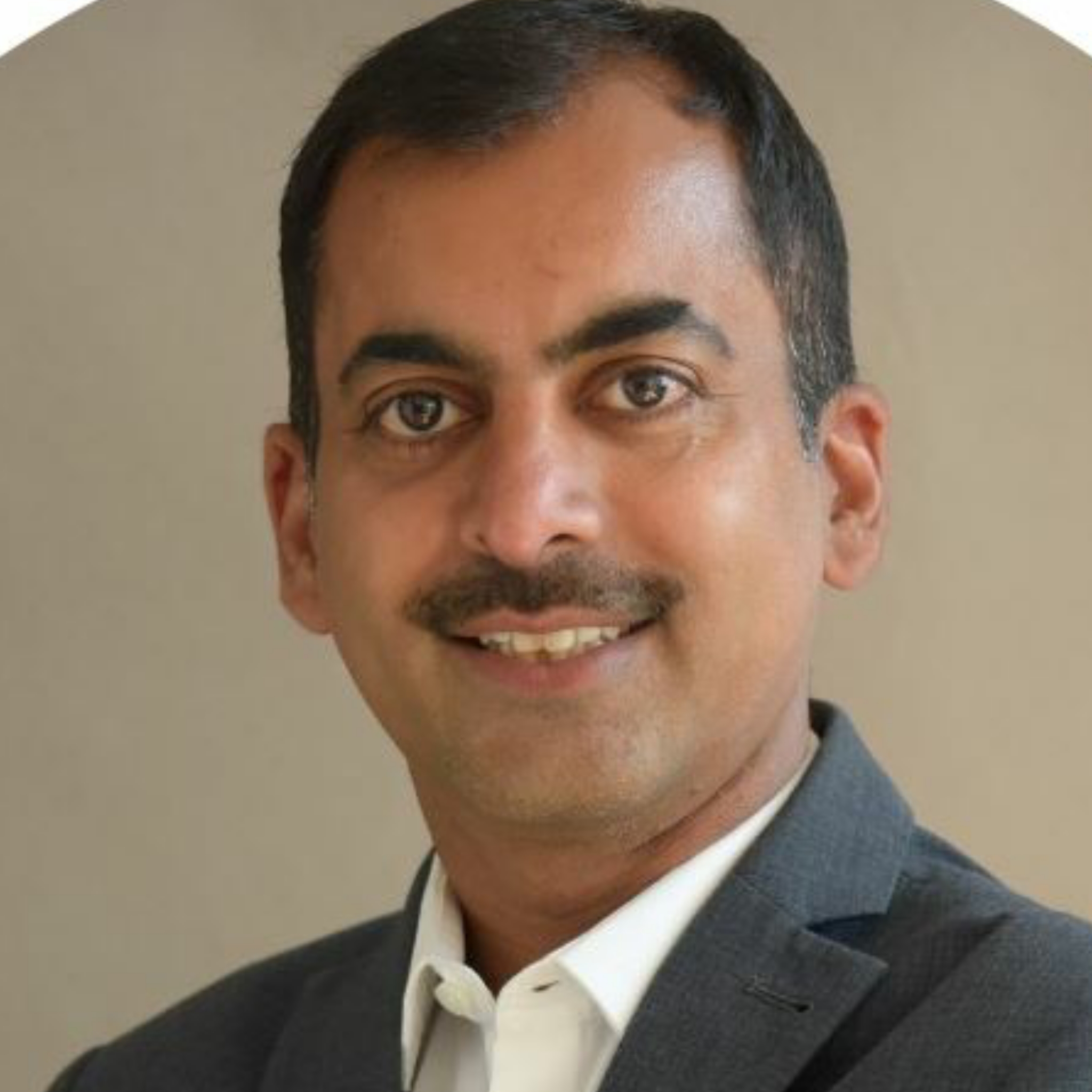
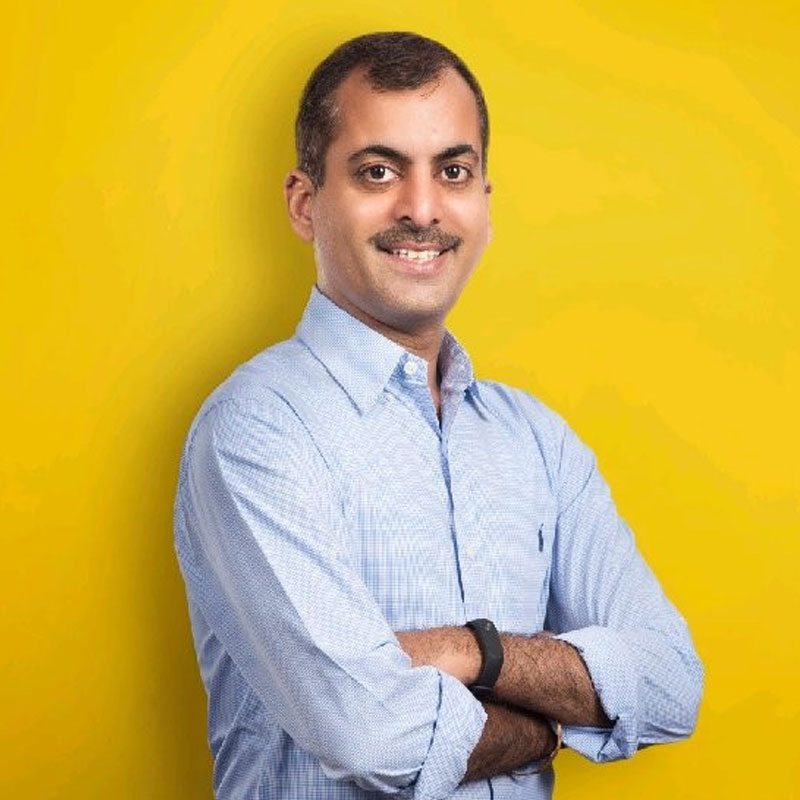
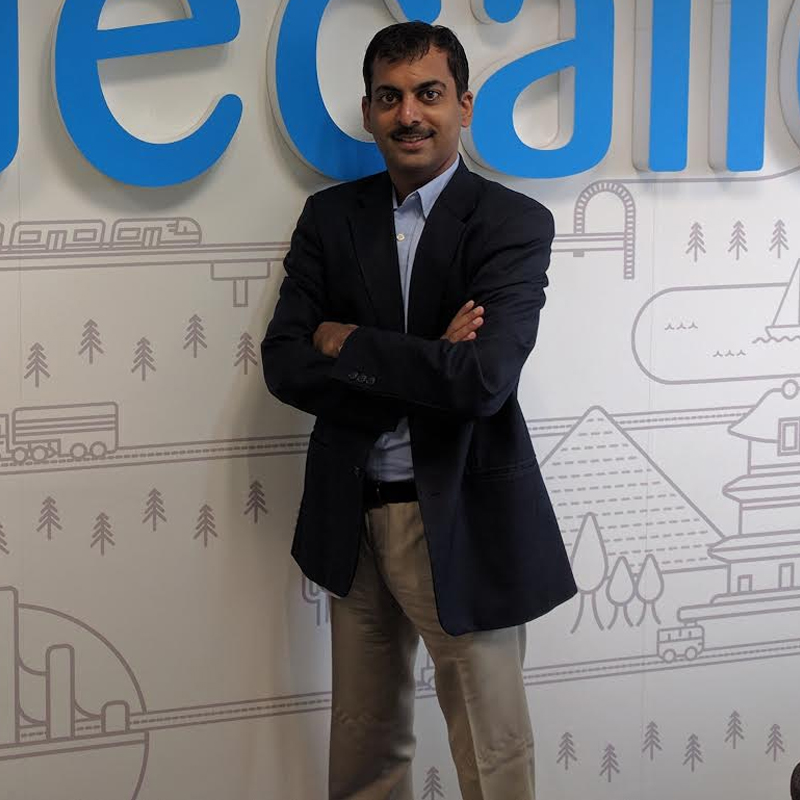
    Helming The Trade Desk’s business in India is Tejinder Gill who is responsible for the business growth strategy, executing the company’s vision and long-term goals and leading the product development. He is spearheading the expansion of programmatic across digital, audio, video and connected TV for Trade Desk. Gill has more than 17 years of experience, starting his career in 2008 with Yahoo, he was later part of LinkedIn’s leadership team for six years and Truecaller’s executive management team for nearly five years.

    In conversation with IndianTelevision.com, The Trade Desk India general manager Tejinder Gill spoke about the challenge that the company is trying to solve, online advertising trends, growth of advertising video-on-demand (AVOD), moving away from third-party identifiers and more.

    Edited excerpts:

    On the challenges addressed by The Trade Desk

    We are all about open internet which means anything outside the walled gardens. The biggest keyword missing in India, when it comes to digital media buying, is choice. Marketers want to get a certain reach and scale that you can only get within the walled gardens. So, the vision we saw was how to build an open internet advertising platform at scale.

    Let’s say, $100 is spent on advertising. Almost $53 goes to Google, $28 goes to Facebook and the remaining $19 is shared among the rest of the players which includes any player other than these two. The biggest reason that marketers are looking for a third choice is that these platforms make their own rules. They withhold data and the inability to measure performance in these walled gardens has led to a lot of frustration among marketers.

    I have observed that 70 per cent of the time spent by a user is on the open internet while 70 per cent of marketer’s budgets are spent on walled gardens. This is disproportionate. The biggest challenge for me is to educate marketers and partners about the benefit of the open internet and how we can solve for reach and scale.

    Think about the open internet as a bunch of different islands and walled gardens as continents. However big you are, you will always remain an island. Our platform makes these islands come together, and talk to each other so that everything is more accessible. The future will see all publishers come under the open internet umbrella. And programmatic is enabling this transition.

    Publishers still have direct sales teams to sell their premium inventory and sponsorships but the bulk of their inventory is now available on programmatic. That means all their pipes are connected to us. We’re building a marketplace where advertisers can pick and choose any inventory they want. They can use any measurement tool or any data partner that they want.  Individually, you can never win the game of scale, but together the open internet is a very strong value proposition for marketers to move away from walled gardens.

    When I joined the company 16 months ago, and the next month we complete a year of launch in India, programmatic talent was a big issue. We addressed this with Trade Desk-Edge Academy certifications, and interestingly, 40 per cent of members who have taken the certification in Asia-Pacific (APAC) are from India. I have built a diverse leadership team across Delhi and Bangalore since then.

    We’ve done strategic partnerships with publishers, OTTs and connected TV manufacturers to be the platform of choice for marketers. This includes partnerships with Samsung TV, OTT platforms such as Disney+ Hotstar, Zee5, SonyLIV, Voot and MX Player and audio streaming services such as Gaana, JioSaavn, and Spotify.

    On the rise of programmatic video advertising

    The OTT consumer base has gone up in the last two years. There are new players entering the global and local markets creating more competition. While linear TV has been there for many years, consumer trends are changing. Some consumers are opting for cutting the chord as a result of the adoption of OTT platforms. OTT offers a seamless viewing experience across devices making it the preferred platform for consumers and building an attractive reach and scale for marketers.

    Online curated content platforms (OCCs) are offering premium high-quality content. An OTT platform attracts a large and diverse audience. The biggest difference between a user-generated content platform and an OCC platform is brand safety. Since curated content will be safer and more positive in nature, brands will want to invest in it. It also helps that you can put a data layer on top of it that delivers better performance, measurement and offers real-time insights to marketers.

    The biggest difference between linear and OTT platforms is the application of data intelligence. Linear TV has always relied on third party intelligence. The impact of an OTT campaign is measurable and you can take the insights and apply them to any other campaign.

    It is also more controlled. For example, suppose you want to target a consumer only three times a day then you can apply a frequency cap. If you want to target him once on Disney+ Hotstar, Voot and SonyLIV then you can adjust your parameters accordingly. This translates to a better consumer experience.

    The one thing that marketers love about programmatic is optimising their media dollars and talking to the same user across the media funnel. This means that whether I’m watching TV, mobile, laptop, OTT or audio, the same message will be played in a different format across.

    A study we did last year in partnership with YouGov found that 55 per cent of Indians prefer to see an ad versus paying for content. This indicates that the future business model for OTT platforms will be one that will be supported by subscription and advertising.

    Our founder Jeff Green predicted three years ago that Netflix will embrace advertising. Today, international players such as Disney+ and Netflix are planning to launch ad-supported models.

    On moving away from third-party cookies

    Third-party cookies are a three-decade-old technology and a shrinking part of the internet. Now, we have to think of a more sophisticated solution and we’ve created our own identifier called UnifiedID 2.0. It is a string of numbers and letters that cannot be reverse engineered to reveal the identity of the user, say for example his email ID.

    If third-party cookies go away, what are the scenarios that marketers arrive at? Walled gardens get more control over the internet. Paywalls keep consumers from accessing content. Consumers having to login multiple times to access the internet.

    That’s why the future will have multiple identity solutions that will be interoperable, meaning that these identity solutions will work across the ecosystem and will need to talk to each other. Our identity solution has got a lot of adoption in the Western market and we’re hoping APAC will start running it soon.

    On the trends in programmatic video advertising

    There are a few trends that I see.

    Connected TV (CTV) will drive the next phase of growth. We expect CTV to hit 40 million devices in the country in the next two years. This means that budgets will start moving from linear TV to connected TV.

    Marketers will start asking everyone about more real-time business outcomes. Marketers will move away from metrics such as CPA (cost-per-action), CPC (cost-per-click), CPM (cost-per-mile) and start measuring in more detail. For example, in-store footfall.

    A cookie-less future is good. It is happening for the benefit of the entire industry. Advertising will be able to target with more precision enabling brands to present different ad opportunities at different points in time. I think this is a new approach for the future.

    Five years ago, when we launched programmatic the idea was to automate the entire paperwork also known as programmatic guarantee. That’s not the real advantage of programmatic. Programmatic is all about decisioning i.e., it is about choices. If a marketer wants to buy audiences who may reside on OTT, mobile, CTV then he can find them across channels and devices. That’s the biggest trend that will drive programmatic in India over the next two years.

    Decisioning is different from upfront media buying. In upfront media buying, an advertiser blocked the front page of a Times of India or a 15 sec slot on a channel. The advertiser would pay upfront and get the ad displayed.

    In a real-time environment, the advertiser wants more control. He wants to pick up the right audience, at the right time and at the right price. The advertiser can control whether that ad should reach 1000 or one million consumers and pay for the reach that he wants. The journey of the ad needs to be mapped. That’s why I say decisioning will take precedence over the existing programmatic guarantee.

  • The Trade Desk partners with Samsung Ads

    The Trade Desk partners with Samsung Ads

    Mumbai: Global tech company The Trade Desk on Wednesday announced its collaboration with Samsung Ads, a platform for advanced TV advertising solutions that can further help Indian marketers reach millions of highly engaged Indian viewers across the open internet. 

    The Trade Desk is expanding CTV advertising opportunities to India’s fast-growing open internet which includes over-the-top (OTT), music streaming, websites, and mobile apps, for the first time.

    Through The Trade Desk’s platform, marketers will have access to Connected TV (CTV) inventory on Samsung Smart TV, offered through its free, ad-supported on-demand (AVOD) streaming service, Samsung TV Plus. The collaboration will allow marketers to add Samsung CTV inventory to their programmatic media buy, said the statement.

    As more Indian consumers access digital content through multiple screens and platforms, CTV is emerging as the new, premium channel for India’s consumers and marketers. According to a report by Ernst & Young, CTV is expected to reach over 40 million homes in India by 2025, from seven million homes today. For marketers, CTV represents an opportunity to apply data to what is often the largest segment of their advertising investment.

    Commenting on the collaboration, Samsung Ads, senior director-India and South East Asia, Prabhvir Sahmey said, “India is fast becoming a programmatic-first market, with 74 per cent of total digital ad sales predicted to be programmatic by next year. For this reason, India is the first market where we are launching a programmatic first strategy. Our collaboration with The Trade Desk is integral to facilitating wide access to our inventory, offering brands the opportunity to extend their reach in a premium, brand-safe environment – the biggest screen in the house.”

    The collaboration will enable marketers to measure their advertising campaigns in a way that is not possible with linear TV. By applying the same level of data-driven insights that they do with their digital advertising campaigns, marketers can compare and measure ad opportunities across channels on the open internet in a transparent way.

    The Trade Desk India’s GM, Tejinder Gill stated, “Indian marketers are increasing their spends on digital advertising and steadily turning to programmatic advertising, which offers real-time measurement and better control over ad frequency. CTV, which is rapidly gaining adoption among consumers, is one of the best platforms in India for programmatic advertising. As CTV advertising does not rely on third-party cookies, marketers can also measure and compare the effectiveness of their CTV advertising with other channels on the open internet. We will leverage our global expertise to pioneer CTV advertising on the open internet in India, starting with our collaboration with Samsung Ads.”

  • The Trade Desk Launches in India, appoints Tejinder Gill as General Manager

    New Delhi: Global advertising technology firm, The Trade Desk has launched operations in India, and appointed Tejinder Gill as the company’s India general manager.

    Gill will lead the company’s business and growth strategy in India, helping Indian brands and publishers unleash the full potential of the open internet where Indian consumers are increasingly spending their time.

    Rapid digitization of the media industry has provided a paradigm shift in the way Indians consume content online. In particular, content consumption on the open internet has exploded in the last 18 months. In a statement released on Wednesday, the company said it aims to help India’s digital marketers capture these fast-growing opportunities. “With The Trade Desk’s industry-leading data-driven capabilities, marketers can access a marketplace of premium advertising inventory across a wide range of websites, apps, podcasts and streaming OTT platforms,” it said.

    The omnichannel platform plans to enable marketers to reach relevant audiences across different devices (including computers, mobile devices, tablets and connected TV), and engage with them meaningfully along their entire digital journey.

    “Digital is the fastest-growing advertising segment in India and, as a result, marketers in India are seeking more trust and transparency as they shift more campaign budgets there,” says The Trade Desk, India, general manager, Tejinder Gill. “While Indian consumers are spending 70 percent of their time on the open internet, almost 80 percent of India’s digital ad revenue still goes to the big tech platforms, which sit outside the open internet. The Trade Desk is here to bring the much needed data-driven decision making and transparency to India’s digital advertising ecosystem, offering marketers a credible choice where they can tap into the immense opportunities of the open internet.”

    Dentsu, Media-South Asia, Divya Karani, said, “Digital duopoly has existed for quite a while in India. However, we are now seeing brands increase their spends on other platforms on the open internet. Seeing how programmatic advertising has grown multi-fold in the past few years, The Trade Desk has arrived in India at the right time, when opportunities on the open internet are expected to grow much faster than traditional digital channels.”

    According to Publicis Media Services CEO Tanmay Mohanty, winning in programmatic media is important in the platform world. “Digital marketers are being exposed to the power of data, and they want to embrace it more fully across advertising channels. At Publicis, we invest ahead in training our talent. And so our talent who are certified by The Trade Desk can help marketers drive real-time campaigns with qualified reach and accuracy while transparency is an effort in the same direction,” he said.

  • Tejinder Gill moves on from Truecaller, joins The Trade Desk

    Tejinder Gill moves on from Truecaller, joins The Trade Desk

    MUMBAI: Tejinder Gill has moved on from Truecaller where he was the vice-president of global sales (South Asia, MENA, and Sub Saharan Africa). Gill has now joined US based tech firm The Trade Desk as the general manager for India.

    He had announced his departure from Truecaller at the end of last year, after a nearly five years’ association with the company.

    In his new role, Gill will be responsible for crafting innovative approaches to accelerate outcomes based on emerging business models and strengthening global client and partner relationships.

    “I’m happy to share that I have started the next leg of my career journey with The Trade Desk. My focus here will be to drive our vision of reshaping digital advertising in the India geo. I’m excited to work with a great team that will use its expertise to transform media to benefit businesses and build advanced opportunities in the Open Internet for India’s modern marketers to navigate this next era of change,” Gill announced the move on LinkedIn on Tuesday.

    Gill joined Truecaller in 2016 and spent four and a half years at the caller identification app before his move to The Trade Desk. In a career spanning over 17 years, he has worked at places like LinkedIn, Yahoo, Times of India, Network18, and SAS International Export.

  • Tejinder Gill moves on from Truecaller

    Tejinder Gill moves on from Truecaller

    NEW DELHI: Truecaller vice president Tejinder Gill has put down his papers and is currently serving his notice period, the company confirmed to Indiantelevision.com. The move is solely for professional purposes and personal growth. His replacement has not yet been decided. 

    Gill has been the company's vice president – global sales (South Asia, MENA, sub-Saharan Africa) since 2016. He was leading monetisation strategies and country growth for the India market.

    The company said that Gill has played a key role in strengthening Truecaller’s foothold in India. “70 per cent of our revenues come from advertising and Tejinder Gill has done great work in that direction. It was under him that we progressed immensely with our advertising solutions. Our initiatives like Roadblock, where we block all the ads in a day for a particular brand, making it visible more than a billion times, have got great tractions and Gill has been instrumental in driving that popularity. It was under his leadership that we got one billion impressions in a day very recently.” 

    Gill has been in the business for more than 18 years and has worked with leading brands like Yahoo and LinkedIn. He was, in fact, a core member of the LinkedIn team when it started its operations in India in 2010. 

  • Truecaller claims 3X ad growth, VP cites Patanjali’s unprecedented rise

    Truecaller claims 3X ad growth, VP cites Patanjali’s unprecedented rise

    MUMBAI: Truecaller claims to have reached a new milestone as a mobile in-app publisher, achieving a record 200 million impressions in a single day.

    The daily impression rate on Truecaller’s in-app advertising platform has grown by over 300 per cent in the past year. The monumental traction is a product of Truecaller’s innovation as a one-stop solution for communication, payments, and now, brand engagement. Real estate on Truecaller has appreciated to the extent that over 70% of existing advertisers have decided to continue to invest in Truecaller’s mobile advertising inventory. Truecaller’s direct-to-consumer connect has attracted new interest of brands across the spectrum of FMCG, consumer electronics, and automobiles from brands like Mondelēz, Samsung, Himalayan and Maruti among many more.

    Truecaller VP sales and head of India operations Tejinder Gill said, “This shows that the mobile ad eco-system has an incredible potential in India. At Truecaller, we are constantly looking for innovative ways to add value to the lives of not only our customers, but our partners’ as well. With Patanjali, we saw a cult favorite brand that has witnessed unprecedented growth by offering a differentiated product.”

    Patanjali, India’s homegrown leader in Ayurveda, leveraged Truecaller in a one-day app inventory takeover, resulting in a new benchmark for both Patanjali and Truecaller.

    Patanjali’s digital agency MangoData co-founder and CEO Santosh Kumar said “What began as crafting an innovative campaign for Patanjali has surpassed our expectations in terms of both impressions delivered, which were upwards of 200 million and click-based engagement of over 430,000 in a single day. Leveraging the strong association customers have with Truecaller and supported by a 100 per cent share of voice on the platform, has helped us target the right customer with the right offering and narrative from our portfolio.”