Tag: technology

  • ‘India doesn’t have enough developers to meet industry’s demand’: Instappy founder Ambika Sharma

    ‘India doesn’t have enough developers to meet industry’s demand’: Instappy founder Ambika Sharma

    MUMBAI: The explosion of smart mobile phones in India and the penetration of internet has led to a boom in several innovative business proposals that explore the digital platform. With India leading the startup scene, everyday new ideas are turning from just business plans in a ppt file to an actual revenue generating business, backed by an aggressive venture capitalists.

    At the same time, it has pushed several small and medium enterprises to go online, as their customers have already made the shift. It not only means a booming in the digital market, it also means more demand for technology to sustain its rapid growth — right from hardware to software. The Mobile App industry is estimated at $ 143 billion and counting.  As more businesses start thinking mobile in their digital marketing initiatives, traditional agencies too are realising the need to include application development skilsl in their portfolio to sustain clients.

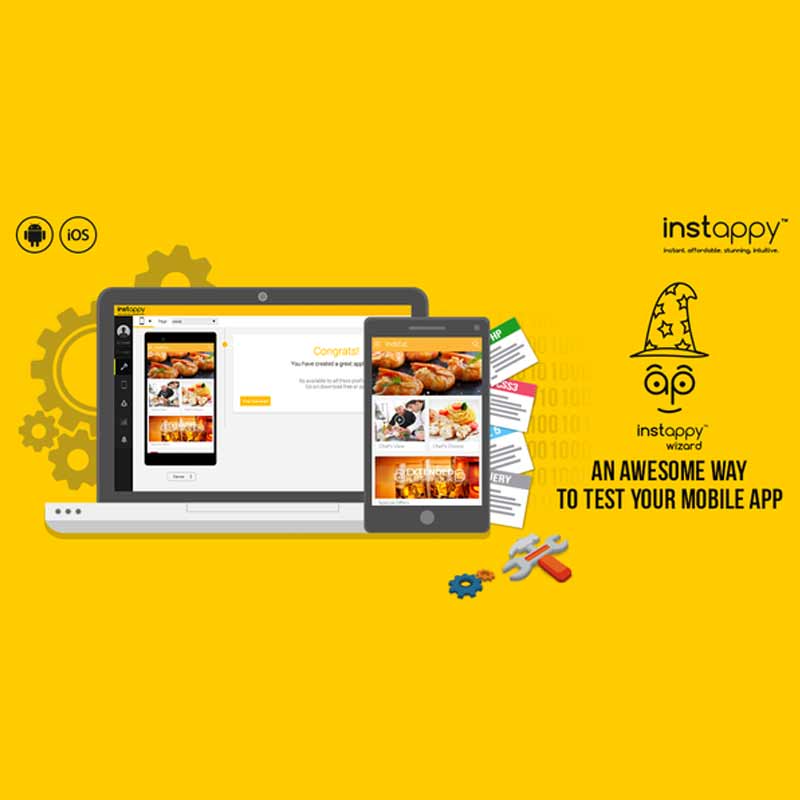
    As per Gartner’s  IT Spending Forecast, by 2017 the demand for enterprise mobile apps will exceed the supply available, especially in India — which comes as an opportunity for cloud-based Mobile app creation platform Instappy.

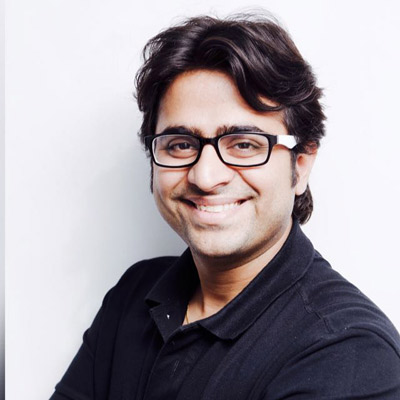
    “Though India is one of the largest base for developers, globally the number of developers required and the apps in which are in demand has a gap of 1:5 and by 2017 this gap is only going to  grow. A good application requires at least five developers working on it and needs a time period of at least  45 to 60 days  on a an average. Whereas the number of enterprises and small businesses who want an application is far more than that. Had the pool of developers grown at the same rate that the SMEs are shifting to digital, this gap would have been avoided, but the mobile industry has seen a rapid boom and the developers aren’t keeping up,” explained  Instappy, founder and MD Ambika Sharma

    Instappy’s business model is based on this simple ratio, as well as the fact that SMEs prefer a platform that helps them get an app without going through complicated technical discussions with developers.

    Observing the current trend in the market, Sharma shared that the small and medium enterprises jumping the digital bandwagon understand the importance of mobile and how it is going to build on their revenue in the long run.

    While Instappy does get an occasional request of ‘an ola app’, or a ‘zomato app’, for the most part users are fairly well aware of keeping their app identity unique, though certain features may be replicated as reference.

    “The only area that SMEs need to be educated about is building an application is not the end of it, it needs constant maintenance, software updates and improvements. Technology is changing fast and the business owners need to be updated for the most part as well,” she added.

    Non technology savvy business owners and marketers often shy away from getting themselves an application to avoid dealing with the technical specifications because they are overwhelmed by the complexity. Therefore the cloud based platform thrives amongst  Small and Medium Sized enterprises, making it a more democratised playing field for all businesses.

    On an average the platform sees anything between 35 to 40 users building apps every week. Barring the first free trial month, the subscribers start off at Rs 30,000 to be on the platform, and the rates go higher depending on the services a user claims. Apart from this Instappy also entertains clients who ask for a more  customized application for their businesses,  which commands premium rates.  But that is nothing compared to the ongoing rates if a professional team of developers are hired for the job.

    For a basic application that serves a simple purpose, a business enterprise will have to pay a small group of developers anything between Rs 15 to Rs 20 lacs and the price can go up to crores if well known developers are hired and difficult coding is required.

    “We are currently getting requests from across industry, but the ones that stand out are travel, learning and education,  retail and stationery and beauty services business. Interestingly mass manufacturing industry, which is very traditional in its nature has also come on board with us to get an application out,” she shared.

    The sudden rush to get an application has also brought in its own set of challenges for the development market. While most businesses want to go digital to expand their market online and open new ways to interact with the consumer, there are also some who want an app just for the sake of it. Sharma stayed  clear of them.

    “No smart business will create a app just for the sake of it or due to herd mentality. While it’s a trend, the applications have to serve a business purpose for them. It is very difficult to develop an app that covers all the needs of a business, while keeping the functionality in mind, and without going overboard with features. It takes almost 30 days to even figure out what all they want  in it, and most of the time a specialised team has to step in to keep the businesses updated about the latest features they can avail or offer their customers through the app. Half the time businesses lack clarity on exactly what they want from an app.That is where the support team comes in and guides them based on their requirement,” Sharma pointed out, adding that Instappy mostly works with businesses who have their content ready.

    To reach out to fresh new users, Instappy has a very active digital marketing strategy that banks on content marketing as well. “As a B2B portal that targets businesses online, without platform being on digital, our marketing spends are also largely inclined on digital campaigns with an occasional print advertisement,” Sharma said.

    Launched in December 2015 in India, and in the European market in March 2016, the platform is already seeing positive acceptance from both the markets.

    When asked about its yearly targets, Sharma said, “At this point we want to have at least  500 applications pushed out in the next 18 months time. Any business takes time when marketing dynamics are changing. We already making money with a revenue increase on a week – on week basis. Keeping in mind that we constantly  want to invest in the platform from the technology standpoint to ready on demand features for customers, we cant put a date on when we will break even, but it shouldn’t take longer than two years for sure.
  • ‘India doesn’t have enough developers to meet industry’s demand’: Instappy founder Ambika Sharma

    ‘India doesn’t have enough developers to meet industry’s demand’: Instappy founder Ambika Sharma

    MUMBAI: The explosion of smart mobile phones in India and the penetration of internet has led to a boom in several innovative business proposals that explore the digital platform. With India leading the startup scene, everyday new ideas are turning from just business plans in a ppt file to an actual revenue generating business, backed by an aggressive venture capitalists.

    At the same time, it has pushed several small and medium enterprises to go online, as their customers have already made the shift. It not only means a booming in the digital market, it also means more demand for technology to sustain its rapid growth — right from hardware to software. The Mobile App industry is estimated at $ 143 billion and counting.  As more businesses start thinking mobile in their digital marketing initiatives, traditional agencies too are realising the need to include application development skilsl in their portfolio to sustain clients.

    As per Gartner’s  IT Spending Forecast, by 2017 the demand for enterprise mobile apps will exceed the supply available, especially in India — which comes as an opportunity for cloud-based Mobile app creation platform Instappy.

    “Though India is one of the largest base for developers, globally the number of developers required and the apps in which are in demand has a gap of 1:5 and by 2017 this gap is only going to  grow. A good application requires at least five developers working on it and needs a time period of at least  45 to 60 days  on a an average. Whereas the number of enterprises and small businesses who want an application is far more than that. Had the pool of developers grown at the same rate that the SMEs are shifting to digital, this gap would have been avoided, but the mobile industry has seen a rapid boom and the developers aren’t keeping up,” explained  Instappy, founder and MD Ambika Sharma

    Instappy’s business model is based on this simple ratio, as well as the fact that SMEs prefer a platform that helps them get an app without going through complicated technical discussions with developers.

    Observing the current trend in the market, Sharma shared that the small and medium enterprises jumping the digital bandwagon understand the importance of mobile and how it is going to build on their revenue in the long run.

    While Instappy does get an occasional request of ‘an ola app’, or a ‘zomato app’, for the most part users are fairly well aware of keeping their app identity unique, though certain features may be replicated as reference.

    “The only area that SMEs need to be educated about is building an application is not the end of it, it needs constant maintenance, software updates and improvements. Technology is changing fast and the business owners need to be updated for the most part as well,” she added.

    Non technology savvy business owners and marketers often shy away from getting themselves an application to avoid dealing with the technical specifications because they are overwhelmed by the complexity. Therefore the cloud based platform thrives amongst  Small and Medium Sized enterprises, making it a more democratised playing field for all businesses.

    On an average the platform sees anything between 35 to 40 users building apps every week. Barring the first free trial month, the subscribers start off at Rs 30,000 to be on the platform, and the rates go higher depending on the services a user claims. Apart from this Instappy also entertains clients who ask for a more  customized application for their businesses,  which commands premium rates.  But that is nothing compared to the ongoing rates if a professional team of developers are hired for the job.

    For a basic application that serves a simple purpose, a business enterprise will have to pay a small group of developers anything between Rs 15 to Rs 20 lacs and the price can go up to crores if well known developers are hired and difficult coding is required.

    “We are currently getting requests from across industry, but the ones that stand out are travel, learning and education,  retail and stationery and beauty services business. Interestingly mass manufacturing industry, which is very traditional in its nature has also come on board with us to get an application out,” she shared.

    The sudden rush to get an application has also brought in its own set of challenges for the development market. While most businesses want to go digital to expand their market online and open new ways to interact with the consumer, there are also some who want an app just for the sake of it. Sharma stayed  clear of them.

    “No smart business will create a app just for the sake of it or due to herd mentality. While it’s a trend, the applications have to serve a business purpose for them. It is very difficult to develop an app that covers all the needs of a business, while keeping the functionality in mind, and without going overboard with features. It takes almost 30 days to even figure out what all they want  in it, and most of the time a specialised team has to step in to keep the businesses updated about the latest features they can avail or offer their customers through the app. Half the time businesses lack clarity on exactly what they want from an app.That is where the support team comes in and guides them based on their requirement,” Sharma pointed out, adding that Instappy mostly works with businesses who have their content ready.

    To reach out to fresh new users, Instappy has a very active digital marketing strategy that banks on content marketing as well. “As a B2B portal that targets businesses online, without platform being on digital, our marketing spends are also largely inclined on digital campaigns with an occasional print advertisement,” Sharma said.

    Launched in December 2015 in India, and in the European market in March 2016, the platform is already seeing positive acceptance from both the markets.

    When asked about its yearly targets, Sharma said, “At this point we want to have at least  500 applications pushed out in the next 18 months time. Any business takes time when marketing dynamics are changing. We already making money with a revenue increase on a week – on week basis. Keeping in mind that we constantly  want to invest in the platform from the technology standpoint to ready on demand features for customers, we cant put a date on when we will break even, but it shouldn’t take longer than two years for sure.

  • Watconsult expects 20 percent revenue share from eCommencify by 2019

    Watconsult expects 20 percent revenue share from eCommencify by 2019

    MUMBAI: Dentsu Aegis Network’s digital arm, Watconsult is betting big on its newly launched service eCommencify and expects a revenue share of 20 percent from it by 2019. “We hope that by 2017 it would contribute 10 percent of our total revenue and by 2019 it would be 20 percent of our revenue,” said Watconsult CEO Rajiv Dhingra.

    Spurred by the growing eCommerce market and the equally growing demand for brick and mortar businesses to adapt to the digital environment, especially in the goods sector, Dentsu Aegis Network’s digital arm, Watconsult has launched the go to market eCommerce solution eCommencify. The agency already has two clients in the kitty for this new service.

    “eCommencify is a solutions stack by Watconsult that addresses the pain points of brands looking for eCommerce strategy on a medium and long term basis,” Dhingra said.

    The need to expand services to cater to e-commerce businesses came from the industry projection that the market in India would quadruple to $60-70 billion over the next 5 years, driven by faster growth in goods than services.

    “We believe that by 2020 most brands would have an eCommerce exposure, be it an FMCG brand or a chocolates brand or even a cement brand. The challenge is to make that exposure, whether through owned or third party platforms, a successful and fast growing one with robust business results.”

    Explaining how the service works, Dhingra continued, “Watconsult’s solution in eCommencify looks to address this in a holistic way by being partners with brands that are looking to be committed to eCommerce growth over next 2-4 years. eCommencify looks at four verticals of solutions — around technology, digital marketing, UX and analytics. We also provide content cataloguing support from an execution perspective.”

    To make the service holistic, Dhingra and his team had been hiring talent across levels as well as training their current teams to put this solution stack together. It will be available both as a standalone and as a package based on how deals are done with clients.

    When asked what made him sense the need for the service, Dhingra revealed, “There is lack of clarity, confusion and a sense of uncertainty when it comes to eCommerce for brands. Some of them are totally against owned eCommerce strategies, while some feel that third party brands dilute their brand equity. Clearly with so much uncertainty comes an opportunity to invest in the right talent and technology to help our clients manoeuvre this challenging yet fast growing aspect of their business.”

    The beauty of the new service is that it targets non-digital business and makes them inclusive of the eCommerce world. “It’s targeted more at brick and mortar brands that are struggling with their eCommerce strategy and need a long term partner who can think through business and brand strategy in collaboration with the,” concluded Dhingra while adding that apart from this, the agency also had a few more services for their clients in the pipeline.

  • Watconsult expects 20 percent revenue share from eCommencify by 2019

    Watconsult expects 20 percent revenue share from eCommencify by 2019

    MUMBAI: Dentsu Aegis Network’s digital arm, Watconsult is betting big on its newly launched service eCommencify and expects a revenue share of 20 percent from it by 2019. “We hope that by 2017 it would contribute 10 percent of our total revenue and by 2019 it would be 20 percent of our revenue,” said Watconsult CEO Rajiv Dhingra.

    Spurred by the growing eCommerce market and the equally growing demand for brick and mortar businesses to adapt to the digital environment, especially in the goods sector, Dentsu Aegis Network’s digital arm, Watconsult has launched the go to market eCommerce solution eCommencify. The agency already has two clients in the kitty for this new service.

    “eCommencify is a solutions stack by Watconsult that addresses the pain points of brands looking for eCommerce strategy on a medium and long term basis,” Dhingra said.

    The need to expand services to cater to e-commerce businesses came from the industry projection that the market in India would quadruple to $60-70 billion over the next 5 years, driven by faster growth in goods than services.

    “We believe that by 2020 most brands would have an eCommerce exposure, be it an FMCG brand or a chocolates brand or even a cement brand. The challenge is to make that exposure, whether through owned or third party platforms, a successful and fast growing one with robust business results.”

    Explaining how the service works, Dhingra continued, “Watconsult’s solution in eCommencify looks to address this in a holistic way by being partners with brands that are looking to be committed to eCommerce growth over next 2-4 years. eCommencify looks at four verticals of solutions — around technology, digital marketing, UX and analytics. We also provide content cataloguing support from an execution perspective.”

    To make the service holistic, Dhingra and his team had been hiring talent across levels as well as training their current teams to put this solution stack together. It will be available both as a standalone and as a package based on how deals are done with clients.

    When asked what made him sense the need for the service, Dhingra revealed, “There is lack of clarity, confusion and a sense of uncertainty when it comes to eCommerce for brands. Some of them are totally against owned eCommerce strategies, while some feel that third party brands dilute their brand equity. Clearly with so much uncertainty comes an opportunity to invest in the right talent and technology to help our clients manoeuvre this challenging yet fast growing aspect of their business.”

    The beauty of the new service is that it targets non-digital business and makes them inclusive of the eCommerce world. “It’s targeted more at brick and mortar brands that are struggling with their eCommerce strategy and need a long term partner who can think through business and brand strategy in collaboration with the,” concluded Dhingra while adding that apart from this, the agency also had a few more services for their clients in the pipeline.

  • Second digital India summit to be launched by Times Network

    Second digital India summit to be launched by Times Network

    MUMBAI: In a bid to help speed up the transition to a vibrantly Digital India, Times Networkannounced the launch of the Second Digital India Summit (SDIS). The Network claims that the summit will lead the country on the path to digitalization by providing the leaders and digital evangelists a platform to ideate on important areas and issues, and also by recognizing and honouring individuals, businesses and organizations that are harnessing the power of information, communication and technology and digital tools.

    SDIS will be telecast on Times Now and ET Now. The summit will get under way on 22 March 2016, with a day-long event in New Delhi, which will begin with a keynote address from the union minister of communications and information technology, Ravi Shankar. The session will be addressed by Dell’s Asia Pacific and Japan president Amit Midha and Dell emerging markets chairman.

    Times Network managing director and CEO M K Anand said, “India is surging ahead on the path of progress, powered by young, creative, digitally-savvy people and a strong government emphasis on the best use of information, communication and technology to usher in digitization across cities and platforms. As the nation’s most influential network with the biggest English and business news channels that inform and empower viewers, Times Network is proud to announce the second digital India summit. Our goal is to contribute to transforming India into a global economic superpower over the next decade, and we are confident that the second digital India summit will create a significant positive impact.”

    The day will conclude with the Digital India Summit awards being given out to those leaders whose efforts and initiatives have contributed the most to the Digital India Summit’s primary objectives to help India on the path to transform business processes, improve delivery of public services and thereby to create a positive impact on society. SDIS works to identify and honour the top individual torchbearers harnessing the power of ICT and digital.

    To promote SDIS, Times Network says that it will run and exhaustive high-decibel call-for-entries campaign to invite participation from businesses and organizations that are harnessing the power of technology and transforming businesses and lives of people. The entire process, from call for entries to the selection and short listing process, through an eminent jury meet, and finally, the winners’ announcement and felicitation on the awards night, will flow across a month.

    The awards are divided into two parts, Good For India and Good For Organizations.

    While the Good For India awards recognize the initiatives taken by stakeholders towards the accomplishment of the digital India dream, on other hand the Good for Organizations awards will recognize organizations that have made the first move towards digital India by using ICT in integrating people, processes and data to achieve business transformation and growth.

    Good for India has seven categories – e-governance solutions, e-education learning solutions, e- healthcare delivery solutions, skills and employment solutions, energy solutions, environmental solutions and agricultural solutions. Good for organizations has four categories under digital enterprise which are manufacturing, services, digital start-up innovators and digital social innovation.

    Supporting the event are the lead and award partner Huwaei, lead partners GTL Infrastructure and Union Bank of India, knowledge partner MAIT and Tech 4 good partner NASSCOM foundation.

  • Second digital India summit to be launched by Times Network

    Second digital India summit to be launched by Times Network

    MUMBAI: In a bid to help speed up the transition to a vibrantly Digital India, Times Networkannounced the launch of the Second Digital India Summit (SDIS). The Network claims that the summit will lead the country on the path to digitalization by providing the leaders and digital evangelists a platform to ideate on important areas and issues, and also by recognizing and honouring individuals, businesses and organizations that are harnessing the power of information, communication and technology and digital tools.

    SDIS will be telecast on Times Now and ET Now. The summit will get under way on 22 March 2016, with a day-long event in New Delhi, which will begin with a keynote address from the union minister of communications and information technology, Ravi Shankar. The session will be addressed by Dell’s Asia Pacific and Japan president Amit Midha and Dell emerging markets chairman.

    Times Network managing director and CEO M K Anand said, “India is surging ahead on the path of progress, powered by young, creative, digitally-savvy people and a strong government emphasis on the best use of information, communication and technology to usher in digitization across cities and platforms. As the nation’s most influential network with the biggest English and business news channels that inform and empower viewers, Times Network is proud to announce the second digital India summit. Our goal is to contribute to transforming India into a global economic superpower over the next decade, and we are confident that the second digital India summit will create a significant positive impact.”

    The day will conclude with the Digital India Summit awards being given out to those leaders whose efforts and initiatives have contributed the most to the Digital India Summit’s primary objectives to help India on the path to transform business processes, improve delivery of public services and thereby to create a positive impact on society. SDIS works to identify and honour the top individual torchbearers harnessing the power of ICT and digital.

    To promote SDIS, Times Network says that it will run and exhaustive high-decibel call-for-entries campaign to invite participation from businesses and organizations that are harnessing the power of technology and transforming businesses and lives of people. The entire process, from call for entries to the selection and short listing process, through an eminent jury meet, and finally, the winners’ announcement and felicitation on the awards night, will flow across a month.

    The awards are divided into two parts, Good For India and Good For Organizations.

    While the Good For India awards recognize the initiatives taken by stakeholders towards the accomplishment of the digital India dream, on other hand the Good for Organizations awards will recognize organizations that have made the first move towards digital India by using ICT in integrating people, processes and data to achieve business transformation and growth.

    Good for India has seven categories – e-governance solutions, e-education learning solutions, e- healthcare delivery solutions, skills and employment solutions, energy solutions, environmental solutions and agricultural solutions. Good for organizations has four categories under digital enterprise which are manufacturing, services, digital start-up innovators and digital social innovation.

    Supporting the event are the lead and award partner Huwaei, lead partners GTL Infrastructure and Union Bank of India, knowledge partner MAIT and Tech 4 good partner NASSCOM foundation.

  • Educational institutions to have own radio stations

    Educational institutions to have own radio stations

    NEW DELHI: India’s Union Cabinet yesterday approved a proposal to allow universities, technical institutes like the Indian Institutes of Technology and the business management schools like the Indian Institutes of Management to set up their own FM radio stations.

    The proposal, as reported by indiantelevision a few months ago, allows such educational organisations as also residential schools to have FM radio stations of their own with a maximum range of five kilometres.

    This, the government says, would allow educational institutes to reach out to their closed community in a better fashion and that too at not a very high cost. A typical such FM radio station project, including programming, would cost around Rs. 10,00,000.

    Unlike in the privatisation of the FM radio sector where players bid for the licence in some cities of the country — at times going overboard and bidding too high — the universities and schools would not be needed to pay a licence fee

    According to information and broadcasting minister Sushma Swaraj, here only a fee would have to be paid for the spectrum to the wireless planning co-ordinator. She also said that rules would be framed, but by and large the FM radio stations of educational institutes would be guided by the programming code of pubcaster All India Radio.

    When contacted, a senior functionary of Delhi University, with affiliated colleges, spread all over the city, said such FM radio stations would prove to be of immense use to spread various news and information regarding the university, especially during admission and exam time.

  • Educational institutions to have own radio stations

    Educational institutions to have own radio stations

    NEW DELHI: India’s Union Cabinet yesterday approved a proposal to allow universities, technical institutes like the Indian Institutes of Technology and the business management schools like the Indian Institutes of Management to set up their own FM radio stations.

    The proposal, as reported by indiantelevision a few months ago, allows such educational organisations as also residential schools to have FM radio stations of their own with a maximum range of five kilometres.

    This, the government says, would allow educational institutes to reach out to their closed community in a better fashion and that too at not a very high cost. A typical such FM radio station project, including programming, would cost around Rs. 10,00,000.

    Unlike in the privatisation of the FM radio sector where players bid for the licence in some cities of the country — at times going overboard and bidding too high — the universities and schools would not be needed to pay a licence fee

    According to information and broadcasting minister Sushma Swaraj, here only a fee would have to be paid for the spectrum to the wireless planning co-ordinator. She also said that rules would be framed, but by and large the FM radio stations of educational institutes would be guided by the programming code of pubcaster All India Radio.

    When contacted, a senior functionary of Delhi University, with affiliated colleges, spread all over the city, said such FM radio stations would prove to be of immense use to spread various news and information regarding the university, especially during admission and exam time.

  • NABARD to showcase films on rural India at Mumbai International Film Festival

    NABARD to showcase films on rural India at Mumbai International Film Festival

    MUMBAI: The National Bank for Agricultural and Rural Development (NABARD) has been invited for the first time to participate in 14th Mumbai International Film Festival (MIFF) 2016.


    MIFF in association with NABARD will showcase unique and innovative documentaries titled ‘Documenting Rural India’s Real Heroes’ at MIFF 2016.


    With the theme of ‘celebrating development documentaries,’ this year, MIFF 2016 has identified over 100 such development documentaries. In MIFF, developmental films on ‘Rural India’ made by design and communications students, will be showcased as a category. 


    NABARD has joined hands with MIFF 2016 to initiate this category of films, which will exhibit the facets of developments in Rural India.


    The files of Rural India will be captured and reflected by students of film making at institutes such as Xavier Institute of Communications, Mumbai, Whistling Woods International, Mumbai and Srishti School of Art, Design and Technology, Mumbai. These students have captured various developmental projects, which NABARD has undertaken in many villages in India those have changed the lives of rural populace and empowered them in many senses. Either through watershed development for better farming or a super market to produce and sell local agriculture produce, etc., these are the ‘life changing’ stories connecting Rural India’ with an ‘Urban India.’


    The films will be showcased on 30 January, 2016 between 9.30 am – 11.15 am at the Films Division in Mumbai.

  • NABARD to showcase films on rural India at Mumbai International Film Festival

    NABARD to showcase films on rural India at Mumbai International Film Festival

    MUMBAI: The National Bank for Agricultural and Rural Development (NABARD) has been invited for the first time to participate in 14th Mumbai International Film Festival (MIFF) 2016.


    MIFF in association with NABARD will showcase unique and innovative documentaries titled ‘Documenting Rural India’s Real Heroes’ at MIFF 2016.


    With the theme of ‘celebrating development documentaries,’ this year, MIFF 2016 has identified over 100 such development documentaries. In MIFF, developmental films on ‘Rural India’ made by design and communications students, will be showcased as a category. 


    NABARD has joined hands with MIFF 2016 to initiate this category of films, which will exhibit the facets of developments in Rural India.


    The files of Rural India will be captured and reflected by students of film making at institutes such as Xavier Institute of Communications, Mumbai, Whistling Woods International, Mumbai and Srishti School of Art, Design and Technology, Mumbai. These students have captured various developmental projects, which NABARD has undertaken in many villages in India those have changed the lives of rural populace and empowered them in many senses. Either through watershed development for better farming or a super market to produce and sell local agriculture produce, etc., these are the ‘life changing’ stories connecting Rural India’ with an ‘Urban India.’


    The films will be showcased on 30 January, 2016 between 9.30 am – 11.15 am at the Films Division in Mumbai.