Tag: technology

  • From autofocus cranes to Emmy-winning AR tech: Stype Cajic’s journey to shaping the future of broadcast and media production

    From autofocus cranes to Emmy-winning AR tech: Stype Cajic’s journey to shaping the future of broadcast and media production

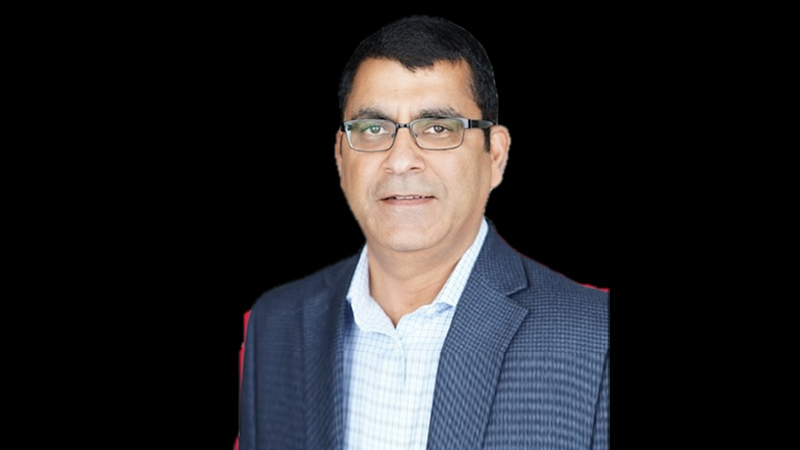
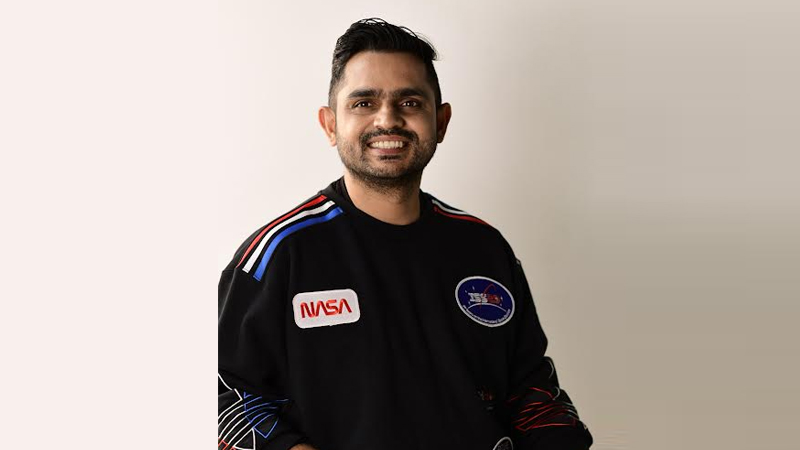
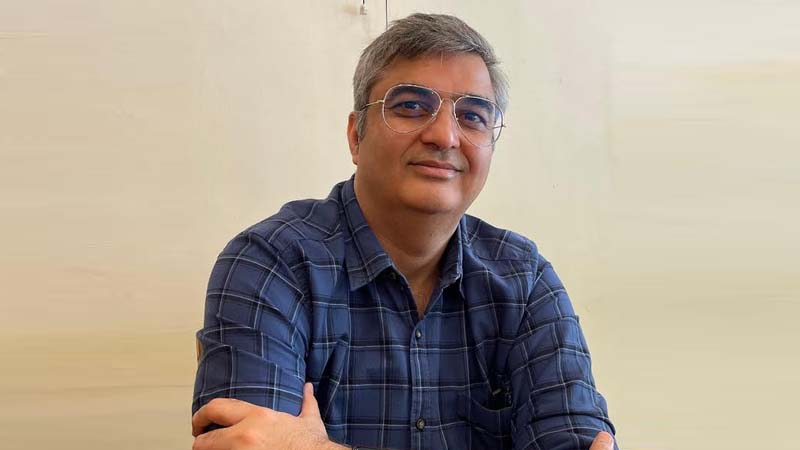
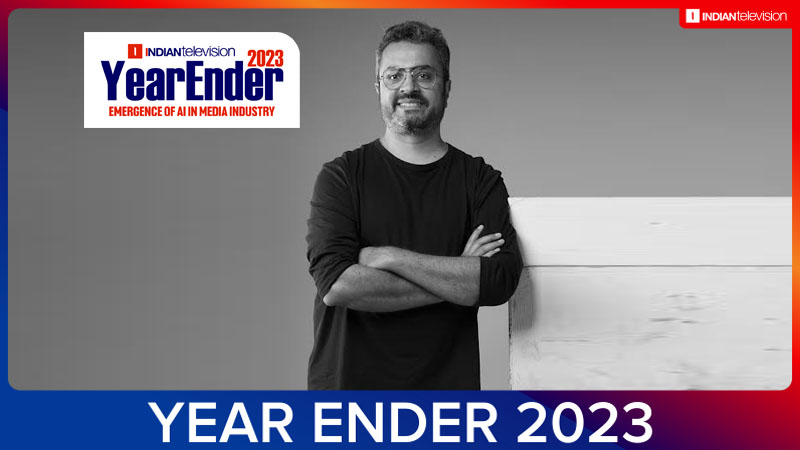
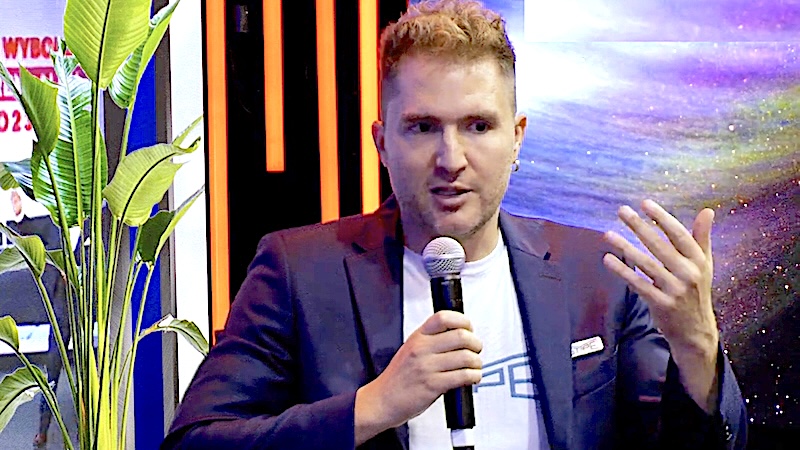
    MUMBAI: Stype Cajic, the founder of Stype, is a 40-year-old trailblazer who has built a global media tech empire from the ground up. His journey began with a simple idea while still a student—developing autofocus technology for camera cranes. What started as a project in his parent’s house bedroom has now evolved into Stype, a company with a team of over 200 people.

    Since its inception in 2011, Stype has made a name for itself by providing state-of-the-art tracking solutions for VR, AR and MR (mixed reality) productions, as well as movie previsualisations. From the optical camera tracking system RedSpy 2.0 Fiber, used by the world’s biggest broadcasters like BBC, Fox, and MTV, to the innovative StypeKit mechanical tracking solution for cranes and jibs, Stype’s products are now a staple in the industry. The company’s latest breakthrough, Follower, takes talent and object tracking to new heights, enabling real people to seamlessly interact with virtual elements in AR.

    In this interview, Cajic shares his insights into the evolution of his company, the technological innovations that have shaped the company’s success, and his vision for the future of media tech. Excerpts:  

    technological innovations

    What inspired you to develop Automatic aiming for camera cranes?

    The idea came when a friend was building camera cranes and struggled with controlling the camera using a joystick. I thought, why not automate the process so the camera could track objects on its own? This led to the development of the first prototype, which proved the concept could work.

    My background in shooting music videos against green screens also played a key role, as creating dynamic, realistic backgrounds was challenging with static shots. This led me to realise that the encoders used for automatic aiming could also track the camera’s position in 3D space, improving virtual backgrounds. Initially, we developed the system for my friend’s crane, naming it “Aim Crane,” but it took off when we adapted it into a universal kit that worked with popular cranes like the Stanton Jimmy Jib and Cammate.

    How did you land your first major client?

    Our big break came when we tested the system successfully in Lebanon – an AR project for a Ramadan TV show. This project helped me make necessary innovations in the software side of the workflow, particularly data conversion and lens calibration. The success of this project gave us a foothold in the industry.

    Though we shared our work online, it didn’t initially lead to business until we received an unexpected email from Fox Sports Australia. They had ordered a Japanese tracking system for their AR-enhanced broadcast, but it wouldn’t arrive in time. After finding our online posts, they decided to try our system, even though it was much cheaper. We agreed to a trial, and I flew out to their studio. Despite some initial technical issues, I used a data logic analyser to tweak our system to work with theirs, and after a few adjustments, it worked perfectly. Fox Sports was impressed, especially with the auto-aiming feature, which solved problems they had with camera operators. The system not only improved their AR broadcasts but also enhanced the quality of their camera shots. The first unit we sold to them is still operational 13 years later.

                                                                         Stype’s RedSpy

    What options were available on the market when you began developing an automatic aiming system for cranes?

    When I started, I was studying electrical engineering and computing while also working as a video editor, mainly on music videos. It was a fun way to learn during my college days. A friend of mine, who ran a video company, began building camera cranes, but he and his team struggled to control the camera using a joystick—especially with a crane arm stretching five to six metres. It takes years of experience to master that kind of precision.

    Drawing on my background in programming, I decided to create a device to automate the process, making crane operation easier, even for less experienced users. After some research, I realised there were no existing products like this on the market. Encouraged by my friend’s enthusiasm, I ordered components, incorporated the project into my college coursework, and eventually developed a prototype by the time I was around 22.

    The first prototype worked brilliantly. For example, you could programme the crane to keep a flower perfectly centred in the frame while swinging the arm—producing smooth, professional shots that amazed everyone who saw them.

    Interestingly, another benefit emerged from my experience shooting music videos against green screens. Back then—over 20 years ago—we’d rent films from video stores, find suitable backgrounds as inspirations, and painstakingly modify them in Photoshop to repurpose the scenes. However, these backgrounds were static, lacking the depth and dynamic feel of 3D environments. I wanted to move the camera and have the background shift perspective accordingly.

    While developing the automated aiming system, I realised the same encoders used to track crane movements could output the camera’s 3D position. This “side feature” turned out to be transformative, opening up new creative possibilities—not just for us but potentially for others in video production. Eventually, this functionality became the core strength of the product, enhancing both camera control and visual effects.

                                                StypeKit and Human Crane setup

    How do your camera tracking solutions differ for sports studios, music video production, and esports?

    Our hardware solutions have been utilised across various production sectors, including sports, music video production, and esports. Initially, we started with mechanical tracking systems for cranes, such as the StypeKit, which provides auto-aiming and AR data output. Over time, we expanded into optical tracking products like RedSpy and Follower.

    For OBs, concerts, arenas and sports, mechanical tracking systems are often preferred because they are reliable, self-sufficient, and don’t depend on external markers, making them ideal for large, dynamic environments like stadiums. In controlled studio spaces, RedSpy is the go-to solution, offering the most precise camera tracking available. Its infrared camera system uses retroreflective markers to ensure flawless tracking, with no drift or wobble, which is essential for high-quality virtual graphics. One key feature was its unobtrusiveness: the infrared LEDs blinked so briefly they were practically invisible, yet the tracking remained flawless. RedSpy’s reliability allows production teams to focus on the creative aspects of their shows instead of worrying about camera tracking performance. This is what has made it the world’s most popular camera tracking system.

    StypeKit and RedSpy both have been honoured with an Emmy Award.

    Follower, our newest addition, is another optical solution, goes beyond just tracking cameras. It’s similar to a motion capture system and can track people and objects in real-time. Follower is designed for interactive 3D elements, allowing real-time tracking of objects, people, or even props, making it ideal for interactive broadcasts or performances. Unlike other motion capture systems, Follower can handle the complex demands of high-quality AR and virtual content in live environments. It’s also used in LED volume environments, where traditional tracking systems might struggle with precise tracking when complex foreground graphics are involved.

                                                                      Follower Spyder

    What innovations have you introduced in your software solutions?

    On the software side, we have consistently pushed the envelope. After recognising the need for advanced chroma keying, we developed StypeLand, a software tool for Unreal Engine that includes a 3D difference-based chroma keyer called GreenKiller. This keyer surpasses others on the market by refining edges, enhancing shadows, and even keying through transparent objects—features that earned us an Emmy Award.

    We also lead in XR solutions, offering photorealistic XR sets with LED volumes and set extensions. Our system ensures seamless transitions between virtual and real environments by automatically adjusting colour shifts across LED panels. This innovation, which is the only one of its kind on the market, earned us another Emmy, recognising our work in XR technology for Fox Sports in Los Angeles.

    In total, we’ve won multiple Emmys, both for our technical contributions and for our cutting-edge software solutions. These accolades reinforce our commitment to delivering the most precise and the most reliable technology to the media production industry.

    Are your solutions compatible with other suppliers, or do clients need to use your complete end-to-end system?

    Our solutions are designed to integrate with other systems. Our hardware camera tracking portfolio is fully compatible with any software manufacturer that requires high-quality camera tracking. We’ve ensured that integration is straightforward, making it easy for clients to incorporate our technology into their existing workflows.

    On the software side, we operate almost like a standalone company, which means our virtual graphics and XR solutions can support any other camera tracking system on the market. Compatibility has always been a focus for us, ensuring flexibility for broadcasters and studios with diverse setups.

    While some clients prefer the simplicity of having a single point of contact for their entire studio solution, we also work with those who already have existing camera tracking or software in place. They don’t need to replace their current systems—whether they require just camera tracking or software integration, our solutions are fully compatible with others.

                                                     StypeKit main console

    How does your technology compare to Zero Density’s solutions?

    Our hardware product line is fully compatible with Zero Density, ensuring seamless integration for users. However, when it comes to software, we believe our solutions not only meet but exceed the performance of Zero Density’s offerings.

    While Zero Density initially gained more installations by being the first to introduce an Unreal-based workflow, the landscape is shifting. During the period they advanced their software, we concentrated on perfecting our RedSpy camera tracking technology. Now, with both hardware and software offerings, we’re setting new industry standards.

    Although software wasn’t our original focus, once we entered the market, we were determined to deliver the best possible solutions. A prime example is our chroma keyer, GreenKiller. When compared to Zero Density’s keyer, GreenKiller consistently delivers superior results—a fact many of our clients have attested to.

    How is the Indian market responding to your products? Have you done many installations, and do you see India evolving into a global virtual production hub like Korea or the US?

    The Indian market is one of our largest, with over 40 installations across the country. Our biggest client in India is Network18, but we’ve also worked with major broadcasters like Star Sports, Sony, Times Now, India News, and many others. In addition to broadcast and news networks, we’ve collaborated with several film studios and cinema production houses across the country.

    While India’s market is vibrant and full of creative potential, it comes with unique challenges, particularly around budget constraints. Unlike regions like the US or Korea, where large-scale LED volume installations are more common, India leans heavily towards AR and green screen setups, which are more cost-effective. However, this hasn’t limited the ambition or creativity we see from Indian clients—they are eager to explore new technologies and make the most of what’s available.

    Interest in our products grew significantly after our success with projects in Australia, and it has continued to expand ever since. Even for products like StypeLand, there’s considerable demand in India. Despite budget limitations, the market remains dynamic, with broadcasters and studios pushing the boundaries of virtual production in innovative ways.

                                                                     Installation of Follower

    With generative AI products like Sora becoming increasingly lifelike, how do you see AI impacting the AR products you deliver? Are you also using AI and machine learning within your company to improve your products?

    Generative AI, like Sora from OpenAI, opens up tremendous possibilities for the AR space. When creating virtual shows, hardware and software are just part of the equation. One of the biggest investments often lies in designing virtual environments, which requires extensive work from virtual architects and designers. AI can significantly reduce these costs by automating the creation of intricate details within virtual environments—something that would typically take an enormous amount of time. This will accelerate the adoption of virtual production by making content creation more efficient and accessible.

    Within our company, we’re actively exploring AI and machine learning to enhance our products. For example, in our StypeLand product, we’re experimenting with AI to optimise certain features. Looking ahead, AI will play an even more prominent role in the next generation of our products, as we continue to explore how it can enhance both performance and efficiency.

    Where do you see Stype going from here?

    Looking ahead, Stype is focused on expanding its portfolio with several new camera tracking products. As you’ve likely noticed, we’re continually enhancing our camera tracking solutions. We’re also diving deeper into the robotics space, similar to how we developed the StypeKit.

    StypeLand has become a major growth driver for us, and its improvements are ongoing. We’re constantly refining it, adding new features that help us stay ahead of the competition. One of the latest advancements we introduced is a playlist-based system for StypeLand, which integrates with newsroom control systems using multiple protocols. This update fills in some of the gaps that were missing before.

    What’s especially exciting is how StypeLand has evolved from being a tool for AR and green screens to a full-fledged solution that TV stations are now using as a central part of their workflow. It’s become more than just a piece of software—it’s now an essential tool for broadcasters.

    Our aim is to continue offering a comprehensive suite of solutions that meet the needs of modern TV stations, and that’s the direction we’re taking Stype in.

  • Digi Yatra flies high with 10 million downloads

    Digi Yatra flies high with 10 million downloads

    MUMBAI: Digi Yatra is flying high! The Self-Sovereign Identity (SSI)-based platform, powered by facial biometric technology, has hit a major milestone with 10 million app downloads, firmly establishing itself as the new frontier in seamless, contactless air travel. Launched in December 2022, Digi Yatra has already streamlined over 45 million journeys across 24 airports in India, bringing a world of convenience to travellers.

    This surge in popularity is a clear indicator of how well the platform has been received, offering not just privacy protection but a swift, hassle-free experience. With an impressive 30,000 daily app downloads, Digi Yatra is already setting benchmarks in the travel tech space.

    Digi Yatra Foundation CEO Suresh Khadakbhavi said, “The 10 million milestone reflects the trust users have placed in us. We’re excited for what’s next, including breaking down language barriers with support for 22 Indian languages and launching international pilots with e-passports.”

    2025 looks even brighter as Digi Yatra plans to extend its global footprint, with upcoming collaborations set to revolutionise international travel as well.

  • SW Network appoints Keerthi Kumar as business head for Bengaluru operations

    SW Network appoints Keerthi Kumar as business head for Bengaluru operations

    MUMBAI: SW Network, an advertising and marketing agency known for integrating creativity with technology, is expanding its presence in Bengaluru. The agency focuses on delivering innovative solutions that combine media, technology, and strategy to drive impact for clients in India and beyond.

    SW Network has appointed Keerthi Kumar as the business head for its Bengaluru operations. With over 14 years of experience at agencies such as Leo Burnett, Dentsu Webchutney, and FoxyMoron, has successfully managed award-winning campaigns for global and domestic brands. He has built high-performing teams and led initiatives that have garnered industry recognition and delivered measurable business outcomes.

    SW Network co-founder Raghav Bagai commented, “Bengaluru is India’s tech capital, and our expansion here reflects our ambition to be at the forefront of creative and technological excellence. Keerthi’s expertise in delivering integrated solutions that merge creativity with cutting-edge technology will enable us to provide even greater value to our clients and establish SW Network as a dominant force in the region and beyond.”

    SW Network co-founder Pranav Agarwal added; “At SW Network, we focus on creating meaningful impact through creativity, technology, and strategy. Keerthi’s expertise in market dynamics and team building aligns with our vision to set new benchmarks in Bengaluru. His leadership will drive our regional growth while shaping a future where brands, innovation, and value come together.”

    Keerthi Kumar sharing his vision said: “As SW Network deepens its presence in Bengaluru, the agency continues to uphold its commitment to adding value by merging creativity, media, technology, and strategy to offer transformative solutions for its clients. Building on our strong foundation and core values, we are dedicated to developing a high-performing team that delivers significant impact and enduring value to our clients.”

  • Bajaj unveils eyecatching 3D anamorphic hoarding in Bangalore

    Bajaj unveils eyecatching 3D anamorphic hoarding in Bangalore

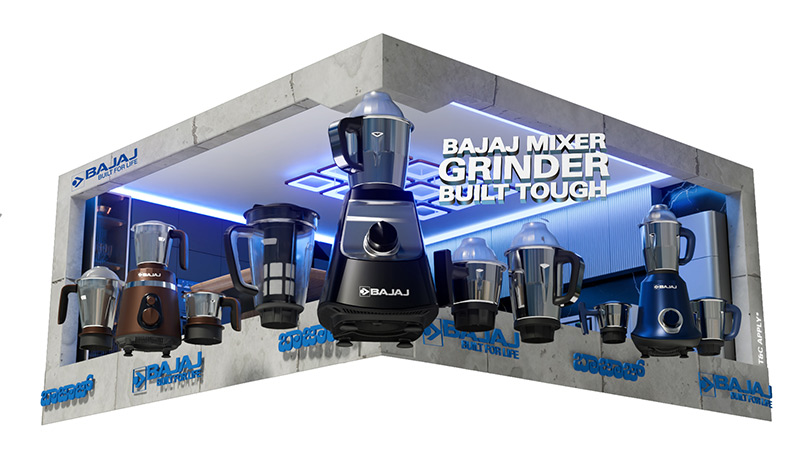
    MUMBAI: At the bustling Garuda Mall in Bangalore, shoppers pause in awe as a hoarding came to life, showcasing Bajaj’s latest outdoor billboard, Built for Life. Using cutting-edge 3D anamorphic technology, the hoarding transforms traditional brand visibility into an immersive experience, underscoring Bajaj’s commitment to innovation, durability, and contemporary design.

    The hoarding spotlights two ranges of Bajaj products – water heaters and mixer grinders – and redefines how consumers engage with appliances. At the heart of the initiative is a series of dynamic 20-second videos. Each opens with a metallic shutter bearing the Bajaj logo, sliding open to reveal a high-tech space. Hero products, such as water heaters and mixer grinders, rotate elegantly in 3D before seamlessly transitioning to real-life kitchen and bathroom settings.

    The videos highlight two key categories:

    . Water Heaters: The pentacle digi, featuring a remote and digital display, and the Contempo water heater, known for its marine grade glass line coating and ten-year warranty on the DuraAce Tank.

    . Mixer Grinders: The Evoque 4-jar mixer grinder (1000 watts), designed for south Indian kitchens, with military-grade jars and DuraCut blades that come with a lifetime warranty.

    Head of advertising & brand management Devika Sachdev commented, “The Built for Life anamorphic hoarding marks a new chapter in how we connect with our audiences. By using 3D anamorphic technology, we are not just showcasing our brand and our range of durable products but are in fact creating an immersive experience that reflects Bajaj’s vision of innovation and modernity. This campaign is about redefining how consumers see and engage with us in a rapidly evolving digital landscape.”

  • Channelplay leads the way in navigating the evolving retail landscape & redefining its future

    Channelplay leads the way in navigating the evolving retail landscape & redefining its future

    MUMBAI: In the ever-evolving landscape of retail, where consumer expectations shift and technology drives change, visual merchandising has emerged as a powerful force for innovation. Since its founding in 2006, Channelplay has established itself as a trailblazer in retail distribution and solutions, specialising in sales outsourcing and visual merchandising. By harnessing cutting-edge technology and design expertise, Channelplay enhances customer experiences in remarkable ways.

    In a conversation with Indiantelevision’s Suman Baidh, Channelplay co-founder and co-CEO Suhas Misra highlighted how trends like Generative AI and the rise of digital signage are reshaping the retail environment. It has become essential for brands to emphasize design thinking and collaborate with experts. As retailers increasingly recognise the pivotal role of exceptional customer experiences, balancing creativity and practicality becomes crucial. This exploration reveals the key trends and future directions in visual merchandising, showcasing how leading companies are pioneering adaptability and measurable ROI in this dynamic landscape.

    Edited Excerpts

    On the key visual merchandising trends that you’ve noticed in the retail industry right now

    The theme resonating in visual merchandising meetings—as indeed in meetings across functions—is GenAI. The promise of GenAI is broad and unarguable but how it plays out specifically is something that time alone will tell. The #1 trend therefore is exploring applications that will change both the practice of visual merchandising as well as its potential use in actual retail assets.

    There is a somewhat related trend of more and more signage going digital. The share of digital signage is still low and therefore the coming of an s-curve is almost certain.

    The third trend is the change in the role of retail itself. From being only a channel, retail’s value in creating the ideal customer experience for a brand is becoming more established. More and more brands are therefore incorporating experience stores as an integral part of their plans.

    On creating displays that catch attention & provide a memorable experience for shoppers

    Well, memorable experiences aren’t easy to create, but design thinking is essential. Brands need to loop in architects and designers to create these. For all projects where memorable experience is the objective, we take a brand brief to the great architects we work with and let them ideate. It’s vital for retail marketers to know that the conceptualisation of space is a craft that needs to be leveraged to generate great customer experience.

    On the customers drawn to minimalist designs or  they prefer more vibrant & elaborate displays

    There’s no universal preference that one can have on this. It might be best to connect the customer’s noticing of something—or indeed being attracted to a display—to Jungian archetypes. There’s no wrong or right one, just a spectrum from clear and well-defined to confused and inconsistent.

    On incorporate the use of colours, lighting, and textures to create a visually appealing store environment

    Design is an expertise we respect deeply, And good design is rooted in context. The context for a store environment is the brand—what is its personality? What does it stand for?—and the constraints are spatial. An expert designer is able to optimise between telling a compelling story and having only a specific space to work with.

    On digital and interactive displays change the way stores design their visual merchandising

    This is one of the big shifts. Everything is going digital and visual merchandising is no exception. Digital and interactive displays bring brand messaging in retail closer to how it is on social media, and that’s a very exciting possibility. Yet, there’s no clear playbook for this. Some brands simply use such signage as a screen to display Instagram posts! However, we reckon that such signage—while having synergy with social media—needs to be thought through independently.

    On balancing creativity with practicality when designing displays that drive sales

    Creating displays that drive sales is fundamentally an ‘uncreative’ process! Most of the creative part has happened between the brand and the ad agency. The design of displays that drive sales is essentially about finding the best way to adapt creative thinking to space and respond to the constraints of space. Therefore, this process is more craft (if not science) than art.

    On visual merchandising trends that you think are just a passing fad or see them sticking around for the long term

    There are certain things that have seemed like fads from time to time. Buntings, for example; or one-way film. However, even these, and other such, sometimes fit a particular retail context so well that they just resonate. Therefore, we try and keep an open mind when approaching any retail marketing asset or element, and mostly even what seems like a fad becomes valuable for some context.

    On Channelplay taking to ensure that its retail solutions remain adaptable to the fast-changing retail environment & evolving consumer expectations in the years to come  

    As a company focused on VM, there’s an ongoing effort to stay abreast with all the changes. Our team regularly scours elements getting deployed in more evolved markets, elements that are getting manufactured in China, and indeed new technology that can birth new elements together. As consumers have a reactive relationship with visual merchandising elements, the effort is to evaluate things and possibilities on the supply side.

    On Channelplay ensuring a measurable ROI for clients using its sales outsourcing & visual merchandising services & tracking the impact on both sales performance and customer satisfaction  

    One of the most direct ways in which Channelplay delivers ROI is through more efficient use of retail marketing budgets. Our platform tracks inventory and deployment on a real-time basis leading to huge cost-savings on the fabrication side (often larger savings than the entire budget allocated to Channelplay!)

    Numerator increases in ROI is a collaborative exercise with clients and again our tech platform used by our visual merchandisers is able to give visibility to marketers to run correlations faster, leading to superior response times and therefore an ever-improving ROI. 

  • Video production company QuickLink talks about carving a niche in the M&E industry

    Video production company QuickLink talks about carving a niche in the M&E industry

    With content consumption on the rise through 2024, and projected to keep increasing in the coming years, the demand for tools and technology that aid production is also on the rise. A fast-growing sector within content creation is video production. At the crossroads is QuickLink, the provider of video production and contribution solutions.

    In an email interaction with Indiantelevision, a representative of the company spoke about QuickLink’s tools, its presence across various regions, its successful collaborations and its future plans. Below is an excerpt from the interview:

    It has been 21 years since QuickLink was founded. Can you share the important milestones?

    Since QuickLink was founded in May 2003, it has achieved significant milestones. QuickLink initially developed an encoder for the BBC and ABC to enhance its coverage of the Iraq War. In April 2014, a pivotal partnership with Microsoft resulted in the QuickLink TX (Skype TX), a solution that enabled high-quality Skype callers to seamlessly integrate into broadcast workflows. By early 2017, we introduced QuickLink Studio (now StudioCall), enhancing the professional experience for remote guests joining productions from any desktop or mobile device.

    Later, in August 2017, QuickLink TX technology was awarded an Emmy for Technology & Engineering, solidifying its impact on the broadcast industry. Skype TX, adopted by over 10,000 broadcasters worldwide, has facilitated millions of minutes of high-quality Skype calls. QuickLink received the Queen’s Award for Enterprise in Innovation in April 2018. To support its growing North American presence, we opened our first US office in Hackensack, New Jersey, in December 2020. This year, we launched StudioPro, a highly accessible video production platform, followed by StudioEdge, the world’s first multi-platform remote guest solution, launched at IBC Show 2024.

    Can you tell us about your solutions for broadcasters, VFX studios, and production houses?

    QuickLink provides tailored solutions for various production needs:

    . For broadcasters: Our StudioPro offers broadcasters a comprehensive platform for creating high-quality, on-brand productions with ease, while StudioEdge is ideal for bringing in remote guests and managing them within a unified platform. These tools streamline workflows, enhance production quality, and integrate with existing technologies effortlessly.

    . For VFX studios and production houses: StudioEdge and StudioPro serve as valuable tools for VFX studios, enabling them to produce content with remote talent or guests while maintaining high video and audio standards. These platforms simplify complex production requirements, making it easy to control and monitor remote feeds seamlessly.

    What are your key market areas? Do you look at India as a market?

    We have a strong presence across multiple sectors. StudioEdge caters primarily to broadcast and production industries, providing organisations with the means to create content cost-effectively and integrate varied technologies into a cohesive, easy-to-use remote guest platform. StudioPro finds applications in corporate, educational, governmental, and other sectors, allowing users to produce professional-quality, branded content with ease.

    India has emerged as a substantial market for us, particularly with strong interest from television broadcasting and production companies eager to enhance guest interviews, simplify platform unification and boost content quality. QuickLink’s solutions are well-positioned to meet these needs in India.

    Can you share more about the recent collaboration with ITV Studios on Saturday Night Takeaway?

    Our StudioEdge powered remote production elements for ITV Studios’ Saturday Night Takeaway, one of the UK’s popular shows. StudioEdge enabled seamless, high-quality remote guest appearances and feeds throughout the show, providing efficient management and integration. The success of this collaboration has led to further projects with ITV Studios, including future major television events worldwide.

    How was IBC and NAB for you? What other events are you exploring?

    IBC and NAB (New York and Las Vegas) were tremendously successful for us, with StudioPro and StudioEdge receiving outstanding feedback. StudioEdge was a highlight of IBC, winning TV Technology’s Best of Show Award for its efficiency improvements and solutions to industry challenges. Looking ahead to 2025, we plan to attend the shows above as well as MPTS and InfoComm, along with regional shows like Broadcast India Show and Broadcast Asia in partnership with resellers.

    What are the major tech trends you see in the production ecosystem?

    In the evolving production ecosystem, we identify AI as a game-changer, enhancing production efficiency and quality. StudioPro and StudioEdge leverage AI for optimised video and audio, while partnerships and integrations continue to be pivotal. We work with a broad array of ecosystem partners, including Audinate, Canon, Grass Valley, Microsoft, NVIDIA, and others, fostering a complete production ecosystem.

    What are you most excited about in the media and entertainment industry?

    We are particularly excited about the impact of AI and machine learning on efficiency, and QuickLink is committed to embedding these advancements into its solutions.

    Do you have new updates or launches planned?

    StudioEdge remains in its initial launch phase, with exciting updates and new releases expected soon. We are continuously working on innovations to advance its offerings, promising further transformative solutions for its clients.

  • Flipkart Minutes makes Diwali lit with special glasses

    Flipkart Minutes makes Diwali lit with special glasses

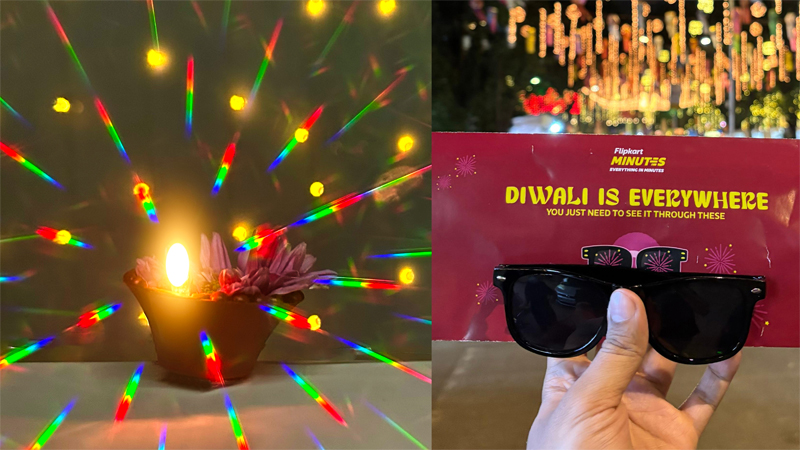
    Mumbai: As India gears up for the dazzling celebration of Diwali, Flipkart Minutes is reminding everyone that the sparkle of the festival is everywhere, if only you look at it through the right lens. This Diwali, Flipkart Minutes is bringing the magic of the festival to life with their unique ‘DiwaLIT glasses,’ a special pair of glasses that transform any light into a dazzling display.

    The DiwaLIT glasses are a fun and innovative way for the quick-commerce brand to remind people that, just as it delivers everything within ten minutes, these glasses can instantly ignite the festive sparkle the moment they’re worn.

    These festive glasses, which were a surprise addition to select orders during the Diwali season, have captured the imagination of customers, who have taken to social media to share their experiences with the dazzling spectacle.

  • Tech Mahindra ropes in Sumit Kumar Popli as TME head

    Tech Mahindra ropes in Sumit Kumar Popli as TME head

    MUMBAI: There’s a new leader at the top of the technology, media & entertainment (TME) vertical in Tech Mahindra. The global technology solutions and digital solutions firm has appointed Sumit Kumar Popli as the president and strategic business unit head for TME from 19 October. He will be based in the Bay area, according to his Linkedin profile.

    With over a score and five years of global experience in driving enterepreneurial success and transforming large businesses across various industries, including TMT, retail & CPG, life sciences & healthcare, travel & transportation, and manufacturing, his charter at Tech Mahindra  includes fostering partnerships and leveraging its service offerings to deliver cutting-edge solutions that address the evolving needs of clients in the TME business.

    Prior to his latest elevation, Popli spent over 22 years at TCS and served as the vice-president and global head of the hardware & consumer technology industry (computer platforms) where he played a pivotal role in the exponential growth of the business unit. In 2022,  Sumit became a managing director at Deloitte in the TMT Industry, where he dedicated over two years to expanding its operate and technology services offerings within the TMT and private equity industry.

    Tech Mahindra has been in pursuit of developing and providing AI solutions to the media industry globally.  The company’s digital solutions for the sector includes  include performance marketing, campaign analytics, SEO, email marketing, content management, and creative services. Its video engineering services span the entire content supply chain from planning and pre-production through to distribution and monetisation across platforms like OTT, satellite, cable, and terrestrial, including ATSC 3.0 and IPTV.  TechMahindra’s cloud gaming platform allows users to play games across all devices –  mobile, desktop, consoles, STBs and smart TVs. This is a strategic solution for OTT,  payTV and telecom operators managing subscriber churn and low engagement.
     

  • TRAI issues consultation paper on regulatory framework for ground-based broadcasters

    TRAI issues consultation paper on regulatory framework for ground-based broadcasters

    Mumbai: The Telecom Regulatory Authority of India (TRAI) has issued a consultation paper titled ‘Regulatory framework for ground-based Broadcasters’, inviting input from stakeholders on the need for a regulatory framework to govern ground-based television broadcasting technologies.

    The ministry of information and broadcasting (MIB) has, over the years, issued guidelines for the uplinking and downlinking of satellite television channels in India. These guidelines mandate that broadcasters use satellite-based mediums to provide their channels to distribution platform operators (DPOs). However, advancements in technology have now made it feasible for broadcasters to distribute their content terrestrially. Like satellite-based television, terrestrial broadcasting can also be carried over multiple DPO networks, allowing commercial retransmission to subscribers.

    In light of these technological advancements, there is now a recognised need for a regulatory framework to enable the use of ground-based broadcasting technologies.

    TRAI had earlier forwarded recommendations on the regulation of platform services, including those relevant to ground-based broadcasters, to the MIB in 2014. However, the MIB’s recent communication, dated 22 May 2024, notes that while guidelines on platform services were issued in 2022, the context surrounding TRAI’s 2014 recommendations regarding ground-based broadcasting may have evolved. The MIB has thus requested TRAI to review and issue fresh recommendations under Section 11(1)(a) of the TRAI Act, 1997.

    In response, TRAI is now seeking comments on the newly released consultation paper. Stakeholders are invited to submit their comments by 15 November 2024, with counter-comments due by 29 November 2024. Comments can be submitted electronically to advbcs-2@trai.gov.in and jtadv-bcs@trai.gov.in.

  • EMotorad launches advanced tech-enabled e-cycle T-Rex Pro

    EMotorad launches advanced tech-enabled e-cycle T-Rex Pro

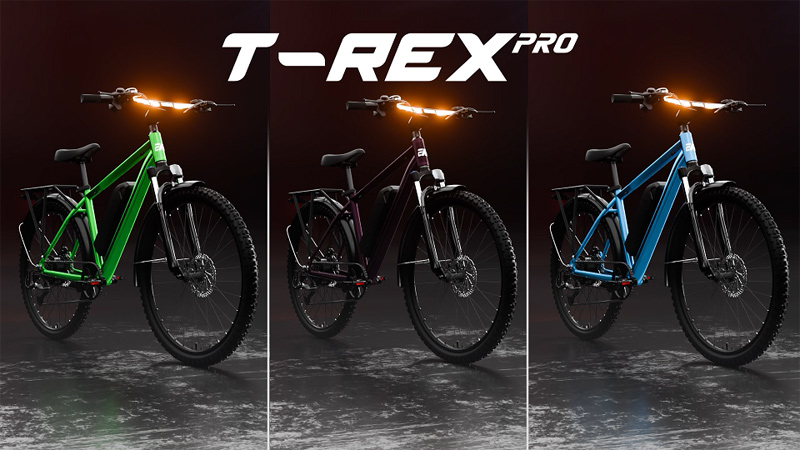
    Mumbai: EMotorad has launched the T-Rex Pro, an e-cycle with a fully integrated handlebar featuring indicators, a flashlight, horn, and LCD display. Priced at an introductory ₹52,999 and with an MRP of ₹79,999, it combines advanced technology, design, and safety.

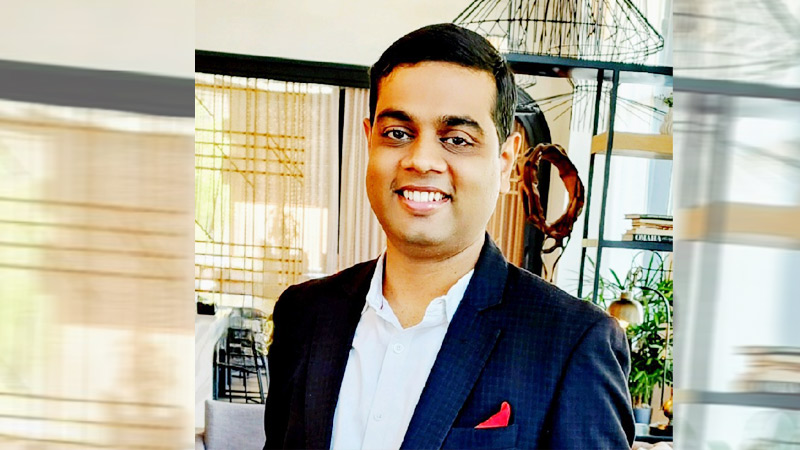
    EMotorad’s CBO & co-founder Sumedh Battewar said, “Innovation is at the core of every product we build at EMotorad, and T-Rex Pro is the perfect testimony for this. It’s India’s first and only e-cycle with fully integrated rear and front indicators that boasts headlights with flash light function. Its colour LCD display within the handlebar sets a new benchmark in metallurgy and mechanical engineering. With handlebar-integrated indicator lights, brake lights, horn, and high-end luxury grade paint, the T-Rex Pro combines safety, style, and durability.”

    The e-cycle includes front and rear lights, a horn, carrier, and mudguards. It is available in deep purple, spring green, and ocean blue, all with a pearl finish. The bike features an aluminium alloy frame with a lifetime warranty and is available in 27.5” and 29” wheel sizes. It includes mechanical disc brakes, a seven-speed Shimano Altus gear system, and durable tyres for various terrains.

    Powered by a 250W rear hub motor and a 36V 13Ah battery, the T-Rex Pro has a range of up to 70 km on pedal assist and 45 km on throttle mode. It features five pedal assist modes, charges fully in four-six hours, and can support up to 110 kg. The e-cycle is available for pre-booking on EMotorad’s website and other platforms at introductory prices of ₹52,999 for the 27.5” version and ₹53,999 for the 29” version.