Tag: Technicolor

  • Another one bites the VFX dust: Jellyfish Pictures ceases operations

    Another one bites the VFX dust: Jellyfish Pictures ceases operations

    MUMBAI: In a shocking turn of events, UK-based VFX and animation powerhouse, Jellyfish Pictures, has suspended its global operations temporarily. This news comes close on the heels of the recent downfall of Technicolor group, casting uncertainty on the future of the AVGC sector at large.

    Speaking exclusively to Animation Xpress, a senior source from Jellyfish Pictures India confirmed that the company has been grappling with investor-related issues in the UK. As a result, the management has decided to halt operations temporarily rather than risk leaving employees in the dark about the company’s uncertain future. The studio has assured staff that salaries for March will be paid, with the workforce being notified promptly about the situation.   Click here to read the full news item on ours sister publication AnimationXpress.com

  • Yes, it’s for real: Technicolor suspends creative operations

    Yes, it’s for real: Technicolor suspends creative operations

    Technicolor’s four creative units – Mikros, The Mill, MPC, and Technicolor Games – have suspended operations, with over 2,000 Indian employees asked not to report to work until further notice.

    Despite last-minute talks with potential partners, rescue efforts failed, as signaled by WARN notices in the US. The sudden closure of these once-exemplary VFX and animation studios has been attributed to alleged financial mismanagement, excessive spending, and negative cash flows.

    Many a panic stricken VFX artist has been reaching out to the indiantelevision.com group seeking succour to get them jobs. 

    Updated on 24 February at 2:47 pm:

    Media reports state that in the United Kingdom, Technicolor Creative Studios UK Limited will be filing for administration, today 24 February.  According to procedures, when a company goes into administration in the UK an external liquidator comes aboard to manage the company, repay creditors, and determine its future. 


    Updated on 24 February at 3:28 pm:

    Altogether 10,000 or so employees the world over working under the Technicolor group have been impacted by the decision to shutter operations. 


    Updated on 24 February 2025 at 5:37 pm.

    An earlier letter sent out to company executives by CEO Caroline Parot had the following to say: “Today (21 February 2025), the company must face reality. Due to inability to find new investors for the full group, despite extensive efforts, Technicolor group has filed for Court “recovery procedure” before the French Court of Justice to give a chance to enable to find solutions.
    In each country, the appropriate framework for orderly protection and way forward is currently being put in place to allow, when possible, to remain in business continuity.
    This decision was not taken lightly; every possible path to preserve our legacy and secure the future of our teams will be thoroughly explored to offer a chance to each of its activity to be pursued with new investors.”
     

    Updated on 25 February at 1:49 pm

    On 24 February a bunch of Indian employees visited their office only to find no one. And they were told that there was no clarity on the way forward. All employees need to stay at home until informed otherwise, is what they were told.  Net outcome: Many have started looking for jobs elsewhere. Readers of this can post their CVs and work samples on AnimationXpress.com’s  Screenhub when they click on this link. 

    https://screenhub.in/register/ 

    We intend to push your CV to studios which have not been impacted by the troubling tale of Technicolor. 

  • The fall of VFX titans: Technicolor to follow Rhythm & Hues’ tragic path?

    The fall of VFX titans: Technicolor to follow Rhythm & Hues’ tragic path?

    MUMBAI: A decade and two years after the dramatic collapse of Oscar-winning studio Rhythm & Hues, history appears to be repeating itself as Technicolor faces imminent shutdown, highlighting the persistent vulnerabilities in the global visual effects industry.

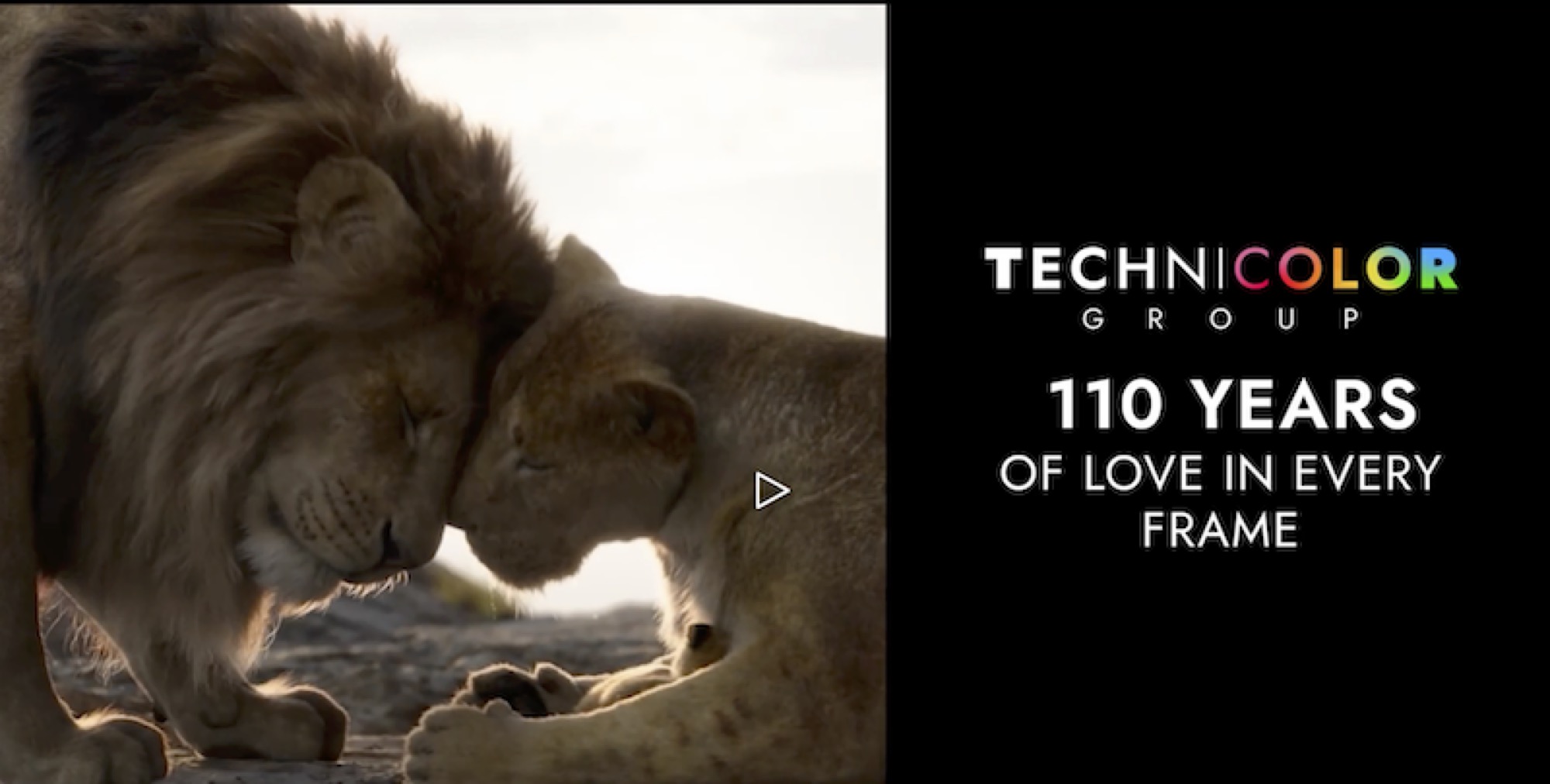
    The parallels are striking. Like Rhythm & Hues, which ironically filed for bankruptcy just weeks before winning an Academy Award for Life of Pi  in 2013, Technicolor’s potential closure comes despite its stellar creative achievements, including work on blockbusters like The Lion King and The Jungle Book.

    Both cases expose a fundamental flaw in the VFX industry’s business model: studios maintaining expensive executive operations in Western markets while relying on lower-paid artists in outsourcing hubs like India. This structure, which prioritised top-heavy management over sustainable artist compensation, has proven unsustainable twice over.

    Technicolor’s recent mismanagement compounds these structural issues. The company’s third-quarter 2023 results tell a devastating story: revenue declines of over 45 per cent across its creative divisions, masked by corporate buzzwords about “transformation journeys.”
    Technicolor's WARN noice

    The appointment of an interim chief executive from the car rental industry, rather than someone with media expertise, echoes the kind of decision-making that plagued Rhythm & Hues in its final days.

    “The industry hasn’t learned from its past,” notes one veteran VFX artist who witnessed both collapses. “When Rhythm & Hues fell, we said ‘never again,’ but here we are, watching another giant stumble under the weight of mismanagement and unsustainable business practices.”

    Technicolor, the Paris-headquartered company has begun issuing Worker Adjustment and Retraining Notification (WARN) notices to its US employees, alerting them of potential mass layoffs and closure. The shutdown would affect thousands of visual effects artists across the company’s  global operations in the US, UK, Canada, and India..

    “Technicolor has been facing severe financial challenges,” states the WARN notice obtained by us at indiantelevision.com “Despite exhaustive efforts — including restructuring initiatives, discussions with potential investors, and exploring acquisition opportunities — we have been unable to secure a viable path forward.”

    The issuance of WARN notices to US employees, signalling potential closure by 24 February, eerily mirrors the sudden unravelling of Rhythm & Hues. Then, as now, thousands of artists across global studios face uncertain futures, while ongoing projects hang in limbo.

    This second major collapse in a decade raises serious questions about the sustainability of the VFX industry’s current model. Despite the increasing demand for visual effects in film and television, the businesses creating these spectacles continue to struggle with profitability, suggesting that fundamental reform may be necessary for the industry’s survival. 

    The content creation industry needs to understand, creating realistic visuals costs, and the cheques – probably much fatter than given out now –  need to be kept aside for those bringing  realism to green-screen shot sequences. These days, VFX is the real hero of most action filled films; without it most films would fall flat and seem uninteresting. While onscreen talent walks away with tens of hundreds of millions of the box office collections, the VFX folks who labour on a film for  a  couple of years —  after putting in millions of dollars for software licences and hardware –  end up with as much or even less than what the onscreen talent does in terms of profits. 

    What makes Technicolor’s potential demise particularly troubling is that it comes despite the lessons of Rhythm & Hues’ collapse. The company’s aggressive merger strategy and failure to maintain operational efficiency – evidenced by missed EBITDA targets and withdrawn financial outlooks – suggest that even recent history’s harsh lessons went unheeded.

    As employees in seven US states prepare for possible closure, submitting direct deposit details for final paycheques, the industry faces a moment of reckoning. The question remains: how many giants must fall before the visual effects industry finds a sustainable path forward?

    The development also  raises concerns about the global AVGC-XR (Animation, Visual Effects, Gaming and Extended Reality) industry, particularly in markets like India where both animation and visual effects sectors are reportedly struggling despite official optimism. 

    Industry observers await Monday’s developments as Technicolor continues last-minute efforts to keep its doors open, while the future of thousands of visual effects artists hangs in the balance.

  • Richard Welsh Elected President of SMPTE

    Richard Welsh Elected President of SMPTE

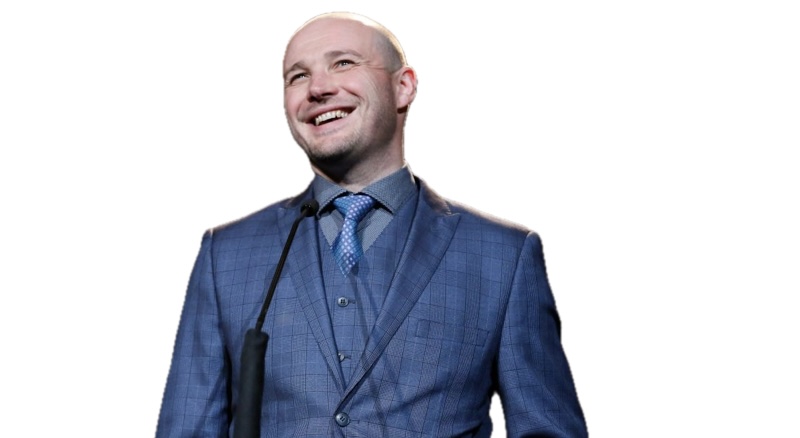
    MUMBAI: The Society of Motion Picture & Television Engineers (SMPTE) earlier this week  announced the election of Richard Welsh as its new president, taking office on 1 January 2025. Welsh, who previously served as SMPTE’s executive vice president, will lead the organisation for a two-year term, concluding on 31 December  2026.

    “I am honored to have been elected SMPTE president and look forward to collaborating with the SMPTE community globally to advance our industry,” Welsh stated. He highlighted  that for over a century, SMPTE’s mission has been to bring moving images to audiences worldwide. Given the proliferation of video devices and on-demand content, Welsh believes the Society’s commitment to ensuring high-quality media experiences is more crucial than ever.

    As the current senior vice president of innovation at Deluxe, Welsh brings over a decade of experience on the SMPTE board, including roles as vice president of education and governor for EMEA and central/south America. He is also a board member of IBC and co-founder of Volustor, a volumetric asset management company.

    Welsh began his illustrious career at Dolby Laboratories, ultimately rising to director of digital cinema services. He also led operations for Technicolor’s digital cinema and localisation services and currently serves as an associate lecturer at Southampton Solent University while co-founding Sundog Media Toolkit

    SMPTE executive director Sally-Ann D’Amato praised Welsh as an “innovative thinker with bold plans for the future.” 

    She highlighted his commitment to expanding the organisation’s reach to diverse audiences and fostering early-career professionals, expressing eagerness to collaborate on turning his vision into reality.

  • Daniel Jurow joins DNEG as COO

    Daniel Jurow joins DNEG as COO

    Mumbai: Double Negative (DNEG) has roped in former Technicolor and R/GA executive Daniel Jurow as chief operating officer.

    With over twenty years of expertise in the creative industry, Jurow will be based out of DNEG’s London studio. He will be reporting directly to DNEG chairman & CEO Namit Malhotra.

    Speaking on Jurow’s appointment, Malhotra said, “As we continue to scale our business, growing our creative teams, bringing in the industry’s best creative leaders, and building out our technology infrastructure, it is important that we have a strong, forward-thinking executive committee dedicated to leading, supporting and empowering our teams.”

    “Daniel’s career-long passion for creative technology, his experience of delivering breakthrough results for both brands and for the teams that he oversees, and his strategic and methodical approach to his work, all mark him out as a great leader. I am delighted to welcome him to DNEG’s senior management team, where I have no doubt he will make a great impact,” he added.

    Jurow was serving as the Film and Episodic VFX division’s Chief Operating Officer .

    At Technicolor, Daniel was appointed as chief operating officer for the Film and Episodic VFX division. He spent more than 15 years with the international digital product and marketing agency R/GA before that, where he advanced to the position of EVP, global head of production, overseeing more than 200 producers.

    Jurow launched the ground-breaking Nike+ product agreement between Nike and Apple in 2006, which earned R/GA the title of “Digital Agency of the Decade” by Adweek. By the time of his departure in 2019, the agency had grown from 200 workers to over 2,000 across 17 global sites.

    Jurow has spoken at a number of international conferences, including the first 4 A’s Digital Conference for Agencies,Internet & Mobile World, Innovation Summit, ArabNet Digital Summit, and the annual Creative Equals conference, which aims to advance women in creative roles into leadership positions in the advertising industry.

    Commenting on joining his new role as DNEG COO, Daniel said, “I have long admired DNEG’s focus on its people, uniting the business in support of its incredibly talented artists, creative technologists, production and support staff. As a result of this focus, DNEG has a great track record of leaping from strength to strength, delivering stunningly innovative creative work, navigating unprecedented industry shifts, and stewarding impressive global growth. I feel very privileged to join Namit and his team as we usher in the next brilliant act of the DNEG story.”

  • Tata Sky’s partner Technicolor to shift settop box manufacturing to India

    Tata Sky’s partner Technicolor to shift settop box manufacturing to India

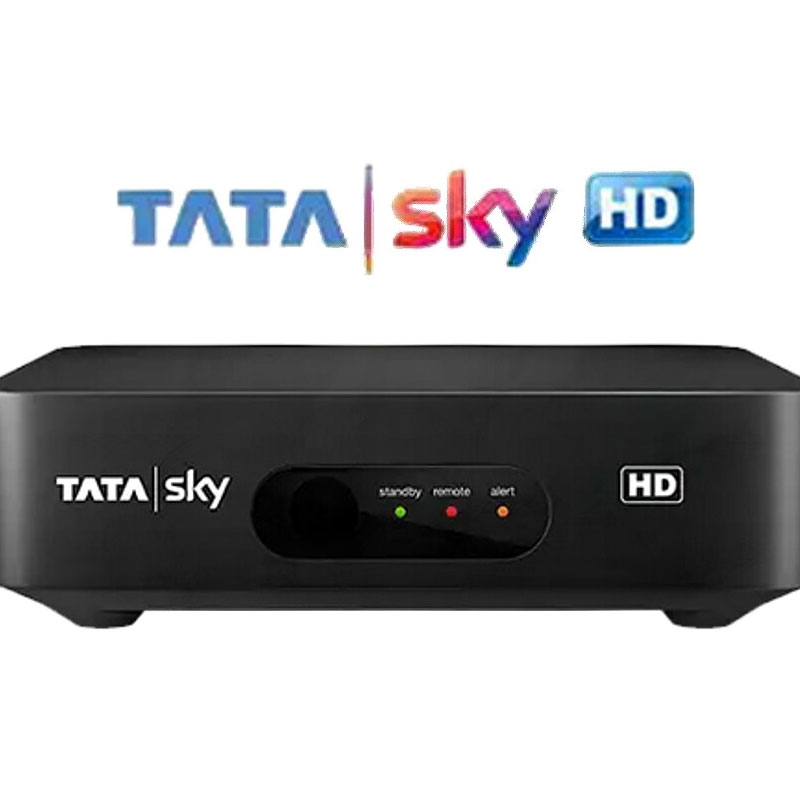
    KOLKATA:  In a big move, Tata Sky, India’s direct-to-home (DTH) operator has decided to shift a significant portion of its settop box sourcing within the country. It has partnered with Technicolor to develop settop boxes for the Indian market that will be manufactured and distributed within India. 

    “As the world adjusts to the rapid changes emerging due to the recent effects of the Covid2019 pandemic, Tata Sky and Technicolor connected home is realigning production of a group of settop boxes (STBs) to India by early 2021,” said Tata Sky MD & CEO Harit Nagpal.

    The shift in production and supply chain operations, according to the two companies, will streamline the manufacturing and delivery of STBs to consumers in India and further strengthen the longstanding collaboration that has been in place between Technicolor and Tata Sky. 

    “Working with Tata Sky to move settop box production to India will better serve this important market. It is yet another example of Technicolor’s best-in-class supply chain, which remains flexible and adaptable. This is especially valuable in volatile situations, such as those created by Covid2019. Our supply chain capabilities have proven to be a strategic asset as we offer multiple options to our customers. We remain committed to minimizing risk and total cost of ownership for services providers around the world,” Technicolor Connected Home president Luis Martinez-Amago commented.

  • FY-2015: Technicolor reports improved numbers

    FY-2015: Technicolor reports improved numbers

    BENGALURU: Technicolor revenues increased 12 per cent at current currency and 4.7 per cent at constant currency for the year ended 31 December, 2015 (current year, FY-2015). The company says that its growth reflects growth across the Entertainment Services and Technology segments and broadly stable Connected Home revenues. Technicolor revenue for the current year was €3,652 million as compared to €3,332 million in FY-2014.

    Technicolor CEO Frederic Rose said, “In 2015, our teams closed successfully, and in parallel, a number of large acquisitions, while remaining focused on delivering a very strong free cash flow. Moving forward, Technicolor is a much more balanced company built on three leading operating businesses and a core licensing business underpinning our material upgrade of Drive 2020 objectives.”   

    Adjusted EBITDA from continuing operations reached €565 million in FY-2015, up 3.1 per cent at constant currency compared to 2014, representing a margin of 15.5 per cent, down by one point year-on-year (YoY). Technicolor says that the adjusted EBITDA increase reflected a solid Licensing revenue performance, combined with strong organic growth in Production Services, partially offset by a weak DVD Services performance in the first half, the impact of unfavourable € versus US$ exchange rate fluctuations on procurements for Connected Home in the second half, as well as a lower contribution from exited activities.

    Segment performance

    Connected Homes

    Connected Homes segment revenues totalled €1,451 million in FY-2015, up five per cent at current currency and, and up 0.3 per cent as compared to the reported €1,382 million in FY-2014. Excluding Cisco Connected Devices (CCD), revenue declined 1.2 per cent as reported and declined 5.7 per cent at constant currency in FY-2015 to €1,3,65 million as compared to $1,382 million in the previous fiscal.

    Technicolor says that even without the contribution of CCD, Connected Home continued to outpace the global CPE market despite adverse business conditions experienced in some regions, driven by a number of new awards and customer wins, including high-end products. The segment achieved in particular a sustained performance in Europe, Middle-East & Africa and Asia-Pacific, both regions reporting a double digit YoY growth in revenues, benefiting notably from a mix improvement associated with the introduction of new products and a further ramp up in the value chain. Connected Home faced however lower levels of activity in both North and Latin America, primarily reflecting cautious customer approach towards product orders and inventory management, due to pending industry consolidation in the US and unfavourable macroeconomic conditions in Brazil.

    Adjusted EBITDA reached €76 million in FY-2015 compared to €77 million in FY-2014, with a negative forex impact of €6 million. At constant currency, adjusted EBITDA was €82 million, up by 5.8 per cent compared to 2014, with a margin of 5.9 per cent, up by 0.3 point YoY.

    Entertainment Services

    Entertainment Services revenue, excluding exited activities, was €1,639 million, up 10 per cent YoY in FY-2015 at constant currency, resulting from strong organic growth, the contribution from recent acquisitions in Production Services and solid revenues recorded by DVD Services.

    Production Services recorded a strong double-digit increase in revenues in FY-2015 compared to FY-2014 says Technicolor. Revenues expanded by almost 40 per cent YoY at constant currency, as a result of a strong double digit organic revenue growth, mostly due to a record level of activity in Visual Effects for feature films, and the additions of Mr. X, OuiDo Productions, Mikros Images and The Mill.

    The company says that VFX for commercials and Animation activities also recorded higher revenues, resulting from increased levels of activity across facilities, while Postproduction revenues improved year-on-year.

    Technicolor provided VFX and/or Postproduction services to 10 of the top-16 grossing films of the year worldwide, including some of the best box office performers such as Furious 7 (Universal), Avengers: Age of Ultron (Disney), Spectre (Sony) and The Hunger Games: Mockingjay – Part 2 (Lionsgate).

    DVD Services revenues were generally stable at constant currency in FY-2015 compared to FY-2014, driven by resilient total Standard Definition DVD, Blu-ray and CD disc volumes, which were down less than one per cent YoY, reflecting a marked improvement compared to the 11 per cent volume decline recorded in FY-2014. Blu-ray disc volumes were up by eight per cent in FY-2015 compared to FY-2014, supported by the aforementioned factors and the ongoing growth in Xbox One games volumes, while Standard-Definition discs declined by five per cent YoY. Overall FY-2015 volume trends in Europe continued to be generally better than in North America, mostly due to regionally specific promotional activity for selected studio customers, as well as to the ongoing adoption of Blu-ray in this region (as compared to the more mature and stable US Blu-ray market).

    Total Games volumes declined by 11 per cent YoY, with ongoing erosion in prior generation video game console demand outpacing growth for the current generation Xbox One platform. Going forward, prior generation video games volumes have now reached an immaterial level and should not influence future trends to the same degree.

    Excluding exited activities, Adjusted EBITDA was €190 million, down 2.1 per cent at constant currency YoY, as the stronger Production Services contribution was almost fully offset by lower DVD Services performance. However, the free cash flow generation in DVD Services was stable year-over-year notwithstanding the adjusted EBITDA decline says the company.

    Technology

    Technology revenues excluding M-GO, which was sold in early January 2016 to Fandango, a business unit of NBCUniversal, amounted to €490 million, up 3.3 per cent year-over-year at constant currency, primarily driven by higher revenues from the MPEG LA pool, which represented 59 per cent of total Licensing revenues in FY-2015 compared to 45 per cent in FY-2014. The Group’s direct licensing programs recorded a solid performance in the first half, particularly for Digital TV, which benefited from the strong level of new contracts and contract renewals in the course of 2014. In the second half, direct licensing programs posted a lower performance as the Group did not sign any major contract renewal or new contract as some ongoing discussions with manufacturers were delayed to leverage the joint licensing program with Sony in Digital TV (DTV) and Computer Display Monitor (CDM) that was announced in September.

    Excluding M-GO, Adjusted EBITDA reached €389 million, up 3.4 per cent at constant currency year-on-year, driven by the strong contribution of the MPEG LA patent pool.

  • FY-2015: Technicolor reports improved numbers

    FY-2015: Technicolor reports improved numbers

    BENGALURU: Technicolor revenues increased 12 per cent at current currency and 4.7 per cent at constant currency for the year ended 31 December, 2015 (current year, FY-2015). The company says that its growth reflects growth across the Entertainment Services and Technology segments and broadly stable Connected Home revenues. Technicolor revenue for the current year was €3,652 million as compared to €3,332 million in FY-2014.

    Technicolor CEO Frederic Rose said, “In 2015, our teams closed successfully, and in parallel, a number of large acquisitions, while remaining focused on delivering a very strong free cash flow. Moving forward, Technicolor is a much more balanced company built on three leading operating businesses and a core licensing business underpinning our material upgrade of Drive 2020 objectives.”   

    Adjusted EBITDA from continuing operations reached €565 million in FY-2015, up 3.1 per cent at constant currency compared to 2014, representing a margin of 15.5 per cent, down by one point year-on-year (YoY). Technicolor says that the adjusted EBITDA increase reflected a solid Licensing revenue performance, combined with strong organic growth in Production Services, partially offset by a weak DVD Services performance in the first half, the impact of unfavourable € versus US$ exchange rate fluctuations on procurements for Connected Home in the second half, as well as a lower contribution from exited activities.

    Segment performance

    Connected Homes

    Connected Homes segment revenues totalled €1,451 million in FY-2015, up five per cent at current currency and, and up 0.3 per cent as compared to the reported €1,382 million in FY-2014. Excluding Cisco Connected Devices (CCD), revenue declined 1.2 per cent as reported and declined 5.7 per cent at constant currency in FY-2015 to €1,3,65 million as compared to $1,382 million in the previous fiscal.

    Technicolor says that even without the contribution of CCD, Connected Home continued to outpace the global CPE market despite adverse business conditions experienced in some regions, driven by a number of new awards and customer wins, including high-end products. The segment achieved in particular a sustained performance in Europe, Middle-East & Africa and Asia-Pacific, both regions reporting a double digit YoY growth in revenues, benefiting notably from a mix improvement associated with the introduction of new products and a further ramp up in the value chain. Connected Home faced however lower levels of activity in both North and Latin America, primarily reflecting cautious customer approach towards product orders and inventory management, due to pending industry consolidation in the US and unfavourable macroeconomic conditions in Brazil.

    Adjusted EBITDA reached €76 million in FY-2015 compared to €77 million in FY-2014, with a negative forex impact of €6 million. At constant currency, adjusted EBITDA was €82 million, up by 5.8 per cent compared to 2014, with a margin of 5.9 per cent, up by 0.3 point YoY.

    Entertainment Services

    Entertainment Services revenue, excluding exited activities, was €1,639 million, up 10 per cent YoY in FY-2015 at constant currency, resulting from strong organic growth, the contribution from recent acquisitions in Production Services and solid revenues recorded by DVD Services.

    Production Services recorded a strong double-digit increase in revenues in FY-2015 compared to FY-2014 says Technicolor. Revenues expanded by almost 40 per cent YoY at constant currency, as a result of a strong double digit organic revenue growth, mostly due to a record level of activity in Visual Effects for feature films, and the additions of Mr. X, OuiDo Productions, Mikros Images and The Mill.

    The company says that VFX for commercials and Animation activities also recorded higher revenues, resulting from increased levels of activity across facilities, while Postproduction revenues improved year-on-year.

    Technicolor provided VFX and/or Postproduction services to 10 of the top-16 grossing films of the year worldwide, including some of the best box office performers such as Furious 7 (Universal), Avengers: Age of Ultron (Disney), Spectre (Sony) and The Hunger Games: Mockingjay – Part 2 (Lionsgate).

    DVD Services revenues were generally stable at constant currency in FY-2015 compared to FY-2014, driven by resilient total Standard Definition DVD, Blu-ray and CD disc volumes, which were down less than one per cent YoY, reflecting a marked improvement compared to the 11 per cent volume decline recorded in FY-2014. Blu-ray disc volumes were up by eight per cent in FY-2015 compared to FY-2014, supported by the aforementioned factors and the ongoing growth in Xbox One games volumes, while Standard-Definition discs declined by five per cent YoY. Overall FY-2015 volume trends in Europe continued to be generally better than in North America, mostly due to regionally specific promotional activity for selected studio customers, as well as to the ongoing adoption of Blu-ray in this region (as compared to the more mature and stable US Blu-ray market).

    Total Games volumes declined by 11 per cent YoY, with ongoing erosion in prior generation video game console demand outpacing growth for the current generation Xbox One platform. Going forward, prior generation video games volumes have now reached an immaterial level and should not influence future trends to the same degree.

    Excluding exited activities, Adjusted EBITDA was €190 million, down 2.1 per cent at constant currency YoY, as the stronger Production Services contribution was almost fully offset by lower DVD Services performance. However, the free cash flow generation in DVD Services was stable year-over-year notwithstanding the adjusted EBITDA decline says the company.

    Technology

    Technology revenues excluding M-GO, which was sold in early January 2016 to Fandango, a business unit of NBCUniversal, amounted to €490 million, up 3.3 per cent year-over-year at constant currency, primarily driven by higher revenues from the MPEG LA pool, which represented 59 per cent of total Licensing revenues in FY-2015 compared to 45 per cent in FY-2014. The Group’s direct licensing programs recorded a solid performance in the first half, particularly for Digital TV, which benefited from the strong level of new contracts and contract renewals in the course of 2014. In the second half, direct licensing programs posted a lower performance as the Group did not sign any major contract renewal or new contract as some ongoing discussions with manufacturers were delayed to leverage the joint licensing program with Sony in Digital TV (DTV) and Computer Display Monitor (CDM) that was announced in September.

    Excluding M-GO, Adjusted EBITDA reached €389 million, up 3.4 per cent at constant currency year-on-year, driven by the strong contribution of the MPEG LA patent pool.

  • NBCU’s Fandango snaps up DreamWorks & Technicolor’s movie streaming service

    NBCU’s Fandango snaps up DreamWorks & Technicolor’s movie streaming service

    MUMBAI: NBCUniversal’s Fandango has acquired the movie streaming service M-Go, which is jointly owned by Technicolor and DreamWorks Animation.


    M-GO offers new release and catalog movies from studios and television programming to a wide variety of connected, over-the-top (OTT) and mobile devices including Android, iOS, Samsung, LG, Roku, and others.


    The acquisition comes on the heels of Fandango’s record-breaking 2015, when the company experienced 81 per cent growth in ticketing dollars year-over-year and added more than 1,600 new screens, bringing its total US screen count to more than 27,000. 


    “With the addition of M-GO, we’ll be able to accelerate the ticketing momentum achieved in a record-breaking 2015 by creating compelling new digital products that serve consumers throughout the movie lifecycle,” said Fandango president Paul Yanover. “We’re excited to start working with our studio and exhibition partners to bundle theatrical tickets and home entertainment products in the form of ‘super tickets,’ gifts with purchase, and other promotional offers.”


    By creating theatrical ticketing and home entertainment bundles, Fandango will offer compelling “super ticket” products such as special “movie catch-up” bundles with franchise movie instalments, home entertainment pre-sell opportunities, and bundles with bonus content, collectible memorabilia, fan experiences, and more. 


    Furthering its goal to super-serve moviegoers, in 2015 the company increased its investment in ticketing and launched FandangoLabs, a new research and development group that was formed in collaboration with movie and technology industry leaders to innovate and enhance the moviegoing experience. Moving forward, FandangoLabs will utilise the capabilities of the M-GO platform in the creation of new moviegoing products and services.


    Along with the acquisition, the Universal Filmed Entertainment Group and Technicolor will work together to explore opportunities to collaborate on next-generation video technologies, inclusive of augmented and virtual reality, to accelerate innovation in this immersive space.

  • NBCU’s Fandango snaps up DreamWorks & Technicolor’s movie streaming service

    NBCU’s Fandango snaps up DreamWorks & Technicolor’s movie streaming service

    MUMBAI: NBCUniversal’s Fandango has acquired the movie streaming service M-Go, which is jointly owned by Technicolor and DreamWorks Animation.


    M-GO offers new release and catalog movies from studios and television programming to a wide variety of connected, over-the-top (OTT) and mobile devices including Android, iOS, Samsung, LG, Roku, and others.


    The acquisition comes on the heels of Fandango’s record-breaking 2015, when the company experienced 81 per cent growth in ticketing dollars year-over-year and added more than 1,600 new screens, bringing its total US screen count to more than 27,000. 


    “With the addition of M-GO, we’ll be able to accelerate the ticketing momentum achieved in a record-breaking 2015 by creating compelling new digital products that serve consumers throughout the movie lifecycle,” said Fandango president Paul Yanover. “We’re excited to start working with our studio and exhibition partners to bundle theatrical tickets and home entertainment products in the form of ‘super tickets,’ gifts with purchase, and other promotional offers.”


    By creating theatrical ticketing and home entertainment bundles, Fandango will offer compelling “super ticket” products such as special “movie catch-up” bundles with franchise movie instalments, home entertainment pre-sell opportunities, and bundles with bonus content, collectible memorabilia, fan experiences, and more. 


    Furthering its goal to super-serve moviegoers, in 2015 the company increased its investment in ticketing and launched FandangoLabs, a new research and development group that was formed in collaboration with movie and technology industry leaders to innovate and enhance the moviegoing experience. Moving forward, FandangoLabs will utilise the capabilities of the M-GO platform in the creation of new moviegoing products and services.


    Along with the acquisition, the Universal Filmed Entertainment Group and Technicolor will work together to explore opportunities to collaborate on next-generation video technologies, inclusive of augmented and virtual reality, to accelerate innovation in this immersive space.