
Connect with us


PUNE: Tech Mahindra has quietly made a move into competitive sport, incorporating a new step-down subsidiary focused on chess, according to a disclosure filed with the...


NEW YORK: India’s sports production scene just got its own dream team. The Sports Video Group has launched an advisory board for its Indian operations, tapping...
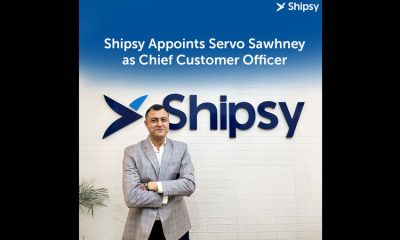

MUMBAI: If the autonomous supply chain is the future, Shipsy just recruited the navigator it needs. Shipsy, the AI-native logistics technology company, has appointed Servo Sawhney...
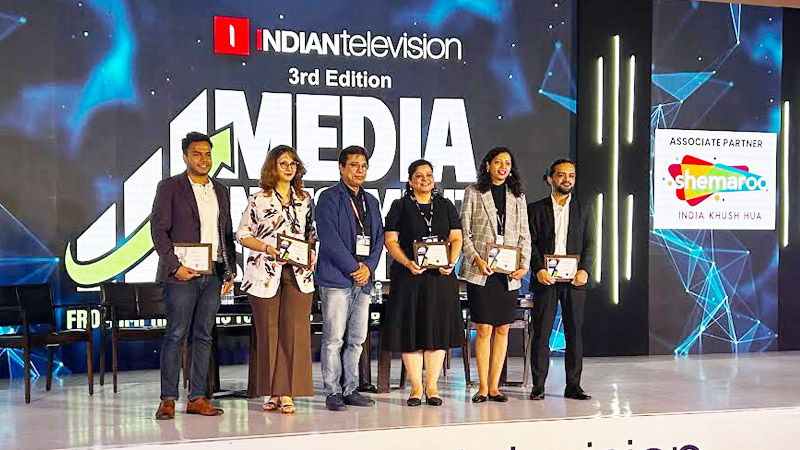
MUMBAI: At a time when the average consumer can scroll through 600 metres of content with a flick of their thumb, customer experience (CX) has become...

MUMBAI: Reema Kundnani has just bagged a promotion at Brookfield Properties, leaping from senior vice president to executive vice president, head of marketing and key account...

MUMBAI: Tech Mahindra has informed Bombay the stock exchange that its step-down subsidiaries Comviva Technologies USA, Inc and Comviva Technologies Americas Inc. will merge, according to...

MUMBAI: Chess lovers can rub their hands in glee. For all those who missed watching the Indian grandmasters and international masters take India to a record...
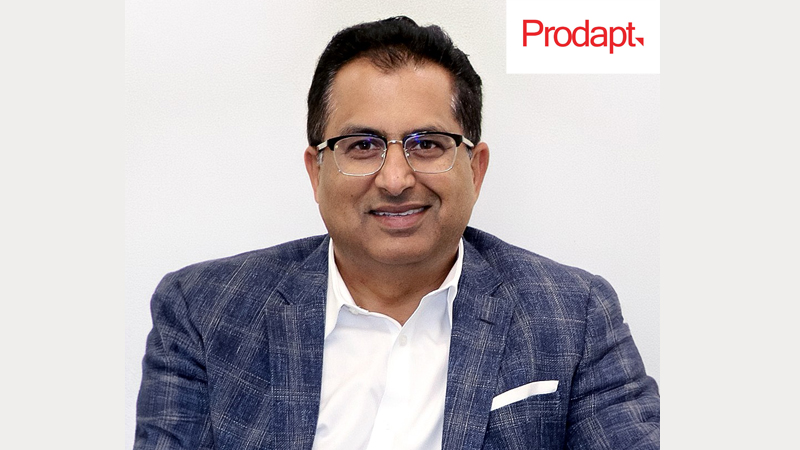
Mumbai: Prodapt, a provider of consulting, engineering and transformation services for the telecom and technology industry, announced the appointment of Manish Vyas as MD and chief...

Mumbai: The Global Chess League, a joint initiative between the International Chess Federation (FIDE) and Tech Mahindra, a leading global provider of technology consulting and digital...
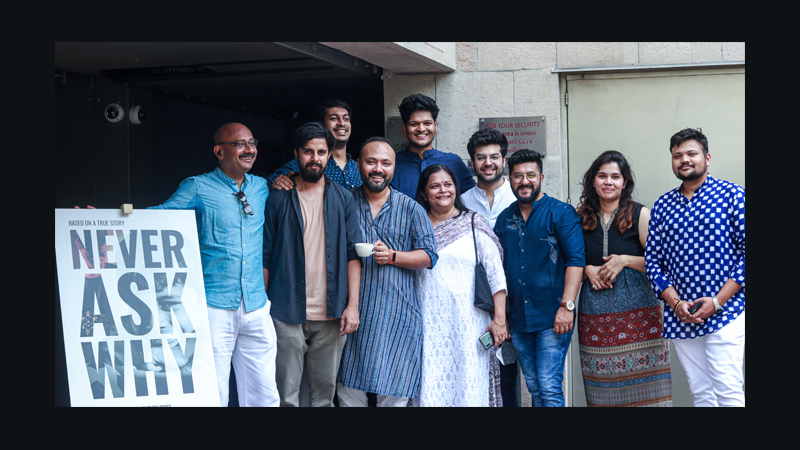
Mumbai: Multi-award winning docu-drama ‘Never Ask Why’ is in talks with OTT platforms in India for global release in 2024, after the documentary’s remarkable success in...

Mumbai: Open Network for Digital Commerce (ONDC), an initiative of the Department of Promotion of Industry and Internal Trade (DPIIT), Ministry of Commerce, Government of India,...
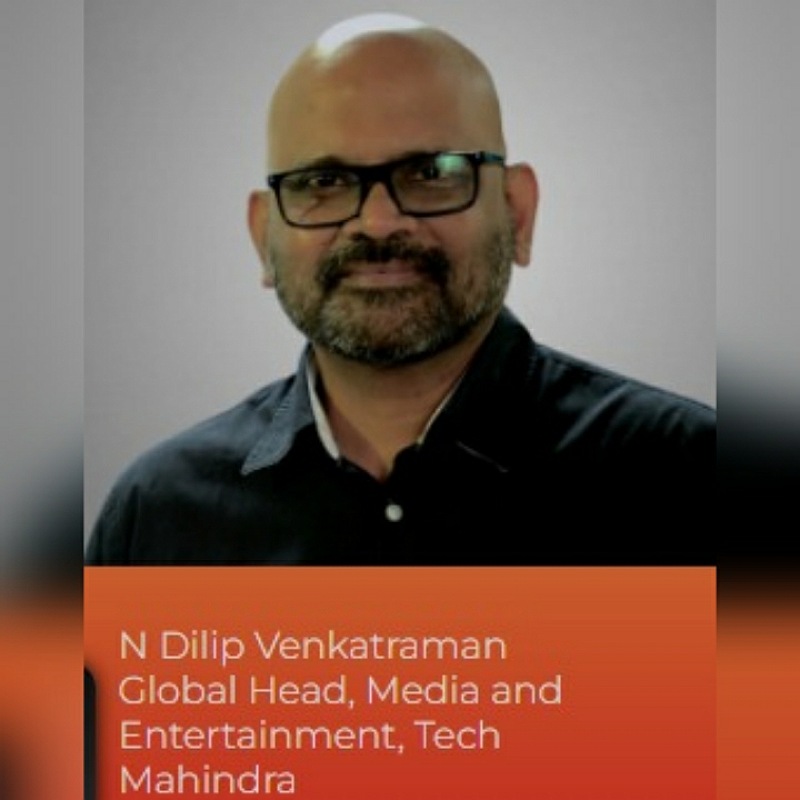
Mumbai: Tech Mahindra has brought N Dilip Venkatraman on board as global head, media and entertainment. With over 20 years of corporate experience, Venkatraman has held...

Mumbai: Tech Mahindra, a provider of digital transformation, consulting, and business re-engineering services and solutions, has been recognised as the fastest-growing brand in brand strength amongst...

New Delhi: Tech Mahindra has roped in Apurva Chamaria as as senior vice president and chief of staff. In this role Chamaria will be responsible for...
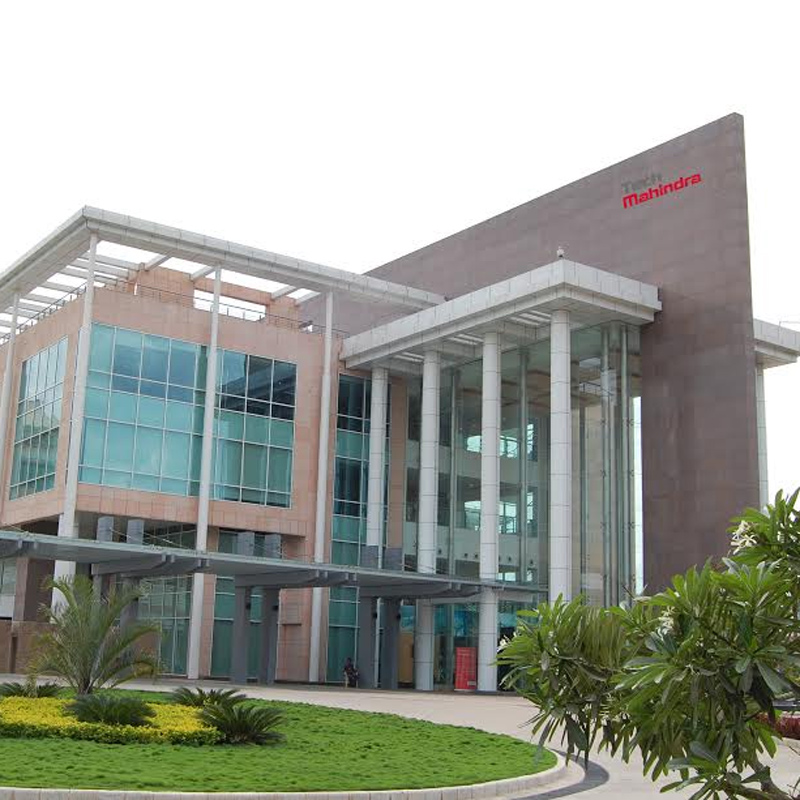
MUMBAI: Tech Mahindra Ltd, a leading provider of digital transformation, consulting and business reengineering services and solutions, announced a collaboration with InMobi, one of the world's...

MUMBAI: Tech Mahindra, a leading provider of digital transformation and consulting services and solutions has announced the acquisition of Mad*Pow, a strategic design consultancy headquartered in...

MUMBAI: The Subhash Chandra-owned Zee Entertainment Enteprises Ltd (Zeel) is getting blue blooded once again. The Zeel stock is all set to get included in the...


