Tag: Tarang

  • Sun TV most viewed channel in week 4: Barc

    Sun TV most viewed channel in week 4: Barc

    Mumbai: Sun TV was the most viewed channel in the fourth week of 2022 (22 to 28 January) according to Broadcast Audience Research Council (Barc) data. However, the weekly ratings showed a major drop from 3001.92 in the third week to 2774.35 this week.

    Displacing Star Utsav from the second position after a month, Star Maa lodged itself at the spot with weekly AMAs of 2514.17. Star Utsav was third with 2511.47 AMA.

    Star Plus, Dhinchaak, Star Vijay, Sony SAB, Colors, Zee TV and Zee Kannada followed, in that order.

    Sun TV led the Mega Cities list with weekly ratings of 485.51. Colors, Star Plus, Sony SAB and Star Vijay grabbed the remaining slots.

    South market was also led by the Tamil GEC at 2763.77 (‘000s). Star Maa, Star Vijay, Zee Kannada and Zee Telugu followed.

    Among the regional markets, Star Pravah was the most viewed channel in Maharashtra/Goa with 1442.81 AMA, and Star Jalsha (1386.78) in West Bengal.

    Zee Sarthak beat long-standing leader Tarang in the Odisha market with 462.87 AMA. Tarang was a close second at 459.81.

    Zee Kannada (1555.02) was the leader in Karnataka, while Star Utsav led both Rajasthan (249.39) and UP/Uttarakhand (439.65).

  • 137 GEC and news pay channels violated ad cap rule in second quarter

    137 GEC and news pay channels violated ad cap rule in second quarter

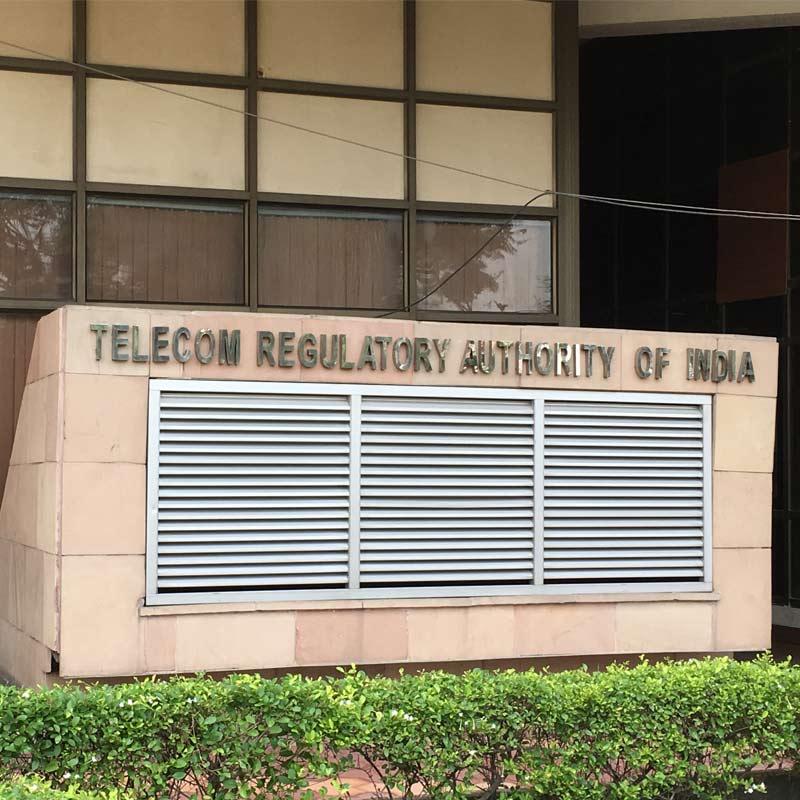
    NEW DELHI: Even as the ad cap case drags on with the government failing to take a firm stand either way, a total of 137 pay channels including 25 news and current affairs channels continued to violate the regulations for telecasting a maximum of 12 minutes of commercials per hour in the second quarter of the year.

    The report released today by the Telecom Regulatory Authority of India for the period from 28 March to 2 June 2016 shows that the number of violators has remained almost the same as in the first quarter when the total was 133 between 28 December and 27 March.

    While there has been a very miniscule fall in the violators among news channels from 30 to 25, there is an increase in non-news channels from 103 as on 27 March to 112 as on 26 June.

    The average duration per hour of advertisements (commercial and self promotional) during peak hours (7pm‐10 PM) in pay news channels for the period 28 March to 26 June shows that the highest of these was by 21.95 minutes by ETV Rajasthan and the lowest was 12.01 minutes by Zee Telugu. Interestingly, the highest in the first quarter was also by ETV Rajasthan with 24.83 minutes. Times Now which had been at the bottom with 12.15 minutes in the first quarter does not even figure in the list of violators in the second quarter.

    Among pay non-news channels (general entertainment channels) for the same period, the highest was 24.54 minutes by B4U Movies (which had topped the list in the first quarter with 23.41 minutes and was also at the top in December last year) and the lowest was 12.03 minutes by Raj Digital Plus. Odisha TV’s Tarang which had been at the bottom in the first quarter increased its ad time to 12.22 minutes.

    There are at least 16 news and 30 non-news channels clocking more than 15 minutes per hour. While the number of news channels was the same in the first quarter, the number of GECs has risen from 24.

    TRAI has made it clear that “the information is based on the data submitted by the broadcasters and TRAI bears no responsibility for correctness. As per information available with TRAI, the rest of the pay news and non-news channels are carrying less than 12 minutes of average duration per hour of advertisements (commercial & self promotional) during peak hours (7PM – 10 pm).”

    Asking TRAI not to take any coercive action against any channel pending hearing of the case in the first hearing over two years earlier, the Delhi High Court had asked all channels and TRAI to keep a record of the advertising time consumed including commercials.

    The petition had been filed by the News Broadcasters Association and some channels challenging the TRAI decision to implement the directive of 12 minutes contained in the Cable Television Networks (Regulation) Act 1995. The Information and Broadcasting Ministry and TRAI are the respondents in the petition.

    After the Information and Broadcasting Ministry told the Court on 27 November 2015 that it was discussing the issue with broadcasters, the matter was put off several times. In the 11 February hearing, Discovery Communications moved for intervention while Home Cable sought early hearing.

    In its intervention, MSO Home Cable Network (P) Ltd said it wanted to intervene as it was directly affected by the outcome of the present petition. It wanted the NBA petition to be dismissed and added: “The Pay channel broadcasters are profiteering at the expense of subscribers and the DPOs. There is no justification for changing monthly subscription when commercial advertisements are inserted. The Standards of Quality of Service (Digital Addressable Cable TV Systems) Regulations 2012 (with Amendments thereafter) is justified to the extent they are applicable to pay channels. The pay channel broadcasters cannot charge the subscription fee while inserting commercials into the content or in the alternative, the subscribers have to be compensated for the revenue earned on the basis of their being subscribers of the channels.”

    In the petition, the news channels made the plea that most of them are free to air and therefore do not get any subscription fee from the viewers as the GEC channels do.

  • 137 GEC and news pay channels violated ad cap rule in second quarter

    137 GEC and news pay channels violated ad cap rule in second quarter

    NEW DELHI: Even as the ad cap case drags on with the government failing to take a firm stand either way, a total of 137 pay channels including 25 news and current affairs channels continued to violate the regulations for telecasting a maximum of 12 minutes of commercials per hour in the second quarter of the year.

    The report released today by the Telecom Regulatory Authority of India for the period from 28 March to 2 June 2016 shows that the number of violators has remained almost the same as in the first quarter when the total was 133 between 28 December and 27 March.

    While there has been a very miniscule fall in the violators among news channels from 30 to 25, there is an increase in non-news channels from 103 as on 27 March to 112 as on 26 June.

    The average duration per hour of advertisements (commercial and self promotional) during peak hours (7pm‐10 PM) in pay news channels for the period 28 March to 26 June shows that the highest of these was by 21.95 minutes by ETV Rajasthan and the lowest was 12.01 minutes by Zee Telugu. Interestingly, the highest in the first quarter was also by ETV Rajasthan with 24.83 minutes. Times Now which had been at the bottom with 12.15 minutes in the first quarter does not even figure in the list of violators in the second quarter.

    Among pay non-news channels (general entertainment channels) for the same period, the highest was 24.54 minutes by B4U Movies (which had topped the list in the first quarter with 23.41 minutes and was also at the top in December last year) and the lowest was 12.03 minutes by Raj Digital Plus. Odisha TV’s Tarang which had been at the bottom in the first quarter increased its ad time to 12.22 minutes.

    There are at least 16 news and 30 non-news channels clocking more than 15 minutes per hour. While the number of news channels was the same in the first quarter, the number of GECs has risen from 24.

    TRAI has made it clear that “the information is based on the data submitted by the broadcasters and TRAI bears no responsibility for correctness. As per information available with TRAI, the rest of the pay news and non-news channels are carrying less than 12 minutes of average duration per hour of advertisements (commercial & self promotional) during peak hours (7PM – 10 pm).”

    Asking TRAI not to take any coercive action against any channel pending hearing of the case in the first hearing over two years earlier, the Delhi High Court had asked all channels and TRAI to keep a record of the advertising time consumed including commercials.

    The petition had been filed by the News Broadcasters Association and some channels challenging the TRAI decision to implement the directive of 12 minutes contained in the Cable Television Networks (Regulation) Act 1995. The Information and Broadcasting Ministry and TRAI are the respondents in the petition.

    After the Information and Broadcasting Ministry told the Court on 27 November 2015 that it was discussing the issue with broadcasters, the matter was put off several times. In the 11 February hearing, Discovery Communications moved for intervention while Home Cable sought early hearing.

    In its intervention, MSO Home Cable Network (P) Ltd said it wanted to intervene as it was directly affected by the outcome of the present petition. It wanted the NBA petition to be dismissed and added: “The Pay channel broadcasters are profiteering at the expense of subscribers and the DPOs. There is no justification for changing monthly subscription when commercial advertisements are inserted. The Standards of Quality of Service (Digital Addressable Cable TV Systems) Regulations 2012 (with Amendments thereafter) is justified to the extent they are applicable to pay channels. The pay channel broadcasters cannot charge the subscription fee while inserting commercials into the content or in the alternative, the subscribers have to be compensated for the revenue earned on the basis of their being subscribers of the channels.”

    In the petition, the news channels made the plea that most of them are free to air and therefore do not get any subscription fee from the viewers as the GEC channels do.

  • 133 news and non-news pay channels violated adcap rule in 1st quarter

    133 news and non-news pay channels violated adcap rule in 1st quarter

    NEW DELHI: While the adcap case continues to drag with no sign of an early hearing, a study shows that a total of 133 pay channels including 30 news and current affairs channels continue to violate the regulations for telecasting a maximum of twelve minutes of advertisements and commercials per hour.

    The report released today by the Telecom Regulatory Authority of India for the period from 28 December to 27 March shows that the number of violators has come down marginally from 149 during the three months ending 27 December.

    While there has been a very miniscule increase in the violators among news channels from 28 top 30, there is a sharp fall in non-news channels from 121 to 103 as on 27 March.

    Average duration per hour of Advertisements (commercial and self promotional) during peak hours (7pm ‐ 10 PM) in Pay News Channels for the period 28 December to 27 March shows that the highest of these was 24.83 minutes by ETV Rajasthan and the lowest was 12.15 minutes by Times Now.

    Among pay non-news channels for the same period, the highest was 23.41 minutes by B4U Movies (which had topped the list in December last year as well) and the lowest was 12.04 by Odiosha TV’s Tarang.

    There are at least sixteen news and 24 non-news channels clocking more than fifteen minutes per hour.

    TRAI has made it clear that ‘the information is based on the data submitted by the broadcasters and TRAI bears no responsibility for correctness of same. As per information available with TRAI, the rest of the Pay News and non-news channels are carrying less than 12 minutes of average duration per hour of advertisements (Commercial & Self promotional) during peak hours (7PM – 10 pm)’.

    While asking TRAI not to take any coercive action against any channel pending hearing of the case in the first hearing almost two years earlier, the Delhi High Court had asked all channels and TRAI to keep a record of the advertising time consumed including commercials.

    The petition had been filed by the News Broadcasters Association and some channels challenging the TRAI decision to implement the directive of 12 minutes contained in the Cable Television Networks (Regulation) Act 1995. The Information and Broadcasting Ministry and TRAI are the respondents in the petition.

    After the Information and Broadcasting Ministry told the Court on 27 November that it was discussing the issue with broadcasters, the matter was put off to 11 February and then to 29 March. In the 11 February hearing, Discovery Communications moved for intervention while Home Cable sought early hearing.

    In its intervention MSO Home Cable Network (P) Ltd said it wanted to intervene as it was directly affected by the outcome of the present petition. It wanted the NBA petition to be dismissed and added: “The Pay channel broadcasters are profiteering at the expense of subscribers and the DPO’s. There is no justification for changing monthly subscription when commercial advertisements are inserted. The Standards of Quality of Service (Digital Addressable Cable TV Systems) Regulations 2012 (with Amendments thereafter) is justified to the extent they are applicable to Pay Channels. The pay channel broadcasters cannot charge the subscription fee while inserting commercials into the content or in the alternative, the subscribers have to be compensated for the revenue earned on the basis of their being subscribers of the channels.”

    Interestingly, I and B Minister Arun Jaitley had in January last year said that he was in favour of any ad cap in the print or electronic media.

    In the petition, the news channels have taken the plea that most of them are free to air and therefore do not get any subscription fee from the viewers as the GEC channels do.

  • 133 news and non-news pay channels violated adcap rule in 1st quarter

    133 news and non-news pay channels violated adcap rule in 1st quarter

    NEW DELHI: While the adcap case continues to drag with no sign of an early hearing, a study shows that a total of 133 pay channels including 30 news and current affairs channels continue to violate the regulations for telecasting a maximum of twelve minutes of advertisements and commercials per hour.

    The report released today by the Telecom Regulatory Authority of India for the period from 28 December to 27 March shows that the number of violators has come down marginally from 149 during the three months ending 27 December.

    While there has been a very miniscule increase in the violators among news channels from 28 top 30, there is a sharp fall in non-news channels from 121 to 103 as on 27 March.

    Average duration per hour of Advertisements (commercial and self promotional) during peak hours (7pm ‐ 10 PM) in Pay News Channels for the period 28 December to 27 March shows that the highest of these was 24.83 minutes by ETV Rajasthan and the lowest was 12.15 minutes by Times Now.

    Among pay non-news channels for the same period, the highest was 23.41 minutes by B4U Movies (which had topped the list in December last year as well) and the lowest was 12.04 by Odiosha TV’s Tarang.

    There are at least sixteen news and 24 non-news channels clocking more than fifteen minutes per hour.

    TRAI has made it clear that ‘the information is based on the data submitted by the broadcasters and TRAI bears no responsibility for correctness of same. As per information available with TRAI, the rest of the Pay News and non-news channels are carrying less than 12 minutes of average duration per hour of advertisements (Commercial & Self promotional) during peak hours (7PM – 10 pm)’.

    While asking TRAI not to take any coercive action against any channel pending hearing of the case in the first hearing almost two years earlier, the Delhi High Court had asked all channels and TRAI to keep a record of the advertising time consumed including commercials.

    The petition had been filed by the News Broadcasters Association and some channels challenging the TRAI decision to implement the directive of 12 minutes contained in the Cable Television Networks (Regulation) Act 1995. The Information and Broadcasting Ministry and TRAI are the respondents in the petition.

    After the Information and Broadcasting Ministry told the Court on 27 November that it was discussing the issue with broadcasters, the matter was put off to 11 February and then to 29 March. In the 11 February hearing, Discovery Communications moved for intervention while Home Cable sought early hearing.

    In its intervention MSO Home Cable Network (P) Ltd said it wanted to intervene as it was directly affected by the outcome of the present petition. It wanted the NBA petition to be dismissed and added: “The Pay channel broadcasters are profiteering at the expense of subscribers and the DPO’s. There is no justification for changing monthly subscription when commercial advertisements are inserted. The Standards of Quality of Service (Digital Addressable Cable TV Systems) Regulations 2012 (with Amendments thereafter) is justified to the extent they are applicable to Pay Channels. The pay channel broadcasters cannot charge the subscription fee while inserting commercials into the content or in the alternative, the subscribers have to be compensated for the revenue earned on the basis of their being subscribers of the channels.”

    Interestingly, I and B Minister Arun Jaitley had in January last year said that he was in favour of any ad cap in the print or electronic media.

    In the petition, the news channels have taken the plea that most of them are free to air and therefore do not get any subscription fee from the viewers as the GEC channels do.

  • National Film Archive of India to pay homage to Smita Patil

    National Film Archive of India to pay homage to Smita Patil

    NEW DELHI: A two-day film festival to remember versatile actress Smita Patil on her sixtieth birth anniversary is being held by the National Film Archive of India (NFAI) in Pune.

    ‘Remembering Smita’ on 17 and 18 October will also showcase a rare poster and photo exhibition on her from the NFAI collection.

    The festival will showcase eight films including her debut short film Teevra Madhyam. Other films includeBhavni Bahvai, Akaler Sandhaney, Jait Re Jait, Bazaar, Debshishu, Tarang, and Chidambaram. Out of these films, three films – Akaler Sandhaney, Jait Re Jait and Chidambaram have been restored by NFAI.

    The Festival is a tribute to the multi-talented actress who died on 13 December, 1986 at the age of 31 due to childbirth complications.

    The festival would be inaugurated on 17 October at 11 am by actor Amol Palekar.

    A panel discussion on Patil will be held at 6 pm on 18 October with Dr Jabbar Patel, Dr Mohan Agashe and Lalita Tamhane as participants. The discussion would deliberate upon her unique style, her acting career and contribution to the film industry.

    The venue for the festival is NFAI campus, Law College road, Pune.

    A film, television and theatre personality regarded as one of the finest actresses of all time, Patil worked in around 80 Hindi, Marathi, Malayalam and Bengali films. She left her mark with two National film awards for best actress and Padma Shri in 1985.

    Born on 17 October, 1955, Patil graduated from the Film and Television Institute of India (FTII) in Puneand made her film debut with Shyam Benegal’s Charandas Chor (1975). Some of the other films that sheappeared in include Manthan (1977), Bhumika (1977), Aakrosh (1980), Chakra (1981), Chidambaram (1985), Mirch Masala (1985) and Namak Halaal amongst others.

    The schedule of the festival is as below,

    Inauguration: 17 October, 2015 at 11 am

  • Maharashtra governor felicitates Mukesh Sharma for his Excellency

    Maharashtra governor felicitates Mukesh Sharma for his Excellency

    MUMBAI: Mukesh Sharma was recently felicitated by the Governor of Maharashtra for his Excellency CH Vidyasagar Rao when Svajan an NGO run by the former Addl Chief Sec Gov tog Maharashtra and also the former Municipal Comm of Mumbai, Shri Karun Shrivastav who noticed the hard work put up by Mukesh Sharma in the field of PSB.

    Awards and felicitations are not new to the Additional Director General of Doordarshan who was a fortnight ago felicitated by the Global Sindhi Council at the hands of former Law Minister Shri Ram Jethmalani.

    Most of us may think that PSB is a losing proposition but Mukesh Sharma with his innovation, ingenuity and skill has set a record as the only Head in the entire DD fraternity to run Doordarshan in PROFIT.

    In the year 2013-14 DDK Mumbai spent 52 crores to run the channel and the station and posted a business of 57 crores through corporate, government and hiring out equipment of the Kendra to generate revenue. In fact Doordarshan National can take a leaf out of the book of Best Practices adopted and implemented by DD Sahyadri as this commercial success was achieved without compromising with the mandate of Public Service Broadcasting. Conceptualizing market driven programmes in fields as diverse as women empowerment, Krishi, organ donation, education for the girl child, robotics, film festivals among others were the channel drivers during his tenure.

    Serialized TV shows like Young – Tarang, Krishi Darshan, Amchi Maati – Aamchi Mansa, Aswaad, Sakhi Sahyadri, Hello Doctor, Swastha Bharat, Patla Tar Ghya, Kridangan,Music Masti Gappa Gane (M2 G2), Contests based reality shows like Sahyadri Antakshari, Dhina Dhin Dha, Dam Dama Dam, Naad Bhed, Aajche Davedaar – Udyache Superstar etc. have not only entertained viewers over the years, but also have created awareness about richness of the culture and traditions of Maharashtra.

    With revolutionary changes taking place in an around the world addressing citizen is becoming the most difficult and challenging job undoubtedly for a public service broadcaster. But the “CALENDAR EVENTS” of DD Sahyadri created and conceptualized by Mukesh Sharma clearly demarcates his outstanding contribution as a Public Service Broadcaster.

    A brainchild of Shri Mukesh Sharma – DD Sahyadri offers about sixteen calendar events in a year mainly in compliance with its responsibilities as a Public Service Broadcaster.

    1.    Prerna Puraskar is specially designed event for celebrating “Mother’s Day” which is a special award function showcasing the unique bonding of “Mother-Daughter “relationship as well as working towards girl child progress (education).

    2.    Navaratan Awards wherein nine prominent Maharashtrians every year are felicitated by the Governor of Maharashtra for their distinguished contribution in various spheres of activity including the Arts, Education, Industry, Literature, Science, Sports, Medicine, Social Service and Public Affairs.

    3.    Hirkhani Awards are organized to felicitate nine woman of substance who, with sheer grit and determination, left their stamp in a male-dominated arena and brought the desired social change in the society.

    4.    Sahyadri Cine Awards felicitates Marathi Cine Artists and Technicians to promote and applaud the Marathi Cinema for the excellent work done in the entire last one year.

    5.    Sanjeevani Awards acknowledging the outstanding work done by the medicos in the rural areas and to the under privileged. It honors these “COMMUNITY LEADERS” for with a view to encourage/motivate the young medicos to go the rural areas and work for the masses in the villages.

    6.    Navjyoti which is a joint venture of UNICEF and DD Mumbai Kendra, the programme aims at giving recognition to nine girls from remote Maharashtra for resisting child marriages and also helping other girls fight the scourge.

    7.    First Television event “Naate Janmaantaricha” on Organ Donation to create awareness among the people on the noble cause of ORGAN DONATION.

    8.    Sahyadri Sindhu Sahyog Awards to felicitate the Sindhi Community who had done extraordinary work in their respective fields.

    9.    Krishi Awards in which farmers, scholars and experts are honored for their contribution in the field of Agriculture.

    10.    Arya Chanakya Maharashtra Rajya Puraskar, an annual state-level award, honoring the contributors in building a strong democracy from the fields such as legislature, judiciary, administration and media.

    11.    Monsoon Marathi Chitrapat Mahotsav at DDK Mumbai in order to promote good cinema which showcase award winning films and an interactive session with the film maker’s and the audience.

    12.    A specially designed event to recognize the contribution of Nation Builders on the Public Service Broadcasting Day – “Shiladaar Rashtra Nirmiteeche”.

    13.    Jaago Re Jaago – A live program on the eve of “Independence Day and Republic Day to rekindle and reignite the value of freedom in the minds of young and old of this great nation.

    14.    RBI National Quiz, promoting Financial Literacy among the youth.

    15.    National & International Robotic Contest, Robocon offering young engineers a platform to excel in their creative thinking apart from demonstrating their technical ideas in robotics as well as establishing a cross cultural awareness facilitating their overall development.

    16.    Celebrations of festivals like Govinda and Ganesh Chaturthi – “Aaley Ganray” and major sports and cultural events are brought live to the viewers by the channel every year.

    17.    All India Urdu Mushaira, to promote national integration and to provide a wide reach platform to the Nations Urdu Poets.

    Very few people know that he has produced nearly 50 feature films and directed one for which he was honoured with the national award. He has also worked in All India Radio, Doordarshan Sales and Commercial Services; and at the moment apart from looking after the DD Kendra at Mumbai he also heads the Commercial and Revenue Division single handedly.

    Mukesh Sharma is perhaps the last of the Mughals to survive the onslaught of commercial broadcasting, to not only survive but to give them a run for their money.