Tag: Taproot

  • IAA’s new initiative seeks to end rigidity in office timings

    IAA’s new initiative seeks to end rigidity in office timings

    A new social initiative titled #WorkToLiveToWork has been undertaken by the International Advertising Association’s (IAA) India chapter with Nandini Dias, managing committee member of IAA and CEO of Lodestar India, at the helm. Dias lost two colleagues in separate accidents related to railways during rush hour in the last 18 months.

    Dias has conceptualised #WorkToLiveToWork to urge CEOs/HR heads to help Mumbai-based companies to implement flexible office timings for employees so that they don’t risk their lives to reach their workplaces.

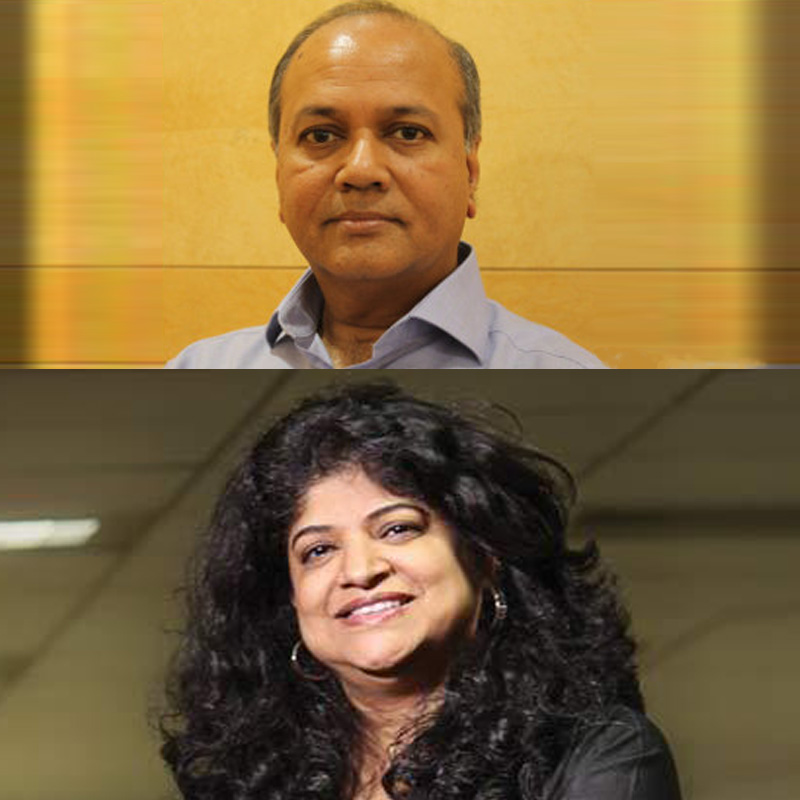
    Ramesh Narayan, President, IAA India Chapter, said, “Every year IAA undertakes initiatives to show that communication can be an effective force for the good of society. This year Nandini Dias is spearheading this meaningful project.”

    The initiative intends to end the irrational rigidity in Mumbai’s office timings and save lives. Reports show that every day approximately nine people die on the suburban rail network, which is nearly 3,300 people in a year. Many of these people travel in the overcrowded transit system just to avoid a late mark as that leads to penalty on their salary.

    A campaign has also been designed around #WorkToLiveToWork.

    “Instead of waiting for the transport infrastructure to be fixed, which would obviously take a long time, Dias’ idea was as practical as it was simple. When asked, most CEOs and HR heads agree that flexi timing is a good idea. In fact many also say that in their office, they had implemented flexi timings since a couple of years. The fact is that while heads of offices are not against it, they have done very little to actually roll it out. There is no data to say how many people actually are on flexi timing. Also if it was real then the rush hour traffic would have eased out,” he added.

    Said Dias, “I am urging all companies to come forward and adopt this to save the lives of Mumbaikars. Let’s all agree that, besides expressing outrage we need to help the government in mitigating the crisis. So, whether you are an employer or an employee, think about it, talk about it, bring it up as often as you can to drive change and save lives. Even if we reduce the number of people losing life from nine to seven per day, we would have saved over 700 lives in a year.”

    To take this initiative forward, besides Lodestar UM, IAA has the support of Taproot Dentsu that created the communication. The Economic Times, Hindustan Times, Indian Express, Laqshya Media and Radio City have come on board as media partners.

    Also Read:

    FabIndia sets aside 40% on digital advertising

    The year of hiccups for marketers

    People’s mindset determines workplace safety: Havas’ Anita Nayyar

  • Taproot Dentsu appoints Bashir as VP

    Taproot Dentsu appoints Bashir as VP

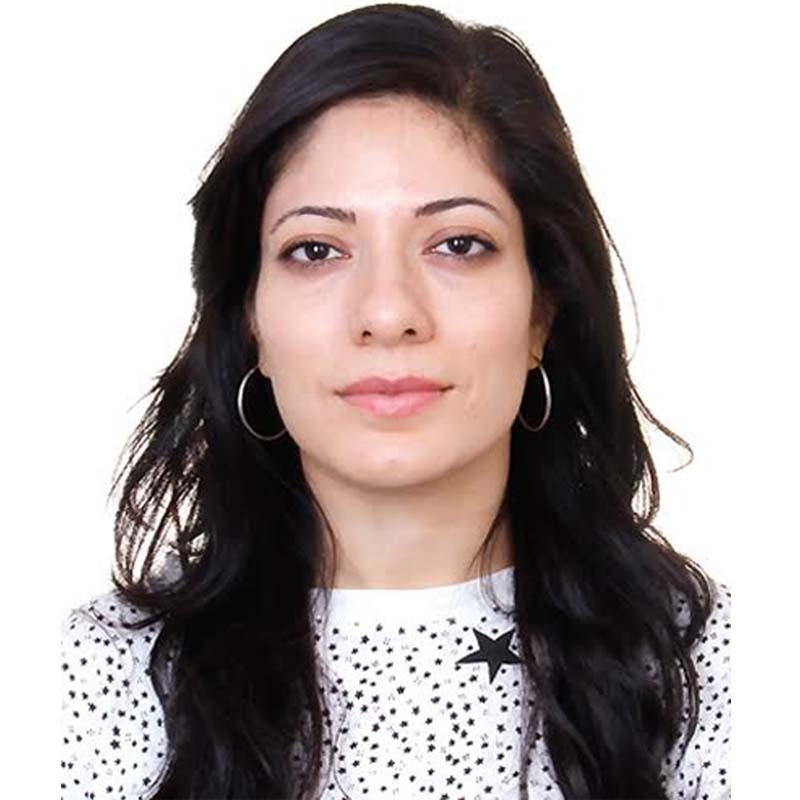
    MUMBAI: Taproot Dentsu, the creative and communication agency from Dentsu Aegis Network, has strengthened its planning prowess with the appointment of Farah Bashir as Vice President, Strategic Planning. She will be based out of Taproot Dentsu’s Gurgaon office, and will work closely with Anand Murty – head of planning at Taproot Dentsu, to ensure that stellar creative and deep insightful thinking go hand-in-hand to create the best work possible for all clients.

    Prior to joining Taproot Dentsu, Farah was the general manager – planning at Cheil India, where she helped lead the Insights division.

    Armed with more than 13 years of experience, Farah has worked as a journalist with Reuters, as a marketing professional with Unilever Asia (across India, Singapore, Vietnam, Thailand, Philippines, Indonesia and Brazil), as a research analyst with Quantum Market Research and as a strategic planner with DDB Mudra and Lowe Lintas. She has worked on various brands including Samsung, Wills Lifestyle, OLX, Hindustan Times, Volini, Revital, Reckitt Benckiser, NDTV, Hindustan Times, MTS, Microsoft, Singapore Health Promotion Board (HPB), Singtel, Zopper, Twinings, Cisco, GPI and Dabur.

    Commenting on her appointment, Taproot Dentsu CEO Umesh Shrikhande said, “Farah brings with her wonderfully eclectic influences and perspective, thus adding more power to our ability to think different.”

    “Strategic planning can help inform the creation of powerful, motivating work that Taproot is known for and also provide clear, incisive counsel to clients with respect to the brand and business challenges they face. Farah’s track record and skill set is an asset to our team and we look forward to an exciting year ahead,” said Murty.

    Speaking on joining Taproot Dentsu, Farah said, “Taproot Dentsu, well-known as the creative powerhouse, is equally focused on the rigour and thinking on brands that it works on. Very rarely does the archetype of a planner and agency converge.”

  • Taproot Dentsu appoints Bashir as VP

    Taproot Dentsu appoints Bashir as VP

    MUMBAI: Taproot Dentsu, the creative and communication agency from Dentsu Aegis Network, has strengthened its planning prowess with the appointment of Farah Bashir as Vice President, Strategic Planning. She will be based out of Taproot Dentsu’s Gurgaon office, and will work closely with Anand Murty – head of planning at Taproot Dentsu, to ensure that stellar creative and deep insightful thinking go hand-in-hand to create the best work possible for all clients.

    Prior to joining Taproot Dentsu, Farah was the general manager – planning at Cheil India, where she helped lead the Insights division.

    Armed with more than 13 years of experience, Farah has worked as a journalist with Reuters, as a marketing professional with Unilever Asia (across India, Singapore, Vietnam, Thailand, Philippines, Indonesia and Brazil), as a research analyst with Quantum Market Research and as a strategic planner with DDB Mudra and Lowe Lintas. She has worked on various brands including Samsung, Wills Lifestyle, OLX, Hindustan Times, Volini, Revital, Reckitt Benckiser, NDTV, Hindustan Times, MTS, Microsoft, Singapore Health Promotion Board (HPB), Singtel, Zopper, Twinings, Cisco, GPI and Dabur.

    Commenting on her appointment, Taproot Dentsu CEO Umesh Shrikhande said, “Farah brings with her wonderfully eclectic influences and perspective, thus adding more power to our ability to think different.”

    “Strategic planning can help inform the creation of powerful, motivating work that Taproot is known for and also provide clear, incisive counsel to clients with respect to the brand and business challenges they face. Farah’s track record and skill set is an asset to our team and we look forward to an exciting year ahead,” said Murty.

    Speaking on joining Taproot Dentsu, Farah said, “Taproot Dentsu, well-known as the creative powerhouse, is equally focused on the rigour and thinking on brands that it works on. Very rarely does the archetype of a planner and agency converge.”

  • Taproot springs a design Myntra

    Taproot springs a design Myntra

    BENGALURU: Myntra, India’s leading platform for mass premium fashion will be launching a multi-media campaign by the end of this week, revealed Myntra Fashion chief marketing manager Gunjan Soni.

    Soni spoke with www.indiantelevision.com during an event today when Myntra announced that it has witnessed 80 per cent year-on-year growth with an industry leading revenue run rate of US$ 1 billion. The acquisition and turnaround of Jabong and the recently concluded festive season have contributed to this growth and strengthened Myntra’s position on its path to profitability says the company.

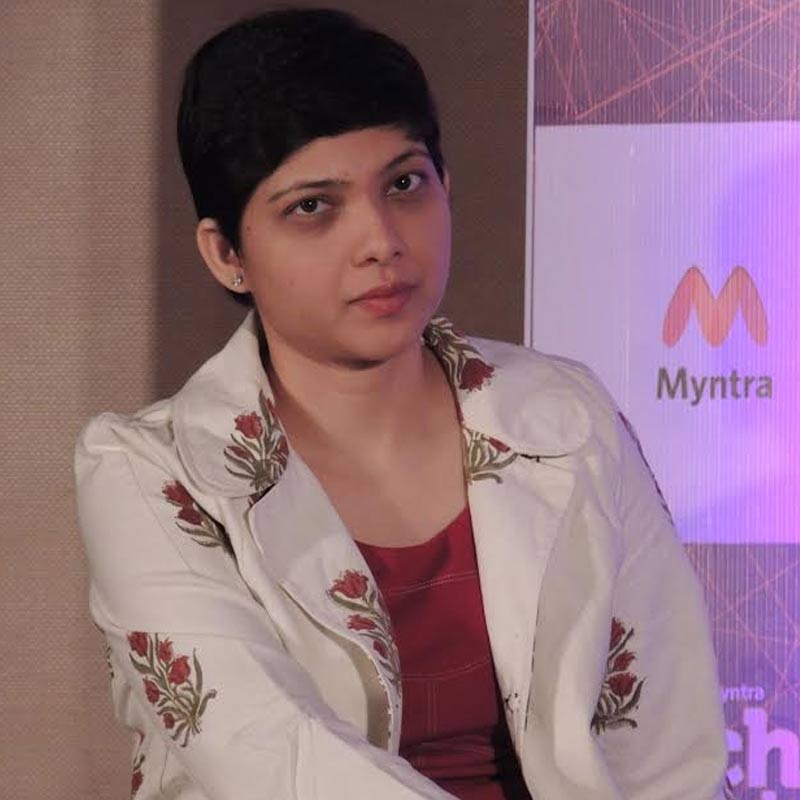
    Speaking about the soon-to-be-launched campaign, Soni said, “We are launching our campaign this Saturday about how we have become category leaders in various areas, so this particular campaign is about sports. I think a lot of people are surprised when we say fashion and sports. About 30 per cent of our business is sportswear including sports shoes. We are picking sports as a category and we are launching a specific sports destination on Myntra. To Support that, we are driving a mega 360 degree communication around it – that includes TV, outdoor, digital, radio, we are covering it all. Taproot is the creative agency and Maxus the media buying agency.”

    “When brands talk about sports, they usually use mega sports stars and they always portray very high profiles. We need to be more related. Our story is that a normal person wanting to lead a fit life and the message we want to convey is that no matter which sport you want to play to stay healthy, Myntra is the destination to get the gear. We are looking at Rs 10 to 15 crore kind of spends for this campaign that will run for about a month,” further revealed Soni.

    On Myntra’s and Jabong’s achievements, Myntra and Jabong CEO Ananth Narayanan said, “We are at the forefront of fashion in India today with over 18 million (1.8 crore) monthly active users. Our unique approach to leverage technology to decode fashion has helped us become the fastest growing online fashion platform. Myntra, Jabong and Flipkart together have 70 per cent market share in the country today and will continue to grow this by empowering brands and customers. We are on track to achieve scalable and sustainable growth and will be EBITA positive in FY-18.”

    In this phase of growth, Myntra says that it is using technology to empower its customers and brands. For customers it is leveraging Artificial Intelligence (AI) and Machine Learning for a personalised shopping experience, better product discovery and assisted buying. The company has introduced several features to enhance customer experience resulting in Myntra being 20 points ahead on NPS than the industry. To its brand partners, Myntra provides brand performance and analytics support, customer insights to develop a loyal fan base and enable engagement. In line with this, it has launched a new portal which will provide brands with customised insights and competitive intelligence reports to manage their performance on the platform.

    The company will also launch iconic global fashion labels Hugo Boss and Hackett which will be available on the platform.

  • Taproot springs a design Myntra

    Taproot springs a design Myntra

    BENGALURU: Myntra, India’s leading platform for mass premium fashion will be launching a multi-media campaign by the end of this week, revealed Myntra Fashion chief marketing manager Gunjan Soni.

    Soni spoke with www.indiantelevision.com during an event today when Myntra announced that it has witnessed 80 per cent year-on-year growth with an industry leading revenue run rate of US$ 1 billion. The acquisition and turnaround of Jabong and the recently concluded festive season have contributed to this growth and strengthened Myntra’s position on its path to profitability says the company.

    Speaking about the soon-to-be-launched campaign, Soni said, “We are launching our campaign this Saturday about how we have become category leaders in various areas, so this particular campaign is about sports. I think a lot of people are surprised when we say fashion and sports. About 30 per cent of our business is sportswear including sports shoes. We are picking sports as a category and we are launching a specific sports destination on Myntra. To Support that, we are driving a mega 360 degree communication around it – that includes TV, outdoor, digital, radio, we are covering it all. Taproot is the creative agency and Maxus the media buying agency.”

    “When brands talk about sports, they usually use mega sports stars and they always portray very high profiles. We need to be more related. Our story is that a normal person wanting to lead a fit life and the message we want to convey is that no matter which sport you want to play to stay healthy, Myntra is the destination to get the gear. We are looking at Rs 10 to 15 crore kind of spends for this campaign that will run for about a month,” further revealed Soni.

    On Myntra’s and Jabong’s achievements, Myntra and Jabong CEO Ananth Narayanan said, “We are at the forefront of fashion in India today with over 18 million (1.8 crore) monthly active users. Our unique approach to leverage technology to decode fashion has helped us become the fastest growing online fashion platform. Myntra, Jabong and Flipkart together have 70 per cent market share in the country today and will continue to grow this by empowering brands and customers. We are on track to achieve scalable and sustainable growth and will be EBITA positive in FY-18.”

    In this phase of growth, Myntra says that it is using technology to empower its customers and brands. For customers it is leveraging Artificial Intelligence (AI) and Machine Learning for a personalised shopping experience, better product discovery and assisted buying. The company has introduced several features to enhance customer experience resulting in Myntra being 20 points ahead on NPS than the industry. To its brand partners, Myntra provides brand performance and analytics support, customer insights to develop a loyal fan base and enable engagement. In line with this, it has launched a new portal which will provide brands with customised insights and competitive intelligence reports to manage their performance on the platform.

    The company will also launch iconic global fashion labels Hugo Boss and Hackett which will be available on the platform.

  • Taproot creates Airtel Challenge TVC to mark 4G launch

    Taproot creates Airtel Challenge TVC to mark 4G launch

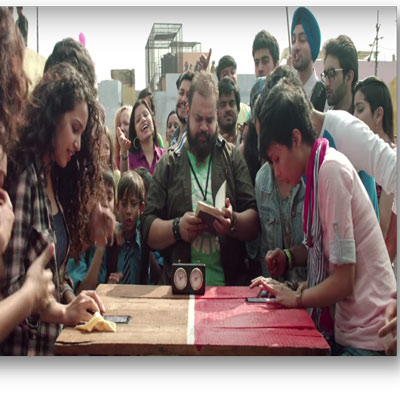
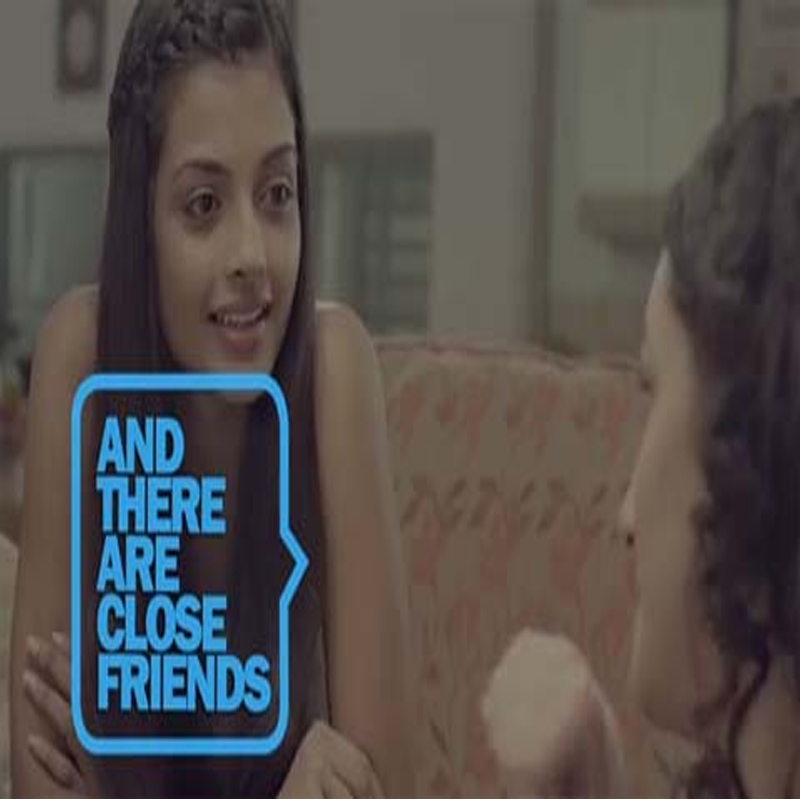
    MUMBAI: Creating a buzz amongst Indian techies and netizens lately is the new Airtel 4G TVC. The ad features a duo competing against each other by completing different tasks assigned to them by an adjudicator. They had to use their respective mobile internet connection to complete the tasks. The scene unfolds on the rooftop of a building and the ethnic joint rooftop is filled with people cheering their favourite candidate. The joint roof top and other landscape captured by the camera clearly indicates that the scenes were shot in Delhi.

    The entire star cast of the TVC was between 20 – 40 years, which is also the target audience of the TVC.

    Speaking to Indiantelevision.com, Taproot co-founder Agnello Dias says, “The video was targeted towards each and every internet user of the country, which mostly comes under 20 – 40 years age group.”


    In the TVC, the first task that the two girls were given was to find out about Lucknow station. The girl using Airtel 4G does it before the other one. The next task given was to find out top 10 MBA colleges, which was yet again won by the Airtel 4G user. The last task that was given to them was to download a full movie and the 4G user does it surprisingly fast. The crowd around her is anxious to know her Internet service provider, which she then reveals to be Airtel 4G. The video ends with the 4G user throwing a challenge that if someone has a faster network than Airtel 4G, their one year phone bill will be taken care of.


    Speaking on the location of the ad, Dias said, “We wanted the ad to look real and connecting, and hence we selected Delhi as the location. However, just because we shot in Delhi, doesn’t mean that it’s our target city.”


    While speed was rapidly talked of, the pricing factor was totally ignored in the communicating video. The adman feels since at this stage the telco is providing 4G at the price of 3G, there was no point showcasing that. “This is the first launch of 4G operations in India and hence the product was more important than pricing,” he said.


    The video uploaded a week back already fetched more than 2.5 million on YouTube. “I am amazed by the reaction that we garnered so far from the TVC and I must say that people have liked the TVC,” he says.
     

  • More than just an ad…

    More than just an ad…

    MUMBAI: To tell a brand’s philosophy in just 30 seconds isn’t an easy task. But everyday creative minds oil their machines to do just the same. While some click with the viewers, others are muted by them or flipped through without a second glance.

    While the year began with the political parties going all out to woo the voters – there were television commercials, digital films as well as hoardings pasted all across the country, Airtel’s Boss film led the charge with the Twitterati going crazy over it. 

    With the e-commerce sector war heating up, the companies too launched TVCs throughout the year to cash in the most, especially during the big sales offered by them. Digital as a medium to connect with the correct audience was optimised well. For instance, Honda for Mobilio released a 2.5-minute ad on YouTube featuring stand-up comedian Kapil Sharma as a salesman.  

    Promos of Indian Premium League (IPL), Pro Kabbadi League, Indian Super League (ISL) as well as Kaun Banega Crorepati (KBC) were able to catch people’s fantasy and created enough buzz before the game started. The right mix of sentiments and music made the films popular especially on the social media.

    2014 saw many ads which were more than being just a promotional feature and as the year comes to an end, Indiantelevision.com lists down some of the best ads of 2014.

    BJP election campaign

    Creative agency: Soho Square

    Purpose of the ad: After the Delhi gang rape case and many more that followed it, the campaign highlights the fact that the government has failed to provide safety to the women of the country and worse, hasn’t been able to punish the culprits.

    Storyboard: The black and white advert highlights how even though the country has progressed and people have sent there girls for higher education and work in other cities, they are not at ease. The woman/mother in the ad, stresses on the fact that the country isn’t safe in current government’s hands as women aren’t safe.

    Airtel Boss film

    Creative agency: Taproot

    Purpose of the ad: To strengthen Airtel’s legacy of identifying fresh and relevant insights around relationships.

    Storyboard: Relationships often get strained due to professional demands. At such times, smartphones transcend their role of being a mere communicating device, and play cupid.

    The TVC shows a woman boss ordering her subordinates to finish an assigned job no matter what. It turns out that the woman boss is the wife who goes back home to cook for her husband who happens to be the junior she had ordered.

    Fortune oil, ‘Ghar Ka Khana’

    Creative agency: Ogilvy & Mather

    Purpose of the ad: Adani Wilmar’s campaign for its Fortune Oil brand, shifting from ‘The joy of eating’ to a more personal ‘Ghar ka khana, ghar ka khana hota hai’ (Home cooked food is home cooked food after all).

    Storyboard: When you are away from the comfort of your space, braving the rigours of everyday life, all you need is two morsels of tasty home food cooked with a lot of love and affection. The gush of emotion that you feel when you have the first bite, only makes you thank your good ‘Fortune’!

    Idea, ‘No Ullu Banaoing’


    Creative agency: Lowe Lintas and Partners

    Purpose of the ad: To educate the masses about how some people cash on the other’s unawareness.

    Storyboard: A common phenomenon in almost every part of India, is how some people in order to make money or gain benefits, tend to take advantage of the ill-informed by coloring the truth or concealing the facts.

    In the TVC, a guide lies to tourists who then search on the web and the truth is exposed.

    Nescafe stammering standup comedian

    Creative agency: McCann Erickson

    Purpose of the ad: While perfection is what people chase these days, this ad feeds on a different meaning.

    Storyboard: The TVC shows a stammering stand-up comedian who faces rejection, but doesn’t give up and turns the same weakness into his strength.

    Fevicol Crazy chairs

    Creative agency: Ogilvy & Mather

    Purpose of the ad: Takes a humorous take on the current election scenario.

    Storyboard: A chai-wallah enters the shop of a carpenter who is making the next Prime Minister’s chair. He points out to three variations – one with BJP’s lotus, another with Congress’s hand, and a group of chairs joined unevenly symbolic of the Third Front.

    OLX Kapil

    Creative agency: Lowe Lintas and Partners

    Purpose of the ad: To promote selling off ‘unused or under-used’ products.

    Stoaryboard: Kapil Sharma stars in the film and plays a ‘juicer’. In the kitchen, he addresses the lady of the house urging her to use him (the juicer), or sell him. The lady notes that no one would buy him, telling him he’s useless. He corrects her, saying he has been ‘used less’. He proceeds to tell her how things are sold on Olx.in, and finds buyers in no time.

    Imperial Blue Men will be men

    Creative agency: Ogilvy & Mather

    Purpose of the ad: To carry forward the 17-year-old catchy tagline and philosophy.

    Storyboard: The campaign opens with a ghazal, “Pyar ki raah mein”, playing in the background as a beautiful young woman is seen talking on a phone in a lift. The camera reveals the torso of two men standing with her. The minute the woman exits both the men heave a sigh of relief and exhale, letting their stomachs hang out again. The film ends with both of them sharing a friendly high-five.

    Tata Docomo Bhalai ki Supply

    Creative agency: Contract Advertising

    Purpose of the ad: To encourage its subscribers to ‘Open Up’ and share happiness using their customised data offers.

    Storyboard: The advertisement features a ‘social media queen’ who appears to have lost her loyal online following. She pouts and preens in order to post the perfect profile picture that could restore her lost glory, but is continually disappointed, till one virtual ‘Like’ makes her day.

    Cadbury Snow Fight

    Creative agency: Ogilvy & Mather

    Purpose of the ad: To make the consumer aware of the fact that life lies in the ‘now’; that joy resides in the act of letting go, and that one should live like no one’s watching.

    Storyboard: The TVC shows a couple walking on a snowy mountain. While the man is busy oh his phone, the woman decides to change the situation by throwing a snowball on the man. The man too throws a snowball at her. The fight continues as they enjoy it.

    Titan Raga #HerLifeHerChoices

    Creative agency: Ogilvy & Mather

    Purpose of the ad: To tell that Raga is an evolved watch for the evolved woman of today – a woman who’s self-respecting and confident. 

    Storyboard: The film begins with Nimrat Kaur sitting at an airport reading a book. She is interrupted by an ex-lover who asks her if he could join her. When Kaur asks him how he has been, he makes a reference to Kaur leaving him. As they talk and catch up, it is revealed that Kaur is still single. On being asked why it is so, Kaur tells the man that she never gets time from work. This being something he knew all too well, he makes a passing comment about how their relationship would have worked had Kaur stopped working. Kaur retorts by saying that he could have also quit. Offended, he tells her that he could not have quit, seeing how he is a man.

  • The future is about reinventing and recasting: Rohit Ohri

    The future is about reinventing and recasting: Rohit Ohri

    Dentsu created waves early this year when the Indian National Congress chose the agency to handle its creative mandate for the 16th Lok Sabha elections. The country’s oldest party might have lost in the elections but the communication was the talking point among industry as well as people.


    Rohit Ohri’s nearly twenty-four year journey in advertising communications, began with the Tata Son’s Marg Publications, but he soon moved to JWT, first Kolkata and then Delhi. Under his leadership and strategic direction, JWT Delhi’s top-line doubled, making it the largest branch office of any advertising agency in India, the largest and most profitable JWT office in Asia Pacific and the third largest JWT office in the world.


    In August 2011, Ohri, a golfer at heart with a seasoned sense of humour, joined Dentsu India Group as executive chairman. Today, he has additional responsibilities on his shoulders as its CEO in APAC (south).


    Indiantelevision.com’s Meghna Sharma caught up with the man to know more on how his term has been with the agency so far and what can be expected from it in the coming months.


    Excerpts…


    The year started with the great Indian political tamasha. How was the experience especially when the party blamed the agency for the debacle?


    The congress party had organised a pitch wherein 16 agencies were pitching, which included JWT and McCann and another six to seven top agencies. We won the business on the basis of our merit. We made over 16 pitches before we actually won the business, so everybody saw the quality of work and what we could deliver before being chosen.


    We had absolutely no problems with the congress party at all. None, whatsoever. And this blame game is a media created story. We have got letters from the party’s head of the communication cell that they are very happy with us especially for the quality of work that we delivered and the professionalism with which we worked. Congress party is not blaming us at all, it is an absolute lie.


    The first phase of campaign that we had created was really strong and worked really well. The fact is everybody we talked about the campaign, told us that it was strong and strategically correct.


    I think the issues are much larger and advertising campaigns are at best support but there has to be an overall positivity behind a candidate or the party. Unfortunately, it was a tough election.


    I would say the year started off pretty well for us. As an agency, and it was on the basis of merit and I am quite proud of it. Most of the bigwigs in politics believe that election campaigns are won on the ground. What a party does at the ground-level with the party workers makes a great primary for a win.


    We did not do the Delhi campaign; it was done by JWT and McCann. But see what happened to Sheila Dixit government.


    The real thing is what the need of the nation is.


    And then came the debate over the new Airtel ad?


    I think it is fantastic. The Airtel ad is about connectively and if the ad itself creates conservations then what more do you want?


    Everything generates two or more different point of views. So, if the ad shows new dynamics of relationships, it is bound to generate buzz. Change is not accepted easily. Today, we all are creating content that everyone wants to talk about and viralise. So, here it did the same. We had Barkha Dutt doing a show on it and people were logging on to just see the advertisement. So, which client will be unhappy with it?


    You will complete three years in the agency, soon, how has the journey been so far? What have been the high and the low points?


    I haven’t had any low points. When you look at cultural transformation in an organisation, I think when I look back and then see today’s Dentsu, it is in a much stronger place than when I had joined. I think that is an enormously gratifying feeling.


    So, I do feel that agency works very well in terms of where it wants to go in the future. Lot of things in terms of our acquisitions, not just of the company, the talent, and how we build within the Dentsu agencies and how we have integrated well with Taproot and WebChutney matters. And now on a larger level, with the entire Dentsu Aegies Network how we are leveraging the strength across the entire network. We have come a long way and I think we are very happy about that.


    It wasn’t very difficult for you to merge the cultural differences between the various Indian and international agencies?


    No not at all. If you fundamentally look at a few values of the network, it is about the focus on the quality of creative, integration and on collaborative model of working together. These are things that Dentsu Inc holds very close to its core in Japan.


    Example, today everybody talks about integration. It has really turned a new paradigm for advertising and communication agency. Almost 12 years back, Martin Sorrel started the whole thing of unbundling. It created individual interest versus brand interest dominations. In many ways what happened was that fragmentation was created between advertising and marketing and the agency structure was going somewhere else.


    That is the reason Dentsu never unbundled itself. It always stayed as an integrated agency firm from day one. The network saw this happening internationally and as the world’s largest advertising agency, could pretty well have gone the same way but decided not to do.


    Agencies within the Dentsu Aegis Network collaborate around a particular client saying that if a particular client needs x, then we will work around that particular client. So that the client’s interest is served before anything else. There is certain liquidity in the network and the network is dependent on the basis of client’s needs.


    With four creative agencies under the belt, how do you make sure that there isn’t any overlapping?


    The fact is that from a philosophy perspective it is one Dentsu; each one of the agency with the exception of Taproot. We have three Dentsu branded agencies and then Taproot which is our acquisition. There is one thinking around all of them. Physically three separate entities have been created so that there is absolutely 100 per cent confidentiality with each and every client.


    How has the partnership deal with Aegis Media helped Dentsu in escalating its position?


    The partnership with Aegis Media has been perfect for us. Primarily, because Denstu’s core vision, philosophy and point of view on advertising has been about innovation and integration. If you look at that, to deliver integration we need the best in class services across the whole wide number of platforms.


    We now have various offerings and all those capacities ready to take to the clients’ saying that ‘with all our entities, we can actually empower your brand.’


    In many ways Denstu has completed Aegis and Aegis has completed Dentsu. Now we are a full service integrated brand solution company.


    You have said that digital ad campaigns will drive Denstu’s next big initiatives. So, in the future, do you see brands being lead by chief marketing officer or chief technology officer?


    For Dentsu, the core of the brand is really about the intersection between creativity and technology. Technology is not just a lap over but technology is something we use as point of view. Technology is needed to reach out to new consumers and empowering them. Dentsu has a rich heritage of harnessing technology for brand communication in a creative and interesting manner.


    Going forward, it is a marriage of the two – creativity and technology. It’s not that human beings have become robots. Human beings will be human beings. There will be hearts; emotions and softer side that you need to connect with. It is important for us to say that technology is the enabler. So, how can we make it seamless to form connect with the consumers. It should be able to connect across multiple screens. Seamless connectivity is the idea and technology is letting it happen.


    Now that you are talking about seamless connectivity, there has been an increase in penetration of smartphones and tablets. But do you think brands know utilising that medium effectively especially in the rural India?


    As smartphones penetrate deeper and deeper into the socio-economic gratification, we will see a phenomenal rise of it.


    When mobile phones came, they changed the way we connected. Smartphones are the next level of it in the transformation. The power is in our hands it is only multiplying. One can watch videos, work, buy products etc all by a click on the device in my hand.


    However, one of the biggest challenge in front of the brands is that how to use that powerful device. Mobile is a great way to pole-vault over the lack of infrastructure. Where roads can’t reach, voice can reach. So, there is a huge opportunity for brands especially e-commerce because a large part of commerce comes from small towns where premium brands don’t have stores. The whole democratisation of luxury has happened so everyone has access to every brand. And this is what technology is doing.


    Also, there is a democratisation of creativity. Competitor of a creative agency is not another creative agency but it is the consumer. Today, individuals create content and upload it which sometimes become viral. As a brand/marketer, I will have to create something which people want to share and watch.


    One of your favourite digital campaign is…


    We saw many wonderfully crafted campaigns at Cannes Lion, this year. One campaign where Sweetie, a 3D CGI created child, from the Philippines working in the online sex industry was the perfect honey trap. It proves that how technology can be used to innovate for the betterment of the society.


    Dentsu has made a number of acquisitions in the country. So, will we see a lot more in the near future? Is that the way forward?


    India is a very important market for us and hence, we will look at more acquisitions here. We have a long-term strategic plan for the country and globally also. For us, it is all about a constant process of excellence, so we keep looking out for companies and opportunities. We want to build the Dentsu Aegis Network’s vision that is to build a complementary network – a network of complementary services rather than a network of competitive services. So, we want to have a collaborative culture within a network and it is very important to be complementary to each other. Because when two competing brands come together, brands don’t benefit from it but in a complementary set up clients benefit.


    Seeing that digital is the way forward, is acquiring digital agencies on priority list or creative?


    Currently, we have a very strong digital presence in India. We have iProspect, Isobar, Webchutney, which are complementary in the way they work but each has its own core competence. So when the three come together we have a powerful offering for the clients to leverage.


    We always look at bringing services – creative, digital, OOH, activation or any other – that are cutting-edge. That is how we look at organic and inorganic growth.


    How has the performance been on the financial and people front?


    Last year, for instance, our creative network grew at 65 per cent which made us the fastest growing Dentsu-branded agency anywhere in the world.


    It is a fantastic testimony of the fact that we have really come a long way and that Dentsu’s evolution and cultural changes bought in internally and externally have really worked for us. We may want to be anything but what you want to be, has that been bought by clients? That has been a very clear case for us.


    Touchwood, in the last three years the senior management lost nobody. Talent has always been my first and foremost agenda. We are a talent business so one has to bring in talent through collaborations, direct hiring or partnership.


    What can we expect from Denstu in the coming years?


    One of the things which we are really forward to bringing in for our clients is some of the technology platforms we have in Denstu Inc to India. We are already in a very advanced stage of conversation with one of our clients.


    We want to fundamentally change the paradigm of engagement with the consumer and when you interphase creativity with technology then you have a whole new paradigm of engaging with consumers at a deeper, meaningful and intimate communication. That’s what I’m excited about.


    As we go forward, it is about reinventing and recasting which advertising promised to do but has not really done for a long time.