Tag: TAM Media

  • Indian TV advertising takes a beating as FMCG brands tighten purse strings

    Indian TV advertising takes a beating as FMCG brands tighten purse strings

    MUMBAI: India’s television advertising market has hit the skids. The Economic Times reported that ad volumes plummeted 10 per cent year-on-year in the first nine months of 2025, according to TAM AdEx data, as fast-moving consumer goods companies—the industry’s biggest spenders—slashed budgets in response to anaemic consumer demand. Of course, the ban on real money gaming platforms in end-August added to the shrinkage in ad spends too . 
    The carnage shows up in broadcaster balance sheets. Zee Entertainment’s advertising income tumbled 11 per cent to Rs 3,591 crore. Sony Pictures Networks India posted a nine per cent drop to Rs 2,606 crore. Sun TV Network’s advertising and broadcast slot sales fell four per cent to Rs 1,440 crore. Star India, now merged with the erstwhile Viacom18, kept mum on the split between advertising and subscription revenue.
    The culprit is clear: viewers are ditching appointment viewing for on-demand convenience, leaving linear television scrambling for relevance.
    Food and beverages dominated advertising between January and September, claiming 21 per cent of total ad volume. Personal care, services, household products and retail rounded out the top categories. The top ten sectors hoovered up 88 per cent of all TV advertising—proof that consumer brands still see television as the mass-reach medium par excellence.
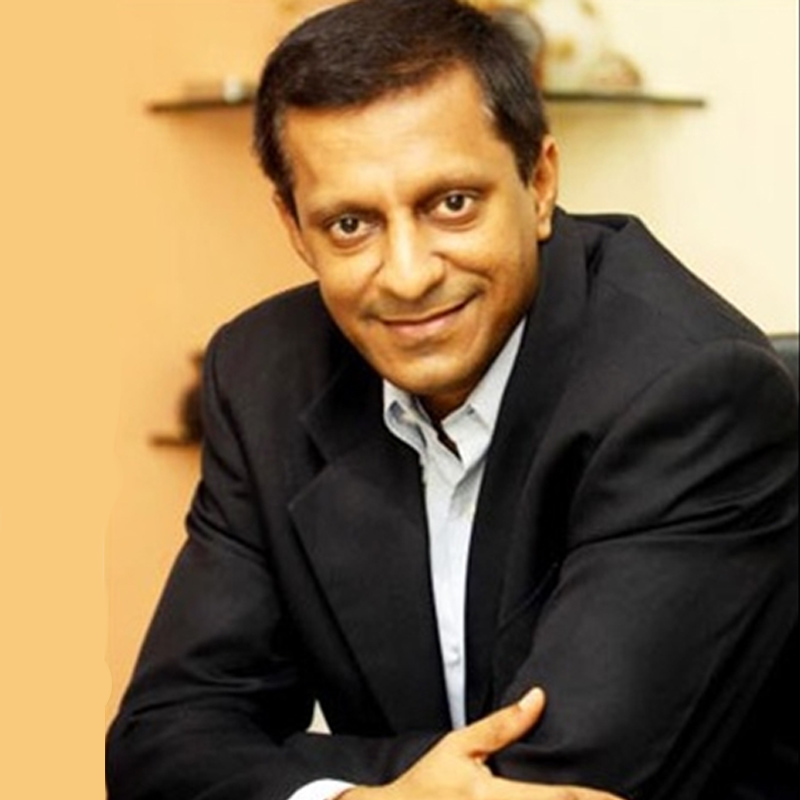
    TAM Media chief executive LV Krishnan explained that the “drop is largely led by softening of market conditions, whereby consumption had dipped, resulting in a cut in ad budgets. This is a pre-GST reduction period.
    Among individual advertisers, Hindustan Unilever remained the heavyweight champion, followed by Reckitt Benckiser India and Godrej Consumer Products. The top ten advertisers accounted for 42 per cent of total ad volume.
    General entertainment channels and news outlets continued to attract the lion’s share of advertising, together accounting for 57 per cent of total volume. News, movies and music saw a marginal drop compared with 2024, whilst general entertainment gained slightly—a sign that high-reach programming still packs a punch.

    Krishnan reckons the final quarter of 2025 will see year-on-year growth, thanks to GST rate cuts that kicked in on 22 September. He estimates the reforms will spur consumption and inject Rs 5,400 crore into overall advertising during the festive season, on top of organic festive growth. 

    If the green shoots turn into a proper recovery, television may yet claw back some swagger. For now, though, it’s licking its wounds.

  • TAM Sports report: Ad volume growth grew by 31% in Asia Cup’23 over Asia Cup’18

    TAM Sports report: Ad volume growth grew by 31% in Asia Cup’23 over Asia Cup’18

    Mumbai: TAM Sports, a division of TAM Media Research, has released the Asia Cup Advertising Report for the year 2023.

    As per the report, indexed ad volume growth grew by 31 per cent in Asia Cup 2023 over Asia Cup 2018 (ODI format). The Ind-Pak match had the highest percentage share of 18 per cent among all the Asia Cup’23 matches.

    The tally of categories (70+), advertisers (55+), and brands (140+) tops in Asia Cup’23.

    The food & beverages (F&B) sector ascended to the first position in the 2023 Asia Cup over the previous two years (2018 and 2022).

    The report states that the top five categories together contributed 43 per cent of overall advertising during the 2023 Asia Cup. Perfumes/deodorants and ecom-gaming were the top categories present among all three Asia Cups i.e. Y 2018-22-23. 30+ exclusive categories sprung up during 2023 over the previous two Asia Cups.

    Vini Product was the leading advertiser in 2022 and 2023, and acquired the second position in the 2018 Asia Cup.

    When it comes to celebrity endorsement during Asia Cup 2023, the ad volumes of celebrity endorsed ads grew by 51 per cent in Asia Cup’23 over Asia Cup’18, whereas it was low by 6 per cent in Asia Cup’22 (T20 Format).

    During Asia Cup’18-23, the maximum number of brand endorsements were done by film actors, followed by sportspersons.

    As per statistics for Asia Cup’23, Akshay Kumar topped among overall celebrities, and Jasprit Bumrah among sports celebrities.

  • TAM AdEx report: Digital witnessed an increase in ad impressions by 33% in Jan-Jun’23

    TAM AdEx report: Digital witnessed an increase in ad impressions by 33% in Jan-Jun’23

    Mumbai: TAM AdEx India has recently released its half-yearly report (for the period Jan – Jun’ 23) on digital advertising.

    The report brings out that the digital medium witnessed an increase in ad impressions by 33 per cent in Jan-Jun’23 compared to Jan-Jun’21. Also, Jan-Jun’22 witnessed a significant surge of 47 per cent compared to Jan-Jun’21.

    Amongst the leading sectors, the services sector retained the top position with 46 per cent share of ad impressions during Jan-Jun’23 compared to Jan-Jun’22. The top two sectors (services and education) together added 54 per cent share of ad impressions on digital. Personal accessories and textiles/clothing were the only two new entrants in the top 10 list of sectors.

    As per the report, out of the leading categories, seven out of the top 10 categories were from the services sector. Ecom-online Shopping was the leading category with seven per cent share of ad impressions during Jan-Jun’23. Multiple courses and cars were the new entrants in the top 10 categories during Jan-Jun’23 compared to Jan-Jun’22. The top 10 categories together accounted for 41 per cent share of digital ad impressions.

    From a list of the top 10 exclusive and common advertisers between digital and TV mediums during Jan – Jun’23, Grammarly Inc. was the leading exclusive advertiser. There were 59k+ exclusive advertisers present in digital and 1800+ common advertisers between TV and digital mediums during Jan-Jun’23.

    The report states that among the top growing categories, 240+ categories registered positive growth. Based on the difference in ad impression, ecom-online shopping leads the list of top 10 growing categories in Jan-Jun’23 over Jan-Jun’22. In terms of growth per cent, the rental services category witnessed the highest per cent growth among the top 10 i.e. 47 times followed by energy drink and hosiery with 46 times and eight times, respectively.

    As per the list of leading web publishers and apps, YouTube (21 per cent) was the top web publisher in terms of ad impressions, followed by Aajtak.in (eight per cent) during Jan-Jun’23 compared to Jan-Jun’22. Whereas, YouTube & YouTube Music lead the list of top 10 apps in Jan-Jun’23.

    From the leading digital platforms and transaction methods for digital advertising during Jan-Jun’23, mobile display was the leading digital platform with 28 per cent share of ad impressions, followed by in-app display with 23 per cent share. Programmatic was the most popular method for promoting ads on digital platforms, accounting for 63 per cent of total ad impressions, followed by the ad network method with 18 per cent share in Jan-Jun’23.

  • TAM AdEx Report: HUL was the top FMCG advertiser in terms of ad volumes in H1’23

    TAM AdEx Report: HUL was the top FMCG advertiser in terms of ad volumes in H1’23

    Mumbai: The recently released TAM AdEx Report throws light on the advertising taken up by the FMCG sector for the period Jan-Jun’23, in the four mediums – television, print, radio and digital.

    Television

    In Jan-Jun’23, FMCG ad volumes on television witnessed a growth of 6 per cent over Jan-Jun’22.

    As per the monthly ad volume trend of FMCG sector on TV for the period Jan-Jun’23, May’23 had the highest share of ad volumes i.e. 17.5 per cent followed by Apr’23 with 17.1 per cent. On the opposite, Feb’23 observed the lowest share of ad volumes of 15.6 per cent.

    Amongst the top categories on TV, four out of the top 10 categories were of food & beverages. Toilet soaps (nine per cent) moved to the first rank in H1’23 over 2nd rank in H1’22. The top 10 categories together added 45 per cent share of ad volumes during Jan-Jun’23.

    In terms of the top advertisers, Hindustan Unilever was first with 23 per cent share of ad volumes among the FMCG advertisers. The top 10 advertisers accounted for 68 per cent share of ad volumes in Jan-Jun’23.

    Among the top 10 FMCG brands, six belonged to Reckitt Benckiser (India). Harpic Power Plus 10x Max Clean retained its first position in Jan-Jun’23 compared to Jan-Jun’22. Close Up Ever Fresh, Colgate Dental Cream, Colin & Santoor Sandal and Turmeric were the new entrants in the top 10 list in H1’23 compared to H1’22. The top 10 brands accounted for 15 per cent share of ad volumes in Jan-Jun’23.

    As per the report, the GEC genre was most preferred by FMGC players on TV in H1’23. The top two channel genres i.e. GEC and movies together accounted 62 per cent of the ad volumes’ share for FMCG sector during H1’23.

    When it comes to the time band analysis for FMCG advertising on TV, prime time garnered highest advertising on TV followed by afternoon and morning time-bands. Prime time, afternoon and morning time bands together accounted for 72 per cent share of ad volumes.

    Print

    When it comes to ad space for the FMCG sector in print, Jan-Jun’23 witnessed a decline of 25 per cent in FMCG ad space compared to Jan-Jun’22.

    As per the monthly ad space trend of FMCG sector in print, Jun’23 observed the highest share of FMCG ad space i.e. 18.9 per cent, followed by Mar’23 with 18.8% share in H1’23. Whereas, Feb’23 had the lowest share of ad space of 13.2 per cent in H1’23.

    Amongst the top 10 categories of FMCG for print, digestives moved up by three positions to achieve the first rank in H1’23 over H1’22. The top 10 categories together added 44 per cent share of FMCG ad space in print during Jan-Jun’23.

    From the top 10 advertisers, SBS Biotech retained its first position in H1’23 compared to H1’22. Sheth Brothers, Godrej Consumer Products, Rohit Surfactants and K P Pan Foods were the new entrants in the top 10 list of advertisers in H1’23 over H1’22. The top 10 advertisers together added 37 per cent share of ad space during H1’23.

    The report brings out that amongst the top 10 brands from FMCG sector in print, Dr Ortho Oil retained its 1st position in H1’23 compared to H1’22. The top 10 brands together added 14 per cent share of ad space in print during Jan-Jun’23. Among the top 10, Kayam Churna Advance Granules & Torque Orthomac Gel were exclusive to H1’23 brands’ list. Brands on rank four (Roop Mantra Ayur Face Cream), six (Ghadi Maha Shaktishali Detergent Powder) and 10 (Dilbagh Signature Finest Silver Elaichi) were the new entrants in the top 10 list during H1’23 compared to H1’22.

    As per zone-wise advertising share of FMCG sector in print, the North Zone was the leading territory in terms of advertising for FMCG sector with a 39 per cent share of ad space during H1’23. Mumbai & New Delhi were the top two cities in pan India during H1’23.

    The report points out that when it comes to advertising promotions of FMCG sector in print, sales promotion for ‘FMCG’ sector accounted for 21 per cent share of ad space in the print medium. Among sales promotions, volume promotion occupied a 36 per cent share of the pie followed by discount promotion with a 24 per cent share in H1’23.

    Radio

    The ad volumes for FMCG Sector on radio increased by seven per cent during H1’23 over H1’22.

    As per the monthly ad volume trend of FMCG sector on radio, May’23 observed the highest share of FMCG ad volumes on radio i.e. 20 per cent followed by Mar’23 with a 19 per cent share. Whereas, Jan’23 & Feb’23 had the lowest share of ad volumes of 14 per cent in H1’23.

    Amongst the top 10 categories of FMCG for radio, pan masala (18 per cent) ascended to the first position during H1’23 compared to 4th in H1’22. Range of OTC Products, and Ice Cream/Frozen Desserts were the new entrants in the top 10 list of categories during H1’23 over to H1’22. The top 10 categories collectively added 65 per cent share of ad volumes in H1’23.

    In the list of top 10 advertisers, Vishnu Packaging moved to the first position with a 12 per cent share of FMCG ad volumes in H1’23 compared to seventh in H1’22. The top 10 advertisers together added a 45 per cent share of FMCG ad volumes in H1’23.

    Talking about the top 10 brands of FMCG sector on radio, Vimal Pan Masala ascended to the first position with 12 per cent share of ad volumes in H1’23 over H1’22 where it was on the seventh position. Himalaya Ashvagandha, Pfizer & Himalaya Gasex Fizz were exclusive brands present in H1’23 compared to H1’22. The top 10 brands together accounted for 34 per cent share of FMCG ad volumes in Jan-Jun’23.

    As per the state-wise share of FMCG advertising on radio, the top three states occupied 56 per cent share of ad volumes for the FMCG sector. Gujarat retained its first position and Uttar Pradesh moved up by one position to achieve the second rank during H1’23 over H1’22.

    The report discusses about the time band analysis for FMCG advertising on radio – advertising for FMCG was preferred in the evening followed by the morning time band on radio. 68 per cent share of the FMCG ad volumes were in the evening and morning time bands during H1’23.

    Digital

    The ad Impressions of the FMCG sector in the digital medium witnessed a drop of 28 per cent in H1’23 over H1’22.

    As per the monthly ad impression trend of FMCG sector on digital in H1’23, Apr’23 and Jun’23 both had the highest monthly ad impressions of 20 per cent, whereas Feb’23 had the lowest share of ad impressions i.e. 12 per cent.

    From the top 10 categories of FMCG for digital, aerated soft drink (nine per cent) was first in H1’23 compared to its 10th position in H1’22. The top 10 categories together accounted for 45 per cent share of ad impressions in H1’23.

    Amongst the top 10 advertisers on the digital medium, Coca Cola topped among FMCG advertisers with a seven per cent share of ad impressions in H1’23 compared to seventh position in H1’22. The top 10 advertisers together added 44 per cent share of ad impressions in H1’23. Hell-Energy was an exclusive advertiser among the top 10 during H1’23.

    In the list of the top 10 brands of FMCG sector on digital, Hear.Com retained its first position with a three per cent share of ad impressions in H1’23 over H1’22. The top 10 brands together added 21 per cent of ad impressions’ share during Jan-Jun’23. Hell Energy Drinks & Hell Energy Coffee were exclusive brands present among the top 10 during H1’23 over H1’22.

    The reports mentions that amongst the transaction methods of digital advertising in the FMCG sector, programmatic (81 per cent) was the top transaction method for digital FMCG advertising based on impressions during H1’23. Programmatic and ad network transaction methods together captured 91 per cent share of FMCG ad impressions on digital.

  • TAM AdEx Report: Hindi movies had highest share of ad volumes of 43 per cent

    TAM AdEx Report: Hindi movies had highest share of ad volumes of 43 per cent

    Mumbai: TAM AdEx has released its half-yearly report for advertising in the movie genre for the period Jan-Jun’ 23. As per the ad volume trends of the news genre, there was a four per cent rise in Jan-Jun’23 compared to Jan-Jun’22. In Jan-Jun’23, ad volumes on movie genre increased by five per cent compared to Jan-Jun’21. May’23 observed the highest share of ad volume of 18 per cent for the period of Jan-Jun’23.

    Jan-Jun’21 and Jan-Jun’23 both had a 21 per cent share of ad volumes for the movie genre, whereas, Jan-Jun’22 had the highest share of other genres of 80 per cent.

    Amongst the top five subgenres of the movie genre, Hindi movies had the highest share of ad volumes in Jan-Jun’23 of 43 per cent. The top five subgenres retained their respective positions during Jan-Jun’23 compared to Jan-Jun’22. The top five subgenres accounted for more than 75 per cent share of ad volumes during both periods.

    As per the tally of categories, advertisers and brands in the news genre (H1’21-22-23), the count of categories in the movie genre witnessed a growth of one per cent in H1’23 over H1’22. The count of advertisers in the movie genre increased by one per cent in H1’23 over H1’21.

    The top three sectors retained their respective positions during Jan-Jun’23 compared to Jan-Jun’22. Banking/Finance/Investment was the only new entrant in the Top 10 Sectors during Jan-Jun’23 compared to Jan-Jun’22. The top 10 sectors together added 92 per cent share of ad volumes during Jan-Jun’23.

    In terms of leading categories, toilet soaps secured first position with eight per cent share of ad volumes in Jan-Jun’23. Biscuits was the new entrant in the top 10 categories with three per cent share of ad volumes in Jan-Jun’23. Four out of the top 10 categories belonged to food & beverages (F&B) sector during Jan-Jun’23. The top 10 categories in Jan-Jun’23 together added 38 per cent share of ad volumes.

    Amongst the top-growing categories, 125+ categories registered positive growth. Toilet soaps observed the highest increase in ad secondages, followed by ecom-gaming during Jan-Jun’23 compared to Jan-Jun’22 in the movie genre. In terms of growth % among the top 10 categories, home insecticides witnessed the highest growth of 8 Times followed by two-wheelers with two times growth.

    When it comes to the leading advertisers in Jan-Jun’23, Hindustan Lever was the leading advertiser with a 15 per cent share of ad volumes, followed by Reckitt Benckiser (India) with an 11 per cent share. Godrej Consumer Products ascended to the third position in Jan-Jun’23 compared to Jan-Jun’22. Pepsi Co and Procter & Gamble Home Products were the new entrants during Jan-Jun’23 compared to Jan-Jun’22.

    As per the exclusive advertisers in the movie genre, 20+ advertisers were present exclusively in the movie genre during Jan-Jun’23. Bosna Digital Entertainment was the top exclusive advertiser in the movie genre followed by My Vishwa Technologies.

    When it comes to the leading Brands in Jan-Jun’23, Glow & Lovely Advanced Multivitamin ascended to the top position. Close Up Ever Fresh, Santoor Sandal and Turmeric, Colgate Dental Cream & Maaza were the new entrants during Jan-Jun’23 compared to Jan-Jun’22. Dettol Toilet Soaps descended to the third position during Jan-Jun’23, after leading the list of the top 10 brands in Jan-Jun’22. Harpic Power Plus 10x Max Clean retained its second position during Jan-Jun’23 compared to Jan-Jun’22.

    As per the report, prime time was the most preferred time-band in the movie genre, followed by afternoon and morning time bands. Prime time, afternoon, and morning time bands together added 64 per cent share of ad volumes.

    When it comes to the ad size in the movie genre in Jan-Jun’22-23, 20-40 sec ad size in this genre witnessed one per cent growth in ad volumes compared to Jan-Jun’22. Ad commercials of 20-40 seconds were most preferred for advertising on movie channels during both periods.

  • Tele-Wise Tamil’s inaugural edition advocates greater involvement of national advertisers in regional markets

    Tele-Wise Tamil’s inaugural edition advocates greater involvement of national advertisers in regional markets

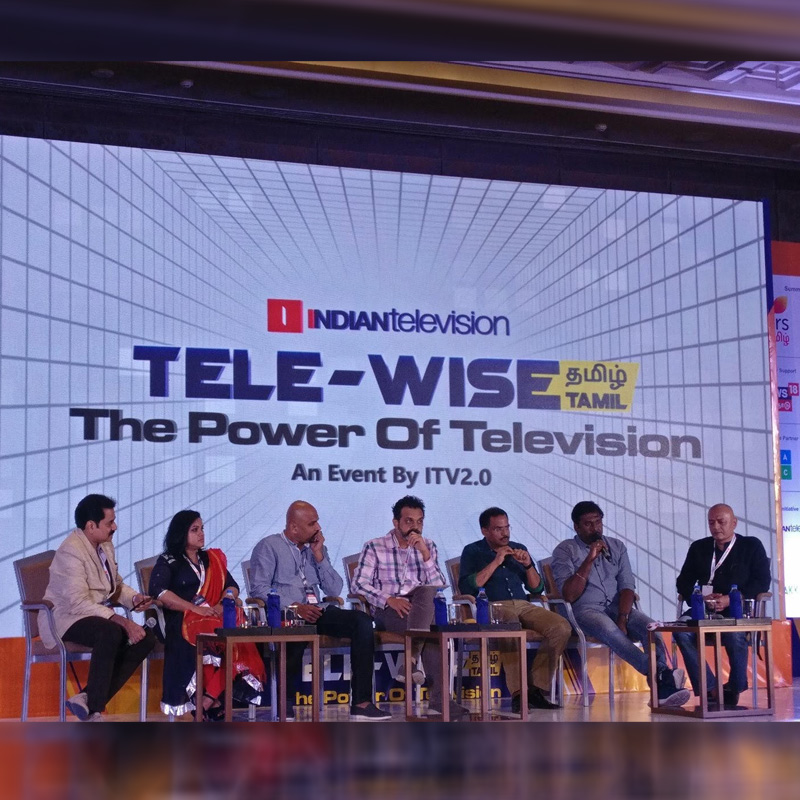
    CHENNAI: Indiantelevision.com hosted the inaugural edition of Tele-Wise Tamil, yesterday in Chennai, with the aim of propelling the power of television in one of India’s biggest regional markets. The event offered a platform to stakeholders in the state’s TV industry to understand, analyse, and find potential solutions to issues faced by broadcasters and advertisers in the state.

    The day-long conference was opened by Indiantelevision.com founder, CEO, and editor-in-chief Anil Wanvari with a welcome speech. Addressing the gathering inclusive of some of the top names from the media and advertising industry from the regional as well as the Tamil market, Wanvari noted that Tamil Nadu is a very vibrant market with a lot of local talent. “They are diverse and open to looking outward,” he said.

    The proceedings of the day began with a presentation by BARC India chief operating officer Romil Ramgarhia who presented a report on the TV-viewing pattern and trends in Tamil Nadu market, which is unique in its viewing pattern and demographics.

    Sharing some interesting numbers around the TV viewership in the state, Ramgarhia noted that 75 per cent of people watch television daily in Tamil Nadu, dominated by 53 per cent women. He added that roughly 15 per cent of all advertisers in India are currently advertising in Tamil Nadu.

    The next item on the agenda was a fireside chat between Zee Entertainment Enterprises Ltd EVP and cluster head—south businesses Siju Prabhakaran and Indiantelevision.com founder, CEO, and editor-in-chief Anil Wanvari.

    The duo discussed the role Tamil Nadu TV market can play for advertisers. Highlighting the sheer opportunity that Tamil Nadu TV space is for advertisers, Prabhakaran said, "Tamil Nadu is the only market that has a high point in every quarter—be it Tamil New Year, or Diwali, or Pongal. National advertisers haven't been able to understand this phenomenon."

    Prabhakaran also emphasised on the need of good young writers to join the TV industry. He said "There is a need for young writers and technicians to come to TV. This is the issue throughout the country that they get enamoured by films and OTT. The onus is on broadcasters to make TV a more attractive medium for them.”

    The chat was followed by the first panel discussion of the day themed ‘Gauging the Might of Market’ between TVS Auto Assist (India) Ltd head marketing Mahima Singh, Wavemaker general manager Rajendra J Prasad, TAM Media Research VP TAM Axis Vinita Shah, Lodestar UM EVP Laya Menon, Paytm Travel GM brand marketing Bhushan Walzade, and Matrimony.com AGM marketing communication India & International Akhil Jain. The panel was moderated by Bodhitree Multimedia Pvt Ltd co-founder and director Mautik Tolia.

    The panel discussed some important topics including the potency of the Tamil Nadu advertising market, and how to get the attention of the screen-agnostic market. The panel unanimously agreed that there is a pertinent requirement for advertisers to create content in the regional language to connect with the people in the state as Tamil Nadu has a lot of potential.

    Elaborating more on the importance of content in regional languages, Menon quipped that national advertisers are very well aware of the fact that to maintain a relationship with the audience they have to go vernacular. “Gone are the days when it was a revelation for national advertisers that they need to bond with these audience using their languages. They now understand that the audience here is culturally-bonded.”

    Walzade added that it is critical for any business to connect with the tier 2 and tier 3 towns as they can contribute massively to the brand growth. He noted that along with language, brands can also work on introducing regional faces as brand ambassadors.

    Speaking about the growth potential that the Tamil Nadu market has, Prasad said, “We rank second in terms of the GDP in India despite being the 6th largest when it comes to population. It proves that Tamil Nadu has a lot of growth potential for not only regional but also national advertisers.”

    Shah noted that in the past five years, Tamil Nadu market has seen an exponential growth brought in by the growing number of GECs and by the top 10 advertisers in the country. However, there is a big gap that needs to be fixed between the viewership and advertising revenue that can be generated.

    Discussing the ways to attract the attention of a screen-agnostic audience to TV, Singh shared that marketers face a lot of challenge to achieve this. She said that the right strategy can be to communicate in a simpler format and in languages that audiences can connect to.

    Jain vouched for the need to maintain a balanced TV plus digital approach to target the consumers. Citing his own example, Jain mentioned that the digital-only approach has once failed for Matrimony.com and he thus maintains the mixed-media approach of marketing despite being a digital-first brand.

    Shah added that only 2.3-3 per cent of advertisers are doing TV and digital advertising, both, and asked the house to put some more thought in the matter for the industry to grow further. 
    After the session, Lowe Lintas regional creative officer Kapil Mishra took center-stage to discuss how marketers can harness the power of TV.

    He said that people should start looking at TV as a software and not the hardware which is a box or flat screen on the wall. “Technology has separated the software of TV from its hardware, changing the whole culture around it and liberating TV as a medium.”

    Bringing his own answer to the looming question of which half of the advertiser’s money gets wasted, Mishra noted that the investments in TV ads don’t get desired return when brands try to be rational and try to say a lot about themselves. “The audience doesn’t want to hear that. They want entertainment. Power of TV lies in emotions.”

    Following Mishra, an elaborate panel took center stage to discuss the ‘Changing Face of Tamil TV’. On the dais were Colors Tamil business head Anup Chandrasekharan, Sun Life content acquisition and Sun TV Network Ltd Kids Entertainment Kavitha Jaubin, Trend Loud CEO Chidambaram Natesan, Star Network deputy business head for Vijay TV Balachandran Ratnavel, Bodhitree Multimedia Pvt Ltd co-founder and director Mautik Tolia, and Polimer TV strategic advisor and consultant Suresh Iyer. The session was moderated by Horse Pictures partner and YuppTV former head Vijay Adhiraj.

    The panel discussed the need for engaging content in regional languages and the challenge that the industry faces in order to attract the younger audience.

    Natesan said that TV-viewing has been under immense change in the past 4-5 years. “Audiences are now very clear what they want to watch. There are no group viewings and more personalised experiences.”

    Speaking on how to keep this changing audience hooked, Ratnavel shared, “If you know who your target audience is and you are sharp in identifying them, you have to stay constantly in touch with them. When you meet your consumers regularly, you know the right filters you need to put on your content.”

    Adding to this, Chandrasekharan said that the content that Tamil TV is offering is evolving with time. “The content Sun TV was offering was largely family dramas, Vijay TV was into romance. ZEE brought that romance in the family. Now that family has expanded within the outer circles as well. In coming times, the content will be more to do with things around family, like complexities in the society.”

    Iyer focused on advertising more. He said, “The content should drive the TG first. Then, at the end of the day, you will survive if you aggregate all the numbers and then give it to relevant advertisers. Platform can be anything.”

    Tolia added that industry will also have to be cognizant of the fact that it is going to get really tough to gain the attention of the younger audience and should work in getting them to watch their content.

    The next event was a fireside chat between Vikatan Group MD B Srinivasan and Anil Wanvari.

    Srinivasan mentioned that he would rather like to get commissioned on OTT space than TV. He also announced that he will soon be launching the first digital daily soap on YouTube. "We will be launching the first digital daily soap soon. It will be 120 episodes and will be aired on YouTube from Monday to Friday. We are hoping the advertisers come on board. If the first 120 episodes are successful, we are also planning to come up with the second season,” he said.

    Havas Group India CEO and media veteran & expert, Anita Nayyar was the next speaker on stage who in detail discussed with the room the concept of ‘Digi-Wise’ through an interesting presentation. She shared that in order to understand TV growth, one should not ignore the role of digital in it.

    Next was a presentation by Kalimark Group joint managing director J Ramesh who shared a brief history of the brand with the room. 
    The next panel discussion happened between SRM University head of marketing and media Chaitanya Gurijala, Challenge advertising founder and CEO R Sakthivel, Kalimark Group JMD J Ramesh, Viveks VP marketing BS Vishal, and Jaya TV Network business head Viswanathan Devraj, on the topic of ‘Retail Therapy’. The session was moderated by WIN News ED, Cornerstone founder president and Puthiya Thalaimurai Group former CEO RBU Shyam Kumar.

    The panel discussed how broadcasters can get retail advertisers on their platform and how the former can leverage the power of the latter.

    While Gurijala mentioned that he has got his main focus on print advertising, J Ramesh noted that around 75 per cent of his ad share goes to television.

    Sakthivel shared that for Tamil TV, almost 20 per cent of ad revenues come from movies, with producers spending as much as Rs 1.75 crore for a two-week campaign.

    BS Vishal added another interesting dimension to the discussion as he noted that the brand shops are struggling to survive in the online as well as the offline world and it is quite difficult for them to get younger consumers to their doors.

    Devaraj shared that as a broadcaster, he is depending on digital to drive retail advertisers to television.

    The panel also discussed the viability of subtitling Tamil content in various languages to get more people to watch their offerings.

    The day was concluded by a presentation by News18 Network CEO-languages Karan Abhishek Singh who spoke on the relevance of news genre in the Tamil Nadu market. He said that news as a genre has grown fastest in the past one year on the growth of regional news.

    The conference concluded as an insightful event that shed some light on the evolving television industry of Tamil Nadu and also presented solutions to some of the problems that it is facing on its way to becoming the dominant force within the country. 
     

  • BARC & TAM JV christened Meterology Data; BARC to hold majority stake

    BARC & TAM JV christened Meterology Data; BARC to hold majority stake

    MUMBAI: The joint venture inked last year between television viewership ratings bodies Broadcast Audience Research Council (BARC) India and TAM Media for a meter management company has been christened Meterology Data Pvt Ltd (MDL).

    The new entity will commence its operations in the next couple of weeks as TAM exits TV viewership measurement business effective 29 February, 2016.

    BARC India will have full management control with a 51 per cent stake in MDL, while TAM India – which includes Nielsen and Kantar – will have a 49 per cent stake.

    As a part of the new system, all TAM India meters will be re-deployed in panel homes selected by BARC India’s sample design. This joint venture will help BARC India in growing its sample size to 34,000 meters covering all of India. 

    MDL’s role will be to run and manage the meter operations and supplying raw data to BARC India. TV viewership data will be computed and disseminated through BMW (BARC India Media Workstation). MDL will manage the panel households and will also be responsible for future TV panel expansions.

    The Spot Monitoring and Channel Monitoring data will be exclusively sold by BARC India to broadcasters, agencies, advertisers and others.

    “The industry was eagerly waiting for this merger to be completed from the time we announced it in August last year. We are happy to state that the joint venture company is complete and all set to kick-off operations,” said BARC India CEO Partho Dasgupta.

    Kantar CEO Eric Salama added, “We will work closely with BARC to ensure a good outcome for the industry and our joint clients. We have worked productively with BARC to get here and under the circumstances, have agreed a good way forward for everyone concerned.”

    “We are happy to collaborate with BARC India. The coming together of BARC India and TAM India has only strengthened the Indian broadcast industry, as they will now be getting viewership trends from a larger panel size,” said Nielsen MD Prashant Singh.

    Up to this point, BARC India and TAM India, both have been generating and reporting TV viewership data individually to the industry. Now, with the completion of this joint venture, BARC India will be the single provider of TV viewership data. 

    TAM Media Research CEO LV Krishnan opined, “I am very happy to see that the JV has finally taken shape. What is even more heartening is that TAM India’s current 12,000 meters, which was built and constructed tirelessly over the last 15 years will get combined to give BARC India a larger and robust TV panel sample base for the industry. We will do our best in providing our expertise to MDL. Meanwhile, TAM India will continue focusing its efforts towards value adding the industry through constant enhancements of its existing businesses.”

    Meanwhile, TAM India will continue providing services like AdEx of TV, Print & Radio AdEx, Daily & Weekly Sales Index Reports, Bollywood & Music Monitoring Dashboards; Audience Measurement in Radio (RAM); Sports Sponsorship ROI Measurement (TAM Sports) and PR Measurement data & Audit services (Eikona) to its clients.

  • BARC & TAM JV christened Meterology Data; BARC to hold majority stake

    BARC & TAM JV christened Meterology Data; BARC to hold majority stake

    MUMBAI: The joint venture inked last year between television viewership ratings bodies Broadcast Audience Research Council (BARC) India and TAM Media for a meter management company has been christened Meterology Data Pvt Ltd (MDL).

    The new entity will commence its operations in the next couple of weeks as TAM exits TV viewership measurement business effective 29 February, 2016.

    BARC India will have full management control with a 51 per cent stake in MDL, while TAM India – which includes Nielsen and Kantar – will have a 49 per cent stake.

    As a part of the new system, all TAM India meters will be re-deployed in panel homes selected by BARC India’s sample design. This joint venture will help BARC India in growing its sample size to 34,000 meters covering all of India. 

    MDL’s role will be to run and manage the meter operations and supplying raw data to BARC India. TV viewership data will be computed and disseminated through BMW (BARC India Media Workstation). MDL will manage the panel households and will also be responsible for future TV panel expansions.

    The Spot Monitoring and Channel Monitoring data will be exclusively sold by BARC India to broadcasters, agencies, advertisers and others.

    “The industry was eagerly waiting for this merger to be completed from the time we announced it in August last year. We are happy to state that the joint venture company is complete and all set to kick-off operations,” said BARC India CEO Partho Dasgupta.

    Kantar CEO Eric Salama added, “We will work closely with BARC to ensure a good outcome for the industry and our joint clients. We have worked productively with BARC to get here and under the circumstances, have agreed a good way forward for everyone concerned.”

    “We are happy to collaborate with BARC India. The coming together of BARC India and TAM India has only strengthened the Indian broadcast industry, as they will now be getting viewership trends from a larger panel size,” said Nielsen MD Prashant Singh.

    Up to this point, BARC India and TAM India, both have been generating and reporting TV viewership data individually to the industry. Now, with the completion of this joint venture, BARC India will be the single provider of TV viewership data. 

    TAM Media Research CEO LV Krishnan opined, “I am very happy to see that the JV has finally taken shape. What is even more heartening is that TAM India’s current 12,000 meters, which was built and constructed tirelessly over the last 15 years will get combined to give BARC India a larger and robust TV panel sample base for the industry. We will do our best in providing our expertise to MDL. Meanwhile, TAM India will continue focusing its efforts towards value adding the industry through constant enhancements of its existing businesses.”

    Meanwhile, TAM India will continue providing services like AdEx of TV, Print & Radio AdEx, Daily & Weekly Sales Index Reports, Bollywood & Music Monitoring Dashboards; Audience Measurement in Radio (RAM); Sports Sponsorship ROI Measurement (TAM Sports) and PR Measurement data & Audit services (Eikona) to its clients.

  • Why NDTV chose to re-subscribe to TAM

    Why NDTV chose to re-subscribe to TAM

    MUMBAI: The warring couple NDTV and TAM Media are back in bed and under the sheets together with the news network organisation re-subscribing to the TV ratings service in early April.  If readers will recollect, both NDTV and TAM have been having several rounds of fisticuffs – in court and in industry forums – about how its services are flawed and how it incorrectly depicts its viewership.


    Industry professionals are raising their eyebrows questioning how this rancour was resolved? 


    It may be recalled that several broadcast networks had rallied against TAM’s TV ratings service in mid-2013, and some had even chosen to unsubscribe. Many of them, however, backtracked and re-subscribed, following TAM’s assurance that they would heed broadcasters’ requests.


    NDTV, for its part, had chosen to unsubscribe to TAM data beginning 21 September 2013, holding on to its stand about the flawed nature of the TV viewership ratings.


    TAM continued monitoring NDTV on a weekly and monthly basis and providing its data to subscribers – broadcasters, agencies and marketers. But a little while later the rating agency chose to stop providing detailed programming and TV commercial level data to its subscribers. So advertisers, agencies could not fathom how viewers where consuming the NDTV network’s programmes or the commercials it was airing on a second by second basis, say observers close to the situation. This led them to start giving the network a go-by from media plans. And this is what hurt NDTV as advertisers and agencies started questioning if they were getting a bang for their buck for ad dollars spent on the channel. The NDTV senior management was also fearful that its ad revenues which were showing signs of weakening could be impacted further because of the lack of detailed viewing data.


    Simultaneously, it was investing in relaunches, revamps of its existing channels, and in its retail ecommerce venture. Additionally, the nationwide elections were coming up in the world’s largest democracy which are expected to be a revenue bonanza for most news channels.


    In order to feature in media planners’ plans it needed to have its detailed numbers being provided in the TAM data sent out to  subscribers. Hence, it had to per force subscribe once again to TAM’s viewership ratings service.


    Senior NDTV sources say that TAM manipulated and compelled it to re-subscribe by stopping doling out the detailed programming and commercial data, even as they continue to hold the view that TAM ‘s viewership data monitoring is flawed – along with the industry, the MIB and TRAI.


    “We need TAM’s ad data. TAM, in its present form has to end in due course, and BARC, the new industry standard is coming soon,” says a senior NDTV executive. “In the case of NDTV the flawed TRP data is not matched by any other data which has shown us to be leaders.” 


    TAM representatives however say that its hand was forced as NDTV had unsubscribed and failed to renew its contract which allows it to monitor a broadcasters’ content.


    Clearly, a truce seems to have been called, but it appears to be one which was forced and is probably only for the short-term.


    (Updated on 12 May 2014 at 3:33 pm)

  • Cabinet gives go-ahead to TV ratings regulatory mechanism

    Cabinet gives go-ahead to TV ratings regulatory mechanism

    NEW DELHI:  The Union Cabinet today gave the go-ahead to the television ratings guidelines ,which had earlier been proposed by the Telecom Regulatory Authority of India (TRAI) in September 2013, cleared by the Ministry of Information and Broadcasting (MIB) in November. The ministry had then forwarded the proposed guidelines for the cabinet’s approval. With the cabinet’s clearance the MIB will now have regulatory control over TV ratings agencies in India.


    This was disclosed by MIB minister Manish Tewari after the cabinet meeting.


    The guidelines cover detailed procedures for registration of ratings agencies, eligibility norms, terms and conditions of registration, cross holding restrictions, methodology of audience measurement, a complaint redressal mechanism, sales and use of ratings, audit, disclosure norms, reporting requirements and action on non-compliance of guidelines etc.


    The guidelines state that TV ratings providers – including TAM Media which is the industry standard currently – will have to first get registered with the MIB. The registration will be given to them only if they comply with the rules the TV ratings guidelines have enumerated. Among these figure:


    * No single company / legal entity either directly or through its associates or interconnect undertakings shall have substantial equity holding that is, 10 percent or more of paid up equity in both rating agencies and broadcasters/advertisers/advertising agencies. 


    * The ratings agency should have a net worth of at least Rs 20 crore.


    * Panel homes for audience measurement shall be drawn from the pool of households selected through an establishment survey. A minimum panel size of 20,000 is to be implemented within six months of the guidelines coming into force. Thereafter the panel size shall be increased by 10,000 every year until it reaches 50,000. 


    * Ratings ought to be technology neutral and shall capture data across multiple viewing platforms viz. cable TV, Direct-to- Home (DTH), Terrestrial TV etc. 


    * Secrecy and privacy of the panel homes must be maintained. 25 percent of panel homes shall be rotated every year. 


     * The rating agency shall submit the detailed methodology to the Government and also publish it on its website. 


    * The rating agency shall set up an effective complaint redressal system with a toll free number. 


    * The rating agency shall set up an internal audit mechanism to get its entire methodology/processes audited internally on quarterly basis and through an independent auditor annually. All audit reports to be put on the website of the rating agency. Government and TRAI reserve the right to audit the systems /procedures/mechanisms of the rating agency. 


    * Non-compliance of guidelines on cross-holding, methodology, secrecy, privacy, audit, public disclosure and reporting requirements shall lead to forfeiture of two bank guarantees worth Rs 1 crore furnished by the company in the first instance, and, in the second instance shall lead to cancellation of registration. For violation of other provisions of the guidelines, the action shall be forfeiture of bank guarantee of Rs. 25 lakh for the first instance of non-compliance, forfeiture of bank guarantee of Rs 75 lakh for the second instance of non-compliance and for the third instance, cancellation of registration. 


    * A time of 30  days would be given to the existing rating agency to comply with the guidelines. 


    * The guidelines would come into effect immediately from the date of notification. 


    The Guidelines for Television Rating Agencies in India are designed to address aberrations in the existing television rating system. These guidelines are aimed at making television ratings transparent, credible and accountable. The agencies operating in this field have to comply with directions relating to public disclosure, third party audit of their mechanisms and transparency in the methodologies adopted. This would help make rating agencies accountable to stakeholders such as the Government, broadcasters, advertisers, advertising agencies and above all the people. 


    Television Rating Points (TRPs) have been a much debated issue in India since the present system of TRPs has reportedly not found favour with industry, consumer groups, broadcasters, agencies, government who have said they are riddled with several maladies such as small sample size which is not representative, lack of transparency, lack of reliability and credibility of data etc.


    In 2008, the MIB had sought recommendations of TRAI on various issues relating to TRPs and policy guidelines to be adopted for rating agencies. TRAI, in its recommendations in August 2008, had amongst other things recommended the approach of self-regulation through the establishment of an industry-led body, that is the Broadcast Audience Research Council (BARC). 


    The MIB had constituted a Committee under the Chairmanship of Dr. Amit Mitra, the then Secretary General FICCI, in 2010 to review the existing TRP system In India. The committee also recommended that self-regulation of TRPs by the industry was the best way forward. 


    Since, the BARC could not operationalise the TRP generating mechanism, the  sought recommendations of TRAI in September 2013 on comprehensive guidelines/accreditation mechanism for television rating agencies in India to ensure fair competition, better standards and quality of services by television rating agencies. TRAI recommendations on Guideline for Television Rating Agencies were received in September 2013. While supporting self-regulation of television ratings through an industry-led body like BARC, TRAI recommended that television rating agencies shall be regulated through a framework in the form of guidelines to be notified by MIB. It also recommended that all rating agencies, including the existing rating agency, shall require registration with MIB in accordance with the terms and conditions prescribed under the guidelines.