Tag: sustainability

  • “Both my daughter and The Green Loom are my cherished endeavours”: The Green Loom’s Seeza Bharadwaj

    “Both my daughter and The Green Loom are my cherished endeavours”: The Green Loom’s Seeza Bharadwaj

    Mumbai: In the ever-evolving world of skincare, a new era has dawned, marked by a growing preference for natural beauty. Consumers today seek more than just flawless skin; they demand transparency and sustainability from the brands they trust. As the beauty industry pivots towards conscientious practices, skincare brands are redefining the narrative by championing authenticity, eco-friendly initiatives, and a commitment to the well-being of both users and the planet.

    Founded in 2018, The Green Loom is a direct-to-consumer (D2C) skincare brand committed to promoting and enhancing natural beauty through its range of natural products. The brand is dedicated to formulating eco-friendly skincare solutions, devoid of harmful artificial substances like parabens, petrochemicals, sodium lauryl, synthetic colors, and dyes.

    Founded by Seeza Bhardwaj, a mompreneur, The Green Loom was born out of her passion for skincare and environmental responsibility. She envisioned a brand that not only caters to diverse skincare needs but also upholds values of transparency and sustainability. She strongly believes in the nourishing capabilities of nature and seeks to enhance one’s natural beauty through the brand’s skincare range.

    Indiantelevision.com in an email chat with The Green Loom founder Seeza Bharadwaj delved into her journey as a mompreneur, the skin care brand’s establishment and distinct aspect and much more…

    Edited Excerpts:

    On the transition from being a mom to founding The Green Loom and the journey since its inception in 2018

    A: My journey toward founding The Green Loom stems from a deep-rooted passion for farming. My experience spans five years with the NGO Kheti Virasat Mission in Punjab, where I honed my skills in organic farming under the guidance of Dr. Vandana Shiva at her farm in Dehradun back in 2013. This journey led me to organise permaculture courses in Punjab, collaborating with experts like Dr. Narsana Koppula and Mr. Amol Ghag from Ficus Panda, Mumbai. Prior to delving into entrepreneurship, I dedicated almost a decade to working in various farms.

    Initially, I began working under the name ‘Green Love’, where I supported individuals with their kitchen gardens and assisted farmers in selling their produce on a small scale. However, despite the impact, it did not yield financial returns and felt more akin to social work. I attempted to emulate my mother’s successful clothing store business model but didn’t encounter success there eventually leading to closure of the venture.

    Later, when I became pregnant, my ability to travel and dedicate extensive effort diminished. Throughout, my underlying ethos remained steadfast: my professional pursuits had to be environmentally friendly and sustainable. During my pregnancy, I devoted substantial time to introspection. It was here when a discussion with a friend revealed mutual interest, prompting us to initiate The Green Loom as partners. Thankfully, our family friends, who ran a small factory producing natural cosmetics, understood my vision and requirements and we collaborated on formulations. I took care of branding such as logo design, naming, and packaging. In July 2018, we officially launched the brand – The Green Loom

    Two months post-launch, my partner opted to leave due to her impending motherhood. It was during this period, with my daughter Zahanvi at three months old, that I assumed sole ownership. Her arrival was serendipitous and a constant source of gratitude for me.

    The inception of the Green Loom was fuelled by passion. However, navigating today’s business landscape demands more than passion—it necessitates a profound understanding of business dynamics. I encountered and learned from my fair share of mistakes. I realised that marketing is the cornerstone; irrespective of producing high-quality products, without effective marketing, success remains elusive. Learning this lesson took time, but it was an essential raw material in the fabric of our success.

    On The Green Loom differentiating itself from its competitors and the brand adhering to the latest ASCI regulations

    In an already crowded skincare market, our brand distinguishes itself by adhering to our core principles of being natural, sustainable, and straightforward. Our commitment to sustainability extends to our packaging practices, favouring ‘made in Bharat’ ingredients in our formulations while minimising the use of imported elements. We prioritise reducing our carbon footprint across production and distribution processes. Emphasising multi-utility products, we steer clear of advocating an abundance of skincare items. Educating our consumers about this philosophy remains a key focus for us.

    Regarding the ASCI guidelines, we welcome these regulations wholeheartedly. There’s a genuine concern about unchecked information within the online influencer market, especially considering their significant influence on a young demographic. We’ve observed instances where young individuals, influenced by online personalities, have harmed their skin by using inappropriate products.

    While we appreciate these guidelines, there are lingering concerns. Celebrities and influencers carry significant responsibility in endorsing brand claims, yet the guidelines primarily address larger influencers with over 50k followers. This leaves a substantial portion of influencers outside the purview of these regulations.

    However, there’s a growing awareness among consumers regarding influencer dynamics. Brands now predominantly rely on social media influencers to reach a wider audience. Yet, there’s a concern for the younger generation who often take everything they see on social media at face value. False claims propagated by brands and celebrities/influencers could significantly impact them adversely.

    On The Green Loom standing out in prioritising transparency and authenticity in skincare, in an era dominated by influencers

    In the age where influencers dominate the skincare landscape, The Green Loom stands out by placing a premium on transparency and authenticity. Recognising that marketing is an essential component, I’ve invested considerable time in comprehending its dynamics. It’s evident that having the finest product isn’t enough; effective marketing is pivotal for success.

    In today’s rapidly evolving market, the allure of new trends can overshadow brands. However, our commitment lies in staying true to our core principles and values. To infuse vitality into our brand and products, we conducted a six-month study, meticulously analysing various influencers and journalists who genuinely believe in and use our products. Our approach involves allowing them to authentically experience and share their unbiased opinions with their audiences, devoid of scripted endorsements.

    During the last six months, we’ve organically garnered online reviews, emphasising genuine experiences with our brand. While we’ve just begun collaborating with influencers, our foremost objective remains creating educational content centered around skincare. Our aim is to underscore the significance of transparency and natural ingredients, ensuring that our messaging aligns with our core values.

    On challenges that have you encountered as a mompreneur in the skincare industry and these experiences shaping the brand growth

    Both my daughter and The Green Loom are my cherished endeavours. I have dedicated countless hours and effort to nurture them. For two years, I operated as a lone force propelled by passion. It’s been an emotionally charged journey—moments of solitude, frustration, and overwhelming situations that meditation helped me navigate. Throughout, I’ve consciously shielded my baby from the stresses of my business, aiming to relish both motherhood and work without regrets. I view every up and down as a beautiful memory shaping this journey.

    My initial clarity was to prioritise my daughter for the first five years. During this time, I delved into a professional course on natural skincare, extensively researched ingredients, and sought to understand consumer behaviour. I immersed myself in learning the trending ingredients and products and differentiating the role of cosmetologist and dermatologists.

    Individuals are usually reluctant to experiment with new skincare brands. To tackle this, I conducted exhibitions that helped me converse with people, gaining insight into their needs. Understanding the psychology behind customers’ willingness to invest in chemically loaded products for status intrigued me. Following this, I decided to personally engage with customers for two years, educating them about our products while learning from them. Hosting workshops on natural skincare, traditional food, and health became a means to connect and inform.

    2020 was supposed to be a defining year. Plans to expand into eco-friendly wedding invites and gifting were in motion, investments made, and our launch scheduled at a family wedding. However, the sudden lockdown in March halted our momentum, resulting in zero sales initially. Gradually, once courier services resumed, we regained our footing, adapting our business model along the way.

    On The Green Loom actively contributing to your vision of educating the younger generation about natural beauty, and the impact that you hope to make on their skincare choices

    Over the past three years, I’ve been actively engaged with a girls’ college in Chandigarh, initiating my first session through a webinar in 2020. I would like to share an incident that deeply resonated with me, affirming my ability to make a positive difference in someone’s life. Attending one of my sessions at the college, there was a 19-year-old girl, about to enter an arranged marriage due to familial pressure despite her desire to pursue education. She felt burdened by her dark complexion, a point of concern for her family. She reached out to me and after our conversation, she recognised her lack of self-love and respect. This realisation empowered her to confront her parents about her aspirations. Fortunately, her parents supported her decision and she continued with her higher education.

    I’ve extended these talks to three colleges, conducted over ten workshops, and organised webinars for the wives of Army regiments. In today’s overwhelming sea of information, particularly for teenagers, the unrealistic definition of beauty inundates them. It’s crucial to guide them towards self-acceptance and prioritise their lifestyle and dietary choices before external skincare products.

    My aim is to instil in them the importance of self-care and using skincare products out of love rather than self-hate. Sadly, societal pressures often lead these young individuals to despise their skin and bodies, driving them to use products merely to conform to a manufactured beauty standard. I aspire to change this narrative, encouraging them to embrace and nourish their natural beauty.

    On the development process of your skincare products ensuring they cater to diverse beauty needs

    Our approach to product development involves meticulous research on ingredients, prioritising formulation based on efficacy rather than following fleeting trends. Primarily utilising oils, butters, hydrosols, and herb and flower powders, we draw heavily from Ayurveda and ancient skincare wisdom. Our philosophy revolves around simplifying skincare and body care, making it both accessible and pleasurable while integrating deep-rooted knowledge.

    On future expansion plans and your vision and mission for the next three years

    The Green Loom transcends the mere sale of products; it embodies a mission to deeply engage with the upcoming generation, fostering a profound connection with both themselves and the natural world. We envision skincare as more than an external application; it’s about holistic well-being. By the end of next year we will have three separate services

    1.   E-commerce: Our platform will continue to curate and sell high-quality products. Content creation will play a pivotal role, focusing on disseminating ancient knowledge and holistic self-care practices for body and mind.

    2.   Workshops and talks: Engaging with colleges and various institutes is a significant avenue for us. These platforms not only allow us to connect with new consumers but also serve as an indirect channel for product introduction and sales.

    3.   Eco-friendly and sustainable gifting: In a world increasingly conscious of environmental issues, this remains an underexplored market. We’re passionate about delving into this realm, offering eco-conscious gifting options while raising awareness about sustainability. 
  • We have always aimed to not only grow the brand but also the e-cycle segment: Hero Cycles CMO Rachit Gupta

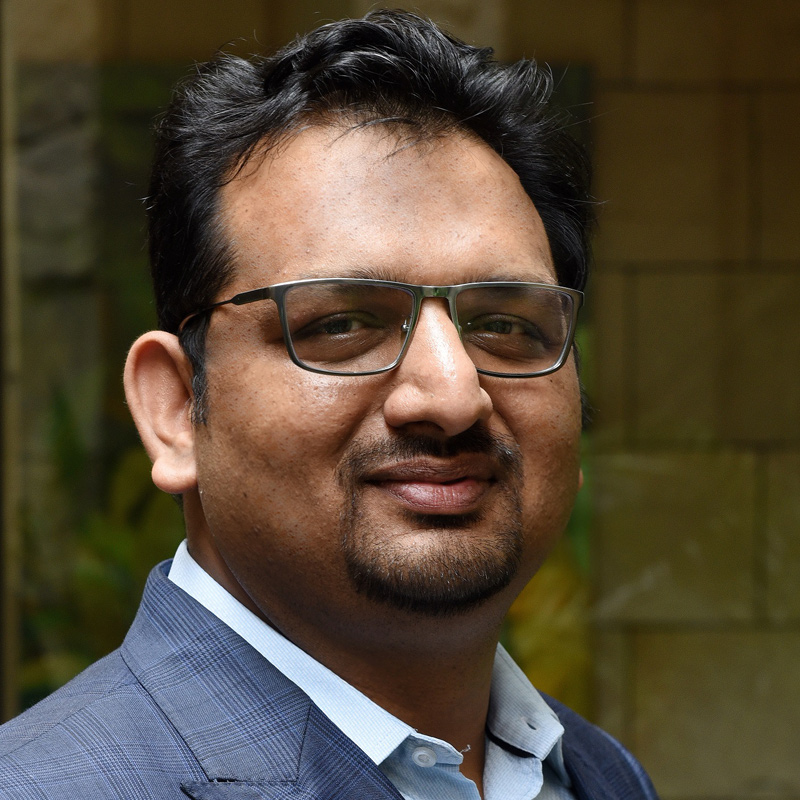
    We have always aimed to not only grow the brand but also the e-cycle segment: Hero Cycles CMO Rachit Gupta

    Mumbai: The unassuming bicycle has come a long way today from its humble antecedents in India. From being the go-to means of transport for the common man for decades, especially amongst the lower-income strata of society, it has seen a resurgence of sorts in recent years. The modest two-wheeler is slowly gaining popularity in its modern and technologically advanced avatars among the younger and affluent populace, not in the least due to the fitness and adventure biking priorities fuelled by the pandemic. Growing congestion, industrialisation, and an increasing focus on sustainability are also pushing a rising demand for cycles in India.

    Today, the Indian bicycle industry is dominated by roadsters, premium mountain bikes, sports bikes, hybrid bikes, touring bikes, and other categories. The e-bike movement has also been gearing up in the last few years. By 2022, e-bikes are expected to hold a 50 per cent stake in the overall bicycle market on a global basis as an increasing number of people are opting for e-cycles for their everyday short-distance commutes. The Indian e-cycle market is growing at a CAGR of 55 per cent as per data for the forecast period of 2021–2026. Increasing fuel prices coupled with the expensive and time-consuming maintenance of regular alternate or traditional choices have paved the way for the growth of e-cycles in India.

    Hero Cycles, the flagship company of Hero Motors Company, was established in 1956. Today, the brand is considered the single largest producer of bicycles in the world, claiming to produce up to 19,000 cycles per day.

    Rachit Gupta took over the marketing reins of Hero Lectro—the e-cycles division of Hero Cycles—in August 2020, when India and the world were in the throes of the Covid-19 pandemic. Today, the company is leading the electric revolution in India and holds a dominant position in this fledgling business, as it grows 100 per cent Y-o-Y, adding lakhs of new e-cycle users every year. In April this year, Gupta’s role was expanded to include chief marketing officer of Hero Cycles.

    Indiantelevision.com caught up with Gupta for an interaction on the Indian cycle market, the impact the pandemic has had on it, and the emerging e-cycle space. Gupta also shares his views on the evolving trends, opportunities, and challenges in the industry and on the road ahead for the world’s largest cycle manufacturer, while keeping a firm eye on the global bicycle market.

    Edited excerpts:

    On whether the Indian market is ready for e-cycles, with regards to infrastructure, charging and servicing facilities

    Rachit: The Indian market is absolutely ready for e-cycles. The best part about e-cycles, unlike other electric vehicles, is the fact that you just need a regular plug point to charge them. There are no special charging ports. Additionally, more and more states across the country are investing in cycling infrastructure, which is definitely boosting the adoption of e-cycles and cycles as a whole.

    On the key drivers for the growth of electric cycles in India

    Rachit: E-cycles are still an expensive purchase for most commuters given the increasing cost of their electronic components and batteries. Just as the EV sector has seen, e-cycles also need support from the government to boost the overall growth numbers of the category. Delhi was the first state to include e-cycles in their EV policy, providing direct subsidies to riders, and we have already seen a 2X increase in quarterly e-cycle sales. We are in touch with several other states and the central government and hope to see more good news for the category soon.

    On the emergence of the e-cycle segment in the domestic cycle market, especially in the last couple of years

    Rachit: The pandemic has definitely changed the behaviour of consumers. We have seen the e-cycle market get a much-needed push with a lot of people making sustainable and conscious lifestyle changes. In the first year of the pandemic, we saw a huge surge in demand, which has continued till date. We have been leading the e-cycle race in India with an overall of 1,00,000 e-cycles sold across the country.

    Our key focus lies in both the urban and semi-urban markets as there is a strong demand for short-distance commutes (70 per cent of Indians who commute within a range of 20 km daily). We also believe that young people and first-jobbers aged between 18 and 25 are an important target audience for us as they love to seek new and more connected experiences. At present, about six out of ten bikes that we sell are accounted for in non-metro tier II and tier III cities. While in the metro cities, there has been a significant rise in female riders and we have seen that people staying within a proximity of 15 km of their workspace have started to use e-cycles.

    On the brand’s marketing strategy to reach out to their core TG for e-cycles

    Rachit: There are two primary target markets for e-bikes: commuters who benefit from the per-kilometre cost of only seven paise/km of an e-cycle and commuters who find transportation cheaper than any other mode of transportation for short-distance commutes. The other is an urban rider, who is conscious of the environment, their carbon footprint and their own health while going out on leisure or fitness rides. Our primary focus for both of these audiences is through digital media.

    Our e-commerce-enabled website for Hero Lectro was launched only a few months back and is getting great traction due to its simple UI/UX and interactive features such as AR. It has helped promote D2C sales and strengthen our overall omni-channel presence. It provides a virtually interactive and immersive experience into the world of Hero Lectro and soon to be launched Hero Cycles, giving customers the ease and convenience of buying from an online platform, and offers a host of other services to customers along with doorstep delivery without having to visit a physical store.

    In addition to this, we have a robust omnichannel sales and distribution network with 600 outlets plus e-commerce channels, across 150 cities in India.

    All of this aligns with our vision of transforming the way Indians commute and making cycles and e-cycles a preferred mode of personal mobility for them, helping us maintain a positive outlook.

    On the brand’s USP in the domestic electric cycles space that has seen a number of entrants in the past few years

    Rachit: Hero Lectro has been a leader in this category since the launch of our very first e-cycles almost four years ago. We welcome the entrance of competition as it is an indicator of the increasing consumer demand for e-cycles. Having the advantage of the ‘trust’ that consumers have in brand Hero, along with the technological and design innovations that we have brought forth, helps us build a deep connection with our Lectrons (customers).

    We are an evolving brand and are constantly launching new models based on various customer insights. These insights are gathered to develop new technologies to enhance the overall rider experience. A prime example of this is our technology, which represents New Ride Geometry, Smart Fit Ergonomics, along with Strong and Light Materials (GEMTECTM), and aims to redefine urban commutes and adventure trails while inspiring users to seek out new experiences.

    On the Group’s roadmap for export and global expansion.

    Rachit: At Hero, we have recently invested Rs 400 crore in developing a new facility at Hi-Tech Cycle Valley, Ludhiana, Punjab. Our aim is to manufacture five lakh cycles this year, followed by another ten lakh units and 40 lakh units in the years 2023 and 2024 respectively.

    The major export markets that we see for e-cycles are Europe and America, with the quality of e-cycles that we make in India being appreciated by them. To capitalise on the growing demand for the same, Hero e-cycles is in talks with several international brands for manufacturing cycles under the white-labelling concept, which will also drive our next phases of growth. Our aim is to become one of the top five e-cycle OEMs (original equipment manufacturers) in the world, and this has been possible with our legacy and prowess that we have been able to create for ourselves in the space of cycle manufacturing.

    We, at Hero Lectro, have always aimed to not only grow the brand but also the e-cycle segment. The 100-acre Hero E-Cycle Valley in Punjab is a critical element in consolidating our ambition to make India a global manufacturing hub of premium bicycles and e-cycles.

  • Tata Consultancy Services is India’s ‘Most Valuable Brand’: Kantar BrandZ report

    Tata Consultancy Services is India’s ‘Most Valuable Brand’: Kantar BrandZ report

    Mumbai: Tata Consultancy Services ($45.5 billion) is the new number one ‘most valuable Indian brand,’ claiming the top spot from HDFC Bank (number two, $ 32.7billlion) which had held the position since the first ranking was unveiled in 2014, as per the latest Kantar BrandZ report on ‘Top 75 Most Valuable Indian Brands.’ TCS’s brand value has been accelerated by global demand for automation and digital transformation following the pandemic.

    India’s strongest brands have bounced back from the pandemic to increase their brand value by a massive 35 per cent CAGR (compound annual growth rate) since 2020, when Covid -19 hit the country, according to the report.

    India’s top 75 brands are worth a combined $393 billion, equivalent to 11 per cent of India’s national GDP. Moreover, the growth rate of the ‘Kantar BrandZ Top 75 Most Valuable Indian Brands’ outpaces the rate of growth being posted in other major markets around the world.

    ‘The Top 10 Most Valuable Indian Brands’ together contribute just over half of the ranking’s total value. There has been significant movement at the top, in addition to the two most valuable brands switching positions. There are two new entrants – Infosys ($29.2 billion) which has rocketed up to the third spot from the 12th position, and ICICI Bank ($11 billion) which has climbed two places to number nine. State Bank of India ($13.6 billion) has also risen four places to sixth position.

    There are brands from 23 different categories in the 2022 Indian Top 75. There are a total of 14 newcomers, from 11 categories – including online gaming, education, apparel and real estate, reflecting the diversity and dynamism of the Indian economy.

    Technology and banking brands account for over half of the total value. Six B2B tech brands and 11 consumer tech brands contribute 35 per cent to the total value of the ranking, reflecting the rise of tech India. Overall, B2B brands (tech and payments) are on average almost three times as valuable as B2C brands, reflecting the fact that many of the B2B brands play on the global stage while B2C are more focused on the domestic market. Six banking brands deliver 19 per cent of the total value. Also notable for their performance are insurance brands, which have performed well as the pandemic increased consumers’ focus on the protection of life and health and telecom providers, led by Airtel (Number four; $17.4 billion) and Jio (Number ten; $10.7 billion), which took full advantage of growth opportunities as everything moved online, from education to work to parties.

    Key newcomers to the ranking include Vodafone Idea (VI) (No.15; $6.5 billion); formed from a merger between VI, Byju’s (No.19: $5.5 billion), the educational technology brand that has become India’s most valuable education brand and Adani Gas (No.21; $4.5 billion).

    Kantar – South Asia’s insights division executive managing director Deepender Rana says, “India’s leading brands have grown at an exceptional rate, despite global economic headwinds, putting the disruption from COVID-19 behind them. Indeed, they have both driven and benefited from the transformation in consumer and business behaviour as a result of Covid-19, especially where it relates to the use of technology. The challenge now is to sustain momentum as inflation bites worldwide and consumers and businesses adjust to the new normal. Brand owners will need to work harder to identify and build on what makes them worth paying for and ensure ROI on their marketing expenditure to avoid a margin squeeze.”

    The pillars of brand building in India

    Kantar BrandZ has identified four fundamentals responsible for powering brand growth: function, convenience, experience and exposure. India differs from other markets around the world, however, in that a brand’s sustainability credentials and purpose matter more.

    Overall, 65 per cent of Indians feel anxious about climate change, and 64 per cent believe businesses must play their part. The highest-ranking brands in the Top 75 are clear on purpose and have a relevant sustainability agenda. These include the services platform Zomato (No.30; $3.1 billion), which offsets the carbon footprint of its deliveries and packaging. Swiggy (No.20; $4.8 billion) elevates the quality of life of consumers with the speedy delivery of meals, groceries and healthy items, as does Flipkart (No.12; $8.9 billion), while also helping smaller local brands to connect with consumers via its platform.

    Kantar’s insights division managing director Soumya Mohanty says: “Purposeful and sustainable brands are rewarded. Indian consumers look further than the brand attributes that affect them personally – they want brands to improve people’s lives and have a positive impact on wider society. They vote with their wallets, choosing brands they see as ‘doing the right thing.’ Indian brands should have a clear view of their purpose, connect strongly with it by embedding it in their culture, talk about it in creative and powerful ways, and deliver on it – without fail.”

    Salience – the ability of brands to spring quickly to mind when a consumer has a need – is also vitally important. India’s Top 10 brands are far more salient than their counterparts in most other countries. However, for growth to be supercharged, brands must have a strong meaning. They should have functional meaning – doing a good job of fulfilling a need – but also a layer of emotional meaning. The Kantar BrandZ India Top 75 far exceeds other Indian brands on all of these vital predictors of success.

    Other key highlights from the analysis include:

    57 of the brands in 2022 Top 75 have been in the ranking since 2018, while 19 have moved up the league table.

    The share prices of companies behind strong brands are protected in a ‘bear’ market and recover more quickly. Between August 2014 and June 2022, the sensex India Index gained 63.8 per cent, while a portfolio of the most valuable Indian brands rose 81.8 per cent.

    There are 11 consumer tech brands in the Top 75, reflecting the increasingly digital way Indian consumers live, which is 11 per cent of the total brand value. The four most valuable brands in this category are Flipkart (No. 12; $8.9 billion), Byju’s (No. 19; $5.5 billion), Swiggy (No. 20; $4.8 billion) and Nykaa (No. 25; $3.7billion).

    Kantar BrandZ Top 10 Most Valuable Indian Brands 2022

    [[{“fid”:”1095009″,”view_mode”:”default”,”fields”:{“format”:”default”,”alignment”:””,”field_file_image_alt_text[und][0][value]”:false,”field_file_image_title_text[und][0][value]”:false},”type”:”media”,”field_deltas”:{“1”:{“format”:”default”,”alignment”:””,”field_file_image_alt_text[und][0][value]”:false,”field_file_image_title_text[und][0][value]”:false}},”attributes”:{“class”:”media-element file-default”,”data-delta”:”1″}}]]

  • 12th IAA Olive Crown Awards: Kirloskar bags ‘Green Campaign of the Year’ award

    12th IAA Olive Crown Awards: Kirloskar bags ‘Green Campaign of the Year’ award

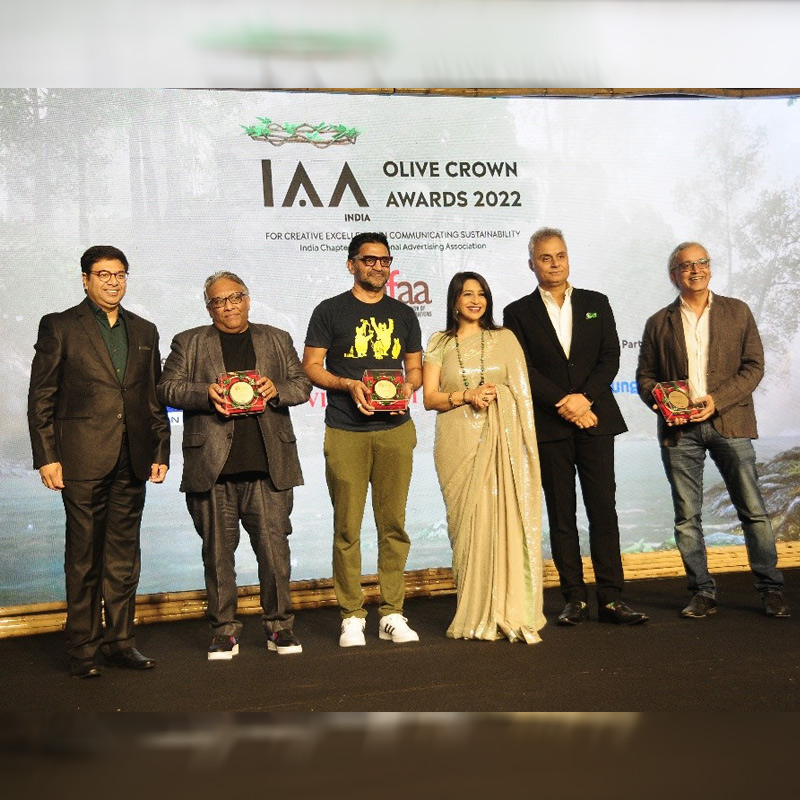
    Mumbai: Adland rolled out the green carpet at the 12th edition of the Olive Crown awards hosted by the India Chapter of the International Advertising Association (IAA) on 28 April in Mumbai. The awards acknowledged the remarkable work of those individuals and corporates who drove the message of sustainability or ‘green advertising.’

    The awards were presented across 16 different categories, including the coveted title ‘Green Crusader of the Year’ award, which was presented to Sadhguru for his efforts to ‘Save Soil’ and his new endeavour of a 100-day long motorcycle journey to spread awareness about soil degradation.

    ‘Green Campaign of the Year’- gold was bagged by Kirloskar – Limitless for its ‘Mother Nature Says Hello’ campaign, while Reliance Industries won the ‘Green Brand of the Year’- gold for its ‘Stories of Sustainability.’

    Chirag Rural Development Foundation & People for Animals Wildlife Rescue and Conservation Centre both bagged the gold in the category ‘Green NGO of the Year.’

    Shreerang Charitable Trust took home a haul of six awards, followed by Centrick Marketing Solutions LLP who picked up three Olive Crowns.

    ‘Young Green Crusader of the Year’ was awarded to Harshvardhan Joshi, an Indian mountaineer who reached the summit of Mount Everest in May 2021 in the most sustainable way possible keeping his carbon footprint to a minimum.

    The event was attended by senior marketing, media, and advertising professionals from across the country. Blue Star Ltd was the cooling partner; Vijayavani and Warner Bros Discovery were the associate partners, and Hungama Digital Media was the ‘green partner’ for the event.

    An eminent jury comprising renowned professionals such as Havas Group chairman and chief creative officer Bobby Pawar, Wunderman Thompson regional creative director- South Asia Tista Sen, House of Awe co-founder Carlton D’silva, and Madison BMB CEO and chief creative officer Raj Nair shortlisted the winners through a rigorous process.

    “The IAA Olive Crown Awards are more than just awards, they are a manifestation of all our thoughts with regards to Brand Earth,” said IAA – India Chapter president and Warner Bros Discovery – South Asia managing director Megha Tata. “They are a collected expression of what the marketing and communication industry can do so well. They are a way of showing the world that communication can be and is a true force for good and that is why we decided to support ‘Save Soil’. I really hope that the IAA India Chapter continues to take on one good cause every year and use the magic of the Marcom industry to amplify that cause.”

    Addressing the gathering, the minister for environment and tourism of Maharashtra Aaditya Thackeray spoke about the government’s new efforts of adding 24 new conservation reserves in Maharashtra and 15000 hectares of wetland for protection. “In these times of climate emergencies, it’s no longer about the future generation, this is about us, this is about being selfish because each of us can make this a better planet, to have clean air, clean water and a world which is freer and safe without hazards,” he added.

    As an Olive Crown Initiative, IAA along with AAFA is supporting the global ‘Save Soil’ movement launched by Sadhguru to address the relatively unknown but critically important issue of soil degradation. 

    Entries were invited for creative campaigns/ideas to spread awareness about this global problem. An eminent jury comprising, McCann Worldgroup India & Chairman McCann Asia Pacific CEO & CCO Prasoon Joshi; Mullenlowe Lintas group CCO and chairman Amer Jaleel, and Wunderman Thompson South Asia chief creative officer Senthil Kumar judged the entries received for the ‘Save Soil’ campaign.

    The joint winners were: Rohan Joseph, Vallabh Yeolkar, and Raj Nair from Madison BMB and Masumi Shrimankar from Fulcro. A film based on the winning campaign created by Rohan Joseph, Vallabh Yeolkar and Raj Nair from Madison BMB has been produced by Zirca Digital Solutions and Pixel Party.

    “The Olive Crown Awards have been an event, an honour, a recognition for over a decade with a lot of love to celebrate media, communications, marketing, and advertising to work towards sustainability,” said IAA Olive Crown Awards chairperson Pradeep Dwivedi. “It is rightly said that we have not received this planet from our ancestors, but we have merely borrowed it from the coming generation. It is a massive responsibility that we as an industry continue putting efforts towards sustainability.”

    Check out the complete list of winners here.(EMBED: Winner doc)

  • Hygiene, health & wellness remain key consumer concerns: Kantar report

    Hygiene, health & wellness remain key consumer concerns: Kantar report

    Mumbai: Emerging from the pandemic, the Indian FMCD (Fast Moving Consumer Durables) market presents significant opportunities. While the pandemic caused much anxiety amongst consumers in general, there was a high demand in the FMCD health and wellness space, according to the latest Sustainability Report from Kantar. New-market segments such as air purifiers, ACs with purification filters, smaller sub-categories such as UVC disinfection categories, UVC Desk lamps, and growth of personal care health tech products such as smartwatches and fitness monitors saw amped-up sales, says the report. Consumption patterns have changed significantly – towards safety, premiumness and technologically advanced products.

    The data-driven analytics and brand consulting company unveiled the FMCD Sustainability Report – “Walking the Talk on Sustainability with Consumers – a roadmap for India’s FMCD Sector.” The Kantar report reveals that the Indian consumers are also becoming more conscious about the impact of human activity on climate change and other environmental factors. The report highlights how the intersection of the FMCD sector and sustainability will further enable growth. It aims to provide key sustainability roadmaps for FMCD brands to help them navigate the ecosystem with sustainable solutions.

    The India Story: Post-pandemic Consumer Attitudes and Behaviour

    According to the Kantar report, consumer reactions in the wake of Covid-19 continue to evolve and the Indian market presents several opportunities for the FMCD brands. The report further states that cautious consumption is the norm – hygiene, health and wellness are key consumer concerns, where 91 per cent Indian households are washing hands more often now, 47 per cent Indian households claim increased toilet cleaning, more so in rural (49 per cent) vs urban (43 per cent).

    Data also suggests that consumers are changing education and work codes, with work ecosystems being reshaped by digital transformation. With accelerated digital adoption, there is 125 per cent growth in usages of smart devices among internet users, paving the way for the emergence of a smart home. Some of them are – smart lights, smart speakers, smart air purifiers, smart display, smart home entertainment and smart cleaning.

    There is also evidence to suggest that ‘value’ is a key factor for consumers since post-pandemic financial concerns have cropped up, where 73 per cent attribute Covid-19 to have impacted household income, while 67 per cent pay greater attention to prices while shopping. This has led to an overall joint accountability of both businesses and consumers towards adopting a stronger sense of collective corporate responsibility, according to the report.

    “The FMCD sector is witnessing rapid growth even in post pandemic phase while we’ve also seen a great consumer shift towards sustainability and the environment urging brands to rethink their strategies,” said Kantar Insights Division Qualitative & Lead- Sustainability Practice South Asia managing director Paru Minocha. “Consumers have greater expectation from companies than from themselves; this is likely to be amplified in FMCD, where personal behaviors post purchase is led primarily by the policies/features of the product and company they use. With this report, we are putting forward recommendations to brands which help in solving customer tensions with sustainable solutions, addressing barriers such as packaging, service models, repairability, and return and recycling policies.”

    Commenting on the focus and relevance of FMCD, Kantar Shopper and CX Domain lead Sushmita Balasubramaniam said, “Consumers today are more aware and concerned about sustainability and other issues like pollution, carbon emissions, etc. For example, in the mobile phones category, consumers expect brands to address macro environment issues of carbon emissions and plastic pollution whereas in the computing category – carbon emissions, packaging and tax evasion are palpable concerns. In appliances, concerns exist on pollution (air and plastic) and emissions besides packaging. While we see consumers consciously making smarter choices, the responsibility resides with brands andmarketeers to provide sustainable solutions to resonate and build credibility with their audiences moving forward.”

    Launched at the recent CII’s FMCD Summit, the Kantar report also provided key recommendations for the FMCD brands such as embedding Green Lifecycle across portfolio and processes, connecting the environment and the everyday, addressing Consumer Knowledge Barriers and meeting accountability expectations. With the suggested roadmap, the report also highlights noticeable consumer trends that lead to a collective accountability of both businesses and audiences, seeking the path to a more sustainable world.

  • FMCG shopping by eco-actives to reach $446 bn in 2021: Kantar Study

    FMCG shopping by eco-actives to reach $446 bn in 2021: Kantar Study

    Mumbai: Environmentally sustainable grocery market is forecast to double over next five years, as per a new sustainability study from Kantar. FMCG/ consumer packaged goods shopping by environmentally concerned households (eco-actives) will total $446 billion in 2021, up $70 billion vs 2020, the data analytics firm estimates. It forecasts this segment will grow to $925 billion by 2026 – a CAGR of 15.7 per cent, more than five times faster than the grocery market as a whole.


    Interestingly, the ‘Who Cares, Who Does’ study that interviewed almost 90,000 respondents in 26 countries, also throws light on the importance of children as critical influencers in making daily household shopping habits more environmentally responsible. Family, mostly children, were identified as the biggest influence (36 per cent of respondents) after product packaging, in shifting habits according to the global study. Almost half of households, at 49 per cent, said the Covid-19 pandemic has made sustainability even more important to them.


    The percentage of ‘eco-active’ households has grown from 16 per cent in 2019 to 22 per cent in 2021, the study, in its third year, found. The Eco-active segment has grown six percentage points over the past two years, to account for 22 per cent of global households. Kantar projects this segment will grow to 40 per cent of all households over the next five years, and more than half of households by 2029.


    The ‘Who Cares, Who Does’ study segmented households into three categories of eco-actives (22 per cent of households), eco-considerers (40 per cent of households) and eco-dismissers (38 per cent of households) based on their actual behaviours on sustainability


    “Eco-actives are driving growth for brands that embrace sustainable strategies. As a segment the Eleco-active market will grow five times faster than the overall grocery market, so building a competitive advantage through your sustainability strategy represents a major opportunity for brands,” said Kantar’s Worldpanel division CEO Guillaume Bacuvier. “Companies that get it right will reap the rewards, those that fail to act risk turning away a growing number of shoppers. Two-thirds of all shoppers have stopped purchasing a product or service which has a negative impact on the environment at least once.”

    Kantar also asked consumers to identify their major sustainability concerns and their major barriers to acting sustainably. Climate change, Water pollution and Plastic waste were the top concerns while ‘products are harder to find or more expensive’ were the top barriers to sustainable behaviour.

    “For retailers, there is a much more to do. Only 44 per cent of shoppers are somewhat or very satisfied with the in-store offering. A good choice of local products and affordable options are the most important sustainability factors shoppers consider when choosing a store for their shopping. Fewer people are looking for a specific sustainable section,” Bacuvier further said.

  • Brands turn to sustainable practices, as consumers call for climate action

    Brands turn to sustainable practices, as consumers call for climate action

    MUMBAI: Consumers today expect brands to take responsibility towards following sustainable practices, while being more aware of their choices. And they expect action, not just empty promises on sustainability, according to a recent BBC Global News study which revealed that 80 per cent of consumers in the Asia Pacific region agree that demonstrating a commitment to sustainability adds value to the brand. But where do brands stand on sustainability today?

    A virtual webinar – ‘Taking the Sustainability leap’ organised by BBC News in collaboration with Indiantelevision.com on Thursday gave some valuable insights into innovative and sustainable marketing practices adopted by some of the leading brands who have taken the sustainability plunge.

    “The rise in global consumption levels over the last decades has been accompanied by a persistent increase in resource depletion and pollution, putting serious pressure on the environment well above its regenerative capacities,” said BBC Global News, SVP Commercial Development, Alistair McEwan as he initiated the discussion. “Without a significant change in current consumption and production patterns, the world will face strong environmental and economic costs such as those caused by projected climate change.”

    The event that shared case studies from sustainability leaders across the globe kicked off with a panel discussion on ‘Leading with Innovation and Inspiration’ led by The R Collective founder and CEO Christina Dean, Climate Force founder Barney Swan, The Fabrick lab founder Elaine Yan Ling Ng, and Sophie’s BioNutrients co-founder and CEO Eugene Wang.

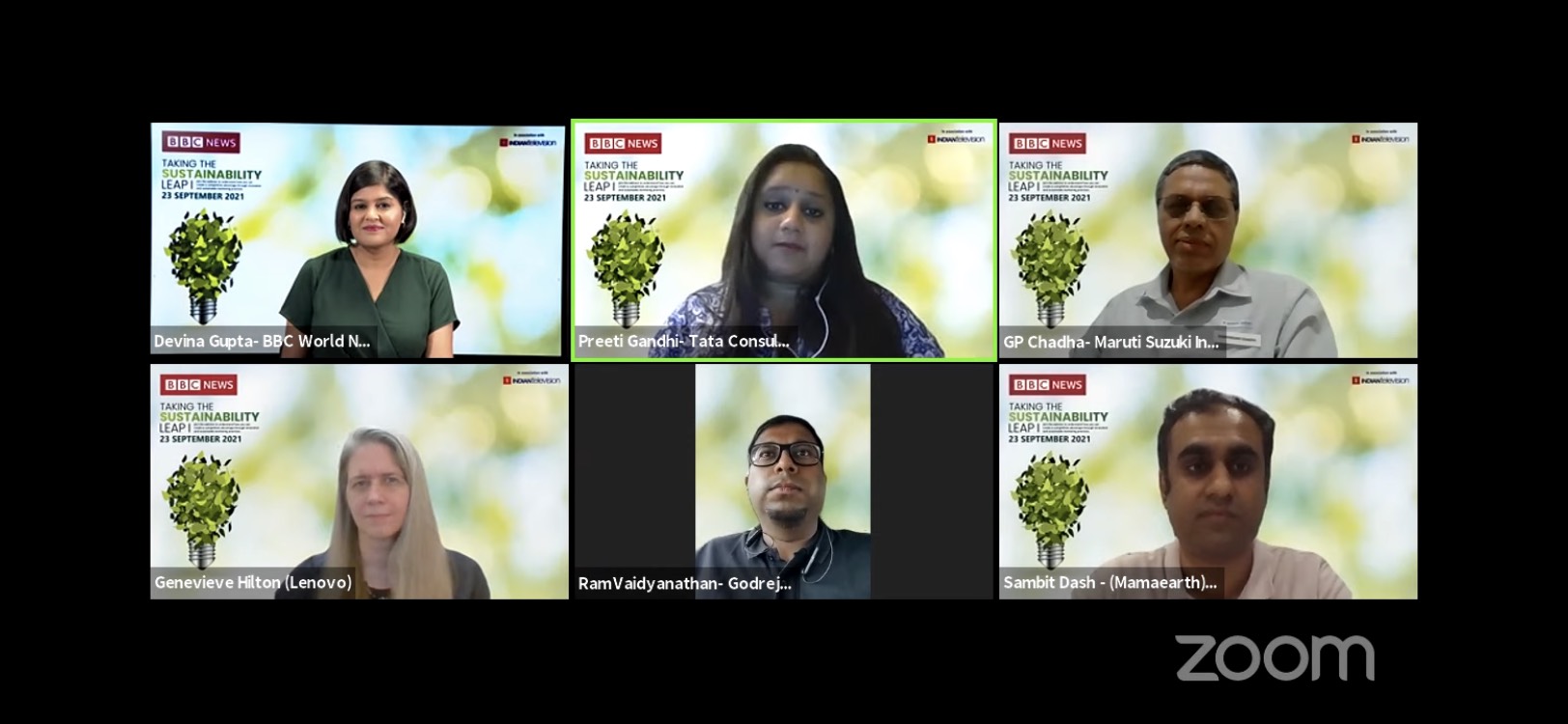
    Other key speakers at the event included Maruti Suzuki India, assistant vice president-sustainability and carbon neutrality G P Chaddha, Godrej Group, head-environmental sustainability Ram Vaidyanathan, Tata Consultancy Services, head of sustainability marketing, Preeti Gandhi, Lenovo, head of communications, Asia Pacific, Geneviene Hilton, and Honasa Consumer Pvt Ltd (MamaEarth) vice-president marketing Sambit Dash. The discussion was moderated by BBC News senior journalist Devina Gupta.

    Shooting down the notion that sustainability and business profitability cannot go hand-in-hand, Godrej Group’s Ram Vaidyanathan pointed out that companies with stronger sustainable principles and ESG (Environmental, Social and Governance) practices have far out-performed the other companies on pure financial indicators as well. “80 per cent of sustainable initiatives are actually cost-saving, simply by being more efficient in the way we use resources,” he added, highlighting that from an investor’s perspective too it makes sense as strong ESG performance and processes are de-risking investments.


    “The current situation in India is that we’re still trying to make companies ESG-compliant. There’s a bit of regulatory pressure too,” said Maruti Suzuki’s GP Chaddha, adding that while production came to a virtual standstill during the pandemic, sustainable practices helped the company to bounce back quicker than others.

    Tata Consultancy Services (TCS)’s Preeti Gandhi talked about the low carbon emissions observed across the country and globally during the pandemic due to the prevalence of WFH and minimal commutes. “It is important for us to continue these reductions over the long term as we come back to work and return to normalcy,” she said, citing some of the efficiency measures the company has implemented over this period such including the hybrid working initiatives like ‘25 by 25’ wherein only 25 per cent of its employees will commute to work by the year 2025. “This would hopefully ensure that we continue to see the environmental resilience to continue, even post-pandemic.”

    Lenovo’s Geneviene Hilton underlined the fact that sustainability needs to be ingrained into the entire business from the start, for it to be truly effective. “Consumers today are also keen to know about the environmental, social, and governance measures that companies undertake,” she said.

    Taking the belief of embedding environmental sustainability into the business’ foundation, Mamaearth’s Sambit Dash talked about the PETA-certified brand’s vision about being a purpose-led brand wanting to make a good impact on the environment as well as society. “We recycled more plastic than we produced from the beginning. Therefore, at a time when other brands are trying to be ‘plastic neutral,’ we have been ‘plastic positive’ right from the start,” shared Dash.

    GP Chadhha referred to Maruti’s tagline of “Petrol khatam hi nahi hota” as evidence of its fuel-efficient cars. “There’s a need to increase incentivisation for brands and customers to start moving in the sustainable and carbon-neutral direction,” he said.

    According to Godrej’s Ram Vaidyanathan, the Customer is the biggest stakeholder when it comes to deciding the kind of products that any company makes, so that’s a big driver when it comes to sustainable products. He believes packaging should be the biggest area where those companies must focus on to create maximum impact.

    Gandhi also threw light on the role of media in championing the cause of sustainable consumerism and de-mystifying the eco-labels. “When it came to creating systems and platforms for eco-friendly collaborations, it must be led by the policy thinkers and changemakers across the board towards specific goals in driving sustainable development for all,” she noted.

    The event also saw BBC Future Planet editor Martha Henriques shedding some light on how BBC is doing its part of the sustainability of the planet. BBC Future Planet is the first major online publication launched in 2020, with a sole focus on climate change that also aims to be as close to zero carbon as possible. BBC StoryWorks APAC director Nicola Eliot discussed how brands are partnering with the BBC to tell their stories on forging an effective sustainability journey.

  • How brands can take the sustainability leap

    How brands can take the sustainability leap

    Mumbai: Rising global temperatures and environmental degradation has left the world on the cusp of major climate change. The slow, yet discernible impact of these changes has been seen across all major sectors, leading brands to make a conscious choice to protect the environment while catering to their consumers’ needs.

    A recent BBC Global News study also revealed that 80 per cent of consumers in the Asia Pacific agree that demonstrating a commitment to sustainability adds value to the brand. Consumers expect action, not empty promises, from brands on sustainability. They are becoming ever more aware of their choices and expect brands to take responsibility towards following sustainable practices.

    Some of these stories will take centre stage at the virtual webinar – ‘Taking the Sustainability leap’ being organised by BBC News in collaboration with Indiantelevision.com on 23 September. The hour-long event starting at 3 p.m. will witness insightful discussions with some of the leading brands who have taken the sustainability plunge.

    “Without a significant change in current consumption and production patterns, the world will face strong environmental and economic costs such as those caused by projected climate change. Therefore, there must be a change in how we satisfy our needs if we want to achieve sustainable development and maintain the Earth’s capacity to satisfy the needs of future generations which consumers are becoming increasingly aware of,” said BBC Global News, senior VP, Commercial Development – Asia Pacific, Australia and New Zealand, Alistair McEwan.

    The attendees will get an opportunity to hear inspiring stories from sustainability leaders across the globe, as they share case studies. This will include stories of building a fashion collection created by rescued luxury fabric, and much more. BBC will also share insights on forging an effective sustainability journey, and how brands can create a competitive advantage through innovative and sustainable marketing services.

    The event will begin with introductory remarks from BBC Global News, SVP Commercial Development, Alistair McEwan. It will proceed with a panel discussion on ‘Leading with Innovation and Inspiration’ to be led by The R Collective founder and CEO Christina Dean, Climate Force founder Barney Swan, The Fabrick lab founder Elaine Yan Ling Ng, and Sophie’s BioNutrients co-founder and CEO Eugene Wang

    Other key speakers at the event include Maruti Suzuki India, assistant vice president-sustainability and carbon neutrality G P Chaddha, Godrej Group, head-environmental sustainability Ram Vaidyanathan, Tata Consultancy Services, head of sustainability marketing, Preeti Gandhi, Lenovo, head of communications, Asia Pacific, Geneviene Hilton, and Honasa Consumer Pvt Ltd (MamaEarth) vice-president marketing Sambit Dash.

    BBC Future Planet editor Martha Henriques will throw light on how BBC is doing its part of the sustainability of the planet. BBC Future Planet is the first major online publication launched in 2020, with a sole focus on climate change that also aims to be as close to zero carbon as possible. BBC StoryWorks APAC director Nicola Eliot will discuss how brands are partnering with the BBC to tell their sustainability stories.

    To join the conversation, register: https://indiantelevision.com/events/taking-the-sustainability-leap/event-platform/registration.php

  • Neeman’s unveils ReLive Knits campaign with a call for sustainability

    Neeman’s unveils ReLive Knits campaign with a call for sustainability

    Mumbai: Neeman’s, an innovative footwear brand that uses natural, renewable and biodegradable fibre has roped in Bhumi Pednekar, Mandira Bedi, and Samantha Prabhu for its latest campaign.

    The campaign announces the launch of its ReLive Knits, a shoe made with 100 per cent recycled PET Bottles. The digital film featuring the three actresses highlights the brand’s ethos and its latest collection that boasts comfort, sustainability, technological innovation, and superior design.

    According to the company, Pednekar was an ideal fit for the campaign as she is a renowned climate warrior and an advocate of sustainable living. “She exemplifies breaking of boundaries, and Neeman’s, with the newest collection of sneakers and slip-on made with 100 per cent recycled PET Bottles has done the same,” it said.

    “The truly spirited actress, anchor, designer, and fitness enthusiast Mandira Bedi on the other hand was a suitable pick for ReLive Kits as she is a true embodiment of donning many hats and, thus, perfectly channels Neeman’s vision of crafting versatile footgear for anytime wear. Actress Samantha Prabhu too perfectly reflects Neeman’s values of shattering stereotypes and challenging the status quo, with one-of-a-kind choices that make her stand apart,” said the company.

    According to Neeman’s, the new line of shoes actively reduce carbon footprints and build towards a better tomorrow. In ReLive Knits, the other materials used include bamboo insoles, castor bean oil, natural and recycled rubber.

    “With this planet-friendly collection, we have taken another significant step towards creating footwear that cares for the environment without compromising comfort and style,” said Neeman’s founder Taran Chhabra. “As per the research by Quantis, a sustainability consulting group, sneaker production accounts for 1.4 per cent of the global greenhouse gas emissions. In stark contrast, each pair of the ReLive Knits is made with eight PET bottles, and so far, we have recycled more than one million plastic bottles for this new sustainable collection. We are determined to change how Indians wear shoes, one step at a time.”

  • Galaxy Surfactants encourages sustainable personal care habits

    Galaxy Surfactants encourages sustainable personal care habits

    Mumbai: Specialty chemicals company Galaxy Surfactants has launched a new campaign called #OldHabitsNewForm urging the present generation to look back at and take inspiration from the ancestors’ good personal care habits to move towards a sustainable future.

    The campaign calls for reviving the age-old, traditional formats such as carrying paper soaps when travelling, using all-in-one shampoo bars for healthy hair and scalp, and brushing with toothpowders, which are not only convenient to use but also offer a sustainable alternative to current personal care practices.

    Galaxy Surfactants has been enabling the revival of healthy sustainable living by consistently bringing in environment-conscious product formulations such as Galaxy’s mild surfactants, syndets, and transparent bathing bars among others.

    Commenting on the campaign launch, Galaxy Surfactants, promoter and managing director, U Shekhar said, “The modern-day consumer is well-informed and aware of self-responsibility towards sustainable living. Our #OldHabitsNewForm campaign is an effort to derive inspiration from the environment-conscious lifestyle practiced by the older generation that now serves as benchmark template in modern-day personal care innovations.”