Tag: sustainability

  • IOAA, GroupM & JCDecaux to move the needle of sustainability in OOH

    IOAA, GroupM & JCDecaux to move the needle of sustainability in OOH

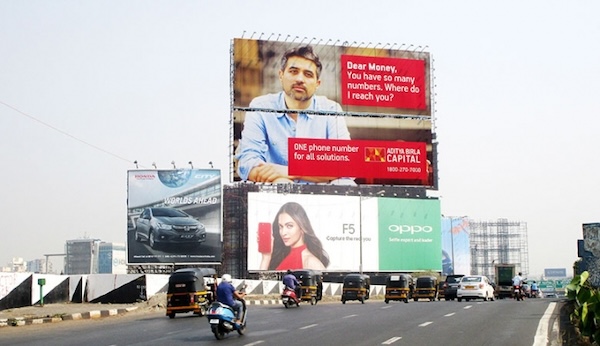
    MUMBAI: OOH is finally joining the sustainability bandwagon. GroupM, WPP’s media investment group, in collaboration with the Indian Outdoor Advertising Association (IOAA), has announced the formation of a dedicated task-force committee to advance sustainable practices within the out-of-home (OOH) advertising industry.

    The committee, comprising GroupM MD cinema, OOH and experiential marketing  Ajay Mehta, IOAA chairman Pawan Bansal and  JCDecaux Advertising India executive chairman Pramod Bhandula, is focused on guiding media owners in adopting sustainable practices. The committee’s ambitious target is to ensure that 50 per cent  of all advertising sites in India utilise recyclable materials by 2027.

    A three pronged thrust has been planned. First, in the area of digital OOH (DOOH) and power consumption, the second in the use use of fabric instead of flex materials and finally a recycling program for billboard waste. 

    To address the rise in power consumption from the transition to DOOH  advertising, the task force will prioritise the adoption of renewable energy, particularly solar power. The committee will develop a roadmap for transitioning OOH assets to renewable energy and enhancing cost efficiency through bulk procurement. 

    Additionally, the committee will explore alternative, sustainable materials such as fabric and polyethylene to replace traditional flex, aiming for options that are lightweight, weather-resistant, recyclable, and durable. Due diligence will be conducted to vet suppliers, and bulk deals will be negotiated to ensure a cost-neutral transition.

    A “Take Back Program” will also be introduced to recycle used billboard materials in partnership with non-profit organizations. This initiative aims to further minimize waste and encourage industry-wide accountability. The committee’s mission is to foster environmental responsibility among media owners and partners, ensuring the widespread adoption of sustainable practices. Insights from the World out of home organization (WOO) will also be leveraged to support global sustainability efforts within the OOH space.

    GroupM’s OOH Solutions team has already piloted sustainability initiatives with brands such as ICICI, Zepto, and Blinkit, using polyethylene fabric, showcasing actionable solutions that align with sustainable principles. 

    Mehta explained: “As leaders in the media industry, it is our responsibility to move the needle, inspire transformation, and ensure that sustainable practices become the norm rather than the exception. I truly believe that we should all do good while doing well, and this committee will strive to balance innovative advertising with environmental responsibility.”

    Bansal believes that “sustainability is the future of advertising and IOAA is committed to guiding media owners towards responsible, eco-friendly practices. This initiative will not only reshape the future of outdoor advertising but also set a benchmark for industries worldwide to follow in balancing growth with environmental stewardship.”

    According to  Bhandula, “sustainability is not just an option; it is a necessity for the future of our industry. At JCDecaux, we believe in driving positive change by embracing greener solutions that leave a lasting impact. This collaboration will propel the outdoor advertising sector towards a sustainable, innovative, and environmentally-conscious future.”

    (Picture courtesy: IOAA website)
     

  • DECATHLON to lead pan-India cleanup drive across 19 states on 20 September

    DECATHLON to lead pan-India cleanup drive across 19 states on 20 September

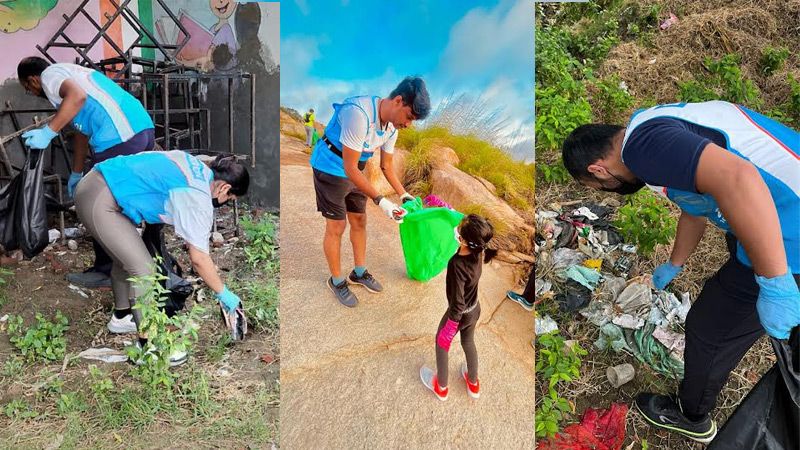
    Mumbai: DECATHLON is set to launch its 5th annual cleanup drive on World Cleanup Day in collaboration with the World Cleanup Day organisation. This year, DECATHLON is organising a series of impactful cleanups across 19 states. Activities will include beach cleanups, hike plogging, playground cleanups, lake cleanups, and forest cleanups. The initiative aims to surpass last year’s success, where over 6,800 participants collected 55,223 kgs of litter. This year, more than 10,000 participants are expected.

    In addition to cleaning efforts, DECATHLON will conduct physical training sessions on waste segregation and composting. These sessions will be hosted in collaboration with expert vendor partners who will recycle waste or direct it towards energy recovery.

    DECATHLON India sustainability leader Annie George emphasised the brand’s commitment to environmental conservation, stating, “Our commitment to sustainability goes beyond promoting sports and active lifestyles. Through our participation in World Cleanup Day, we aim to inspire communities across the country to take action for a cleaner environment. By integrating clean-up activities with cycling, hiking, and more, we offer a unique experience for our customers to engage with the idea that ‘the world is our playground’—a space that we all share and have a responsibility to protect.”

    DECATHLON has partnered with renowned organisations like World Wildlife Fund, Plastic Fischer, and various non-profits to amplify the initiative’s reach and impact. By joining forces, these partnerships aim to address waste management challenges while raising awareness about the importance of environmental preservation for future generations.

  • Summercool aims to offer high-performing, durable & eco-friendly products: Sanjeev Kumar Gupta

    Summercool aims to offer high-performing, durable & eco-friendly products: Sanjeev Kumar Gupta

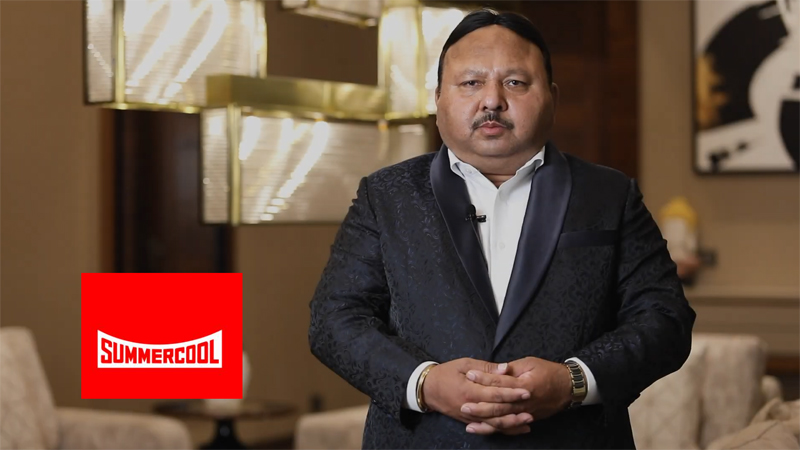
    Mumbai: Established in 1992, Summercool Home Appliances, a brand founded by Sanjeev Kr Gupta and Rajeev Kr Gupta, has transformed from a modest startup with Rs 25,000 into a business empire valued at Rs 300 crore. With a sprawling infrastructure in Ghaziabad spanning over four million square feet and housing four advanced factories, the company has significantly expanded its product line from air coolers to include ceiling fans, exhaust fans, and other home appliances.

    The brand boasts a robust distribution network of over 300 distributors across India and has begun exporting to Nepal, with plans for further international expansion. Renowned for its commitment to quality, innovation, and customer satisfaction, Summercool is setting its sights on enhancing its global presence and exploring new markets.

    Indiantelevision.com’s Arth Chakraborty, in conversation with Summercool Home Appliances Ltd CMD Sanjeev Kumar Gupta explored the brand’s evolution so far, their standout aspect, current marketing strategies and more…

    Edited Excerpts:

    On Summercool’s evolution over the past 32 years in terms of its identity, product offerings, and customer perception; and the most significant milestone in this journey

    Over the past 32 years, we have undergone a remarkable evolution in terms of our brand identity, product offerings, and customer perception. We began with a humble capital of Rs. 25,000 and today we have grown into a formidable brand under Summercool group in the home and kitchen appliances sector, valued at approximately Rs 300 crore. We initially started with the production of air coolers, and by the year 2000 and now our product line has expanded to ceiling fans, exhaust fans, and a diverse range of other home appliances. Additionally, our production capacity stands at an impressive 5,000 air coolers per day, showcasing its significant growth and operational capabilities.

    A key aspect of our evolution has been our commitment to quality and customer satisfaction, which has helped the brand build a loyal customer base of 30 million satisfied customers. This dedication to delivering superior products and exceptional customer service has positioned Summercool as a trusted name synonymous with innovation, quality, and reliability.

    On Summercool maintaining its brand identity over the years while expanding its product line

    From our inception, we have been committed to providing reliable, high-quality home appliances that enhance the everyday lives of our customers. This focus has allowed us to build a strong reputation and foster trust with our customers, which remains the cornerstone of our brand identity. Whether it’s our range of air coolers, ceiling fans, or other home appliances, we apply the same rigorous standards in design, manufacturing, and testing.

    This consistency across our product portfolio helps reinforce our brand identity and ensures that every product carrying the Summercool name reflects our commitment to excellence. Moreover, our expansion strategy is driven by a deep understanding of our customers’ evolving needs and preferences. By continually innovating and introducing technologically advanced products that meet the demands of modern consumers, we have been able to expand our offerings while still staying true to the core values that define us.

    On Summercool differentiating itself from competitors in a highly competitive market

    Our combination of strategic advancements, innovation, expansive infrastructure, and a strong distribution network is what differentiates us from the market. Our state-of-the-art infrastructural unit, which spans over four million square feet and includes four advanced factories. This strong manufacturing capacity is further strengthened by a dedicated plant covering 1.5 lakh square meters, enabling the brand to maintain high standards of production quality and efficiency.

    Additionally, Summercool boasts a strong and expansive network of 25K retailers across India. This well-established distribution network ensures that the brand’s products are readily available to customers throughout the country, enhancing its market reach and customer accessibility. This extensive reach not only provides us with a competitive edge in terms of product availability but also helps in building and maintaining strong relationships with its retail partners and customers.

    On the impact of rising e-commerce platforms on your sales and brand visibility

    With the growing trend of online shopping, we recognised the importance of expanding our presence beyond traditional retail channels. In addition to our website, we have made our products available on major e-commerce platforms like Amazon and Flipkart, which has greatly enhanced our reach and accessibility for customers nationwide. Being on these prominent platforms has not only increased our sales but also helped in boosting our brand visibility.

    Customers now have the convenience of browsing and purchasing our products from the comfort of their homes, which has led to a noticeable increase in online sales. This accessibility is particularly beneficial in reaching customers in remote areas, where physical stores might not be as readily available. Moreover, e-commerce platforms allow us to showcase our wide range of products with detailed descriptions, images, and customer reviews, helping potential buyers make informed purchasing decisions.

    On Summercool leveraging customer feedback to improve its products and marketing strategies

    Customer feedback is an important segment in our line of business. By actively listening to its customers we make sure that we are attuned to market needs and preferences, directly influencing our product development and promotional approaches. Apart from this, we employ multiple channels to gather customer feedback, including surveys, online reviews, social media interactions, and direct customer service communications.

    In addition to product enhancements, customer feedback plays a crucial role in shaping Summercool’s marketing strategies. Understanding customer preferences allows us to tailor its messaging and campaigns to better resonate with its target audience. This data-driven approach helps us to effectively communicate the unique benefits of its products, build stronger customer relationships, and enhance brand loyalty.

    On Summercool incorporating sustainability into its manufacturing and product development processes

    Sustainability is a core principle that guides our manufacturing and product development processes. We have implemented several eco-friendly measures in our manufacturing processes, such as optimising energy consumption, reducing waste, and utilizing recyclable materials wherever possible. Our state-of-the-art facilities are designed to ensure efficient production with minimal impact on the environment. In terms of product development, we focus on creating energy-efficient appliances that help reduce electricity consumption, providing long-term savings for our customers while also contributing to environmental conservation. By prioritising sustainability in our design and engineering, we aim to offer products that are not only high-performing and durable but also environmentally friendly.

    On ensuring that new products meet the specific needs and preferences of different regional markets in India and abroad

    As we continue to expand our product range, we make sure that our new products meet the specific needs and preferences of different regional markets in India and abroad is a top priority for us. We recognise that each market has its unique characteristics, and we strive to tailor our products to cater to these diverse requirements effectively. In North India, where we have firmly established ourselves as a leading multi-product manufacturer, we continue to innovate and introduce products that align with the preferences and expectations of our customers in this region. Our experience and strong presence here give us a deep understanding of what our customers need, enabling us to create products that are both functional and desirable.

    Apart from this, we have already started exporting our products to Nepal and are actively planning to expand our footprint in other neighboring countries. As we explore new markets abroad, we conduct thorough market research and collaborate with local partners to ensure our products are tailored to the cultural and functional needs of each market. This approach allows us to adapt our product range and marketing strategies to suit different regions, ensuring we provide value to our customers wherever they are.

    On Summercool’s future plans including expansion and growth

    We have some exciting plans for the future, as we continue to focus on expansion and growth. Our primary goal is to introduce products that are not only highly technologically advanced but also cater to the evolving needs of our consumers. We are investing significantly in research and development. By boosting a culture of innovation, we aim to develop new products that meet the highest standards of quality, efficiency, and sustainability.

    Additionally, we want to make our products easily accessible to customers nationwide, and by strengthening our presence in untapped markets, we can better serve our growing customer base. Furthermore, we are exploring opportunities to enter international markets, aiming to take the Summercool brand beyond India and introduce our innovative home appliances to a global audience.

  • Mobec: Revolutionising EV charging with custom, mobile, and sustainable solutions

    Mobec: Revolutionising EV charging with custom, mobile, and sustainable solutions

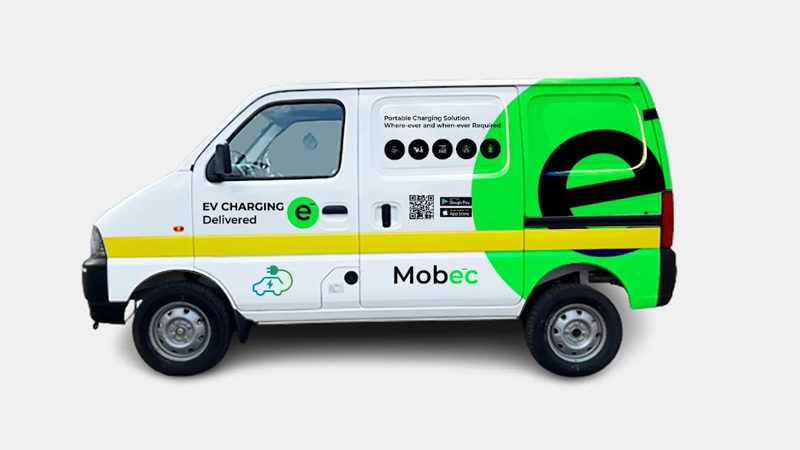
    Mumbai: Mobec, a pioneering leader in the electric vehicle (EV) charging industry, proudly announces its latest advancements in EV charging solutions designed to address the diverse needs of modern electric vehicle owners. With a focus on mobility, green energy, and seamless integration, Mobec is setting new standards in the EV ecosystem.

    Mobec understands that each client has unique needs. Whether it’s for residential complexes, office spaces, logistics companies, or roadside assistance services, Mobec offers tailored charging solutions that cater to specific requirements. Their custom options ensure that clients receive the most efficient and effective charging infrastructure, designed to fit their exact needs.

    Unlike traditional static charging stations, Mobec’s solutions are inherently mobile. Their portable charging units can be deployed wherever and whenever required, providing unparalleled flexibility. This mobility is essential in addressing range anxiety, a common concern among EV owners. By ensuring that charging is always within reach, Mobec enhances the overall EV ownership experience.

    At Mobec, sustainability is not just a goal; it is a core principle. They employ green transportation methods, such as electric scooters for short-range charging services and CNG vans for longer distances, with plans to transition to fully electric loaders and pick-up options. Their commitment to sustainability extends to our portable charging stations, which minimize the need for extensive grid infrastructure and reduce environmental impact.

    Mobec’s innovative solutions effectively tackle EV charge anxiety. Their mobile charging units are designed to provide on-demand charging services, ensuring that EV owners can charge their vehicles anytime, anywhere. This approach eliminates the fear of running out of charge and enhances the convenience of using electric vehicles.

    Their portable charging solutions are compatible with all types of electric vehicles, including two-wheelers, three-wheelers, and four-wheelers. Whether it’s for personal use, commercial fleets, or emergency roadside assistance, Mobec’s versatile charging options ensure that every EV can be charged efficiently.

    Mobec is dedicated to creating a seamless charging ecosystem. Their advanced technology allows for easy integration with existing systems, ensuring smooth and efficient operation. Through their mobile app, users can effortlessly locate, book, and manage charging sessions, much like they would with popular ride-sharing services.

    Looking ahead, Mobec aims to further enhance its recycling and e-waste management processes. Mobec is committed to reducing its carbon footprint and supporting the circular economy by increasing recycling rates, conserving natural resources, and promoting sustainable consumption.

  • “Luxury market is to hit a $82 billion market by 2030”: Fashionv3rse’s Mithun Bhardwaj

    “Luxury market is to hit a $82 billion market by 2030”: Fashionv3rse’s Mithun Bhardwaj

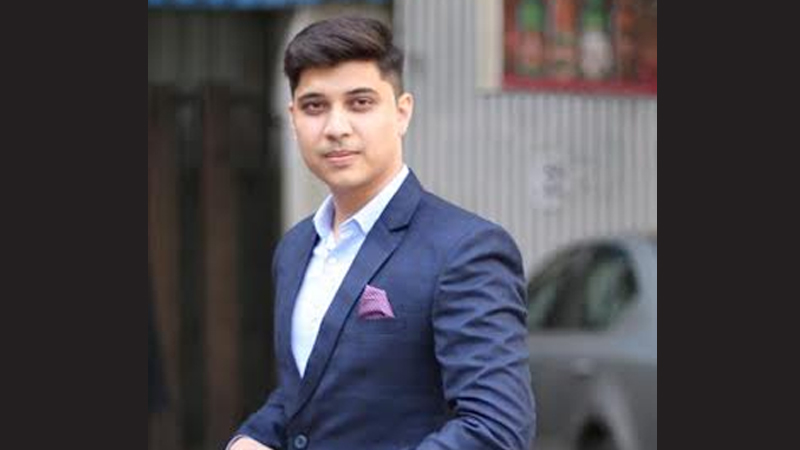
    Mumbai: Fashion and luxury are undergoing a transformative journey, with sustainability, innovation, and consumer resonance at the forefront. In this dynamic landscape, The House of Fashionv3rse (THOF) emerges as a beacon of change, challenging traditional norms and redefining the premium retail environment in Bharat.

    Led by visionary Mithun Bhardwaj, THOF is not just a marketplace; it’s an ecosystem of powerful brands united by a commitment to quality, sustainability, and disruptive narratives. From democratising India’s manufacturing infrastructure to curating compelling in-house brands, THOF embodies a new era of luxury—one where innovation, technology, and aspirational values converge to shape the future of fashion.

    Indiantelevision.com caught up Fashionv3rse founder Mithun Bharadwaj to gain deeper insights on the brand’s genesis, future of fashion industry, its connection to LVMH and much more…

    Edited Excerpts:

    On envisioning the future of the fashion industry, particularly in terms of sustainability and innovation, and your brand’s alignment with these trends

    It is now obligatory to move towards sustainable practices, it’s not left to choices anymore. We are all responsible in every way to contribute, however we see this in-depth responsibility in the current format of many brands and especially marketplace models hence we decided to declutter the current clutter they have been building. We were more than ready to bring in an ecosystem such as ours to make a paramount change at large, first we don’t need so many products and brands just to fill in spaces and some underrated agenda of a marketplace but we need the right stories and brands which is there to fulfil a lifestyle need without being in abundance most of which is ideally useless, if you will pick up their data, you would realise how many of those products actually bring in the revenue, why build so much in the first place with no direct supply chain control and sell at deep discounts to entertain return and return by confusing a consumer and hence, a group of selected brands with complete control of supply chain was the first step followed by operating, going to operate with compliant factories which are fully equipped towards conscious practices and our narrative and categories themselves are an equivalent to conscious consumerism not only in the product but also in the buying and selling behaviour. We are going to call our cloud factories “craftsmen workshop” with ethical practices.

    On the evolving landscape of luxury and brands staying relevant in an ever-changing market

    Luxury market is to hit a $82 billion market by 2030, with Jio Plaza opening up to major global luxury brands, increasing credit penetration in India and many such factors, it is screaming for us to build homegrown premium brands, however when people launch brands, most of them launch it with an idea of inventory building rather it should be focused on deep rooted consumer connect and problem solving capabilities in some form, sales will become its by-product and inventories will be planned better. The spending capacity and demographic dividend and the traditional root of India being driven by a status quotient, it is all lining up well to give our consumers the right set of luxury which is also accessible for a larger audience and once you find your niche, you won’t struggle to stay relevant.

    On your inspiration behind embarking on the journey of creating THOF, and how does your vision for the brand differ from traditional fashion ventures

    It’s a mix of many factors, the most important of which was to upgrade both the brand eco-system and consumer offering. The industry has evolved, the platforms haven’t. Their innovation is limited to offering more discounted offers and adding more brands and killing the environment. They are all decades old. Again, there is a dire need for a vertically integrated platform and a group which dares to build an audacious vision. Circling back to fusing in the rich backend manufacturing infra of our country to the frontend consumer and bring them what they ship to global brands.

    Even the biggest of the export houses are doing millions of dollars of revenue are job workers for international brands feeding and funding the west everyday unknowingly and knowingly and here we are more than ready with our appetite for consumption which is being spoilt everyday by people not thinking big and entering just watching shark tank India with no agenda to bring in change but get valuation and funding as an ultimate goal. Such major loopholes helped us channelise THOF as a game changer.

    On THOF’s “Ghost factory” model and its democratisation of India’s manufacturing infrastructure while maintaining a focus on sustainability and quality

    Ghost factory aka cloud factory model is one of the most interesting part of our backend supply chain. When you partner or bring in a large compliant factory producing millions of pieces as your confounding team, you have chances of being lost as a new kid on the block in that unit. We were cautious of such an outcome, also technology works the best in an environment built to control the supply chain and since we are integrating blockchain for traceability and sustainability, the cloud factory set-up inside a compliant factory made a lot of sense from every perspective.

    On an in-depth understanding of LVMH and its connection to THOF

    LVMH is one of the largest and richest group in the whole world. We are all talking about Thrasio model or Mensa brands or house of brand etc, however these guys did it back in the day, they launched primary brands and acquired the rest, build a platform with over 75 brands today catering to lifestyle categories, it’s a beautiful business model if decoded, but one has to stick to the whole playbook and thesis of what they do and how they do it. They do not sell products, they sell status and aspirations, it isn’t just about the price point, it is the innovation and concept which plays the hero and that’s what intrigued us the most.

    India is ready in every form to have a structure as such, we cannot go back in time and spend 100 years as them to build legacy brands but we can build brands which can turn into legacy as today, in the digital era , we literally follow dog years. So, we are targeting all the categories that LVMH captures today, that is, fashion & lifestyle, alcobev, diamonds and beauty and hence we have concocted strong beautiful narratives in our brand portfolio with very strong and powerful brand names.

    On THOF’s purpose-led approach resonating with consumers, especially Gen-Z and Millennials, and contributes to the brand’s success

    Today consumers aren’t searching for products, they are searching for something in the product and that something is what we are creating. The youth is aware, today someone sitting in New York and Kanpur are literally watching the same content at the same time, the differential is the accessibility to acquire the same products today, that is what we are here to bring in and solve that aspirational quotient by building it into reality. The brands are an in-house portfolio, each one of them are concocted to cater to different senses of a human desire and want. We see a lot of need based products in the market today, unlike we are going to fulfil the “want”.

    On THOF comparison to cricket formats like test matches, one-day cricket, and the IPL

    IPL is the most intriguing format of cricket. It fuses entertainment with sport, hence we say Amazon & Flipkart are like the test matches, the first format of e-commerce industry who got the ball rolling, Myntra, Ajio & Nykaa, are like the one day cricket, which upgraded the lifestyle of the consumer and now THOF is the IPL which is going to disrupt by building a community of successful people consumed by those who would love to be successful and practice and manifest it from today. Every brand of THOF is like a team of IPL, with its own narrative, strength, strategy, determination, energy and people from multiple advents of industry and co-owning it with us to multiply the power of each brand and bring in their expertise.

    On THOF’s attempt to change the way people in India think about luxury by using technology and innovation behind the scenes, similar to big brands like Balenciaga, Amiri, Off White, Cartier, Hermes, and Tiffany’s

    It’s simple, luxury isn’t defined by price points, luxury is to have the right products, & THOF is going to offer the best products and statement pieces. With the integration of tech into product and understanding the playbook of these global brands, THOF is all set to disrupt and build India’s brands with global impact.

    On your plan to reshape the premium retail environment in Bharat and ensuring the products you provide resonate with the values and aspirations of today’s youth

    We are all set to democratise the rich backend manufacturing infrastructure as we have deeply penetrated in the area & guess what, the infusion of the same with is topped with some super interesting brand concepts, statements & aspiring product lines which is the key to disruption. Our firm grip on creates and storytelling, is further enhanced by our innovative “ghost | cloud factory” model which is termed as “Craftsmen Workshop “, which has transformed the way we execute this vision. Our in-house brand concepts are exceptionally compelling & by harnessing a fraction of your existing capacity, we are set to catalyse exemplary revenue growth within a few short years, culminating in a remarkable consumer community. We are here to exclusively feature in-house brands under one ecosystem, each with its own captivating narrative. This model, combined with our “variable Asset Light” approach, sets us apart as a venture with enormous potential which will lead to great profitability as well.

    As mentioned above THOF is going to be vertically integrated with control over the supply chain, pricing, designs, innovation, tech and the operations by democratising the rich backend infra of our country to front-end consumers. Reshaping the premium market in every way possible by capturing a large pie of the market cap.

    On Mithun Bhardwaj’s leadership transforming Fashionv3rse into a unique marketplace, distinct from traditional retail platforms

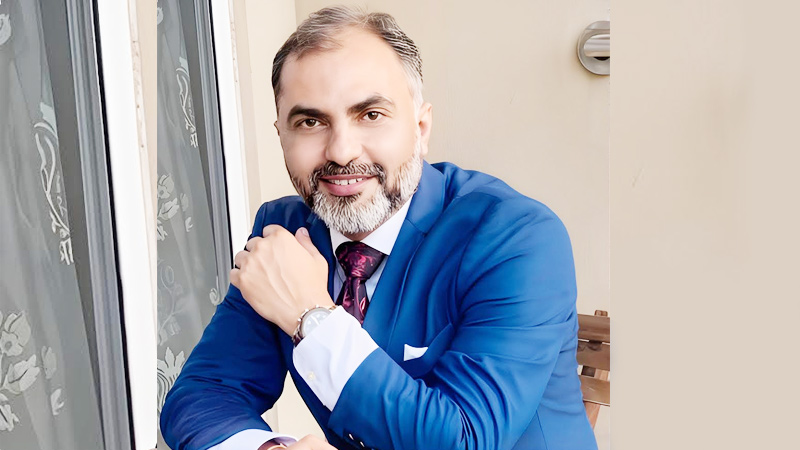
    Delhi has been famous to produce great minds and personalities such as SRK in his domain to Virat in his… Mithun Bhardwaj comes from the similar genre of personality but in the fashion & lifestyle industry, said by many veterans and advisors around. He is a commercially patriotic mind with a great mix of business brains and remarkable creativity. His vision is crisp and clear and so is the business model. THOF isn’t a marketplace selling many brands and products, THOF is an ecosystem of powerful brands backed by a robust supply chain control with a bold narrative and vision and only a true leader can dare to challenge the status quo and shatter the traditional definition by exhibiting brilliant theories under one roof.

  • TCH 2024: Need for sustainability & content creation

    TCH 2024: Need for sustainability & content creation

    Mumbai: The eighth edition of The Content Hub Summit delves into the ever-changing world of content creation. With the consolidation of platforms, creators face new hurdles in gaining visibility, maximizing revenue, and maintaining creative freedom. The event also explored the remarkable theatrical success of Indian cinema and unraveled the secrets behind its unprecedented profits, with a critical eye towards its sustainability.

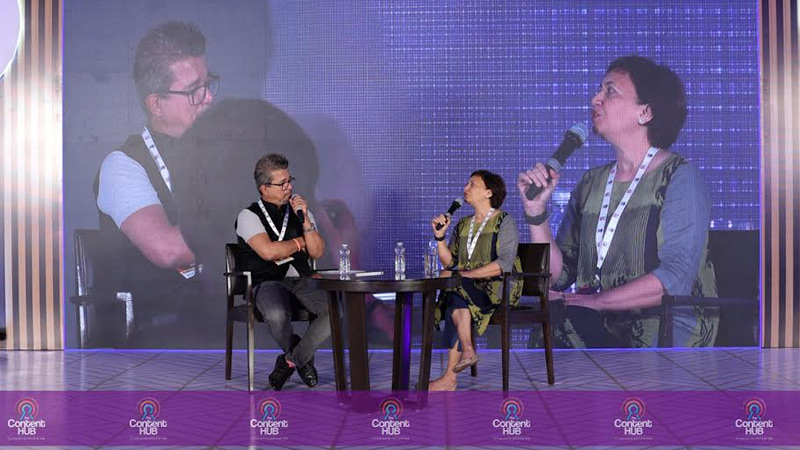
    The fireside chat saw Indiantelevision.com group founder, chairman & editor-in-chief Anil NM Wanvari in conversation with India GreenSet CEO & co-founder Anupama Mandloi.

    They discussed the critical importance of sustainability in content creation, especially in India, which leads in volume. They highlighted the industry’s potential for influence and the necessity to adapt to climate change. Mandloi emphasized the need for sustainable practices, citing examples like the Mumbai floods’ impact on business.

    Wanvari proposed initiatives like eliminating single-use plastics at events and forming industry alliances for sustainable standards. They emphasized the shift toward sustainability as a cultural change, stressing the industry’s collective responsibility and the need for unity to overcome hurdles.

    Mandloi suggested practical steps individuals can take, urging a bottom-up approach to drive the sustainability revolution.

  • “We manifest to be the biggest Rice Straw manufacturers in the world”: Rice Straw’s Vishal Laddha

    “We manifest to be the biggest Rice Straw manufacturers in the world”: Rice Straw’s Vishal Laddha

    Mumbai: Sustainability is a word which we get to hear quite often these days. But are we actually implying it in our day to day lives? And especially when it comes to saying no to plastic, embracing eco-friendly alternatives like bamboo or rice straws can significantly reduce our environmental footprint. Not only do these straws help minimise plastic waste, but they also contribute to cleaner oceans and healthier ecosystems. Making the switch to eco-friendly straws is a small yet impactful step towards a more sustainable future.

    Emboying the true essence of sustainability is a visionary entrepreneur and sustainability enthusiast Vishal Laddha. With over a decade of experience and a diverse educational background, he simplifies sustainability through cooperation and consulting, aiming to leave a lasting legacy for future generations. His venture, Smaart Eats LLP, leads the industry with eco-straw innovations. Offering consulting services, Vishal guides individuals and brands towards sustainable growth, from ideation to execution. Notably, his introduction of Smaart Rice Straw showcases his commitment to environmental stewardship and social responsibility, earning him acclaim in initiatives like the Maharashtra State Innovation Society.

    Indiantelevision.com caught up with Rice Straw co-founder Vishal Laddha to gain valuable insights on the creation of Smaart Eats LLP, elements or materials that make up the composition of Smaart Eats’ rice straw and much more.

    Edited Excerpts:

    On your inspiration behind focuing on sustainability

    Covid-19 Pandemic was an eye opener for me. It made me realise about the karmic quote “What goes around, comes around”. The way we have abused natural resources, the nature gave it back to us. The pandemic gave us time to reset, reassess and analyse about the things which we ignore like taking care of our surroundings; and what are we giving back to society? The decision of building a sustainable future came from my inner consciousness; hence my life is now dedicated to creating a better future for the generations to come.

    On the creation of Smaart Eats LLP and its eco-straw variations

    We saw a big gap in the straw market. Before 2022 only plastic were used predominantly. Only after the ban on single-use plastic, paper straws became popular. But, there were not enough manufacturers to meet the demand.

    We realised that India is an agriculture country and about 25 per cent of food grains go in vain just at the warehouse before they are sold in the market, may be due to overstocking or quality related issues. That’s when we had our Eureka moment, we thought why don’t we up cycle these crops make the straws which would be made with natural ingredients, eco-friendly, which can bio-degradable, which can be composted easily, which are sustainable and creates zero waste.

    On Smaart Eats LLP’s distinguishing factor setting its innovative product, Smaart Rice Straw, apart in the competitive market for sustainable alternatives

    Smaart Rice Straw a product by Smaart Eats LLP stands for its innovation in every step. We work on the principals of quality, consistency and trust. We offer our straws at an economical price, so it can be easily accepted by the customers without burning their pockets.

    Alternatively, talking about paper straws, they are still sold loosely in transparent plastic pouches. This does not have mentions any specification about its manufacturer of the materials used to make the straws.

    Paper straws made of recycled paper which goes through rigours chemical treatments. More to this, the glue which is used to bind these straws is not of the food grade. All these toxic chemicals go into your drink, which is enough to make you very sick in the long run!

    Would you still consider paper straws sustainable?

    On the challenges that you have faced in revolutionising the industry with eco-friendly products

    Introducing a new product and creating a new category of product is a challenge in itself. The biggest challenge that we still face is in creating awareness. To create large scale awareness, you need a very big budget to advertise on a national level. Being a bootstrapped start-up we have limited resources and we have to spend very sensibly at every stage.

    As, I always say sustainability is in our own hands, we have to change our mind-sets first in order to change others. Unless, the end consumers don’t ask the restaurants, cafes, hotels for our sustainable products. Restaurants don’t find a need to invest in it.

    I feel governments can play a vital role in creating awareness and promote brands which are helping in making India clean and green. I believe even a little help in procuring raw materials, subsidies, 0 GST on eco-friendly products can help the industry to grow organically.

    On the specific elements or materials that make up the composition of Smaart Eats’ rice straw, ensuring it meets the criteria of being 100 per cent biodegradable, gluten-free, and vegan

    Smaart Rice Straw is the first ever registered branded straws in India. Our straws are made of three major ingredients rice flour, Tapioca starch and water. We have are certified by FSSAI, START-UP INDIA, ISO, FDA, HACCP, HALAL, KOSHER and we possess all mandatory lab tests which ensure all its properties and features. All our raw materials are sources ethically from the local market and we promote women empowerment.

    On whether your business is currently established in both traditional retail spaces and online channels, embracing an omni channel approach to enhance accessibility for your customers

    As manufacturers, we focus on B2B institutional sales to generate volumes. After all manufacturing is all about economies of scale. The more we make the lesser will be the manufacturing cost and we will be able to offer better prices to customers.

    Therefore, we have strategic tie-ups with many prestigious hospitality chains like Social, Natural ice-creams, Mainland china, Yoko’s Sizzlers, Toscano, The Bar stock exchange, Olive, Smoke house deli, Sigree Global Grill, Hyatt hotels, Taj Group, Novotel, The Fern Group, Sheraton Hotels and many more. We serve directly to more than 750 outlets across India.

    Straw as a product is not widely used at house-hold level unless there is a party; hence we never concentrated on B2C segment. However, we do have our e-commerce website where people order and reach us.

    On your future expansion plans, and on envisioning to scale your business to reach new markets or introduce innovative products/services

    To scale our business we are investing in technology and automation to enlarge our production capacity. We are also in a phase of trials of our new product range. We are collaborating with start-ups who are likeminded and manufacturing eco-friendly products. With a common vision to make India sustainable!

    We manifest to be the biggest Rice Straw manufacturers in the world. We make in India the hub of Rice Straws, serve the domestic market and also export globally.

  • 92 per cent of Indians concerned about the environment: Ipsos India sustainability segmentation survey 2024

    92 per cent of Indians concerned about the environment: Ipsos India sustainability segmentation survey 2024

    Mumbai: A new survey by Ipsos on sustainability, in the backdrop of heightened emphasis on ESG and the quest to save the environment from further damage shows deep concern among Indians for the environment with at least 92 per cent of those polled stating they are concerned and further two thirds believing that our planet was at risk.

    Impactful actions – awareness misplaced

    Interestingly, the survey revealed, consumers’ actions while well intended were not the actions needed for greater impact.  7 in 10 claimed to know the actions needed to tackle climate change, but they were wrong.

    Urban Indians held the view that less packaging, buying fewer items and recycling would be the best actions for saving the planet, but they were seen to be low in impact. On the contrary some of the actions perceived to be low in impact by urban Indians, were seen to be the actions most impactful, but awareness and the implications of those actions had low perception among Indians, particularly for living car free, efficient cooking and efficient housing. Adopting renewable electricity was high on perception and impact.

    The survey was done using the Ipsos IndiaBus platform, which is a monthly omnibus study, which runs multiple surveys for clients (the details are provided below).

    IPSOS

     Activists, busy bystanders and disengaged denialists segments

    The survey classified Indians among three segments basis their level of concern and actions they are taking to mitigate their impact on environment.

    The largest group of Indians emerged as Busy Bystanders (41 per cent), who held the view that climate change was over blown; they were too caught up in their daily life and environment came out to be a low priority area. The second segment was of Disengaged Denialists (24 per cent), believing environment was not that big a concern and were less inclined to taking any environmental action. And the 3rd segment was of activists (23 per cent), with the belief that environment is at a critical stage and the world must act now.

    Group service line leader, public affairs, corporate reputation, ESG and CSR Parijat Chakraborty said, “Our survey shows that Indians mostly do lip service towards their concern for the planet and the environment. So, while they say they are concerned, when we assessed them on their concern vs actual action, most of them were seen to fizzle out. In fact only the segment of consumers named Activists were the torchbearers of planet saviours. Busy Bystanders and Disengaged Denialists were seen to be the disinterested segments with no affinity for environment actions.”    

    What can marketers do to engage with these three cohorts?

    The survey also revealed insights on how marketers could engage with the three segments of consumers.

    “Given Activists’ high sustainable consciousness, they are best suited for all sustainable brand options and choices. EVs, sustainable clothing and brands with sustainability in their DNA. Disengaged Denialists who were less interested in environment actions could be wooed by providing products with sustainability as a co-benefit. Also by pulling in the sustainability discourse into the things they like or like to do. Busy Bystanders are the working class with sheer paucity of time and also, they carry some bit of guilt of zilch action on environment. So brands that conserve energy, use recycled packaging or local sourced ingredients will appeal to this cohort,” stated Ipsos India executive director Deepti Chandna.

  • Air India announces P Balaji as group head group head- governance, regulatory, GRC

    Air India announces P Balaji as group head group head- governance, regulatory, GRC

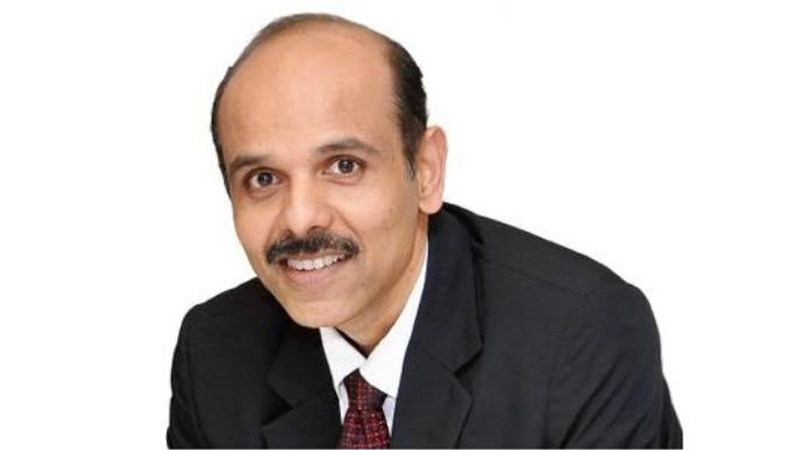
    Mumbai: Air India today announced the appointment of P. Balaji in a newly created role of group head- governance, regulatory, compliance (GRC) and corporate Affairs. Balaji assume his role at Air India on 11 January 2024, and will report to Air India CEO & MD, Campbell Wilson. He will oversee the Government Affairs, Legal, Ethics, Sustainability, and Corporate Communications functions at Air India, among others.

    Balaji started his career with Tata Administrative Services and has rich experience of over 30 years in telecom & IT Sector in diverse functions including regulatory policy, compliance, sales, product management, marketing, strategy, M&A and operations. He joins Air India after nearly a decade-long stint at Vodafone Idea Limited where he spearheaded the regulatory and public policy functions.

    Announcing Balaji’s appointment, Air India CEO & MD Campbell Wilson said:“We are pleased to have Balaji on board. Having worked in the regulatory and policy space, he brings a wealth of knowledge and experience that will be valuable to the ongoing transformation at Air India. At Air India, we remain committed to building top leadership as we continue to invest in all the resources that are required to take the airline to the upper echelons of global aviation.”