Tag: Surya

  • What Onam heralds for Kerala’s TV channels

    What Onam heralds for Kerala’s TV channels

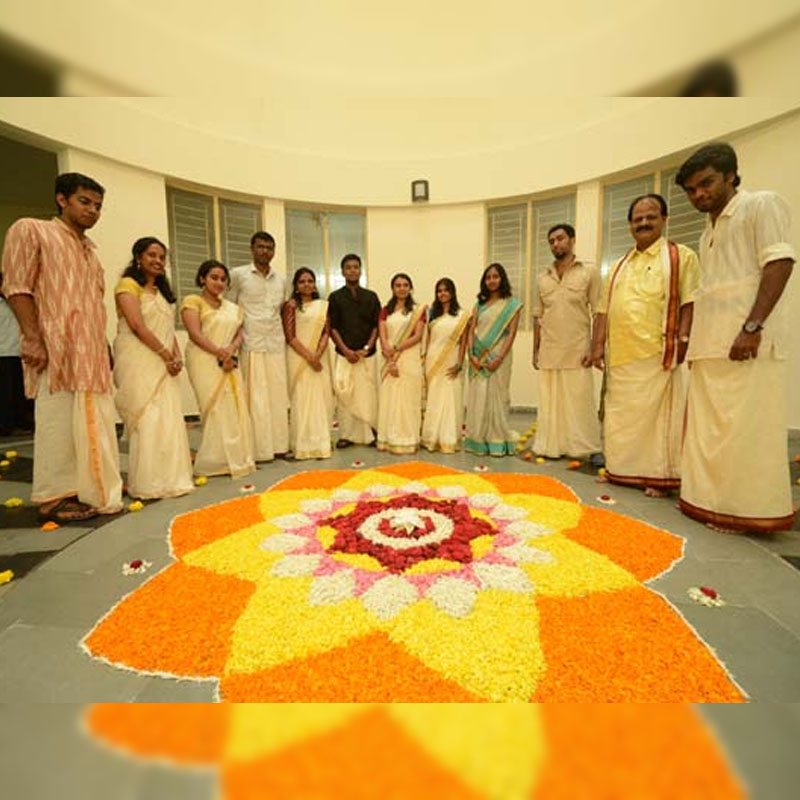
    When it is half a year for the rest of the world, the new year dawns in Kerala when the Malayalam calendar heralds the arrival of the month of Chingam. In agrarian Kerala, Chingam was the most vital month of the year for it was the harvest season with the promise of year long prosperity. Add a dollop of ancient history of a wronged, but redeemed king (Mahabali) who visits to check if his subjects are as prosperous today as when he last saw them, and Chingam has all the glamour of a superstar’s new movie.

    Kerala has long since been shorn of its glory agrarian days and having never tried its hand in industry, has now settled down to being a service economy bolstered by tourism and money from the Middle East (the (in) famous “Money Order economy”). Yet, for the average Keralite there are no spring- summer-winter season shopping nor end-of-season sales as tempting and as awaited as the Big Fat Onam Shopping !

    About four weeks leading to Onam and a couple of weeks afterwards, the consumer in Kerala watches as national brands and local biggies line up launching advertising blitzkriegs and never before offers . New launches, exchange offers, scratch-and-win schemes, BoGo offers, raffles, the works! The retail industry goes into an overdrive. And why not? White goods brands reach 40-45 per cent of their annual sales target for Kerala in the tiny three month (even lesser) window of opportunity that Onam offers. The buyer meanwhile, having deferred purchase to make a kill at the Big Fat Onam Sale, slowly loosens her purse strings. It is Win-Win all around.

    In 2015, Onam was on Friday 28 August. A study of TV consumption in the Top 10 Malayalam channels (Asianet, Asianet News, Asianet Movies, Asianet Plus, Surya, Kiran, Mazhavil Manorama, Flowers, Manorama News and Kairali) reveals many interesting insights into the melee that Onam is. In August 2015 (source: TAM), the jewellery category, which is anyway among the top consumers of TV ad space, hiked its presence by 56 per cent over July and promptly slashed it by 59 per cent in September.

    No surprise there, as auspicious Chingam is sandwiched between two inauspicious months, hence is a very busy wedding season. There can be no Onam without Onasadya (a grand meal), who would know it better than Instant Mix brands (payasams etc) that upped their TV presence more than two fold! Onam is as synonymous with Onakkodi (new clothes) as it is with the Onasadya. Textile retailers wishing to make hay while the Onam sun shone, hiked their TV presence by 120 per cent in August from July, and almost went incognito with an 84 per cent slash in September. The same trend was seen in the readymade clothes category as well.

    The category that has the highest stake in Onam, retail- durables/electronics ,was out there on a limb with close to fivefold (370 per cent) increase in TV presence ! Following Onam, there was almost total silence from this category. They were probably laughing all their way to the bank.

    Automobile manufacturers (cars/jeeps) and their compatriots – two wheeler makers increased TV presence by 44 per cent and 69 per cent respectively in the run up to Onam which they promptly slashed in September. Bright, sunny days of Chingam after the monsoons were a welcome reprieve to the paints category which hiked its presence by a whopping 80 times, and bucking the general trend, hiked it by another 25 per cent in September. On the other hand, the usual top three TV advertisers in Kerala -chocolates, toilet soaps and milk beverages- piped down during Onam month, reducing their TV presence by 18 per cent to 20 per cent.

    Leading brands earmark close to 25 per cent to 30 per cent of their annual ad budget for Kerala for the Onam season alone. For TV channels, this is the season to air film premieres, special events, programs with celebrities, all aimed at capturing eyeballs and at creating the right content to place the sudden surge in advertising. Total advertising duration (in the 10 Malayalam channels under study) shot up by about 35 per cent in Onam month compared to the previous month. Asianet and Mazhavil, the top two Malayalam GECs, garnered close to 45 per cent MORE advertising in August 2015 compared to the previous month.

    The viewers, in whose honor all the fuss is made, were very obliging on their part. Time spent analysis shows that on the days prior to Onam an average 40 minutes was spent on Asianet, which shot up to 57 minutes on the first Onam day and further to 65 minutes on Onam Day (day two of Onam a.k.a ThiruOnam is the actual Onam day). The same trend is visible across all Malayalam GECs. Mazhavil Manorama’s viewers, for instance, who used to spend an average 12 minutes on the channel pre-Onam, hiked their viewing to 16 minutes and 18 minutes on first and ThiruOnam days respectively. Surya increased its channel share to an average 14 per cent on the two days of Onam from its usual eight per cent to nine per cent . As the day finally drew to a close on 28 August 2015, the Bhima Jewelers Jewelers group had garnered the highest presence having spent 3790s on air (excluding promo tags and other promotional activities of the brand). In terms of Impact, another jeweler Josco got top marks garnering 493 GRPs.

    In 2016, Onam is scheduled to arrive mid-September. Every brand worth its salt is already out there with guns blazing to woo the consumer and make the most of the Onam fervor. It is no secret that Kerala economy needs a boost, and Onam shopping is just what the doctor ordered. All that remains to be seen is whether the consumer will be lured by the offers and whether she will script the Onam of every brand’s dreams.

    The author is the managing partner of Chennai based adMax Media Consultants.

    (The views and data expressed in this article are entirely the author’s. Indiantelevision.com is a medium on which they are being expressed)

  • What Onam heralds for Kerala’s TV channels

    What Onam heralds for Kerala’s TV channels

    When it is half a year for the rest of the world, the new year dawns in Kerala when the Malayalam calendar heralds the arrival of the month of Chingam. In agrarian Kerala, Chingam was the most vital month of the year for it was the harvest season with the promise of year long prosperity. Add a dollop of ancient history of a wronged, but redeemed king (Mahabali) who visits to check if his subjects are as prosperous today as when he last saw them, and Chingam has all the glamour of a superstar’s new movie.

    Kerala has long since been shorn of its glory agrarian days and having never tried its hand in industry, has now settled down to being a service economy bolstered by tourism and money from the Middle East (the (in) famous “Money Order economy”). Yet, for the average Keralite there are no spring- summer-winter season shopping nor end-of-season sales as tempting and as awaited as the Big Fat Onam Shopping !

    About four weeks leading to Onam and a couple of weeks afterwards, the consumer in Kerala watches as national brands and local biggies line up launching advertising blitzkriegs and never before offers . New launches, exchange offers, scratch-and-win schemes, BoGo offers, raffles, the works! The retail industry goes into an overdrive. And why not? White goods brands reach 40-45 per cent of their annual sales target for Kerala in the tiny three month (even lesser) window of opportunity that Onam offers. The buyer meanwhile, having deferred purchase to make a kill at the Big Fat Onam Sale, slowly loosens her purse strings. It is Win-Win all around.

    In 2015, Onam was on Friday 28 August. A study of TV consumption in the Top 10 Malayalam channels (Asianet, Asianet News, Asianet Movies, Asianet Plus, Surya, Kiran, Mazhavil Manorama, Flowers, Manorama News and Kairali) reveals many interesting insights into the melee that Onam is. In August 2015 (source: TAM), the jewellery category, which is anyway among the top consumers of TV ad space, hiked its presence by 56 per cent over July and promptly slashed it by 59 per cent in September.

    No surprise there, as auspicious Chingam is sandwiched between two inauspicious months, hence is a very busy wedding season. There can be no Onam without Onasadya (a grand meal), who would know it better than Instant Mix brands (payasams etc) that upped their TV presence more than two fold! Onam is as synonymous with Onakkodi (new clothes) as it is with the Onasadya. Textile retailers wishing to make hay while the Onam sun shone, hiked their TV presence by 120 per cent in August from July, and almost went incognito with an 84 per cent slash in September. The same trend was seen in the readymade clothes category as well.

    The category that has the highest stake in Onam, retail- durables/electronics ,was out there on a limb with close to fivefold (370 per cent) increase in TV presence ! Following Onam, there was almost total silence from this category. They were probably laughing all their way to the bank.

    Automobile manufacturers (cars/jeeps) and their compatriots – two wheeler makers increased TV presence by 44 per cent and 69 per cent respectively in the run up to Onam which they promptly slashed in September. Bright, sunny days of Chingam after the monsoons were a welcome reprieve to the paints category which hiked its presence by a whopping 80 times, and bucking the general trend, hiked it by another 25 per cent in September. On the other hand, the usual top three TV advertisers in Kerala -chocolates, toilet soaps and milk beverages- piped down during Onam month, reducing their TV presence by 18 per cent to 20 per cent.

    Leading brands earmark close to 25 per cent to 30 per cent of their annual ad budget for Kerala for the Onam season alone. For TV channels, this is the season to air film premieres, special events, programs with celebrities, all aimed at capturing eyeballs and at creating the right content to place the sudden surge in advertising. Total advertising duration (in the 10 Malayalam channels under study) shot up by about 35 per cent in Onam month compared to the previous month. Asianet and Mazhavil, the top two Malayalam GECs, garnered close to 45 per cent MORE advertising in August 2015 compared to the previous month.

    The viewers, in whose honor all the fuss is made, were very obliging on their part. Time spent analysis shows that on the days prior to Onam an average 40 minutes was spent on Asianet, which shot up to 57 minutes on the first Onam day and further to 65 minutes on Onam Day (day two of Onam a.k.a ThiruOnam is the actual Onam day). The same trend is visible across all Malayalam GECs. Mazhavil Manorama’s viewers, for instance, who used to spend an average 12 minutes on the channel pre-Onam, hiked their viewing to 16 minutes and 18 minutes on first and ThiruOnam days respectively. Surya increased its channel share to an average 14 per cent on the two days of Onam from its usual eight per cent to nine per cent . As the day finally drew to a close on 28 August 2015, the Bhima Jewelers Jewelers group had garnered the highest presence having spent 3790s on air (excluding promo tags and other promotional activities of the brand). In terms of Impact, another jeweler Josco got top marks garnering 493 GRPs.

    In 2016, Onam is scheduled to arrive mid-September. Every brand worth its salt is already out there with guns blazing to woo the consumer and make the most of the Onam fervor. It is no secret that Kerala economy needs a boost, and Onam shopping is just what the doctor ordered. All that remains to be seen is whether the consumer will be lured by the offers and whether she will script the Onam of every brand’s dreams.

    The author is the managing partner of Chennai based adMax Media Consultants.

    (The views and data expressed in this article are entirely the author’s. Indiantelevision.com is a medium on which they are being expressed)

  • Prejudice caused to broadcaster by TV channel’s placement has to be established: TDSAT

    Prejudice caused to broadcaster by TV channel’s placement has to be established: TDSAT

    NEW DELHI: The Telecom Disputes Settlement and Appellate Tribunal (TDSAT) has rejected the demand by Sun Distribution Services for placement of three Malayalam channels on numbers of their choice on Asianet Satellite Communications Ltd.

    Sun wanted restoration of its three channels – Surya, Kiran TV and Surya Music – to their original placements at 107, 144 and 146 respectively. It was said that after the hiatus of a few days when these were off air due to technical glitches (according to Asianet) the three channels are now being shown at LCN 648, 664 and 668. 

    TDSAT chairman Aftab Alam and members Kuldip Singh and B B Srivastava said no case is made out for any direction to the respondent to restore the LCN placements of the petitioner’s three channels by way of an interim order. 

    While accepting the terms in the interconnect agreement that the subscriber operator would ensure that no subscribed channel would be disadvantaged or otherwise treated less favourably with respect to the competing channels on a genre basis, the Tribunal said no case had been made out in support of this.  

    Whether or not the change in placement has caused any disadvantage or amounts to inferior treatment with respect to competing channels on a genre basis is a pure question of fact, which can be gone into only after evidences are led by the two sides, the Tribunal said while posting the matter before the Registrar’s court on 17 March for getting the pleadings completed, framing of issues and taking evidences.

    Sun had initially filed the petition agitating the grievance that Asianet had discontinued the supply of its signals on its network without any notice and in violation of the Regulations. The petition was filed on 14 January but when it came up before the Tribunal the next day, it was stated that the broadcast of channels was resumed on the respondent’s network but their placements were changed causing much prejudice to the petitioner.  

    Noticing this grievance of the broadcaster, the petition was adjourned to enable the counsel for Asianet to get proper instructions in the matter. 

    Thereafter Sun filed an affidavit on 28 January and its reply was filed by Asianet the next day.

    Sun Counsel Abhishek Malhotra strongly contended that the Asianet action in changing the placements of the channels was in violation of the Regulations and the terms of the agreements.

    Asianet counsel Navin Chawla submitted that there was no violation of any Regulations or the terms of agreement in shifting the positions of the three channels and the respondent was fully entitled to place the channels as and where it suited its interests.

    The two sides have been in interconnect relationship for the past several years. In the past, the agreements between the two sides were based on mutual negotiations and the petitioner’s three channels were consistently placed at LCN 107 (Surya), 144 (Kiran TV) and 146 (Surya Music). The parties executed a fresh agreement on 31 December, 2015 to take effect from 1 January, 2016 covering Kerala that came under the Digital Addressable System (DAS) regime in Phase-III. 

    The present agreement, unlike the previous agreements, is based on the Sun’S RIO. It is well known that a distributor accepts the RIO based agreement only as a measure of last resort.

    Malhotra submitted that the three channels belong to “GEC (Malayalam)”, “Movies (Malayalam)” and “Music (Malayalam)” genres respectively and Asianet was legally obliged to put them in the genres to which each of them belonged. He further submitted that at LCN 107, 144 and 146, the three channels were rightly placed in their respective genres but at LCN 648, 664 and 668, those channels are placed among channels, which do not belong to their respective genres. 

    However, Chawla said the three channels, which were earlier in Malayalam Package-I were now in Malayalam Package-II among all the Malayalam language channels and the only grouse of Sun was that they had been assigned distant numbers.  

    The Tribunal, which saw the earlier and present groupings found that in the present grouping, the number of GEC channels in its neighbourhood had become relatively fewer. Chawla sought to justify the change by stating that it was open to the Asianet to make language based groupings rather than content based groupings and all the three channels of Sun continued to be in the Malayalam group.

    Malhotra drew attention to Regulation 5[14(A)], [14(B)] and [14(C)] of the Telecommunication (Broadcasting and Cable Services) Interconnection (Digital Addressable Cable Television Systems) (First Amendment) Regulations 2012.  The Regulations said, “The multi system operator will place the channels of a broadcaster in the genre declared by such broadcaster and no broadcaster shall demand from the multi-system operator to assign a particular number of its channels.”

    Thus, the Tribunal noted that while prima facie Sun was right, the fact remained that there was nothing to show that Sun made the declaration regarding the genres of the three channels to the distributor at the time of execution of the agreement.

  • Prejudice caused to broadcaster by TV channel’s placement has to be established: TDSAT

    Prejudice caused to broadcaster by TV channel’s placement has to be established: TDSAT

    NEW DELHI: The Telecom Disputes Settlement and Appellate Tribunal (TDSAT) has rejected the demand by Sun Distribution Services for placement of three Malayalam channels on numbers of their choice on Asianet Satellite Communications Ltd.

    Sun wanted restoration of its three channels – Surya, Kiran TV and Surya Music – to their original placements at 107, 144 and 146 respectively. It was said that after the hiatus of a few days when these were off air due to technical glitches (according to Asianet) the three channels are now being shown at LCN 648, 664 and 668. 

    TDSAT chairman Aftab Alam and members Kuldip Singh and B B Srivastava said no case is made out for any direction to the respondent to restore the LCN placements of the petitioner’s three channels by way of an interim order. 

    While accepting the terms in the interconnect agreement that the subscriber operator would ensure that no subscribed channel would be disadvantaged or otherwise treated less favourably with respect to the competing channels on a genre basis, the Tribunal said no case had been made out in support of this.  

    Whether or not the change in placement has caused any disadvantage or amounts to inferior treatment with respect to competing channels on a genre basis is a pure question of fact, which can be gone into only after evidences are led by the two sides, the Tribunal said while posting the matter before the Registrar’s court on 17 March for getting the pleadings completed, framing of issues and taking evidences.

    Sun had initially filed the petition agitating the grievance that Asianet had discontinued the supply of its signals on its network without any notice and in violation of the Regulations. The petition was filed on 14 January but when it came up before the Tribunal the next day, it was stated that the broadcast of channels was resumed on the respondent’s network but their placements were changed causing much prejudice to the petitioner.  

    Noticing this grievance of the broadcaster, the petition was adjourned to enable the counsel for Asianet to get proper instructions in the matter. 

    Thereafter Sun filed an affidavit on 28 January and its reply was filed by Asianet the next day.

    Sun Counsel Abhishek Malhotra strongly contended that the Asianet action in changing the placements of the channels was in violation of the Regulations and the terms of the agreements.

    Asianet counsel Navin Chawla submitted that there was no violation of any Regulations or the terms of agreement in shifting the positions of the three channels and the respondent was fully entitled to place the channels as and where it suited its interests.

    The two sides have been in interconnect relationship for the past several years. In the past, the agreements between the two sides were based on mutual negotiations and the petitioner’s three channels were consistently placed at LCN 107 (Surya), 144 (Kiran TV) and 146 (Surya Music). The parties executed a fresh agreement on 31 December, 2015 to take effect from 1 January, 2016 covering Kerala that came under the Digital Addressable System (DAS) regime in Phase-III. 

    The present agreement, unlike the previous agreements, is based on the Sun’S RIO. It is well known that a distributor accepts the RIO based agreement only as a measure of last resort.

    Malhotra submitted that the three channels belong to “GEC (Malayalam)”, “Movies (Malayalam)” and “Music (Malayalam)” genres respectively and Asianet was legally obliged to put them in the genres to which each of them belonged. He further submitted that at LCN 107, 144 and 146, the three channels were rightly placed in their respective genres but at LCN 648, 664 and 668, those channels are placed among channels, which do not belong to their respective genres. 

    However, Chawla said the three channels, which were earlier in Malayalam Package-I were now in Malayalam Package-II among all the Malayalam language channels and the only grouse of Sun was that they had been assigned distant numbers.  

    The Tribunal, which saw the earlier and present groupings found that in the present grouping, the number of GEC channels in its neighbourhood had become relatively fewer. Chawla sought to justify the change by stating that it was open to the Asianet to make language based groupings rather than content based groupings and all the three channels of Sun continued to be in the Malayalam group.

    Malhotra drew attention to Regulation 5[14(A)], [14(B)] and [14(C)] of the Telecommunication (Broadcasting and Cable Services) Interconnection (Digital Addressable Cable Television Systems) (First Amendment) Regulations 2012.  The Regulations said, “The multi system operator will place the channels of a broadcaster in the genre declared by such broadcaster and no broadcaster shall demand from the multi-system operator to assign a particular number of its channels.”

    Thus, the Tribunal noted that while prima facie Sun was right, the fact remained that there was nothing to show that Sun made the declaration regarding the genres of the three channels to the distributor at the time of execution of the agreement.

  • YuppTV joins hands with Sun Network to launch 10 channels

    YuppTV joins hands with Sun Network to launch 10 channels

    MUMBAI: Yupp TV, the Over-The-Top (OTT) platform has recently announced a strategic alliance with Sun Network. With the alliance, YuppTV will launch 10 channels in four regional languages namely Telugu, Malayalam, Tamil and Kannada in the Middle East and North Africa (MENA).

     
    The OTT platform will make channels like Surya and Kiran in Malayalam, Sun TV, KTV, Sun Music, Tamil channel Adithya TV, Gemini TV, Gemini Movies & Gemini Comedy in Telugu and Kannada channel Udaya TV for its MENA viewers.

     
    The move will add more content to YuppTV’ s entertainment platter that boasts of over 25,000 hours of video content in its catalogue.

     
    Speaking on the partnership, Yupp TV founder and CEO Uday Reddy said, “As the leading digital entertainment provider for expats from the South Asian community, we pride ourselves on making the latest content available to our users across the world. By entering into partnership with Sun Network, one of the largest TV networks in South India, we will curate even more regional entertainment options to add to our already impressive library.”

    “The partnership with Yupp is yet another initiative in line with our strategy to improve Sun TV’s presence on digital networks and beef up distribution through a variety of OTT platforms worldwide”, says Sun TV Network Limited president Mahesh Kumar.

    The OTT provider for South Asian content, YuppTV, already has content partnerships with leading television networks to provide 200+ channels in the South Asian region.

  • YuppTV joins hands with Sun Network to launch 10 channels

    YuppTV joins hands with Sun Network to launch 10 channels

    MUMBAI: Yupp TV, the Over-The-Top (OTT) platform has recently announced a strategic alliance with Sun Network. With the alliance, YuppTV will launch 10 channels in four regional languages namely Telugu, Malayalam, Tamil and Kannada in the Middle East and North Africa (MENA).

     
    The OTT platform will make channels like Surya and Kiran in Malayalam, Sun TV, KTV, Sun Music, Tamil channel Adithya TV, Gemini TV, Gemini Movies & Gemini Comedy in Telugu and Kannada channel Udaya TV for its MENA viewers.

     
    The move will add more content to YuppTV’ s entertainment platter that boasts of over 25,000 hours of video content in its catalogue.

     
    Speaking on the partnership, Yupp TV founder and CEO Uday Reddy said, “As the leading digital entertainment provider for expats from the South Asian community, we pride ourselves on making the latest content available to our users across the world. By entering into partnership with Sun Network, one of the largest TV networks in South India, we will curate even more regional entertainment options to add to our already impressive library.”

    “The partnership with Yupp is yet another initiative in line with our strategy to improve Sun TV’s presence on digital networks and beef up distribution through a variety of OTT platforms worldwide”, says Sun TV Network Limited president Mahesh Kumar.

    The OTT provider for South Asian content, YuppTV, already has content partnerships with leading television networks to provide 200+ channels in the South Asian region.

  • Regional TAM: Maa TV sees 65% growth in viewership

    Regional TAM: Maa TV sees 65% growth in viewership

    MUMBAI: In the south general entertainment channel (GEC) space, the Malayalam GEC genre has seen a growing trend. The genre rose by nine per cent recording 1,829 GRPs, up from 1,682 GRPs that it had registered in week 29.


    In the Malayalam GEC space during week 30 of TAM TV ratings, Asianet garnered a 13 per cent rise in its viewership registering 1,020 GRPs up from 901 GRPs. Surya captured the second position with a seven per cent rise in viewership with 272 GRPs up from 255 GRPs. Mazhavil Manorama slipped to third position from its second position last week with 268 GRPs, up from 257 GRPs. 


    In the Tamil GEC category, Sun TV registered 1,202 GRPs up from 1,178 GRPs. Vijay TV at the second spot garnered 376 GRPs down from 395 GRPs, whereas Z Tamil at number three managed 129 GRPs. 


    Maa TV has been on a growth path, witnessing a gain of 65 per cent in its viewership level in the Telugu GEC genre. The channel marked 599 GRPs, up from 363 GRPs. Z Telugu stood at number two with 565 GRPs, up from 555 GRPs, followed by Gemini, which scored 495 GRPs down from 551 GRPs. 


    In the Kannada GEC genre, Udaya TV witnessed a fall of 15 per cent in viewership and scored 410 GRPs down from 482 GRPs. On the other hand, Colors Kannada at number two reported 403 GRPs, up from 402 GRPs. Suvarna stood at number three with 280 GRPs up from 256 GRPs.

  • Kollywood sizzles at the eighth Vijay Awards

    Kollywood sizzles at the eighth Vijay Awards

    MUMBAI: Tamilians love their movies and even more the actors in them. It is well known that for Tamilians, film stars are no less than gods, as they pack a punch in every movie that thunders at the box office. And celebrating this were the 10,000 people, who had arrived in anticipation to catch a glimpse of stars at the eight annual Vijay Awards held at the Nehru Indoor stadium in Chennai.

    Even before the arrival of the stars, the whistles and cheering commenced in full force. Capturing the entire crowd along with the 100 feet by 60 feet stage were 20 SD cameras both inside and outside the venue. This included still cameras, hand held cameras, jibs and one drone camera that caught the eye of the audience as it flew above the crowd.

    The award show that went on for nearly seven and a half hours will be telecast in two parts (four hours each) on 20 July and 27 July. The entire execution was done by an in-house team of 100 with just the ground logistics and drone handling outsourced. The creative of the show as well as execution was taken care of by Vijay Awards core creative VP Mahendran while Star Vijay senior VP for programming Pradeep Peter was the man behind the camera work for effective on air scene shots. 

    The huge list of sponsors brought in by  Star Vijay senior VP for ad sales Dev Shenoy included title sponsor Gionee Smart Phones, Casa Grand as powered by sponsor, Dr. M. G. R University Maduravoyil, Nandu Brand Lungies, Repco Home Finance and RRP Housing as co presenting sponsors, Sunland Refined Sunflower Oil, Step Stone  Promoters,  V Care hair growth Vitalizer, The Chennai Silks, Poomalai Housing, Kibbs Lungigal, Vijaya optical House, RPG Developers, Shakthi Masala, Ran India TMT Kambigal, Fairever Fairness Cream as associate sponsors. Hyatt Regency Chennai was hospitality partner, Dindigul Thalappakatti Biryani  was delicacy partner and The Hindu was print partner. Now, the hunt is on for on-air sponsors.

    Vijay Awards hosted by Divyadarshini and Neeya Nana Gopinath saw dance performances by the winners of Zee TV’s DID L’il Masters season 3 winners, actress Shruti Hassan and Hansika Motwani. Says Star Vijay GM K Sriram, “We have been working for 24 hours from the past 45 days to make it a success. Vijay Awards is one of the most popular awards in the state of Tamil Nadu and people throng to witness it and to see the stars that come for the event. Our anchors are on par with any big celebrity host.” Last year the show was hosted by Gopi and actor R Madhavan.

    The channel says that the stage, LED, lighting, choreography, costumes as well as AVs and scripts for the show were scaled up from the previous year. Indeed, several dance performances saw fire being shot from the stage for enhanced viewing. Dance performances saw dancers drop from above the stage for impact. The event only got better with the Kollywood stars arriving in the stadium, which saw an increase in the noise decibels. These included Vijay, AR Rahman, Kamal, Surya, Kushboo, Hansika, Nayantara, Ajith, Hassan and Karthik. Not to forget, the event was also attended for the second time in a row by Bollywood superstar Shah Rukh Khan who was presented with the ‘entertainer of Indian cinema’ award by Rajinikanth’s wife Latha.

    An intense marketing campaign was launched four weeks prior to the show that saw ads of 10,000 square centimeters being given in all leading dailies in English and Tamil newspapers such as Times of India, the Hindu, Ananda Vikatan and Kumudham. Radio spots were bought on Radio Mirchi across Chennai, Coimbatore, Madurai and Trichy. “The voting was exclusive on the digital medium and we had an audience attention of close to three crore over the four week period. Close to Rs one crore worth of advertising space and time had been mobilised for this massive promotion,” says Star Vijay senior VP for planning and marketing Balachandran. 25 hoardings and 10,000 posters were booked across the state as well showing the golden lady trophy of Vijay Awards. Digital and print will be once again used prior to the TV screening.

    “Close to Rs 8.5 crore was spent on the entire event to make it a grand one,” says Sriram. Indeed, the spectacle of seeing eminent personalities on stage together standing and posing for a selfie was the moment of the night. Although the audience did not stay still for a second, the entire stadium erupted in a din when Vijay and Shah Rukh Khan entered the venue. While the soft spoken Vijay, who plays the macho actor on screen, shyly took away the award for the ‘favourite actor of the year’, SRK was at his usual best and grooved on stage to his own numbers while the audience cheered and clapped.

    Some of the awards, out of the 40 given were, Kamal Hassan for ‘Best Actor,’ Nayantara for ‘Best as well as Favourite Actress,’ Aarambam for ‘Favourite Film,’ Vishwaroopam for ‘Best Film’ and AR Rahman for ‘Best Music Director.’

  • Radio One launching in Chennai Wednesday

    Radio One launching in Chennai Wednesday

    MUMBAI: Radio One 94.3 launches operations in Chennai tomorrow after 9 days of test runs in the southern city.

    The past few days have seen the station gearing up for the Chennai launch with promotional activities which included branding its name and logo on tea stalls across Chennai to garner more visibility.

    A Mid Day Multimedia Limited and BBC Worldwide venture, Radio One is already present in Mumbai, Delhi and Bangalore. Chennai will be the FM station’s fourth foray.

    Speaking on the issue of how it would take on some of the bigger more established radio stations like Surya and Radio Mirchi, Radio One station head LV Navaneet said, “These are major players and more established as they had the first mover advantage. Radio One will concentrate on 
    content and attitude to position itself. In fact content is at the centre of our universe.”

    The channel is looking at a target group of 20 to 30-year-olds and the content and the feel of the radio station leans towards the youth.

    “The focus will be on fast tempo Tamil music because this is what the youth in Chennai are more interested in. And this fast, racy music will be played throughout the day. Even if you switch on the channel at 6 o’clock in the morning, the music that will greet you will be up tempo not slow spiritual sounds,” according to Navaneet. In fact he goes on to mention that no melodies pre 1990 will be played on the station.

    The sound of the station is also young in keeping with its youth centric theme. Most of the RJs on the station were selected through a RJ hunt and the criteria was to have the right attitude to be part of Radio One.

    On D-day, the station plans to start the day with a celebrity RJ hosting a 2-hour show where the celebrity will talk about issues that affect him in the city and grouses faced by the city’s denizens. “Mumbai and Delhi are perceived as rocking cities by people who live there and even outside.

    Chennai, on the other hand, is not considered cool enough. With this initiative we want to instill a sense of pride within Chennaiites, make 2007 a year to celebrate Chennai.”

    The celebrity RJ concept sure seems to be catching on as the show will be flagged off with television actor Vijay Adhiraj taking on the airwaves and over the weeks 50 other celebrities will host the show. Other stars lined up on the station include film stars like Vikram and Surya.

    Another unique initiative is a team of journalists who will scour the city in search of news, views and opinions focused on the Chennai youth. This will be used as part of regular programming by the various RJs on their shows.

    Radio One will soon launch more stations in Pune, Kolkata and Ahmedabad.

  • ‘Our target is to reach the number one position in Kerala market within the next two to three years’ : Sudhakar Jayaram – Amrita TV director & CEO

    ‘Our target is to reach the number one position in Kerala market within the next two to three years’ : Sudhakar Jayaram – Amrita TV director & CEO

    Amrita Enterprises Pvt Ltd (AEPL), promoted by a group of investors closely associated with Mata Amritanandamayi Devi, launched Amrita TV in 2005 April on an initial investment of Rs 500 million. On the launch, its positioning as a general entertainment channel raised eyebrows. After all, the channel was named after Mata Amritanandamayi Devi, the renowned spiritual leader from Kerala.

    The initial scepticism soon gave way to acceptance and acknowledgement as the channel made attempts to develop its own identity in the highly contested Malayalam language market. The icing on the cake came when Amrita TV made an almost clean sweep at the 2005 Kerala State TV Awards. Though yet to pose a real threat to market leaders Asianet and Surya, the one year old channel is now recognised as one of the strong players in the market by pundits.

    At the helm of affairs at Amrita TV is the young and sophisticated director and CEO Sudhakar Jayaram, who has spent over 15 years in global organisations such as Bank of America and Infosys, USA, holding senior management positions. Jayaram returned to Kerala in 2004, responding to the motherland’s – or rather the Mata’s — call, as he puts it. Amrita TV was about to launch, and as fate would have it, Jayaram was offered the top management position.

    Not just that! He has also been given the responsibility to manage the Amritanandamayi Super Specialty Hospital at Kochi, Kerala. Entertainment and medicine stand oceans apart, but this youngster holding MBA, B.Tech degrees has made the task look much simpler. On the occasion of an Onam celebration Amrita TV conducted in Mumbai early this month, Indiantelevision.com’s Bijoy A Kmet up with Jayaram.

    Excerpts:

    Amrita TV has completed one year in the Malayalam television market. Please give us a perspective on the journey so far?
    Looking back, I would say the channel has done a decent job. Top of all our achievements, I would like to mention the 15 State TV Awards we won in our inaugural year itself. To make a mark, we have opted for quality content, which is youthful and vibrant.

    We have in fact a three-pronged programming strategy in place. First of all, we have our share of unique channel ID programmes, exploring the programming segments untouched. We have got lot of accolades from the market on the quality of our graphics and the high visual standards.

    Then, we tried to give a total new dimension to the market’s popular programme genre, which included serials and other entertainment shows. Our strategy was to explore progressive ideas and thus distance ourself from run of the mill stuff. Thirdly, we made our best efforts possible to depict our culture and heritage through various non-fiction programmes. And the results have been very encouraging for a new channel such as Amrita TV.

    What was your strategy to gain an identity in this highly competitive market?
    It is a very competitive market, with market leaders (Asianet & Surya TV) commanding almost 70 per cent share. But, at the same time, this is a market where you can make a mark with innovative strategies. You need to spot the vacuum and work on areas which are still unexplored and then you will have a decent product with its own identity in hand.

    Our entry strategy was to come up with a product, which is classy and vibrant, different from the existing products. We wanted to make Amrita TV very dynamic and also with full of life. And at the same time, it was very important for us to carry along the mass General Entertainment Channel (GEC) tag with entertaining and appealing content. The idea was establish our roots as early as possible.

    The core team of Amrita TV is constituted by people who are well aligned with the market professionally. For example, the programming department is headed by noted film director Shyamaprasad. The news department is lead by noted journalist Neelan, who has over 35 years experience in electronic and print media. Getting such established professionals on board has also helped us position ourself really well and create a strong awareness in the market.

    Which are the key factors that are driving this market? What are the latest market trends?
    Kerala as one of the most challenging television markets in the country. The viewers here are very different and you just can’t play with your strategies in Malayalam. I would say, if a strategy works here, you will be able to move it more confidently in the other regional markets.

    Like any other television market, soaps, movies and news play key roles in the Malayalam market also. The prime time band is ruled by soaps on weekdays, while weekends are dominated by films, film-based programmes, non-fiction shows and programmes covering the music genre.

    Malayalam television is ruled by the female audience. Even when targeting this segment through prime time soaps and other programmes, you need to alter this system a bit to help the market to expand. How will you do it? The answer is ‘youth programmes’. If you can make programmes, that can rope in females and the youth at the same time, that would make some positive impact on the market.

    Given that Soaps, Movies and News drive the market, what is Amrita TV’s strategy to explore each of these segments in the best manner possible?
    Our channel driver programme is a reality talent hunt show Super Stars, made on the lines of Indian Idol. This programme is doing well in the 8:30 – 9:30 pm slot and we enjoy a channel share in the range of 12 – 16 per cent in this particular time band. Then we have our dose of serials for the prime time band. As I mentioned earlier, we have made our best efforts to make our soaps stand out. We have made it a point not to manipulate the viewers’ emotions through soaps. Our soaps are not emotionally far fetched, which give a lot of stress to the viewer. Our soaps are there just for entertainment.

    Then we have our USP in our non-fiction programmes which are made in-house. These are mainly cultural programmes, which actually carry along our channel ID. We have our non-fiction programmes well spread out across the week. Our belief is that there is space for good, tasteful and nourishing content on TV, as people are coming back to their organic roots.

    Then there is this biggest draw of the lot – Movies. When we launched, the lack of popular and blockbuster movies had crippled our weekend strategies to an extent. But the issue is being resolved now. In the last one year, we have acquired 15 of the 40 top Malayalam box office grossers. We have lined up two of the latest blockbusters for the upcoming Onam festival. Amrita TV has a library of about 500 movies now.

    Having said that, I would like to point out that, Amrita TV will never bank on movies. We want to explore all the programming segments and movies are just a part of this strategy.

    We have given a lot of stress on our news programming also. Amrita TV has a strong network of journalists across Kerala and Delhi, while stringers and independent reporters bring us news from the other areas and international locations. In the next phase, we have plans to beef up our news segment. We are planning to set up bureaus in all the hotspots of the country, including Mumbai, Bangalore and Chennai.

    On an average, how much you spend on programming per month?
    Programming budget ranges from Rs 65,000 to Rs 200,000 per episode for soaps. We spend about Rs 20 million on our in-house productions per month.

    If a strategy works in Malayalam, you will be able to move the same more confidently in the other regional markets

    Last year, the lack of blockbusters in your kitty has seen you adopting the strategy of dubbing popular Tamil movies in Malayalam. Did the strategy work and will you retain this tactic in the changed circumstances? Also, is there any plan to explore dubbed Hollywood movies?
    Yes, we have been telecasting popular Tamil movies dubbed in Malayalam – especially during festivals such as Onam, Christmas and Vishu. This has been an inspiring experience for us. Our decision to use popular Malayalam cine stars for dubbing has really helped us to pull it off. For example, we had Mohanlal himself dubbing for Iruvar, when it was dubbed in Malayalam. We will retain this strategy. Amrita TV will be telecasting two Tamil blockbusters dubbed in Malayalam during the upcoming Onam festival.

    We have no plan to explore dubbed Hollywood movies as we believe that, Malayalam audience will only accept a theme, which has lot to do with the Kerala culture and heritage. On the other hand, Tamil movies serve this purpose really well.

    Telefilms also is an area, where Amrita TV has proved itself. We have produced about 22 short films last year and have plans to do almost the same number in 2006 also. We have a strong team of creative professionals, who bring lot of quality to the table.

    What is your take on the movie acquisition scenario in Malayalam?
    The number of films produced in Malayalam has gone alarmingly down and consequently, acquisition costs have shot up. Acquisition rates have shot up by almost 60 per cent. Since movies are a crucial part of the strategy in Malayalam, you can never opt out of the game. Last year, we set aside about Rs 100 million for movie acquisition.

    Event programming is evolving in the South Indian market in a big way? What is Amrita TV’s strategy?
    Amrita TV does not do many events. Our strategy is to conduct events with a relevance. Events should serve a purpose. In my opinion, the size and magnitude of an event is important and not the quantity. If you are doing an event, it should make an impact.

    This month, we conducted a De-addict Kerala campaign, which was an on-ground activity to highlight the after-effects of addiction, stories of addicts, de-addiction centres, preventive and curative aspects.

    I won’t be able to give a low-down on the event budget as it varies from one activity to another.

    What is the size of the Malayalam television market in terms of advertising revenues? How is Amrita TV positioned?
    The size can be in the range of Rs 1.7 billion to Rs 2.2 billion. The market expansion is mainly driven by the retail boom that Kerala is witnessing presently. Hence, retail clients command a significant place in any channel’s sales strategy. Also, the entry of new players such as MM News and Bharat TV can expand the market further. After Asianet and Surya, Amrita TV commands a prominent space in terms of value for money. Being a young channel, we are making our best efforts to better our position.

    What is the plan of action for 2006 and what is your take on competition?
    We target to reach the market leader position within the next two to three years. The first year’s result has boosted our confidence tremendously. Now, we want to expand this clout. We are looking forward to the real battle.

    I think the next five year strategy may be totally different from that of the past five years. New viewer habits will give shape to new strategies. The formulas are changing. You need to adapt yourself to the changing times and we are very strong in this area. Being a relatively new player in the market, Amrita TV has got the flexibility and the know-how to understand and accept any new challenge and this is our main advantage.

    We have been constantly working on our content. We keep a tab on the market trends through research updates and studies. For example, before launching Superstar, we had done a thorough research on Sony’s experience with Indian Idols. So, instead of letting the competitor’s moves decide your next strategy, we have been making consistent attempts to know the audience pulse and bring new products accordingly. Keeping the viewers happy and filled is the real challenge. Competition is secondary.

    Please comment on your progress on the distribution front? Have you managed to get as 100% presence in India by now? What is the plan for foreign shores?
    We are now in the prime time band of the Malayalam bouquet across Kerala, placed near Asianet and Surya TV. We are also available in Delhi, Mumbai, Chennai and Bangalore, in certain cable networks. We are working on this front and will be improving our availability across the country at the earliest. We are also available on the DTH platform Dish TV.

    On the international front, Amrita TV is available in the United Arab Emirates and in the US. We have also signed a carriage deal with the IPTV operator JumpTV. Amrita TV will be entering Europe and the UK very soon. We are working on the plan.

    Onam season, which contributes maximum to the kitty of Malayalam channels, is here. What is the tactic you have employed to market your Onam shows the best way possible?
    Onam festival is the most crucial festival for any Malayalam channel. Amrita TV has conceptualised a slew of innovative programmes for Onam. We have explored all the areas of entertainment thoroughly to bring an array of quality programmes. These include telefilms, music shows, film-based programmes, talent shows and cultural programmes. As I mentioned earlier, we have a couple of latest blockbuster movies to drive the festival. We are well-prepared to take on the challenge.

    What are the new ventures AEPL is planning in the next phase?
    AEPL is planning to set up a separate division for feature film production. Though the business plan is still in its primary stages of evolution, the company is targeting a February 2007 launch of the initiative.

    The plan is to enter into partnership with key stake holders in the market such as producers and distributors and offer our expertise in this field to launch feature film projects. We will be also launching solo projects as well, making us an independent producer. An important objective of the initiative is to solve the supply demand issue that, which is threatening the movie acquisition business presently. This way, we will be able to beef up our movie library with latest hits.

    Then we have plans to launch more channel initiatives, but a concrete plan is yet to emerge. Our next venture will be a news channel – I can say at least that.

    What is the role played by Mata Amritanandamyi in the channel’s operations?
    Mata Amritanandamyi neither plays any role in the channel’s operations, nor is she involved in the business financially. We have a spiritual programme, conducted by Mata on our channel and that’s it. But, we are driven by her vision and it gives us immense strength and courage to execute the strategies.

    Though the ultimate aim of Amrita TV is not really commercial, the market demands such a stance. To stay afloat in this business, you need to position yourself as a strong commercial player and we are just doing that. However, our focus remains on adding quality to people’s lives through human-oriented programming.