Tag: Supreme Court

  • SC adjourns Star India’s petition on TRAI tariff order to 11 September

    SC adjourns Star India’s petition on TRAI tariff order to 11 September

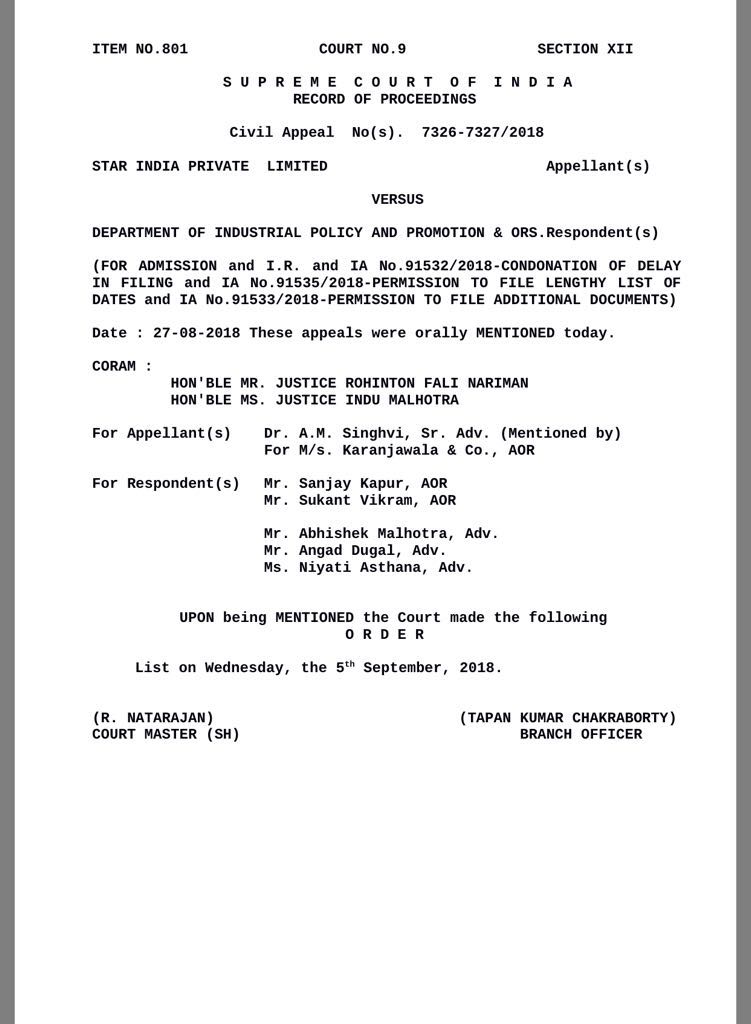
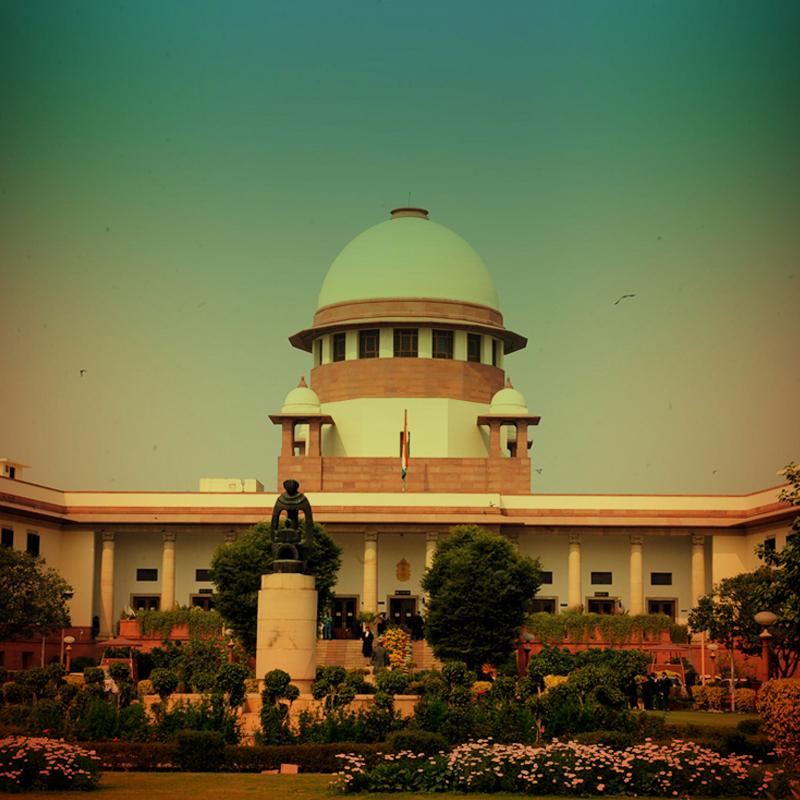
    MUMBAI: The Supreme Court has deferred the hearing of Star India’s petition against TRAI tariff and inter-connect order to 11 September 2018.

    Zee Entertainment Enterprises Ltd (ZEEL) was first out of the blocks in publishing the RIO, declaring the MRP and nature of channels in connection with its tariff order, which had a 31 August deadline. The Punit Goenka-led company was followed by TV18 Broadcast Limited ( TV18), Sony Pictures Networks India Private Limited (SPNI), who adhered to the regulator’s directive on September 4.

    The TRAI tariff orders, first contested in Madras High Court by the petitioners, were cleared by the Chennai court with certain riders after hearings that continued almost over 16 months in front of two benches of the court.

    After the Madras HC had given a thumb up to TRAI tariff order, and both the petitioners and the defendant (TRAI) had filed caveats in the Supreme Court, the regulator had bowled a googly saying that its tariff order would come into effect from 3 July 2018 as all judicial compliances had been completed.

    “Having complied with  the  judicial  mandates  in  the  matter,  the Telecommunication (Broadcasting and Cable) Services (Eighth) (Addressable Systems)  Tariff   Order, 2017 and  the Telecommunication (Broadcasting and Cable) Interconnection (Addressable Systems) Regulations, 2017 as upheld by the Hon’ble Madras High  Court and the Telecommunication (Broadcasting and Cable) Services Standards  of   Quality  of  Service and  Consumer  Protection (Addressable Systems) Regulations, 2017 come into effect from 3rd July 2018,” the regulator had said in a statement pointing out that all timelines mentioned in the original order should be adhered to immediately.

    According to TRAI, implementation of the new regulatory framework will “bring in transparency”, enable provisioning of affordable broadcasting and cable TV services for the   consumer and, at the  same time, “would lead to an orderly growth of the sector”.

  • TV18, Sony Pictures India announce new channel rates

    TV18, Sony Pictures India announce new channel rates

    MUMBAI: Days after Zee announced its new tariff rates, TV18 Broadcast and Sony Pictures Networks India (SPNI) have also made public their own rates, in accordance with TRAI tariff rules.

    IndiaCast, the authorised distributing agency of TV18 channels, has updated the new format based Reference Interconnect Offer (RIO) on its website. This updated RIO will be effective for the term commencing from 29 December 2018. SPNI has also published its new RIO on its website.

    All TV18 channels will be available on an a-la-carte basis, as required by regulations. The a-la-carte rate of all SD & HD channels is under Rs 19 per month. The maximum retail price (MRP) of the basic bouquet for Hindi speaking market (HSM) named as Hindi Base starts at Rs 36 which includes Colors, MTV, Rishtey and CNN News 18. The Hindi Ultra pack has been priced at Rs 58. There’s an India Base pack which includes important channels from all regions and each genre at Rs 79.

    The broadcaster has announced multiple bouquets for several regional markets including base and ultra-pack both in SD and HD. Karnataka Base pack will cost Rs 53, while Maharashtra Base pack price has been fixed at Rs 45 and Bengal Base at Rs 41.

    SPNI is also providing a total of 32 channels including SD and HD on a-la-carte basis at under Rs 19 per month.

    SPNI has also declared ten bouquets concentrating on different regional markets as well along with focusing on its premium channels. The base pack BST Regular pack has been fixed at Rs 55 while its variants of regional languages are priced higher. SPN Blockbuster Pack priced at Rs 86.4 includes SET, Sony Yay!, Sony BBC Earth and ESPN. The Blockbuster pack also has variants with Bengali and Marathi languages.

    Two different packs focusing on the South Indian market are also available. The Big HD pack with all HD channels is priced at Rs 116 where Sony Marathi HD is proposed to be launched in place of TEN Golf HD. While the viewers of HD channels are growing slowly but gradually, two HD bouquets, one for South, are also available.

    The deadline given by TRAI was 31 August for publication of RIO, declaration of MRP and nature of channels, in connection with its tariff order. Zee Entertainment Enterprises Limited (ZEEL) was the only broadcaster to publish its RIO before the given deadline.

    Star India is the only big broadcaster which has not filed its ROI yet. The broadcaster is also one of the main petitioners against the TRAI tariff and interconnect order which will now be heard on 5 September by the Supreme Court.

  • SC defers hearing of Star India petition on TRAI tariff order to 5 September

    SC defers hearing of Star India petition on TRAI tariff order to 5 September

    NEW DELHI: The Supreme Court has deferred the hearing of Star India’s petition filed against TRAI tariff and inter-connect order to 5 September, 2018.  The order had been given a go-ahead by the Madras High Court.

    The TRAI tariff orders, first contested in Madras High Court by the petitioners, were cleared by the Chennai court with certain riders after hearings that continued almost over 16 months in front of two benches of the court.

    Though the petitioners were unable for comments, a legal eagle explained that the very fact the Supreme Court has allotted a day for hearing the petition of Star India and Vijay TV, which basically revolves around copyright and why the regulator doesn’t have jurisdiction over such issues, highlights the fact that the judge doesn’t want to take a decision in a hurry.

    However, ahead of 31 August 2018 deadline for publishing TV channel prices in a new format Zee Entertainment Enterprises Ltd  (ZEEL) has made public its channel prices in line with the tariff order, setting an example for owners of other TV channels.

    All ZEEL channels will be available on a-la-carte basis, as required by regulations, and the consumers will also have the option to choose from specifically created bouquets for Hindi speaking markets (HSM) and different regional language markets like Marathi, Bangla, Odia, Bhojpuri, Tamil, Telugu, Kannada and Malayalam.

    After the Madras HC had given a thumb up to TRAI tariff order, and both the petitioners and the defendant (TRAI) had filed caveats in the Supreme Court, the regulator had bowled a googly saying that its tariff order would come into effect from 3 July 2018 as all judicial compliances had been completed.

    “Having complied with  the  judicial  mandates  in  the  matter,  the Telecommunication (Broadcasting and Cable) Services (Eighth) (Addressable Systems)  Tariff   Order, 2017 and  the Telecommunication (Broadcasting and Cable) Interconnection (Addressable Systems) Regulations, 2017 as upheld by the Hon’ble Madras High  Court and the Telecommunication (Broadcasting and Cable) Services Standards  of   Quality  of  Service and  Consumer  Protection (Addressable Systems) Regulations, 2017 come into effect from 3rd July 2018,” the regulator had said in a statement pointing out that all timelines mentioned in the original order should be adhered to immediately.

    According to TRAI, implementation of the new regulatory framework will “bring in transparency”, enable provisioning of affordable broadcasting and cable TV services for the   consumer and, at the   same time, “would lead to an orderly growth of the sector”.

  • ZEEL announces new TV channel prices ahead of deadline

    ZEEL announces new TV channel prices ahead of deadline

    MUMBAI: Ahead of 31 August 2018 deadline for publishing TV channel prices in a new format and a day before the Supreme Court hears a case relating to TRAI’s new tariff regime, Zee Entertainment Enterprises Ltd  (ZEEL) has made public its channel prices as suggested by the regulator in 2016, setting an example for owners of other TV channels.

    All ZEEL channels will be available on a-la-carte basis, as required by regulations, and the consumers will also have the option to choose from specifically created bouquets for Hindi speaking markets (HSM) and different regional language markets like Marathi, Bangla, Odia, Bhojpuri, Tamil, Telugu, Kannada and Malayalam, an official statement from ZEEL said on Monday evening.

    The Punit Goenka-led ZEEL’s initiative to be first off the blocks with a-la-carte pricing could very well put pressure on other broadcasters to follow the example. Goenka also happens to be the president of the Indian Broadcasting Foundation, an industry body that claims its members manage 350+ TV channels and about 90 per cent of television viewership across the country.

    [[{“fid”:”836178″,”view_mode”:”default”,”fields”:{“format”:”default”,”alignment”:””,”field_file_image_alt_text[und][0][value]”:”graph”,”field_file_image_title_text[und][0][value]”:”graph”},”link_text”:null,”type”:”media”,”field_deltas”:{“1”:{“format”:”default”,”alignment”:””,”field_file_image_alt_text[und][0][value]”:”graph”,”field_file_image_title_text[und][0][value]”:”graph”}},”attributes”:{“alt”:”graph”,”title”:”graph”,”height”:266,”width”:624,”class”:”media-element file-default”,”data-delta”:”1″}}]]

    Meanwhile, according to ZEEL, for each market, there will be multiple bouquets available to consumers across the country at different price points. Each bouquet would constitute a mix of channels of different genres, including general entertainment, movies, news, infotainment and music. The starting bouquet (B1) is likely to exclude English entertainment and English movie channels whereas the premium bouquet would include all channels offered by Zee.

    ZEEL is likely to keep the prices of Hindi language bouquets from Rs. 45 upwards. For other languages, bouquet prices will be higher in those markets where Zee has multiple offerings and lower in other cases. For the discerning high definition (HD) consumers, Zee is creating additional bouquets that will make it convenient for various operators to offer to their respective subscribers, the statement said. The Hindi language HD bouquets are likely to be priced Rs. 60 upwards.

    ZEEL has decided to offer all its News channels along with its other popular channels like Zee Anmol, Big Ganga and Big Magic as part of these pay bouquets. As a result, these channels would not be available in the FTA pack.

    In a related development, the Supreme Court is scheduled to hear a case filed by Star India and Vijay TV against Madras High Court clearing regulator TRAI’s new tariff regulations, which were first announced middle 2016 but has been in suspended animation since late 2016 due to various legalities.

  • DD has no plans to buy rights of cricket WC ’19 & Tests: MIB

    DD has no plans to buy rights of cricket WC ’19 & Tests: MIB

    NEW DELHI: Ministry of Information and Broadcasting (MIB) has stated that national broadcaster Doordarshan will continue relying on existing laws to air live and shared signals of relevant international cricket matches, the rights for which may be with some private broadcaster, while clarifying there were no plans to directly acquire rights for Tests or the cricket World Cup 2019.

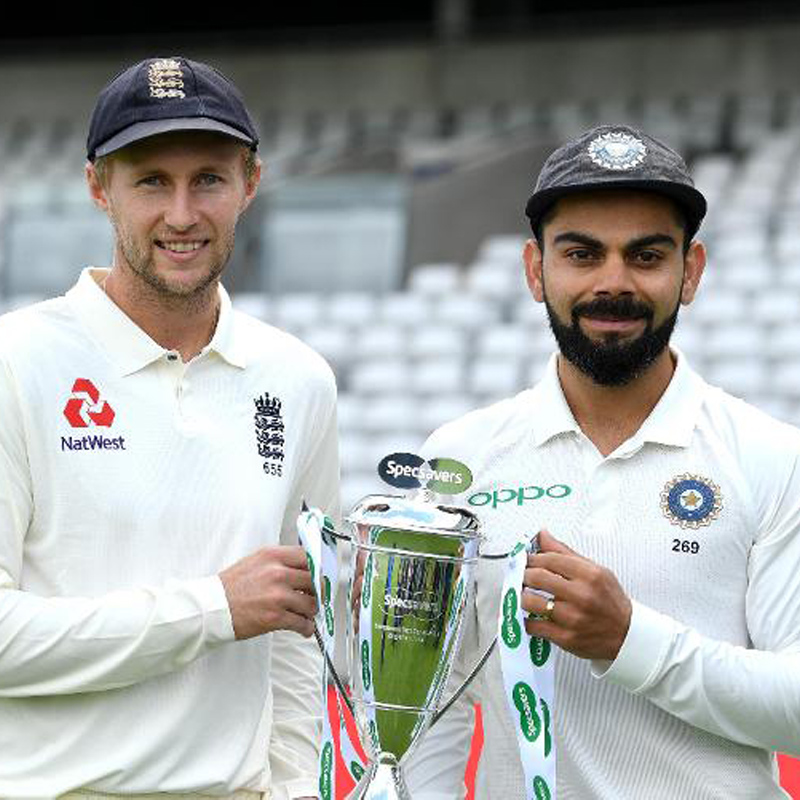
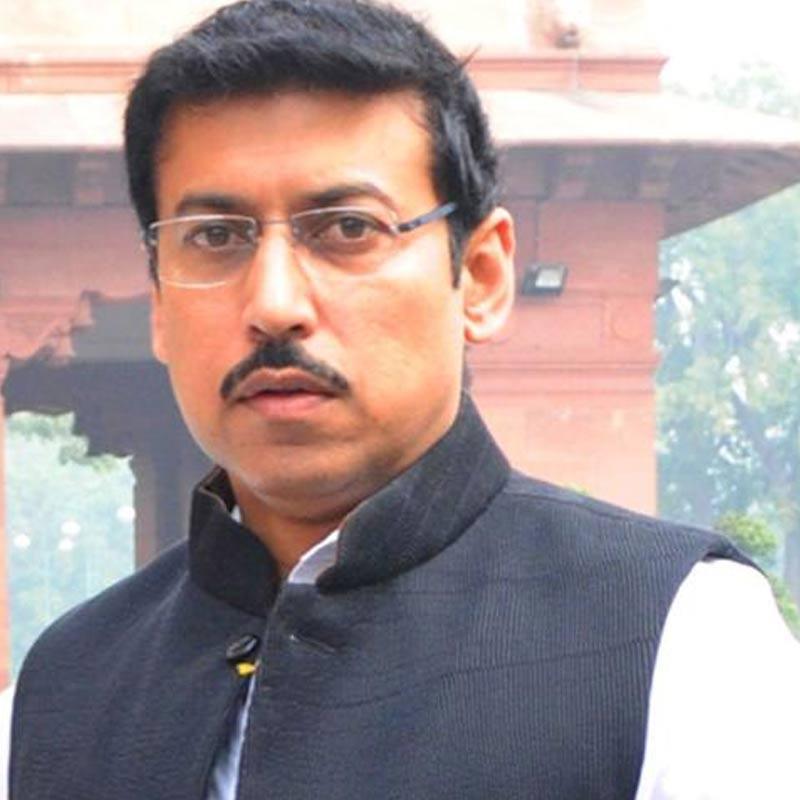
    Quoting inputs from Prasar Bharati, parent of Indian pubcasters DD and All India Radio, MIB Minister Rajyavardhan Rathore told fellow parliamentarians that “live telecast of cricket matches” was being done on Doordarshan Sports channel under the Sports Broadcasting Signals (Mandatory Sharing with Prasar Bharati) Act, 2007, which was passed by the Parliament and notified the same year. These matches included the ongoing cricket series between India and England comprising three T20s and three one-dayers.

    “The Act enjoins upon the rights holder to share with Prasar Bharati, live broadcasting signals of sports events of national importance for which they hold broadcast rights to enable Prasar Bharati to re-transmit the same on its terrestrial and DTH networks,” Rathore explained.

    However, the government did not explain as to why it did not insist on shared TV feeds of five-day Test matches.

    Incidentally, Star India, managers of several sports channels and rights holders of IPL and several other cricket properties, which were acquired on payment of several billions of dollars, had filed a case in the Supreme Court against unencrypted signals of DD’s satellite-delivered channels not only spilling over to other countries, but also pirated by distribution platforms within India too during cricket matches. Star got a favourable directive from the apex court in 2017, though Prasar Bharati had described it as an opportunity. as it helped it to bring the focus back on DD Sports channel.

    Meanwhile, answering to other queries raised by parliamentarians on cricket, Rathore admitted there was “no proposal to acquire the broadcast rights” for live telecast of Test series between India and England, and the Cricket World Cup in 2019. The broadcast rights for India region for the ongoing England tour of India lies with Sony Pictures Networks India.

    DD Can’t Be Compared To Private Sector TV Channels’

    Pointing out that DD’s programming is more focused on issues of public interest like health, education, empowerment, social justice, etc., the Minister said that the pubcaster’s programmes could “not be be compared” with private channels as both have totally different objectives and programming formats.

    However, Doordarshan is striving to provide “impactful and meaningful” programmes to become the “preferred channel of choice of people”, Rathore said, adding it was a constant endeavour of DD to modernize its infrastructure and improve the quality of programmes.

    “Doordarshan has undertaken a comprehensive plan to improve the programme content, and look and feel of all national and regional channels in DD network,” the Minister said, highlighting that efforts were being made to empanel creative agencies that can work for better look and feel of the channel(s).

  • SC to hear Star India petition on TRAI tariff order late August

    SC to hear Star India petition on TRAI tariff order late August

    NEW DELHI: The Supreme Court today listed for 28 August the special leave petition filed by Star India and Vijay TV against a tariff and inter-connect orders of regulator TRAI that had been given a go-ahead by the Madras High Court.

    The TRAI tariff orders, first contested in Madras High Court by the petitioners, were cleared by the Chennai court with certain riders after hearings that continued almost over 16 months in front of two benches of the court.

    Though the petitioners were  unavailable for comments, a legal eagle explained that the very fact the Supreme Court has allotted a day for hearing the petition of Star India and Vijay TV, which basically revolves around copyright and why the regulator doesn’t have jurisdiction over such issues, highlights the fact that the judge doesn’t want to take a decision in a hurry.

    The next date of hearing of the case in the apex court on 28 August 2018 is few days before the deadline kicks in for filing of new inter-connect agreements by stakeholders of the Indian broadcast industry.

    After the Madras HC had given a thumb up to TRAI tariff order, and both the petitioners and the defendant (TRAI) had filed caveats in the Supreme Court, the regulator had bowled a googly saying that its tariff order would come into effect from 3 July 2018 as all judicial compliances had been completed. 

    “Having complied with the judicial mandates in the matter,  the Telecommunication (Broadcasting and Cable) Services (Eighth) (Addressable Systems) Tariff Order, 2017 and the Telecommunication (Broadcasting and Cable) Interconnection (Addressable Systems) Regulations, 2017 as upheld by the Hon'ble Madras High  Court and the Telecommunication (Broadcasting and Cable) Services Standards  of   Quality  of  Service and  Consumer  Protection (Addressable Systems) Regulations, 2017 come into effect from 3rd July 2018,” the regulator had said in a statement pointing out that all timelines mentioned in the original order should be adhered to immediately.

    According to TRAI, implementation of the new regulatory framework will “bring in transparency”, enable provisioning of affordable broadcasting and cable TV services for the consumer and, at the same time, “would lead to an orderly growth of the sector”.

    Keep tuned in for another episode of this legal saga, which started to air sometime in 2016.

  • MIB Minister tries to allay fears on online surveillance & privacy violations

    MIB Minister tries to allay fears on online surveillance & privacy violations

    NEW DELHI: The Indian government has denied that its proposed Social Media Communications Hub, under the jurisdiction of Ministry of Information and Broadcasting (MIB), will violate a citizen’s privacy through monitoring of social media footprints as the plan was more directed towards propagating the government’s policy initiatives.

    The government has also clarified that there was no proposal under consideration to get installed tracking chips in set-top- boxes through which various TV and broadband services are delivered to a large number of the 190 million-plus TV households in India.

    “The government proposes to set up a Social Media Hub to facilitate information flow regarding its policies and programmes through social media platforms, that is Facebook, Twitter, Instagram, YouTube, etc.,” MIB Minister Rajyavardhan Rathore told the Indian Parliament’s Lower House yesterday while answering queries raised by fellow parliamentarians whether such a monitoring facility is aimed at collecting and analysing data across all major social media platforms that would ultimately be a surveillance tool for the government.

    The Minister also clarified that there was no proposal to “invade an

    individual’s right to privacy, and the right to freedom of speech” through the proposed social media hub.

    In the past two years, MIB has been a facilitator in providing publicity to the flagship schemes of the government on major social media platforms and had organized various online promotional activities in this regard, Rathore explained.

    What Rathore didn’t clarify or add — as he was not asked specifically so — as to why a tender for setting up of the Social Media Communications Hub was floated in the first place and why the document’s objectives were so detailed that it alarmed civil society on its citizen surveillance aspects. The full details of the tender document can be still found online.

    Incidentally, the deadline for a tender floated to locate vendor(s) to set up the proposed social media hub — termed by critics as a surveillance tool to monitor Indian citizens’ activities and thoughts in real time — has been extended several times since April 2018 with the new deadline now being 20 August 2018 before which the Supreme Court is scheduled to hear a case against its setting first week of August.

    The apex court’s initial observations sounded critical as it said if such a monitoring hub came up it could turn India into a “surveillance state”.

    Broadcast Engineering Consultants India Limited (BECIL), an organization under the umbrella of MIB, had floated a tender to supply a software for the project. When the idea was first mooted Smriti Irani was the MIB Minister.

    “A technology platform is needed to collect digital media chatter from all core social media platforms as well as digital platforms such as news, blogs… In a single system providing real-time insights, metrics and other valuable data,” the tender document stated.

    Under the project, media persons would be employed on contractual basis in each district to be the “eyes and ears” of the government and provide real-time updates from the ground — one of the reason for extending the deadline was this condition, missing in the original tender document, got added later.

    According to critics of the project, undertaken under a seemingly harmless name of Social Media Communications Hub, however, it aimed to monitor in real times not only the social media and online activities of Indian citizens, but also seeks to deploy technology to predict behavior and possible future actions of people. This, at a time when India doesn’t have strong data protection laws.

    Amongst the many listed objectives of the media hub is this: “What would be the headlines and breaking news of various channels and newspapers across the globe— could be done with knowledge about their leanings, business deals, investors, their country policies, sentiment of their population, past trends etc. NYT, Economist, Time etc. are good examples, what would be the global public perception due to such headlines and breaking news, how could the public perception be moulded in positive manner for the country, how could nationalistic feelings be inculcated in the masses, how can the perception management of India be improved at the world for a how could the media blitzkrieg of India’s adversaries be predicted and replied/neutralized, how could the social media and internet news/discussions be given a positive slant for India.”

    One of the many critics of this project is the Internet Freedom Foundation (IFF), which has also sent a notice to the MIB to stop the project, failing which the organization would take legal action. Its concerns? “Social Media Communication Hub will also have the ability to broadcast content without any legal authority or guidance through 20 central and 716 district level social media executives. In sum, this is a system of control through surveillance and a capacity to spread propaganda,” the Foundation had said in an online campaign last month.

  • Supreme Court questions MIB’s digital chatter monitoring proposal

    Supreme Court questions MIB’s digital chatter monitoring proposal

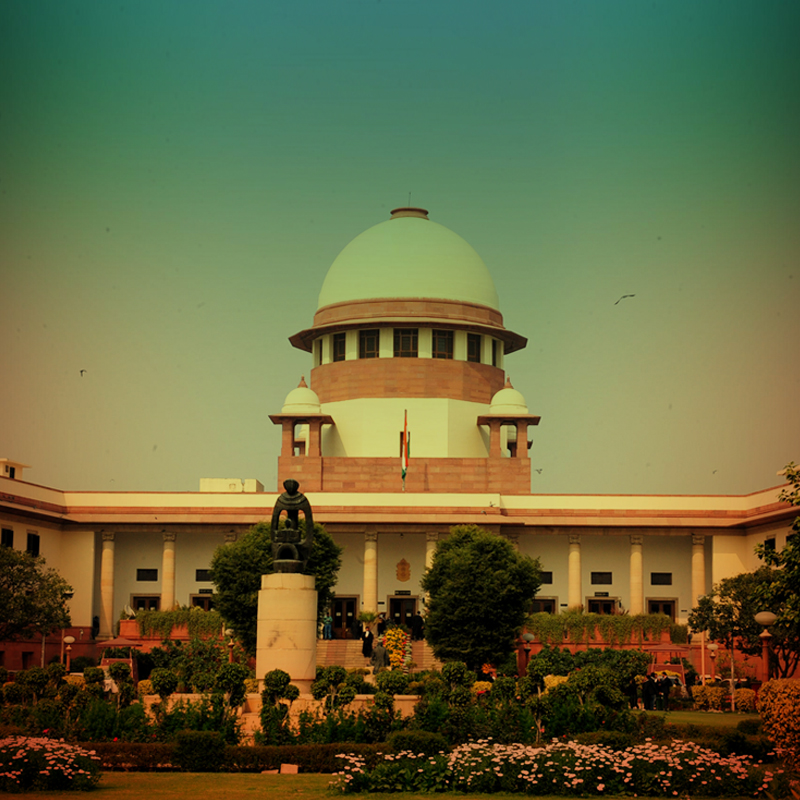
    NEW DELHI: The government proposes, Supreme Court disposes. Well, almost. Not fully yet. Though, the apex court has questioned a Ministry of Information and Broadcasting proposal to monitor digital chatter and online footprint, observing today that if done it would be “like creating a surveillance state”.

    The top court said the government wants to tap citizens’ WhatsApp messages and sought its response within two weeks, according to a report filed by Press Trust of India.

    A bench of Chief Justice Dipak Misra and Justices A M Khanwilkar and D Y Chandrachud issued notice to the federal government on a plea by Trinamool Congress (TMC) legislator Mahua Moitra and sought Attorney General K K Venugopal’s assistance in the matter.

    “The government wants to tap citizens’ WhatsApp messages. It will be like creating a surveillance state,” the bench was quoted by PTI as having said earlier in the day.

    The bench then said it was listing the matter on 3 August 2018, before the opening of the tender on 20 August 2018 for the proposed monitoring cell. The attorney-general or any law officer for the government will assist the court in the matter. As reported by Indiantelevision.com earlier, the project’s deadline has already been extended several times.

     The project being undertaken under a seemingly harmless name of Social Media Communications Hub, however, has aims to monitor in real times not only the social media and online activities of Indian citizens, but also seeks to deploy technology to predict behavior and possible future actions of people. This, at a time when India doesn’t have strong data protection laws.

    Amongst the many listed objectives of the media hub is this: “What would be the headlines and breaking news of various channels and newspapers across the globe— could be done with knowledge about their leanings, business deals, investors, their country policies, sentiment of their population, past trends etc. NYT, Economist, Time etc. are good examples, what would be the global public perception due to such headlines and breaking news, how could the public perception be moulded in positive manner for the country, how could nationalistic feelings be inculcated in the masses, how can the perception management of India be improved at the world for a how could the media blitzkrieg of India’s adversaries be predicted and replied/neutralized, how could the social media and internet news/discussions be given a positive slant for India.”

    One of the many critics of this project is the Internet Freedom Foundation (IFF), which has also sent a notice to the MIB to stop the project, failing which the organization would take legal action. Its concerns? “Social Media Communication Hub will also have the ability to broadcast content without any legal authority or guidance through 20 central and 716 district level social media executives. In sum, this is a system of control through surveillance and a capacity to spread propaganda,” the Foundation had said in an online campaign last month.
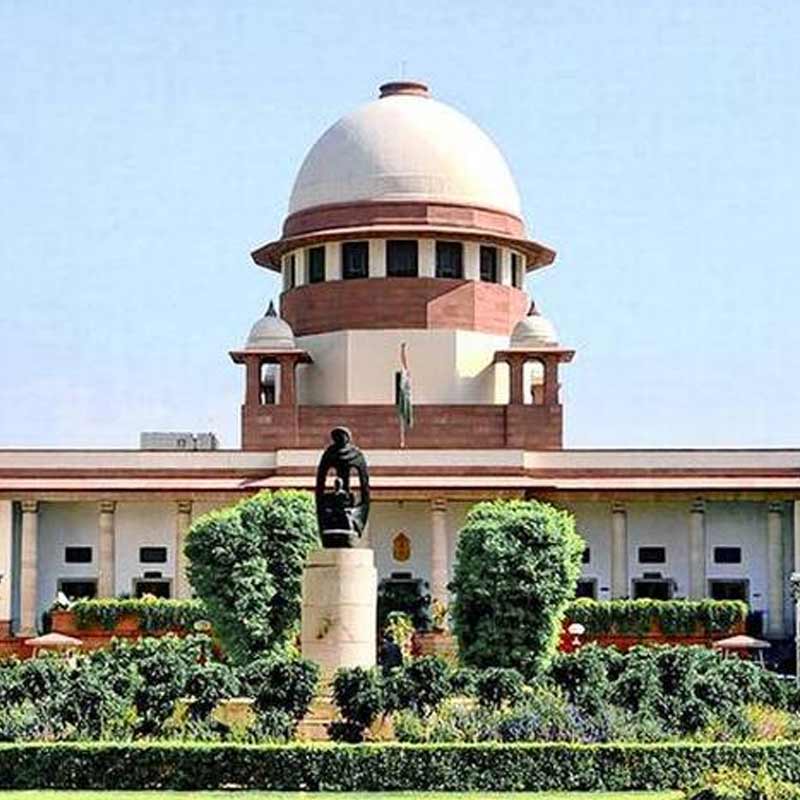
    Meanwhile returning to the Supreme Court, earlier on 18 June 2018 the court had refused to accord urgent hearing on the TMC member’s plea seeking to stay a central government move to set up a ‘Social Media Communication Hub’ that would collect and analyse digital and social media content.

    The counsel for Moitra had said that the government is trying to monitor social media content of individuals by tracking their social media accounts such as those on Twitter, Facebook and Instagram, and their e-mails.

    Broadcast Engineering Consultants India Limited (BECIL), an organization under the umbrella of MIB had floated a tender to supply a software for the project. When the idea was first mooted Smriti Irani was the MIB Minister.

    “A technology platform is needed to collect digital media chatter from all core social media platforms as well as digital platforms such as news, blogs… In a single system providing real-time insights, metrics and other valuable data,” the tender document elaborated.

    Under the project, media persons would be employed on contractual basis in each district to be the “eyes and ears” of the government and provide real-time updates from the ground — one of the reason for extending the deadline as this condition, missing in the original tender document, got added later.

  • Star files caveat in Supreme Court on TRAI tariff order

    Star files caveat in Supreme Court on TRAI tariff order

    MUMBAI: So the slugfest on the pricing of digital television in India is entering the next round. And, it is Star India now that has approached the Supreme Court and filed a caveat with it on the Telecom Regulatory Authority of India’s (TRAI) tariff regulations and more specifically on the 15 per cent discount issue.

    According to sources, TRAI too had filed earlier a caveat at the apex court. A caveat is a notice given by a person or an organisation, informing the court that another person/company may file a suit or application against him/them and that the court must give the caveator – person/company filing the caveat – a fair hearing before deciding any matter brought before it in the relevant case.

    Last week, the third judge of the Madras High Court had upheld the regulator TRAI’s order on channel tariffs and dismissed the petitioners’ (Star India and Vijay TV) plea that pricing of content is not under the jurisdiction of the TRAI.

    Even as the high court upheld all the proposed regulations, it disallowed one that puts a cap of 15 per cent on the discount that can be offered by broadcasters or TV channels to distributors on the maximum retail price.

    Another observation of the high court relating to broadcast re-transmission rights or BRR too hasn’t gone down too well with the petitioners and that could be an issue too behind an appeal at the Supreme Court. Though, it is still not clear whether the petitioners or respondent would appeal the Chennai court order.

    Meanwhile a similar case is pending against the TRAI in the Delhi High Court. It involves Bharti Airtel Telemedia, Tata Sky and Discovery Communication India, which had filed petitions against the tariff order in 2017. The TRAI had then informed the court that the issues raised in the petitions were the subject matter of two writ petitions already filed in the Madras High Court and requested that it may await the outcome of those proceedings.

    The Delhi high court had accepted the request but had directed TRAI that it should inform it and the petitioners about the judgment before effectuating the orders. Additionally, earlier the Supreme Court too had ordered the maintenance of status quo as far as the pricing regulations were concerned.  

    The Madras HC has suspended its decision for two weeks to give time to parties involved to appeal to a higher court or seek further clarifications from it.

    Also Read:

    Madras HC gives split verdict in Star India versus TRAI case

    SC could take up TRAI-Star case on tariff regulations

    TRAI-Star case back to Madras HC with SC rider

  • 2G spectrum case: CBI acquits all accused

    2G spectrum case: CBI acquits all accused

    Mumbai: A special CBI court today acquitted all accused in the three cases related to the 2G spectrum allocation. The case pertained to graft and money laundering charges against a former telecom minister, politicians, and business executives in the grant of spectrum licences

    Deciding the fate of all accused, including former telecom minister A Raja and DMK leader Kanimozhi Karunanithi, the court opined, “Absolutely no hesitation in holding that the prosecution has miserably failed to prove any charge against any of the accused, made in its well choreographed charge sheet.”

    The CBI had claimed that Raja had devised his own way of granting telecom licences, brushed aside the first-come-first-served principle, misled the (then) Prime Minister, disregarded the concerns of other ministries and ran a parallel office at home to grant licences to whosoever offered him gratification.

    The case relates to alleged below-market-price sale of lucrative telecom permits bundled with airwaves in 2008, which a federal auditor said may have cost the government as much as $28 billion in lost revenue.

    In 2012, the Supreme Court ordered 122 licenses held by eight operators to be revoked, declaring the licenses illegal and the process “wholly arbitrary, capricious and contrary to public interest.”

    Also read:

    TRAI wants spectrum cap revised to 35 per cent

    Spectrum payment limit eased, NTP to facilitate data and security