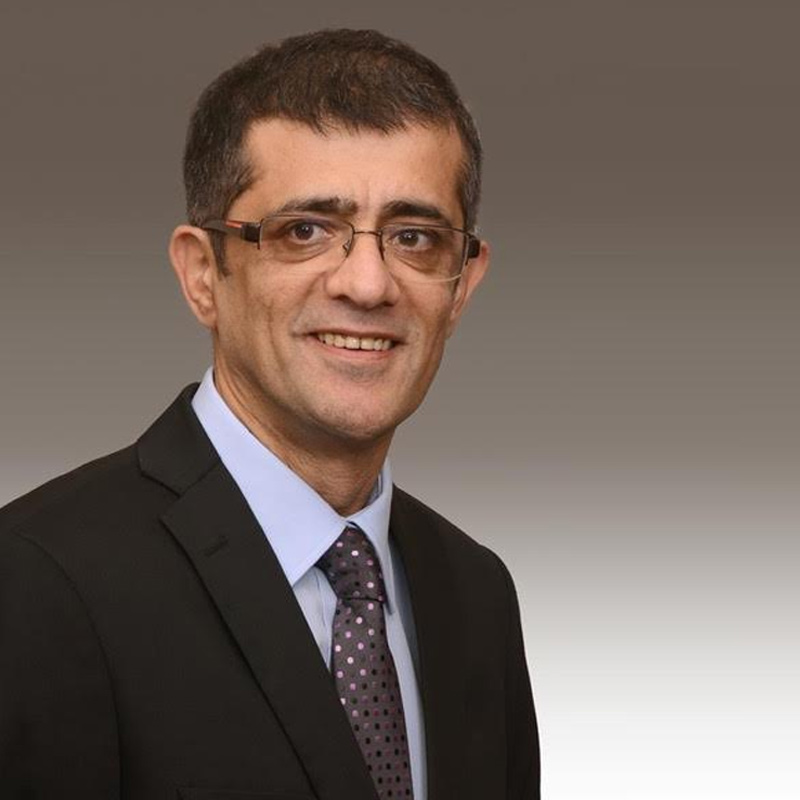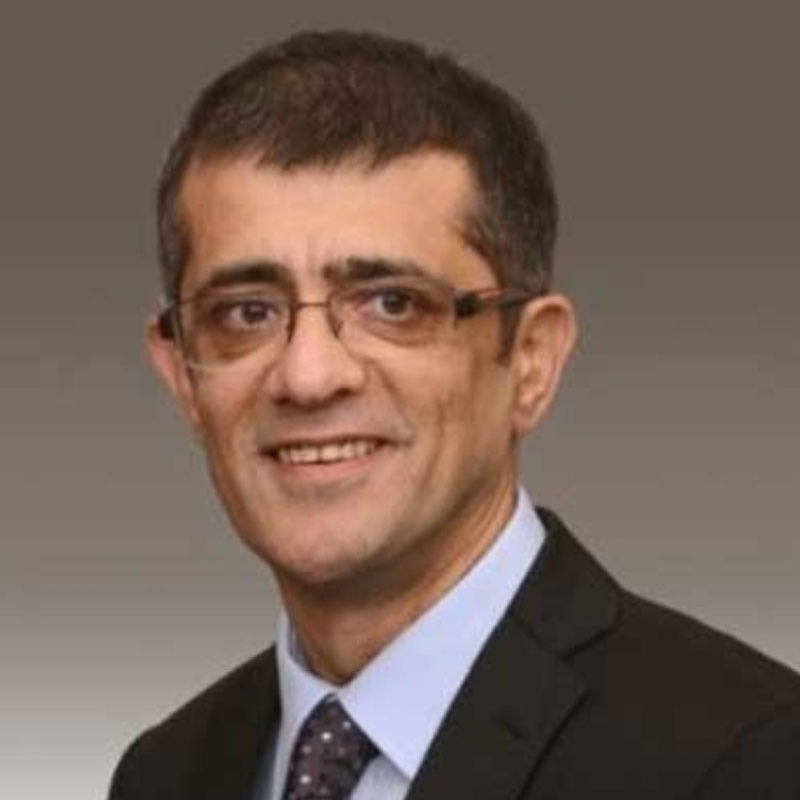
Tag: Sunil Lulla

  • Eros shareholders give go-ahead to resolutions

    Eros shareholders give go-ahead to resolutions

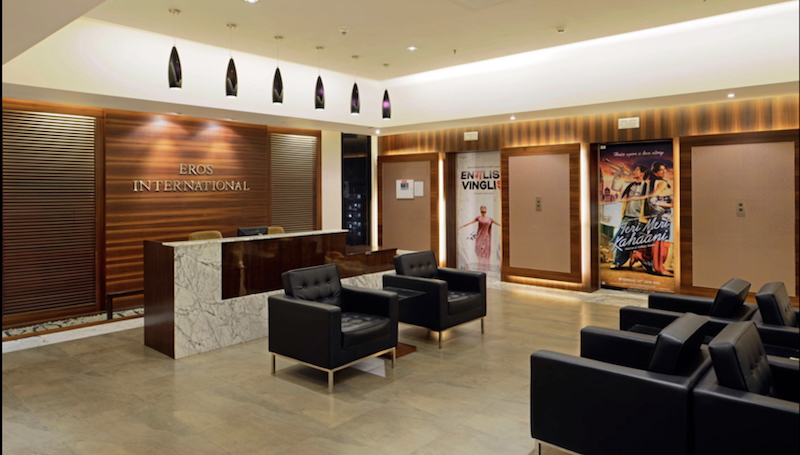
    MUMBAI — Eros International Media Ltd has secured shareholder approval for all resolutions presented at its recent e-voting session, the company announced on 2 March in a regulatory filing with the BSE. 

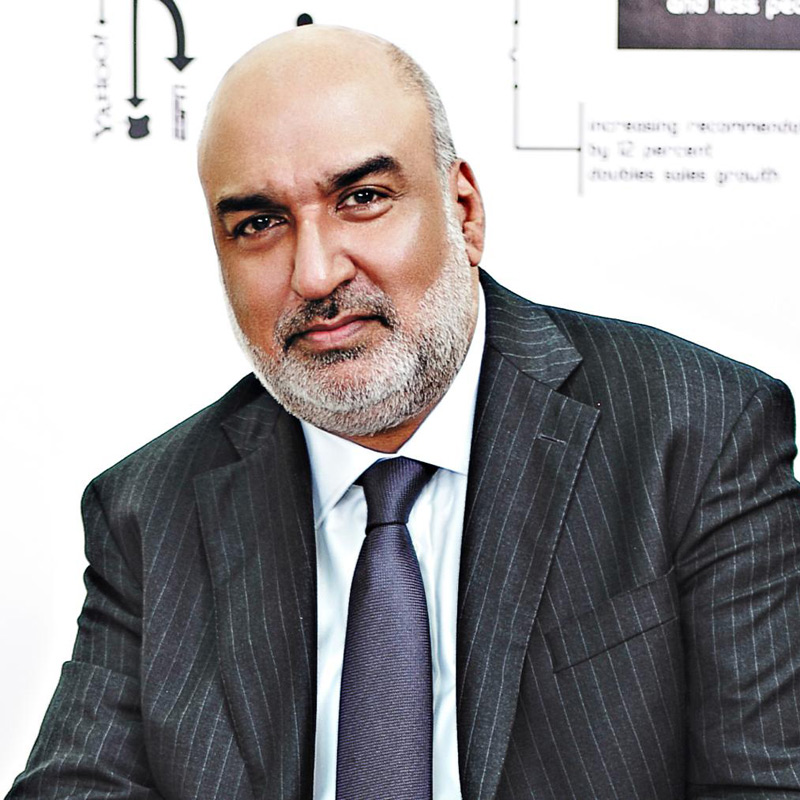
    Shareholders passed an ordinary resolution to reappoint Pradeep Dwivedi to the board. Pradeep who retired by rotation as per statutory requirements, was eligible for reappointment and will continue in his role.

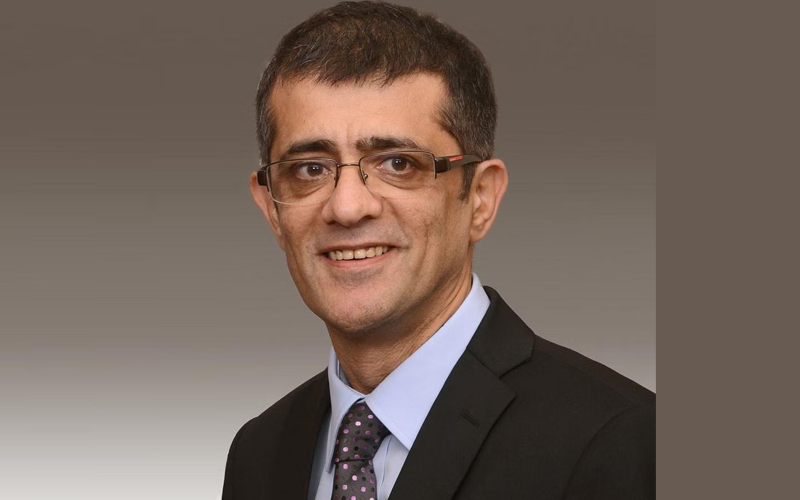
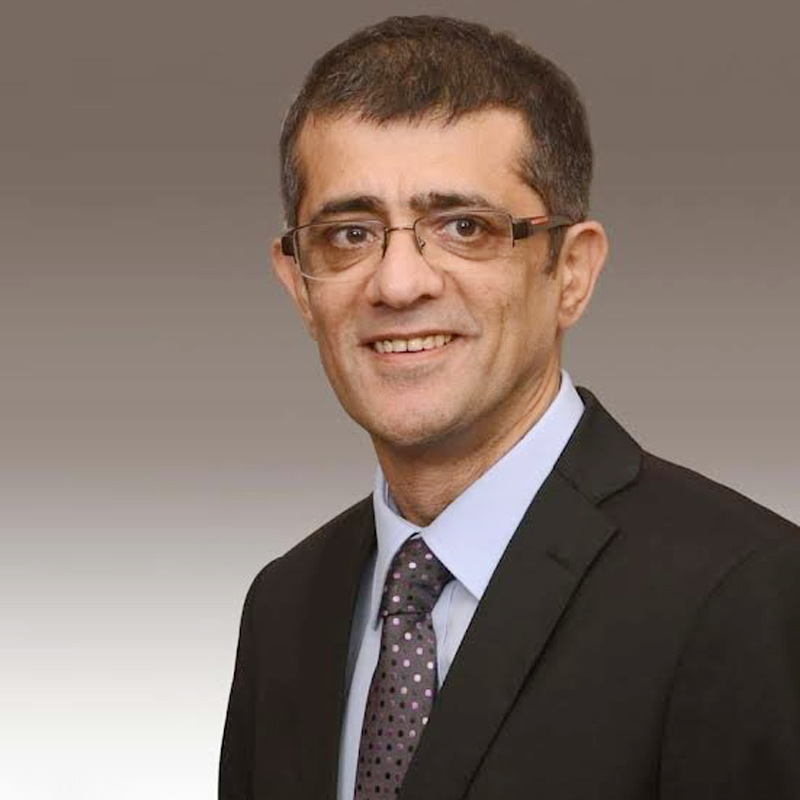
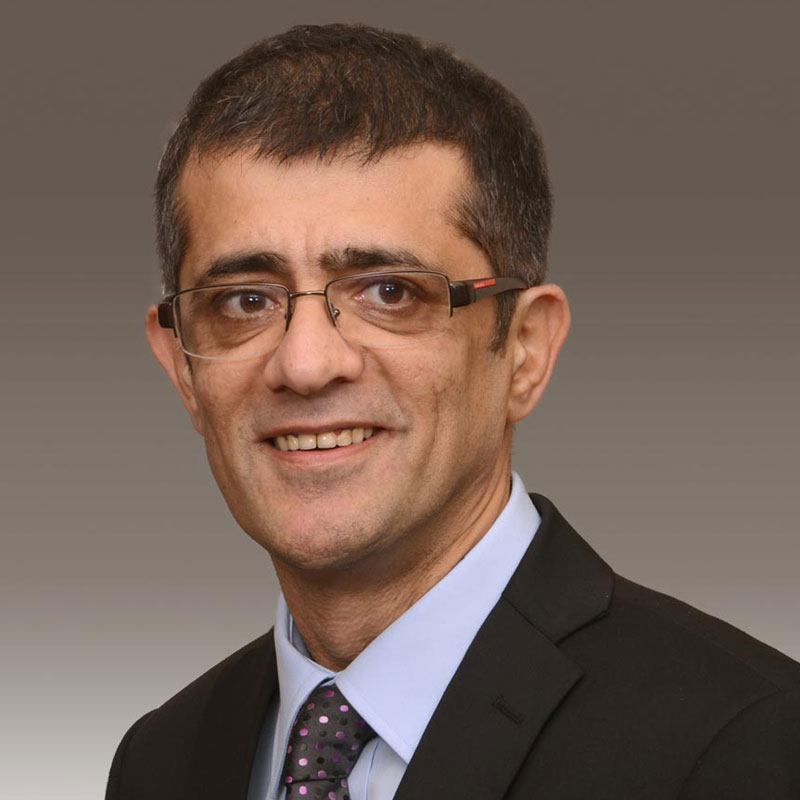
    A special resolution was also approved granting a waiver for excess remuneration paid or payable to Sunil Lulla, executive vice chairman & managing director, for the 2023-2024 financial year. This resolution was required to regularise compensation that exceeded standard limits under company guidelines.

    Additionally, shareholders passed a special resolution approving the company’s name change from Eros International Media Limited to Eros Media International Limited. The rebranding represents a minor adjustment to the company’s official title while maintaining its core brand identity.

    The shareholders also gave the go-ahead to the financials declared by the company for the year ended 31 March 2024. 

    All resolutions received the requisite majority vote, demonstrating shareholder confidence in the company’s governance decisions. The name change is expected to be implemented following completion of necessary regulatory procedures.

  • VBS 2024: The FAST TV Phenomenon: The Next Growth Phase

    VBS 2024: The FAST TV Phenomenon: The Next Growth Phase

    Mumbai: India is in the grips of seisnic changes regarding video and broadband consumption. Pay TV cord-cutting is rampant even as free TV subscriptions are on the rise and OTT buy-ins are churning with the signs up for certain platforms stagnating even as others are seeing rapid increases and some are seeing cataclysmic drops. Aggregators of OTTs are popping up on the horizon promising cheap bundles along with value-added services for cable TV and DTH. There’s a rush to set up free advertising-supported TV channels by TV set manufacturers and smart TV device makers. There’s the Jio factor where it seeks to convert most pay TV customers to free streaming of video content by offering free access to consumers at no cost. The consumer continues to demand bandwidth higher than ever imagined even as prices drop. Margins are under pressure as every player goes one-up on each other to acquire and retain customers.

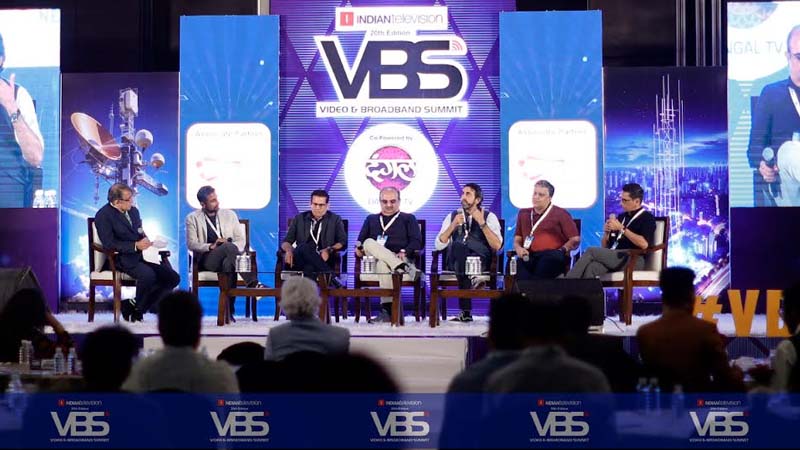
    The video and broadband distribution landscape has not been as vibrant as it is now.. How long will this pot-boiling continue? What will the magic potion of video and broadband look and taste like? And what’s the end game? Indiantelevision.com has held the 20th edition of Video and Broadband Summit better known as VBS at Sahara Star Hotel, Mumbai.

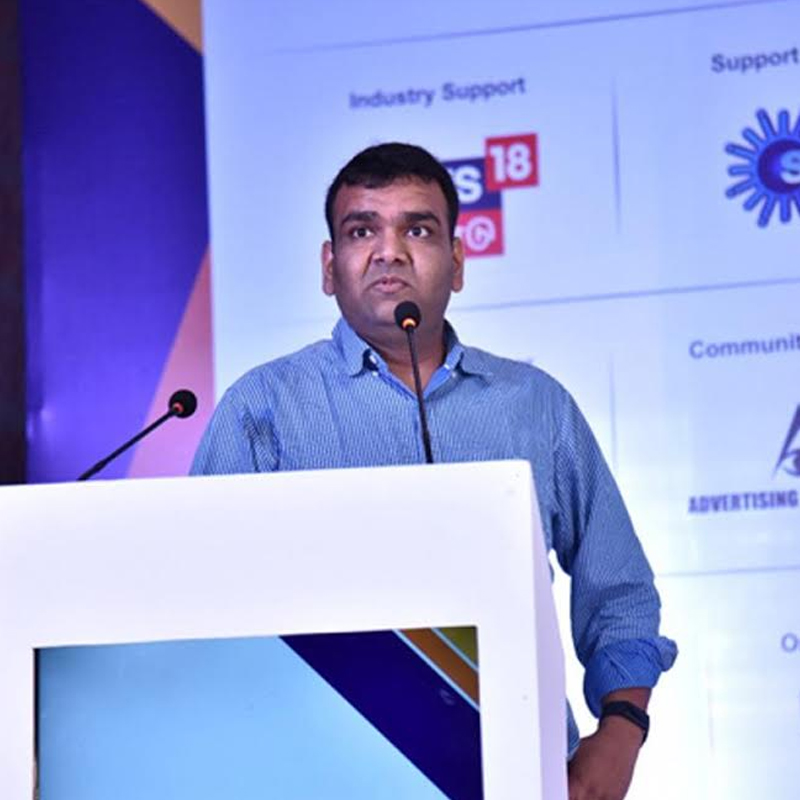
    The session chair for this panel was The Linus Adventures founder & chief evangelist Sunil Lulla along with the panelists: Travelxp co-founder  & CEO Prashant Chothani, DistroScale APAC head Vikas Khanchandani, Jioads CEO Gulshan Verma, Samsung Plus TV head of partnerships Kunal Mehta, Planetcast digital COO Venugopal Iyengar, Amagi SVP (Sales) Jay Ganeson

    Lulla began the session by saying how the marketplace is being built, how highly competitive it has been over the years, and also the emergence of FAST TV.

    To which Iyengar replied, “ The distribution landscape has been changed which we talked about on the morning session options. For media owners, there are hundreds of options which is great news but there is a complexity of how to manage not only distributing your content without too much conflict of interest or conflict of revenue. Secondly, also, how do you create a differentiated proposition for the viewer there’s no point doing a live channel and then you know, which is paid. So those two challenges are, of course, being dealt with by the media owners and the distributors like I was talking about, is really about figuring out how to manage this experience for the user, personalizing it and making it important.”

    Verma said, “ So I think the short answer right now is people want to watch a lot of content, and they want the variety that and they are willing to watch as in exchange for a more variety. And this is not just an Indian phenomenon, because we’re in India, if you look at the US, for example, you take something like Hulu TV, you know, they have two plans.1299 a month with no ads and 799 a month with ads. 95% of users taking seminar time without space. So, they will always be interested in FAST.”

    Khanchandani replied, “A lot of genres are getting pushed out of traditional distribution. So if you look at categories like English movies, and English entertainment, many other categories are feeling the heat. These guys are getting pushed out of traditional distribution. FAST is becoming a great place for them to land. Just allowing them to reach the right audience and build viewership.”

    Chothani said, “Fast helped us to graduate people to go on to pay TV and then get into the spot. So fast is when you say what is fast? It’s DD Free Dish on steroids. Because you can monetize it better. And it’s not that the television advertising budget is going down, the growth has slowed down. So nobody’s going away, everything is going to be there, we need to be a leader. That the key takeaway we understood when in the West when they entered FAST and it’s not that it took away from our pay TV audience or into coming from our OTT offering. So consumer is also consuming as part of certain transitions that the consumer is watching everything everywhere. So it’s not this or that. It’s this and that, and that.”

    Mehta said, “There is a need for other genres also to start, you know, investing in the content investing in FAST. About 80% of my consumers today watch some ad-supported streaming content on our FAST TV. So that just shows you how powerful the medium is whether it be TV plus or YouTube or any other VR OTT application on the platform.”

    Ganesan at the end summed up the by saying, “There are going to be four key players in any strategy from the consumer who’s eventually watching, who’s ready to watch an ad for getting the free content, they see value in FAST because on AVOD there is so much content, you just end up when you have what I have a lean back experience, you just don’t know what to watch what you want to watch.”

  • “In this dynamic landscape, reputation is a key focus for those who are keen on sustained success”: Sunil Lulla

    “In this dynamic landscape, reputation is a key focus for those who are keen on sustained success”: Sunil Lulla

    Mumbai: Sunil Lulla is a one man master class when it comes to Media, be it Print, Broadcast, measurement and much more.  Now he Heads Astrum as its Chairman. I have had the pleasure of interacting with him many times, this conversation is all about Risk & Reputation of brands and organisations. Lulla is known for successfully growing businesses, building enduring brands, and shaping organizational cultures. In a career spanning close to four decades, he has delivered business profitability, built market leadership and driven high employee engagement. These include blue chip organizations such as MTV, SONY, Entertainment Television, The Times Television Network, Indya.com, HMV, Diageo, Balaji Telefilms, JWT, GREY Group and BARC. He is the Chief Evangelist of The Linus Adventures, an advisory service focused on growing businesses, building brands and enabling cultures.

    Brands benefit from Lulla’s deep insights into Indian consumers and Board of Directors, C Suite executives and Start-Up Founders benefit from his rich experience in building very successful high-performance organizations. Sunil is an Institute of Directors (IOD) certified board member and currently serves on several boards. Sunil is an active sports-oriented person fond of running, swimming and working out in the gym. While at rest, it’s music, movies, and books, with a good hand at mixology.

    Indiantelevision.com on a one-on-one chat with Astrum chairman Lulla, on his new role, the launch of the Astrum report and much more….

    Edited excerpts

    On your journey and now as Chairman Astrum

    My commitment has always been about continuous learning and growth, aligning with the people I collaborate with and contributing positively to their success. This is my driving force, and when it no longer motivates me, I’ll step back—that’s my simple philosophy. My journey in media began with TV and even involved distributing physical copies of the Mumbai Mirror during its launch. I’ve navigated through the internet, explored the OTT space, and realized the significance of media in the sociological fabric of human life. Despite diverse opinions, the consumption of media continues to rise, deeply intertwined with commerce, digitalization, and automation.

    My focus is on enhancing business performance. The report we’ve shared emphasizes the need for businesses to acknowledge the importance of their brand scores, often neglected in boardrooms where profit and loss take precedence. In recent times, corporate entities have grappled with credibility and reputation issues, underlining the necessity for investments in understanding and refining these aspects within regulatory frameworks, utilizing both digital and non-digital technology.

    Today, a looming factor is the complexity of risks and how to navigate them. Rather than perceiving this as a threat, our perspective is that it presents an opportunity for positive transformation. Our submission isn’t solely for our benefit but for the entire industry to recognize this opportunity. We encourage collaboration and discussion, understanding that diverse viewpoints can augment and enrich our understanding. The message is clear – the industry must embrace change, leverage technology, and collectively strive for improvement.

    On this journey of TV to print, back to TV then BARC and now PR

    Companies are fundamentally about people and the pursuit of specific goals. Throughout my career, I’ve had the privilege of both setting and inheriting goals, and more often than not, I’ve managed to exceed expectations. When asked about the company I enjoyed working with the most, my response has always been that it’s about the people.

    From my very first job as a salesman in a liquor company, a Tata company at the time, I’ve maintained connections with some of the people I worked with. Despite the passage of time, I still cherish those relationships. While some companies I’ve been associated with have disappeared, others have thrived and transformed into something new. For me, the essence lies in the relationships forged.

    Reflecting on my career, I’ve found joy in these connections, wishing success for all the companies I’ve been a part of. Life has brought various experiences, and while some opportunities have vanished, new ones have emerged. Looking back 40 years, I see the landscape differently, recognizing the abundance of opportunities today.

    Entering the workforce, I, like many others, once believed in a retirement age of 55. However, witnessing my father-in-law celebrating his 100th birthday made me question that mindset. If he can continue to thrive, why can’t I? The realization dawned that staying healthy and keeping the mind active is key. Adapting, adopting, and staying relevant is crucial. As the saying goes, it’s all about mileage, as shared by Dharmendra in a memorable movie.

    The Western media landscape has adeptly embraced change, particularly in the evolution of journalists from traditional roles in high-intensity television to becoming versatile content producers, capable of shooting and creating their own stories. Reflecting on this adaptability within our industry to incorporate technology, it’s noticeable that the process may require significant capital or human resources. Despite this, it’s perplexing to observe a slow integration of these advancements into the curricula of media schools.

    When examining our circumstances, we can either accept the status quo and react, or we can proactively seek ways to instigate change. Personally, I lean towards the latter approach—asking, “How can I change?” Throughout my life, I’ve embraced a philosophy akin to being a coffee bean, focusing on transformation and adaptability.

    On joining Astrum

    My association with Ashwani spans over 25 years, during which we’ve collaborated across various business ventures. Given that this is a subject close to my heart, exploring the authenticity of public perceptions is a key focus. The question arises: Can you shape these perceptions, or are they inherent truths? Managing reputation and risk involves a strategic interplay of data sciences, research, and technology, all while operating within a defined framework.

    In the current landscape, compliance is a pivotal aspect, particularly with the imperative need to adhere to GST regulations for business operations. The awareness of compliance extends beyond business circles to touch every individual today. It is essential to cultivate the ability to construct and fortify these pillars, and if I can contribute to facilitating the transformation of this industry, it would be immensely gratifying.

    Acknowledging that we might have slipped from the central stage, the path to resurgence lies not just in size or superiority but in addressing pertinent issues. Redirecting the focus to critical subjects is the key to regaining prominence. This is precisely what I aim to accomplish by joining Astrum—contributing to shaping the future, refining strategies, developing products, nurturing client relationships, and supporting the team in this transformative journey

    On the plethora of PR firms and Astrum being different from them

    Initiating with the report, our current approach involves reaching out to as many of our existing clients as possible. They are already acquainted with our capabilities, having witnessed firsthand the value we bring. We maintain a deliberate discretion about our operations, disclosing specific information only to clients who require it. Each client, be it A or B, receives tailored information based on their unique business needs and services.

    Our expertise lies in enlightening clients about the less obvious threats they face in the digital realm. From elucidating methods to safeguard copyright and intellectual property to guiding them through responses to potential cyber-attacks, we provide comprehensive support. Moreover, we assist clients in elevating their understanding at the board level, offering insights on engagement and crucial knowledge.

    Observing the onboarding processes in companies, it’s apparent that new CEOs or CXOs often lack a toolkit on handling media, reputation, and regulation. There’s an untapped opportunity for companies to approach these aspects with greater seriousness. This, we believe, could significantly benefit the industry.

    Our presence and contribution to this forum aim to convey a message to the industry. We possess the capability to fortify our foundation and capabilities. The emphasis should be on collective improvement rather than engaging in competitive rhetoric. While comparisons and boasts might be part of the industry culture, our primary focus remains on strategic initiatives that bring lasting value to our clients.

    On targeting this report to other people in general except you clients

    I believe companies with listed boards must stay informed about industry developments. However, the current methods of communication may not be as effective as a comprehensive toolkit. Unlike learning to drive, where a structured training program is necessary, companies need ongoing practice in their communication strategies. CEOs often appear on CNBC, a bellwether channel for stocks, to convey the company’s face and soul. This practice is likely to persist due to quarterly and yearly reporting requirements.

    The evolution of communication strategies is evident, considering the shift from presenting ads to the board before airing to the current trend of creating numerous versions. However, there is a risk of the communication process becoming less strategic. While marketers have become more competitive and astute, the board’s agenda should consistently focus on customer engagement.

    In my view, companies must actively engage media personalities with strong reputations, such as yourself, to understand what resonates with the audience. It’s not just about showcasing content; it’s about influencing opinions and encouraging a shift in perspective. The goal is to prompt critical thinking about the business. This engagement with influential figures in media is an essential aspect of the journey towards effective communication strategy.

    How do big tech companies, going to look at this, as you said, reputation, risk and research are important.

    For them, it’s an opportunity to take this over. As I said, this is a great idea, let me figure out how I can take my services to so many more clients, for themselves to engage with this. Everybody cannot be ready for everything all the time, and they cannot offer all the services and today, there is a great amount of specialization that happens. So, if I’m not mistaken, in Estonia, children in class one start learning to code. In India, they teach you much later in life.  So why do they do that? Because they push hard on the digital frontier, they want kids to understand technology, you don’t have to go to IIT to be a technologist. I think that’s what’s very important and now it is part of our life

    On this reputation building being important for the company

    There is a widespread belief among both the older and newer generations that if a product bears the Tata name, it is bound to be of high quality. This perception is rooted in the trust that has been built over time. Just as the Constitution evolves, companies also transform with the times. Those who are mindful of their values, products, and messaging understand the significance of their reputation.

    Much like a banyan tree growing from an acorn, companies should be focused on their roots and where they are headed. The period between 2019 and 2022 witnessed the rise and fall of numerous businesses. Some, despite facing setbacks, managed to recover due to their established reputation. In the private equity space, there are instances where a company revamped its brand imagery without changing its core partners. The message conveyed was that while the system was effective, the public perception needed adjustment.

    Companies are recognizing the need to adapt and evolve. Some have rebranded to address issues, emphasizing that their fundamental operations remain intact. Others have rejected unsuccessful strategies, understanding the importance of aligning with what works. In this dynamic landscape, reputation is a key focus for those who are keen on sustained success.

    Reflecting on the past decade, many companies emphasized the importance of purpose in 2010. Today, scrutiny revolves around whether they have delivered on that purpose. Authenticity is the benchmark, and companies point to their long-standing contributions as evidence of their commitment. The landscape is vast, and while the journey may be in its early stages, the focus remains on continuous evolution and aligning with a changing sense of purpose.

    On educating your clients and then the rest of the industry on the risk factors of the technology

    Engaging with our existing clients is already a priority for us, and platforms like the one we’re addressing today serve as an additional means to reinforce our message. Unlike adopting a broad and indiscriminate approach, we distance ourselves from the shotgun strategy; our approach is tailored and deliberate. Astrum prides itself on being a highly customized company, a characteristic that sets us apart.

    A core strength of Astrum lies in its tranquillity; we only undertake projects that align with our capacity to deliver. If a client expresses a specific need, such as a desire to maintain a constant presence on Instagram, we are open to collaboration. However, our focus remains on creating a framework and providing the necessary support for the task to be carried out by a trusted partner. We don’t invest our time in areas where we cannot contribute meaningfully.

    In essence, we see ourselves as the trusted counsel at the table. Our role involves establishing partnerships, fostering trust, and instilling faith in the endeavours we undertake. This is the essence of what we do.

    On the risk factor, and the jargon around AI will take over all our jobs

    In the realm of risk, the absence of learning is a notable concern. Take, for instance, the introduction of Direct-to-Home (DTH) technology; initially, there was a learning curve, with individuals grappling to navigate a remote control. Today, even the most traditional TV shows find their audience on apps, a testament to society’s adaptability. Learning, in my perspective, transcends the confines of engineering expertise. While being an engineer is commendable, the emphasis should be on leveraging engineering talent to reshape India innovatively.

    In our industry, a pivotal understanding of technology is imperative. One can adopt a defensive stance by barring entry, or opt for an inclusive “KNOCK KNOCK” policy, allowing exploration into uncharted territories. Our preference aligns with the latter, embodying the bespoke company ethos where value creation takes precedence. Many of our enduring client relationships attest to the success of this approach.

    Regarding the report’s timing, credit is due to Ashwani and the team, as the initiative predates my involvement. Acknowledging the transformative impact of technology, the decision to bring this to light stems from a realization that boards often neglect these discussions. As India sees an increase in listed companies with more open and transparent boards, providing insights can aid companies in their growth journey. While not advocating for a strict scorecard, fostering discussions around this subject is vital. CEOs and chairmen should possess awareness and a standpoint, contributing to informed perspectives within the industry.

  • Astrum’s study explores ‘Technology Reshaping Communicators?’

    Astrum’s study explores ‘Technology Reshaping Communicators?’

    Mumbai: Astrum, India’s first science-based specialist reputation advisory has unveiled a first-of-its-kind study in the Indian public relations industry titled “Technology Reshaping Communicators.” This study combines months of rigorous secondary research and views of a diverse panel of Indian and global thought leaders, representing consulting firms, technology corporations, law firms, media editorial boards, international academics, private equity investors, global CXOs, senior corporate communication leaders, and a multitude of industry experts.

    Commenting on the study’s release, Astrum Reputation Advisory chairman Sunil Lulla chairman said, “In today’s digital era, communicators are continually navigating the dynamic intersection of technology and communications. This groundbreaking study delves deep into key questions that communicators are grappling with due to the rapid and recent advancements in technology. The study seeks to equip professionals with the knowledge and insights, necessary to thrive in this transformative environment.”

    Founding managing partner Ashwani Singla said, “Technology has reshaped our world for over two centuries from the advent of the printed word to the internet. What sets this digital era apart is the unprecedented pace and scale of advancements. It’s a landscape where machines can attain superhuman intelligence and harnessed for a greater good, yet capable of dismantling established brands within hours.” He adds, “In navigating this new paradigm of reputation management, a combination of technology and human ingenuity layered with an understanding of the science of reputation™ can enable communicators to completely transform their game.”

    Co-founder and author of the study Sharada Sharma said, “We are seeing that the impact on communications is threefold: one, in revolutionizing data assimilation for deeper insights into audience behaviour; two, transforming content creation distribution and consumption and, three, an investment in crisis preparedness/risk mitigation to secure corporate or brand reputation – each needs a holistic approach with sponsorship from the C-suite.”

    The study’s findings were unveiled at the tenth edition of PRAXIS10 – Reputation Management – The Big Picture, the largest annual gathering of communication professionals. The unveiling took place at “The Astrum Breakfast” (#TAB), an exclusive invitee only event that brought together leaders in corporate communication. An executive summary of the report was made available to all participants via a QR code, ensuring widespread access to the insights presented in the study.

  • Sunil Lulla appointed as chairman of Astrum Reputation Advisory

    Sunil Lulla appointed as chairman of Astrum Reputation Advisory

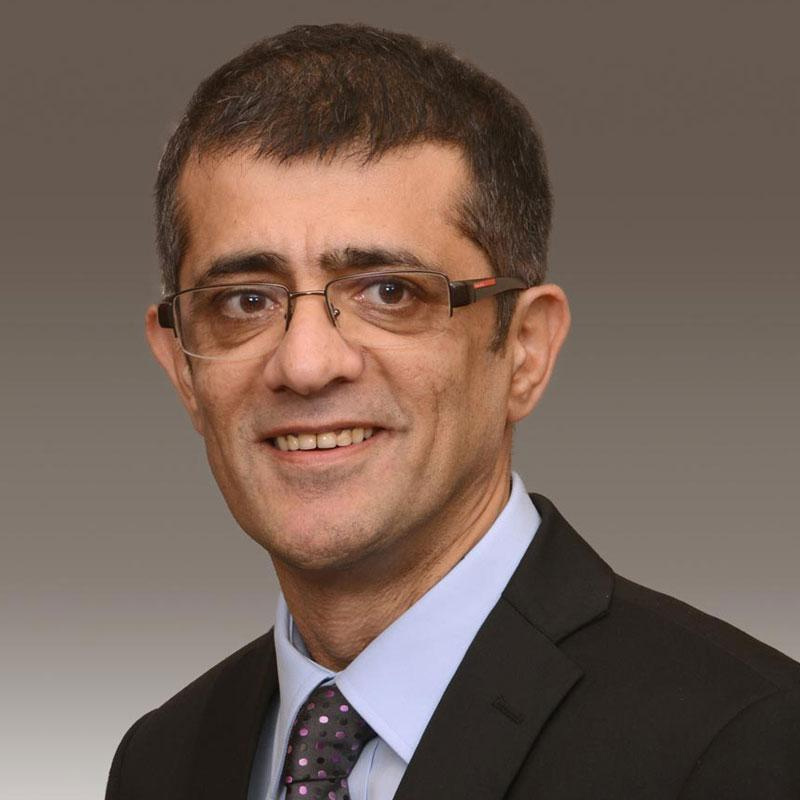
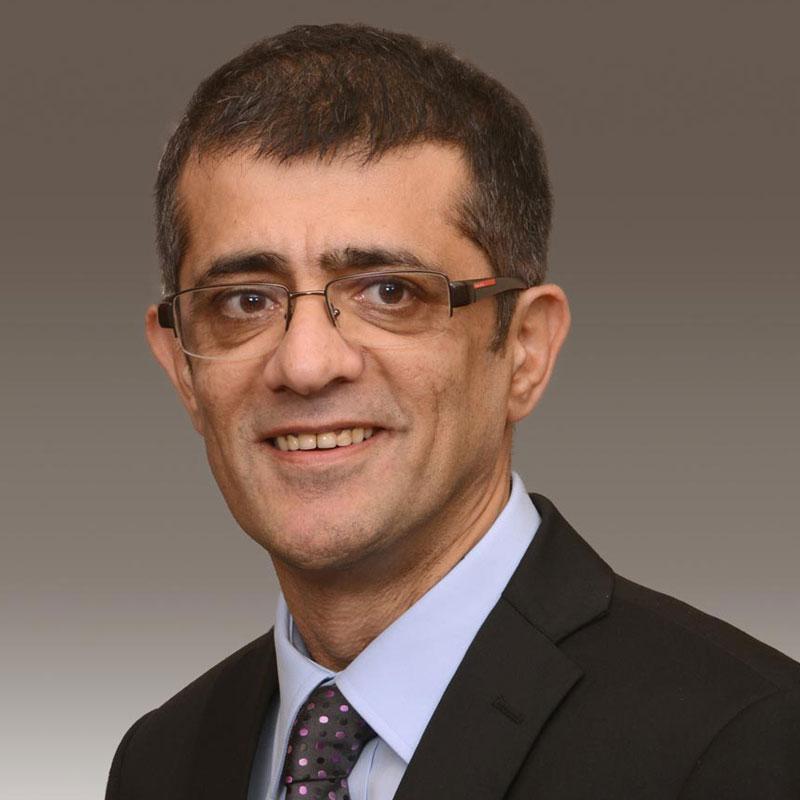
    Mumbai: Astrum, India’s first science-based specialist reputation management advisory, has appointed Sunil Lulla as its chairman. With his proven credentials as a business leader, Lulla will play a vital role in strengthening Astrum’s capability as a trusted advisor to the C Suite and adding fuel to its growth engine.

    Astrum founding managing partner Ashwani Singla stated, “For over two decades that I have known and worked with Sunil, I have admired how he combines strategic clarity with execution excellence to achieve extraordinary outcomes. Our clients and colleagues will benefit from his sage counsel and proven acumen.”

    “The impact of reputation, risk and regulation on business is a major pre-occupation of the C Suite and more so today; I am delighted to be a part of a team that has an enviable track record of helping CXOs successfully negotiate this landscape, says Lulla.

    Lulla further adds,”Ashwani has played a major role in professionalising the Indian Public Relations landscape and now by putting ‘data and digital’ at the heart of Astrum, he is pioneering the next progression of public relations and public affairs; I am excited to contribute to this journey.”

    Lulla is known for successfully growing businesses, building enduring brands, and shaping organizational cultures. In a career spanning close to four decades, Lulla has delivered business profitability, built market leadership and driven high employee engagement. These include blue chip organizations such as MTV, SONY, Entertainment Television, The Times Television Network, Indya.com, HMV, Diageo, Balaji Telefilms, JWT, GREY Group and BARC. He is the chief evangelist of The Linus Adventures, an advisory service focused on growing businesses, building brands, and enabling cultures.

    Brands benefit from Sunil’s deep insights into Indian consumers and the Board of Directors, C Suite executives and start-up founders benefit from his rich experience in building very successful high-performance organizations. Lulla is an Institute of Directors (IOD) certified board member and currently serves on a number of boards.

  • Sunil Lulla joins dentsu as consultant advisor for India

    Sunil Lulla joins dentsu as consultant advisor for India

    Mumbai: dentsu on Thursday announced the appointment of industry veteran Sunil Lulla as consultant advisor for India, effective 4 April. He will work with the business until dentsu India hires a permanent CEO.

    “Lulla will report to dentsu India Interim CEO Peter Huijboom to focus on driving business growth and activation in the market. The company continues its search for the right candidate to lead the dentsu India business,” said the statement.

    Lulla previously served as Balaji Telefilms Group CEO and Broadcast Audience Research Council (Barc) India CEO.

    “Sunil is joining us at a critical time as we realise the benefits of our transformation through our integrated offering. He has had an impressive career with significant achievements in the businesses he has worked with, and I am looking forward to our partnership,” commented Peter Huijboom. “We see significant opportunity in the India market and I am pleased with the momentum we are seeing. Sunil will continue to accelerate our growth trajectory while working with our teams to define, activate and ignite dentsu’s winning culture in the market. It’s an exciting time to be at dentsu India.”  

    Lulla will partner with key members of the India leadership team to realise dentsu’s global vision of being the ‘world’s most integrated network by 2024.’ stated the agency.

    “I am thrilled to participate in denstu India’s growth and transformation journey. I could not refuse an opportunity to work with a business that is relentlessly focused on shaping their own business to help clients navigate the changing market context and pioneer a new way forward,” remarked Sunil Lulla. “I am excited to partner with Peter and build on the progress made with the leadership team, being a part of the team that works together to transform into the agency of tomorrow.”

  • BARC ex-CEO Sunil Lulla announces new venture ‘The Linus Adventures’

    BARC ex-CEO Sunil Lulla announces new venture ‘The Linus Adventures’

    Mumbai: Sunil Lulla, the ex-CEO of Broadcast Audience Research Council (BARC) who recently stepped down from his position at the TV measurement company to pursue entrepreneurial ambitions, has announced his new venture ‘The Linus Adverntures’, along with a gamut of other career and personal interests that he will be undertaking.  

    The Linus Adventures will assist promoters and CXOs scale their business and become leader brands. Additionally, Lulla will be starting a new chapter as a co-founder of a UAE-based edtech start-up focussed on India and MENA region, the purpose of which will be to nurture the next generations by providing them holistic development opportunities from an early stage in life.

    Besides, Lulla will continue to remain an active angel investor in early-stage start-ups across multiple domains. 

    On a more personal front, going forward, he will vigorously support Children’s Movement for Civic Awareness (CMCA) which transforms the attitudes and behaviour of children to ensure a sustainable future. Also interested in learning a new way of running known as Maximum Aerobic Function/Low Heart Rate which helps to breathe smarter, Lulla hopes to ‘Run-Jog-Sprint-Recover’ to successfully complete many marathons and stay more refreshed. 

    “After four decades of a fulfilling and an exciting ‘employee life’, I now embark on a ‘portfolio career’; an entrepreneurial journey which not only brings to the fore my diverse experiences but also creates meaningful opportunities to make a difference to those around me,” said Sunil Lulla. “I am grateful for the privilege of working with some of the finest people and professionals without whom none of the successes would have been possible. My roller-coaster ride will continue with the good wishes and affection of my family, friends, and well-wishers. I celebrate my new beginning on a new stage with a new play.”

    A media industry veteran, Lulla began his career with HMV/Sa Re Ga Ma and worked with leading brands including Grey Group, Times Television Network, SET, MTV, J Walter Thompson, and most recently BARC, India. 

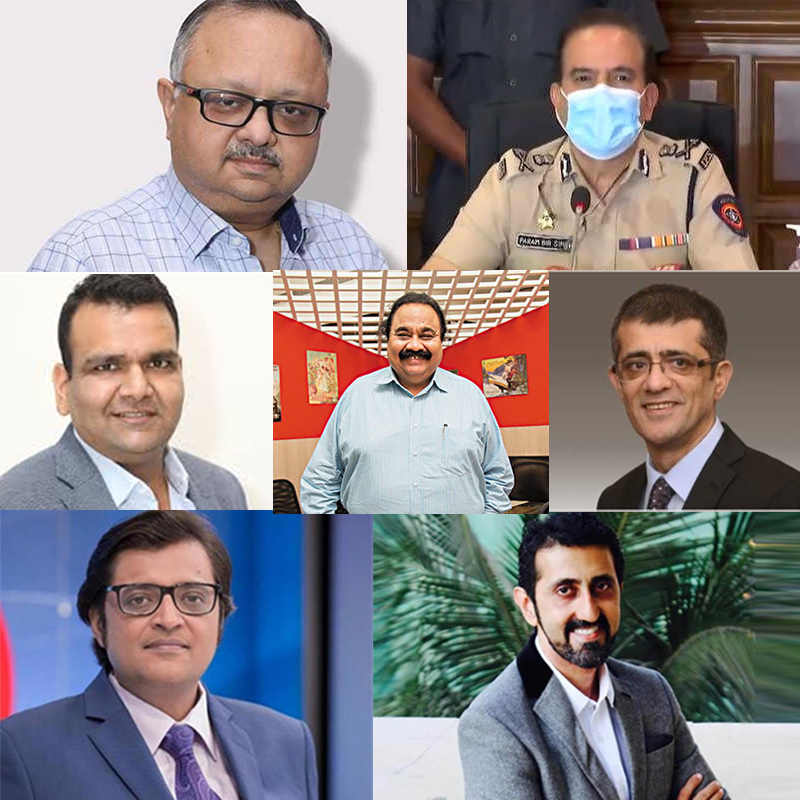
    Lulla had taken over the reins as the CEO of BARC, India from Partho Dasgupta in 2019. He is succeeded by Nakul Chopra.

  • Nakul Chopra appointed as CEO of BARC India

    Nakul Chopra appointed as CEO of BARC India

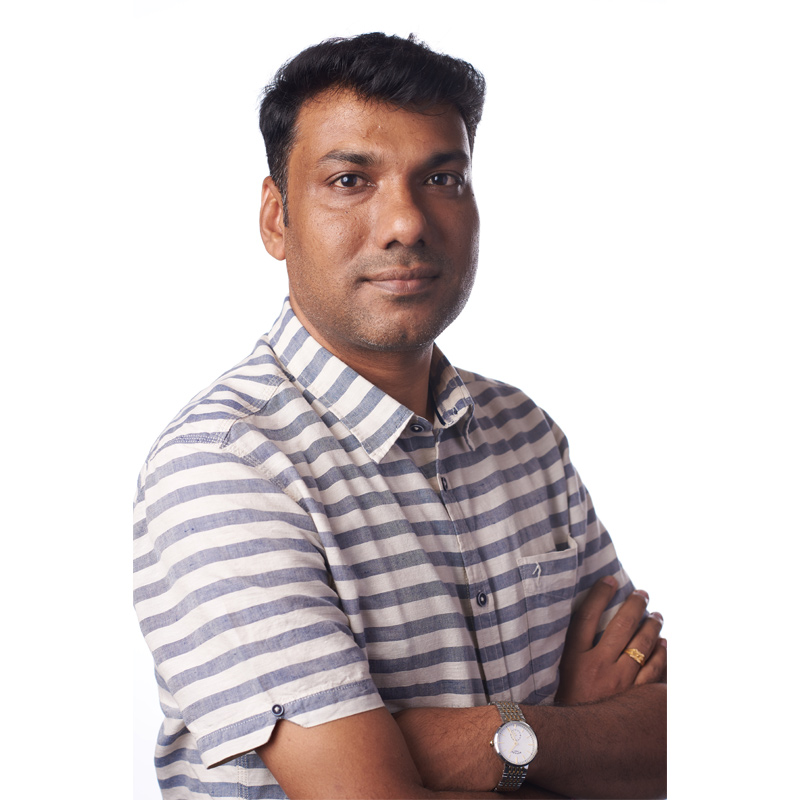
    Mumbai: Broadcast Audience Research Council (BARC) India has appointed Nakul Chopra as the chief executive officer of the TV audience measurement agency, effective 25 August. Chopra succeeds Sunil Lulla, who is moving on from the organisation to pursue his ambition as an entrepreneur.

    Chopra joined the BARC India Board in 2016 and was subsequently appointed the chairman of the company from 2018 to 2019. In January 2020, he was appointed a member of its Oversight Committee.

    “A marketing and media veteran of nearly four decades, Chopra brings with him a rich repertoire of experience in financial & general management, process management as well as navigating the corporate legal environment,” said BARC India in a media statement. “He has been an integral part of the Advertising and Media fraternity, and BARC India will benefit from his wealth of knowledge and experience of over four decades.”

    On his new role, Chopra said,“I have had the benefit of a long association with BARC. The organisation has grown in measure and strength. TV continues to be the definitive screen of the Indian home – its strong reach and connect continues to elicit the trust of advertisers. I look forward to working with the very capable BARC team in further building on TV measurement and continuing the journey toward screen agnostic measurement.”

    He has also held the position of CEO, India & South Asia, Publicis Worldwide, from 2004-17. Prior to that he served as EVP, Trikaya Grey Advertising from 1989 to 1995. Chopra has also been the President, Advertising Agencies Association of India (AAAI) from Aug 2016 – July 2018.  

    Meanwhile, the outgoing CEO, Sunil Lulla said he is looking forward to embarking upon an entrepreneurial journey after four decades of an exciting career in professional services. “I am privileged to have been able to contribute to BARC and this has been possible only because of the excellent team of professionals, a very supportive Board and the gold standard of Board-appointed committees. I wish Nakul Chopra all the success,” said Lulla, who had taken over the reins at the TV measurement company from Partho Dasgupta in 2019. 

    BARC India chairman, Punit Goenka said, “I thank Sunil for his stewardship of BARC and his efforts to enhance the strength of the BARC currency. I am very happy to welcome Nakul as the natural and unanimous choice of the Board for the continuing journey of adding robustness to the BARC currency and strengthening the governance of the world’s largest television audience measurement body”.

  • Sunil Lulla steps down as CEO of BARC India, say reports

    Sunil Lulla steps down as CEO of BARC India, say reports

    Mumbai: Sunil Lulla has put in his papers as chief executive officer of Broadcast Audience Research Council (BARC) India, according to multiple media reports.

    Lulla took over the reins at the TV measurement company from Partho Dasgupta in 2019. In his previous stint, he was the group chief executive officer at Balaji Telefilms.

    He is a veteran in the media and entertainment industry with a career spanning three decades. He was associated with Grey Group India as chairman and managing director and Times Television Network as managing director and chief executive officer. Lulla, who began his career with HMV/Sa Re Ga Ma, has also been associated with Sony Entertainment Television, MTV, J Walter Thompson.

    There is no statement or confirmation on the development by Lulla or BARC India at the time of filing this report.

  • TV-owning households grew 6.9% to reach 210 million: BARC report

    TV-owning households grew 6.9% to reach 210 million: BARC report

    MUMBAI: Television measurement body Broadcast Audience Research Council India (BARC India) has revealed TV owning households have continued to grow, reaching 210 million in 2020. Home to over 1.3 billion people across 300 million households, India’s television viewing universe has expanded across several metrics, according to the TV Universe Estimates 2020 (TV UEs) report released by BARC.

    Findings of the study play an important role in the structuring of BARC India’s sample design and in ensuring the selected panel represents a true microcosm of India. Equally important is that TV UEs also serve to properly project audience estimates to the population.

    Households and individuals

    According to BARC India’s TV UEs 2020, 210 million Indian households now own a TV set, an increase of 6.9 per cent from 197 million in 2018. Simultaneously, TV viewing individuals also surged 6.7 per cent, reaching 892 million from 836 million in 2018, an increase of 57 million individuals in 2020. TV-owning female population grew by seven per cent, while male population grew by six per cent. In terms of age-groups, the highest growth was witnessed in the “kids” category (age two to 14) at nine per cent.

    Markets

    TV households in Urban markets grew by four per cent from 87.8 million in 2018 to 91 million, whereas Rural markets have grown by nine per cent, up from 108.9 million to 119.2 million in 2020.  While TV households across India grew by 6.9 per cent, Hindi-speaking markets grew by eight per cent, outpacing All India as well as the south states which grew by five per cent.

    NCCS

    As the Indian population continues to move up the socio-economic pyramid, changes have been observed in the NCCS profile of TV households. The TV UE-2020 indicates that the proportion of NCCS A and B has increased to 27 per cent and 31 per cent respectively while NCCS DE has further contracted to nine per cent of TV households in the country.

    BARC India CEO Sunil Lulla said, “As a body that is deeply rooted in data science, BARC India is committed to providing its stakeholders with a true representation of the television universe. We are happy we have been able to ascertain that television continues to be the screen of choice for Indians. With an additional 13 million TV households and an opportunity for another 90 million households that are yet to own a TV set, India’s broadcast ecosystem continues to have a significant potential for growth in the years to come.”

    BARC India measurement science & business analytics chief Dr. Derrick Gray, said, “UE 2020 aptly sums up India’s linear TV ecosystem and highlights that TV owning households continue to grow. Given the global pandemic scenario, the updated estimate is robust and is developed with the help of data and findings based from various previously validated field studies. We are certain that these estimates will help the industry to a great extent. We will continue to provide the industry with a currency that is reliable and of global standards.”

    TV UE 2020 has been developed by computing the linear growth of TV Households and TV Individuals from Broadcast India (BI) studies conducted in 2016 and 2018 at geographic and demographic levels. The distribution of the TV population by NCCS was taken from the most recent Indian readership survey (IRS). BARC India will implement the findings from the TV Universe Estimates 2020 for its data starting week 14, 2021, which will release on 16 April 2021. The updated estimates will reflect for BARC India subscribers in the YUMI Analytics platform with immediate effect.