Tag: Sundar Pichai

  • 100 mn hrs of YouTube viewed on TV: Google CEO Sundar Pichai

    100 mn hrs of YouTube viewed on TV: Google CEO Sundar Pichai

    MUMBAI: In the era where consumption is increasing on mobile devices, YouTube is all set to create a new record. In the third quarter earnings call, Google’s parent company Alphabet announced that Youtube’s viewership within living rooms on TV sets is up to 100 million hours per day, with a 70 per cent increase over the previous year. Alphabet also mentioned how YouTube is a major revenue builder for it.

    Google CEO Sundar Pichai talked about the growth and future perspective of YouTube. He said, “Youtube continues to see phenomenal growth” with over 1.5 billion users globally.

    Pichai said that an average user spends 60 minutes at least a day on YouTube on mobile devices. YouTube isn’t just restricted to desktops and smartphones but has also extended to the TV either via the interne ot through devices like set-top boxes or gaming consoles.

    YouTube had previously said that majority of its viewing takes place on mobile devices. Earlier this year, YouTube said people were watching a billion hours of its videos per day. According to the facts and figures issued on July 2017 in Fortunelords, the total number of people who use YouTube is 1.3 billion. In an average month, 8 out of 10 18-49 year-olds watch YouTube. By 2025, half of the viewers under 32 will not subscribe to a pay-TV service. 6 out of 10 people prefer online video platforms to live TV. The total number of hours of video watched on YouTube each month is 3.25 billion.

    Pichai also announced the future plans for YouTube with the company focusing on increasing its subscription-based monetised models. YouTube Red, the company’s first subscription service, would release over 40 original shows through the service this year.

    Stats for YouTube TV which broadcasts live from over 40 networks was also mentioned. YouTube TV now covers two-thirds of US households and is available in 50 metro areas.

    Seems like the remote controlled device has finally made sense to the digital-loving audience.

    Also Read:

    YouTube watch time grew 400% y-o-y, 80% on mobile

    Regional news’ online viewership is billion-plus every month: Vidooly

    Google takes down 1.7 bn. ads for violating policies

  • 68 per cent SMEs offline; Google plans smartphone-optimised regional websites

    68 per cent SMEs offline; Google plans smartphone-optimised regional websites

    MUMBAI: Google has announced the launch of Digital Unlocked, a training program to empower thousands of Indian SMBs with essential digital skills that will enable them to get online and start using the power of the internet to grow their business. Google also previewed My Business Websites, an easy-to-use offering to help businesses to have a rich, mobile optimised digital presence that will be launched later this year. Making the announcements at an event held in the city today, Google CEO Sundar Pichai spoke to representatives from hundreds of small and medium business from across the country on the benefits of the web and digital technology.

    My Business Websites will be available in English, Hindi, Bengali, Telugu, Marathi, Tamil, Urdu, Gujarati, Kannada, and Malayalam.

    Google India reaffirmed its commitment to digitally empower India’s 51 million strong small and medium business community.

    During his address, Sundar Pichai said, “The Internet is a powerful equalizer and we are motivated to bring the benefits of information and technology to as many people as possible. Building for everyone and making it available in the hands of as many people is at the heart and core of what we do. And we do this by investing in open ecosystems.”

    Referring specifically to small and medium businesses, Pichai added, “the Internet and digital technology will be an engine of growth for the Indian economy. Today, anyone can become an entrepreneur, a developer, or a creator, but it is important that they have the right tools and skills to digitize. We believe it is important for us to invest in training and equipping these individuals and small businesses to accelerate their journey of growth.”

    Setting the context for the initiative Google unveiled a joint research study with KPMG titled “Impact of internet and digitisation on SMBs in India”. The study reiterates that 68 per cent of the 51m Indian SMBs are offline. Highlighting the macro-economic impact of the internet, the research found that rising penetration and greater uptake for digital by SMBs could help increase their contribution to India’s GDP by 10 percentage points, taking it up to 46-48 per cent by 2020. Ascertaining the benefits of going digital for small businesses, it determined that profits of digitally engaged SMBs grow twice as fast compared to offline SMBs. Likewise digitally engaged businesses are able to grow their customer base significantly with 52 per cent catering to customers beyond their home city versus only 29 per cent offline SMBs. The report cites the lack of understanding of the benefits of digital technologies and technical skills as the essential reasons for being offline.

    With Digital Unlocked, Google is committed to ensuring that every single small business in India that wants to go digital has access to quality training. In keeping with the varied learning needs of the millions of businesses in India, we’ve built this program across online, offline and mobile. The offline training is being conducted in partnership with FICCI and over the next three years, 5,000 workshops will be held across 40 Indian cities. The online training comprises a set of 90 self-paced video tutorials, curated specifically for India and is available free of charge at g.co/digitalunlocked. The tutorials cover a comprehensive set of topics ranging from building a web presence and driving online growth to reaching customers over mobile and video. The trainings are certified by Google, Indian School of Business and FICCI.

    Further, for India’s mobile-first audience, Google also launched Primer, a free mobile app uniquely designed to teach digital marketing skills in a quick, easy and interactive way. It is available for download through the Google Play and iOS app store. Primer also works offline and is currently available in English and Hindi with Tamil, Telugu and Marathi versions coming shortly.

    At the event, Google also previewed My Business Websites, aimed at equipping the vast majority of small businesses with a simple way to start their digital journey by creating a free, mobile optimised website, easily and instantly. Available for Google My Business users later in the year, this new feature will provide simple, templated, editable websites for small businesses created from their data and photos on Google Maps.

    Several small businesses that have leveraged Google’s products and technologies were also present at the event. Three of them – Walnut, Go Co-op and Maganlal Dresswalla – were in conversation with Sundar Pichai and shared their journey to digital using Google offerings including Google My Business, Google AdWords as well as the Google Cloud Platform.

    The announcement today is a continuation of Google’s efforts to support Digital India. Last year Google had launched Google My Business, a program aimed at helping small medium businesses get an online presence on Google Search and Google Maps, without having to invest in a website or domain. Over 8 million Indian SMBs are already on these platforms, with thousands more coming online every month.

  • 68 per cent SMEs offline; Google plans smartphone-optimised regional websites

    68 per cent SMEs offline; Google plans smartphone-optimised regional websites

    MUMBAI: Google has announced the launch of Digital Unlocked, a training program to empower thousands of Indian SMBs with essential digital skills that will enable them to get online and start using the power of the internet to grow their business. Google also previewed My Business Websites, an easy-to-use offering to help businesses to have a rich, mobile optimised digital presence that will be launched later this year. Making the announcements at an event held in the city today, Google CEO Sundar Pichai spoke to representatives from hundreds of small and medium business from across the country on the benefits of the web and digital technology.

    My Business Websites will be available in English, Hindi, Bengali, Telugu, Marathi, Tamil, Urdu, Gujarati, Kannada, and Malayalam.

    Google India reaffirmed its commitment to digitally empower India’s 51 million strong small and medium business community.

    During his address, Sundar Pichai said, “The Internet is a powerful equalizer and we are motivated to bring the benefits of information and technology to as many people as possible. Building for everyone and making it available in the hands of as many people is at the heart and core of what we do. And we do this by investing in open ecosystems.”

    Referring specifically to small and medium businesses, Pichai added, “the Internet and digital technology will be an engine of growth for the Indian economy. Today, anyone can become an entrepreneur, a developer, or a creator, but it is important that they have the right tools and skills to digitize. We believe it is important for us to invest in training and equipping these individuals and small businesses to accelerate their journey of growth.”

    Setting the context for the initiative Google unveiled a joint research study with KPMG titled “Impact of internet and digitisation on SMBs in India”. The study reiterates that 68 per cent of the 51m Indian SMBs are offline. Highlighting the macro-economic impact of the internet, the research found that rising penetration and greater uptake for digital by SMBs could help increase their contribution to India’s GDP by 10 percentage points, taking it up to 46-48 per cent by 2020. Ascertaining the benefits of going digital for small businesses, it determined that profits of digitally engaged SMBs grow twice as fast compared to offline SMBs. Likewise digitally engaged businesses are able to grow their customer base significantly with 52 per cent catering to customers beyond their home city versus only 29 per cent offline SMBs. The report cites the lack of understanding of the benefits of digital technologies and technical skills as the essential reasons for being offline.

    With Digital Unlocked, Google is committed to ensuring that every single small business in India that wants to go digital has access to quality training. In keeping with the varied learning needs of the millions of businesses in India, we’ve built this program across online, offline and mobile. The offline training is being conducted in partnership with FICCI and over the next three years, 5,000 workshops will be held across 40 Indian cities. The online training comprises a set of 90 self-paced video tutorials, curated specifically for India and is available free of charge at g.co/digitalunlocked. The tutorials cover a comprehensive set of topics ranging from building a web presence and driving online growth to reaching customers over mobile and video. The trainings are certified by Google, Indian School of Business and FICCI.

    Further, for India’s mobile-first audience, Google also launched Primer, a free mobile app uniquely designed to teach digital marketing skills in a quick, easy and interactive way. It is available for download through the Google Play and iOS app store. Primer also works offline and is currently available in English and Hindi with Tamil, Telugu and Marathi versions coming shortly.

    At the event, Google also previewed My Business Websites, aimed at equipping the vast majority of small businesses with a simple way to start their digital journey by creating a free, mobile optimised website, easily and instantly. Available for Google My Business users later in the year, this new feature will provide simple, templated, editable websites for small businesses created from their data and photos on Google Maps.

    Several small businesses that have leveraged Google’s products and technologies were also present at the event. Three of them – Walnut, Go Co-op and Maganlal Dresswalla – were in conversation with Sundar Pichai and shared their journey to digital using Google offerings including Google My Business, Google AdWords as well as the Google Cloud Platform.

    The announcement today is a continuation of Google’s efforts to support Digital India. Last year Google had launched Google My Business, a program aimed at helping small medium businesses get an online presence on Google Search and Google Maps, without having to invest in a website or domain. Over 8 million Indian SMBs are already on these platforms, with thousands more coming online every month.

  • ‘The next billion YouTube users are going to come from India:’ Ajay Vidyasagar

    ‘The next billion YouTube users are going to come from India:’ Ajay Vidyasagar

    MUMBAI: Even as Google CEO Sundar Pichai prepares for his India trip with a mandate to outline the company’s vision for the new smartphone users in the country later this month, YouTube has trained its eyes on India in a big way. With a global community of over one billion people that gives anyone the power to create something that everyone can watch, YouTube APAC director of partnerships Ajay Vidyasagar is of the opinion that the next billion users of a platform like YouTube are going to come from a market like India.

    Citing Pichai’s example, Vidyasagar adds, “Senior leaders at Google are very excited about India. India is one of our most valuable opportunities in the world. YouTube is already a mainstream platform in the country. The next billion users of a platform like YouTube are going to come from a market like India.”

    As a definitive step towards its vision for YouTube’s growth in India for churning out original local content, the company has launched YouTube Space Mumbai – the destination for web content creators and aspiring YouTube stars. YouTube Space Mumbai is India’s first and the world’s 8th YouTube Space.

    When asked what influenced the company’s decision to set up YouTube Space in India, Vidyasagar points out a few important stats. “While the year on year growth for YouTube globally is 60 per cent, in India the growth in watch-time has been a whopping 80 per cent. Needless to say India is a very important growing market for us. YouTube Space Mumbai is just one of the many initiatives the company has in store for the country.”

    Not just as a country of viewers, but as content creators too India has seen a steep rise. “There has been a growth of 90 per cent year on year, when it comes to uploading videos to YouTube in India. So getting Spaces to further empower the creators in the country was the obvious next step,” Vidyasagar informs.

    Moreover, YouTube users in India have also made an exponential shift on mobile devices to watch videos. “This year we saw 55 per cent of the total viewership on YouTube in India coming from mobile devices alone. It’s the first quarter when mobile device viewership eclipsed desktops.”

    When asked what this means in a country where mobile marketing is just setting up a roadmap unlike a developed market like China, and how it can impact a YouTube content creator’s revenue, Vidyasagar says, “Our way of looking at mobile or desktop viewership is fundamentally ‘bought and sold’ on a promise of a video view, which is pretty much the same thing on any device. Therefore monetisation isn’t a challenge, even if the device changes. We actually have figures to show now that monetisation is pretty much the same in all devices.”

    Further explaining the monetisation process in YouTube and how the platform gives advertisers a plethora of choices, Vidyasagar shares, “Our advertising team sells reserve advertisements and auction advertisement inventory. The skippable ads that you see are part of a suite that we offer in auction advertising. What ad will be placed on the channel is not decided by the creator but by the buyer of the advertising space. As an advertiser you can choose to buy from the reserve, which means to buy an ad in a specific channel at certain time in a certain volume. And you pay for specific price. But in an auction, you actually bid for an ad to be placed on the platform. So it is not creator led but advertiser led; we give the advertisers a lot of choice in the process.”

    A veteran in broadcast media from his earlier stints at Star TV and Sun TV, Vidyasagar shares how differently a VOD platform such as YouTube functions.

    “When I came to Google, I really thought YouTube is going to be a lot similar to television and very quickly I realised how wrong I was. In a lot of ways, television is a one way communication. You expect the audience to come at a certain hour to a certain television station and then go away. Everything about television is very different in terms of consumption and engagement from a platform like YouTube. Interactivity amongst creators is what drives YouTube and its community at heart. The single biggest difference for me has been realising the power of how creating, sharing and commenting plays such a big role in what was originally a one way communication,” he offers.

    Comparing the television medium to online, Vidyasagar says that in his stint with television, it was mainly the opinion of a handful of decision making people that was more often than not reflected in shows. “On television, we got a very filtered version of what people thought about the content. But when content goes out on YouTube, I have a pretty strong idea of what people actually think about it. This makes you very responsible over what you put out there as a content,” he says.

    That said, both YouTube Spaces global head Lance Podell and Vidyasagar stress the need to get more and more Indians be active on YouTube. While infrastructure and lack of uniform access of internet through the country, specially in Tier II and III cities remains a challenge, the duo is happy to inform that their previous marketing initiative YouTube Offline, which was first introduced to India, has borne fruit and shown a 500 per cent growth in usage across the country. Additionally, a slew of services are being thought of to pull in more users to the platform, Vidyasagar informs.

    With an aim to attract tens of thousands of fully functional content creators who can add to the YouTube community and also inspire others, the 4G wave in the country will only add an impetus to facilitate the video network’s plans in India.
  • Why Google’s new structure is good news

    Why Google’s new structure is good news

    Google has announced a major overhaul of its corporate structure. The new structure creates a holding company which is called Alphabet. This will comprise a collection of companies, the largest of which will be Google. Within Google will sit key services such as Search, Maps, Chrome, YouTube and Android. Outside of Google will sit projects such as Fiber and Nest. The full announcement can be seen here on the new Alphabet website https://abc.xyz/ . In addition to the restructure there are several key management changes, the most notable being the elevation Sundar Pichai to Google CEO.


    Google has long been considered part of the fabric of the internet. In many respects it has been the electricity of the web powering many consumer journeys, driving the largest share of advertising experiences globally, and certainly contributing significantly to the digital economy.


    Google Corp itself was constructed like an electrical circuit running in series (rather than in parallel). The challenge with a ‘series’ organisational structure is that if there is a break in one part of the chain, the whole is affected. For example if Google Glass fails it affects Google’s core business (if only in terms of public perception). Similarly, if Google (Search) faces regulatory scrutiny it is likely to negatively impact the development of other areas of the business such as Nest, driverless cars etc.


    The move to operate in parallel (through the creation of Alphabet) rather than in series will have a positive impact in several areas:


    1.    Innovation: Google can take its moonshots and fail without impacting the core business of advertising. Having this structure should therefore enable it to be more agile.


    2.    Regulation: Google has come under significant regulatory scrutiny particularly in Europe where it has already restructured to give a more singular approach to the authorities. The new structure will protect it further from regulatory issues by enabling it to fight one product/company at a time.


    3.    Organisation: With the new structure the Google subsidiary will be better able to focus on the reorganisation of its advertising and technology sales operations which require closer integration if the company is to take full advantage of its market-leading integrated advertising stack approach.


    4.     FaceOff: Facebook has deliberately kept the majority of its operations (FB, Instagram, Oculus) relatively separate from a B2B and consumer point of view, which has resulted in product innovation, advertising success and much less regulatory scrutiny. Although the Alphabet structure doesn’t exactly replicate that of Facebook, it is certainly an implicit acknowledgement of the successful Facebook corporate strategy.


    5.     Investor Relations: Google’s new structure is a clear signal of the arrival of a new finance director. The structural change and the subsequent increase in organisational clarity and transparency will no doubt be a very positive sign to investors.


    (The author of this article is ZenithOptimedia chief digital officer. The article has been sourced from ZenithOptimedia’s website. The views expressed here are purely personal views of the author and Indiantelevision.com does not necessarily subscribe to them.)

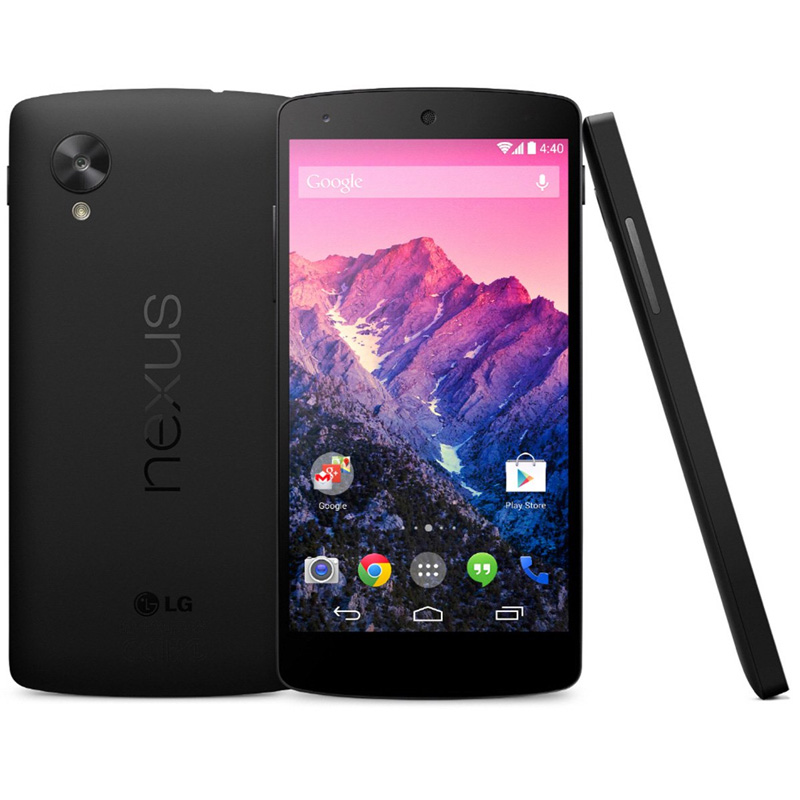
  • Google appears poised to unveil new Nexus tablets

    Google appears poised to unveil new Nexus tablets

    MUMBAI: Google appears to be getting ready to introduce the next generation of its Nexus tablets.

    The unveiling is likely to come at a 24 July event in San Francisco. Google sent invitations on Wednesday to the media.

    The event will be hosted by Sundar Pichai, a Google executive who oversees the company‘s Android and Chrome operating systems.

    Android, the world‘s leading mobile operating system, powers Google‘s line-up of Nexus tablets. Those devices have emerged as a popular alternative to Apple‘s iPad since Google released the first Nexus tablet with a seven inch display screen last July.

    It has become customary for top-selling devices to be upgraded at least once a year, fueling speculation that is what Google is about to do with the Nexus next week.