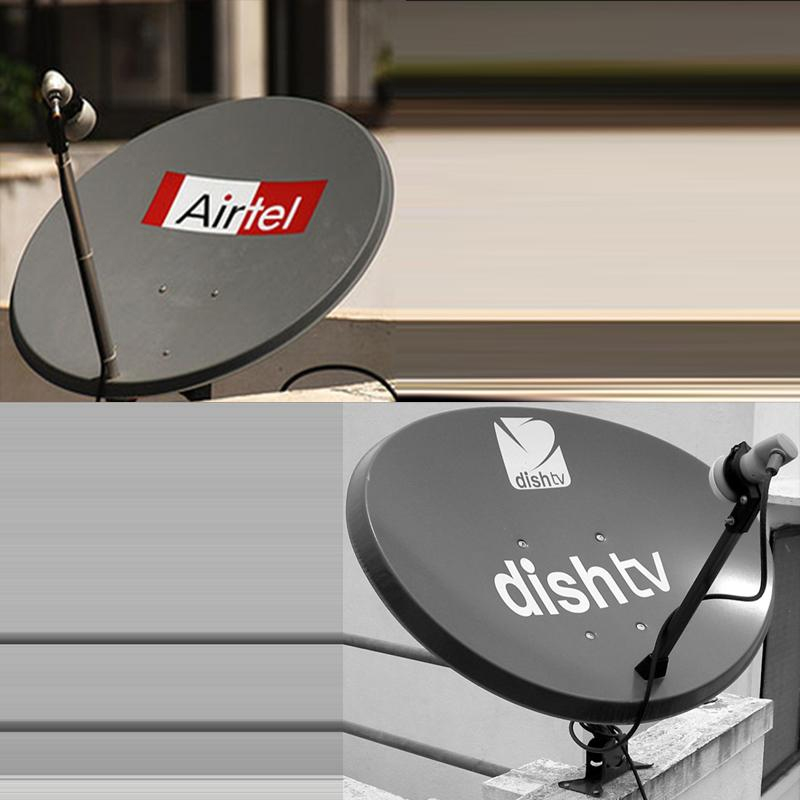
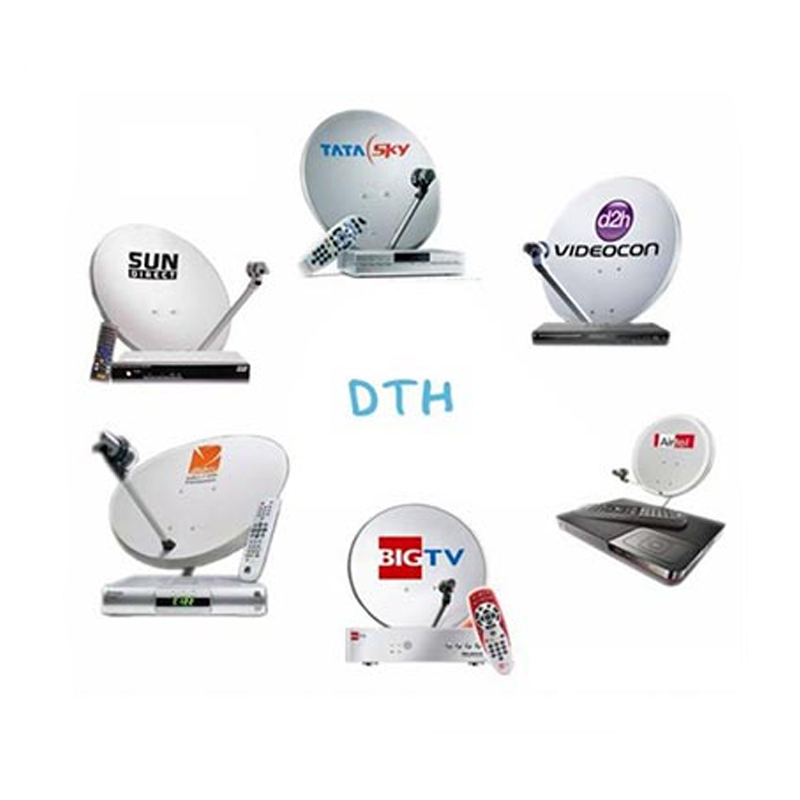
Tag: Sun Direct

  • Sun Direct may add 20 HD, 100 SD channels

    Sun Direct may add 20 HD, 100 SD channels

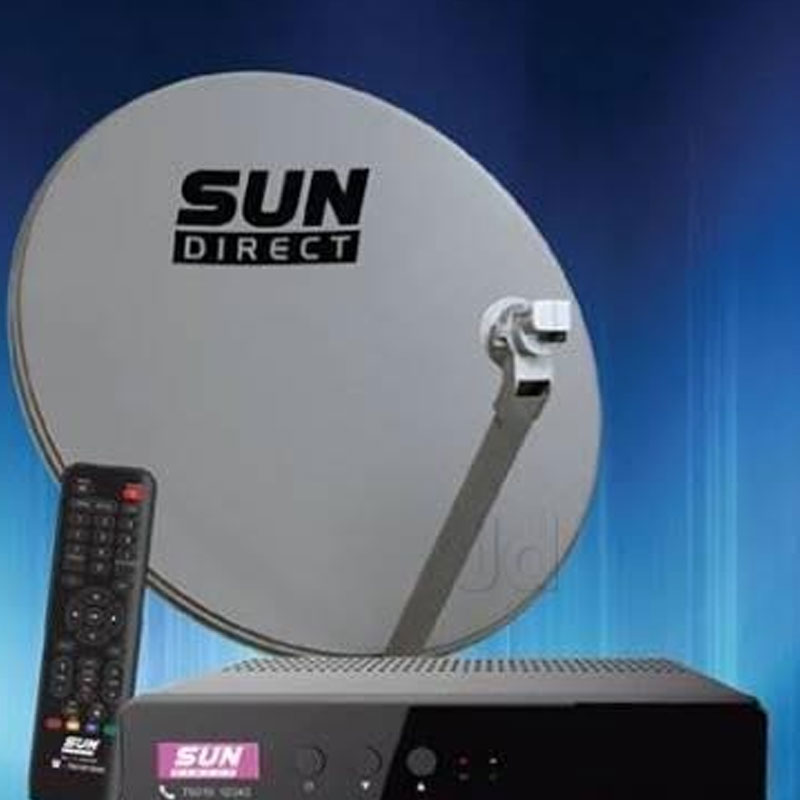
    MUMBAI: Sun Direct, the DTH service from Sun Network, is likely to add 20 new high definition (HD) and 100 new standard definition (SD) channels and has been allocated 144 MHz of spectrum on the recently launched Measat-3B satellite.

    A social media user by the name of ‘Raja Chennai‘ shared a screenshot of the application made by the company informing the Department of Telecommunications (DoT) about the allocation of the new satellite capacity, according to an article on Ultra News.

    Once these channels find a home on the new Measat satellite, Sun Direct will be able to add an extra 20 HD channels to take its total HD channel count to 80 while increasing total SD channel list to 320.

    The company was forced to halt its HD channel expansion on GSAT 15 two months ago due to the termination of its channel-sharing deal with Reliance Digital TV and divert some of the HD capacity to handle the fallout.

    public://inside_1.jpg

    In the application, the company is shown informing the DoT that four new transponders of 36 MHz each have been allocated to it by the Department of Space for use on its DTH service.

    Sun Direct has been facing a severe spectrum crunch due to a fire on an ISRO satellite that knocked out most of its satellite capacity in 2010. The fire forced the company to move satellite to Malaysian-owned Measat 3A, and manually realign the dish antennae of millions of its customers.

    Some relief was in sight when Measat launched a second satellite at the same location in 2014, boosting capacity.

    Sun Direct was widely expected to book extra capacity on the new satellite, particularly after it lost a sharing deal two months ago with Reliance Digital TV. Reliance Digital TV changed hands when the Anil Ambani Group sold it to another group as part of a fire sale.

    The DTH service is expected to start adding new channels in a matter of days.

    The new capacity is expected to lead to the addition of around 100 new SD channels while another 50 channels are expected to be moved to it from GSAT 15—the HD satellite for Sun Direct.

    Also Read:

    The growth of DTH in India

    Sun Direct partners Harmonic to add 80 HD channels

  • DTH subscriber growth down in second quarter

    DTH subscriber growth down in second quarter

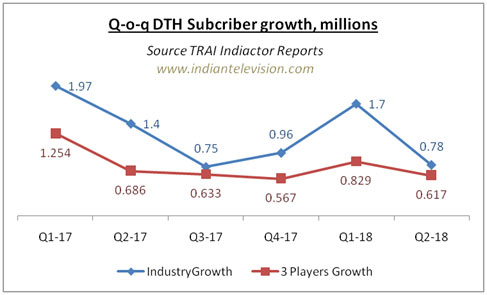
    BENGALURU: The carriage industry and more specifically the direct to home or DTH industry had a disappointing fiscal year 2017 (FY-17, year ended 31 March 2017) in terms of subscriber growth. Going by the subscriber numbers data of the six private DTH players in India provided by the Telecom Regulatory Authority of India (TRAI) in its Indicator Reports of the Indian Telecom Sector. This dismal performance seems to have spilled over to the second quarter of financial year 2017 (FY-18, year commenced on 1 April 2017 until 31 March 2018) as per TRAI data for the quarter ended 30 September 2017 (Q2-18, quarter under consideration). The industry could add just 2.47 million subscribers during the first six months (first 2 quarters, 1 April 2017 to 30 September 2017) as compared to the 3.37 million subscribers it added during the corresponding year six-month period the year before. Active DTH subscribers added in Q2-18 were just 0.78 million as compared to 1.4 million in Q2-17.

    Further, as reported by us earlier, despite the sunset date for DAS IV having passed, the DTH industry had not been able to leverage the opportunity that it was presented with. Earlier, TRAI numbers for the six private players in the DTH industry showed a very poor growth rate of just 0.96 million and 5.08 million during the quarter and year ended 31 March 2017 (Q4-17, FY-17) respectively. This figure is far lower – less than one-third of the 17.38 million active DTH subscribers that were added in fiscal 2016 by the six.

    Please refer to the figure below – The three players whose numbers are available in the public domain and whose combined q-o-q subscriber growth has been represented in the figure are Dish TV, Airtel DTH and Videocon d2h

    public://1_6.jpg

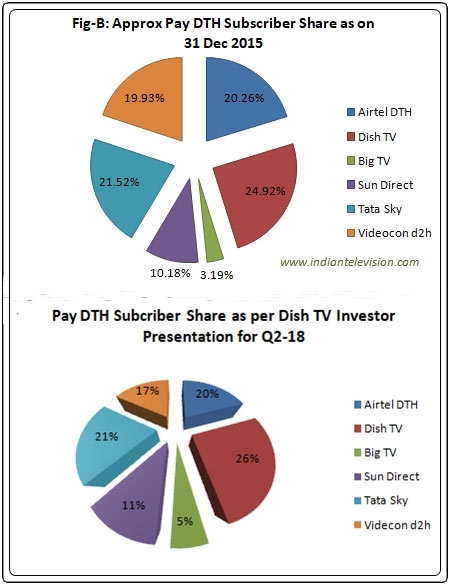
    Let us understand the status of the DTH industry at the end of September 2017. The six private DTH players are – Dish TV, Tata Sky, Airtel Digital Services (Airtel DTH), Videocon DTH, Sun Direct, and the Anil Ambani-led Reliance Big TV (Big TV). It may be noted that Big TV announced closure of its operations since November 2017. The three players – Dish TV, Airtel DTH and Videocon d2h represented approximately 63 to 65 percent of the active pay-TV DTH subscribers at the end of September 2017. Please refer to figure below for subscriber share of the private DTH players as per data in the public domain:

    public://2_1.jpg

    Besides the six private pay DTH players, Doordarshan’s (DD) Free Dish DTH service is a major player in terms of subscribers with an estimated 22 million as per the numbers available in the public domain. It must however be noted that an exact number for registered or active subscribers is not available even with DD, since this is a free DTH service. When the announced Dish TV Videocon d2h merger happens, the merged entity will probably be one of the largest DTH players in the world in terms of subscriber numbers.

    According to an E&Y report titled ‘India’s Free TV’ released in July 2017, among the DTH operators in India, DD Free Dish has grown to become the largest with its estimated 22 million subscribers which E&Y predicted could cross 40 million over the next two to three years.

    A number of reasons can be attributed to this dismal performance – two of the chief ones that are touted over the recent past by most players in media and entertainment industry – demonetisation in November 2016 and the implementation of GST. Another important reason could be that DTH is considered a premium service – by all the stakeholders in the carriage ecosystem with the resulting perception that procurement as well as monthly subscription will be premium and hence a deterrent for the consumer. While some players such as Dish TV have been making attempts to come up with packages that it perceives should attract the masses, but, results as per TRAI data seem to indicate otherwise. Yes, Dish TV is the largest private player in the country that has come up with different pricing models under different brands. Whether unwittingly or not, most of the other players present themselves as premium players and seem to have done little in that direction.


  • Sun Direct partners Harmonic to add 80 HD channels

    Sun Direct partners Harmonic to add 80 HD channels

    MUMBAI: DTH operator Sun Direct (Sun) has taken up a new HEVC media processing solution from video delivery services, Harmonic, which will enable it to entertain its viewers with 80 extra HD channels.

    Using Harmonic’s Electra X2 encoder and Prostream multiplexer, Sun can stream extra channels from existing four transponders at low bitrates.

    “Today’s television viewers want exceptional video quality and a broad selection of channels. When we looked into expanding our HD service offering, we needed to partner with an expert in satellite deployments and encoding efficiency,” said Sun Group CTO S Kannan. “Harmonic enables us to deliver more channels using the same amount of transponder space so that we can focus on increasing subscriber satisfaction and revenue growth.”

    The Electra X2 uses encoding to improve video quality while its integration with ProStream enabling Sun to increase bandwidth efficiency. The ProStream processor maximises transponder savings, supporting up to 100 statmux services per platform. Sun’s entire system workflow is IP-based and controlled by Harmonic’s NMX network management system.

    “Sun Direct plans to roll out additional HD STBs this year, and Harmonic is leading the way in helping the operator capitalise on the associated higher subscription rates. They primarily chose Harmonic for outstanding encoding efficiency, pristine video quality and our long-term and continued deployment support,” said Harmonic APAC vice president sales Tony Berthaud.

  • Jio, Sun Direct, Dish TV among top 50 as HDFC retains BrandZ crown

    Jio, Sun Direct, Dish TV among top 50 as HDFC retains BrandZ crown

    MUMBAI: HDFC Bank has continued to maintain its leadership position in fourth consecutive year, according to the BrandZ Top 50 Most Valuable Indian Brands 2017 report released by WPP and Kantar Millward Brown.

    HDFC Bank (24 per cent) is the India’s most valuable brand, almost doubling its brand value since the ranking started in 2014 from $ 9.4bn to $ 18.0bn.

    “It has a strong purpose – to improve lives by bringing world class financial services to all sections of India – and demonstrates it through increased access to banking in rural areas, an expanded digital presence and leveraging the latest technology to simplify its offering for customers. BrandZ data shows that consumers perceive the bank as increasingly innovative,” the report stated.

    India’s most valuable brands have increased their brand value by 21 per cent to US$ 109.3 billion in the last year. This compares with a two per cent decline in 2016, and is well ahead of the eight per cent value increase of the BrandZ Top 100 Most Valuable Global Brands 2017.

    There are seven newcomers in the overall ranking. Telecom provider Jio ranks at number 11 — only months after its launch, having disrupted its category with free-data promotions. The others are newly-listed retailer D-Mart (no.24), appliance brand Whirlpool (no.45), insurance brand Bajaj Allianz (no.49), Canara Bank (no.50) and entertainment brands Sun Direct (no.27) and Dish TV (no.47)

    The Store WPP CEO EMEA and Asia David Roth said, “Indian consumers seek authenticity and value for money, and the meaning of those things is being constantly redefined. As consumers become wealthier, they look beyond price to factors such as extra features, innovation and a personalised experience. As reflected in this year’s ranking the most agile Indian brands have recognised the complexity in the market, and achieved just the right balance between aspirational and affordable.”

    The automobile category, which also includes tyres, lubricants and motor fuels, grew 23 per cent in value. Brands responded to the changing market with new models that combined smart pricing and functionality with style and power. Royal Enfield, Maruti Suzuki and TVS were among the Top 10 overall fastest risers. Royal Enfield (no.40, 59 per cent) engaged with biker  groups on social media, and marketed a range of accessories. Maruti Suzuki (no.7, 56 per cent) extended the brand beyond its traditional appeal to the value segment of the market, while introducing new showrooms called NEXA to reach premium customers.

    India’s Top 50 faced successive disruptions in the last year, some global, some created by fast-growing competitors and others strategically imposed by the government – including demonetisation.

    The FMCG category, which includes alcohol, food and dairy, personal care and soft drinks, was significantly affected by these challenges but still managed to grow 6 per cent in total value. Some brands achieved impressive value increases by accurately understanding and responding to Indian sensibilities. Noodle brand Maggi (no.32; 66 per cent), the overall second-fastest riser, aligned itself with the trend for nostalgia. This helped it bounce back after a difficult couple of years; its rapid regrowth demonstrating how a strong brand can help a company weather a crisis and recover faster, although it is still some way below its peak brand value of $1.1bn in 2014. Health food brand Saffola (no.36; 24 per cent), meanwhile, introduced oats in new localised flavours and expanded its range of oils into a new super premium sub-segment.

    The financial services category increased its value by 26 per cent. The fastest rising banks were Punjab National Bank (no.39; 43 per cent), which is highly customer-focused and more agile than some of its competitors, and Kotak Mahindra Bank (no.6; 36 per cent), which has innovated in areas including digital banking. Both of these brands still have significant catching up to do, however, if they are to reach the top of the leader board.

    The BrandZ™ Top 10 Most Valuable Indian Brands 2017

    Rank 2017

    Brand

    Category

    Brand value 2017 (US$M)

    Change

    1 (-)

    HDFC Bank

    Banks

    17,965

    +24%

    2 (-)

    Airtel

    Telecom providers

    10,233

    +3%

    3 (-)

    State Bank of India

    Banks

    8,334

    +31%

    4 (-)

    Asian Paints

    Paints

    4,717

    +15%

    5 (-)

    ICICI Bank

    Banks

    4,697

    +19%

    6 (+1)

    Kotak Mahindra Bank

    Banks

    4,522

    +36%

    7 (+1)

    Maruti Suzuki

    Automobiles

    4,449

    +56%

    8 (-2)

    Bajaj Auto

    Automobiles

    3,564

    +5%

    9 (-)

    Hero

    Automobiles

    3,295

    +17%

    10 (-)

    Axis Bank

    Banks

    2,428

    +2%

    Other trends highlighted in this year’s BrandZ Top 50 Most Valuable Indian Brands include: The long-term growth curve of the Top 50 is positive, with the total brand value of the ranking up 57 per cent  since the study was first carried out in 2014, when it amounted to $69.6bn

    India experienced a resurgence in national pride, while also embracing globalization. This manifested in a desire for products and brands that best reflect Indian heritage, sensibilities and tastes, which benefited local brands and put pressure on multinationals to follow suit. Colgate (no 28; two per cent) launched a toothpaste with Ayurvedic properties to meet this demand.

    The top riser is insurance brand ICICI Prudential (no.35; 89%). It benefited from the ‘halo effect’ of other brands’ successful responses to rising consumer affluence, which led to an increase in sales of assets such as cars that need insurance protection

    Kantar Millward Brown MD — South Asia Vishikh Talwar said, “There are now ‘multiple Indias’. Consumers continue to love the brands they’ve loved for generations, while equally embracing the brands of the future. Brands must be completely in rhythm with the pulse of the market. Those that can accurately interpret Indian sensibilities, while ensuring smart pricing, are likely to be most successful. This is easier for local brands, but people will relate just as positively to a global brand if it uses insight to understand and meet their needs, and communicate in a way that builds trust.”

    For the first time, this year’s BrandZ Top 50 Most Valuable Indian Brands 2017 study incorporates new research from Y&R’s BAV Group into what it takes to build powerful nation brands. According to the 2017 Best Countries report, India stands out for its history, cultural influence, distinction and reputation for entrepreneurship; especially among the world’s business decision-makers.
  • DTH subscriber growth on upswing in first quarter?

    DTH subscriber growth on upswing in first quarter?

    BENGALURU: Is the DTH subscriber growth in the first quarter of fiscal 2017 (Q1-18, quarter ended 30 June 2017, current quarter) on an upswing?  Of the six private players in the Indian DTH ecosystem, three are publically listed and their numbers are available in the public domain. Two players, Airtel DTH and Dish TV, have indicated a quarter-on-quarter growth in number of subscriber additions. Telecom Regulatory Authority of India (TRAI) has yet to release subscription numbers for Q1-18.

    Airtel has indicated subscriber additions of 0.499 million for Q1-18 as compared to 0.228 million for the previous quarter (quarter ended 31 March 2017, Q4-17, previous quarter). Dish TV reported adding 0.186 million subscribers as compared to an estimated 0.165 million additions for the previous quarter.

    The third player – Videocon d2h reported adding 0.13 million subscribers in Q1-18 as compared to the slightly higher 0.14 million for Q4-17. It may be noted that subscriber numbers are generally rounded off by the players in their reports, in some case to an extent of 10,000. Also, the sum of the net subscriber additions per quarter may not be equal to the overall subscribers reported as added in a fiscal by the companies because of subscriber churn and rounding off.

    Please refer to the figure below:

    public://F1_18.jpg

    As reported by us earlier, despite the sunset date for DAS IV having passed, the DTH industry had not been able to leverage the opportunity that it presented. Financial results of  Airtel Digital TV (Airtel DTH), Dish TV, and Videocon DTH show poor subscriber adds in the quarter ended 31 March 2017 (fourth quarter, Q4-17). As a matter of fact, subscriber additions in Q4-17 was the lowest that the three Indian major operators reported in a quarter for the financial year ended 31 March 2017 (FY-17). The combined subscribers for all the three players grew 8.33 percent to 41.23 million in FY-17 from 38.06 million in FY-16. In FY-16, the three players had added about 65 percent more subscribers in absolute numbers at 4.93 million as compared to the 3.81 million added in FY-17.

    The DTH industry witnessed a slowdown in subscriber growth even in fiscal 2016. Combined subscriber additions of the three pay-direct to home operators in India for the annual period ended 31 March 2016 (FY-16) vis-à-vis the previous year (FY-15) grew by 14.8 percent.  This subscriber growth rate was however was much lower than the growth that these entities had in FY-15 at 24.7 percent as compared to FY-14.

    The current DTH scenario in India

    Dish TV is at present the largest private DTH player in the country in terms of number of subscribers. The three players – Airtel DTH, Dish TV and Videocon d2h represent about 60 to 65 percent marketshare of the pay-TV DTH industry subscribers. The other three players are Tata Sky, Sun Direct and Big TV. Please refer to the figure below for the estimated subscriber marketshare of the private pay-TV players.

    public://F2_9.jpg

    The government’s FreeDish DTH service is the largest DTH player by far in terms of subscribers with an estimated 22million or 2.2 crore subscribers in 2016 as per the KPMG-FICCI Indian Media and Entertainment Industry Report 2017 (KPMG-FICCI M&E Report 2017) titled Media for the Masse: The Future Unfolds. It must however be noted that an exact number for registered or active subscribers is not available since this is a free DTH service. Also, the proposed merger of Videocon d2h with Dish TV will create the largest private television carriage player in India and quite likely the second largest in the world, be it cable, internet television or DTH or any other.


  • DTH subscriber addition disappointing in calendar 2016

    BENGALURU: The carriage industry — more specifically the direct-to-home or DTH industry — has had a disappointing calendar year 2016 (CY-16) going by data provided by the Telecom Regulatory Authority of India (TRAI) in the first edition of its Yearly Performance Indicator Report of the Indian Telecom Sector for  2016 (IR-2016). This was mentioned by indiantelevision.com earlier after some players declared their results for fiscal and fourth quarter ended 31 March 2017. (FY-17 and Q4-17).

    Substantiating our findings, the TRAI report says that in CY-16 the registered DTH subscriber base grew only 14.45 percent from 84.8 million in CY-15 to 97.05 million in CY-16. A further downside was that the active subscriber base grew just 11.91 percent to 62.65 million in CY-16 from 55.98 million in CY-15. In absolute numbers this means that a little more than half (54.45 percent) of the registered suppliers (12.25million) added were active suppliers (6.67 million).

    The DTH industry had expected to grab a substantial percentage of the analogue cable subscribers from DAS Phase IV, – the sunset date for which had been extended by the government to 31 March 2017 from the earlier date of 31 December 2017.

    Please refer to the figure below for the market share of the six private pay DTH players in India. According to TRAI data, these three players had a 68 percent share of the private DTH market. Besides the six private pay DTH players, Doordarshan’s (DD) FreeDish DTH service  is a major player and is the largest DTH player by far in terms of subscribers with an estimated 15 million or 1.5 crore subscribers in 2015 as per the KPMG-FICCI Indian Media and Entertainment Industry Report 2016 (KPMG-FICCI M&E Report 2016) titled The Future: Now streaming. It must however be noted that an exact number for registered or active subscribers is not available even with DD, since this is a free DTH service.

    public://1111111111111111.jpg

    Of the 6.67 million active DTH subscribers added by the industry, 4.65 million (69.72 percent) were added by three major DTH players whose information is available in the public domain. They are Bharti Airtel’s digital TV services or Airtel DTH, Dish TV and Videocon DTH.

    DAS was a huge opportunity for all the players in the television carriage ecosystem – in phase IV alone, this meant about 42 million analogue cable television homes. It is quite obvious from TRAI data that the industry has failed to do so. The DTH players could capitalize on just about 16 percent of this opportunity. And despite the extension of the sunset date to 31 March, 2017, DTH subscriber growth has slowed down even further, if one were to go by the subscribers added by the three big players mentioned above in the fourth financial quarter (1 January 2017 to 31 March 2017) – the three added a shade above half a million subscribers combined in Q4-17. Please refer to the figure below for the subscriber addition data by the three major players.

    public://22222222222222222222222.jpg

    In FY-16 (year ended 31 March 2016) , the three players had added about 65 percent more subscribers in absolute numbers at 4.93 million as compared to the 3.81 million added in FY-17 (year ended 31 March 2017).The DTH industry witnessed a slowdown in subscriber growth even in the previous financial year. Combined subscriber additions for the annual period ended 31 March 2016 (FY-16) vis-à-vis the previous year (FY-15) grew by 14.8 percent of the three pay-direct to home operators in India.  This subscriber growth rate was however a little less than half that these entities had in FY-15 at 24.7 percent as compared to FY-14.

    Also Read :

    DTH subscriber growth slows down even further

    Active DTH subscriber growth subdued in Oct-Dec’16 quarter

    The growth of DTH in India


  • DTH subscriber growth slows down even further

    BENGALURU: Despite the information and broadcasting (I&B) ministry extending the deadline for phase IV of cable television digitisation by three months to 31 March 2017, owing to the “unsatisfactory progress of installation of set top boxes (STBs) in phase IV areas”, reports submitted by the carriage industry indicate that subscriber additions in the extended period have been low.

    Financial results of companies or entities from the carriage industry whose financial and limited operational data is available in the public domain – Airtel Digital TV (Airtel DTH), Dish TV, and Videocon DTH show poor subscriber adds in the quarter ended 31 March 2017 (fourth quarter, Q4-17). As a matter of fact, subscriber adds in Q4-17 was the lowest that the three Indian major operators reported in a quarter for the financial year ended 31 March 2017 (FY-17). The combined subscribers for all the three players grew 8.33 percent to 41.23 million in FY-17 from 38.06 million in FY-16. It maybe noted that subscriber numbers are generally rounded off by the players in their reports, in some case to an extent of 10,000. In FY-16, the three players had added about 65 percent more subscribers in absolute numbers at 4.93 million as compared to the 3.81 million added in FY-17.

    Please refer to the figure below:

    public://dth-1.jpg

    The DTH industry witnessed a slowdown in subscriber growth even in the previous year.Combined subscriber additions for the annual period ended 31 March 2016 (FY-16) vis-à-vis the previous year (FY-15) grew by 14.8percent of the three pay-direct to home operators in India.  This subscriber growth rate was however a little less than half that these entities had in FY-15 at 24.7 percent as compared to FY-14.

    Let us see where the three pay DTH players considered in this paper stand in the Indian DTH eco-system

    Airtel DTH, Dish TV and Videocon d2h have about two thirds (65 percent) of market share of the DTH universe by private players in India. Of the other three players, according to a TRAI report Tata Sky has a market share of 23 percent, while Sun Direct and Reliance have a market share or 10 percent and 2 percent respectively. It may be noted that at present probably the largest DTH player in India could be the government’s FreeDish, but since it is a free service, no subscriber data is available even with Prasar Bharati. Please refer to the chart below:

    public://dth2_0.jpg

  • Dish TV expects significant growth from DAS P III & IV markets

    MUMBAI: Even as India’s consolidating MSOs race ahead to digitise India’s cable TV infrastructure — albeit in fits and starts — in smaller towns and villages, direct to home platform (DTH) owners expect to capture a slice of the action there. Amongst those who have been pushing in the heartlands include state-owned pubcaster’s DD FreeDish. And, it has registered some gains there. Dish TV — which is slated to complete its merger with Videocon d2h later this year — is also hoping to partake the TV subscriber harvest in heartland India.

    “We are anticipating that 70 per cent of the new connections over the next two years would come from those living in small towns and rural markets,” Dish TV CEO Arun Kapoor told PTI, adding that, “it would be primarily because of implementation of Digital Addressable System (DAS) in Phase III and IV.” Of Dish TV’s 15.5 million subscriber base at present, around 35 per cent are from top 100 cities, and the remainder from small towns and rural markets.

    Dish TV is expecting the Average Revenue Per User (ARPU) of the DTH industry to grow over two-fold in the next five years to Rs. 450-500. ARPU would increase from the current industry average of Rs. 150-160. This would be primarily driven by growth in number of HD channels, Value Added Services on DTH platform and implementation of DAS,” Kapoor added.

    Dish TV, the Zee group DTH service arm, is hoping to formally complete the merger with Videocon Group’s DTH arm Videocon d2h by October 2017 after receiving the required regulatory approvals. The merged company would have a subscriber base of 27.2 million, making it the largest DTH service provider in the industry. The merged entity will be renamed as Dish TV Videocon Ltd., the total revenue of Dish TV and Videocon d2h together was Rs. 5,915.8 crore on a pro-forma basis for the fiscal ended 31 March, 2016.

    Dish TV has an active subscriber base of 15.5 million, while that of Videocon d2h stands at around 12.2 million. The DTH industry has around 62 million active subscribers.

    Kapoor said it was soon expecting approvals from regulatory bodies such as National Company Law Tribunal, the Competition Commission of India, and stock exchanges.

    According to Kapoor, the DTH industry, which has players such as Sun Direct, TataSky, Airtel digital TV, Reliance Digital, has a current growth rate of 10 to 12 per cent.

    Also Read  :

    Migrate registration to GST regime, DishTV persuades distributors & trade partners

    DishTV expands its portfolio by 23 channels

    Active DTH subscriber growth subdued in Oct-Dec’16 quarter

  • Active DTH subscriber growth subdued in Oct-Dec’16 quarter

    BENGALURU: Telecom Regulatory Authority of India (TRAI) numbers for the quarter ended 31 December 2016 (current quarter, Q3-17) reveal that active DTH subscriber growth in India was lowest since the quarter ended June 2015 (Q2-16) at just 1.2 percent or just 7.5 lakh (0.75 million). In the previous quarter the platform had added 14 lakh (1.4 million) active DTH subscribers and 25.5 lakh active DTH subscribers in Q1-17.

    TRAI reports revealed that the active subscriber base in the country grew to 626.5 lakh (62.65 million) in Q3-17 from 619 lakh (61.9 million) in the immediate trailing quarter (Q2-17). Further, the industry has witnessed a higher growth of registered subscribers at 3 percent as compared to active subscribers in Q2-17 which was at 2.9 percent. In Q2-17 TRAI had reported 941.6 lakh or 94.16 million registered subscribers, which grew to 970.05 crore or 97.005 million in the current quarter.It may be noted that TRAI has been reporting the net active subscriber base including temporarily suspended subscribers that have been inactive for not more than 120 days since Q3-16 (quarter ended 31 December 2015).

    Of the six private players in the Indian DTH ecosystem, three are publically listed and their numbers are available in the public domain – They are in alphabetical order: Airtel Digital TV Services or Airtel DTH which is a small segment/division of Indian telecom major Bharti Airtel Limited; Dish TV, the largest DTH player in the country in terms of number of subscribers; and Videocon d2h.
    public://F1_3.jpg
    Airtel DTH, Dish TV and Videocon d2h have about two thirds (65 percent) of market share of the DTH universe by private players in India. Of the other three players, according to a TRAI report TataSky has a market share of 23 percent, while Sun Direct and Reliance have a market share or 10 percent and 2 percent respectively. It may be noted that at present probably the largest DTH player in India could be the government’s FreeDish, but since it is a free service, no subscriber data is available even with PrasarBharati. Please refer to the chart below:
    public://F2_2.jpg
    For Q3-17, the subscriber growth of the three major players – Airtel DTH, Dish TV and Videocon d2h was more than the industry growth– their combined subscriber base grew 1.6 percent quarter-over-quarter (q-o-q) by 6.33 lakh (0.633 million) to 406.58 lakh (40.658 million) from 400.25 lakh (40.025 million) in the immediate trailing quarter. This means that the major contribution to growth of overall active subscribers – 84.4 percent was by these three players.

    Among the three, Videocon d2h had the highest growth at 2 percent – its subscriber base grew 2.5 lakh (0.25 million) from 125.2 lakh (12.52 million) in Q2-17 to 127.7 lakh (12.77 million) in Q3-17. Airtel DTH subscriber base grew by 1.83 lakh (0.183 million) or 1.5 percent quarter-on-quarter (q-o-q) in Q3-17 to 125.88 lakh (12.588 million) from 124.05 lakh (12.405 million) in Q2-17. Dish TV, the largest private DTH player subscriber base grew by 2 lakh (0.2 million) or 1.3 percent q-o-q to 153 lakh (15.3 million) from 151 lakh (15.1 million).

    Let us see how these three players performed in Q3-17

    Airtel DTH

    Airtel’s Digital TV Services segment (DTH segment) reported 17.7 percent year-on-year (y-o-y) increase in operating revenues for the quarter ended 31 December 2016 (Q3-17, current quarter). Also, Operating Profit (Earnings Before interest and Tax – EBIT) of the DTH segment in the current quarter increased 27.1 percent year-over-year (y-o-y).
    Airtel DTH reported revenues of Rs 873.5 crore in Q3-17 and Rs 742.2 crore in Q3-16. EBIT for the corresponding periods was Rs 68.4 crore (7.8 percent margin of the segment’s operating revenue) and Rs 53.8 crore (7.2 percent margin of the segment’s operating revenue) respectively.
    EBIDTA in Q3-17 also increased y-o-y – by 22.3 percent to Rs 302.6 crore (34.6 percent margin of the segment’s operating revenue) in the current quarter from Rs 247.4 crore (33.3 percent margin of the segment’s operating revenue).
    Airtel’s DTH segment added 14.82 lakh subscribers between Q3-16 and Q3-17, or a 17.3 percent y-o-y increase. It had 125.88 lakh subscribers as on 31 December 2016. Q-o-q, the segment witnessed a 1.5 percent growth (1.83 lakh adds) in subscribers from 124.05 lakh in Q2-17.
    ARPU in Q3-17 increased to Rs 232 from Rs 229 in the corresponding year ago quarter, but remained flat q-o-q as compared to the immediate trailing quarter.

    Dish TV

    Subscription revenue in the current quarter increased 3.3 percent y-o-y to Rs 692.10 crore from Rs 669.90 crore. TIO declined 3 percent to Rs 747.98 crore from Rs 771.48 crore.

    Profit after tax (PAT) declined to almost a third (declined 61.0 Percent) y-o-y to Rs 26.68 crore (3.6 percent margin – of TIO) in Q3-17 from Rs 68.49 crore (8.9 percent margin) in Q3-16. EBIDTA in the current quarter declined 6 percent y-o-y to Rs 249.51 crore (33.4 percent margin) from Rs 265.45 crore (34.4 percent margin).

    Videocon d2h

    Videocon d2h computed subscription and activation revenue in the current quarter wasRs711.2 crore as compared to Rs 710.7 crore in the immediate trailing quarter.

    Continuing the trend is has set in the previous two quarters, Videocon d2h reported a profit after tax (PAT) for Q3-17. The DTH major reported PAT of Rs 21.77 crore (2.8 percent margin) for the current quarter. It had reported PAT of Rs 6.32 crore (0.8 percent margin) for Q2-17, and Rs 2.66 crore (0.3 percent margin) for Q1-16. For the corresponding year ago quarter (Q3-17), the company had reported a loss of Rs 22.05 crore.Adjusted EBIDTA grew 33.2 percent y-o-y to Rs267 crore (35.4 percent margin) in Q3-17.

    The DTH major also reported 13.3 percent y-o-y growth in net subscriber numbers at 127.7 lakh for Q3-17 as compared to 112.70 lakh and a 2 percent quarter-over-quarter (q-o-q) growth from125.2 lakh. Monthly Average revenue per user (ARPU) in the current quarter came in lower at Rs 205as compared to Rs 209 in the immediate trailing quarter.

    Demonetisation impacts DTH industry

    The Media and Entertainment industry has been hit by the recent demonetisation initiatives, and more so the carriage industry. The largest DTH player in terms on subscribers – Dish TV said in its earnings release Q3-17 that it’s could collect subscription revenue from just 30 percent of its subscribers post the demonetisation date of 8 November 2016. Demonetisation was also mentioned by Videocon d2h in its earnings papers. However, the players stepped forward to do their bit for the government’s demonetisation initiatives.

    Dish TV CMDJawaharGoel said,“Subscribers as well as trade partners were extended temporary credit facilities basis their pasttransactions pattern. Subscriber awareness drives to promote alternate methods of paymentwere run both on the ground and on screen in addition to various other initiatives. Looking at the brighter side of it, demonetisation does promise an eventual less-cash dependentpopulation that should use online payment interfaces over cash for DTH recharges. That’s goingto be a boon for the DTH business.”

    Goel is optimistic about the future. He said, “Though demonetisation has led to an initial distress, it also will result in certain structuralchanges that are going to benefit the economy in the long run. As far as our business isconcerned, the effect has already started coming in. As online payment transactions, creditcards and a less-cash society become buzz words today, we are happy to note an increase in ouronline transacting subscriber base from 30 percent to around 38 percent with around 22 digital wallets and thelike being integrated with the company. Every online recharge transaction vis-à-vis EPRS basedtransaction implies savings on recharge commissions paid by us.”


  • DTH adds 14 lakh active subscribers in Q2-17 as per TRAI data

    DTH adds 14 lakh active subscribers in Q2-17 as per TRAI data

    BENGALURU: The DTH industry in India has added about 14 lakh (1.4 million) active subscribers in the quarter ended 30 September 2016 (Q2-17, current quarter) as compared to the immediate trailing quarter (Q1-17). The number of active DTH subscribers in the country increased to 6.19 crore (61.9 million) as compared to 6.05 crore (60.5 million) in Q1-7. TRAI had reported 4.05 crore (40.5 million) active subscribers for the corresponding year ago quarter Q2-16. . It may be noted that TRAI (Telecom Regulatory Authority Regulator has been reportingthe net active subscriber base included temporarily suspended subscribers that have been inactive for not more than 120 dayssince Q3-16 (quarter ended 31 December 2015).

    The growth seems to have slowed in Q2-17 down despite the extended sunset date for DAS IV nearing. In the previous quarter, the industry had added 19.7 lakh (1.97 million), 25.5 lakh (2.55 million) in the quarter ended 31 March 2016 (Q4-16). Further, the industry has witnessed a faster growth of inactive subscribers as compared to active subscribers in Q2-17. Total number of registered subscribers grew 2.9 percent in the current quarter, while active subscribers grew by just 2.3 percent. In Q1-17 TRAI had reported 9.153 crore or 91.53 million registered subscribers, which grew to 9.416 crore or 94.16 million or a growth of 26.3 lakh (2.63 million) registered subscribers. As mentioned above active subscribers grew by just 14 lakh or 1.4 million in the same period.

    Of the six private players in the Indian DTH ecosystem, three are publically listed and their numbers are available in the public domain – They are in alphabetical order: Airtel Digital TV Services or Airtel DTH which is a small segment/division of Indian telecom major Bharti Airtel Limited; Dish TV, the largest DTH player in the country in terms of number of subscribers; and Videocon d2h. These three have about two thirds of market share of the DTH universe in India. Of the other three players, Tata Sky is a major player and should have a market share about equal to Airtel DTH or Videocon d2h (about 20 percent). The other players – Reliance DTH and Sun Direct have a combined market share between 13 to 15 percent in terms of subscribers. It may be noted that at present probably the largest DTH player in India is the government’s FreeDish, but since it is a free service, no subscriber data is available even with PrasarBharati.

    Please refer to Fig A below for DTH subscriber growth.

    public://F1_0.jpg

    For Q2-17, the growth of the three major players was even slower than the industry – their combined subscriber base grew just 1.9 percent quarter-over-quarter (q-o-q) by just 7.45 lakh (0.625 million) to 400.25 lakh (40.025 million) from 392.8 lakh (39.28 million) in the immediate trailing quarter.

    Fig B below indicates the approximate market share in terms of subscribers of the six private DTH players in the country.

    public://F2_0.jpg

    Let us see how they performed during the current quarter (Q2-17)

    Airtel Digital TV Services or Airtel DTH

    Airtel DTH reported 21.9 percent year-over-year (y-o-y) increase in operating revenues to RsRs 854.5 crore in Q2-17 as compared to Rs 706.8 crore in Q2-16. The segment’s operating profit (EBIT) more than quadrupled y-o-y to Rs 69.8 crore from Rs 17 crore, but declined 42.7 percent q-o-q from Rs 121.9 crore.

    Airtel’s DTH segment added 18.29 lakh subscribers between Q2-16 and Q2-17, or a 17.3 percent y-o-y increase. The company says that this is the highest growth in percentage terms over seventeen quarters. It had 124.05 lakh subscribers as on 30 September 2016. Q-o-q, the segment witnessed a 2.1 percent growth (2.56 lakh adds) in subscribers from 121.49 lakh in Q1-17.

    ARPU in Q2-17 increased to Rs 232 from Rs 224 in the corresponding year ago quarter, but declined marginally (by Re 1) from Rs 233 in the immediate trailing quarter.

    Dish TV

    Three segments contribute to Dish TV’s numbers – DTH; Infra Support Services; and ‘Others’.

    Dish TV’s DTH segment revenue in Q2-17 declined 14.2 percent to Rs 509.55 crore from Rs 594.16 crore in Q2-16. The segment reported 15.5 percent lower operating profit in the current quarter at Rs 86.43 crore as compared to Rs 102.24 crore in the corresponding year ago quarter.

    The company reported addition of 2.59 lakh net subscribers for Q2-17. It closed the quarter with 151 lakh subscribers. Average revenue per user (ARPU) for Q2-17 was Rs 162 in the current quarter versus Rs 161 in the corresponding year ago quarter. It may be noted that as of this fiscal, Dish TV has been reporting ARPU number net of service tax and hence comparison with the other players is inappropriate.

    Dish TV reported 11.9 percent higher y-o-y subscription revenue of Rs 728.8 crore for Q2-17, as compared to Rs 651.4 crore. Operating revenue in the current quarter increased 9.6 percent y-o-y to Rs 779.6 crore from Rs 711.2 crore in the corresponding quarter of the previous year.

    Dish TV reported PAT of Rs. 70.1 crore in Q2-17, down 19.4 percent as compared to Rs 87 crore in Q2-16. EBIDTA in the current quarter increased 3.6 percent to Rs 264.2 crore from Rs 255 crore in Q2-16.

    Videocon d2h

    Videocon d2h reported 12.5 percent y-o-y growth in total revenue from operations for Q2-17 at Rs 776.16 crore as compared to Rs 690.08 crore and a 1.7 percent q-o-q growth from Rs 763.25 crore.

    Videocon d2h reported PAT of Rs 6.32 crore (0.8 percent margin) Q2-17, current. For the corresponding year ago quarter (Q2-17), the company had reported a loss of Rs 24.59 crore while for the immediate trailing quarter (Q1-17) the company had reported profit of Rs 2.66 crore (0.3 percent margin).

    The DTH major also reported 15.5 percent year-over-year (y-o-y) growth in net subscriber numbers at 125.2 lakh for Q2-17 as compared to 108.4 lakh and a 1.9 percent quarter-over-quarter (q-o-q) growth from122.9 lakh. Monthly Average revenue per user (ARPU) in the current quarter increased to Rs 209 from Rs 201 in Q2-16 but declined by Rs 2 from Rs 211 in the immediate trailing quarter.