Tag: Sudhanshu Vats

  • TV industry gives mixed reaction to MIB’s DAS III & IV extension

    TV industry gives mixed reaction to MIB’s DAS III & IV extension

    MUMBAI: Even as recently as a month ago, India’s ministry of information and broadcasting (MIB) and the industry regulator the Telecom Regulatory Authority of India announced that the DAS IV deadline of 31 December 2016 was sacrosanct and that the cable TV industry would have to bite the bullet. So, when the MIB announced on 22 December that it was pushing forward the Phase IV date to 31 March 2017 and the Phase III date to 31 January 2017, eyebrows were raised once again globally.

    Can the MIB ever stand firm on deadlines or can it set realistic ones, asked potential international investors who have been waiting to hear some positive developments about India’s digitizing-in-stops-and-starts cable TV sector?

    But, the response on the ground amongst India’s TV broadcasters and cable TV operators was mixed. Some have welcomed the decision; others have been harshly critical of the MIB’s postponement rationale.

    The MIB said the extension was being done “in lieu of uncertainty in the market due to pending court cases and unsatisfactory progress of installation of set-top boxes (STBs) in Phase IV areas.”

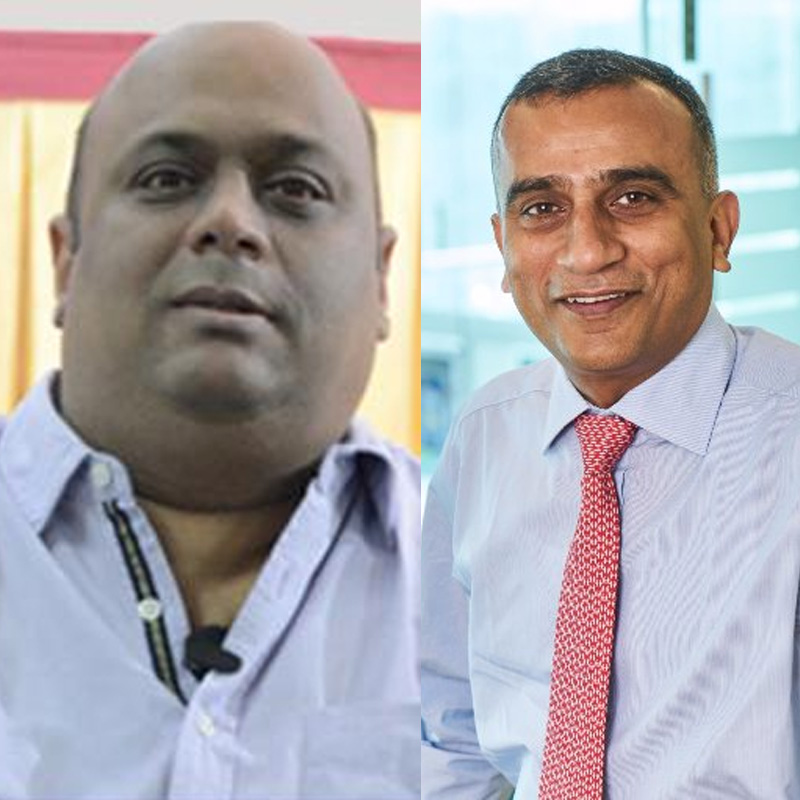
    Speaking to Indiantelevision.com, Viacom 18 group CEO Sudhanshu Vats said, “Owing to lack of preparedness of the industry toward digitisation, it is a good move provided there are no more extensions at all.”

    Questions an investment banker unwilling to be identified: “The cable TV trade has been given four to five years to digitize. And, they have not managed to do the job well over this period. What miracle will they perform in one month and three months? What’s to guarantee that the court cases will be settled and that government will not once again become weak-kneed and go in for a further postponement when these fresh deadlines come up? Investors want certainty, not this joke that the government has made of DAS.”

    Hathway Cable & Datacom’s Delhi distributor Vinod Chauhan said, although the order does not directly impact his operation since he was in the area covered under DAS I, it was a good move, but he questioned the logic behind it. Hathway Cable has been expanding into Phase III markets and had hopes that broadband and this expansion would help it increase its ARPUs.

    Siti Networks Ltd COO strategy & compliances Anil Malhotra said that the MSO’s planning for switching over to digital coincided with the government’s deadline of 31 December 2016. He said that there was pickup in demand for digital STBs of late. “We are not worried at all since we have a huge inventory of imported STBs,” Malhotra said.

    As the brief talk veered toward the effect of demonetisation, he said that entertainment was one of the primary essentials in the hectic lives of people today. “Everyone is ready and prepared to shell out Rs 1000-1100 for good quality STBs,” Malhotra added.

    Star India legal and regulatory affairs president and general counsel Deepak Jacob expresed his disappointment about the government’s decision. “When the DAS IV deadline was finally set for 31 December 2016 as per a government notification approved by Parliament, the ministry ideally cannot and should not extend the deadline at all,” he said emphatically. “Now, the government should stick to its new deadline and not allow any posptonment.”

    Smaller cable TV operators are however pleased about the lifeline they have got. Said Maharashtra Cable Operators Foundation (MCOF) president Arvind Prabhoo: “I think the MIB realised that covering diverse areas in a vast country like India was a challenge. Also, taking into consideration the pending court cases against digitisation, the ministry has rightly extended the deadline. It is a good, welcome move.”

    MSO Den Network CEO S N Sharma pointed out that the decision was not going to play a spoiler. He said, “It is not a six month or a year’s extension. It is just three months. The decision looks fine to me. I think this will give everyone sufficient time to do the seeding.”

    Most small cable networks in DAS IV service very few consumers. They are well below the size to viably provide digital cable TV. Most of these have resigned to the fate of losing their business and only livelihood, opined Hyderabad based Sky Vision MD R.S. Raju . “The currency demonetisation put a further damper. Consumers completely stopped spending on non-essential purchases, and STB deployment has been badly hit in rural areas, where plastic money is not prevalent, and new currency notes are in short-supply,” he said.

    He revealed that the MIB had some none to encouraging facts to reveal at the 18 th task force meeting.

    “The I&B ministry has declared certain (un-encouraging) data on STB deployments, up to 25 October 2016. Between 31 August & 25 October 2016, 1.97 million STBs were seeded in DAS IV areas. In Phase III, 0.876 million STBs were seeded in the same period. Combined, 2.84 million STBs were deployed in these two months. To date, pan-India, 92.4 million STBs have been deployed till 25 October 2016, according to MIB data,” Raju said.

    “As per earlier MIB data till 26 July 2016, 17.8 million STBs were seeded in DAS IV areas. Combined with the new data, this indicates that 19.77 million STBs have been seeded in DAS IV areas. DAS IV covers 61.08 million rural TV households spanning 28 states & 6 union territories (2011 Census),” Raju added.

    Raju further informed, “With very low ARPUs and the high cost of laying long length fibre networks to small pockets of Phase IV areas, most MSOs have only ‘cherry picked’ a few DAS IV areas to expand their operations. Few new headends have been set up or are planned in DAS IV areas. Generally, DAS IV areas are serviced from existing headends in neighbouring DAS III areas.”

    He revealed that a representative of the Consumer Electronics and Appliances Manufacturers Association (CEAMA) mentioned that no major purchase orders were received recently by the indigenous STB manufacturers (from MSOs) at the same task force meeting.

    A representative of the Indian Broadcasting Foundation (IBF) mentioned that very few requests had so far been received by its broadcaster members from MSOs for interconnect agreements for Phase IV areas.

    It would be logical to conclude that rural TV viewers will either shift to Doordarshan’s FreeDish or one of the six private, pay DTH platforms, stated Raju.

    At the same meeting, MIB joint secretary (P&A) Mihir Kumar Singh asked the members to suggest measures to implement Phase IV by the notified cut-off date, added Raju.

    And since none of them could offer logical feasible solutions, the MIB has had to take the stance it has. Additionally, the letter from the Andhra Pradesh chief minister N. Chandrababu Naidu to MIB minister M Venkaiah seeking postponement Naidu could have also forced the government to take the decision.
  • TV industry gives mixed reaction to MIB’s DAS III & IV extension

    TV industry gives mixed reaction to MIB’s DAS III & IV extension

    MUMBAI: Even as recently as a month ago, India’s ministry of information and broadcasting (MIB) and the industry regulator the Telecom Regulatory Authority of India announced that the DAS IV deadline of 31 December 2016 was sacrosanct and that the cable TV industry would have to bite the bullet. So, when the MIB announced on 22 December that it was pushing forward the Phase IV date to 31 March 2017 and the Phase III date to 31 January 2017, eyebrows were raised once again globally.

    Can the MIB ever stand firm on deadlines or can it set realistic ones, asked potential international investors who have been waiting to hear some positive developments about India’s digitizing-in-stops-and-starts cable TV sector?

    But, the response on the ground amongst India’s TV broadcasters and cable TV operators was mixed. Some have welcomed the decision; others have been harshly critical of the MIB’s postponement rationale.

    The MIB said the extension was being done “in lieu of uncertainty in the market due to pending court cases and unsatisfactory progress of installation of set-top boxes (STBs) in Phase IV areas.”

    Speaking to Indiantelevision.com, Viacom 18 group CEO Sudhanshu Vats said, “Owing to lack of preparedness of the industry toward digitisation, it is a good move provided there are no more extensions at all.”

    Questions an investment banker unwilling to be identified: “The cable TV trade has been given four to five years to digitize. And, they have not managed to do the job well over this period. What miracle will they perform in one month and three months? What’s to guarantee that the court cases will be settled and that government will not once again become weak-kneed and go in for a further postponement when these fresh deadlines come up? Investors want certainty, not this joke that the government has made of DAS.”

    Hathway Cable & Datacom’s Delhi distributor Vinod Chauhan said, although the order does not directly impact his operation since he was in the area covered under DAS I, it was a good move, but he questioned the logic behind it. Hathway Cable has been expanding into Phase III markets and had hopes that broadband and this expansion would help it increase its ARPUs.

    Siti Networks Ltd COO strategy & compliances Anil Malhotra said that the MSO’s planning for switching over to digital coincided with the government’s deadline of 31 December 2016. He said that there was pickup in demand for digital STBs of late. “We are not worried at all since we have a huge inventory of imported STBs,” Malhotra said.

    As the brief talk veered toward the effect of demonetisation, he said that entertainment was one of the primary essentials in the hectic lives of people today. “Everyone is ready and prepared to shell out Rs 1000-1100 for good quality STBs,” Malhotra added.

    Star India legal and regulatory affairs president and general counsel Deepak Jacob expresed his disappointment about the government’s decision. “When the DAS IV deadline was finally set for 31 December 2016 as per a government notification approved by Parliament, the ministry ideally cannot and should not extend the deadline at all,” he said emphatically. “Now, the government should stick to its new deadline and not allow any posptonment.”

    Smaller cable TV operators are however pleased about the lifeline they have got. Said Maharashtra Cable Operators Foundation (MCOF) president Arvind Prabhoo: “I think the MIB realised that covering diverse areas in a vast country like India was a challenge. Also, taking into consideration the pending court cases against digitisation, the ministry has rightly extended the deadline. It is a good, welcome move.”

    MSO Den Network CEO S N Sharma pointed out that the decision was not going to play a spoiler. He said, “It is not a six month or a year’s extension. It is just three months. The decision looks fine to me. I think this will give everyone sufficient time to do the seeding.”

    Most small cable networks in DAS IV service very few consumers. They are well below the size to viably provide digital cable TV. Most of these have resigned to the fate of losing their business and only livelihood, opined Hyderabad based Sky Vision MD R.S. Raju . “The currency demonetisation put a further damper. Consumers completely stopped spending on non-essential purchases, and STB deployment has been badly hit in rural areas, where plastic money is not prevalent, and new currency notes are in short-supply,” he said.

    He revealed that the MIB had some none to encouraging facts to reveal at the 18 th task force meeting.

    “The I&B ministry has declared certain (un-encouraging) data on STB deployments, up to 25 October 2016. Between 31 August & 25 October 2016, 1.97 million STBs were seeded in DAS IV areas. In Phase III, 0.876 million STBs were seeded in the same period. Combined, 2.84 million STBs were deployed in these two months. To date, pan-India, 92.4 million STBs have been deployed till 25 October 2016, according to MIB data,” Raju said.

    “As per earlier MIB data till 26 July 2016, 17.8 million STBs were seeded in DAS IV areas. Combined with the new data, this indicates that 19.77 million STBs have been seeded in DAS IV areas. DAS IV covers 61.08 million rural TV households spanning 28 states & 6 union territories (2011 Census),” Raju added.

    Raju further informed, “With very low ARPUs and the high cost of laying long length fibre networks to small pockets of Phase IV areas, most MSOs have only ‘cherry picked’ a few DAS IV areas to expand their operations. Few new headends have been set up or are planned in DAS IV areas. Generally, DAS IV areas are serviced from existing headends in neighbouring DAS III areas.”

    He revealed that a representative of the Consumer Electronics and Appliances Manufacturers Association (CEAMA) mentioned that no major purchase orders were received recently by the indigenous STB manufacturers (from MSOs) at the same task force meeting.

    A representative of the Indian Broadcasting Foundation (IBF) mentioned that very few requests had so far been received by its broadcaster members from MSOs for interconnect agreements for Phase IV areas.

    It would be logical to conclude that rural TV viewers will either shift to Doordarshan’s FreeDish or one of the six private, pay DTH platforms, stated Raju.

    At the same meeting, MIB joint secretary (P&A) Mihir Kumar Singh asked the members to suggest measures to implement Phase IV by the notified cut-off date, added Raju.

    And since none of them could offer logical feasible solutions, the MIB has had to take the stance it has. Additionally, the letter from the Andhra Pradesh chief minister N. Chandrababu Naidu to MIB minister M Venkaiah seeking postponement Naidu could have also forced the government to take the decision.
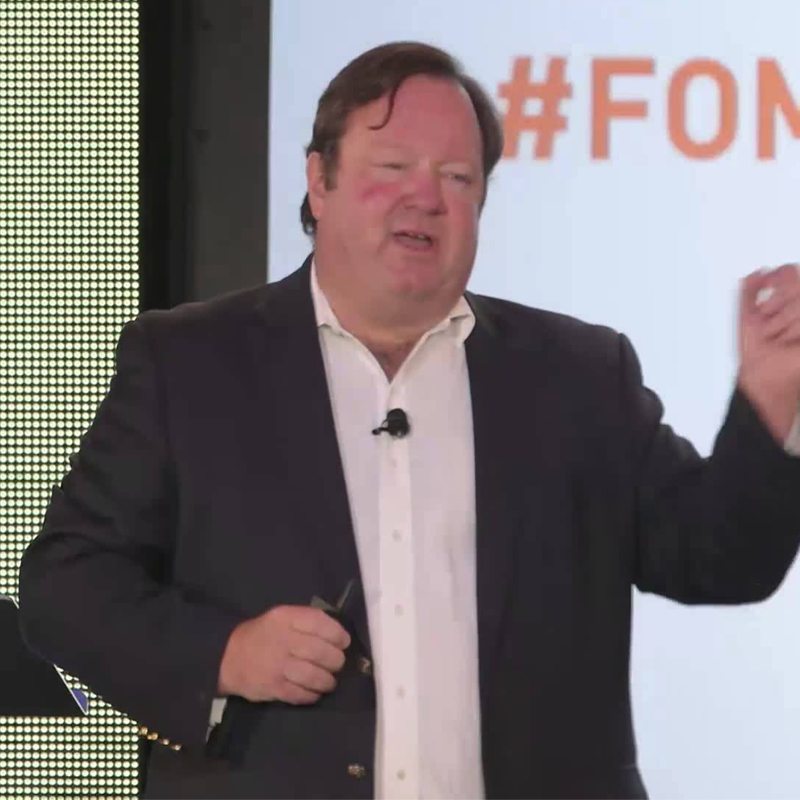
  • Viacom18’s Sudhanshu Vats new BARC India chairman

    Viacom18’s Sudhanshu Vats new BARC India chairman

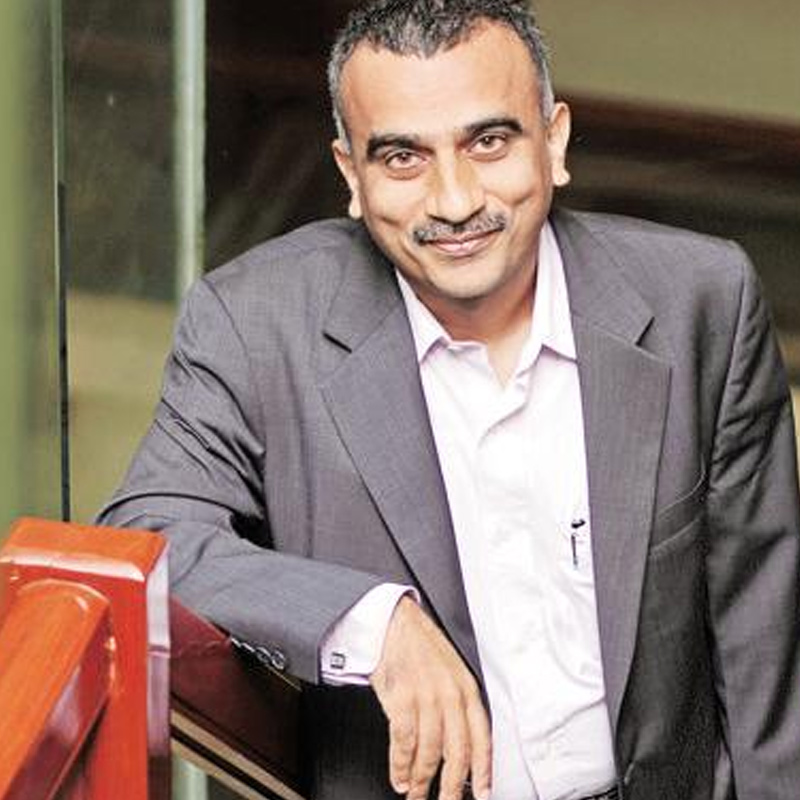
    MUMBAI: BARC India board has elected Viacom 18 group CEO Sudhanshu Vats as its new chairman. The move comes after Zee Entertainment MD & CEO Punit Goenka successfully completed his tenure as the chairman.

    BARC India, the Joint Industry Company (JIC) of broadcasters, advertisers and advertising agencies, launched TV measurement currency and expanded measurement of TV viewership to rural India. BARC India recently also launched monitoring of geo-targeted ads through its split beam monitoring service.

    Vats heads Viacom18 which is one of India’s fastest growing media organisations with a 40X growth in topline since inception. Under Vats’s, leadership the group has expanded its channel footprint from six to over 36 channels and has set up three new lines of business. A management graduate from the Indian Institute of Management – Ahmedabad, Vats is a Hindustan Unilever (Unilever India) veteran and invested around 20 years in the organisation in varied roles.

    Vats has been associated with BARC India since its inception and has been a part of all the developments as a member of the Board of Directors.

    “It is indeed an honour to be elected as the chairperson of BARC India. In a span of two years, BARC India has been able to build a strong TV viewership measurement system. I feel privileged because this comes at a time when our industry is about to enter its next growth orbit and a robust, comprehensive measurement system will only accelerate this transition. Finally, measurement and analytics is an area of personal interest and I couldn’t have asked for a better way to learn more about it,” said Vats.

    “Being the chairman of BARC India has been a great experience. We started off with certain ideologies of being transparent, robust and being able to measure “What India Watches”. We brought in a lot of changes in the TV viewership measurement system in order to make it comparable to global standards and, to a great extent, have been able to achieve that. I wish Sudhanshu (Vats) all the best for all the future endeavours,” said Goenka.

    “We welcome Sudhanshu as our new chairman. Being a veteran in the industry, Sudhanshu will bring in his larger perspective in the media and entertainment space. Punit, as the first chairman, has given the team the right thrust and the BARC team thanks him for his whole-hearted support,” added BARC India CEO Partho Dasgupta.

    BARC India is a joint venture bringing together the three key stakeholders in Television Audience Measurement, Broadcasters, Advertisers and Advertising & Media Agencies. Their respective apex bodies, the Indian Broadcasting Foundation (IBF), the Indian Society of Advertisers (ISA) and the Advertising Agencies Association of India (AAAI), represent the three industries.

  • Viacom18’s Sudhanshu Vats new BARC India chairman

    Viacom18’s Sudhanshu Vats new BARC India chairman

    MUMBAI: BARC India board has elected Viacom 18 group CEO Sudhanshu Vats as its new chairman. The move comes after Zee Entertainment MD & CEO Punit Goenka successfully completed his tenure as the chairman.

    BARC India, the Joint Industry Company (JIC) of broadcasters, advertisers and advertising agencies, launched TV measurement currency and expanded measurement of TV viewership to rural India. BARC India recently also launched monitoring of geo-targeted ads through its split beam monitoring service.

    Vats heads Viacom18 which is one of India’s fastest growing media organisations with a 40X growth in topline since inception. Under Vats’s, leadership the group has expanded its channel footprint from six to over 36 channels and has set up three new lines of business. A management graduate from the Indian Institute of Management – Ahmedabad, Vats is a Hindustan Unilever (Unilever India) veteran and invested around 20 years in the organisation in varied roles.

    Vats has been associated with BARC India since its inception and has been a part of all the developments as a member of the Board of Directors.

    “It is indeed an honour to be elected as the chairperson of BARC India. In a span of two years, BARC India has been able to build a strong TV viewership measurement system. I feel privileged because this comes at a time when our industry is about to enter its next growth orbit and a robust, comprehensive measurement system will only accelerate this transition. Finally, measurement and analytics is an area of personal interest and I couldn’t have asked for a better way to learn more about it,” said Vats.

    “Being the chairman of BARC India has been a great experience. We started off with certain ideologies of being transparent, robust and being able to measure “What India Watches”. We brought in a lot of changes in the TV viewership measurement system in order to make it comparable to global standards and, to a great extent, have been able to achieve that. I wish Sudhanshu (Vats) all the best for all the future endeavours,” said Goenka.

    “We welcome Sudhanshu as our new chairman. Being a veteran in the industry, Sudhanshu will bring in his larger perspective in the media and entertainment space. Punit, as the first chairman, has given the team the right thrust and the BARC team thanks him for his whole-hearted support,” added BARC India CEO Partho Dasgupta.

    BARC India is a joint venture bringing together the three key stakeholders in Television Audience Measurement, Broadcasters, Advertisers and Advertising & Media Agencies. Their respective apex bodies, the Indian Broadcasting Foundation (IBF), the Indian Society of Advertisers (ISA) and the Advertising Agencies Association of India (AAAI), represent the three industries.

  • Global Citizen Festival enables us to drive behavioural change, says Viacom18’s Sudhanshu Vats

    Global Citizen Festival enables us to drive behavioural change, says Viacom18’s Sudhanshu Vats

    MUMBAI: Viacom18 has entered into a strategic tie-up with the Global Citizen Festival to amplify a hi-decibel public awareness campaign in India on the issues of quality education, gender equality and clean water and sanitation.

    As part of this partnership, the festival will be telecast live exclusively on Vh1, streamed exclusively on Voot, with the network’s flagship channel Colors airing it in December while Colors Infinity and MTV will showcase content around the festival.

    The Global Citizen Foundation India has been mobilising Indian youth in the run-up to the festival to take action on various challenging issues for India. These are in the areas of quality education, gender equality, and clean water & sanitation; causes that Viacom18 has been supporting, through both, its corporate and media brands, since inception.

    On the GCF partnership, Viacom18 Group CEO Sudhanshu Vats said, “We saw this partnership as a natural extension of our own beliefs and perfectly in sync with the kind of work we have been doing since inception. It gives us the ideal springboard to channel a much larger force towards driving change in modern-day India. The Global Citizen Festival enables us to work with like-minded organisations as we use all our media assets to drive behavioral change when it comes to WASH (Water, Sanitation and Hygiene) related matters.”

    The festival will see a galaxy of international musicians like Colday, Jay Z and Demi Lovato and Indian icons like A. R. Rahman, Aamir Khan, Ranveer Singh, Katrina Kaif, Farhan Akhtar, Kareena Kapoor Khan, Arijit Singh, Arjun Kapoor, Amitabh Bachchan, Ayushmann Khurrana, Dia Mirza, Freida Pinto, Malaika Arorha Khan, Monali Thakur, Parineeti Chopra, Sachin Tendulkar, Sakshi Malik, Shah Rukh Khan, Shankar-Ehsaan-Loy, Shraddha Kapoor, Sonakshi Sinha, Vidya Balan, Vijendar Singh and Vivek Oberoi come together in support of the GCF’s cause at MMRDA Grounds on 19 November 2016.

    Viacom18 will be multiplying the reach of the festival by broadcasting it live on the all new VH1, streaming it on the network’s OTT service VOOT with repeat telecasts on MTV and Colors Infinity, and telecast of Hindi content on Colors at a later date.

  • Global Citizen Festival enables us to drive behavioural change, says Viacom18’s Sudhanshu Vats

    Global Citizen Festival enables us to drive behavioural change, says Viacom18’s Sudhanshu Vats

    MUMBAI: Viacom18 has entered into a strategic tie-up with the Global Citizen Festival to amplify a hi-decibel public awareness campaign in India on the issues of quality education, gender equality and clean water and sanitation.

    As part of this partnership, the festival will be telecast live exclusively on Vh1, streamed exclusively on Voot, with the network’s flagship channel Colors airing it in December while Colors Infinity and MTV will showcase content around the festival.

    The Global Citizen Foundation India has been mobilising Indian youth in the run-up to the festival to take action on various challenging issues for India. These are in the areas of quality education, gender equality, and clean water & sanitation; causes that Viacom18 has been supporting, through both, its corporate and media brands, since inception.

    On the GCF partnership, Viacom18 Group CEO Sudhanshu Vats said, “We saw this partnership as a natural extension of our own beliefs and perfectly in sync with the kind of work we have been doing since inception. It gives us the ideal springboard to channel a much larger force towards driving change in modern-day India. The Global Citizen Festival enables us to work with like-minded organisations as we use all our media assets to drive behavioral change when it comes to WASH (Water, Sanitation and Hygiene) related matters.”

    The festival will see a galaxy of international musicians like Colday, Jay Z and Demi Lovato and Indian icons like A. R. Rahman, Aamir Khan, Ranveer Singh, Katrina Kaif, Farhan Akhtar, Kareena Kapoor Khan, Arijit Singh, Arjun Kapoor, Amitabh Bachchan, Ayushmann Khurrana, Dia Mirza, Freida Pinto, Malaika Arorha Khan, Monali Thakur, Parineeti Chopra, Sachin Tendulkar, Sakshi Malik, Shah Rukh Khan, Shankar-Ehsaan-Loy, Shraddha Kapoor, Sonakshi Sinha, Vidya Balan, Vijendar Singh and Vivek Oberoi come together in support of the GCF’s cause at MMRDA Grounds on 19 November 2016.

    Viacom18 will be multiplying the reach of the festival by broadcasting it live on the all new VH1, streaming it on the network’s OTT service VOOT with repeat telecasts on MTV and Colors Infinity, and telecast of Hindi content on Colors at a later date.

  • Viacom appoints Bob Bakish as acting CEO

    Viacom appoints Bob Bakish as acting CEO

    MUMBAI: So Bob got the job after all. As expected, the board of directors at Viacom yesterday appointed Robert “Bob” Bakish as the acting president & CEO, effective 15 November – the date when the temporary replacement to Philippe Dauman, leaves the company. Bakish also got the additional charge of the Viacom Global Entertainment Group as its president & CEO.

    This new business unit combines Viacom’s International Media Networks division with the company’s Music and Entertainment Group, which houses some of the company’s most iconic brands including MTV, Comedy Central, VH1, Spike and Logo. In addition, TV Land and CMT will join the Global Entertainment Group portfolio under him.

    What this means is that the Indian company Viacom18 Media (its joint venture with Network18 group – now owned by Reliance Industries) will have a direct line to Bakish as it has been doing over the past nine years, ever since he took over the international media networks division. Viacom18 Media is headed by the group CEO Sudhanshu Vats.

    A statement put out by Viacom states that Viacom’s Kids and Family Group will be re-established as the “Nickelodeon Group” to fully focus on building upon the success of the number one media network for kids, and exploit the broad array of growth opportunities in all facets of the kids segment, including recreation and hospitality. BET Networks, home of leading brands among African American adults, will continue to function as a dedicated and separate group.

    Said Viacom board chairman Tom May in the release: “Bob’s record of innovation and achievement at Viacom, combined with his strategic vision and leadership ability, make him highly qualified for this position. We are determined to move forward aggressively to strengthen Viacom for the future, whether as a stand-alone company or in a potential combination with CBS. There is a great deal of opportunity ahead and Bob is a superb leader to drive this effort, fully empowered to take the actions necessary to position Viacom for success.”

    Said Viacom vice chairman Shari Redstone: “To be a successful leader in the industry today requires continuous flexibility, a global perspective, a commitment to innovation and an embrace of change. Bob is an exemplary forward thinker who embodies these traits, embraces disruption and brings teams along with him. Under his leadership our great employees will be supported in their efforts to bring world class content and experiences to our audiences, while we continue to drive improvements in Viacom’s financial performance.”

    “I look forward to working closely with the Board of Directors, senior management and our talented and hardworking people around the world to realize the full potential of Viacom’s outstanding assets for the benefit of our audiences, partners and stockholders,” added Bakish. “Content is the lifeblood of our business and my near-term focus will be to nurture our creative output and brands, ensuring they remain distinctive, differentiated and powerful in an increasingly competitive global media landscape.”

    Bakish has been the president and CEO of Viacom International Media Networks, and its predecessor company MTV Networks International, since 2007, with oversight of all of Viacom’s media networks and related businesses outside the US. In this role, he has driven the development of its international portfolio of core TV brands, with MTV and Nickelodeon being joined by Comedy Central, Paramount Channel, BET, Spike and Nick Jr. on pay and free TV platforms worldwide. In addition, Bakish has overseen the creation and growth of the company’s Viacom18 Indian joint venture, which includes the Colors general entertainment networks, as well as the acquisition of Channel 5 in the U.K.

    Under Bakish, the company has consistently grown profitability while expanding its TV, online and geographic footprint. Viacom’s 200 plus TV channels now reach approximately 3.9 billion cumulative television subscribers across more than 180 countries and broadcast in more than 40 languages. Bakish has also overseen the transition from TV to multiplatform distribution, with VIMN significantly growing online engagement with its video content, having launched a range of cutting edge digital properties including the Viacom Play Plex suite of mobile streaming apps that give on-demand access to the best TV content from its brands, all while building its branded presence on 3rd party video-on-demand and social media platforms, with an estimated 850 million fans and followers worldwide.

    Bakish’s growth strategy for VIMN has also involved substantially increasing the amount of original programming produced by Viacom internationally, driven in part by the recently opened Viacom International Studios in Miami, and Channel 5 Productions in the UK. In addition, he has expanded the off-screen presence of VIMN’s brands through live events, stores, theme parks and hotels.Bakish has delivered significant growth in some of the world’s most valuable media markets including established markets like the U.K., Italy and Spain, as well as higher growth markets such as India, Mexico, Brazil, China, Russia and Africa.

  • Viacom appoints Bob Bakish as acting CEO

    Viacom appoints Bob Bakish as acting CEO

    MUMBAI: So Bob got the job after all. As expected, the board of directors at Viacom yesterday appointed Robert “Bob” Bakish as the acting president & CEO, effective 15 November – the date when the temporary replacement to Philippe Dauman, leaves the company. Bakish also got the additional charge of the Viacom Global Entertainment Group as its president & CEO.

    This new business unit combines Viacom’s International Media Networks division with the company’s Music and Entertainment Group, which houses some of the company’s most iconic brands including MTV, Comedy Central, VH1, Spike and Logo. In addition, TV Land and CMT will join the Global Entertainment Group portfolio under him.

    What this means is that the Indian company Viacom18 Media (its joint venture with Network18 group – now owned by Reliance Industries) will have a direct line to Bakish as it has been doing over the past nine years, ever since he took over the international media networks division. Viacom18 Media is headed by the group CEO Sudhanshu Vats.

    A statement put out by Viacom states that Viacom’s Kids and Family Group will be re-established as the “Nickelodeon Group” to fully focus on building upon the success of the number one media network for kids, and exploit the broad array of growth opportunities in all facets of the kids segment, including recreation and hospitality. BET Networks, home of leading brands among African American adults, will continue to function as a dedicated and separate group.

    Said Viacom board chairman Tom May in the release: “Bob’s record of innovation and achievement at Viacom, combined with his strategic vision and leadership ability, make him highly qualified for this position. We are determined to move forward aggressively to strengthen Viacom for the future, whether as a stand-alone company or in a potential combination with CBS. There is a great deal of opportunity ahead and Bob is a superb leader to drive this effort, fully empowered to take the actions necessary to position Viacom for success.”

    Said Viacom vice chairman Shari Redstone: “To be a successful leader in the industry today requires continuous flexibility, a global perspective, a commitment to innovation and an embrace of change. Bob is an exemplary forward thinker who embodies these traits, embraces disruption and brings teams along with him. Under his leadership our great employees will be supported in their efforts to bring world class content and experiences to our audiences, while we continue to drive improvements in Viacom’s financial performance.”

    “I look forward to working closely with the Board of Directors, senior management and our talented and hardworking people around the world to realize the full potential of Viacom’s outstanding assets for the benefit of our audiences, partners and stockholders,” added Bakish. “Content is the lifeblood of our business and my near-term focus will be to nurture our creative output and brands, ensuring they remain distinctive, differentiated and powerful in an increasingly competitive global media landscape.”

    Bakish has been the president and CEO of Viacom International Media Networks, and its predecessor company MTV Networks International, since 2007, with oversight of all of Viacom’s media networks and related businesses outside the US. In this role, he has driven the development of its international portfolio of core TV brands, with MTV and Nickelodeon being joined by Comedy Central, Paramount Channel, BET, Spike and Nick Jr. on pay and free TV platforms worldwide. In addition, Bakish has overseen the creation and growth of the company’s Viacom18 Indian joint venture, which includes the Colors general entertainment networks, as well as the acquisition of Channel 5 in the U.K.

    Under Bakish, the company has consistently grown profitability while expanding its TV, online and geographic footprint. Viacom’s 200 plus TV channels now reach approximately 3.9 billion cumulative television subscribers across more than 180 countries and broadcast in more than 40 languages. Bakish has also overseen the transition from TV to multiplatform distribution, with VIMN significantly growing online engagement with its video content, having launched a range of cutting edge digital properties including the Viacom Play Plex suite of mobile streaming apps that give on-demand access to the best TV content from its brands, all while building its branded presence on 3rd party video-on-demand and social media platforms, with an estimated 850 million fans and followers worldwide.

    Bakish’s growth strategy for VIMN has also involved substantially increasing the amount of original programming produced by Viacom internationally, driven in part by the recently opened Viacom International Studios in Miami, and Channel 5 Productions in the UK. In addition, he has expanded the off-screen presence of VIMN’s brands through live events, stores, theme parks and hotels.Bakish has delivered significant growth in some of the world’s most valuable media markets including established markets like the U.K., Italy and Spain, as well as higher growth markets such as India, Mexico, Brazil, China, Russia and Africa.

  • MIB favours self-regulation, TRAI says some regulation mandatory

    MIB favours self-regulation, TRAI says some regulation mandatory

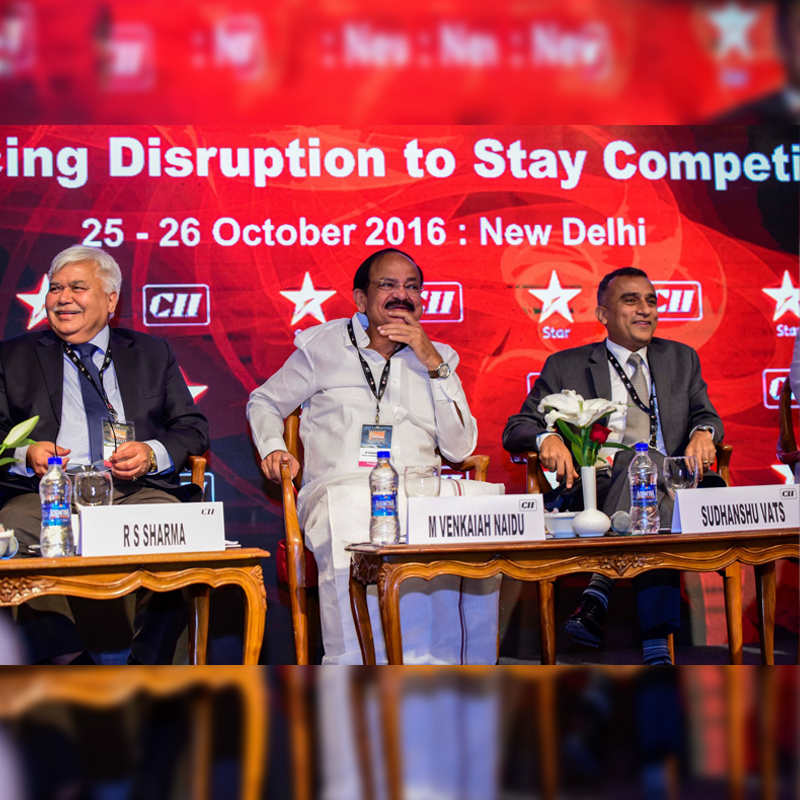
    NEW DELHI: Even as he favoured the idea of self-regulation in the media, Minister for Information and Broadcasting (MIB) M Venkaiah Naidu stressed that “regulation should not become strangulation” and added the government wants to be a facilitator for creating a good business environment for the media and entertainment (M&E) sector.

    Delivering the keynote address at the inaugural session of 5th edition of CII-organised `Big Picture Summit’ at New Delhi here yesterday Naidu said that digital and mobile tools have been leading to paradigm shifts in the M&E sector and the growth of varied platforms such as 4G, broadband, mobile technologies and digital media has enabled the sector to move towards “convergence across platforms and content”.

    According to the Minister, 500 million mobile phones were expected in India by 2020 and music streaming had grown from 49 per cent to 61 per cent in just one year with video on demand gaining popularity as number of internet connections had grown to 81 million of which 41 million used local languages. “The entertainment industry was today capable of creating five billion jobs a year,” he said.

    Referring to the broadcast segment, the MIB Minister said Indian television was very vibrant and exciting, which is exemplified in the over 800 TV channels licensed by the government.

    Dwelling on some initiatives taken by the government to boost the M&E sector, Naidu said that foreign direct investment norms had been liberalized further earlier in the year with an aim to help the industry grow. Similarly, the Minister said, the radio category too has shown impressive growth and the third Phase of auctions of Radio FM licenses was expected to bring in $390 million.

    While he was impressed with the growth achieved by cinema — India produced more films than any other country in the world — Naidu took note of a big problem of less number of screens in the country and that Indian cinema had a share of less than one per cent in world cinema.

    Expressing his concerns on the growth of the media, the Minister highlighted that there were some problems that had been inherited by this government and that those would take some time to be resolved as he plans to hold separate meetings with all stakeholders.

    TRAI Says Regulatory Framework Necessary For Big M&E Sector

    While MIB made a case for self-regulation, Telecom Regulatory Authority of India Chairman R S Sharma said some regulatory framework was necessary for such a large media sector, but regulations should be non-discriminatory, transparent, ensure quality and empower the consumer.

    Speaking at the inaugural session, along with the Minister and industry representatives, Sharma said India was a very cost-effective market where the average mobile recharge was just Rs 10. As connectivity had to be cost-effective and price-sensitive, cable television can be used to provide broadband connectivity as well.

    Holding forth on audience measurement, Sharma said there was still scope for better audience measurement systems as it was important to let the consumer decide what he wanted.
    As TRAI has a recommendatory role in the broadcast sector, except the carriage part where its recommendations can be implemented by it, Sharma also highlighted that several set of recommendations by the regulator on a variety of issues were pending at the Ministry concerned.

    Viacom18 Group CEO Sudhanshu Vats’ On Disruption & Competition

    Amongst the pantheon of Indian gods and goddesses, the Trinity of  Brahma, Vishnu and Shiv hold a special place as they ensure the world, as we know it, goes through a cycle of creation, preservation and destruction to continue growing and surviving. Is this also true for a business sector? Yes!

    Dwelling on the theme of the two-day media conference, ‘Embracing Disruption to Stay Competitive’, Sudhanshu Vats, Chairman of National Committee on Media & Entertainment, CII and Group CEO, Viacom18, said if the cycle, as highlighted in the Indian Trinity or to some extent in economist Schumpeter’s theory of creative destruction, is not followed by businesses (including those in the M&E sector), it’d be disrupted

    “Our systems discourage destruction. In our minds we have this notion that the word ‘destruction’ itself is wrong. But if you look back, our belief system has always emphasised on the need to destroy. If we don’t destroy, then we will be disrupted,” Vats said setting the tone for the Big Picture Summit and emphasizing the need for a well-balanced mix of all three — creators, preservers and destroyers.

    Vats went on to give some examples of the Big Picture Summit’s theme of disruption or reinvention to stay relevant and competitive, which are as follows:

    –    It’s a theme that explains how the sport of cricket reinvented itself 8 years ago to create a completely new avatar (called the IPL) that is arguably it’s most lucrative and successful one till date.

    –    It’s a theme that explains how a new Hindi GEC called Colors launched in 2008 and became number 1 in just 9 months of launch.

    –    It’s a theme that probably explains how a government owned distribution platform known as DD FreeDish revolutionized the world of Indian television so much so that it is a topic of conversation in the boardroom of every M&E organization.

    –    It’s a theme that explains how a show idea rejected by MTV, led to the creation of one of India’s most iconic YouTube channels: The Viral Fever.

    –    It’s also a theme that explains why a telco called AT&T is expected to close a deal to acquire a media conglomerate called Time Warner in what is amongst this year’s biggest acquisitions.  “Of course, I’d like to see this as ‘convergence in action’,” explained Vats.

    Dwelling on some industry vital stats — based on knowledge partner Boston Consulting Group’s yearly report for the event — Vats said the M&E industry’s size had been pegged at approximately Rs. 13, 000,00 million, almost one per cent of the Indian GDP with a direct employment base of half a million.

    “If we look at indirect employment, the number will multiply several times over. If we look at employment in sectors in which we have a multiplier effect, say telecom, tourism, sports and so on, and we are looking at a much larger base. If we have to, say, double in size (and this is not impossible)… then there are three fundamental truths that we need to prepare for. Bear in mind, that none of these can be leveraged if we fear ‘destruction’. Each of these truths has significant implications for us,” Vats elucidated.

    Vats also dwelt on several issues ranging from the need to develop direct-to-consumer offerings, importance of listening to suggestions and ideas, benefits of discovering new talents and embracing technology and data as a friend and not foe, apart from several other issues, including the need to put aside squabbles amongst stakeholders in the M&E sector.

    However, not the one to every shy away from making a factual statement, even though it may sound contentious, Vats aptly said the M&E sector was amongst the biggest stars of the PM Modi’s  `Make in India’ programme. “In the last two years, India has seen 35 new smart-phone factories, with a production capacity of 18 million devices per month and employment to 37,000 Indians. While the focus here – at least in the popular context- is on telecom handset manufacturing, think what is the use of the smart-phone with a 5-inch screen if you don’t have video content? I have no qualms in stating that our industry will play the biggest role in the 4G revolution that this country is about to witness,” he concluded.


  • MIB favours self-regulation, TRAI says some regulation mandatory

    MIB favours self-regulation, TRAI says some regulation mandatory

    NEW DELHI: Even as he favoured the idea of self-regulation in the media, Minister for Information and Broadcasting (MIB) M Venkaiah Naidu stressed that “regulation should not become strangulation” and added the government wants to be a facilitator for creating a good business environment for the media and entertainment (M&E) sector.

    Delivering the keynote address at the inaugural session of 5th edition of CII-organised `Big Picture Summit’ at New Delhi here yesterday Naidu said that digital and mobile tools have been leading to paradigm shifts in the M&E sector and the growth of varied platforms such as 4G, broadband, mobile technologies and digital media has enabled the sector to move towards “convergence across platforms and content”.

    According to the Minister, 500 million mobile phones were expected in India by 2020 and music streaming had grown from 49 per cent to 61 per cent in just one year with video on demand gaining popularity as number of internet connections had grown to 81 million of which 41 million used local languages. “The entertainment industry was today capable of creating five billion jobs a year,” he said.

    Referring to the broadcast segment, the MIB Minister said Indian television was very vibrant and exciting, which is exemplified in the over 800 TV channels licensed by the government.

    Dwelling on some initiatives taken by the government to boost the M&E sector, Naidu said that foreign direct investment norms had been liberalized further earlier in the year with an aim to help the industry grow. Similarly, the Minister said, the radio category too has shown impressive growth and the third Phase of auctions of Radio FM licenses was expected to bring in $390 million.

    While he was impressed with the growth achieved by cinema — India produced more films than any other country in the world — Naidu took note of a big problem of less number of screens in the country and that Indian cinema had a share of less than one per cent in world cinema.

    Expressing his concerns on the growth of the media, the Minister highlighted that there were some problems that had been inherited by this government and that those would take some time to be resolved as he plans to hold separate meetings with all stakeholders.

    TRAI Says Regulatory Framework Necessary For Big M&E Sector

    While MIB made a case for self-regulation, Telecom Regulatory Authority of India Chairman R S Sharma said some regulatory framework was necessary for such a large media sector, but regulations should be non-discriminatory, transparent, ensure quality and empower the consumer.

    Speaking at the inaugural session, along with the Minister and industry representatives, Sharma said India was a very cost-effective market where the average mobile recharge was just Rs 10. As connectivity had to be cost-effective and price-sensitive, cable television can be used to provide broadband connectivity as well.

    Holding forth on audience measurement, Sharma said there was still scope for better audience measurement systems as it was important to let the consumer decide what he wanted.
    As TRAI has a recommendatory role in the broadcast sector, except the carriage part where its recommendations can be implemented by it, Sharma also highlighted that several set of recommendations by the regulator on a variety of issues were pending at the Ministry concerned.

    Viacom18 Group CEO Sudhanshu Vats’ On Disruption & Competition

    Amongst the pantheon of Indian gods and goddesses, the Trinity of  Brahma, Vishnu and Shiv hold a special place as they ensure the world, as we know it, goes through a cycle of creation, preservation and destruction to continue growing and surviving. Is this also true for a business sector? Yes!

    Dwelling on the theme of the two-day media conference, ‘Embracing Disruption to Stay Competitive’, Sudhanshu Vats, Chairman of National Committee on Media & Entertainment, CII and Group CEO, Viacom18, said if the cycle, as highlighted in the Indian Trinity or to some extent in economist Schumpeter’s theory of creative destruction, is not followed by businesses (including those in the M&E sector), it’d be disrupted

    “Our systems discourage destruction. In our minds we have this notion that the word ‘destruction’ itself is wrong. But if you look back, our belief system has always emphasised on the need to destroy. If we don’t destroy, then we will be disrupted,” Vats said setting the tone for the Big Picture Summit and emphasizing the need for a well-balanced mix of all three — creators, preservers and destroyers.

    Vats went on to give some examples of the Big Picture Summit’s theme of disruption or reinvention to stay relevant and competitive, which are as follows:

    –    It’s a theme that explains how the sport of cricket reinvented itself 8 years ago to create a completely new avatar (called the IPL) that is arguably it’s most lucrative and successful one till date.

    –    It’s a theme that explains how a new Hindi GEC called Colors launched in 2008 and became number 1 in just 9 months of launch.

    –    It’s a theme that probably explains how a government owned distribution platform known as DD FreeDish revolutionized the world of Indian television so much so that it is a topic of conversation in the boardroom of every M&E organization.

    –    It’s a theme that explains how a show idea rejected by MTV, led to the creation of one of India’s most iconic YouTube channels: The Viral Fever.

    –    It’s also a theme that explains why a telco called AT&T is expected to close a deal to acquire a media conglomerate called Time Warner in what is amongst this year’s biggest acquisitions.  “Of course, I’d like to see this as ‘convergence in action’,” explained Vats.

    Dwelling on some industry vital stats — based on knowledge partner Boston Consulting Group’s yearly report for the event — Vats said the M&E industry’s size had been pegged at approximately Rs. 13, 000,00 million, almost one per cent of the Indian GDP with a direct employment base of half a million.

    “If we look at indirect employment, the number will multiply several times over. If we look at employment in sectors in which we have a multiplier effect, say telecom, tourism, sports and so on, and we are looking at a much larger base. If we have to, say, double in size (and this is not impossible)… then there are three fundamental truths that we need to prepare for. Bear in mind, that none of these can be leveraged if we fear ‘destruction’. Each of these truths has significant implications for us,” Vats elucidated.

    Vats also dwelt on several issues ranging from the need to develop direct-to-consumer offerings, importance of listening to suggestions and ideas, benefits of discovering new talents and embracing technology and data as a friend and not foe, apart from several other issues, including the need to put aside squabbles amongst stakeholders in the M&E sector.

    However, not the one to every shy away from making a factual statement, even though it may sound contentious, Vats aptly said the M&E sector was amongst the biggest stars of the PM Modi’s  `Make in India’ programme. “In the last two years, India has seen 35 new smart-phone factories, with a production capacity of 18 million devices per month and employment to 37,000 Indians. While the focus here – at least in the popular context- is on telecom handset manufacturing, think what is the use of the smart-phone with a 5-inch screen if you don’t have video content? I have no qualms in stating that our industry will play the biggest role in the 4G revolution that this country is about to witness,” he concluded.