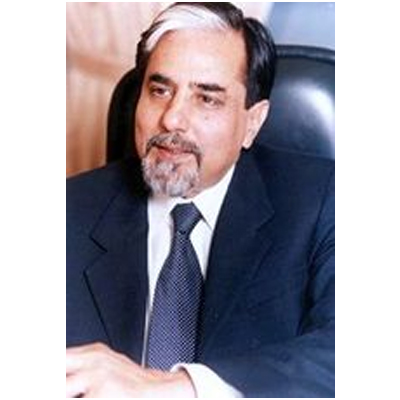
Tag: Subash Chandra

  • Siti Cable reports significant improvement in EBIDTA in Q2-2014

    Siti Cable reports significant improvement in EBIDTA in Q2-2014

    BENGALURU:  The painstaking rollout of the digitisation of India’s cable TV ecosystem and the depreciation of the rupee are taking their toll – both positively and negatively –  on national MSOs.  Take the case of Essel Group company Siti Cable Network Limited (Siti Cable), the erstwhile Wire and Wireless (India) Ltd (WWIL). Its latest quarter (Q2-2014) shows that the company has shown an improvement in its EBIDTA to Rs 32.98 crore which is 74 per cent higher than the previous corresponding quarter last fiscal.  It’s bottomline is however stained red in  Q2-2014 with a negative PAT of Rs 21.87 crore, almost double (173 per cent) the negative PAT of Rs (-12.65 ) crore the company had reported during the corresponding quarter (Q2-2013) last year. However, the loss is lower than the Rs (-27.07) crore for the immediate preceding quarter (Q1-2014).  


    Let us look at some other numbers for Siti Cable in Q2-2014


    Operating revenue in Siti Cable’s case is primarily generated from subscriber related income especially from digitisation, income from bandwidth charges, ad income, STB activation charges and other operating revenues.


    The cable network reported total revenue of Rs 162.94 crore for Q2-2014, which was 56.7 per cent more than the Rs 103.98 crore for Q2-2013 and 12.9 per cent more than the Rs 144.29 crore in Q1-2014.


    Total expenses for Q2-2014 at Rs 129.96 crore were 57 per cent more than the Rs 85.06 crore for Q2-2013 and 15 per cent higher than the Rs 113.1 crore for Q1-2014.


    Siti Cable claims that it is the only MSO in India which shares 25 per cent carriage revenue with local cable operators. A big chunk of its expense is carriage sharing, pay channel and related costs in the latest quarter. The company spent Rs 65.46 crore in Q2-2014 towards this head, which was 21.7 per cent higher than the Rs 53.03 crore for Q2-2013 and six per cent more than the Rs 61.8 crore during the immediate preceding quarter Q1-2014.


     Siti Cable’s main operating expenses include cost of goods and services, employees’ cost, selling and distribution expenses and other expenditure. Its major cost item was cost of goods and services recorded as Rs 82.7 crore during the quarter (Q2-2014)  representing 51 per cent of the total revenue in comparison to Rs 62.15 crore in Q2-2013, representing 60 per cent of the total revenue.


    Siti Cable’s Selling and Distribution Expense for Q2-2014 at Rs 12.42 crore was more than quadruple (424 per cent) the Rs 2.93 crore for Q2-2013 and more than double (225 per cent) the Rs 5.51 crore for Q1-2014. Its administrative expense at Rs 25.44 crore for Q2-2014 was almost double (95 per cent more) than the Rs 13.03 crore for Q2-2013 and 22.7 per cent more than the Rs 20.74 crore in Q1-2014.


    Another major cost item was foreign exchange fluctuation due to Rupee devaluation during the Q2-2014, which has been recorded at Rs 7.69 crore, says the company; the corresponding figure for Q1-2014 was Rs 5.11 crore.


    Siti Cable chairman Subash Chandra said, “The industry is at an inflexion point where creating the valuable ecosystem for all stake holders be it consumer, broadcaster or last mile local cable operators will ensure sustainable growth. We see immense opportunity for digitization in India in the years ahead.”


    Siti Cable CEO V D Wadhwa said, “We are pleased to report a healthy performance in the second quarter of the year, our total revenue and EBITDA in the quarter grew to Rs 162.9 crore and Rs 33 crore, a growth of 57 per cent and 74 per cent respectively over last fiscal. Our growth was largely due to greater focus on subscription revenue despite low seeding of STB’s during the quarter. We shall continue to focus on business expansion and revenue maximization in coming quarter.”


    Siti Cable informed BSE that the board of directors of the company at its meeting held on 23 October 2013, inter-alia, has approved the appointment of Anil Kumar Malhotra as manager of the company for a period of three years.

  • Siti Cable reports significant improvement in EBIDTA in Q2-2014

    Siti Cable reports significant improvement in EBIDTA in Q2-2014

    BENGALURU:  The painstaking rollout of the digitisation of India’s cable TV ecosystem and the depreciation of the rupee are taking their toll – both positively and negatively –  on national MSOs.  Take the case of Essel Group company Siti Cable Network Limited (Siti Cable), the erstwhile Wire and Wireless (India) Ltd (WWIL). Its latest quarter (Q2-2014) shows that the company has shown an improvement in its EBIDTA to Rs 32.98 crore which is 74 per cent higher than the previous corresponding quarter last fiscal.  It’s bottomline is however stained red in  Q2-2014 with a negative PAT of Rs 21.87 crore, almost double (173 per cent) the negative PAT of Rs (-12.65 ) crore the company had reported during the corresponding quarter (Q2-2013) last year. However, the loss is lower than the Rs (-27.07) crore for the immediate preceding quarter (Q1-2014).  


    Let us look at some other numbers for Siti Cable in Q2-2014


    Operating revenue in Siti Cable’s case is primarily generated from subscriber related income especially from digitisation, income from bandwidth charges, ad income, STB activation charges and other operating revenues.


    The cable network reported total revenue of Rs 162.94 crore for Q2-2014, which was 56.7 per cent more than the Rs 103.98 crore for Q2-2013 and 12.9 per cent more than the Rs 144.29 crore in Q1-2014.


    Total expenses for Q2-2014 at Rs 129.96 crore were 57 per cent more than the Rs 85.06 crore for Q2-2013 and 15 per cent higher than the Rs 113.1 crore for Q1-2014.


    Siti Cable claims that it is the only MSO in India which shares 25 per cent carriage revenue with local cable operators. A big chunk of its expense is carriage sharing, pay channel and related costs in the latest quarter. The company spent Rs 65.46 crore in Q2-2014 towards this head, which was 21.7 per cent higher than the Rs 53.03 crore for Q2-2013 and six per cent more than the Rs 61.8 crore during the immediate preceding quarter Q1-2014.


     Siti Cable’s main operating expenses include cost of goods and services, employees’ cost, selling and distribution expenses and other expenditure. Its major cost item was cost of goods and services recorded as Rs 82.7 crore during the quarter (Q2-2014)  representing 51 per cent of the total revenue in comparison to Rs 62.15 crore in Q2-2013, representing 60 per cent of the total revenue.


    Siti Cable’s Selling and Distribution Expense for Q2-2014 at Rs 12.42 crore was more than quadruple (424 per cent) the Rs 2.93 crore for Q2-2013 and more than double (225 per cent) the Rs 5.51 crore for Q1-2014. Its administrative expense at Rs 25.44 crore for Q2-2014 was almost double (95 per cent more) than the Rs 13.03 crore for Q2-2013 and 22.7 per cent more than the Rs 20.74 crore in Q1-2014.


    Another major cost item was foreign exchange fluctuation due to Rupee devaluation during the Q2-2014, which has been recorded at Rs 7.69 crore, says the company; the corresponding figure for Q1-2014 was Rs 5.11 crore.


    Siti Cable chairman Subash Chandra said, “The industry is at an inflexion point where creating the valuable ecosystem for all stake holders be it consumer, broadcaster or last mile local cable operators will ensure sustainable growth. We see immense opportunity for digitization in India in the years ahead.”


    Siti Cable CEO V D Wadhwa said, “We are pleased to report a healthy performance in the second quarter of the year, our total revenue and EBITDA in the quarter grew to Rs 162.9 crore and Rs 33 crore, a growth of 57 per cent and 74 per cent respectively over last fiscal. Our growth was largely due to greater focus on subscription revenue despite low seeding of STB’s during the quarter. We shall continue to focus on business expansion and revenue maximization in coming quarter.”

  • Q2-2014: ZMCL holds ground despite economic downturn

    Q2-2014: ZMCL holds ground despite economic downturn

    BENGALURU: Zee Media Corporation Limited (ZMCL) unaudited results for Q2-2014 reveal that though advertising revenue for Q2-2014 at Rs 59.92 crore showed a growth of 20.5 per cent as compared to the Rs 43.92 crore for Q2-2013, it kept pace with the Rs 59.9 crore for the immediate preceding quarter (Q1-2014). ZMCL’s advertising revenue in Q4-2013 was Rs 52.19 crore.


    “The economy may have sputtered a bit but it is expected to be on track soon. What is important is that we continue to base our strategy on a sound understanding of our consumers and provide them with relevant and unique content experiences in the news domain,” said ZMCL non executive chairman of the board Subash Chandra.


     Let us take a look at ZMCL’s other Q2-2014 figures


    Operating revenue for Q2-2014 grew by 18.5 per cent to Rs 83.02 crore from Rs 70.03 crore in Q2-2013 and by 6.9 per cent from the Rs 77.68 crore reported in Q1-2014 (immediate preceding quarter).  


    ZMCL’s subscription revenue for Q2-2014 at Rs 24.9 crore grew by 11.9 per cent y-o-y from the Rs 22.26 crore in Q2-2013, and by 18.6 per cent from the Rs 18.6 crore in Q1-2014. Revenue from Other Sales and Services for Q2-2014 at Rs 5.2 crore grew more than a third (35.1 per cent) as compared to the Rs 3.85 crore in Q2-2013 and by 37.6 per cent as compared to the Rs 3.78 crore in Q1-2014.  


    Total expense at Rs 75.54 crore for Q2-2014 was 21.5 per cent more than the Rs 62.17 crore for Q2-2013 and 10.5 per cent more than the Rs 68.37 crore in Q1-2014.https://mail.google.com/mail/u/0/images/cleardot.gif


     ZMCL’s recorded a fall in PBT of (-7.8 per cent) to Rs 6.47 crore in Q2-2014 from Rs 7.02 crore in Q2-2013. However PBT of Rs 14.99 crore for the half year ended 30 September 2013 was higher by 35.8 per cent as compared to the PBT of Rs 11.04 crore for the corresponding period of the previous year. Q2-2014 EBITDA also fell by (-4.8 per cent) to Rs 74.8 crore from Rs 78.6 crore reported in Q2-2013. However, ZMCL says that its existing news channels grew their EBITDA by 25.2 per cent on YTD basis at Rs 30.83 crore improving their EBITDA margins from 18.6 per cent to 21 per cent.


    Added Chandra, “Our company has embarked to consolidate our news media presence by bringing together our television, print and internet content under a single umbrella. This will enable us to reach out to our consumers in seamless and anytime, anywhere mode. Our commitment to grow larger in size, impact and shareholder value remains as is and we continue to take steps towards the same.”


    ZMCL group CEO news cluster Bhaskar Das said, “We launched Zee Rajasthan Plus in Rajasthan in early July and will soon launch in other regional markets. Furthermore with sustained push for cable digitisation, we expect more and more of our viewers to get associated with us. New media, which has been another focus area for us, has continued to show strong growth numbers.”


    ZMCL whole time director Alok Agarwal said, “Our network wide initiative Bharat Bhagya Vidhata has received tremendous feedback and social media engagement from the viewers, thinkers and the political fraternity alike by reaching a sum total of over 100 million television viewers cumulatively  and having over 11.5 million reach for #BBV  for the campaign. In addition we continue to leverage our network synergies to create further operational efficiencies in gathering and packaging our content and at the same time grow our revenues by providing creative sales solutions to our clients.”

  • Dish TV: Scaling up on numbers & value proposition

    Zee Telefilms chairman Subhash Chandra is on a roll. The resurgence of flagship Hindi entertainment channel Zee TV has come after years of slippage since Kaun Banega Crorepati catapulted Star plus into leadership position.

    But this is not just about Zee TV‘s prime time assault on Star Plus; it is also about how Chandra has streamlined his media empire to give it the right focus, resources and value. His announcement on 29 March: Zee Telefilms will be de-merged into four separate entities. While cable business will come under Wire and Wireless India Ltd (WWIL), Dish TV will handle the DTH operations. News and regional channels are being consolidated in Zee News Ltd. Under the umbrella of Zee Telefilms will be the newly launched Zee Sports.

    The “sum total of the parts” concept ignited the scrip which, once hovering around Rs 130-150 in mid-2005, has breached the 200-mark and closed today at Rs 222.

    In the second of a four-part series, Indiantelevision.com takes an in-depth look into the de-merged DTH business of Zee Telefilms.

    The battle for supremacy between News Corp chairman Rupert Murdoch and Subhash Chandra will be extended to the DTH arena this year. The commercial launch of Tata Sky, a 80:20 joint venture between Tata Group and Star (now expected to happen only some time in August-September), will see a hell of a scramble for subscribers with focus on pricing, quality of service, value-added services and marketing.

    Chandra‘s gameplan is to build a sizeable early lead before the fight for share in the market takes shape. Having launched Dish TV over two years back, he has already snapped up 1.15 million DTH subscribers. And he expects to mop up an additional one million by the end of this fiscal.

    Even before Tata Sky can settle down and get its products out of the door, Chandra is in a hurry to launch an array of value-added services. Movie-on-demand is already available and soon to launch is gaming and interactivity. The idea is to fill up the product portfolio as quickly as possible.

    Working on the content side, he has recently stitched a deal with SET-Discovery to offer a bouquet of 12 channels on his platform. Star‘s channels should also come on board, perhaps closer to launch of Tata Sky. Armed with full content, Dish TV will be able to aggressively target more urban and upscale subscribers in the course of the year.

    The DTH operations has already consumed a net expense of Rs 3.8 billion. A further investment of Rs 2.5 billion has been lined up over a two-year period, mainly to subsidise the set-top boxes (STBs). “But we are sitting on a dynamic model and if Tata Sky and us are aggressively competing on pricing, there is a possibility of the subsidy amount further increasing. It is a factor of what strategies we adopt to develop our subscriber base,” says Essel Group CEO of corporate strategy Rajiv Garg.

    Placing his bets on both cable and DTH, Chandra ensured that he started operations much before Murdoch could jump over the regulatory hurdles. The strategy was in place: mobilise the cable dark and rural subscribers, offer them a basic bandwidth of channels, tie up content as they come, drive in volumes and command clout.

    The start was slow. Then came the “dish-har-chhat-par” (a dish on every rooftop) pricing scheme of Rs 3,990 (almost halving the hardware prices and subscription fees for a year) last April and the market in specific territories just opened up.

    Targeting DD Direct‘s customers, Dish TV also announced a “Dish Freedom Package” plan in January. This offers viewers 40 channels in digital quality without charging any monthly subscription fee, but they had to make a one-time investment of Rs 2,690 in a digi box. Clearly, the strategy was to get into a different segment of customers and slowly entice them to upgrade to the other packages.

    Dish TV‘s subscriber base grew and by the end of FY06 it touched close to one million. Almost 70 per cent of the consumers came from the cable dry and smaller towns, but it suited Chandra to an extent by giving him a headstart over Murdoch. As he also has presence in cable TV, his muscle in the distribution business has grown.

    A fallout of this model, though: low ARPUs (average revenue per user). While revenue from DTH operations stood at Rs 818 million for FY06, net loss was at Rs 790 million on the back of subsidies and marketing expenses. The ARPU by the end of the year was hovering around Rs 190.

    The task this year will, thus, be to drive up the ARPUs to at least Rs 250. The content tie up with Sony and later Star will help achieve this. After the deal with SET-Discovery, Dish TV has increased the price of its basic tier by Rs 38. “By providing the first year subscription for free, Dish TV‘s financials don‘t reflect the paying capacity of the subscribers. But if consumers decide to continue with the service after this period, the incremental subscription revenues from the DTH venture would be sizeable. The problem will arise if they decide to drop out at the time of renewal,” says an analyst.

    Dish TV is also banking on value-added services (VAS) to realise more from subscribers. Says Garg, “Beginning 1 September, VAS will be accounted for separately from the ARPUs. We expect VAS to average Rs 40 per subscriber. Since this will be for a stretch of seven months, the average during the fiscal will work out to Rs 22-23,” says Garg.

    Dish TV‘s revenue projections look healthy. For FY07, the target is fixed at Rs 3.2 billion on a subscriber base of 2.4 million and an ARPU of Rs 250. And in FY08, the turnover is expected to touch Rs 8 billion as subscribers rise to 3.15 million and ARPU to Rs 310.

    An analyst at a trading firm is optimistic about Dish TV‘s growth. “Even after the launch of Tata Sky, the DTH market is large enough to provide space for growth to the two service providers,” he says.

    Dish TV, however, will continue to be in a net loss situation this fiscal. According to a report on Zee by a brokering firm, Dish TV‘s net loss will be Rs 368.4 million while subscribers are expected to grow to 2.07 million and revenue to Rs 3.29 billion on an ARPU of Rs 250. But the picture changes completely in FY08 and the operations become profitable, says the firm.

    The situation, though, is completely fluid and a lot will depend on how Tata Sky prices its services. DTH takeoff will also have to factor in the responses from the cable TV industry and the entry of other DTH operators like Anil Ambani‘s Reliance with its Blue magic offering and Kalanithi Maran‘s Sun Group with Sun Direct.

    So far, Chandra has been clever not to alienate the cable TV operators but play safe on both the platforms. Tata Sky, on the other hand, has drawn hostility from the operators with its MDU (multi-dwelling unit) technology in high-rise residential buildings.

    Prices could plummet if competition intensifies, putting profitability under threat. Tata Sky, in fact, has indicated a monthly subscription price of Rs 250 for all the Hindi channels and an upper-end fee of Rs 550, according to a dealer. It is also expected to subsidise heavily the hardware costs. “The pricing is very tentative at this stage and executives from Tata Sky will have a meeting with the dealers closer to date of launch,” he adds. Tata Sky CEO Vikram Kaushik was not available for comment.

    For an infant business venture, DTH operators may not worry about profitability at such an early stage. Their main concern will be to allow the market to expand, acquire customers, keep them locked over a longer period, and then make them pay more for various services. Volumes is what all of them will be hunting for.

    Dish TV‘s pricing strategy so far has reflected this line of thinking. It has promoted the DTH service packages with a lock-in period bundled along with the initial subscription. Says Garg, “The bulk of the subscription selling has been on the business of this bundle which includes a subsidy element. Subscription revenue, thus, starts typically one year after the creation of the subscriber relationship. So you would see these one million subscribers in FY06 gradually come into the subscription fold during this year.”

    Chandra, meanwhile, is sprucing up the distribution network. Dish TV recently tied up with HCL Infosystems for a five-year partnership to utilise the IT major‘s distribution and service support across the country. While Dish TV will immediately double its distribution reach with this tie-up, the alliance will enable HCL Infosystems to offer digital entertainment services as part of its digital lifestyle portfolio.

    Dish TV has also addressed another problem: how to increase offerings by accommodating more channels per transponder. It has recently tied up with Scopus Video Networks, a provider of digital video networking products. Having taken seven transponders on NSS-6, Dish TV can pack up to 150 channels using this compression technology.

    “Scopus‘ product line will help us achieve very high satellite utilisation and bring down costs on a per channel basis. We plan to implement this better compression technology within a month. We will be able to increase our capacity to 150 channels,” says Essel Group director of technology Amitabh Kumar.

    For pursuing plans of offering 200 channels, Dish TV has booked more transponders on NSS. Even when DD Direct Plus, Doordarshan‘s free DTH service, migrates from NSS-6 to Insat 4B, Dish TV will face no space crunch. “We can bunch all the DD channels into one transponder. We have also requested for more transponders on NSS-6 which will be available during the course of the year for us,” says Kumar. Dish TV currently offers 110 channels in addition to the 33 channels of DD Direct Plus which are also available to its consumers.

    So ahead of the skirmish, Chandra has strengthened his armoury. Sure enough, the war for DTH subscribers is about to begin and escalate.