
Connect with us
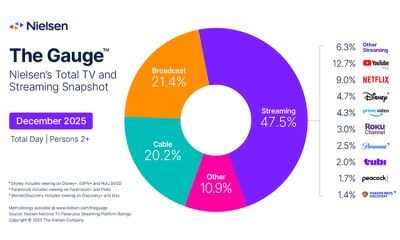

NEW YORK: Streaming tightened its grip on television in December 2025, capturing a record 47.5 per cent of total TV viewing and eclipsing the previous high...


NATIONAL: Amazon Ads has laid out a sharply tech-led vision for the advertising industry in 2026, arguing that artificial intelligence, streaming TV and creator partnerships will...


NEW DELHI: The writing was on the wall—or rather, on the smartphone screen. India’s television industry is staging a hasty retreat, with some 50 channels surrendering...
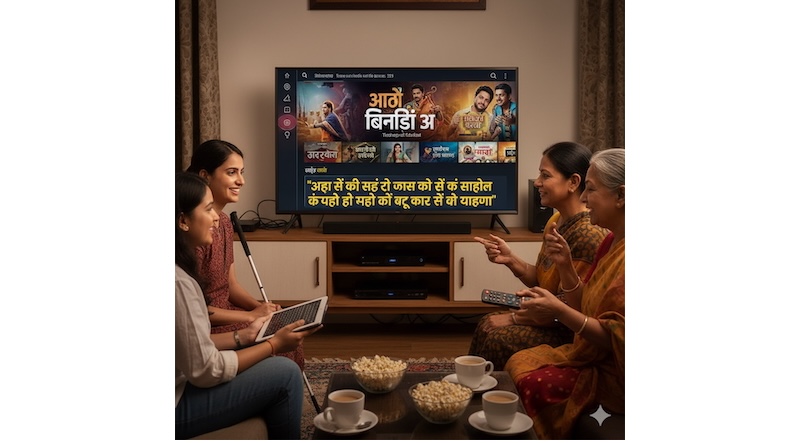
NEW DELHI: India’s streaming platforms face a shake-up. The ministry of information and broadcasting has issued draft guidelines forcing OTT services to make their content accessible...
NEW DELHI: India’s ministry of tourism has signed a memorandum of understanding with Netflix to promote the country’s destinations through cinematic storytelling, marking a bold digital...
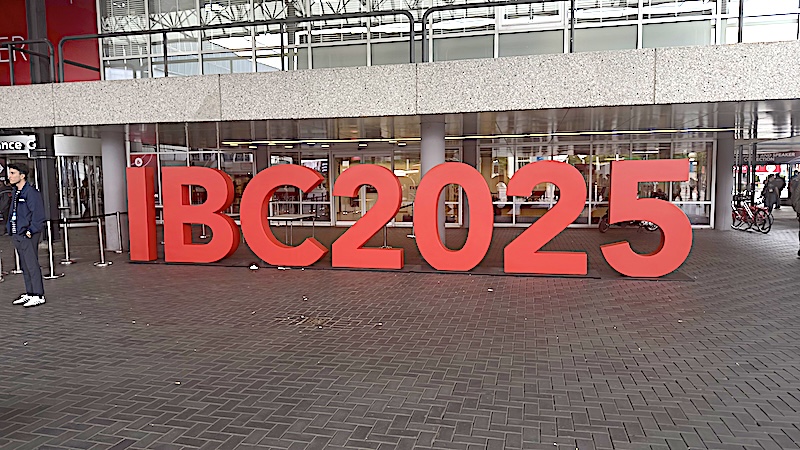
AMSTERDAM: Amsterdam’s RAI convention centre became the epicentre of media’s digital revolution last week as 43,858 industry professionals descended on IBC2025, the world’s largest broadcasting and...

MUMBAI: In a significant win for content rights holders, the Delhi high court has restrained multiple rogue websites from illegally streaming the India tour of England...
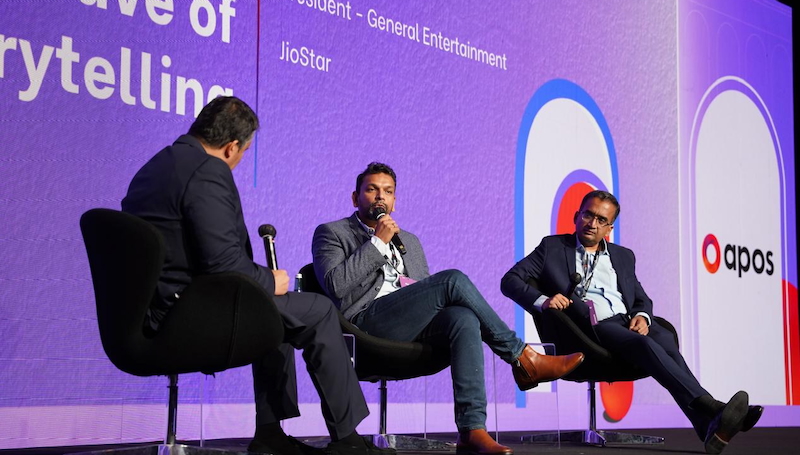
Bali: India’s entertainment juggernaut JioStar is rewriting the playbook for streaming success. Speaking on Day one with MPA founder & executive director Vivek Couto at the...
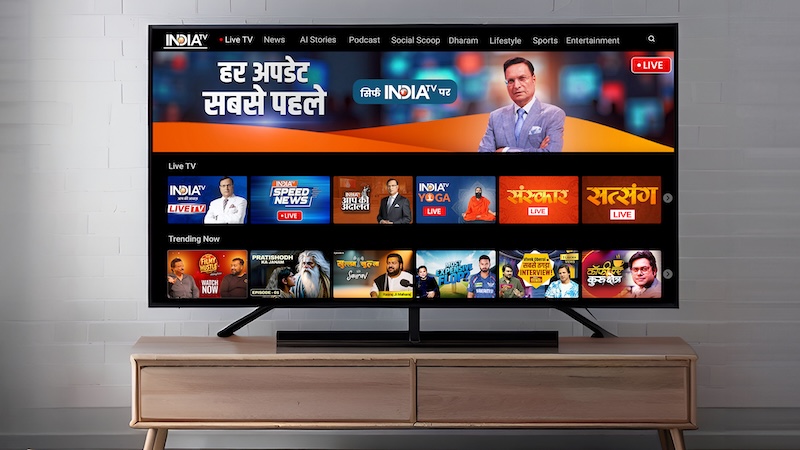
MUMBAI: India TV, the erstwhile broadcasting juggernaut, has curtailed its dependence on conventional linearity, launching its brand-spanking-new India TV OTT App. This isn’t just another streaming...

MUMBAI: While the Motion Pictures Association (MPA) loves pointing fingers at India for its piracy woes, they may want to swivel their gaze towards Europe. New...

MUMBAI: Nielsen’s March 2025 report on The Gauge indicates a shift towards more seasonal television viewing patterns in the US. Overall television viewing declined by six...
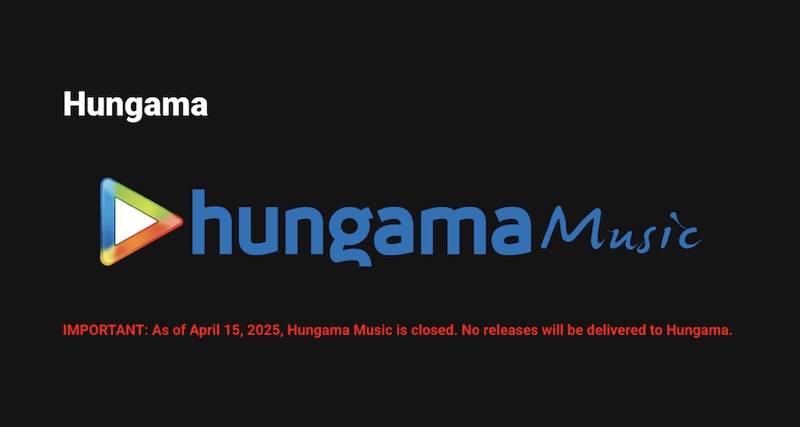
MUMBAI: Another one bites the dust in India’s cut-throat music streaming scene. Hungama Music is throwing in the towel, announcing its service will be switched off...
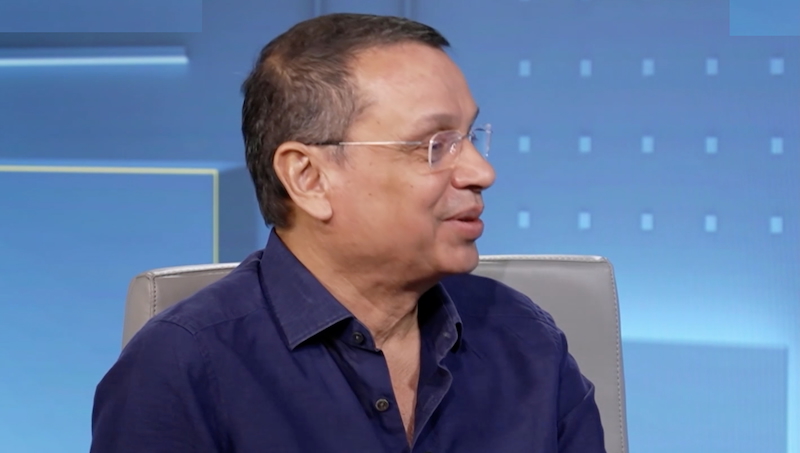
MUMBAI: JioStar India’s JioHotstar has reached a milestone of 200 million paying subscribers, making it “one of the biggest streaming services anywhere in the world,” according...
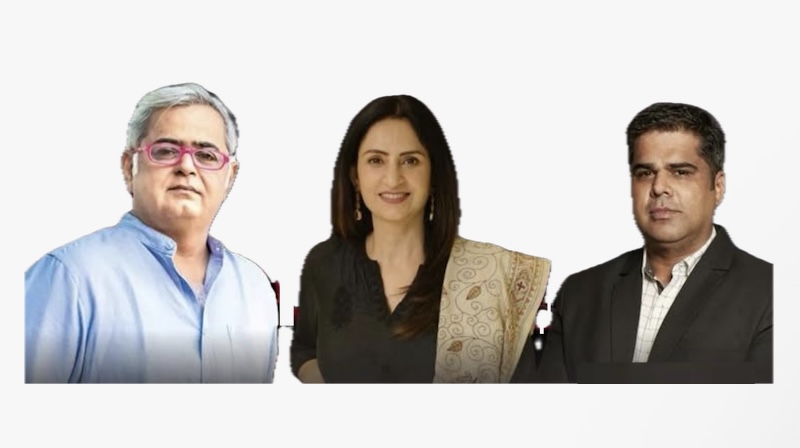
MUMBAI: Lights, camera, transformation! The entertainment industry is in the midst of a plot twist as digital platforms rewrite the rules of audience engagement. At FICCI...
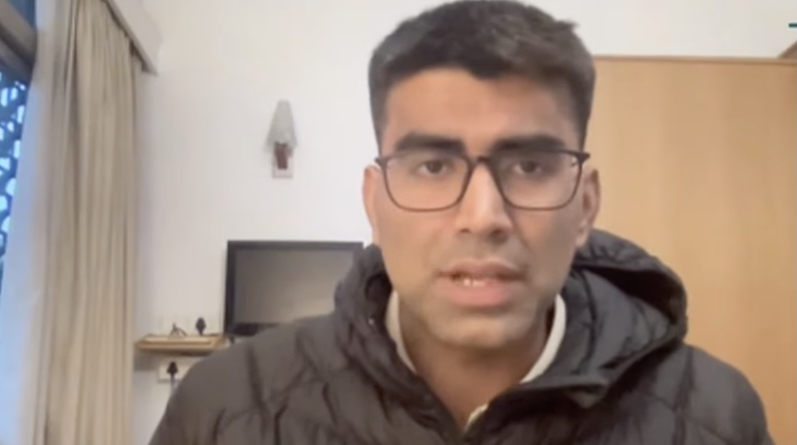
MUMBAI: SportVot, the cloud-powered production outfit that has quietly revolutionised how the world watches second-tier sports, is making a play for Australia’s local leagues and community...
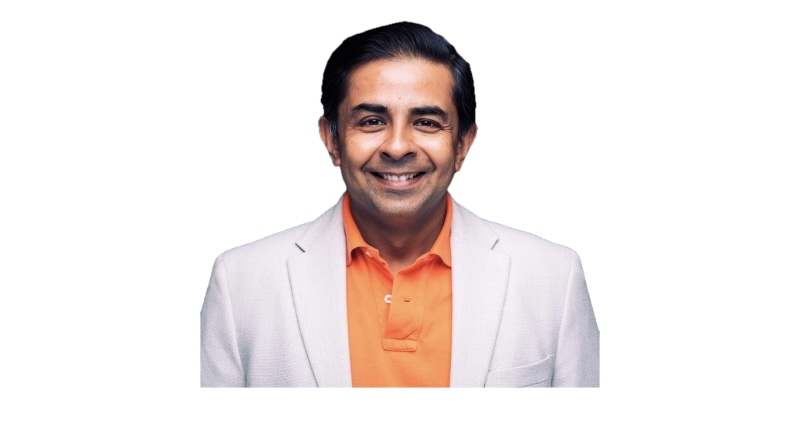
MUMBAI: Independent film distributor Indie Rights has struck a landmark content licensing agreement with Cape May Studios, the fledgling streaming venture founded by former Zee Entertainment...

MUMBAI: Golf fans can swing their clubs in glees. Sports streamer FanCode has signed a deal with the PGA Tour to broadcast a plethora of golf...

MUMBAI: To use a cricket analogy, television is going to go even more on the backfoot while online video shall come charging down the pitch to...

MUMBAI: The ambitious Venu Sports streaming service, a joint venture between Disney, Fox, and Warner Bros. Discovery, will not be launching after all. The only launch...

MUMBAI: Guess what’s the latest AVOD universe that Walt Disney Co’s Disney+, Hulu, and ESPN+ operate in? Well, you don’t have to guess. The numbers and...
MUMBAI: In the enchanted realm of acquisitions, The Walt Disney Company has long been the master storyteller, weaving tales of strategic mergers and blockbuster stakes. With...

MUMBAI: Picture this: you’re slouched on the couch, watching the season finale of your favorite show, but the room feels hollow. No one to laugh with,...
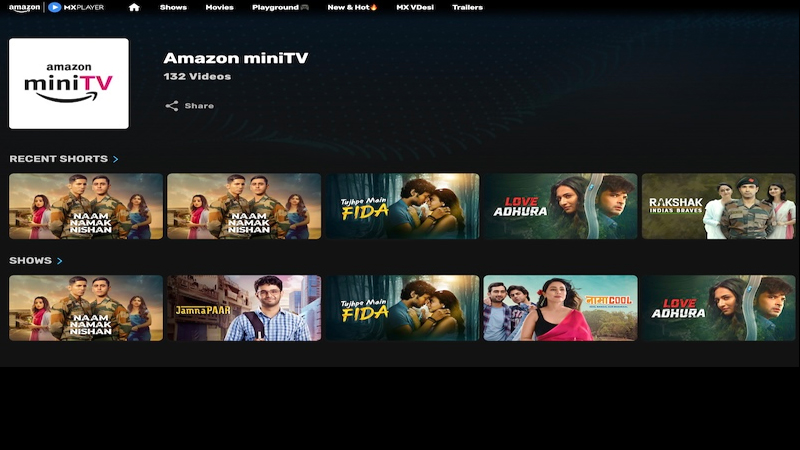
MUMBAI: Amazon on Monday announced that it had closed the acquisition of select assets of MX Player, including the MX Player app, to merge with its...
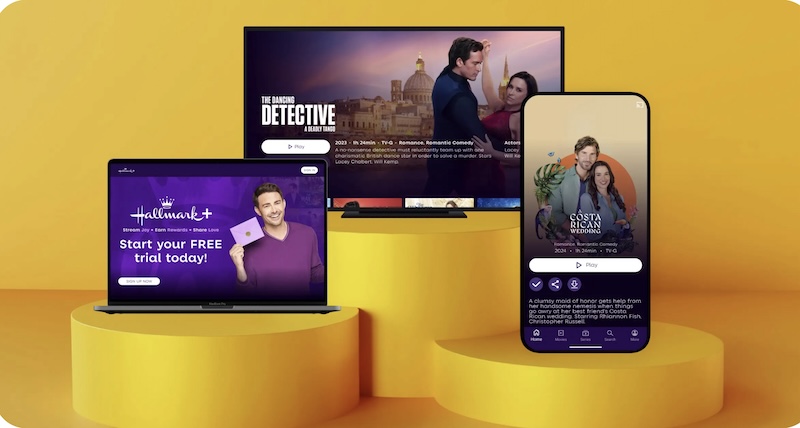
MUMBAI: When Hallmark was looking at relaunching its streaming service, it reached out to its partner Accedo and extended its partnership. Together, the two elevated the...

Mumbai: The Sports Video Group is held its first event in India on 30 April 2024. Hosted by Star Sports in Mumbai, the event brought together...
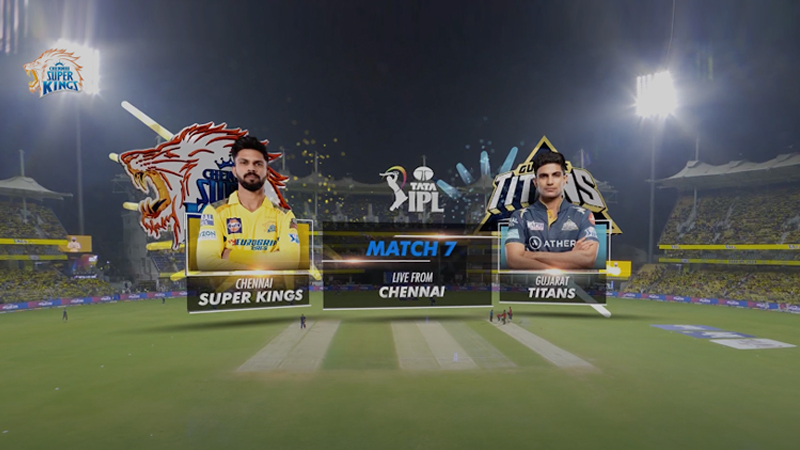
MUMBAI: Viacom18 Media is cracking the whip on illegal streaming of the IPL matches online. It recently received a dynamic+injunction order from the Delhi high court...

Mumbai: Videograph, a player in innovative video technology is excited to announce a groundbreaking partnership with Republic Media Network News Channels. This collaboration marks a stride...

Mumbai: OTT platform Netflix has announced that comedian, writer, director and actor Chris Rock will be the first artist to perform live on Netflix for the...
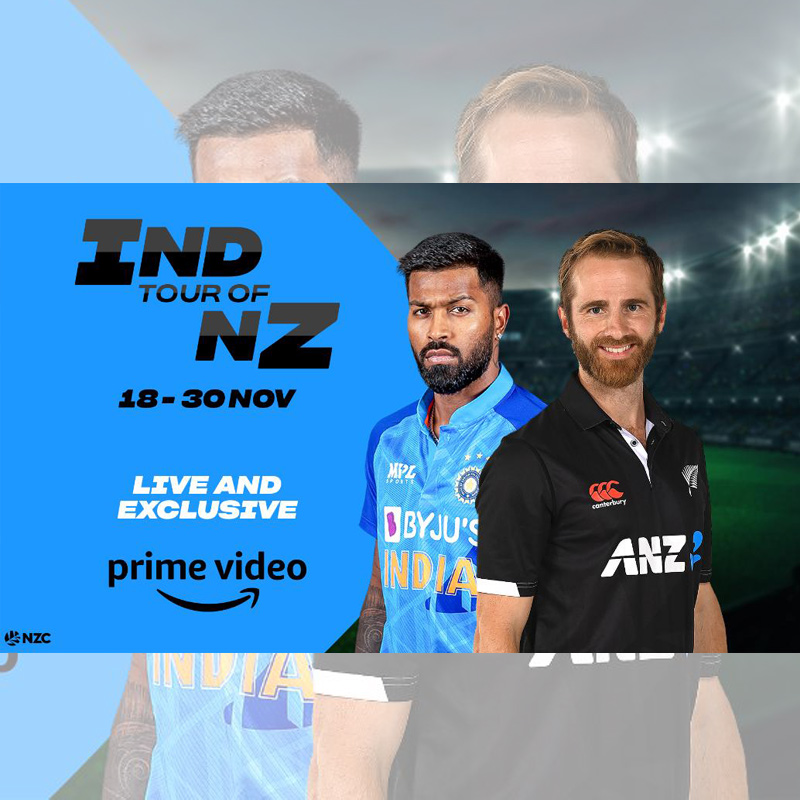
Mumbai: Streaming service, Prime Video, amps up the excitement around the Indian cricket team’s tour of New Zealand beginning 18 November, with a series of announcements....

Mumbai: Speaking to analysts during a conference call to announce its fourth quarter and annual results, Disney senior executive vice president & chief financial officer Christine...

Mumbai: Amazon Studios has announced that it has ordered Cross for a series. From Paramount Television Studios and Skydance Television, Cross is being positioned as a...

Mumbai: YuppTV, an over-the-top (OTT) South Asian content provider, has acquired the broadcast rights for the ICC Men’s T20 World Cup 2022, scheduled to take place...

Mumbai: New YouGov data reveals where people are watching new films and how the shift to streaming platforms may affect cinema attendance in a post-covid world....

Mumbai: In the third quarter ending September 30, 2022, Netflix reported 2.41 million net new paid subscribers. It now has 223.1 million paid subscribers globally. Earlier,...

Mumbai: Kaushik Das’ love for technology inspired him to start his new venture, AAO NXT – the premium and most entertaining Odia platform, which is currently...

Mumbai: Starz has announced that its premium international streaming service, Starzplay, will rebrand as Lionsgate+ in 35 countries. This coincides with a new brand look and...

Mumbai: With the Legends League Cricket (LLC) underway in India, the spectacle of various cricketing legends playing together is set to have a global footprint. The...

Mumbai: Web3 promises to be the renaissance for how we use internet services. It is fundamentally an idea for a more open, decentralised, and secure internet,...

Mumbai: Warner Bros. Discovery’s OTT service HBO Max has completed the rollout of a new user experience on desktop, iOS and Android mobile devices, and Amazon...

Mumbai: Mukesh-Ambani-led Reliance Jio has launched its new streaming platform called ‘JioGamesWatch’ recently. It is the one-stop solution for all types of gaming content that the...

Mumbai: In June, streaming captured 33.7 per cent of total television consumption in the US, according to The Gauge, which is Nielsen’s monthly total TV and...

Mumbai: Registration has opened for the National Association of Broadcasters (Nab) Show in New York. The event will run from 17–20 October 2022 (exhibits 19–20 October)...

Mumbai: Netflix on Wednesday announced a deal with Microsoft as its global advertising technology & sales partner. The streaming service revealed its plans to introduce a...

MUMBAI: Warner Bros. Discovery (WBD) is putting a stop to original productions by its streaming service HBO Max in the Nordics, Central Europe, the Netherlands and...

Mumbai: Global cloud-based audio and video streaming platform Muvi has announced a virtual recruitment drive, scheduled for 25 June 2022, from 10 am – 2:30 pm....
Mumbai: Global streaming grew 10 percent globally, including continued growth in mature markets like North America (5 percent) and Europe (9 percent), during the Q1 of...

Mumbai: Aaj Tak has launched connected devices live streams. First of its kind in the news genre, it will allow viewers to stream Aaj Tak on...
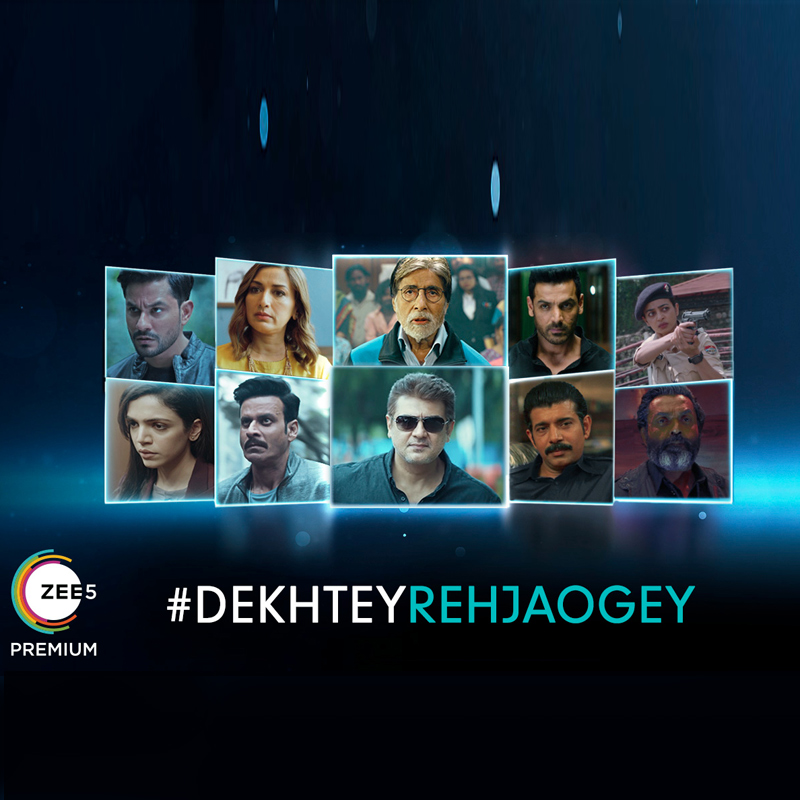
Mumbai: The video streaming platform, Zee5 has unveiled their blockbuster content slate for 2022 with 80+ titles spanning across Hindi, Tamil, Telugu, Punjabi, and Bengali. The...

MUMBAI: Amagi, which works in the area of cloud-based SaaS technology for broadcast and connected TV, has enabled the launch of T2, a new channel from...
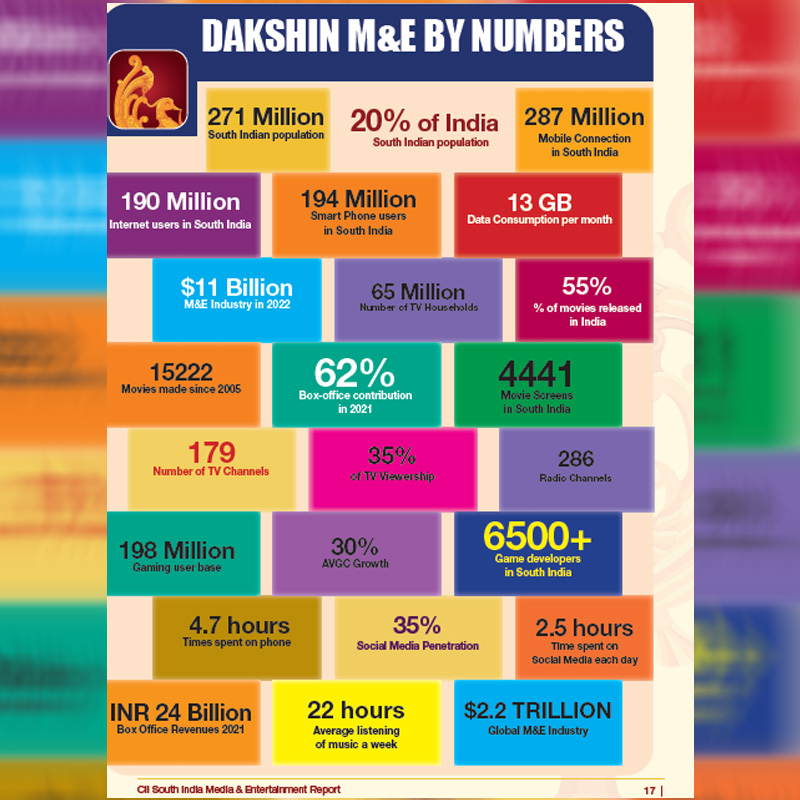
Mumbai: The South Indian media and entertainment (M&E) sector, with a market value of around Rs 70,000 crore and a share of 40 per cent, will...



